|
Cancer News Digest, June 2026
Visit our website
CFC #11967
| | |
Thyroid Cancer: What patients should know
Two new articles on our website about thyroid cancer will help you avoid thyroid cancer and learn how to avoid overtreatment if you are diagnosed.
Many thyroid cancers grow so slowly that they will never cause symptoms or shorten a person’s life, so surgery may not be needed. However, some types of thyroid cancers can be fatal, so it is important to know how to reduce your chances of developing thyroid cancer by avoiding exposure to X-rays and scans near the neck.
One of our articles will give you the information you need to protect yourself from unnecessary radiation from CT scans (an MRI and other scans are safer). Our other article will help you talk to your doctor about what kind of treatment you may or may not need, so that you can avoid the problems that may occur from overtreatment.
Read our articles on thyroid cancer overdiagnosis here and radiation from medical scans here.
| | |
How does a Cancer drug cost 25 cents to make but costs thousands to buy?
A 2025 ProPublica investigation explains how Revlimid, a drug used to treat multiple myeloma, became one of the most expensive cancer drugs in the United States. Revlimid has helped many patients live longer, but it’s based on an old drug that only costs 25 cents to make. By delaying generic competition, the company that makes it, Celgene, is making sure we all pay for it.
Revlimid is related to thalidomide, a drug that caused severe birth defects when prescribed for pregnant women in the 1960’s. That’s why Revlimid has strict safety requirements to prevent use during pregnancy. Those safeguards are important, but Celgene used the safety system to make it harder for generic companies to obtain samples needed to prove that their lower-cost versions worked the same way.
That’s not all. Celgene has repeatedly raised the price of Revlimid while generic competition was delayed. Back in 2005, one pill cost only $218 for Americans, whereas now it has increased to $1,000 per pill -- hundreds of thousands of dollars per year!
Read the ProPublica article here.
| |
Should courts decide which cancer warnings matter?
Thousands of cancer victims who believe Roundup, a widely used weed killer, caused their cancer had hoped to hold the original manufacturer, Monsanto, accountable in Court. Unfortunately, this week the Supreme Court ruled that Monsanto isn’t responsible for failing to warn consumers about cancer risks because the Environmental Protection Agency (EPA) did not require a cancer warning on Roundup’s label.
The Supreme Court justices are not experts in toxic exposures, but their decision was not based on their views of the science. It was supposedly based on the EPA's assessment of the cancer risk, and it apparently did not matter if the EPA was accurate or not.
Roundup’s active ingredient, glyphosate, has been classified by the World Health Organization’s International Agency for Research on Cancer as “probably carcinogenic to humans” since 2015. The EPA, which is often influenced by politics and industry, disagreed.
This SCOTUS decision could affect tens of thousands of cancer victims, but it's even bigger than that. The decision seems to mean that States can't hold companies responsible for harming people if a federal agency has decided the product is not proven harmful. And that means that every President who selects their Cabinet secretaries has the power to decide whether a company that makes a harmful product will be held accountable, or if you’re on your own.
Read the Washington Post article here.
|
How much alcohol is too much?
We recently learned that the new U.S. dietary guidelines released in January intentionally ignored important information from a government-commissioned study that concluded that drinking more than one alcoholic drink a day can cause health problems. The study has now been published in a medical journal, since the authors no longer work for HHS.
The study contradicts old claims that occasional drinking can be good for your health. And, it found that people who drink an average of 1-2 drinks a day are more likely to die younger from alcohol-related causes. That’s big news because experts used to think that an average of 2 drinks a day was safe for men.
So why did the new dietary guidelines tell Americans that drinking less is better for health, but without giving specifics about how much is too much? It seems they did not want to offend people who make money selling alcoholic beverages. Without specific guidance, many people may assume that their drinking habits are safe, not knowing that more than 7 drinks per week can increase the risk of cancer, liver disease, heart disease, and injuries. A drink is defined as 1.5 oz of hard liquor, 5 oz of wine, and 12 oz of beer.
Read the New York Times article here.
| | We're Speaking Out For You | | |
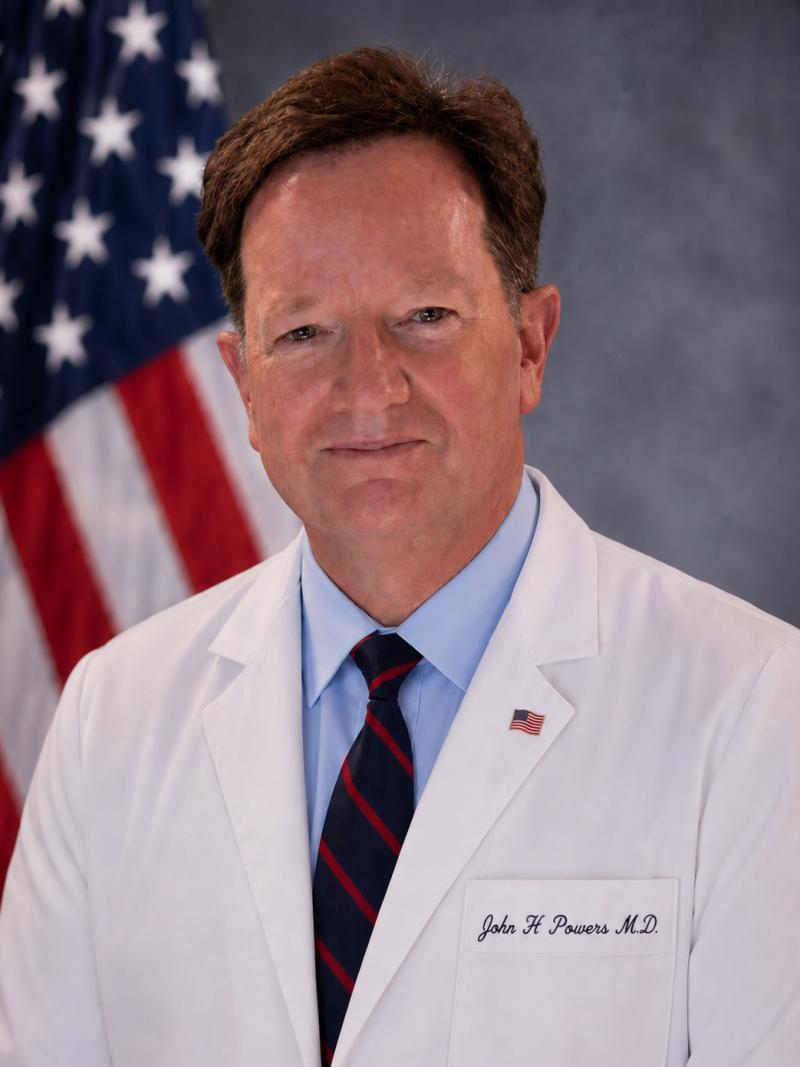
Dr. John Powers named Acting Director of NIH Infectious Disease Institute
John H. Powers III, M.D., a physician-scientist with whom we have worked for years, has been named Acting Director of the National Institute of Allergy and Infectious Diseases.
This matters for cancer patients because infections can interrupt or delay cancer treatment, lead to serious complications, and become life-threatening when chemotherapy or other treatments weaken their immune system.
NCHR President Dr. Diana Zuckerman tells us that “Dr. Powers has always fought for patient-centered research and treatment, and has extensive expertise on infectious diseases, focusing on a simple model: Study and treat patients, not ‘bugs.’ He points out that many very expensive antibiotics have not saved lives because they were approved based on killing bacteria in test tubes, rather than based on saving patients’ lives.”
Last year, Dr. Powers co-authored a medical journal article and an op-ed with Dr. Zuckerman explaining how this misguided approach can be fixed. His leadership at NIH could help shift infectious disease research toward treatments that prove they help real patients recover, survive, and avoid serious complications. That is especially important for cancer patients, who may need effective antibiotics and infection treatments in order to safely continue their cancer care.
Read Dr. Powers’ bio here.
Read the STAT op-ed we wrote with Dr. Powers here.
| | |
Check us out!
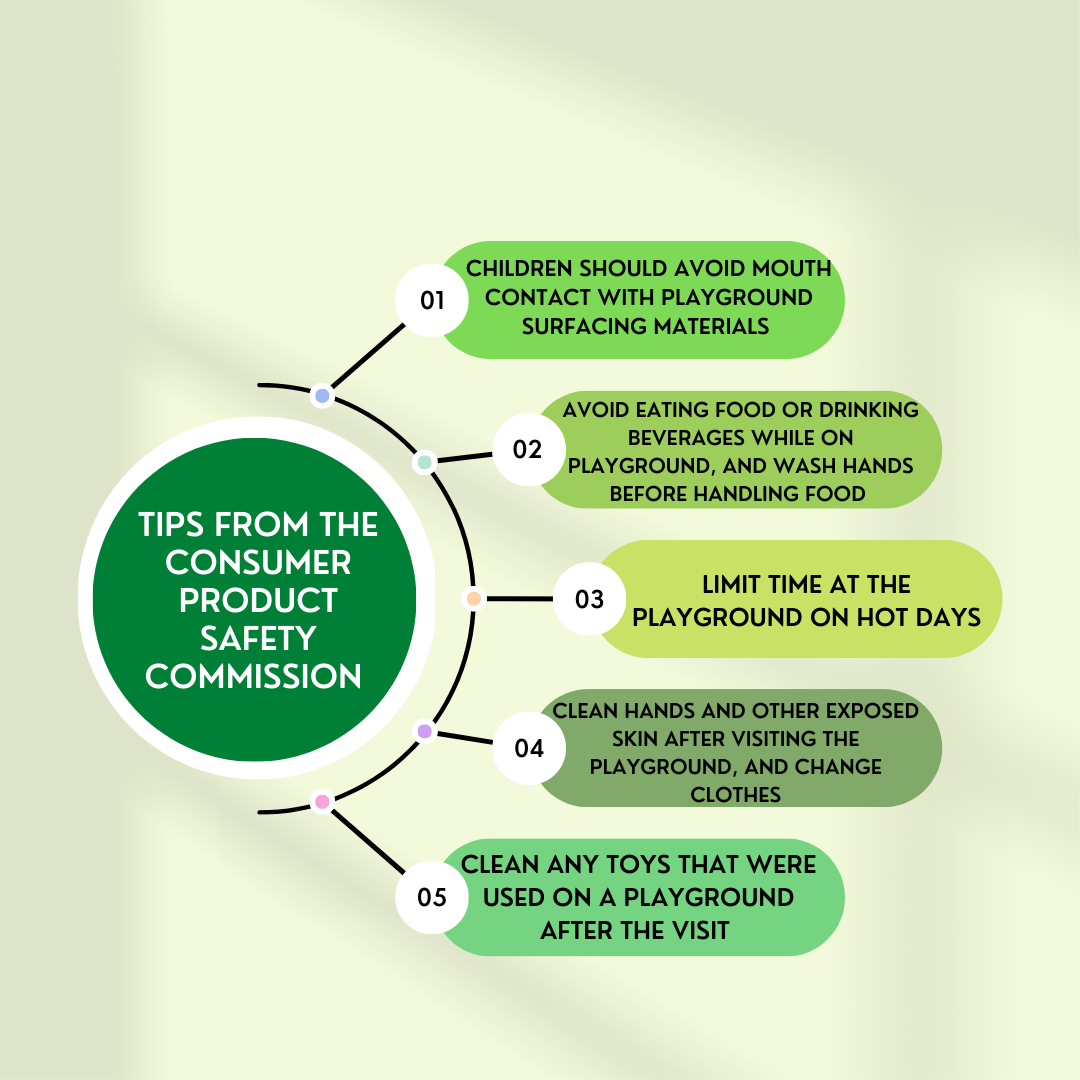
Did you know that artificial turf, rubber playground surfaces, and rubber mulch contain chemicals that can cause attention problems, obesity, early puberty, asthma, and cancer? Are your children or grandchildren getting exposed when they play? Follow us @safe.to.play
| Our main Instagram account and Threads provide free information about new medical research, programs, and policies to help health experts, patients, and the public improve the health of individuals and communities. Follow us @healthresearch4u | |
| Connect With Us on Our Other Social Media! | | |
Your Contribution Can Make a Difference
We do not accept any funding from drug companies, device companies, chemical companies, or other sources that could influence our work and compromise our integrity. That's why so many people turn to us when they need help. Donations of any size are greatly appreciated (and tax deductible.)
Please consider giving to the Cancer Prevention and Treatment Fund online or by mail to the address below.
| |
To sign up for these monthly updates, click here.
| |
Cancer Prevention and Treatment Fund | 1001 Connecticut Ave NW, Suite 1100
CFC# 11967
| | | | |