Rail & Labor News from RWU
| | Weekly Digest Number 42 - October 14, 2025 | | Welcome to the RWU Rail & Labor News! This news bulletin is produced and emailed out each Tuesday morning. We hope you find each week's news and information useful. If so, please share with co-workers, friends, and colleagues. If you like, you can sign them up to get all the news from RWU HERE. Or forward them the link. Got a hot tip? Please forward the article and a link to raillabornews@gmail.com. Note: If you read over this news bulletin each week, you will be sure to never miss the important news of what is going on in the railroad world from a worker's perspective! | | THIS WEEK'S RAIL AND LABOR NEWS | | Editor's Note: Every derailment, no matter how “minor,” carries two silent cargoes.. luck and labor. Luck that the crew walks away, labor that shows up before sunrise to put everything back together. Both are undervalued commodities in this economy. | |
| |
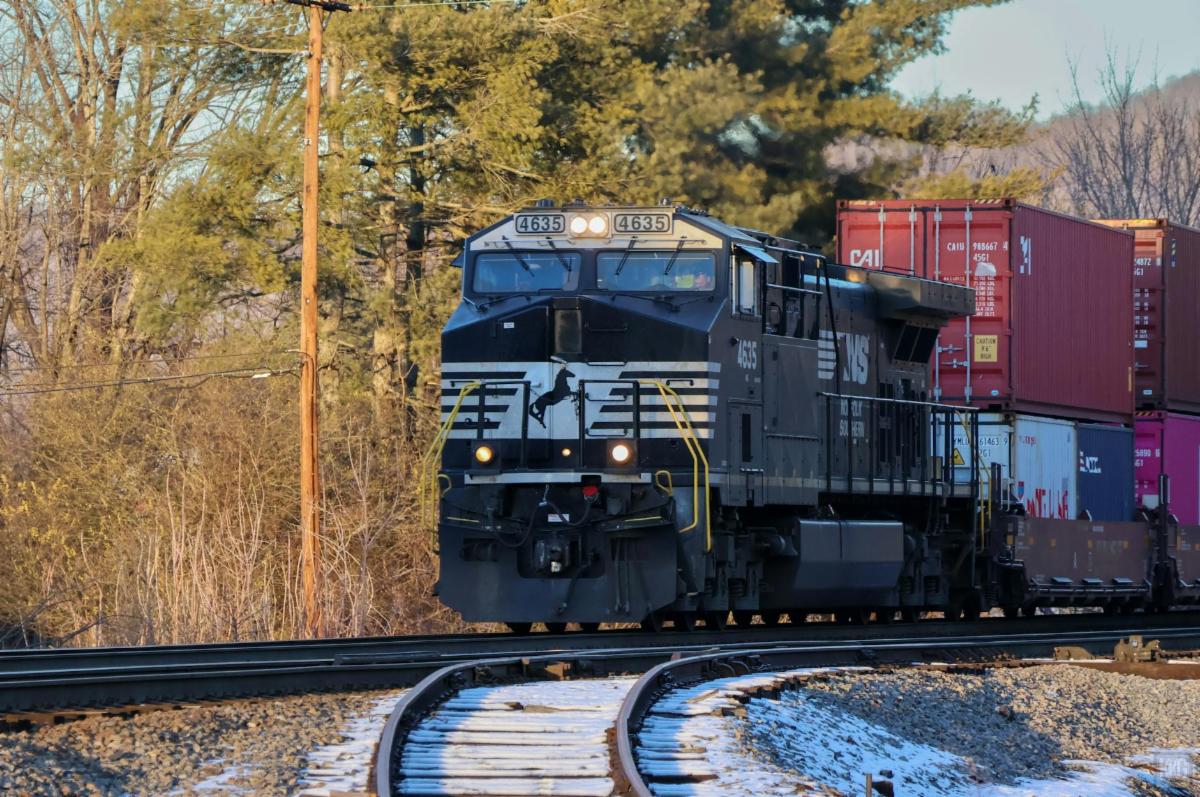
A Norfolk Southern engineer and conductor were taken to the hospital with non-life-threatening injuries following a derailment this morning in Owensville, Ind.
Responding to an inquiry from Trains.com, Norfolk Southern said in a statement that the derailment occurred about 3 a.m. today (Oct. 8, 2025) and involved a locomotive and two railcars. NS has team members on hand cleaning up a diesel spill from the locomotive. The railroad said it appreciates the public’s help in avoiding the area while cleanup is in progress.
WEHT-TV reports the derailment occurred near the intersection of Gibson County roads 970W and 1150W, near the coal-fired Duke Energy Gibson Plant. The plant is served by a spur off NS’ Southern-West District main line.
| |
| Editor's Note: The industry hails him as a fifth-generation railroader. We’ll see whether that means five generations of calluses or five generations of connections. The rails don’t care about lineage.. only balance, brakes, and the weight of decisions. | |
|
Progressive Railroading / October 8
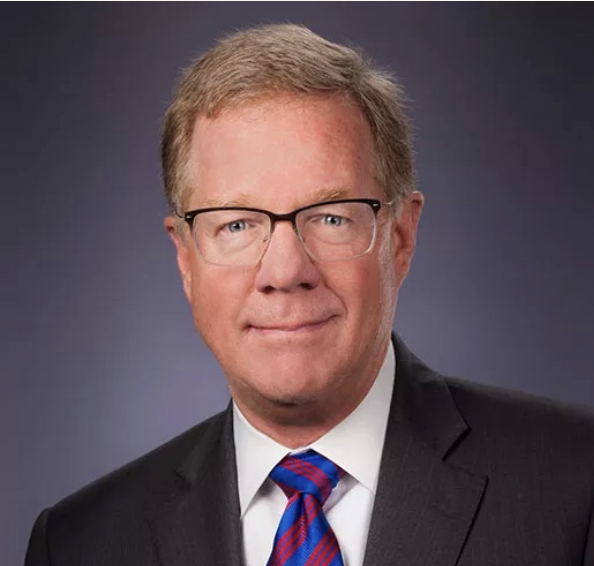
The U.S. Senate yesterday confirmed David Fink as the 16th administrator of the Federal Railroad Administration.
The former CEO of Pan Am Railways, Fink has more than 45 years of leadership experience in transportation.
"David’s unique experience as a fifth-generation railroader brings unmatched expertise to this role, enabling data-driven regulation and modernization that strengthens safety and performance across the network," said Association of American Railroads.
| |
| Editor's Note: On this issue, just about everyone - rail carriers big and small, labor unions, rail workers, safety advocates, environmentalists - can agree. No more big trucks! Take action! | |
Coalition Against Bigger Trucks
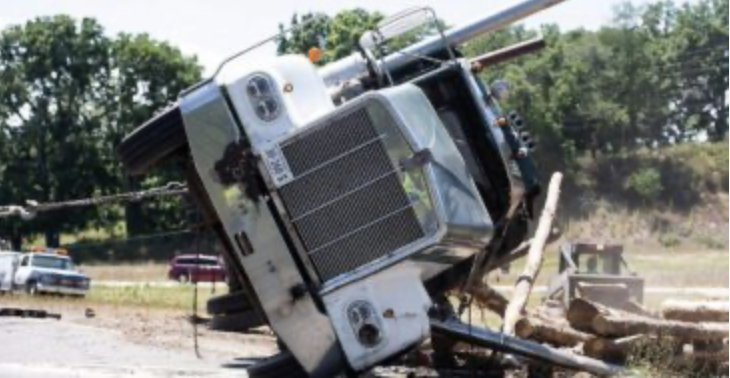
The so-called heavier truck “pilot” is no harmless test. It would last up to 10 years, and the only data it seeks to collect is the number of crashes. It is a science experiment, and America’s motorists are the guinea pigs.
We need to get ahead of this before it gains momentum. Please take a moment today to tell your member of Congress to oppose any increases in truck weights or pilot programs that allow heavier trucks on our highways.
|
| Editor's Note: Union Pacific helped create the laws meant to contain it, and now returns a century later to test the welds. Antitrust, it seems, has become just another junction.. passed through, never switched. | |
|
Brett Heinz & Reolving Door Project / Oct 6
The power of railroad monopolies was one of most fraught political issues in America during the late 19th and early 20th centuries. Rampant political corruption, fraud, violations of workers’ rights, inefficiencies, and inflated prices were an endemic feature of monopolistic control over our national transportation system. So bad was the rail companies’ behavior that the first ever regulatory agency in US history was created specifically to monitor their abuses. At the center of many of these controversies was Union Pacific (UP), a company whose actions played an importantrole in shaping early antitrust policy.
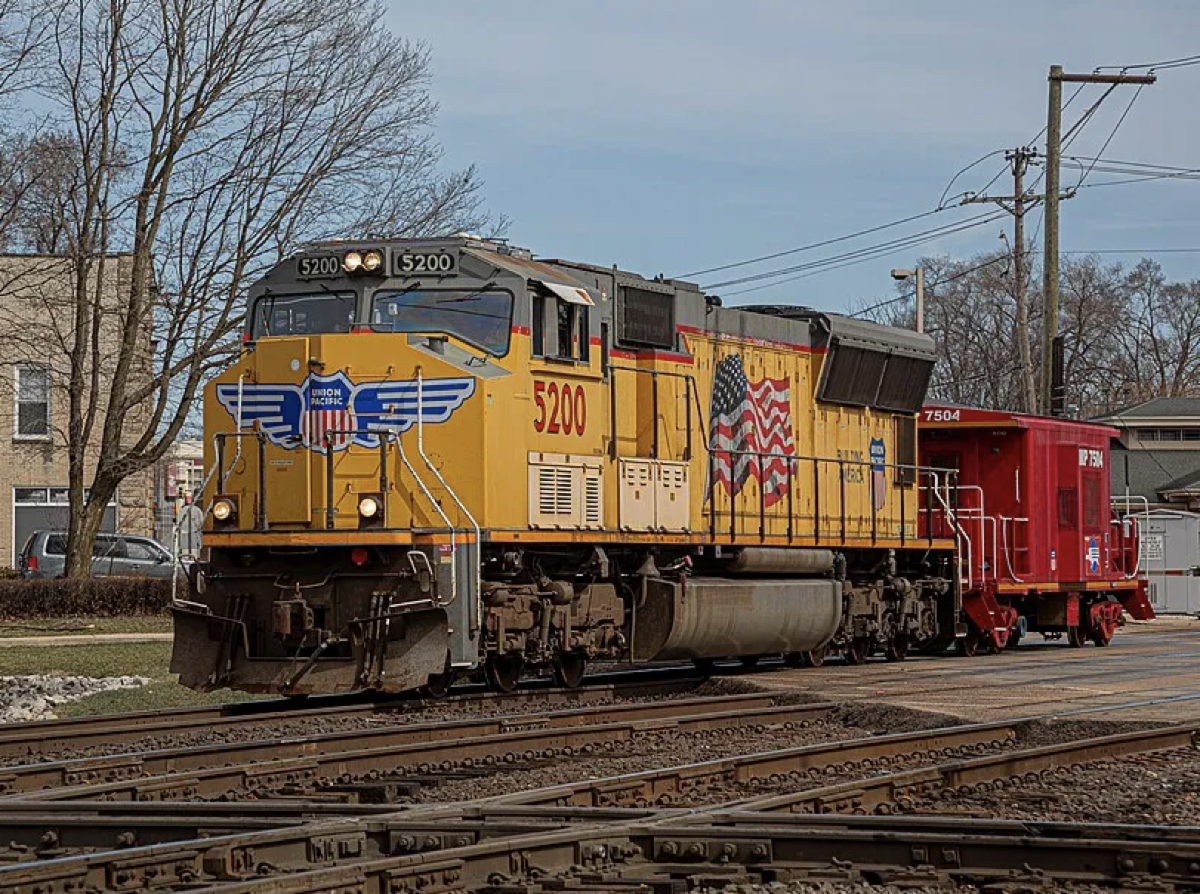
Flash forward to today, and that same company is back at it again. In June, Union Pacific announced its intention to merge with Norfolk Southern (NS), thus combining two of the nation’s largest rail companies. If approved, the deal would be “the largest buyout ever in the rail sector.” The merger would shrink the number of Class I freight rail companies operating in the US and dramatically reduce competition in the market, pressuring other Class I companies to pursue their own mergers.
| |
| Editor's Note: Every merger has its choir. Mayors sing of prosperity, chambers of commerce hum about efficiency, and the rest of us listen for the whistle of the next round of layoffs.. | |
| |
Julie Sneider / October 9
In just over two months since Union Pacific Railroad announced its intention to buy Norfolk Southern Railway in an $85 billion deal that would create the first U.S. transcontinental railroad, over two dozen organizations and individuals have informed the Surface Transportation Board of their support of or opposition to the merger, or their intention to participate in the board’s proceedings.
But many entities and individuals began weighing in with the STB just days after the proposed merger was announced. For example, those expressing a favorable view include Springfield, Illinois Mayor Misty Buscher, who wrote in her letter to the regulator that a combined UP-NS would be a boon to the local economy by providing more dependable rail service, expanding market access for local businesses and encouraging investment in rail infrastructure.
| |
| Editor's Note: Nothing warms the heart like one monopoly scolding another for being monopolistic. When railroads preach competition, it’s usually because someone else is winning.. “No customer is asking for it.” True enough. But no customer asked for Precision Scheduled Railroading either, and they got it anyway.. delivered on time and under empathy. | |
|
BNSF Press Release
"Our nation’s supply chain does not need a reduction in competitive options or the risk inherent in integration that we’ve seen happen after almost every Class I merger.
No customer is asking for a UP-NS merger to happen. It’s driven by Wall Street on the promise of a big shareholder payout. BNSF does not believe a merger is necessary at this time, when we can deliver immediate benefits to our customers while preserving competition.
| |
| Editor's Note: BNSF’s newfound passion for “rail competition” is touching.. like a fox lobbying for stronger henhouse security. When one giant warns another not to grow too large, it isn’t reform.. it’s self-preservation with better stationery. The only thing they’re trying to preserve is their turn at the trough. | |
|
Brian Taylor / October 7
BNSF Railway Co., Fort Worth, Texas, is posting information on its website encouraging and helping its customers express opposition concerning the proposed merger of two competing Class 1 freight railroads.
The BNSF campaign concerns the proposed acquisition of Atlanta-based Norfolk Southern Corp. (NS) by Omaha, Nebraska-based Union Pacific Corp. (UP), first announced this July.
“If you have concerns and reservations about the proposed merger between Union Pacific and Norfolk Southern, or you believe that conditions are needed to ensure that the merger is beneficial to you and other shippers, it is important that the Surface Transportation Board (STB) hear from you now and at every opportunity during the regulatory review process,” BNSF says on a section of its website labeled “Preserve Rail Competition.”
| |
| Editor's Note: When the railroads describe the economy as “uneven,” they mean profits remain steady while everything else wobbles. Declines are framed as reflections, not results.. as though the carriers were passive observers instead of the steel spine of commerce. The numbers sag, but the dividends never seem to notice. | |
|
Progressive Railroading / October 7
September's freight-rail volume reflected the uneven pace of the U.S. economy, with pockets of growth offset by emerging weaknesses, according to the Association of American Railroads' latest "Rail Industry Overview" report.
As businesses navigate the uncertainty, rail activity has mirrored broader economic conditions, states the report, which AAR issued on Oct. 3. For example, in September total rail carloads declined 1.2% year over year, with 12 of the 20 major carload categories tracked monthly by AAR posting declines. However, several key industrial commodities — including metal products, autos and parts, metallic ores, and stone and glass products — posted gains.
Meanwhile, U.S. intermodal rail shipments, which are closely tied to consumer demand and international trade, fell 1.3% last month compared to September 2024.
| |
| Editor's Note: This commentary from the Rail Passengers Association is spot on the mark. Trains are still THE safest way to get from Point A to Point B. Period. One of so many reasons that we should grow and develop a robust network of passenger train routes across the continent. | |
Jim Mathews / October 9
Every few weeks, someone tells me that we live in more dangerous times than ever before — that we need more surveillance, more armed police officers, even military troops in train stations. I even hear sometimes from some folks that Amtrak trains aren’t safe because we don’t go through airport-style security to board them, or that we should post armed marshals on every train.
I understand where that sentiment comes from. Between 24-hour news coverage, social media’s algorithm-driven outrage, and the trauma of past attacks, danger can feel more present than ever. But feelings aren’t the same as facts. When we look at long-term data, the evidence is overwhelming: we are not living in more dangerous times. In fact, by many measures, we’re safer than ever.
When it comes to transportation, passenger rail is among the safest modes of travel in America. On a per-mile basis, riding a train is roughly 15 to 25 times safer than driving a car, with about 0.43 fatalities per billion passenger-miles compared with about seven fatalities per billion passenger-miles for cars.
| | Editor's Note: Management has been watching from the heavens for years, and only now does labor look up. The drones were never about safety.. they were about suspicion with propellers. It shouldn’t take an FAA docket for a union to defend its dignity; that used to be instinct, not paperwork. | |
| |
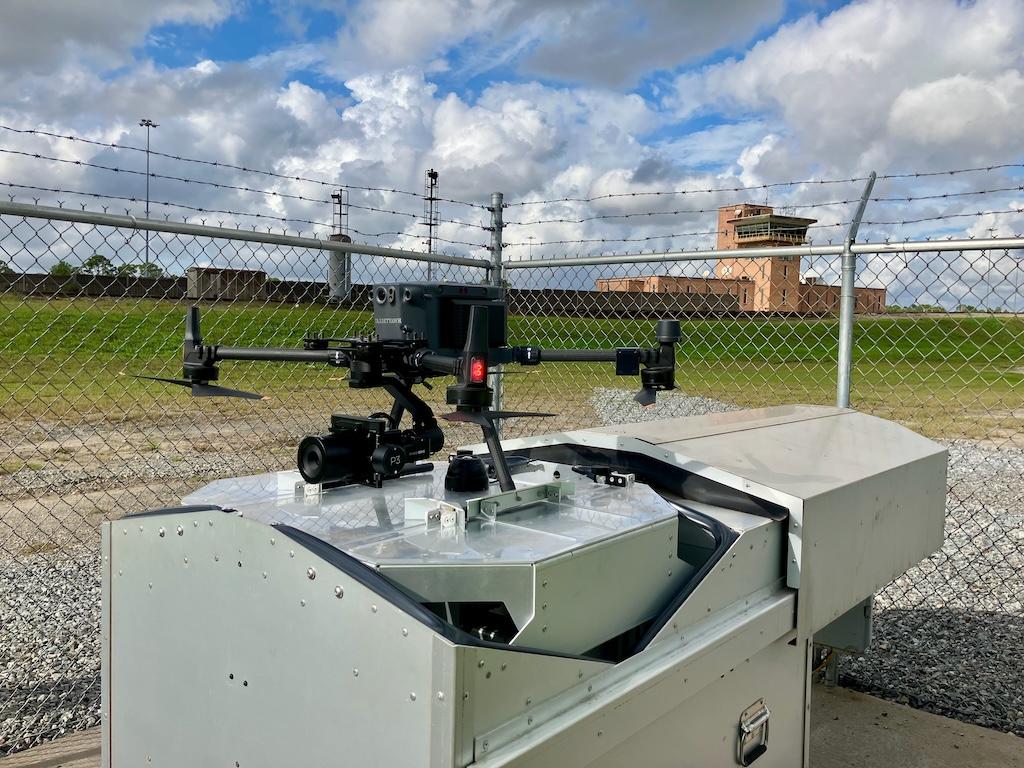
A rail union has asked the Federal Aviation Administration to ban the use of unmanned aircraft systems, or drones, above rail yards and main lines.
The International Association of Sheet Metal, Air, Rail and Transportation Workers-Transportation Division, or SMART-TD, submitted comments earlier this week on a proposed FAA rule that would allow expanded drone use of beyond visual line of sight. Such a proposal was a condition of the FAA Authorization Act of 2024.
SMART-TD says it seeks the ban primarily because of what it says is an increasing use drones by railroad management for employee surveillance and operational testing, calling such use “a practice that crosses every line of safety, respect, and common sense.” Jared Cassity, SMART-TD’s national safety and legislative director, said in a post on the union’s website, “Our rail yards are not laboratories or surveillance zones. They’re our offices. When a drone flies overhead, it’s not just a nuisance; it’s a distraction in one of the most dangerous work environments in America.
| |
| NEWS FROM AROUND THE LABOR MOVEMENT | | Each week, RWU includes a few articles about advances and developments in the larger labor movement that are of interest to railroad workers. Got an artcile to submit for possible inclusion next week? Email it along to raillabornews@gmail.com. Thank you! | | Editor's Note: Railroad workers in the U.S. once numbered 2 million, but today just 10% of that number. Much of that job loss was due to technological advancements. AI threatens to eliminate many of the jobs that remain, including those in train and engine service, maintenance-of-way, dispatching, and car and locomotive inspection/repair. If our dozen or so weak and divided craft unions cannot come together to defend what is left, they themselves will soon cease to exist | |
Jessica Corbett / October 6
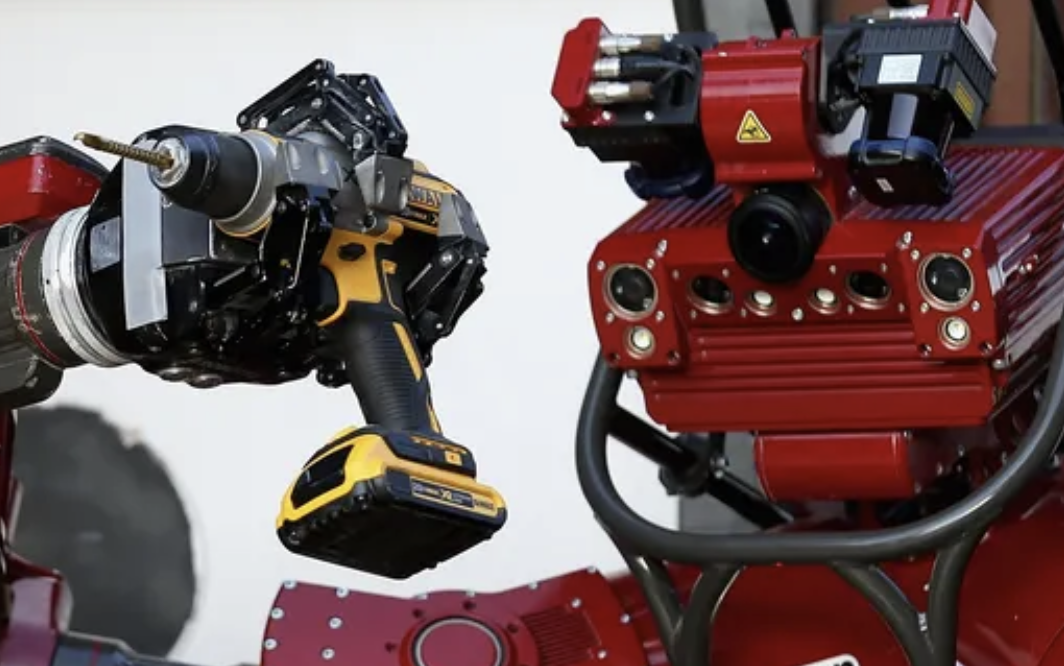
Sen. Bernie Sanders on Monday argued in an opinion piece for Fox News that artificial intelligence “must benefit everyone, not just a handful of billionaires,” and released a related report warning that AI puts up to 97 million US jobs at risk.
“Some of the very wealthiest people in the world, including Elon Musk, Larry Ellison, Mark Zuckerberg, and Jeff Bezos—are now investing hundreds of billions into these revolutionary technologies,” Sanders (I-Vt.) wrote at Fox. “Why is that? Is it because they want to improve the standard of living of the 60% of our people who live paycheck-to-paycheck—Americans who are struggling to pay for groceries, healthcare, housing, and education? Maybe. But I doubt it.”
| |
Jobs to Move America / Sep 30
A newly released report from Jobs to Move America and Cornell University’s Climate Jobs Institute reveals troubling findings about working conditions at MTA contractor Kawasaki’s railcar manufacturing facilities in New York and Nebraska.
Citing low pay, hazardous conditions and widespread experience of discrimination reported by workers, a coalition of NY and Nebraska groups are calling on Kawasaki to begin negotiating a legally binding Community Benefits Agreement (CBA) that would ensure the public monies the company receives are matched by fair treatment for its workers and neighbors.
Kawasaki has received billions of dollars over the past four decades to manufacture railcars for the MTA. In 2018, the NY MTA awarded the company a $4.5 billion railcar contract – the largest in its history.
| | Editor's Note: It is good to see a major union leader come out in favor of an "independent politics" free of the Democrats and Republicans. RWU has favored a break with both parties by rail labor for many years. See our Resolution on U.S. Elections from October 2020. | | |
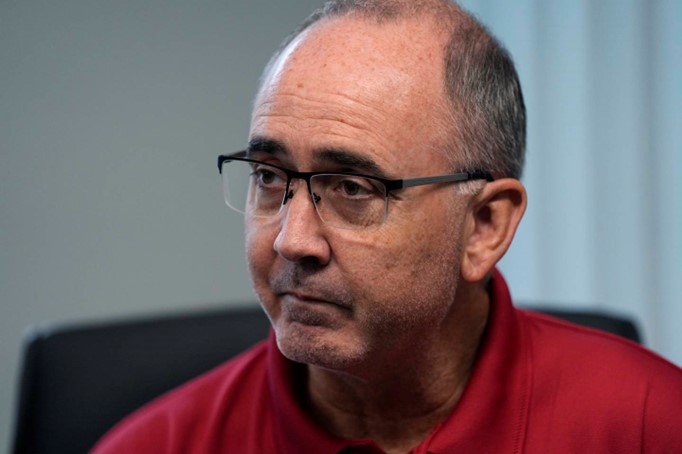
United Auto Workers President Shawn Fain recently laid out four priorities he says should form the nucleus of a workers’ political program. And he said that a broad strike in May 2028 is one way to fight for those priorities.
Fain spoke on September 30 at the release of a new report by the Center for Working Class Politics and allied groups. The report, titled “Democrats’ Rust Belt Struggles and the Promise of Independent Politics,” is based on a new survey showing that workers in four states battered by decades of mass layoffs—Pennsylvania, Ohio, Michigan, and Wisconsin—are eager to see their basic issues addressed in the political arena.
Fain suggested that more working-class people need to run for office, like independent U.S. Senate candidate Dan Osborn in Nebraska—a mechanic and leader in the 2021 Kellogg’s strike—and Democratic Senate candidate Graham Platner in Maine, an oyster farmer.
| | |
Labor Notes
If you’re a union member, unfortunately the chances are good that you’ve had your heart broken at least once by one of your own leaders. Whether you tried to get involved and there was nowhere to go, or the members got sold out, or leaders want to keep the union as their exclusive club, it can feel pretty harsh.
In this workshop, we’ll talk about how to organize with your fellow union members to recommit to your union, and to change the culture into one where leaders respect and serve the members.
This workshop is based on a piece by Labor Notes board member Ellen David Friedman who will also be leading the workshop.
| | WEEKLY DERAILMENT DEPARTMENT | | Each Tuesday in this news bulletin, RWU does our best to present a picture of what has been happening over the course of the previous week in terms of derailments in North America, and investigation determinations of previous accidents. NOTE: This list is by no means comprehensive. Smaller and less consequential mishaps are generally not reported here. If the wreck results in injury or fatality, or is especially damaging/extreme, a full article will appear as a feature in the dozen or so rail articles above. Know of a train wreck? Please feel free to forward a link to raillabornews@gmail.com for possible inclusion next week. Thanks! |
| | | |