Can't see the full newsletter? Please accept images and add Lawson LEADS (lawsonresearch-sjhc.london.on.ca@shared1.ccsend.com) to your safe list. | | Update: Operational changes and future vision | | |
Over the past several months, leadership has been working behind the scenes to rebuild administrative and operational functions following the dissolution of the shared Office of Research. This work has involved collaborating with colleagues at London Health Sciences Centre and Western University to define individual and shared roles, together shaping a stronger, more sustainable regional research ecosystem.
The first visible changes for Lawson are coming this spring, including the transition of shared finance functions and the addition of new staff dedicated to supporting research operations.
This year’s Lawson Research Day will be postponed. The event will re-launch with renewed energy when operational structures and new foundations are fully in place. In the meantime, Lawson is committed to showcasing the achievements of its researchers through this newsletter and other publications and events.
This is a time of change and transition for Lawson, but also growth, opportunity and excitement.
Read the full message from Lawson leadership to learn more about what's ahead.
| Third party review of animal research | |
In August 2025, concerns were raised regarding the animal research program at Lawson. In response to these concerns, a Third-Party Review of animal research was commissioned and results of that review were shared publicly in February.
The third-party review found:
- Lawson met all regulatory, ethical and professional standards in animal research.
- There was no evidence of intentional secrecy, concealment, or avoidance of oversight. The research is reported in peer-reviewed publications, grant disclosures and academic presentations - all available to the public.
- No other animal or non-animal model could have been used to achieve the translational outcomes the researchers were trying to achieve.
Recommendations in the report include improved communication between St. Joseph’s, Lawson, Western University and Western’s Animal Care Committee, with clear accountabilities for decision making, to ensure all parties are aware of their unique roles and responsibilities, to update shared agreements and policies, including transparency plans and enhance the process for reporting of concerns.
St. Joseph’s and Lawson leadership are developing an action plan to address all recommendations and are working with partners on next steps.
For more information and to review the reports, visit St. Joseph’s website.
| | Talks on Fridays featuring Stephanie Marrocco | | |
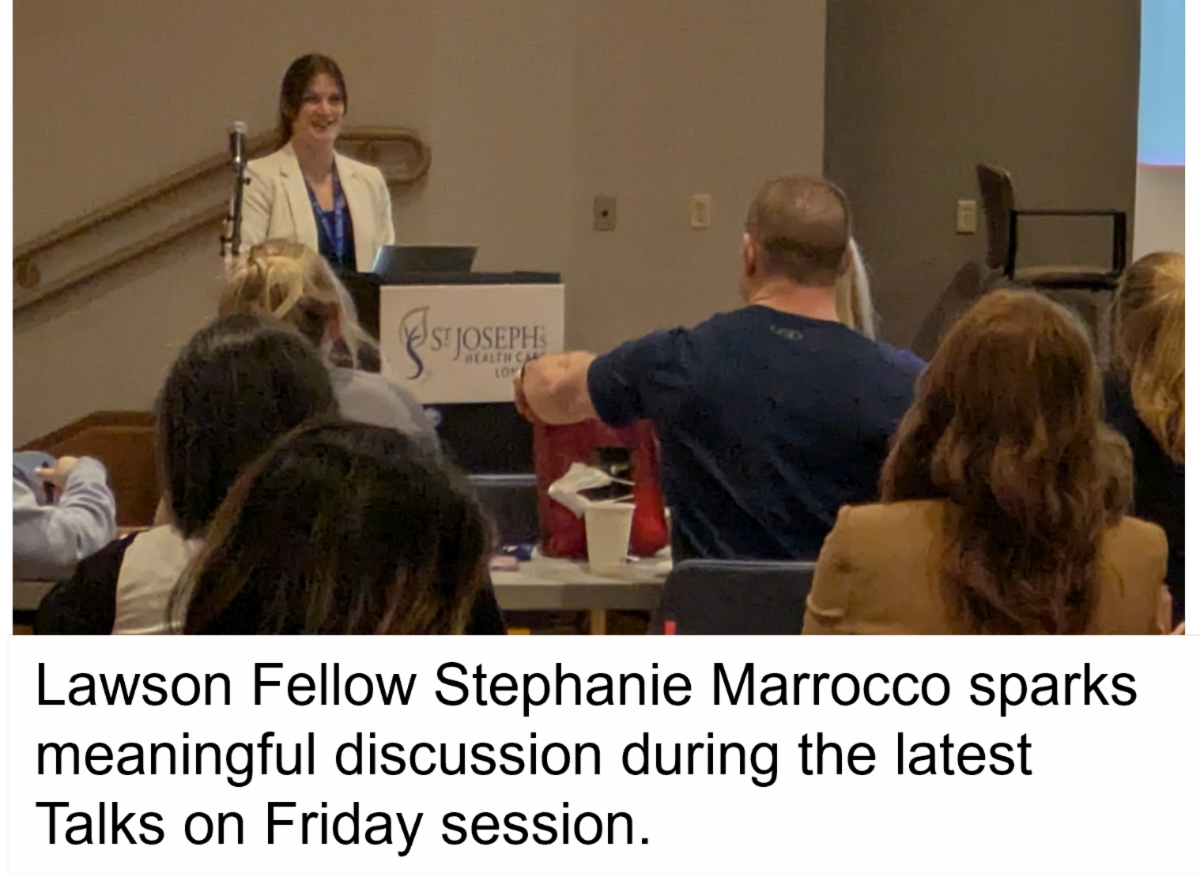
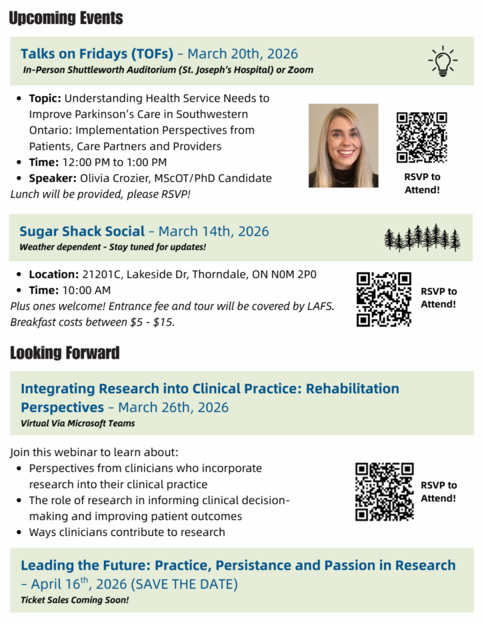
The Lawson Association of Fellows and Students (LAFS) Talks on Fridays (TOFS) hosted a February seminar by Stephanie Marrocco, PhD, that attracted 70 researchers, staff and trainees from across Lawson. Her talk, “Pathways to participation: Physical activity in persons with limited mobility due to neurological conditions,” sparked thoughtful discussion and exchange among attendees. The session highlighted TOFS as a forum for sharing trainee research and supporting interdisciplinary engagement within Lawson’s research community. The next TOFS will be held March 20 at St. Joseph’s Hospital. To keep updated on TOFS and future trainee events, sign up for the LAFS mailing list or visit LAFS on Instagram.
| | Regional Geriatric Program of Southwestern Ontario's Strategic Plan for 2026-2029: Moving Forward with Purpose | | |
The Regional Geriatric Program of Southwestern Ontario’s 2026–2029 Strategic Plan serves as a roadmap for advancing evidence-informed, equitable geriatric care across the region. Grounded in research, evaluation and system collaboration, the plan prioritizes excellence in clinical care, timely access and equity for older adults and caregivers. Researchers and partners are encouraged to read the full plan online and explore how research, evaluation and partnerships will drive system change and improved outcomes.
| | Spotlight on brain health: Dr. Michael Borrie insights on dementia prevention with Women's Canadian Club London | | |
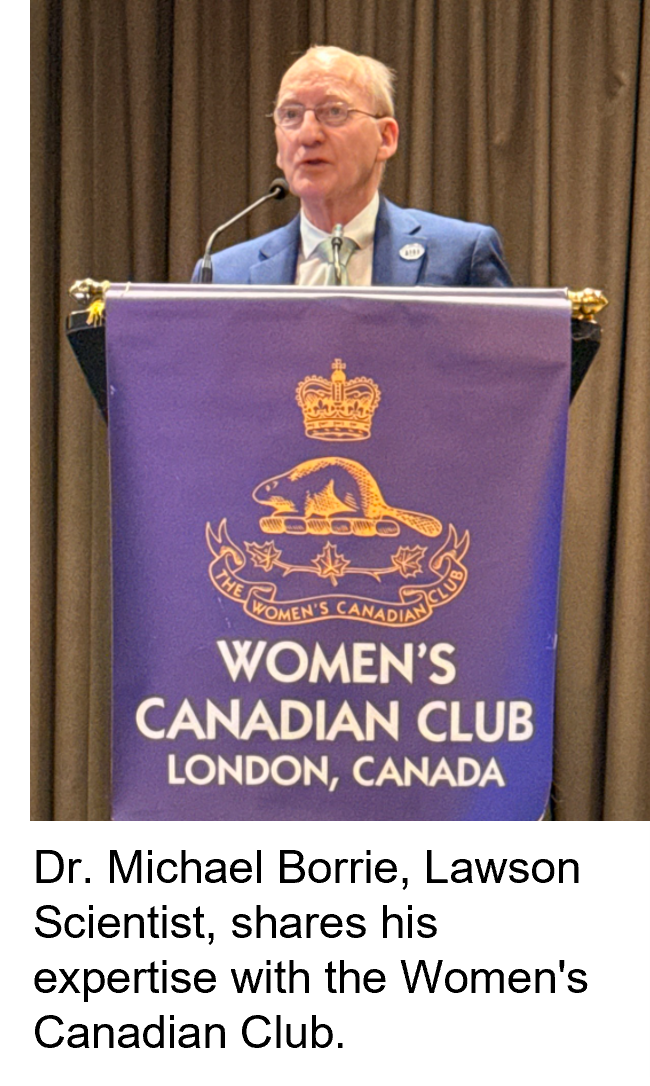
On Feb. 12, the Women’s Canadian Club London welcomed Dr. Michael Borrie as its featured speaker. Dr. Borrie, a geriatrician and professor at Western University and a leader at Lawson Research Institute shared insights on reducing your risk of dementia, Alzheimer’s disease biomarkers and emerging disease-modifying treatments. The event highlighted Lawson’s research impact in aging and brain health. Learn more about this engaging presentation and future speakers on the Women’s Canadian Club London Facebook page and community education initiatives
| | 'Ferment-Ceuticals': How Jeremy Burton's research at Lawson is rethinking food as medicine | | |
The Ontario Health Association (OHA) recently spotlighted emerging research on ferment-ceuticals, bioactive compounds produced during food fermentation that may support human health. Featured researcher, Jeremy Burton, PhD, Lawson Scientist and microbiome expert is leading efforts to understand how fermented foods like sourdough bread and sauerkraut influence digestion, cardiometabolic health and chronic disease risk. Check out the OHA story and the Canadian Fermented Foods Initiative to explore how this research is bridging the gap between science, food and people.
| | From lab to lifesaving: 'Poop Pills' developed at Lawson are advancing cancer treatment | |
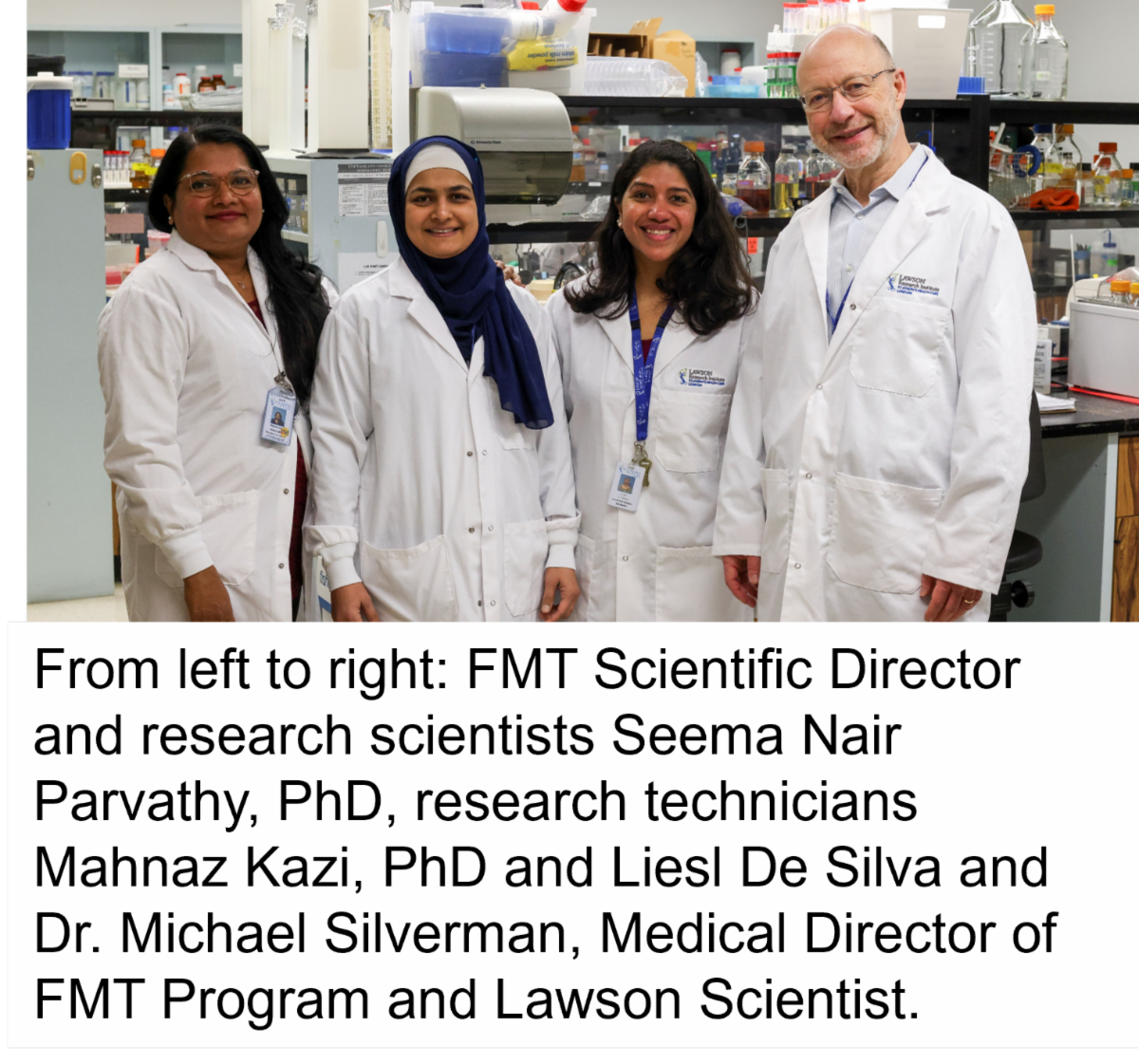
Lawson researchers are gaining attention for their pioneering work on ‘poop pills’, capsules containing healthy gut microbes that may reshape cancer treatment. As highlighted in a recent OHA feature, Lawson and London Health Sciences Centre Research Institute led clinical trials are testing fecal microbiota transplantation to boost immune response, reduce treatment side effects and improve outcomes for patients with advanced cancers. These world-leading studies show how Lawson research is translating directly into patient outcomes. Click to read the OHA article and learn more about this important clinical trial work.
| 2026 Winter edition of My St. Joseph's: Lawson researchers shine | |
The Winter 2026 issue of St. Joseph’s magazine is now available, highlighting Lawson research that is helping to improve care in our community. This edition features Stephanie Marrocco, PhD, whose rehabilitation research with the YMCA supports fitness for individuals with spinal cord injuries; Dr. Verinder Sharma’s new book focusing on perinatal mental health and sleep; Riley Fiddler’s fruit-fly studies related to kidney stones; the Canadian Fermented Food Initiative led by Jeremy Burton, PhD; diabetes care innovations spearheaded by Dr. Kristin Clemens; and a new trauma- and violence-informed care program directed by Dr. Susan McNair. Read these stories and others in the full version online.
| Life after kidney donation: Understanding long-term heart health | Lawson researchers are part of a large Canadian study examining the long-term heart health of people who donate a kidney. Using health data from Ontario, Alberta and British Columbia, the team is comparing kidney donors with similar non-donors to understand future risks of heart attack or stroke. Findings will help guide donor counselling and care. Read the story to learn more about why this study matters and how it could shape transplant practice for years to come. | | Clinical trials are a vital part of how new treatments, devices and care strategies are discovered, tested and improved for patients. In December and January, Lawson supported 935 clinical research studies, underscoring the dedication to advancing patient-centered medical innovations. Visit Lawson’s Webpage to discover more about our clinical trials and how to get involved. | | PIVOT Program: Filling gaps in kidney disease care | |
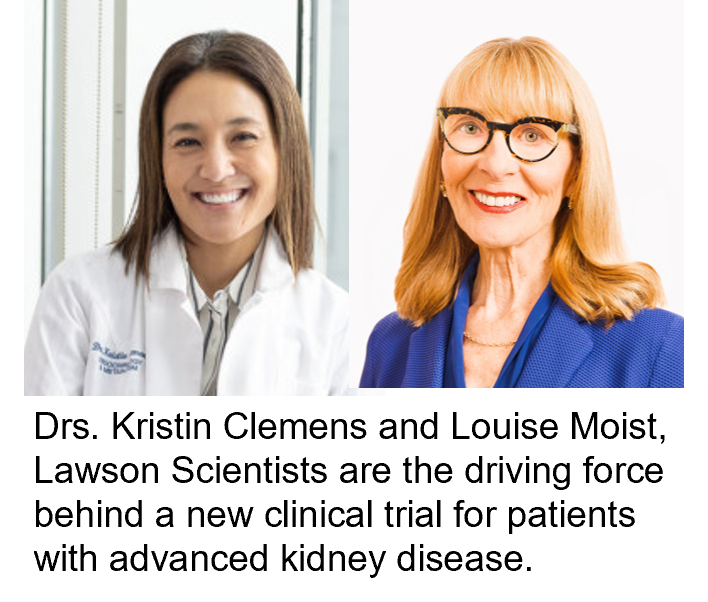
People living with advanced kidney disease and obesity are often excluded from weight-loss research, until now. The PIVOT (Patient-centered Intervention with Virtual support for Obesity and kidney Transplant access) clinical trial, led by Drs. Kristin Clemens and Louise Moist, Lawson Scientists,, and supported by the Metabolic and Chronic Disease Research Unit and a $100,000 Canadian Institute of Health Research (CIHR) grant, is testing a virtual, patient-centred approach to safe weight management. By centering real-world needs and lived experience, PIVOT aims to improve transplant access and quality of life and redefine routine kidney care. Read more to find out how this innovative research is closing critical gaps.
| Explore the world of pragmatic clinical trials with HDRN Canada Pragmatic Trials Training Program | | |
Each week, the Health Data Research Network (HDRN) Canada Pragmatic Trials Training Program releases open-access learning modules that dive into key aspects of trial design and implementation - from randomization and data analysis to truth and reconciliation in pragmatic trials. Whether you’re a clinician, researcher, or health professional, these modules offer practical insights to strengthen your understanding of how trials can improve real-world care. Discover the full series at pragmatictrialstraining.ca
| |
| |
RESEARCH TIP
St. Joseph’s is committed to using AI responsibly to benefit patients, staff and affiliates.
What’s new?
-
AI Policy: Sets clear guidelines for responsible AI use to enhance productivity, innovation and satisfaction
- AI Governance Committee (AIGC): Experts in healthcare, data science, law, ethics, patient advocacy and IT guide adoption
-
AI Tool Usage Guide: Your resource for approved tools and support for evaluating new ones
Why it matters:
AI can help us work smarter, improve patient care and reduce administrative burden, but only when used responsibly.
Login and visit SharePoint for information on our approach, guiding principles and FAQs.
| | | | LAWSON ASSOCIATION OF FELLOWS AND STUDENTS | | New upgrades for the confocal microscope | |
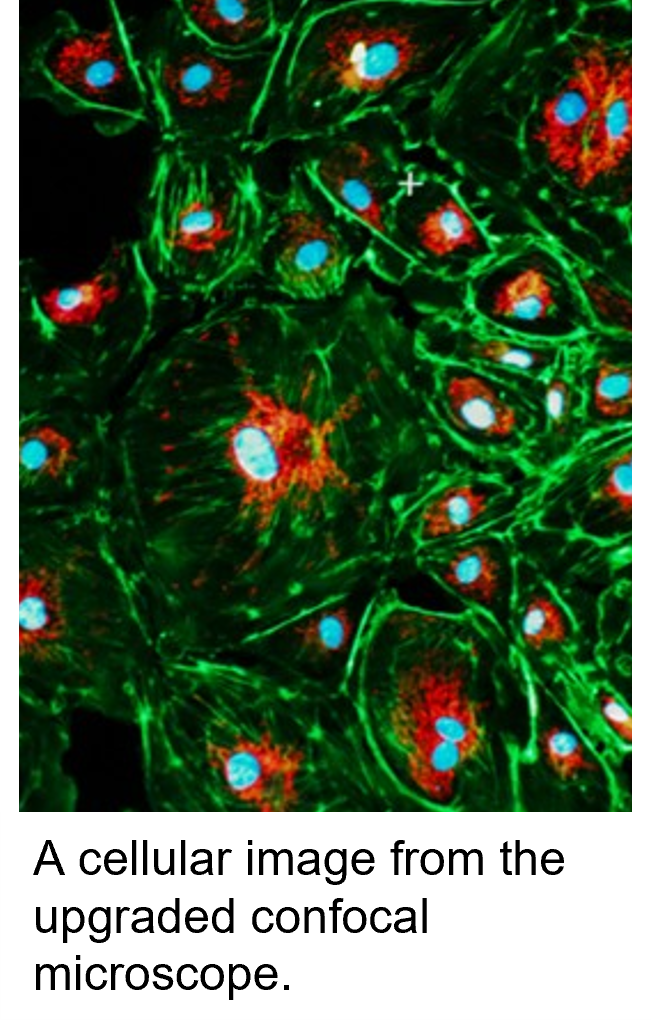
Lawson‘s upgraded confocal microscope is ready for its close-up. This donor-funded equipment has been a vital research tool for the past eight years. It produces detailed images of tissues and cells, identifying different structures and proteins with bright colours to investigate disease at the cellular level. The confocal now boasts upgrades like a high-speed camera, sophisticated AI software and an illuminator that makes it possible to understand what’s happening at the surface of the cell and actually study living cells in their natural habitat. Savita Dhanvantari, PhD and Steven Back, Research Operations Manager, recently hosted a training session for researchers, trainees and students. From cardiac and diabetes care to the microbiome and ophthalmology, this tool unlocks new research across the spectrum of care.
| St. Joseph's Health Care Foundation launches new website | |
St. Joseph's Health Care Foundation's new website is a dedicated space to connect the community with the impact of giving. It features heartfelt stories about donor support, patient experiences and the dedication of physicians, researchers and staff to compassionate, care, innovation and discovery. It also includes news and information about upcoming events and activities and many ways for our visitors to support St. Joseph’s. Bookmark the Foundation’s new url or visit the site by clicking on the Foundation logo at the top of St. Joseph’s website.
| Clinical trials are a true team effort | |
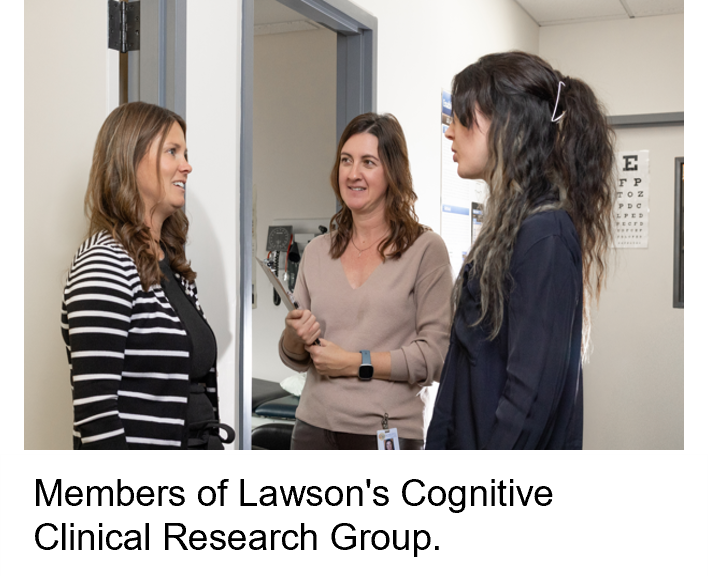
Lawson‘s Cognitive Clinical Research Group has 15 clinical research studies running right now – with many others unfolding across the institute. Many of these projects are supported by donor gifts and made possible by participants willing to sign up, roll up their sleeves and play a vital role in advancing health care. Patient participation is essential to the process and allows researchers to grasp real-world impact. Read more about a recent participant in the BioMIND trial and the impact of donor support on the Foundation website.
| | |
In the first edition of our “Spiritual Health Moment” in last month’s Lawson LEADS newsletter we introduced sacred moments as a powerful new initiative that may help to protect against burnout while promoting wellbeing as noted in Wong et al. (in Press). We introduced the five qualities of a sacred moment outlined by Pargament et al. (2014) including transcendence, boundlessness, ultimacy, interconnectedness and spiritual emotions. Over the coming months we will unpack each of these five qualities. Today we unpack the first quality of a scared moment – transcendence.
What is transcendence? Pargament et al. (2014) suggest transcendence involves “experiences that are perceived to be set apart from the ordinary and day-to-day and go beyond the limited self” (p.249). Elsewhere, Pargament (2007) talks of transcendence being “something that goes beyond our everyday lives and beyond our usual understanding” (p.39). Appreciating the diversity of human beliefs, it’s important to note that transcendence might be spiritually or religiously oriented for some and focused on the divine, God, or a life force beyond one’s self and for others, it is more rooted in humanity, human potential, nature, or one’s place in the universe. But central to all expressions of transcendence is a movement beyond one’s self and the experience of something beyond a simple ordinary moment toward something bigger.
How about you? Have you experienced a sacred moment that involved this aspect of transcendence? Perhaps your daily spiritual practice inspired a sense of the transcendent. Maybe you experienced a larger sense of meaning or purpose in your work. Take a moment to reflect on this quality of a sacred moment. Want to learn more?
Check out our SharePoint page.
Contributed by: Dale Nikkel, Manager Spiritual Care, Lawson Scientist
| | We encourage researchers to submit grants, publications and awards for us to showcase. Please provide a one- to two-sentence plain-language description along with the submission. | | |
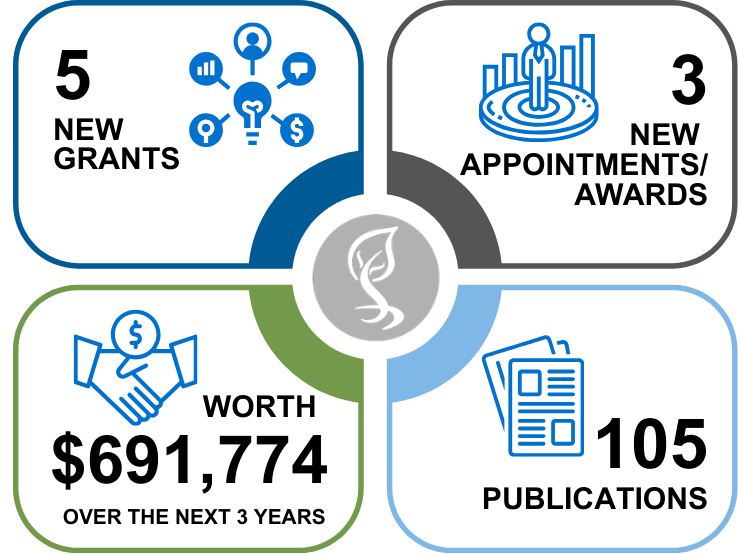
We recognize and congratulate some of the recent external funding awarded to our researchers:
Drs. Cindy Hutnik and John Trant have received $220,000 in funding from the AHSC AFP Innovation Fund (AMOSO) for the project, “Human tenon’s capsule biopsies as a platform for detecting early failure of glaucoma surgery and design of novel strategies for more targeted surgical wound modulation.”
This project focuses on understanding why some glaucoma surgeries fail due to excessive scarring. By studying small biopsies of Tenon’s capsule tissue collected during surgery, their research team aims to identify biological signals associated with poor wound healing. These insights will help guide the development of more targeted and personalized approaches to surgical wound modulation, with the goal of improving long-term surgical success and preserving vision for people living with glaucoma.
Dr. Arlene MacDougall and her research team – Dr. Eric Wong, Dr. Rohit Lodhi, Dr. Sarah Jarmain, Dr. Evelyn Vangilis, Dr. S. Singh and Dr. Judith Francis, have received funding from the AHSC AFP Innovation Fund (AMOSO) for the project, “Transforming Primary Mental Health Care: Implementing and Evaluating the Collaborative Care Model in London and Southwestern Ontario.” The multi-year award (2025-28), valued at $209,650, supports a regional effort to improve access to and coordination of mental health care in primary care settings.
This project will implement and evaluate the Collaborative Care Model, an evidence-based approach that integrates mental health services into primary care through team-based coordinated care. The study will examine how this model can be adapted and sustained across London and Southwester Ontario. Findings will help inform more accessible, timely and integrated mental health care for patients across the region.
| | |
Check out a few examples of the research published in January-February:
Romero-Ortuño R, Arai H, Assantachai P, Avila Funes JA, Farrugia-Bonello R, ..., Montero-Odasso M, ..., Polidori MC (2026). Global education and training in geriatrics: Mapping transnational initiatives and their complementarities. European Geriatric Medicine.
How can global geriatrics education and training initiatives be mapped to identify gaps and opportunities for better coordination? This study mapped major international initiatives in geriatrics education and training to better understand how they align and where gaps exist. The authors identified 17 programs across foundational training, professional development and leadership advancement, forming a broad but fragmented global ecosystem. They conclude that greater coordination, equity and interprofessional collaboration could strengthen and sustain the global geriatrics workforce. Health workforce leaders, educators and policymakers seeking coordinated strategies should read this to learn about strengthening global geriatrics training capacity. #Aging
Curry D, Quinn J. (2025). The Supreme Court of Canada interprets the fitness to stand trial test in R v. Bharwani. Journal of Forensic Sciences.
How should courts interpret Canada’s insanity defense? This commentary examines a recent Supreme Court decision shaping how mental disorder and criminal responsibility are judged. The authors reviewed case law to clarify persisting ambiguity. They found important guidance with real implication for forensic assessments. Clinicians, legal professionals and health leaders should read the full article for practice, policy and patient-centred justice. #MentalHealth
Unger J, Wiener JC, Patel P, Shakir U, Eng JJ. (2026). Effectiveness of functional electrical stimulation assisted locomotor training on walking outcomes following incomplete spinal cord injury: Systematic review and meta-analysis. Neurorehabilitation and Neural Repair.
Can electrical stimulation help people with incomplete spinal cord injury walk better? Researchers investigated this question by pooling results from many studies of stimulation-assisted gait training. They found that it may improve walking speed and endurance, however, this was not significant when compared to other forms of locomotor training. Clinicians, therapists and patients should read more to understand the practical benefits and inform future rehabilitation decision making. #Rehabilitation
| | New Lawson Associate Scientist appointment | | |
Please join us in congratulating Dale Nikkel, PhD, Manager Spiritual Care, on his appointment as a Lawson Associate Scientist. Nikkel's leadership and commitment to compassionate evidence-informed care will strengthen Lawson's research community and advance the integration of spirituality and health across our system.
| Sisters of St. Joseph Award for Excellence | |
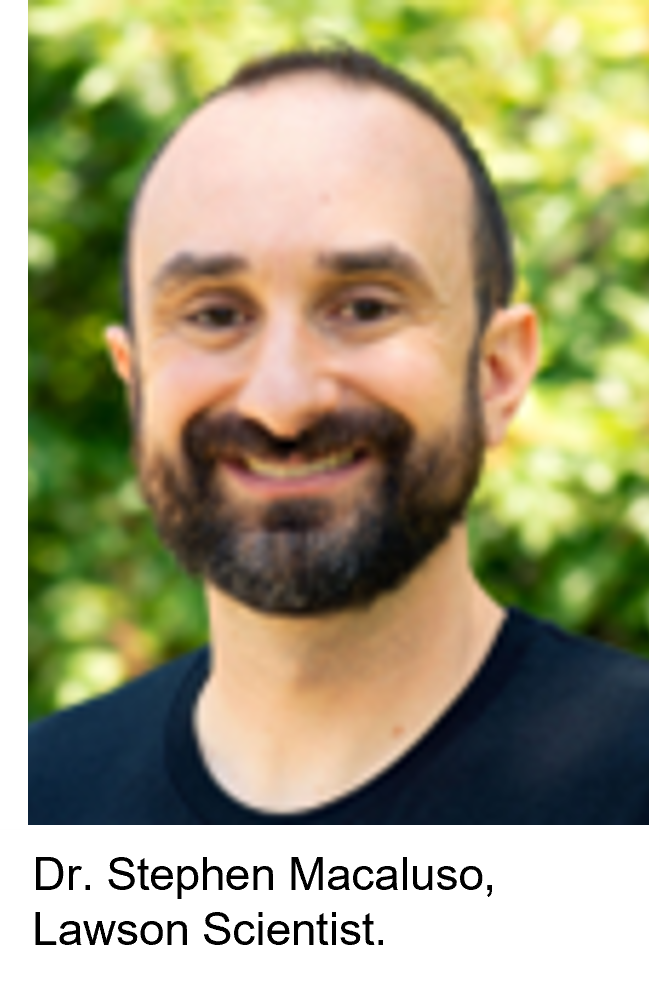
Congratulations to Dr. Stephen Macaluso, Physician in Physical Medicine and Rehabilitation and Lawson Scientist, on receiving the Sisters of St. Joseph Award for Excellence in 2026. This honour recognizes exemplary service and leadership aligned with the attributes of excellence, positive attitude, reliability, honesty, efficiency, creativity, respect, caring, compassion, empathy and appreciation for the work of others. We celebrate Dr. Macaluso’s meaningful contributions to health research and care across our organization and partners locally. To learn more about the Sisters of St. Joseph Awards for Excellence 2026 recipient and nominees, click to visit the announcement on St. Joseph‘s SharePoint.
| LEADing the future of practice: Clark Heard reaches 150 student placements | |
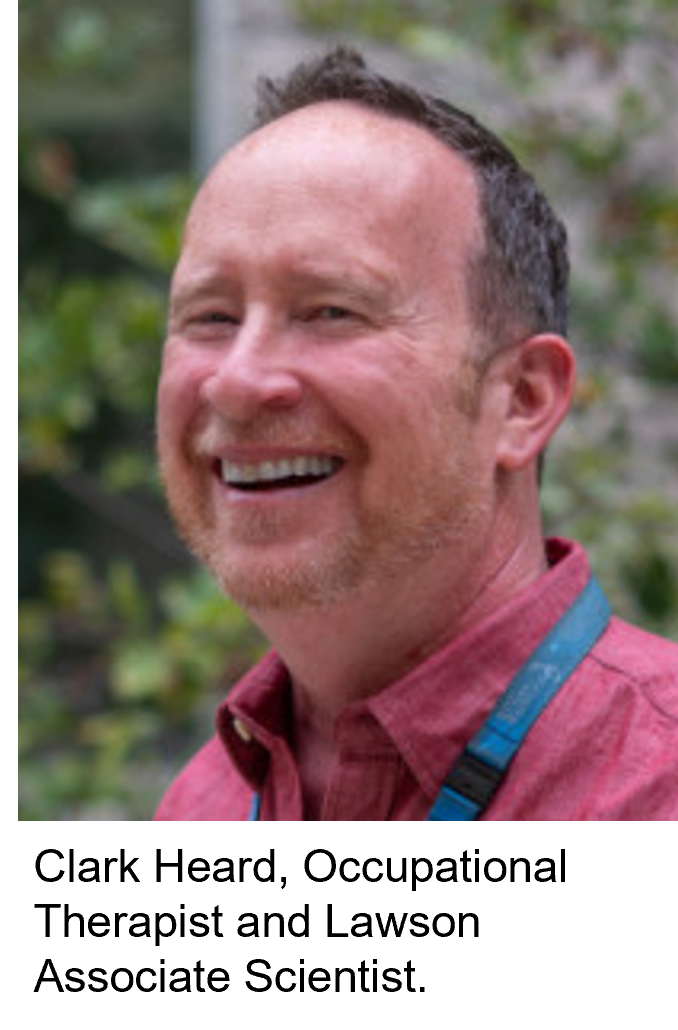
Clark Heard, an Occupational Therapist at the Southwest Centre for Forensic Mental Health Care and a Lawson Scientist, has achieved an impressive milestone by supporting his 150th student placement. Closely involved with Lawson’s research and learning initiatives, Heard's leadership helps bridge education, practice and research. For more details about Clark Heard’s accomplishment, check out the February Health Disciplines newsletter.
| | You're invited - Celebrating Dr. James Mendonca's retirement - Wednesday, April 8 | | |
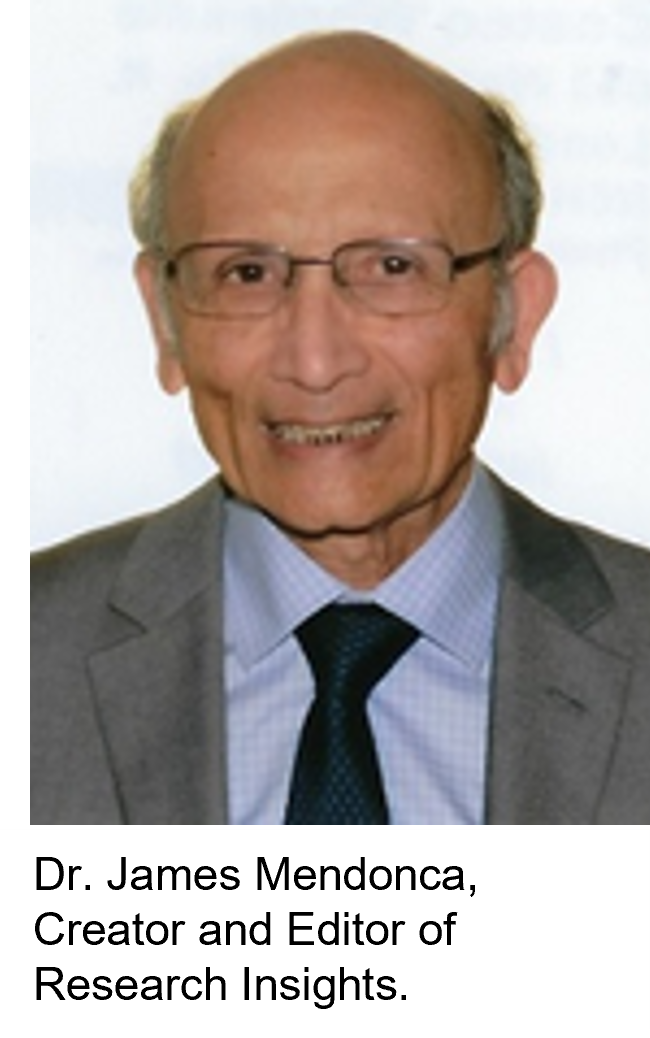
Please join us as we celebrate the retirement of Dr. James (Jim) Mendonca, PhD C. Psych and honour his remarkable career and lasting contributions as the creator and editor of Research Insights, the peer review mental health research and innovation journal of St. Joseph's Health Care London. Over the past 25 years at the helm of Research Insights, Dr. Mendonca has encouraged countless local research initiatives, supported authors with dedication and insight and left and enduring impact on our mental health research community. We look forward to gathering to recognize his leadership and wish him well in this next chapter.
Date: Wednesday, April 8, 2026
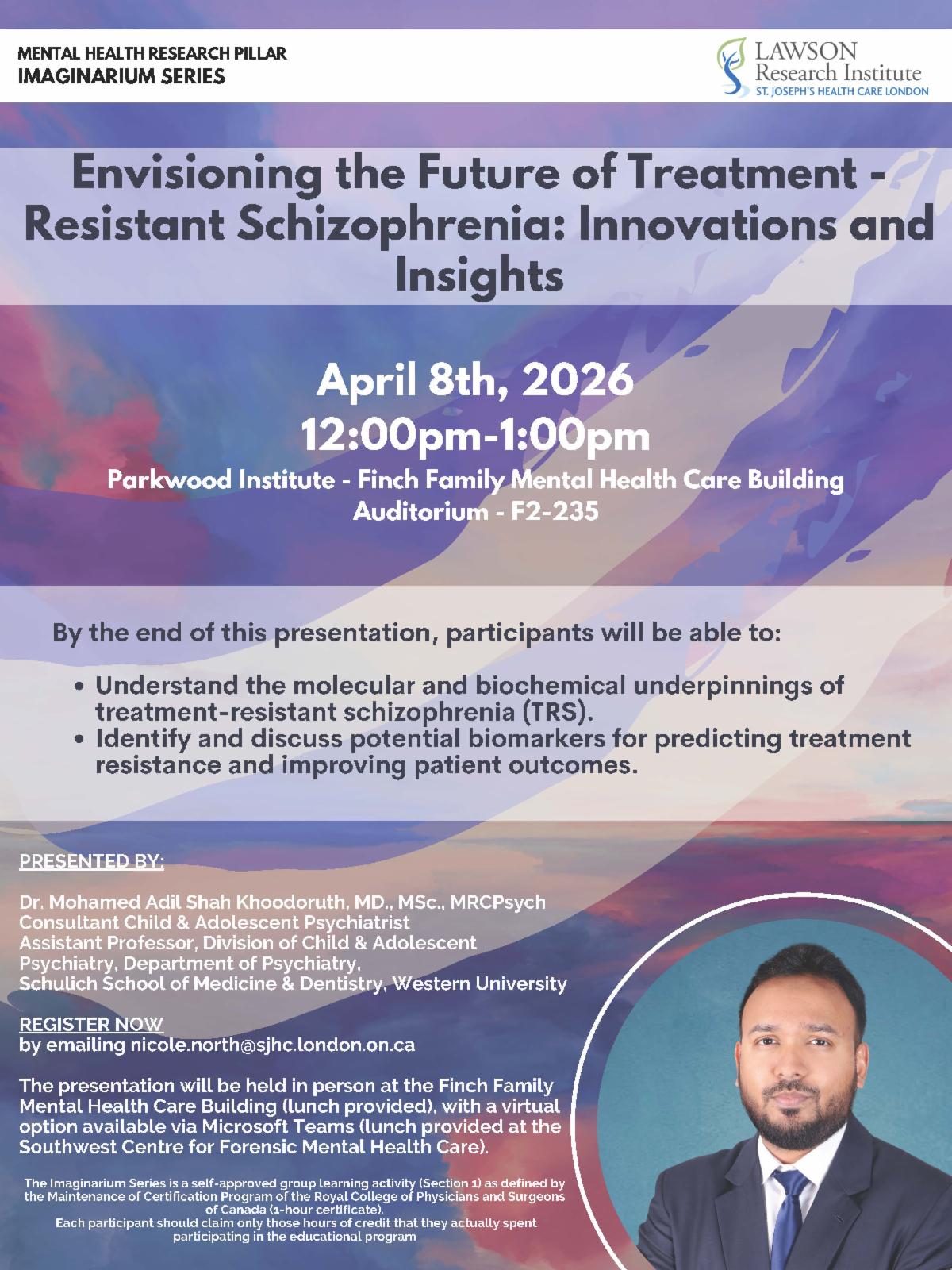
Time: 1:00 – 1:30 PM (directly after the Research Imaginarium Series)
Location: Finch Family Mental Health Care Building Auditorium (F2-235)
We hope you can join us for cake and refreshments on this special occasion as we celebrate Dr. Mendonca.
Kindly RSVP by April 1, 2026 to Nicole.North@sjhc.london.on.ca
| | You see opportunities every day | Got an idea to enhance care or safety? Share your innovation for a chance to pitch at our Dragons’ Den event, win up to $10,000 and receive hands-on support to bring your idea to life. Apply by April 3. Click to learn more and submit your proposal! | UPCOMING GRANT COMPETITIONS | | |
Please visit the research funding announcement page to find out more:
Notice of upcoming funding opportunity:
| | |
2026 Spring Competition
The Canada Research Chairs Program (CRCP) offers eligible Canadian degree-granting institutions the opportunity to nominate a diverse cadre of outstanding researchers for professorships in areas that will further the institution’s strategic research plan and enable them to maximize their contributions as centres of research and research training.
Eligible postsecondary institutions receive a set number of chair allocations based on the funding received by their researchers from the three federal research granting agencies: the Canadian Institutes for Health Research (CIHR); the Natural Sciences and Engineering Council (NSERC); and the Social Sciences and Humanities Research Council (SSHRC) (the agencies). See Method of Allocating Chairs for more information.
Institutions subsequently submit Chair nominations to one of the program’s deadlines for peer review in order to fill their allocations. Note that individuals cannot apply to the program directly. Western Research Internal Deadline: 2026-04-14
Tier I CIHR, NSERC, SSHRC
Award amount: $200,000 annually for seven years
Tier II CIHR, NSERC, SSHRC
Award amount: $100,000 annually for five years
Application and Guidelines are available at: http://www.chairs-chaires.gc.ca/program-programme/nomination-mise_en_candidature-eng.aspx
| | |
Funding opportunities for trainees:
These funding opportunities support the next generation of researchers. Trainees and researchers should confirm internal deadlines and application procedures with their institutions (i.e., Western University, Lawson, etc.).
| | |
The Western Clinical Trials Leadership Program is now accepting applications.
Designed for faculty members at Western University who want to transform their research question into an execution-ready protocol, this program offers end-to-end guidance, structured learning and mentorship from experienced trialists. If you hold a primary appointment with ANY faculty at Western University, this opportunity is for you, whether you are developing an explanatory or a pragmatic randomized trial.
Application deadline: April 30, 2026.
Check full eligibility and apply here.
| | |
St. Joseph’s Day is celebrated as a time of gratitude and appreciation for staff, physicians, researchers and volunteers across all sites - thanking them for the difference they make in the lives of those we serve.
On Mar. 19, leaders at all sites will be handing special snack boxes; view times and locations here.
To coincide with this day, all are welcome to attend the Sisters of St. Joseph Awards, taking place at 2 pm in Parkwood Institute Main Building’s Auditorium.
|
|
Date: Wed Mar 25 from 11am to 12pm EDT
Topic: Comparative Research to Support Evidence-Informed Health Policy – The How and the Why
Speaker(s): Sara Allin
More Information & Link to Register: HERE
A calendar invitation and zoom link will be sent via Eventbrite once you've registered.
|
| |
Research Informatics is hosting its next REDCap Training Session:
TITLE: REDCap processes 101
WHEN: Thursday, Mar. 26 from 12 PM to 1 PM
WHERE: MS Teams session (Meeting invite will be sent to registered individuals)
COST: Free
REGISTRATION: You can register here. Recording of session is planned.
DETAILS: During this session, you will learn:
- Research at the hospital: first steps
- REDCap in research
- REDCap life cycle
If you have any questions or require more information, please contact redcap@sjhc.london.on.ca
| |
|
TITLE: Data Management and Data Governance Under ICH GCP E6(R3): What’s New?
WHEN: Tuesday, March 31 from 12-1 PM
WHERE: MS TEAMS (meeting invite will be sent to registered participants)
COST: Free
REGISTRATION: Register online
SPEAKER: Kamary Coriolano, Research Quality Assurance Advisor, Office of Research Services
DETAILS: ICH GCP E6(R3) introduces stronger expectations around quality management and data governance across the clinical trial lifecycle. This session will explain how concepts such as Quality by Design, critical quality factors, and fit-for-purpose systems translate into practical responsibilities for research teams. Participants will leave with clear rules and examples they can apply to strengthen data integrity and participant protection in their trials.
| | |
AI in health care conference
The HEAL (Healthcare Enhanced by Artificial Intelligence and Learning) 2.0 conference is taking place at Western University on June 24, from 8:15 am to 4 pm. Register to explore practical strategies for embedding AI into clinical practice through plenary sessions, interactive exercises and expert panels on ethics, bias, patient trust and regulation.
The deadline to submit for the academic poster session is April 3. Early bird registration ends May 15.
| | |
Event name: 2026 Interprofessional Eye Forum
Theme: Pediatric Vision: Collaborating for a Lifetime of Sight
Event date and time: Friday, April 10, 2026, 8:00 a.m. – 4:00 p.m.
Location: RBC Place, 300 York St., London, Ontario
How to attend / registration: Register here
| | |
Founders and Innovators: Join us for a Lunch & Learn Workshop to gain practical, hands-on insights into how Scientific Research and Experimental Development (SR&ED) strategies can support company growth across different stages. Led by experts from Deloitte, we will cover the basics of SR&ED and options for non-dilutive funding at any stage.
📅 Date/Time: April 16, 11:00 AM - 1:00 pm
📍 Location: Convergence Centre, 999 Collip Circle
🎟️ Free: All are welcome to attend!
🍽️ Format: Lunch & Learn (refreshments provided)
| | | 268 Grosvenor Street | London, ON N6A 4V2 CA | | Lawson Research Institute, the health innovation arm of St. Joseph's Health Care London, is committed to making discoveries that improve lives. Every day, Lawson scientists work to translate their ideas into innovations that improve patient care. Lawson LEADS health research. Find us online at LawsonResearch.ca and on social media @stjosephslondon | | Did someone forward this email to you? You can subscribe here to get Lawson LEADS newsletter delivered directly to your inbox. Missed a previous newsletter? Visit the Lawson News and Events page. | | | | |