Coast Posts
- A Newsletter From FEC
| |
News from Future Earth Coasts International Project Office
Shanghai | East China Normal University
| | |
Highlights:
- Tour de Coasts Advances Global Coastal Sustainability at SRI 2025
- Call for Submissions – Ocean Decade_ MegaDelta Programme Deltas Associated with Large Rivers: Seeking Solutions for the Problem of Sustainability
- Join Us for an Insightful Webinar on Mangrove Restoration – Share Your Views!
- The 1st International Symposium on Ecosystem-Based Coastal Defense
- Webinar: Recent Developments in the Sustainable Management of Marine Resources
- Anthropocene Coasts: Call for Papers – Tour de Coasts
- FEC New Publication | MiSMoS (MicroScale Morphology System): an inexpensive new method to survey 3D surface micromorphology
-
FEC New Publication | Lake Attenuation of Hydro-Sediment Dynamics Progradation Over Mangrove Wetland
- FEC New Publication | A stakeholder-informed framework for the sustainable management of coastal lagoons in West Africa
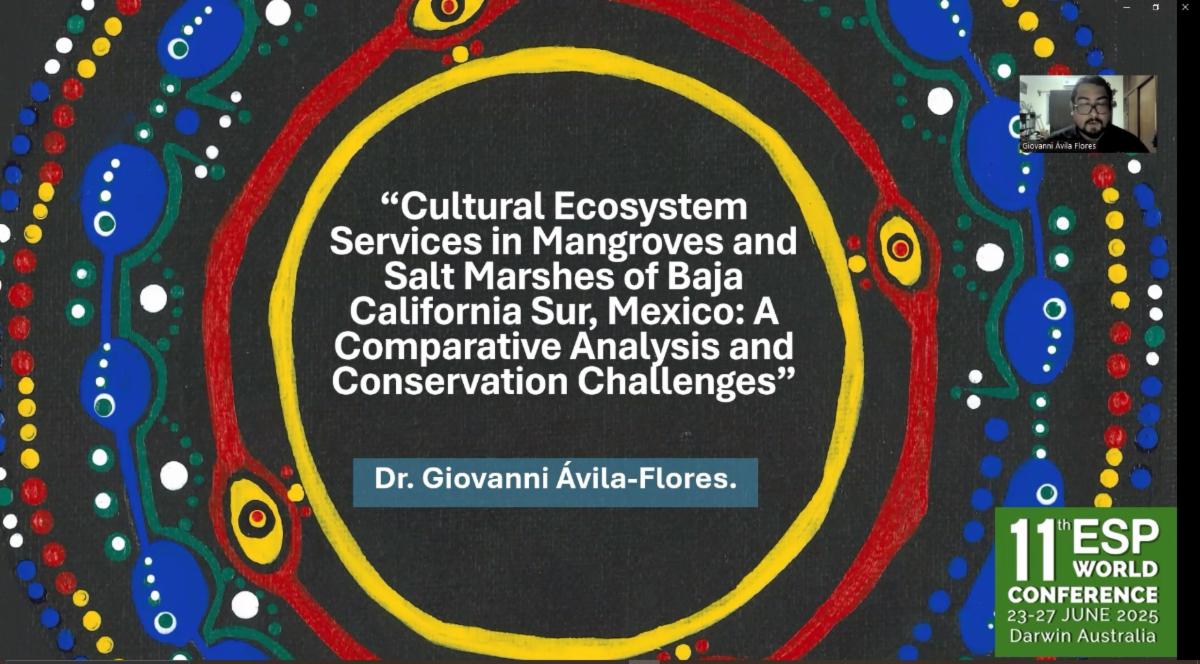
- Updates from FEC Fellows: Dr. Giovanni Ávila-Flores
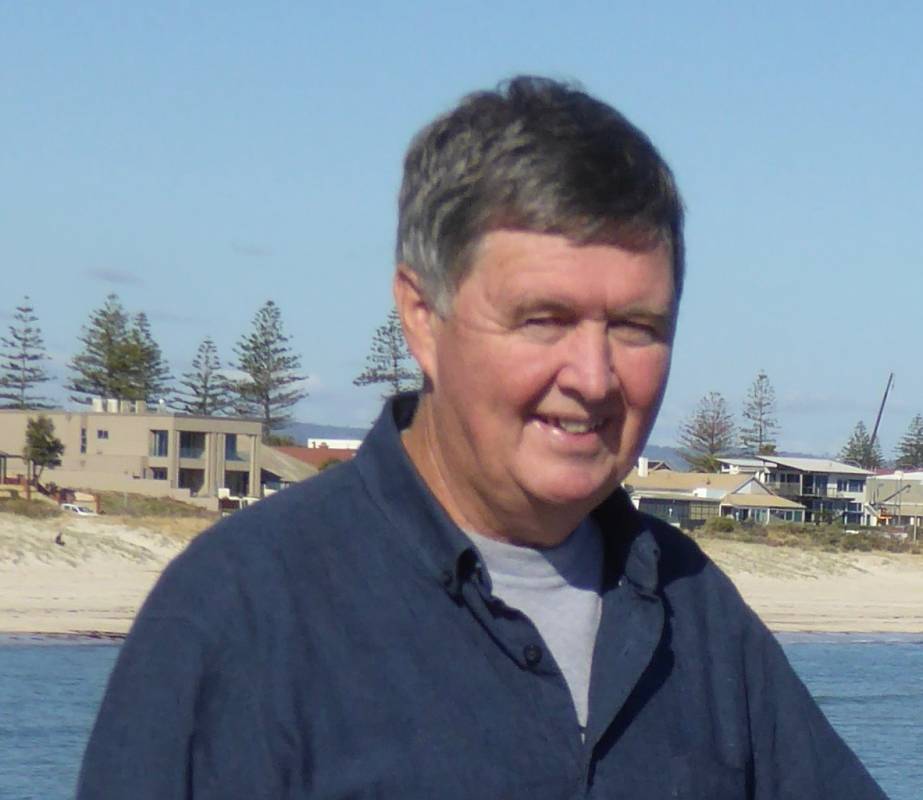
- Updates from FEC Academy Members: Prof. Nick Harvey, Prof. Alaa Salem
- Updates from FEC Supported Networks: ECOP
- Opportunities: ECSA 61, IOI Germany Summer School
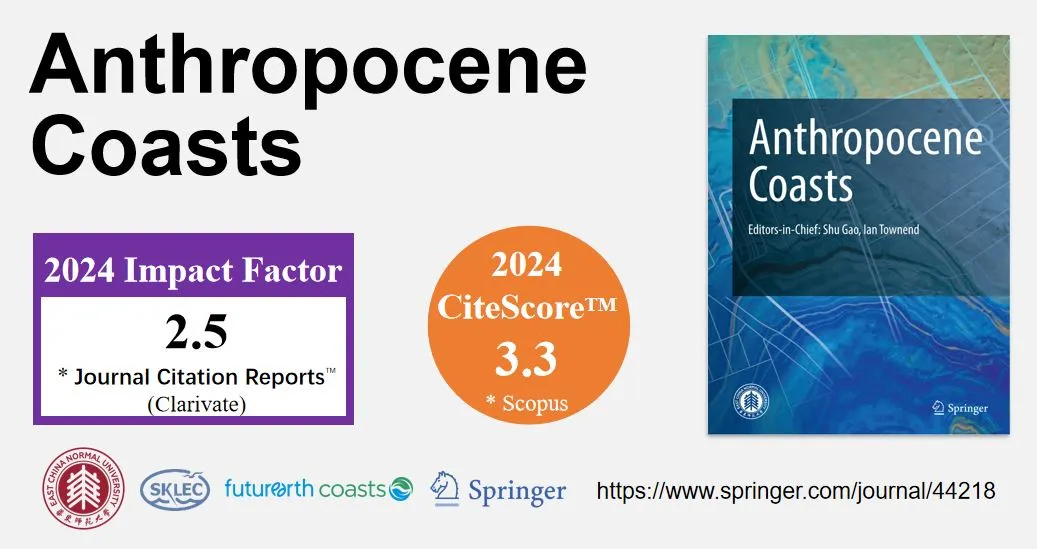
- Anthropocene Coasts Achieves 2024 Impact Factor of 2.5 in JCR™ Rankings
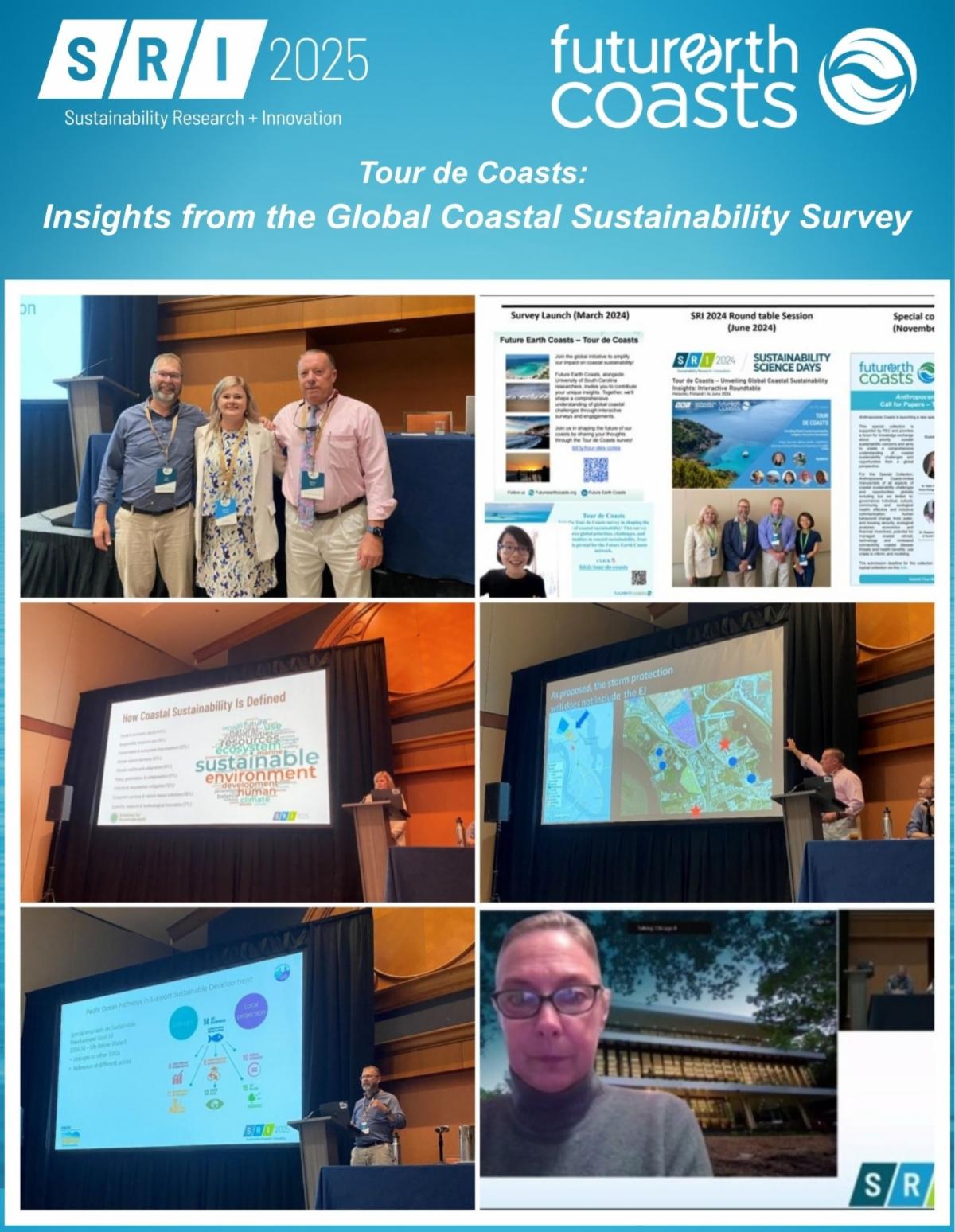
| | Tour de Coasts Advances Global Coastal Sustainability at SRI 2025 | | Future Earth Coasts (FEC) continues advancing coastal sustainability through its dynamic ‘Tour de Coasts’ initiative. For the second year in a row, the flagship project convened an audience of researchers, policymakers, and community leaders at the Sustainability, Research and Innovation Congress (SRI) 2025. One stand-out panel discussion at the SRI 2025, “Tour de Coasts: Insights from the Global Coastal Sustainability Survey,” took place on June 16, 2025 in Chicago, IL, USA. The ‘Tour de Coasts’ session provided an extensive exploration of coastal challenges and community-driven solutions from around the world. | | |
Launched in 2023 by Future Earth Coasts in collaboration with the University of South Carolina, the ‘Tour de Coasts’ set out to capture global perspectives on coastal sustainability. The goals of the ‘Tour de Coasts’ were to form a knowledge exchange about priority coastal sustainability concerns and to create a comprehensive understanding of coastal sustainability challenges and opportunities from a global perspective.
At the SRI 2025, the team introduced cornerstone achievement results: A global survey conducted in 2024 received over 200 responses from more than 70 countries. The survey illuminated a wide range of definitions of sustainability, barriers, contributions, and priorities in achieving coastal sustainability. The results also elevated promising local strategies and success stories from the frontlines of coastal action. The data highlighted the importance of both global collaboration and local leadership.
Click here to read more.
| | Call for Submissions – Ocean Decade_ MegaDelta Programme Deltas Associated with Large Rivers: Seeking Solutions for the Problem of Sustainability | | The UN-endorsed Mega-Delta Programme (FEC Mega-Delta Working Group) , in partnership with the high-impact journals Ocean & Coastal Management and Regional Studies in Marine Science, invites submissions for a Special Issue focused on the sustainability of delta regions worldwide. | | |
We invite contributions that seek solutions to sustainability issues in various delta regions, considering their unique challenges related to global change, such as flooding, coastal erosion, saltwater intrusion, and land subsidence. This special issue aims to enhance the protection of human living environments in these delta areas and to reconstruct development blueprints through multidisciplinary and multisectoral collaboration. We encourage submissions that address diverse regional contexts, types of deltas, and varying stages of socio-economic development. We look forward to receiving your research contributions that align with the themes of sustainable development of delta regions.
Guest editors:
| | |
Xiuzhen LI, PhD
East China Normal University, Shanghai, China
(Evolution and functioning of coastal wetlands, Wetlands Ecology, Coastal wetland restoration, Coastal Blue Carbon, Saltmarsh)
Email: xzli@sklec.ecnu.edu.cn
| | |
Ning ZHAO, PhD
East China Normal University, Shanghai, China
(Marine carbon cycle; Paleoceanography)
Email: nzhao@sklec.ecnu.edu.cn
| | |
Special issue information:
Manuscripts related to deltas along the ocean coast are welcome. Mechanistic and technological research papers are encouraged to link your contribution to the management of river deltas.
Submission Deadline: 31/12/2026
Click here to read more.
| | Join Us for an Insightful Webinar on Mangrove Restoration – Share Your Views! | | |
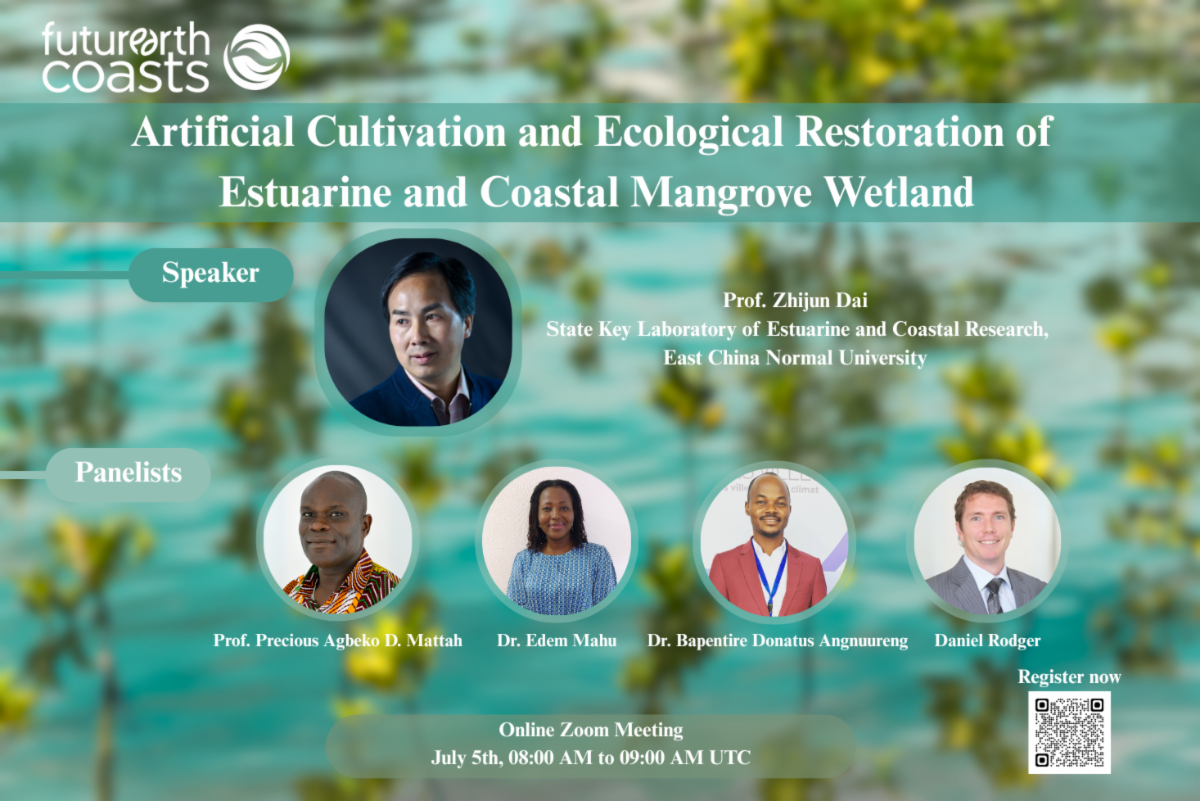
We are excited to invite you to our upcoming online webinar on “Artificial Cultivation and Ecological Restoration of Estuarine and Coastal Mangrove Wetlands”.
Mangroves are vital barriers for coastal ecological security, yet they face severe threats from human activities and rising sea levels. In this session, Prof. Zhijun Dai will share pioneering research on mangrove restoration, including:
- theoretical geomorphological thresholds for mangrove colonization;
- advanced techniques for seedling cultivation and transplantation;
- success stories from the Beibu Gulf, where a survival rate of up to 90% was achieved for the mangrove seedlings.
| | |
Why Attend?
This webinar is dedicated to fostering global dialogue and collaboration on mangrove restoration. We will explore region-specific challenges and solutions, share transferable insights from science and engineering, and highlight opportunities for joint research, technology exchange, and capacity-building across China, Ghana, and Australia.
Following the talk, a live panel discussion will offer you the opportunity to engage directly with Prof. Zhijun Dai and fellow participants. He will be joined by the following panelists for a dynamic and interactive conversation:
- Precious Agbeko D. Mattah, University of Cape Coast, Ghana;
- Edem Mahu, University of Ghana;
- Bapentire Donatus Angnuureng, University of Cape Coast, Ghana;
- Daniel Rodger, JB Pacific, Australia.
Whether you’re a researcher, practitioner, or simply passionate about mangrove restoration, your perspectives are invaluable! Register to get involved now or if you want to learn more, please contact us at fecchina@ecnu.edu.cn.
📅 Date & Time: 08:00 AM to 09:00 AM UTC on July 5th
📍 Online Zoom Meeting
Click here to register.
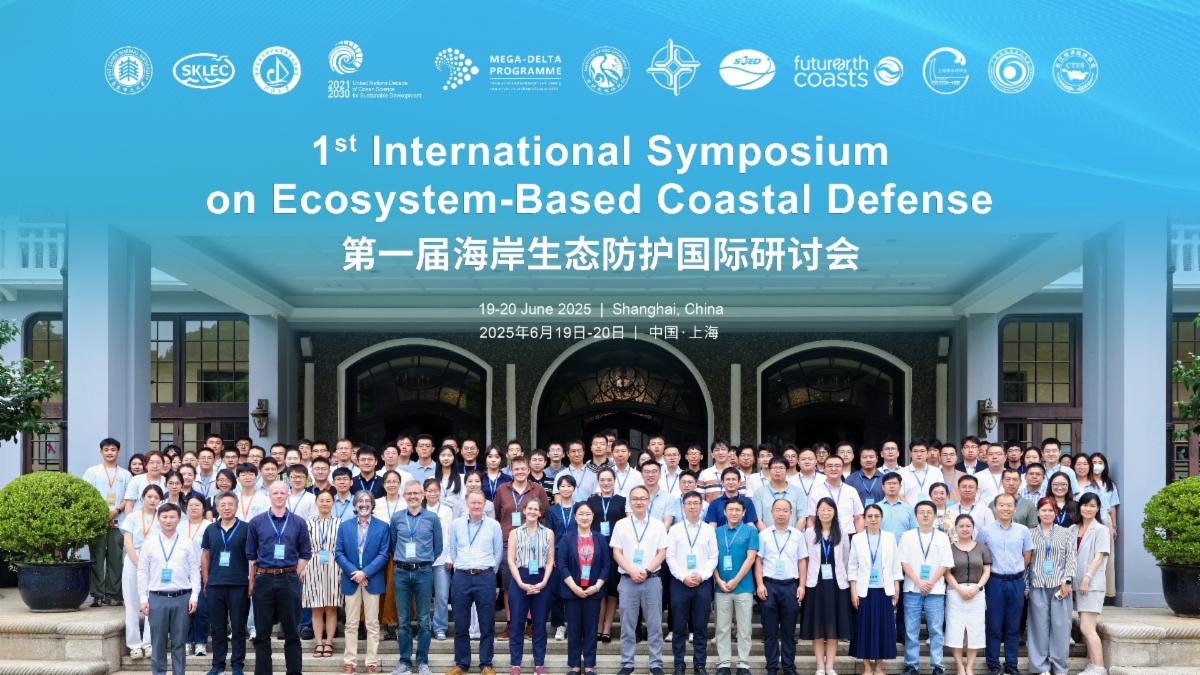
| | The 1st International Symposium on Ecosystem-Based Coastal Defense | | The 1st International Symposium on Ecosystem-Based Coastal Defense was successfully held on 19–20 June 2025 at Science Hall, Shanghai, China. The event brought together 124 experts and scholars from China, the United States, Belgium, the United Kingdom, Germany, and New Zealand to address the escalating challenges faced by estuarine and coastal systems—ranging from climate change and sea-level rise to biodiversity loss, erosion, and human activity. | | Participants from nearly 40 research institutions across multiple disciplines—including coastal engineering, ecology, hydrodynamics, geomorphology, and environmental policy—engaged in four keynote lectures, 60 oral presentations, one thematic panel discussion, and a field visit, showcasing cutting-edge research and practical applications in ecosystem-based coastal defense. | | Webinar: Recent Developments in the Sustainable Management of Marine Resources | | |
Description: This webinar will present and explain cause-consequence-response frameworks and the way these relate to managing marine, coastal and estuarine areas. It will then show the importance of determining the footprints of activities, pressures, and natural and human effects and assessing cumulative effects. Following this, it will consider the footprints of management responses and will demonstrate horizontal management across sectors and vertical management from the local to the global and vice versa. It will look at the importance of transboundary implications of marine management, considering connectivity, coherence, and equivalence. Finally, it will consider the way in which success in marine management is measured, including indicators of success. Examples from Europe and North America will be used, but the topics are relevant to marine areas worldwide.
Click here to register.
| | |
Anthropocene Coasts:
Call for Papers – Tour de Coasts
| | Anthropocene Coasts is launching a new special collection titled Tour de Coasts. | | |
This special collection is supported by FEC and provides a forum for knowledge exchange about priority coastal sustainability concerns and aims to create a comprehensive understanding of coastal sustainability challenges and opportunities from a global perspective.
For this Special Collection, Anthropocene Coasts invites manuscripts of all aspects of coastal sustainability challenges and opportunities globally including but not limited to: governance; individual, cultural, community, and ecological health; effective and inclusive communication; human behavioral change; food, water, and housing security; ecological analyses; economics and financial incentives; potential for managed coastal retreat; technology and increased connectivity; coastal disease threats and health benefits; use crises to inform; and modeling.
| The submission deadline for this collection is July 21, 2025. You can access the topical collection via this link. | | Dr. Katya Altman, Bureau of Ocean Energy Management, USA | Dr. Dwayne Porter, University of South Carolina, USA | | Dr. Heath Kelsey, University of Maryland, USA | Dr. Anja Scheffers, Southern Cross University, Australia | Dr. Xiaoyu Fang, East China Normal University, China | |
MiSMoS (MicroScale Morphology System): an inexpensive new method to survey 3D surface micromorphology
Yajaira Cristina Alquinga Salazar, Sibila A. Genchi, Lucas Nuciari, Vanesa L. Perillo, M. Cintia Piccolo, Gerardo M. E. Perillo
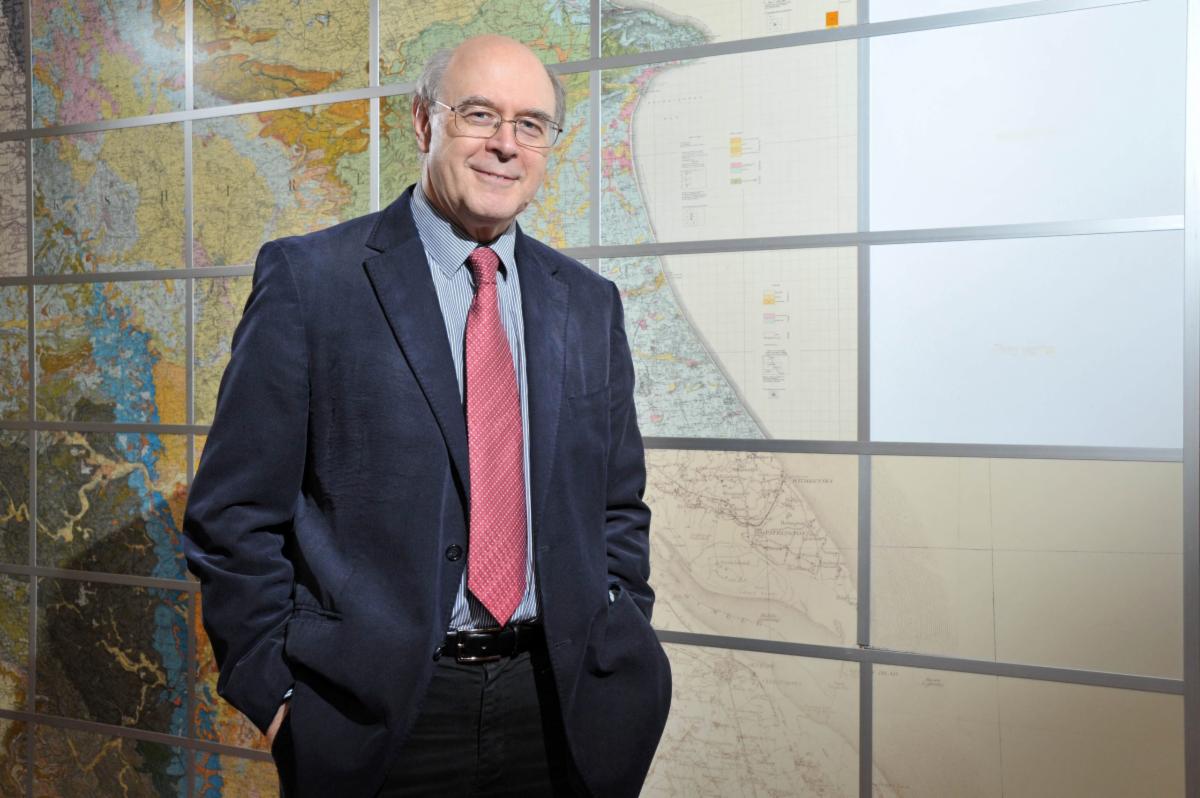
| | Prof. Gerardo M. E. Perillo | | |
Abstract
Microscale morphology in coastal environments is complex to study due to both the large spatial and temporal variability. No direct instrumentation is available to map the micromorphology in detail. The aim of this article is to describe the application of the newly developed MiSMoS (MicroScale Morphology System) methodology for mapping surface and small-scale morphologic features such as ripples, rills, and small courses, as well as to demonstrate its advantages and limitations. A set of measurements on a perched beach that offers varied microforms was carried out as a case study example. The MiSMoS consists of a table of 1.6 m x 1.6 m square aluminum structure with six L-shaped rails on top to mobilize a sensor-carrying structure, which is supported on 4 legs (0.60 m high). The sensor-carrying structure is built with two cameras and a Laser Distance Meter (LDM), with cameras at a fixed angle of 20°. In the operating procedure for high-resolution mapping, the sensor-carrying structure is manually moved sequentially capturing images that cover a surface of 0.60 x 0.60 m, with 75% overlap. High-resolution 3D models were generated from the images using Structure-from-Motion, Multi-View-Stereo (SfM-MVS) technique. MiSMoS has numerous advantages over commercial instrumentation: 1) it can map topography at a high resolution, 2) it is easy to build and deploy, 3) it is inexpensive, and 4) in one operation, a high-resolution map of an area of 2.25 m2 can be obtained in about 15-20 min, whereas other systems usually only provide profiles.
Click here to read more.
| |
Lake Attenuation of Hydro-Sediment Dynamics Progradation Over Mangrove Wetland
| Wenting Jiang, Zuming Huang, Zhijun Dai, Jiejun Luo, Wenjun Zeng, Xixing Liang | | | |
Abstract
Mangrove wetlands are one of the vital ecological resources that effectively trap sediment and attenuate the dynamic of waves and currents, thus protecting coastal areas from the onslaught of typhoons. Despite their importance, there is a dearth of knowledge regarding how mangrove dynamics influence hydro-sediment dynamics and dissipation effects. Here, the wave, current, and sediment data, along with sediment particle size and mangrove vegetation parameters are used to analyze the variation of hydro-sediment dynamics along the mangrove wetland. Our findings reveal that bottom flow velocities exhibit a continuous clockwise dispersion in a disordered pattern from the bare flats into the mangrove interior, influenced by the increasing density of mangroves. Furthermore, the hydro-sediment elements exhibit pronounced tidal asymmetry, with the values of bottom velocity, suspended sediment concentration, and suspended sediment flux (SSF) shifting from being higher during flood tides to being higher during ebb tides due to tidal motion. Meanwhile, we found that the SSF at the mangrove edge may be the main source of the elevation changes at the mangrove interior. The vertical structure of Aegiceras corniculatum significantly affects sediment transport, with a notable decrease in SSF in areas with dense canopies. This study contributes to the body of knowledge on mangrove dynamics and their impact on sediment transport and hydro-sediment damping, providing valuable insights for mangrove conservation and restoration efforts.
Click here to read more.
| |
A stakeholder-informed framework for the sustainable management of coastal lagoons in West Africa
K. S. Davies-Vollum, S. Puttick, A. Agyekhumene, T. Amolegbe, I. Aneyo, I. Boateng, A. Danby, E. Yeboah Danso-Wiredu, G. Degbe, F. Doherty, S. Hemstock, S. Mitchell, D. Raha & Z. Sohou
| | | |
Abstract
Coastal lagoons are highly susceptible to the impacts of climate change. In lagoons of the Global South development challenges and growing coastal populations compound climate stressors to create complex inter-connected problems that cross social, economic and environmental boundaries. The successful governance of lagoons thus requires multidimensional approaches that combine disciplines and incorporate multiple knowledges. A stakeholder informed management framework was developed for West African lagoons using a transdisciplinary and participatory approach. A network of researchers from across the region, collectively known as the Resilient Lagoon Network, facilitated participatory platforms for stakeholders to share their experiences of the stressors facing lagoons and their management. Participants were from academia, government organisations, NGOs, traditional authorities and coastal lagoon communities. The information acquired enabled an understanding and relative importance of the challenges facing lagoons as well as what constituted good management practice and an appreciation for the breadth of lagoon stakeholders. From this information a framework was created comprising three strands that outlined the “what, how and who” of sustainable lagoon management. The “what” consists of a series of social, economic, environmental and governance indicators, linked to the sustainable development goals, that provide a checklist for lagoon sustainability. The “how” outlines tenets of good governance with an emphasis on equity, participation, cooperation and open communication. The “who” maps the range of possible lagoon stakeholders. The framework has been sense tested with lagoon practitioners and made available across the region. Although based on the experience of West African lagoon stakeholders, it could be used to inform the management of lagoons across the Global South.
Click here to read more.
| | Dr. Giovanni Ávila-Flores participated in the Ecosystem Services Partnership (ESP) World Conference 2025 in Darwin Australia, presenting in session T13 on Cultural Ecosystem Services and Nature-Based Solutions. His talk compared CES in mangroves and salt marshes of Baja California Sur, Mexico. The session emphasized integrating cultural values and carbon management in coastal restoration. A perspective paper and special issue are underway. | | | |
Updates from FEC Academy Members
| | | | |
The Australian Coastal Society recently held its national coastal conference on the Gold Coast, QLD, Australia, from 4-7 June.
The conference hosted just over 200 delegates and was a great success. FEC Academy member, Prof. Nick Harvey presented at the conference with a talk titled “Is Australia’s oldest coastal legislation still effective?”.
A major focus of field-trips was the coastal erosion impacts from the recent tropical cyclone Alfred.
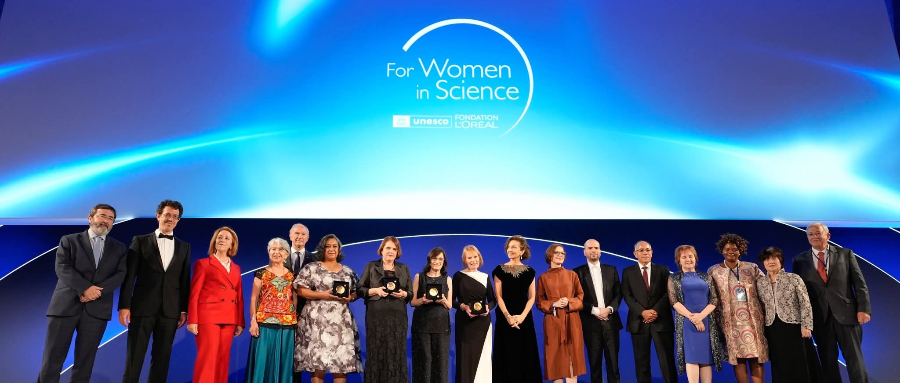
| | | FEC Academy member, Prof. Alaa Salem participated in the international event For Women In Science (FWIS) Awards as a Jury member, evaluating and selecting five laureates from all over the world in the fields of physical sciences, including Earth and environmental sciences, computer science and mathematics. This event, launched by UNESCO and L'Oreal, was held in Paris, France, from 9-13 June 2025. The Call for Nominations for the 2026 L’Oréal-UNESCO For Women in Science International Awards is open until July 4th. | | Click here if you're interested in applying for the Awards. | | |
Updates from FEC Supported Networks
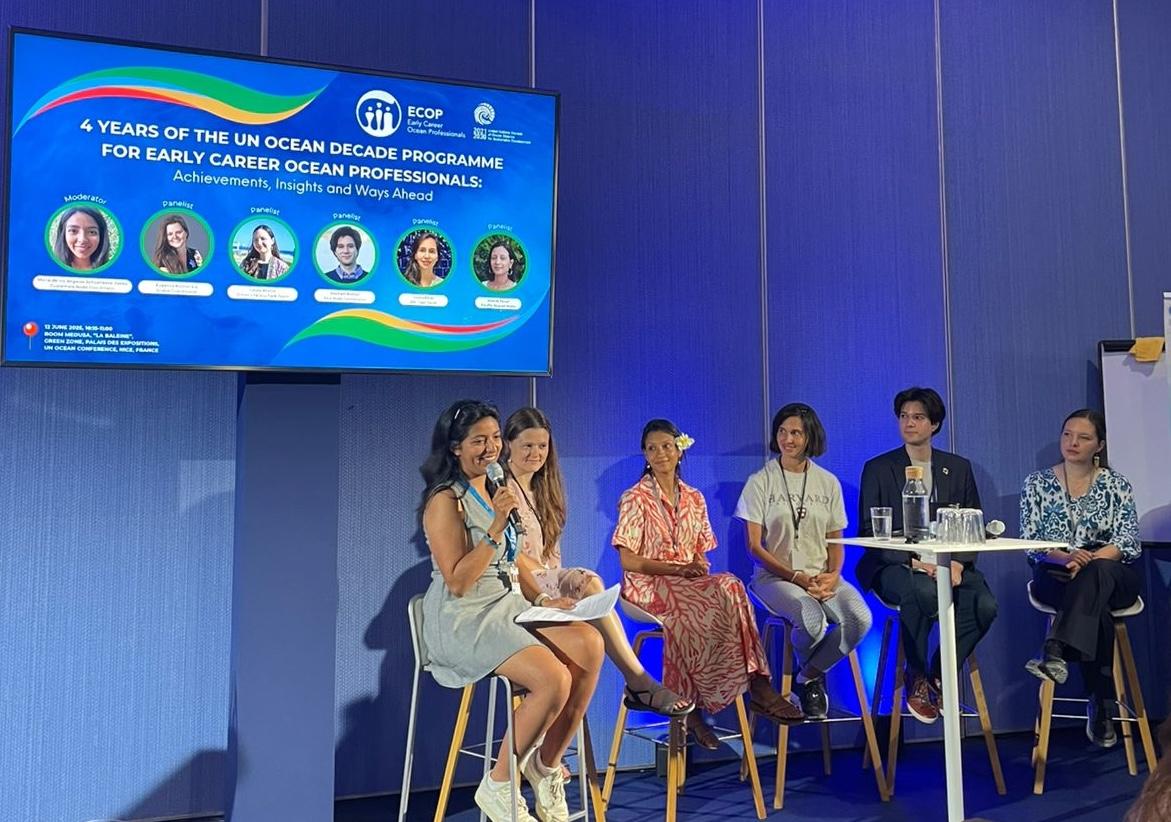
| | ECOP (Early Career Ocean Professionals) | | | | | Wrapping up and reflecting on the 3rd UN Ocean Conference | |
The ECOP Programme marked its four-year anniversary during a milestone 2 weeks in Nice, France for the One Ocean Science Congress and the 3rd UN Ocean Conference in June 2025.
This article reflects on the powerful presence of Early Career Ocean Professionals (ECOPs) at these global events, where they contributed to high-level panels, built partnerships, and amplified youth voices in ocean action. The article highlights the growing impact of ECOPs in shaping ocean policy and emphasizes the importance of continued inclusion, visibility, and leadership opportunities for early career professionals within the UN Ocean Decade.
| | | |
There is an urgent need to address the challenges of the triple planetary crisis: climate change, biodiversity loss and pollution. Marine scientists and policy-makers worldwide have emphasized that in particular threats to biodiversity are the major challenge for both the health of the planet and the welfare of human societies.
These threats are relevant on local to global scales and require international collaborative action. Therefore, in all maritime areas attention is placed on assessing and managing such threats and planning for future initiatives to ensure a sustainable use of estuaries, coasts and seas.
Participate in ECSA 61 and contribute your recent findings in all aspects of coastal and estuarine sciences. Building on the results of several Horizon Europe projects it is a unique opportunity to show the most recent advances of coastal marine research and their applications for European and international policies. For this purpose, ECSA 61 brings together a global multi-disciplinary community of researchers and professionals.
Click here to read more.
| | | IOI Germany Summer School: Generating Impact Through Transdisciplinary Research: Co-Designing Solutions for Complex Marine and Coastal Challenges | |
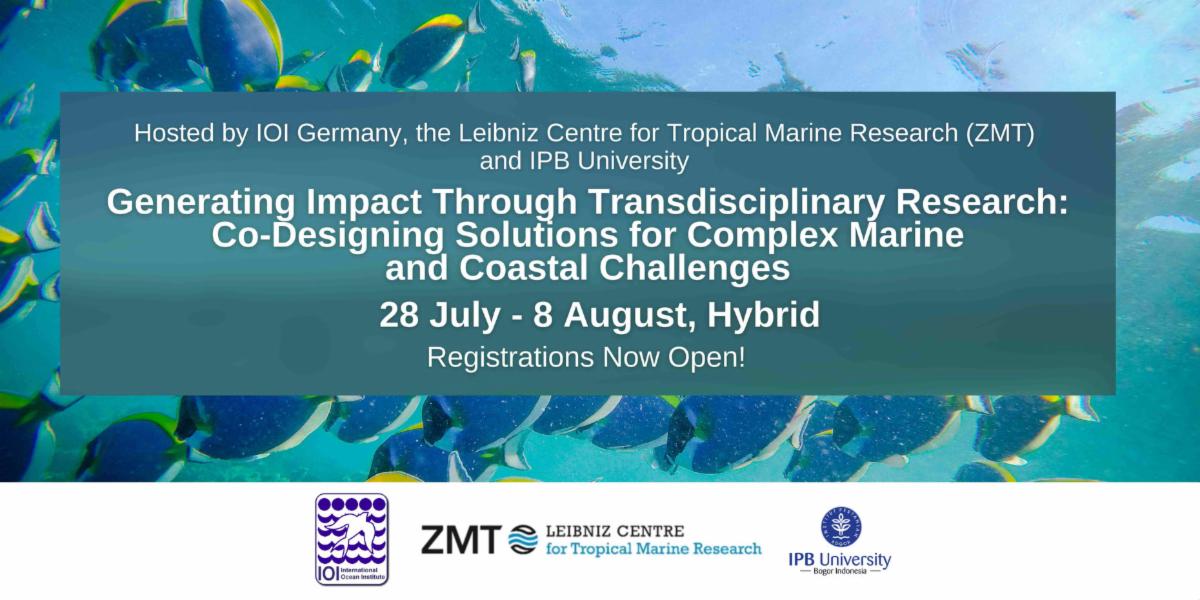
IOI Germany will be hosting a Summer School in collaboration with the Leibniz Center for Tropical Marine Research (ZMT) and IPB University (aka Bogor Agricultural University), Indonesia, on Impact and Co-Design titled “Generating Impact Through Transdisciplinary Research: Co-Designing Solutions for Complex Marine and Coastal Challenges”. The Summer School will be conducted in hybrid format, combining virtual lectures with in-person training (group work) in Bogor (Indonesia). The training is designed for master students, doctoral candidates and postdoctoral scientists.
Participants will interact with international and local academia and practitioners as well as experts in knowledge transfer and communication at the science/policy interface. Lectures will cover theoretical backgrounds, concepts, and methods - from transdisciplinarity and project co-design to complexities of agreeing on goals and joint visions in the context of multiple actors from diverse backgrounds.
The training will include discussions on measures of research quality in a transdisciplinary context, tackling inequalities, managing teams and conflict situations, and generating impactful outcomes. For each topic, real-world examples and insights by practitioners will be given. Training in effective science communication for a non-academic audience will also be provided.
Through in-person practical group work, participants will directly apply knowledge gained to selected coastal and marine case studies under the guidance of the instructors.
For in-person participation (self-funded), please contact sebastian.ferse@leibniz-zmt.de The training is designed for master students, doctoral candidates and postdoctoral scientists.
If you are interested to see the virtual lectures of this training, click here to register.
| | | New FEC Publications (Since April 2024) | | |
○ Davies-Vollum, K. S., Puttick, S., Agyekhumene, A., Amolegbe, T., Aneyo, I., Boateng, I., ... & Sohou, Z. (2025). A stakeholder-informed framework for the sustainable management of coastal lagoons in West Africa. Anthropocene Coasts, 8(1), 1-11.
https://link.springer.com/article/10.1007/s44218-025-00093-x
○ Elrick-Barr, C. E., Smith, T. F., & Thomsen, D. C. (2025). Practitioner perspectives of wellbeing in rapidly changing Australian coastal communities. Ocean & Coastal Management, 266, 107668.
https://doi.org/10.1016/j.ocecoaman.2025.107668
○ Genchi, S. A., Vitale, A. J., & Perillo, G. M. (2025). Coastal cliff erosion: a bibliometric analysis and literature review. Anthropocene Coasts, 8(1), 1-18.
https://doi.org/10.1007/s44218-025-00072-2
○ Jiang, W., Huang, Z., Dai, Z., Luo, J., Zeng, W., & Liang, X. (2025). Attenuation of hydro‐sediment dynamics progradation over mangrove wetland. Journal of Geophysical Research: Oceans, 130(2), e2024JC021531.
https://doi.org/10.1029/2024JC021531
○ Li, Y., Robinson, S. V., Nguyen, L. H., & Liu, J. (2023). Satellite prediction of coastal hypoxia in the northern Gulf of Mexico. Remote Sensing of Environment, 284, 113346.
https://doi.org/10.1016/j.rse.2022.113346
○ Li, Y., Xia, Z., Nguyen, L., Wan, H. Y., Wan, L., Wang, M., ... & Liu, J. (2025). Spatiotemporal dynamics of coastal dead zones in the Gulf of Mexico over 20 years using remote sensing. Science of The Total Environment, 979, 179461.
https://doi.org/10.1016/j.scitotenv.2025.179461
○ Matovu, B., Bleischwitz, R., Lukambagire, I., Alkoyak-Yildiz, M., Tarek, R., Etta, L., ... & Hsieh, Y. L. (2025). Examining the perceptions and attitudes toward Women's employment and leadership in the blue economy: A case study of India. Social Sciences & Humanities Open, 11, 101537.
https://doi.org/10.1016/j.ssaho.2025.101537
○ Ogier, E. M., Pecl, G. T., Hughes, T., Lawless, S., Layton, C., Nash, K. L., & Morrison, T. H. (2025). Novel marine-climate interventions hampered by low consensus and governance preparedness. Nature Climate Change, 1-10.
https://doi.org/10.1038/s41558-025-02291-4
○ Ogier, E. M., Pecl, G. T., Hughes, T., Lawless, S., Layton, C., Nash, K. L., & Morrison, T. H. (2025). Enhance responsible governance to match the scale and pace of marine–climate interventions. Nature Climate Change, 1-2.
https://doi.org/10.1038/s41558-025-02292-3
○ Salazar, Y. C. A., Genchi, S. A., Nuciari, L., Perillo, V. L., Piccolo, M. C., & Perillo, G. M. (2025). MiSMoS (MicroScale Morphology System): an inexpensive new method to survey 3D surface micromorphology. Latin American Journal of Sedimentology and Basin Analysis.
https://lajsba.sedimentologia.org.ar/lajsba/article/view/264
○ Valiela, I., Chenoweth, K., & Day, J. (2025). Meta-analysis of vegetation responses to experimental nitrogen enrichments done in salt marshes under different sea level rise regimes reveal interaction of N supply and sea level rise. Science of The Total Environment, 975, 179198.
https://doi.org/10.1016/j.scitotenv.2025.179198
○ Zhao, X., Kaniewski, D., Wang, Y., Marriner, N., Salem, A., Alassal, S. E., ... & Chen, Z. (2025). On the long and winding road: unravelling the late emergence of Neolithic agriculture in the Nile Delta. Quaternary Science Reviews, 359, 109368.
https://doi.org/10.1016/j.quascirev.2025.109368
| | FEC Publications (April, 2024 - March, 2025) | | |
○ Anthony, E., Syvitski, J., Zăinescu, F., Nicholls, R. J., Cohen, K. M., Marriner, N., ... & Maselli, V. (2024). Delta sustainability from the Holocene to the Anthropocene and envisioning the future. Nature Sustainability, 1-12.
https://doi.org/10.1038/s41893-024-01426-3
○ Backler, S., Davies-Vollum, K. S., & Raha, D. (2025). An evaluation of coastal resilience policies in Anglophone West Africa through a regional comparative analysis. Marine Policy, 176, 106648.
https://doi.org/10.1016/j.marpol.2025.106648
○ Baker, M., Bleischwitz, R., Lukambagire, I., Etta, L. A., & Lutalo, B. (2025). Decomposing sand mining complexities to chart ocean sustainability narratives and pathways in the coastal zones of Africa. The Extractive Industries and Society, 23, 101646.
https://doi.org/10.1016/j.exis.2025.101646
○ Banerjee, S., Lahiri, R., Choudhury, A. K., Mondal, A., Kim, J. W., MubarakAli, D., & Satpati, G. G. (2024). Unraveling the potential of cyanobacteria as food and investigating their production and nutritional properties. Biocatalysis and Agricultural Biotechnology, 103421.
https://doi.org/10.1016/j.bcab.2024.103421
○ Day, J., Anthony, E., Costanza, R., Edmonds, D., Gunn, J., Hopkinson, C., ... & White, J. R. (2024). Coastal Wetlands in the Anthropocene. Annual Review of Environment and Resources, 49.
https://doi.org/10.1146/annurev-environ-121922- 041109
○ Day, J. W., Xu, Y. J., Keim, B. D., Brown, V. M., Giosan, L., Mann, M. E., & Stephens, J. R. (2024). Emerging climate threats to the Mississippi River Delta: Moving from restoration to adaptation. One Earth.
https://doi.org/10.1016/j.oneear.2024.03.001
○ Elegbede, I. O., Al Jufaili, S. M., Jolaosho, T. L., Tesleem, B., Adekunle, A. F., Modupe, O. O., ... & Halimat, A. A. (2025). Health-related dimensions of fishers for sustainable commercial fisheries in the Atlantic Gulf of Guinea: Ecological and social assessments. One Health, 20, 100972.
https://doi.org/10.1016/j.onehlt.2025.100972
○ Eriksen, S. H., Simpson, N. P., Glavovic, B., Ley, D., Carr, E. R., Fernández-Carril, L., ... & Degvold, F. (2024). Pathways for urgent action towards climate resilient development. Nature Climate Change, 1-4.
https://doi.org/10.1038/s41558-024-02190-0
○ Fivash, G. S., Stoorvogel, M. M., de Smit, J. C., van Rees, F., van Dalen, J., Grandjean, T. J., ... & van Belzen, J. (2024). Abiotic origins of self‐organized ridge‐runnel patterns on tidal flats. Limnology and Oceanography, 69(6), 1378-1389.
https://doi.org/10.1002/lno.12581
○ Harvey, N and Thom, B (2024) Coastal Governance in Federated Countries. In: Baird, Daniel and Elliott, Michael (eds.) Treatise on Estuarine and Coastal Science, 2nd Edition, vol. 7, pp. 307–326. Oxford: Elsevier.
https://doi.org/10.1016/B978-0-323-90798-9.00098-6
○ Issifu, I., Dahmouni, I., & Sumaila, U. R. (2025). Assessing the ecological and economic transformation pathways of plastic production system. Journal of Environmental Management, 374, 124104.
https://doi.org/10.1016/j.jenvman.2025.124104
○ Khalifa, A., Meselhe, E., Hu, K., Day, J., & Allison, M. (2025). The Great Mississippi River Flood of 1927: Morphodynamic Analysis of The Caernarvon Crevasse Event. Estuarine, Coastal and Shelf Science, 109234.
https://doi.org/10.1016/j.ecss.2025.109234
○ Leyva Ollivier, M. E., Newton, A., & Kelsey, H. (2024). Assessment of the Chesapeake Bay watershed socio-ecological system through the Circles of Coastal Sustainability framework. Frontiers in Water, 6, 1269717.
https://doi.org/10.3389/frwa.2024.1269717
○ Liu, P., Zhang, J., Liu, Y., Sun, Q., Zhang, D., Li, Y., ... & Chen, J. (2024). Sediment source-to-sink patterns along the Southeast China coast during the late quaternary: New insights from sediment geochemistry and OSL ages in the Ningde Bay. Palaeogeography, Palaeoclimatology, Palaeoecology, 112577.
https://doi.org/10.1016/j.palaeo.2024.112577
○ Liu, S., Hu, Z., Grandjean, T. J., Wang, Z. B., van Zelst, V. T., Qi, L., ... & Bouma, T. J. (2025). Dynamics and drivers of tidal flat morphology in China. Nature Communications, 16(1), 2153.
https://doi.org/10.1038/s41467-025-57525-y
○ Maire, E., Robinson, J. P., McLean, M., Arif, S., Zamborain-Mason, J., Cinner, J. E., ... & Hicks, C. C. (2024). Managing nutrition-biodiversity trade-offs on coral reefs. Current Biology.
https://doi.org/10.1016/j.cub.2024.08.031
○ Matovu, B., Bleischwitz, R., Lukambagire, I., Etta, L. A., Alkoyak-Yildiz, M., Tarek, R., ... & Suresh, A. S. (2025). Linking the blue economy to Women's empowerment to create avenues for the realization of ocean sustainability targets in the global south. Ocean & Coastal Management, 262, 107582.
https://doi.org/10.1016/j.ocecoaman.2025.107582
○ Matovu, B., Lee, M. A., Mammel, M., Lukambagire, I., Lutalo, B., Mwangu, A. R., ... & Muhoozi, Y. (2024). Mobilizing Evidence-based Knowledge for Sustainable Wetlands Co-management and Co-governance amidst increasing Anthropogenic and Environmental Stressors: Key Lessons from Mityana District, Uganda. Environmental Challenges, 17, 101014.
https://doi.org/10.1016/j.envc.2024.101014
○ Perillo, G.M.E., Piccolo, M.C., 2024. Global variability in estuaries and coastal settings. En: Whitfield, A.K., Elliott, M. (eds.) Treatise on Estuarine and Coastal Science, 2nd Ed. Vol.1 18-24 Elsevier.
DOI 10.1016/B978-0-323-90798-9.00038-X
○ Perillo, G.M.E., Gao, S., Cuadrado, D.G., 2024. Tidal flats: geomorphology and dynamics. En: Uncles, R.J., Mitchell, S., French, J. (eds.) Treatise on Estuarine and Coastal Science, 2nd Ed. Vol.2 809-842 Elsevier
DOI10.1016/B978-0-323-90798-9.00034-2
○ Politi, E., Brito, A. C., Gomes, M. R., Lebreton, C., & Falcini, F. (2024). Listening to stakeholders: Development of water quality indicators for transitional environments using satellite data. Ocean & Coastal Management, 253, 107140. https://doi.org/10.1016/j.ocecoaman.2024.107140
○ Raha, D., Davies-Vollum, K. S., Hemstock, S. L., Boateng, I., Islam, M. T., & Pierce, C. A. (2024). We need collaboration and co-creation to address challenges facing coastal communities. Nature Human Behaviour, 1-9.
https://doi.org/10.1038/s41562-024-01875-y
○ Scordo, F., Seitz, C., Abasto, B., Spetter, C. V., Cintia Piccolo, M., Buria, L., & Perillo, G. M. (2024). Nutrients limiting the growth of planktonic and benthic-littoral primary producers in Patagonian Andean Lakes. Inland Waters,1-31.
https://doi.org/10.1080/20442041.2024.2418681
○ Scordo, F., Seitz, C., Buria, L., Piccolo, M. C., & Perillo, G. M. (2025). Climatic and human impacts on Patagonian terminal lakes. Science of The Total Environment, 966, 178714.
https://doi.org/10.1016/j.scitotenv.2025.178714
○ Stoorvogel, M. M., de Smit, J. C., Wiesebron, L. E., van Belzen, J., van de Koppel, J., Temmerman, S., & Bouma, T. J. (2025). Plant species, inundation, and sediment grain size control the development of sediment stability in tidal marshes. Ecological Applications, 35(1), e3078.
https://doi.org/10.1002/eap.3078
○ Stoorvogel, M. M., van Belzen, J., Temmerman, S., Wiesebron, L. E., Fivash, G. S., van IJzerloo, L., ... & Bouma, T. J. (2024). Salt marshes for nature-based flood defense: Sediment type, drainage, and vegetation drive the development of strong sediment beds. Ecological Engineering, 207, 107335.
https://doi.org/10.1016/j.ecoleng.2024.107335
○ Stoorvogel, M. M., Willemsen, P. W., van Belzen, J., Temmerman, S., de Jonge, J. M., van de Koppel, J., & Bouma, T. J. (2025). Nature-based mitigation of shoreline erosion risks in tidal marshes created by managed realignment vs. sediment nourishment. Ecological Engineering, 210, 107439.
https://doi.org/10.1016/j.ecoleng.2024.107439
○ Valderrama-Landeros, L., Flores-de-Santiago, F., Ávila-Flores, G., Flores-Verdugo, F., Alcántara-Maya, J. A., Troche-Souza, C., ... & Suarez, E. (2024). IUCN Red List of Ecosystems, Mangroves of the Warm Temperate Northeast Pacific.
https://doi.org/10.32942/X2B03V
○ van Belzen, J. (2024). Ragworms Anecdotes. Journal of Trial and Error.
https://doi.org/10.36850/d17f-489b
○ Velilla, E., Snethlage, J., Poelman, M., van der Meer, I. M., van der Werf, A., Deolu‐Ajayi, A. O., & van Belzen, J. (2025). Too salty to farm: rethinking coastal land use in response to soil salinization. Restoration Ecology, e70006.
https://doi.org/10.1111/rec.70006
○ Venevsky, S., Berdnikov, S., Day, J. W., Sorokina, V., Gong, P., Kleshchenkov, A., ... & Giosan, L. Don River Delta Hydrological and Geomorphological Transformation Under Anthropogenic and Natural Factors: Century and Decadal Perspectives. Available at SSRN 4474057.
https://doi.org/10.1016/j.ocecoaman.2024.107364
○ Wolanski, E., & Kingsford, M. J. (Eds.). (2024). Oceanographic processes of coral reefs: Physical and biological links in the Great Barrier Reef (2nd ed.). CRC Press.
https://www.routledge.com/Oceanographic-Processes-of-Coral-Reefs-Physical-and-Biological-Links-i/Kingsford-Wolanski/p/book/9781032340746
○ Xue, L., Li, T., Li, X., Bi, Y., Su, L., Song, Y., ... & Shi, B. (2024). Short-term evolution pattern in salt marsh landscapes: the importance of physical constraints. Landscape Ecology, 39(5), 1-16.
https://doi.org/10.1007/s10980-024-01898-w
○ Zhang, W., & de Vriend, H. (Eds.). (2024). Delta sustainability: A report to the Mega-Delta Programme of the UN Ocean Decade. Springer Singapore.
https://doi.org/10.1007/978-981-97-7259-9
○ Zhao, Y., Peng, Z., Chen, X., Fang, D., Liu, S., Wang, X., & He, Q. (2024). Parameterisation and evolution of non-breaking wave nonlinearity over flexible vegetation. Coastal Engineering, 192, 104543.
https://doi.org/10.1016/j.coastaleng.2024.104543
○ Zhou, Z., Grandjean, T. J., de Smit, J., van Belzen, J., Fivash, G. S., Walles, B., ... & Bouma, T. J. (2024). Sediment dynamics shape macrofauna mobility traits and abundance on tidal flats. Limnology and Oceanography, 69(10), 2278-2293.
https://doi.org/10.1002/lno.12669
○ Zhu, Q., Xing, F., Wang, Y. P., Syvitski, J., Overeem, I., Guo, J., ... & Gao, S. (2024). Hidden delta degradation due to fluvial sediment decline and intensified marine storms. Science Advances, 10(18), eadk1698.
https://doi.org/10.1126/sciadv.adk1698
|
| |
Anthropocene Coasts
special column
| | | | |  | |
Anthropocene Coasts, the official journal supported by Future Earth Coasts, is archived by 17 databases, such as Emerging Sources Citation Index (ESCI), SCOPUS, Google Scholar, Catalogue of Chinese High-Quality Sci-Tech Journals (Geosciences), CLOCKSS, CNKI, Wanfang, CNPIEC, Dimensions, EBSCO Discovery Service, Naver, EBSCO Discovery Service, OCLC WorldCat Discovery Service, Portico, ProQuest-ExLibris Primo, ProQuest-ExLibris Summon, TD Net Discovery Service.
Official Website:
https://www.springer.com/journal/44218
Submission system:
https://www.editorialmanager.com/anth/default1.aspx
| | | Anthropocene Coasts Achieves 2024 Impact Factor of 2.5 in JCR™ Rankings | June 18, 2025 – London, UK – Clarivate has released the 2025 Journal Citation Reports™ (JCR™). Anthropocene Coasts, the official open-access journal of Future Earth Coasts, has achieved a 2024 Impact Factor of 2.5, placing it in the Q2 quartile (22/65) in the Oceanography category. | |
Anthropocene Coasts Seeks Associate Editors
| | |
Anthropocene Coasts, Future Earth Coasts' first official journal, is a Green Open Access journal hosted by East China Normal University. The journal publishes multidisciplinary research addressing the interaction of human activities with our estuaries and coasts.
To help build on the success of Anthropocene Coasts and to explore more exciting international opportunities representing the journal, we’re seeking more international Associate Editors who will recruit high-quality papers and increase the journal’s impact. Candidates will also be expected to coordinate with the Editors-in-Chief, Prof. Shu Gao and Prof. Ian Townend, to oversee manuscript review and make recommendations for manuscript reviewing.
Main responsibilities:
- Secure high-quality journal content. Actively support the journal during your term of office by soliciting submissions to the journal, leading or encouraging others to lead special collections and promoting the journal to peers, colleagues, and the wider coastal research community.
- Raise the journal’s profile in your country and internationally.
- Safeguard the integrity of the peer review process. Ensure it is rigorous, timely, unbiased, and confidential.
- Attend our editorial board webinars and work with the Editors-in-Chief to help journal develop.
Click here to read more.
| |
Special Collection: Coastal governance in the Global South
GUEST EDITORS:
Professor Sian Davies-Vollum
Dr Debadayita Raha
Dr Steve Puttick
For this Special Collection, Anthropocene Coasts invites manuscripts of all aspects of coastal governance and management in the Global South including but not limited to: coastal policy, governance for sustainable development, resource management, managing climate change (adaptation and mitigation), human-centred and community led governance, strategies for sustainable coastal livelihoods, health and wellbeing, and studies generating primary data that can inform coastal management.
Anthropocene Coasts is especially interested in studies that bridge basic theoretical research and management sciences. We encourage submissions from the Global South.
Update Milestones:
- August 30, 2024: Open call for abstracts closes; submit MS for 2x independent review
- 30 June 2025: Manuscript submission deadline
Click here to read more.
| |
Topical Collection: Contaminants and sediment transport in estuaries and deltas
GUEST EDITORS:
Prof. Sergey Chalov
Dr. Evgeniya Panchenko
Prof. Michal Habel
Estuaries and deltas are vulnerable to environmental changes caused by economic activities and climate change. Sediments and a significant portion of contaminants transported as particulates are delivered to the deltas throughout the catchment. Some of the contaminants from rivers pass through estuaries into coastal waters and affect the highly productive marine ecosystem. Many deltas serve as secondary sources of sediment and pollutants. The study of sediment and contaminant transport is therefore essential for understanding the impacts on estuarine biodiversity. Research and monitoring of contaminant transport is crucial for the development of effective management strategies to maintain ecosystem sustainability.
For this Special Collection, Anthropocene Coasts invites manuscripts that focus on the protection and restoration of estuarine ecosystems and biodiversity, modern methods of pollution monitoring and sustainable management, physical and chemical mechanisms of sediment and contaminant transport, impacts of human activities and climate change on water quality and dynamics of sedimentation in estuaries and deltas.
Submission deadline: 17 October 2025
Click here to read more.
| | "World Large River and Delta Systems Source-to-Sink Online Talk Series" continue to update! | | Most of our subscribers are coasts-related researchers. If you would like to put some recruitment information or share some latest news about coastal research in FEC monthly newsletter, please feel free to contact us through fecchina@ecnu.edu.cn. | | | | |