Friday's Labor Folklore

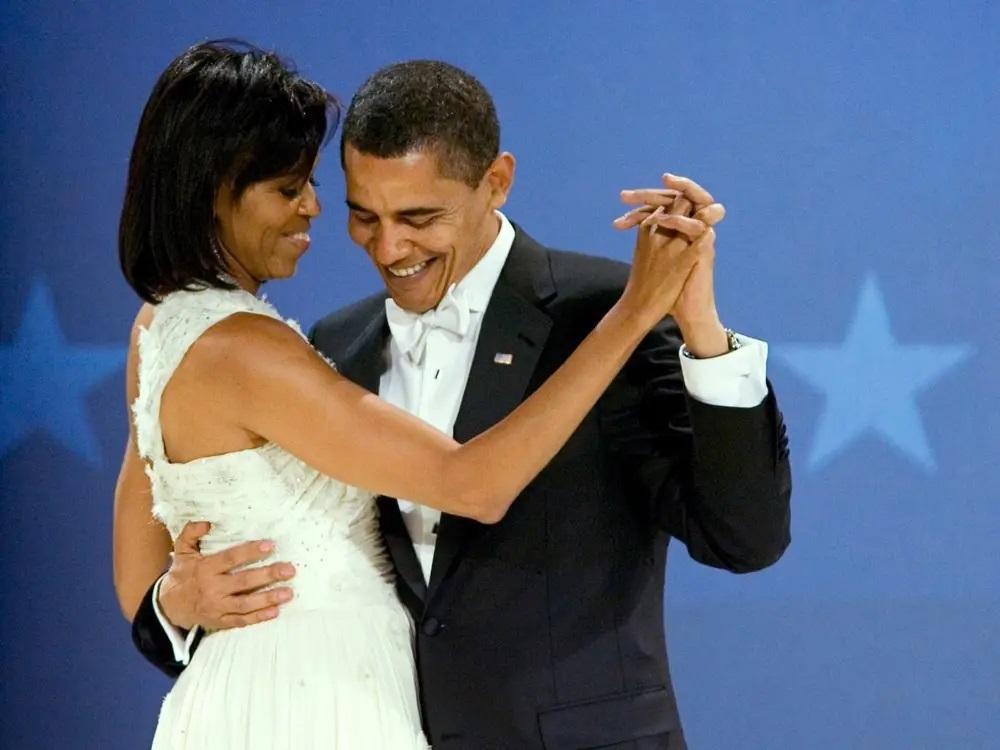
The Death of the Slow Dance?

How the one-time rite of passage has evolved for Generation Z.

by Kyle Denis in Billboard, 8/3/2023.

Summarized by the editor of Friday's Labor Folklore.


Note: Generation Z are people born after 1996. They grew up shaped by the Great Recession of 2007-2009, the iPhone (2007) and COVID 19 (2020). They are the first generation never to know the world without the Internet. According to the Pew Research Center, "instead of looking ahead to a world of opportunities, Gen Z now peers into an uncertain future."


  • A significant portion of Gen Z has spent some of its formative social years - the end of high school and the beginning of college - isolated and alone due to COVID-19 lockdowns.
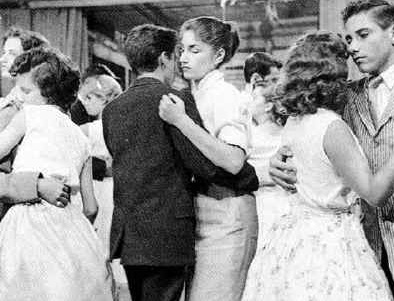
  • Slow dancing - which is usually introduced to young people at their first adult parties and proms - is largely unknown.
  • One of the DJs interviewed in this article said that at his events "there are a lot of 23-25 year olds and all they want to do is twerk." (Twerk is popular dancing in a sexually provocative manner.)
  • Gen Z is less sexually conservative and that attitude has extended to the dance floor. Ironically, the once chaste act of slow dancing may now be more taboo among young people because of the intensity of its intimacy.
  • When you are slow dancing you are face-to-face with another person, staring into their eyes for an extended period of time. (In start contrast to twerking.)
  • The evolution of slow dancing goes hand in hand with Rhythm and Blues (R&B) music whose songs - performed primarily by Black artists - combined jazz, gospel and blues influences. Many of these R&B songs featured intimate and romantic themes, which provided the vulnerability of the slow dance.

(With thanks to Ted Gioia in The Honest Broker (8/25/2023) and Britannica. Photo: history-of-rock.com)

My Favorite

Slow Dance Song


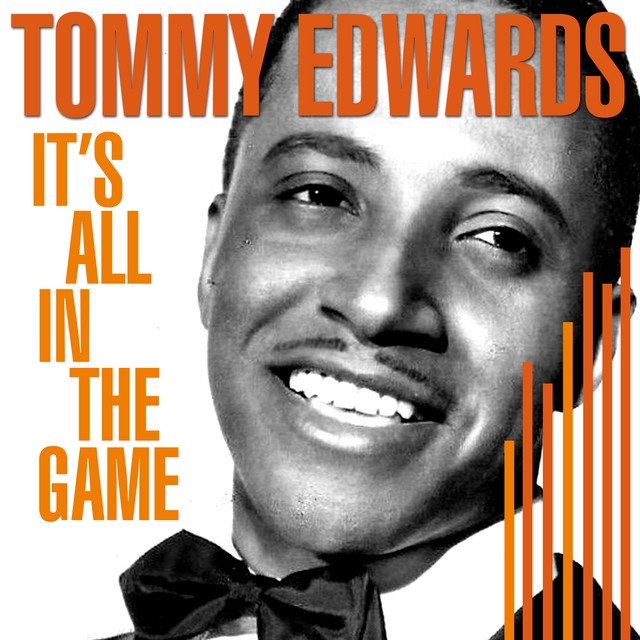
It's All in the Game

(1958)

by

Tommy Edwards


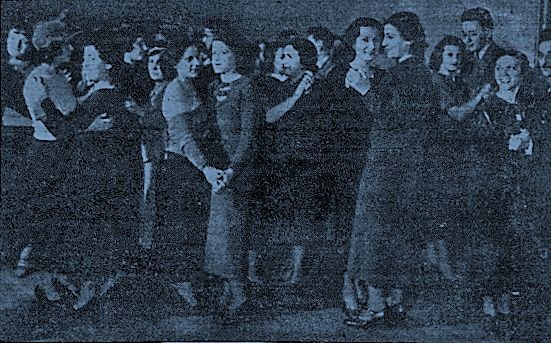
Yearning for Happy Social Contacts

(1935)

If you want to dance but don't know how; if you dance on everybody

else's feet but your own; if you yearn for the happy social contacts possible only on the dance floor -- just join one of the Union's classes in Social or Ballroom Dancing.


There are two classes every Tuesday at the Donovan Dancing Academy, 308 West 59th Street, at 5:30 and 6:30 p.m. Mollie Herman, a graduate of the Savage School of Physical Training, is an instructor. Picture shows one of the first classes learning the simple technique of keeping time to the music. Register for the classes at the Union offices.


-- Justice, 1935, the newspaper of the International Ladies Garment Workers Union (ILGWU), "No More Wallflowers Among Happy Unionists."

Photo: Kheel Center at Cornell University.

"Women workers wanted their union to be more than a rallying point in the battle for social justice. They wanted it to be a community in which they could learn, meet friends and have fun."


In "Soul to strawberries : the ILGWU and workers education," by S.S. Wong in Sisterhood and solidarity : worker's education for women, 1914-1984 by Joyce L. Kornbluh & Mary Frederickson, editors.

The Dance of Life

The dance of life is unscripted. Remembering that life can have missteps, which are most often not fatal, learn to make those missteps a part of life's dance. (Source unknown)


Friday's

Labor Folklore

Saul Schniderman, Editor


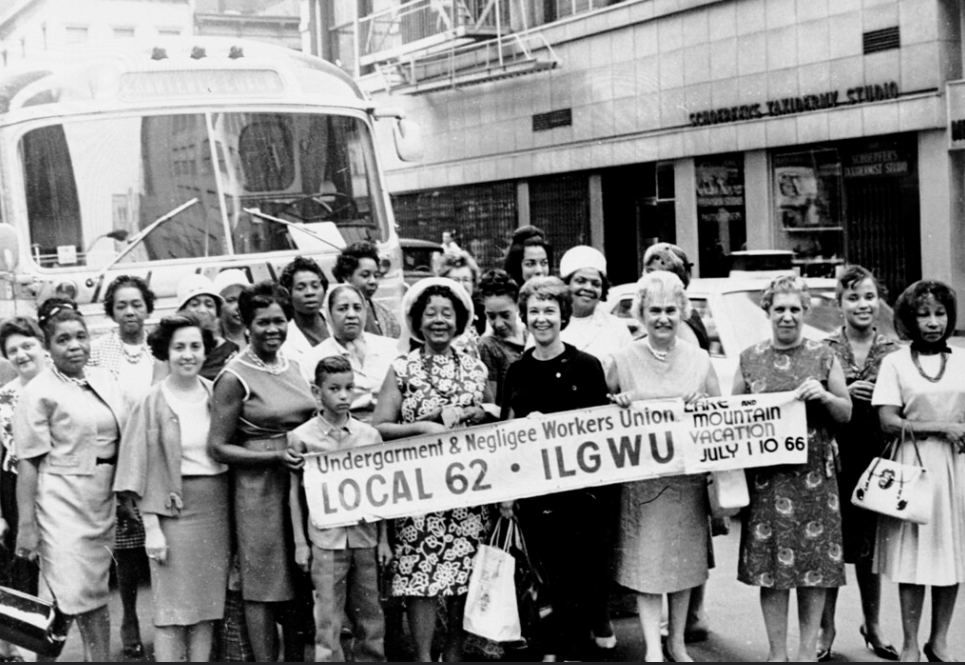
Photo: AP/Manuel Bale