|
Greetings!
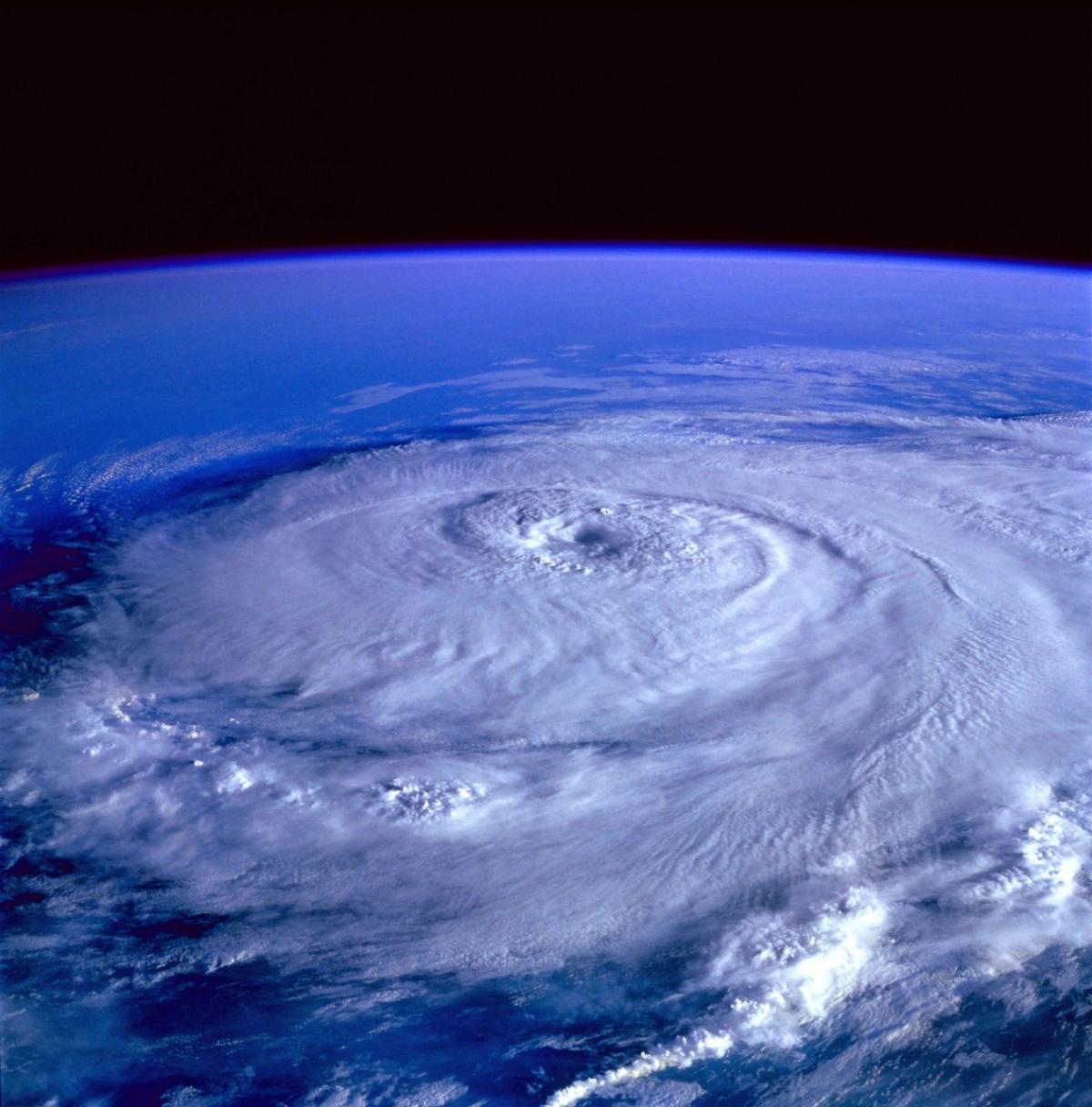
The IRS has announced tax relief for individuals and businesses affected by Hurricane Isaias in Alabama that began on Oct. 7, 2026. These taxpayers now have until Feb. 4, 2027 to file various federal individual and business tax returns and make tax payments.
Following the disaster declaration issued by the State of Alabama, individuals and households that reside or have a business in Autauga, Baldwin, Barbour, Bibb, Bullock, Butler, Chambers, Chilton, Clarke, Choctaw, Coffee, Conecuh, Coosa, Covington, Crenshaw, Dale, Dallas, Elmore, Escambia, Geneva, Greene, Hale, Henry, Houston, Lee, Lowndes, Macon, Marengo, Mobile, Monroe, Montgomery, Perry, Pickens, Pike, Russell, Sumter, Tallapoosa, Tuscaloosa, Washington, and Wilcox counties qualify for tax relief.
The Feb. 7, 2027 deadline applies to individuals who had a valid extension to file their 2025 individual income tax return. Because tax payments related to these 2025 returns were due on April 15, 2026, those payments are not eligible for this relief.
Penalties on payroll and excise tax deposits due on or after Oct. 7, 2026 and before Oct. 22, 2026 will be abated as long as the tax deposits are made by Oct. 22, 2026.
The Feb. 4, 2027 deadline also applies to affected quarterly payroll and certain excise tax returns normally due on Nov. 2, 2026.
If an affected taxpayer receives a late filing or late payment penalty notice from the IRS that has an original filing, payment, or deposit due date that falls within the postponement period, the taxpayer should call the telephone number on the notice to have the IRS abate the penalty.
Taxpayers eligible for the postponement of time to file returns or pay taxes include individuals who live, and businesses (including tax-exempt organizations) whose principal place of business is located, in the covered disaster area.
Taxpayers whose records necessary to meet a deadline are in the covered disaster area are also entitled to relief. In addition, all relief workers affiliated with a recognized government or philanthropic organization assisting in the relief activities in the covered disaster area, and any individual visiting the covered disaster area who was killed or injured as a result of the disaster, are entitlted to relief.
The IRS automatically identifies taxpayers located in the covered disaster area and applies filing and payment relief. But affected taxpayers who reside or have a business located outside the covered disaster area should call the IRS Special Services toll-free number at 866-562-5227 to request this tax relief.
This postponement affects most tax returns (including individual, corporate, and estate and trust income tax returns; partnership returns, S corporation returns, and trust returns; estate, gift, and generation-skipping transfer tax returns; annual information returns of tax-exempt organizations; and employment and certain excise tax returns) that have either an original or extended due date occurring before Feb. 4, 2027.
Estimated income tax payments originally due on or after Oct. 7, 2026 are postponed through Feb. 4, 2027, and affected taxpayers will not be subject to penalties for failure to pay estimated tax installments as long as such payments are paid on or before Feb. 4, 2027.
For taxpayers in an installment agreement or payment plan, reminder notices will continue to be issued, and direct debits will also continue. Missed payments during the postponement period will not cause an installment agreement to default.
This means that an agreement will remain in effect, even if they wait until Feb. 4, 2027 to make any payments that were due between Oct. 7, 2026 and Feb. 4, 2027. However, the usual interest and late-payment penalty charges will continue to accrue during this period. Taxpayers who wish to suspend direct debit payments should contact the IRS or their bank for assistance.
The IRS will waive the usual fees for requests for copies of previously filed tax returns for affected taxpayers. Taxpayers should put the assigned declaration number (AL-0017-DR) in bold letters at the top of Form 4506, Request for Copy of Tax Return, or Form 4506-T, Request for Transcript of Tax Return, as appropriate, and submit it to the IRS.
Qualified disaster relief payments are generally excluded from gross income. This means that affected taxpayers can exclude from their gross income amounts received from a government agency for reasonable and necessary personal, family, living, or funeral expenses, as well as for the repair or rehabilitation of their home, or for the repair or replacement of its contents.
Additional relief may be available to affected taxpayers who participate in a retirement plan or individual retirement arrangement (IRA). For example, a taxpayer may be eligible to take a special disaster distribution that would not be subject to the additional 10% early distribution tax and that the taxpayer may take into income over three years.
Taxpayers may also be eligible to make a hardship withdrawal. Each plan or IRA has specific rules and guidance for their participants to follow.
Taxpayers who do not qualify for disaster tax relief may qualify for reasonable cause penalty abatement. See Penalty relief for reasonable cause for additional information.
Sincerely,
Robert Hall & Associates, PC
|