|
"We believe the bill is poised for adoption this year," said one expert
Medical groups are optimistic that a recently reintroduced bill to rein in prior authorization has a better chance of passage now than it did last time around.
"We believe the bill is poised for adoption this year," Katie Orrico, JD, CEO of the American Association of Neurological Surgeons, said in an email to MedPage Today. "While the Senate did not officially move the legislation in the 117th Congress last year, 61 senators signed a letter to HHS and CMS [Centers for Medicare & Medicaid Services] urging the agency to finalize its prior auth rules. This, coupled with passage by the House, signifies strong support for the legislation."
The Improving Seniors' Timely Access to Care Act was first introduced in the House in May 2021; it passed on a voice vote in September 2022.
Read More
| |
ASIPP State Society Meeting: | |
|
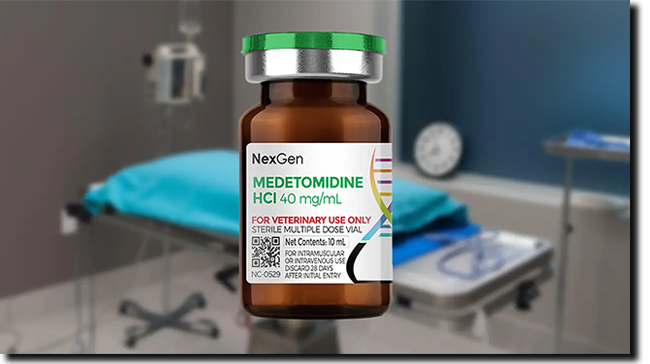
Another drug has entered the drug supply
by Ryan Marino, MD
"The drug sample contained multiple different nitazenes, a bunch of fentanyl analogues, xylazine, diphenhydramine, caffeine, and medetomidine."
That last word, medetomidine, stuck out to me. This was the preliminary report I received recently on a specimen I had sent for testing from a patient experiencing an overdose. While I am all too familiar with recognizing and managing overdoses -- I can't even keep track of how many thousands I have seen at this point -- I had sent this for testing because this one was unusual.
Unfortunately, "unusual" presentations are becoming more and more common. In this case, the patient had presented like a classic opioid overdose, unresponsive and barely breathing, reportedly after using heroin. What was unusual was that standard treatments did next to nothing for the patient's failure to breathe and failure to circulate blood and perfuse their organs. Although the patient ended up surviving, the toxic effects lasted much longer than normal.
Read More
| |
|
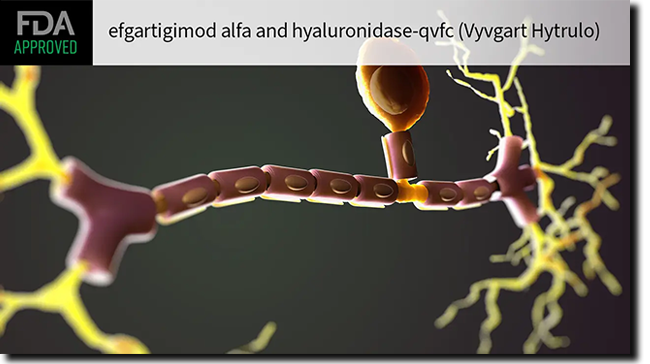
Efgartigimod injection reduced CIDP relapse risk
The FDA expanded the indication of efgartigimod alfa and hyaluronidase-qvfc (Vyvgart Hytrulo) Friday to include treatment of adults with chronic inflammatory demyelinating polyneuropathy (CIDP), drugmaker argenx announced.
The FDA's decision marked a "groundbreaking day" for CIDP treatment, said Jeffrey Allen, MD, of the University of Minnesota in Minneapolis, a principal investigator for the drug's pivotal trial.
CIDP is a rare and debilitating immune-mediated neuromuscular disorder of the peripheral nervous system. "Existing treatments have been limited to corticosteroids and plasma-derived therapies," Allen noted in a press release. "These treatments, while effective for many patients, can be challenging for some patients to receive."
Read More
| |
|
AI detected 6.8% more clinically significant cancers, 20% fewer indolent cancers
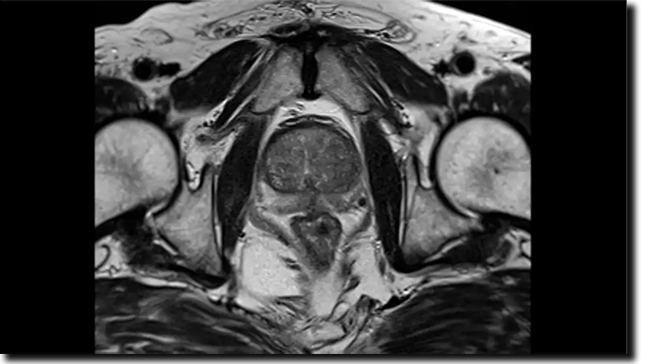
An artificial intelligence (AI) system was better at detecting clinically significant prostate cancer on MRI compared with radiologists, a noninferiority, confirmatory study showed.
In a subset of 400 testing cases in which the AI system was compared with the radiologists participating in a reader study, the AI had an area under the receiver operating characteristic curve (AUROC) of 0.91 (95% CI 0.87-0.94) compared with 0.86 (95% CI 0.83-0.89) for the pool of 62 radiologists using the Prostate Imaging-Reporting and Data System version 2.1 (PI-RADS 2.1), reported Anindo Saha, MSc, of Radboud University Medical Center in Nijmegen, the Netherlands, and colleagues.
Therefore, the AI system passed the prespecified criteria for noninferiority (with a lower boundary of the two-sided 95% Wald CI for the difference in AUROC of 0.02), and showed superior case-level diagnosis (P<0.0001), they wrote in Lancet Oncology.
Read More
| |
|
Virtual
August 31
Click here for the complete list of upcoming exams.
ABIPP Part I; ABIPP Path - Combined DCCPM/CSM virtual exam;
ABIPP Competency Exam in IPM; ABIPP Competency Exam in Regenerative Medicine;
CSM Competency Exam; DCCPM Competency Exam
In Person
October 18, 2024
ABIPP Part II - Practical Examination
Lab Venue: MERI, 44 S. Cleveland Street, Memphis, TN 38104
| |
|
Inadequate payments could force some docs to stop accepting Medicare patients, commission warns
Boosting physician fee-for-service (FFS) payment rates and implementing site-neutral payment are among the ideas discussed in the Medicare Payment Assessment Commission's (MedPAC) June report to Congress, which was released Thursday.
Although Medicare beneficiaries' access to physicians appears adequate for now, "the commission is concerned about whether payments will remain adequate in the future," according to the report. "Payment rates are set to be flat in 2025 and, starting in 2026, increase by 0.75% per year for qualifying clinicians participating in A-APMs [advanced alternative payment models] and by 0.25% for all other clinicians."
"Meanwhile, clinicians' input costs, as measured by the Medicare Economic Index (MEI), are expected to increase by an average of 2.3% per year from 2025 through 2033 -- exceeding the growth in PFS [physician fee schedule] payment rates by more than has been the case over the past two decades," the authors wrote. "This larger gap could create incentives for clinicians to reduce the number of Medicare beneficiaries they treat or stop participating in Medicare entirely."
Read More
| |
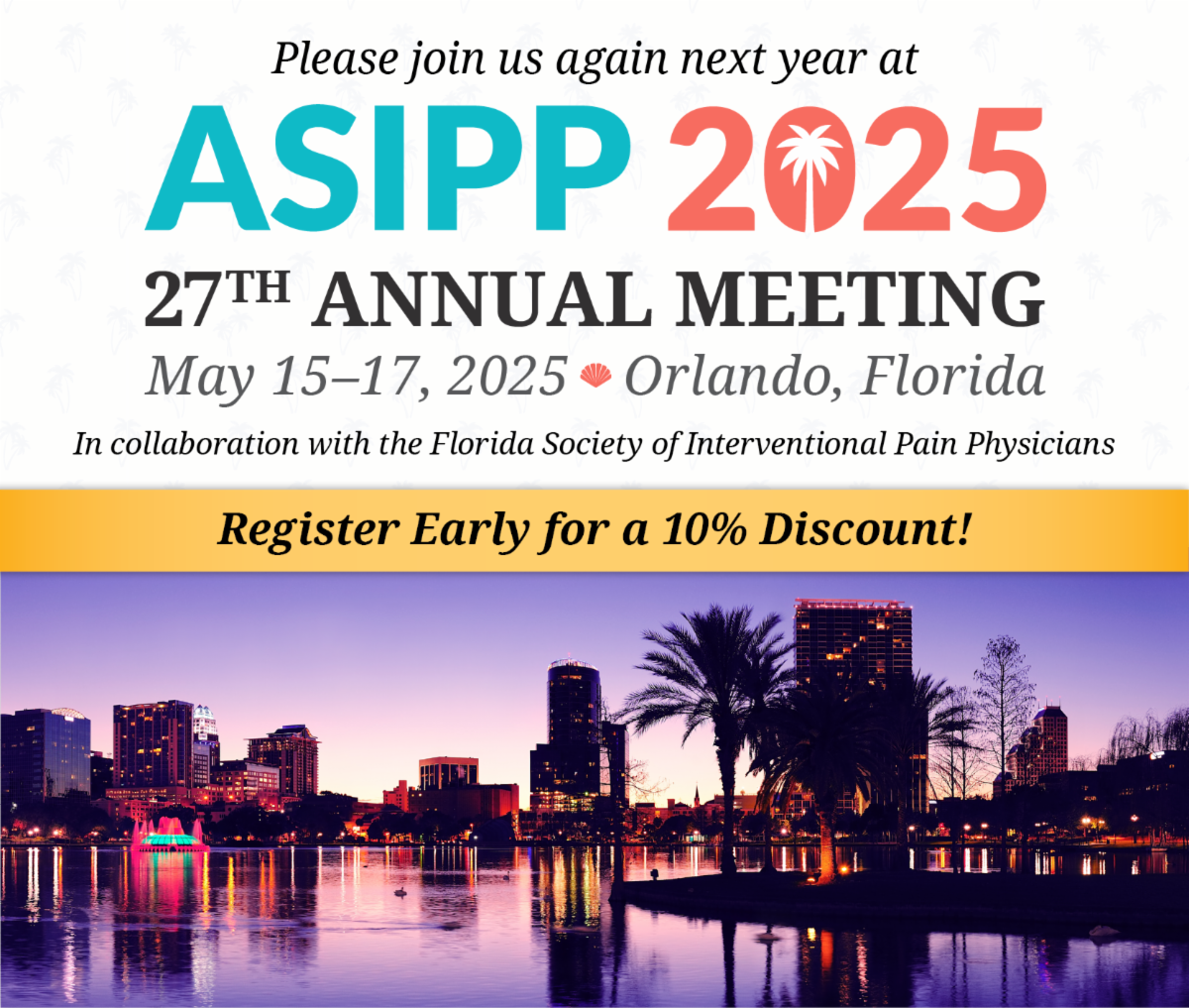
Registration is open for
ASIPP's 2025 Annual Meeting
We would love it if you would register and join us in Orlando!
| |
|
Nvidia’s meteoric success has made global headlines in the last few months. One of the primary reasons for this is the rapid growth and skyrocketing demand for the hardware to support advanced artificial intelligence systems—a space that Nvidia has been innovating in for decades.
In congruence with this innovation, Nvidia’s work has helped enable significant progress across numerous industries, and healthcare has been at the forefront of benefitting from this progress. In fact, Nvidia’s healthcare focused work has been ongoing for nearly two decades, especially as the company slowly started transitioning from a traditional graphics card company to focus on advanced computing and hardware. Although not a traditional healthcare company itself, Nvidia has played a pivotal role in the massive changes that the healthcare industry has endured over the last few decades, transitioning from paper records and clipboards to digital records and imaging.
The company has especially focused on the explosion of healthcare data and harnessing this data to gather longitudinal insights, collating it for more advanced applications, and using it to build advanced models to power useful and tangible applications for end-users to actually help drive better outcomes. With regards to this, Kimberly Powell, vice president and general manager of healthcare at Nvidia, explains that the company has focused on a variety of key application areas, including digital surgery, digital biology and digital health.
Read More
| |
|
Even in the U.S., local mosquitoes are a growing threat
The CDC on Tuesday warned doctors to be alert for dengue cases as the tropical disease breaks international records.
The virus, which is spread by mosquitoes, has been surging worldwide, helped by climate change. In barely 6 months, countries in the Americas have already broken calendar-year records for dengue cases.
The World Health Organization declared an emergency in December, and Puerto Rico declared a public health emergency in March.
Read More
| |
ASIPP State Society Meeting: | |
- ASIPP Members Only Site Information - | |
-
To log in for the first time you will need to click “forgot password” at the bottom of the login window.
- Check your email and then log in as directed.
-
If you have problems logging into your account, click here.
| |
|
Arkansas AG says Express Scripts, Optum, and their subsidiaries benefited from the opioid crisis
Arkansas on Monday sued two pharmacy benefit managers (PBMs) that oversee coverage for insurers, employers, and other large clients, accusing them of fueling the opioid crisis in the state.
Attorney General Tim Griffin (R) filed the lawsuit against Express Scripts, Optum, and their subsidiaries, in state court.
PBMs run prescription drug coverage for big clients that include health insurers and employers that provide coverage. They help decide which drugs make a plan's formulary, or list of covered medications. They also can determine where patients go to fill their prescriptions.
Read More
| |
|
Pain Medicine Case Reports (PMCR) and Editor-in-Chief Alaa Abd-Elsayed, MD, PhD would like to invite you to submit case reports and case series to the PMCR journal. Your article will be published free of charge.
Open access journals are freely available online for immediate worldwide open access to the full text of published articles. There is no subscription fee for open access journals. Open access journals are no different from traditional subscription-based journals: they undergo the same peer review and quality control as any other scholarly journal.
Interested in becoming a member of the PMCR Editorial Board?
Editorial board members are asked to review 2-6 manuscripts per year. Please submit your most up-to-date CV to sgold@asipp.org for consideration.
For more information or to submit your articles, click here.
| |
|
Stephen RItter, DO, Yousef Darwish, MD, and Tiffany Tsay, MD
Abstract
BACKGROUND: This is a case of unilateral gluteal pain in a 54-year-old woman.
CASE REPORT: The patient presented with a 4-month history of left buttock pain after a traumatic fall. Her pain was exacerbated primarily while sitting. Pelvic x-rays showed bilateral acetabular dysplasia. Magnetic resonance imaging of the left femur without contrast was significant for ischiofemoral impingement (IFI), including compression of the quadratus femoris (QF). The QF space displayed a minimum dimension of 0.7 cm. The patient was scheduled for an ultrasound-guided QF injection, but cancelled the procedure due to symptomatic improvement with supportive care.
CONCLUSIONS: IFI has become increasingly recognized as an uncommon cause of posterior hip, gluteal, or groin pain. Diagnosis of IFI can be challenging given the broad differential and potential for multiple etiologies of pain. Acetabular dysplasia leads to increased femoral anteversion. Thus, patients with acetabular dysplasia may be vulnerable to the development of IFI.
KEY WORDS: Ischiofemoral impingement, acetabular dysplasia, ischiofemoral impingement, buttock pain, gluteal pain, case report
Read More
| |
|
Jingjing Bian, MD, Aitao Wang, MD, Na Li, MD, Liqiang Yang, MD, Jiaxiang Ni, MD, and Yuanzhang Tang, MD
Abstract
BACKGROUND: Radiofrequency thermocoagulation (RFT) of the thoracic nerve root is commonly employed in treating medication-refractory thoracic post-herpetic neuralgia (PHN). However, RFT procedures’ suboptimal pain relief and high occurrence of postoperative skin numbness present persistent challenges. Previous single-cohort research indicated that the low-temperature plasma coblation technique may potentially improve pain relief and reduce the incidence of skin numbness. Nevertheless, conclusive evidence favoring coblation over RFT is lacking.
OBJECTIVES: To compare the clinical outcomes associated with coblation to those associated with RFT in the treatment of refractory PHN.
STUDY DESIGN: Retrospective matched-cohort study.
SETTING: Affiliated Hospital of Capital Medical University.
METHODS: Sixty-eight PHN patients underwent coblation procedures between 2019 and 2020, and 312 patients underwent RFT between 2015 and 2020 in our department. A matched-cohort analysis was conducted based on the criteria of age, gender, weight, pain intensity, pain duration, side of pain, and affected thoracic dermatome. Pain relief was assessed using the numeric rating scale (NRS), the Medication Quantification Scale (MQS) Version III and the Neuropathic Pain Symptom Inventory (NPSI), which were employed to indicate pain intensity, medication burden, and comprehensive pain remission at 6, 12, and 24 months. Numbness degree scale scores and complications were recorded to assess safety.
RESULTS: We successfully matched a cohort of 59 patients who underwent coblation and an equivalent number of patients who underwent RFT as a PHN treatment. At the follow-up time points, both groups’ NRS, MQS, and NPSI scores exhibited significant decreases from the pre-operation scores (P < 0.05). The coblation group’s NRS scores were significantly lower than the RFT group’s at the sixth and the twenty-fourth months (P < 0.05). At 24 months, the MQS values in the coblation group were significantly lower than those in the RFT group (P < 0.05). Furthermore, the coblation group’s total intensity scores on the NPSI were significantly lower than the RFT group’s at the 12- and 24-month follow-ups (P < 0.05). At 6 months, the coblation group’s temporary intensity scores on the NPSI were significantly lower than the RFT group’s (P < 0.05). Notably, the occurrence of moderate or severe numbness in the coblation group was significantly lower than in the RFT group at 6 and 12 months (P < 0.05). No serious adverse effects were reported during the follow-up.
LIMITATIONS: This analysis was a single-center retrospective study with a small sample size.
CONCLUSION: In this matched cohort analysis, coblation achieved longer-term pain relief with a more minimal incidence rate of skin numbness than did RFT. Further randomized controlled trials should be conducted to solidify coblation’s clinical superiority to RFT as a PHN treatment.
KEY WORDS: Post-herpetic neuralgia (PHN), neuropathic pain, thermocoagulation, plasms-mediated technology, clinical outcomes
Read More
| |
|
Fu-Kuan Zhu, MS, Fei-Fei Cheng, MD, Juan Cheng, MD, Si-Yu Wang, MS, Xi-Zi Miao, MS, Hui Zheng, MS, Zhong-Liang Deng, MD, PhD, Lei Chu, MD, and Lei Shi, MD
Abstract
BACKGROUND: In our clinical practice, we observed that some osteoporotic vertebral compression fracture patients undergoing vertebral augmentation exhibited pain in the iliac crest region. This pain aligned with the diagnostic criteria for superior cluneal neuralgia (SCN) and affected treatment satisfaction.
OBJECTIVE: This study aims to clinically observe patients undergoing vertebral augmentation in a hospital setting and analyze the etiology and risk factors associated with SCN.
STUDY DESIGN: Retrospective cohort study.
SETTING: Inpatient population of a single center.
METHODS: We retrospectively analyzed clinical data from 630 patients who underwent vertebral augmentation in our hospital from March 2022 to March 2023. Fifty-two patients enrolled in the study experienced pain that met the diagnostic criteria for superior cluneal neuralgia during the perioperative period of the vertebral augmentation procedures. Those patients were divided into 2 subgroups according to the conditions involved in the occurrence of SCN: Group A (26 patients) had either no preoperative SCN but developed it postoperatively, or had preoperative SCN that worsened or did not alleviate postoperatively. Group B (26 patients) had preoperative SCN that was relieved postoperatively. Additionally, 52 consecutive patients in March 2022 to March 2023. who did not experience SCN during the perioperative period were selected as the control group (Group C). Variables such as surgical segment, age, height, weight, body mass index, duration of hospitalization, chronic low back pain (CLBP), duration of pain, anesthesia, surgical approach, fracture pattern, preoperative visual analog scale (pre-op VAS) score, intraoperative VAS score, one-day VAS score, one-month VAS score, lumbar sacral angle, and sacral tilt angle were statistically described and analyzed.
RESULTS: In our hospital, the incidence of SCN during the perioperative period of vertebral augmentation procedures is 8.25% (52/630). Among all the segments of patients who developed SCN during the perioperative period, the L1 segment had the highest proportion, which was 29.03% and 35.14% in Groups A and B, respectively. Group B and Group C showed significant differences in duration of hospitalization (P = 0.012), pre-op VAS scores (P = 0.026), and CLBP (P < 0.001). Group A had significantly higher VAS scores preoperatively (P = 0.026) and intraoperatively (P = 0.004) and in CLBP (P = 0.001) than did Group C.
LIMITATIONS: This is a retrospective study. Single-center noncontrolled studies may introduce selection bias. The small sample size in each group might have also led to bias.
CONCLUSION: Perioperative SCN associated with vertebral augmentation is significantly correlated with preoperative VAS scores and CLBP. In addition, intraoperative VAS scores might be a factor contributing to the nonalleviation or exacerbation of postoperative SCN.
KEY WORDS: Vertebral augmentation, superior cluneal neuralgia, osteoporotic vertebral compression fracture
Read More
| |
|
ASIPP is now in collaboration with Curi Medical Liability Program
| |
|
Since this malpractice insurance program officially launched in November 2018, ASIPP has signed up hundreds of providers with an average savings of 30%. This is professional liability insurance tailored to our specialty and will stand up for us and defend our practices.
Curi is a full-service advisory firm that serves physicians and their practices. Their valued advice is grounded in your priorities and elevated in your outcomes. They are driven by a deep understanding of your specific circumstances in medicine, business, and life. To read a few important points to keep in mind about the program, including discounts, administrative defense, cyber coverage, aggressive claims handling, and complimentary risk management CME activities, visit our website.
| | |
|
Group Purchasing Organization Offer Better Pricing and Creates Added Value
ASIPP has formed a partnership with Henry Schein and PedsPal, a national GPO that has a successful history of negotiating better prices on medical supplies and creating value-added services for independent physicians. Working with MedAssets, PedsPal provides excellent pricing on products like contrast media that alleviate some of the financial pressures you experience today.
Learn More
| |  |
|
ASIPP, Fedora Billing,
and Revenue Cycle Management Partnership
ASIPP is now offering our members the benefit of a unique revenue cycle management/ billing service.
We have received a tremendous amount of interest in the ASIPP® billing and coding program.
Click here to learn more about the negotiated rate for practices and more!
| |
|
Like and follow ASIPP® on Facebook, X, and LinkedIn for the most
up-to-date news related to you, your practice, and your patients!
| | | | |