Is the Turkey Really to Blame?
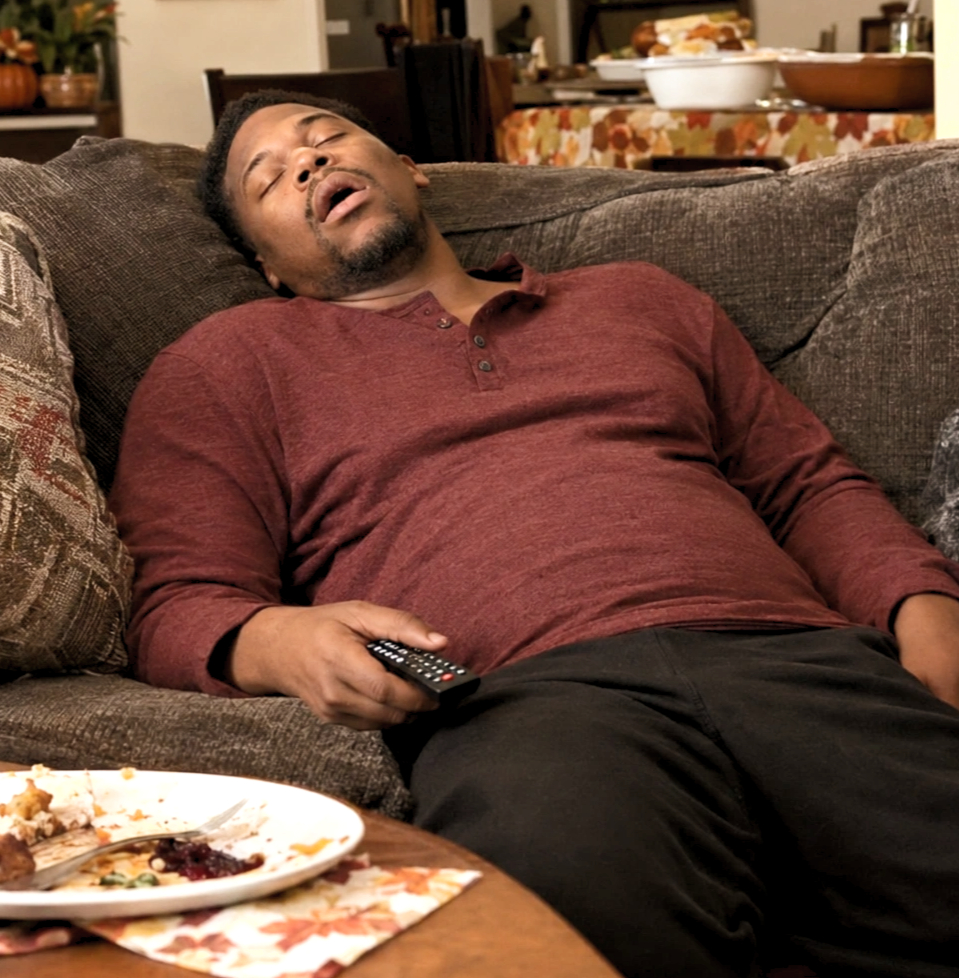
Every year it happens like clockwork. The plates are cleared, the game comes on, and within 30 minutes somebody is snoring on the couch with the remote still in their hand. And every year, the poor turkey gets the blame!
The story goes that turkey is loaded with tryptophan, an amino acid your body uses to make serotonin and melatonin, the hormones that help you relax and sleep. One big plate and you’re out for the count, right?
The Turkey has been framed!
Compared to other animal-based proteins, turkey has an ordinary amount of tryptophan. Ounce for ounce, roasted pumpkin seeds have even more, which is one more reason plants are my favorite source of protein! Research suggests it takes about 5 grams of tryptophan to affect sleep, and a 3-ounce serving of turkey has only about 180 to 244 milligrams. Someone would need to eat more than 60 ounces of turkey (almost four pounds!) to get there. Even pumpkin seeds, with more than twice the tryptophan of turkey, would take about 2 pounds (around 7 cups!) to reach that amount. No food on the Thanksgiving table can deliver that kind of dose.
Even the tryptophan that is eaten has a hard time reaching the brain. It has to compete with other amino acids to cross into the brain, and in a protein-heavy meal, tryptophan ends up at the back of the line.
So what really puts everyone to sleep?
The plate is the problem!
The average Thanksgiving dinner adds up to about 3,000 calories and 159 grams of fat, according to the Calorie Control Council. That’s more than most adults need in an entire day, all in one sitting. When that much food lands at once, three things happen.
Your body goes into overdrive. Digesting a huge meal takes a lot of energy, and blood flow shifts toward your digestive system. Turkey, buttery sides and creamy casseroles are heavy in fat, which slows digestion even more, so that sluggish feeling can last for hours.
Your blood sugar rides a roller coaster. Rolls, stuffing, candied yams, pie and sweet tea are full of refined carbs and sugar. They send your blood sugar soaring, insulin rushes in to bring it down, and then you crash. That insulin surge also clears the competing amino acids out of your blood, which finally helps the little bit of tryptophan reach the brain. In other words, the carbs do most of the work!
Alcohol adds to it. Wine and cocktails slow down your central nervous system, so the drowsiness hits even harder.
Eat to feel good!
You can enjoy every bite of Thanksgiving and still have the energy to play games, dance in the kitchen and help with the dishes. These steps will help:
-
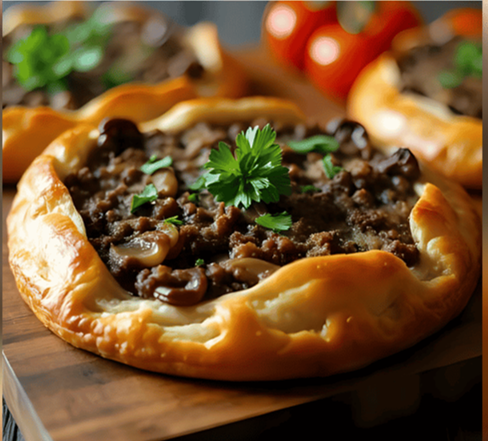
Make plants the main event. Lentils, chickpeas, beans, tofu and pumpkin seeds give you protein AND fiber in every bite, while animal proteins have ZERO fiber. A savory lentil loaf, a stuffed acorn squash or a mushroom Wellington makes a beautiful centerpiece that leaves you feeling light and energized.
-
Fill half your plate with fiber-rich sides. Greens, string beans, sweet potatoes, cranberries and whole grains like quinoa slow the release of sugar into your blood, so your energy stays steady.
-
Go easy on the refined carbs and sugar. Pick the one dessert you love most and savor it.
-
Take a walk. A 2022 review in Sports Medicine found that even 2 to 5 minutes of light walking after a meal helped lower blood sugar. Gather the family and walk around the block before dessert!
-
Slow down. Give your body time to tell you it’s full. Seconds will still be there in 20 minutes!
So this year, when someone at your table blames the unlucky turkey for their nap, you’ll know the real story. Better yet, let the turkey off the hook completely and fill your table with plants. Case closed!
Dr. Ruby 🌿 | With love and light
|