Worcester’s Regional Environmental Council Leverages MFTP Funds to Combat Food Insecurity
As spring sprung and plants burst forth, the Regional Environmental Council (REC) in Worcester has been cultivating garden beds and farms through a variety of programs that enrich the lives of many! We had a conversation with Grace Sliwoski, Director of Programs, to find out more, and see how the Massachusetts Food Trust Program impacted their work.
What keeps you excited about this work?
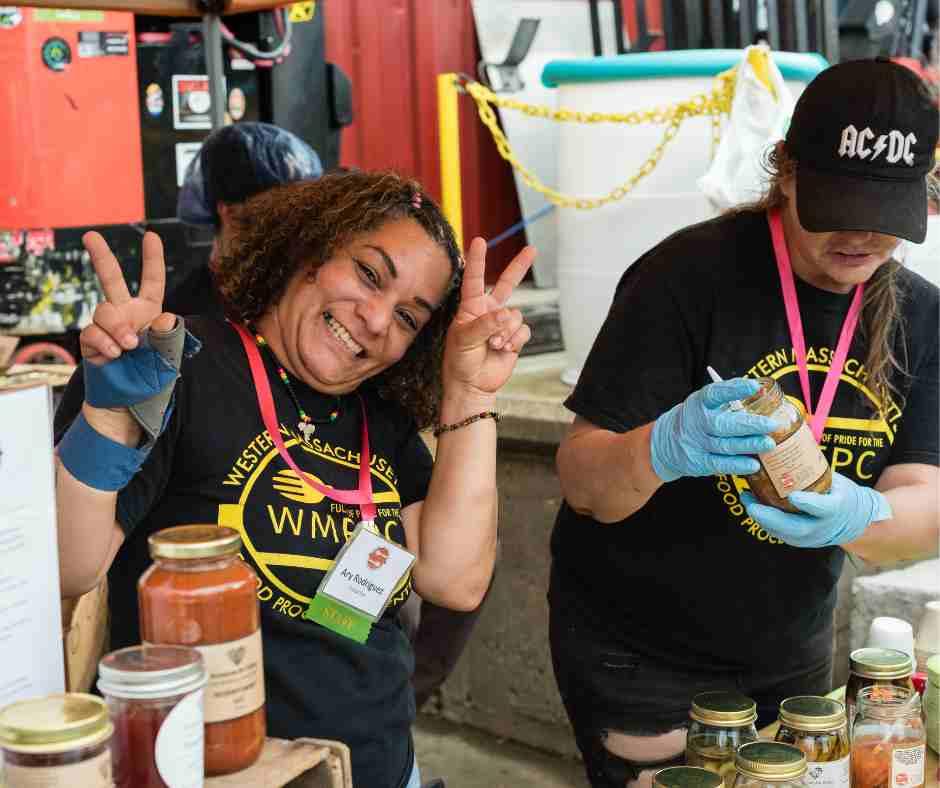
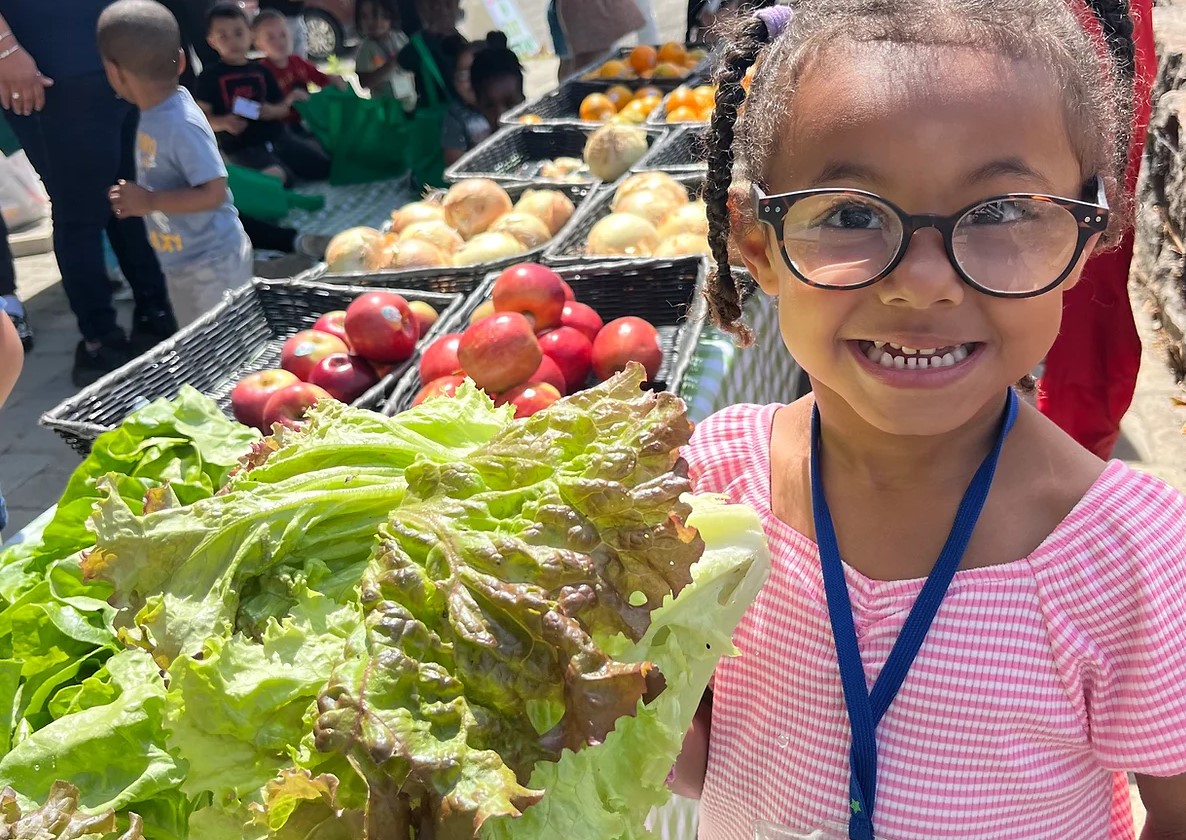
I’m consistently inspired by and learning from all the community members involved in our programs. Working at the REC gives me the opportunity to get to know many different members of our local food system, large and small. We work with preschoolers who are just getting started in the gardens through the farm to early childhood program and with older adults who have been gardening (or farming) for decades. Our farmers market vendors include New Americans who have created new farming businesses here in Central Mass, beginning and urban farmers, and multigenerational family farms. Worcester is a home for many immigrant communities and our farmers market customers reflect that diversity and culture. I’m also continually inspired and energized by the young people we work with through the YouthGROW program. One of our recent YouthGROW alums launched his own microgreen business, Just for Fun Farms, and it is so exciting to see him carve out his own space in the local food scene.
How has the Massachusetts Food Trust Program helped REC?
Funding from Mass Food Trust has supported investments in our Mobile Farmers Markets, including market supplies, staff support for market expansion, and retrofitting one of our Mobile Market vehicles. In 2020, we reported that “through the support of the Massachusetts Food Trust, REC was able to offer uninterrupted and safe access to HIP retail locations for the residents of Worcester throughout the COVID 19 pandemic, serving 12 locations by June and making over $80,000 in local food sales, as well as supporting local farmers to make direct sales at our markets. We were able to bring on locations in Webster and Southbridge in the summer and have made connections with social service providers in those communities to educate community members about HIP as a resource.”
These infrastructure investments have had compounding impact—in 2023, we saw a 40% sales growth at our Mobile Markets and sold over $400,000 of produce. Over 90% of transactions made at our markets were made using SNAP/EBT.
Read the full interview on our website.
Want to learn more about the MFTP? Visit online our reach out to Hannah Sobel.
|