Legislative Update February 13, 2023 |
|
|
|
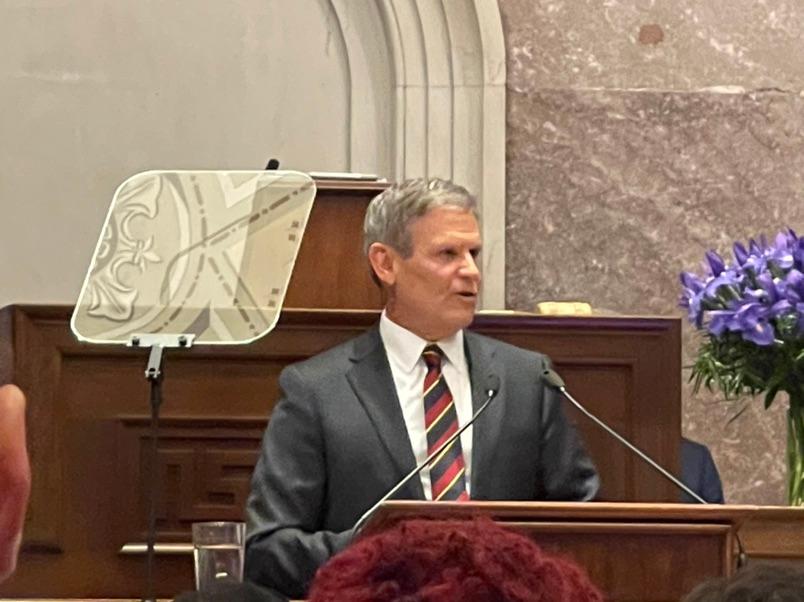
Last week, Gov. Lee presented his 5th State of the State address on Monday evening. In the speech titled ‘Tennessee: Leading the Nation,’ the Governor presented his $55.6 billion budget proposal and legislative priorities for 2023.
|
|
Governor Bill Lee delivering his fifth State of the State Address in a joint session of the General Assembly. In the speech titled ‘Tennessee: Leading the Nation,’ the Governor presented his $55.6 billion budget proposal and legislative priorities for 2023.
Tennessee’s strong fiscal stewardship places the state in one of the strongest budgetary positions in history and allows for investments to ensure continued success. Gov. Lee’s future-looking proposal includes funding to modernize transportation, ensure economic and educational opportunity, preserve the state’s natural resources, protect children, strengthen families and more.
Lee highlighted Tennessee’s success in attracting businesses, rural economic development and education.
“Folks, the American people know a leading state when they see one,” Lee said in Monday night’s address. “That’s why people, families and companies are moving here in record numbers. Our investments in public education, workforce development, safe schools – and our commitment to freedom and families – have all earned national recognition.”
Transportation and infrastructure emerged as the top budget item of the night. Gov. Lee proposed a $3 billion transportation modernization fund to alleviate urban congestion and fund rural road projects across the state.
Another big priority Lee highlighted during the speech is protecting Tennessee children by investing $190 million in the Department of Children’s Services (DCS) and improving adoption and foster care services. In addition, Lee is proposing $100 million for Crisis Pregnancy Provider Support Grants statewide, improving access to healthcare and providing information for expecting mothers. Pro-life lawmakers in the General Assembly have identified similar priorities and introduced a slate of legislation to solidify Tennessee’s commitment to protecting children not only before birth but throughout their childhood as well.
Other notable highlights from Gov. Lee’s Fiscal Year 23-24 agenda include:
- $150 million in annual tax relief for small businesses
- $288 million for a one-time three-month sales tax holiday on food
- $250 million into Tennessee’s record-high Rainy-Day Fun
- Ensuring more than $2.8 billion of recurring revenue is allocated to one-time expenditures, allowing the return of these resources for review and budgeting next fiscal year
- $1 billion for improving, expanding and building new Tennessee Colleges of Applied Technology (TCAT)
- $350 million in additional funding to local education agencies through Tennessee Investment in Student Achievement (TISA), including $125 million for teacher pay raises
- $351 million to improve and create new state parks, trails and greenways
- $80 million for environmental cleanup across the state
- $33 million to add 100 highway patrol troopers, support staff and 25 Tennessee Bureau of Investigation Forensic Services staff
- $30 million addition to the TN Law Enforcement Hiring, Training and Recruitment Program (Year 2)
- $50 million expansion of the Violent Crime Intervention Fund
Tennessee’s conservative fiscal management results in $300M of additional federal funds to extend TennCare
A major announcement made by Gov. Lee during the State of the State was that Tennessee has claimed initial returns from the first-of-its-kind TennCare Medicaid waiver agreement of more than $300 million. These savings are the result of Tennessee’s conservative fiscal management and will be reinvested into TennCare to extend coverage to more citizens in need with no additional cost to taxpayers. Lee is proposing to strengthen postpartum and infant care with the recognized savings.
The historic Medicaid waiver agreement granted Tennessee more flexibility managing TennCare. The resulting new program, known as TennCare III, is the only federally-approved waiver of its kind.
In 2019 the General Assembly passed legislation directing TennCare to negotiate with the Centers for Medicare and Medicaid Services (CMS) to reach an agreement that would provide the state with more flexibility managing TennCare administration. In 2021, following over one year of discussions and negotiations, CMS approved Tennessee’s Medicaid Block Grant waiver amendment.
Tennessee has now been operating under TennCare III for two years. Since that time, the state has made notable and unprecedented investments into TennCare, including:
- Providing a comprehensive dental benefit for adults for the first time in Tennessee history;
- Serving thousands of additional people with intellectual and developmental disabilities;
- Providing 12 months of postpartum coverage to mothers through a pilot program;
- Workforce investments in behavioral health, home and community-based care, and dental services; and
- Additional investments in public hospitals
Lee is proposing to use the shared savings to enhance benefits and serve 25,000 additional Tennesseans with a focus on babies, children, pregnant women and parents. These efforts include:
- Making our post-partum coverage extension for women on TennCare permanent;
- Expanding eligibility for pregnant women and providing lactation services and supports to new mothers
- Expanding eligibility for parents and caretakers of children; and
- Providing one year of continuous enrollment for children
In the coming weeks and months, the General Assembly will review Governor Lee’s budget proposal and make its own budget recommendations, which will include ways to reinvest the shared savings from the Medicaid waiver.
|
|
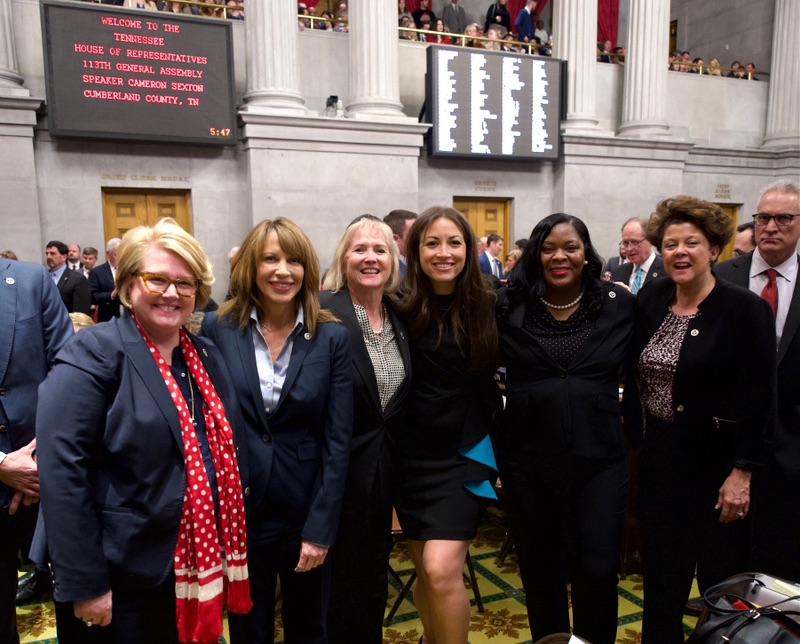
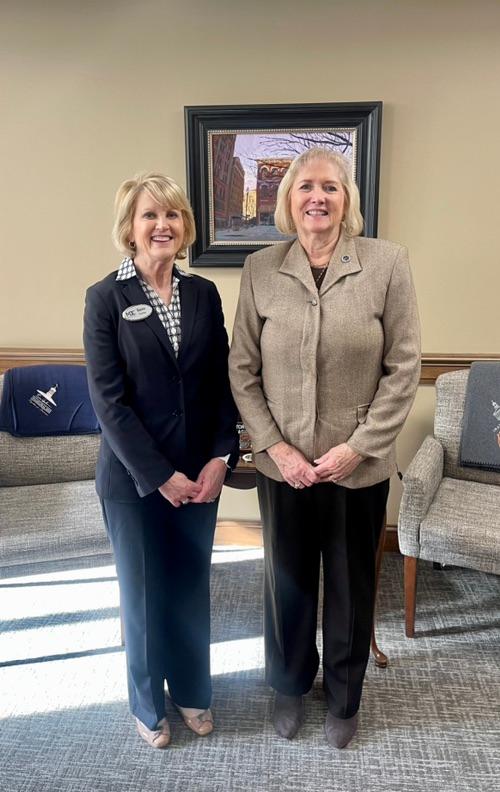
I enjoy working with these dedicated women. They are the Commissioners of Children's Services, General Services, Education, Labor and Mental Health. |
|
In Brief…
Enhancing support for deaf children — Senate Bill 4, which I am the sponsor, would create a deaf mentor and parent advisor program, received unanimous support from the Senate Education Committee last week. Implemented in 2019 on a pilot basis, the program assists families in implementing bilingual and bicultural home-based programming for young children who are deaf, hard of hearing or deaf-blind. The program would be available at the West Tennessee School for the Deaf in Jackson; the Tennessee School for the Deaf, Knoxville campus; and the Tennessee School for the Deaf, Nashville campus.
The program focuses on preventing language deprivation or gaps through insufficient language access, providing a positive impact on a child’s social and emotional development and ensuring deaf children have equal access to learning opportunities, among other objectives. The program provides hearing parents of deaf children a deaf mentor so both the parents and the child (and their siblings) learn to communicate with each other.
Silver Alert Awareness Month - The Silver Alert program was signed into law in 2021 to ensure the safe return home of those with dementia or an intellectual, developmental or physical disability. Last week, the State and Local Government Committee approved Senate Bill 23, which I am the sponsor, to permanently designate May as Silver Alert Awareness Month. This move will help spread the word about the program to the public and aid the Tennessee Bureau of Investigation in safely returning these individuals to their families. The program has had tremendous success and has safely returned 153 Tennesseans since June of 2021.
Reviewing Tennessee’s transportation needs — The Tennessee Department of Transportation (TDOT) presented to the Senate Transportation and Safety Committee on the state’s transportation needs. (Click here to view the presentation) The 2017 Improve Act included 962 transportation projects — a number that has since risen to 1,037, of which about 30% have been completed and another 45% are in progress. After taking inflation into account, the cost of delivering all remaining projects totals $16 billion: about $5.2 billion would be used to address traffic congestion with the other $10.8 billion going to other projects. But the number of transportation projects and funding now needed in Tennessee is much higher considering the rapid growth in the state in recent years.
TDOT officials say $26 billion is needed to address traffic congestion in Tennessee. TDOT currently spends $1.2 billion annually on its program of work, with over half of that total needed for maintenance of existing infrastructure and safety upgrades. That leaves only about $500 million for new projects annually throughout the state. Officials also noted state funding for transportation is not keeping up with inflation and the federal Infrastructure and Jobs Act does not represent a significant increase in funding.
To address the state’s transportation funding needs, TDOT is asking to raise electric vehicle registration fees so those drivers would pay as much as other motorists pay in fuel taxes. The department is also asking the General Assembly to allow the state to enter into public private partnerships to build additional choice lanes to address traffic congestion in urban areas. Those projects would free up dollars from the existing revenue stream that could then be spent on expanding Tennessee’s interstates in other areas, officials said. More detailed information on those requests will be discussed in the coming weeks.
Protecting Children – Senate Republicans passed legislation on Thursday to protect children from being exposed to sexually explicit performances. Senate Bill 3 restricts adult cabaret performances that include any actual or simulated performance of sexual activities and nudity from being performed on public or private property if kids could be around to see it.
Establishing learning camps — The Senate Education Committee unanimously passed Senate Bill 249 that would indefinitely extend summer and after-school learning camps implemented on a temporary basis during the COVID-19 pandemic. In the summers following the 2020-2021 and 2021-2022 school years, all school districts in the state were required to offer in-person learning loss remediation and student acceleration programs, including summer camps, summer learning camps, after-school learning mini camps and learning loss bridge camps.
Lowering state expenditures — In 2016, the state abolished Common Core standards and put into place a new, more transparent review system for educational materials. At the time, the textbook review period was set to six years. Senate Bill 421, which passed the Senate Educational Committee this week, extends the review period to eight years. Doing so reduces local expenditures by more than $16 million and lowers state expenditures by $101,000. The bill also creates more time for both the Textbook Instructional Materials Quality Commission and teachers to teach to the standards set by the legislature.
Enabling pay increases for Department of Children’s Services teachers — Senate Bill 244 makes DCS-employed teachers who work at youth developmental centers eligible for pay performance increases and longevity pay if they qualify. It also ensures that special school districts educating juveniles in youth development centers are eligible for the same federal funding as other school districts in the state. The Wilder Youth Development Center in Fayette County is currently the only youth development center in the state. The bill was unanimously passed by the Senate Education Committee.
New rules for license plates — The Senate Transportation and Safety Committee advanced several bills pertaining to license plates. Senate Bill 366 allows emergency communication dispatchers to be eligible for emergency personnel license plates so they can access call centers in a timely fashion during emergencies. Senate Bill 402, which I am the sponsor, grants licensed physical therapists the same authority that a physician has to allow disabled persons to obtain disabled license plates and placards. Finally, Senate Bill 257 eliminates the license plate fee for parents or guardians of people who are permanently confined to a wheelchair and who do not own or operate a vehicle. The bill also discontinues honorary consular cultural license plates as they can mislead law enforcement into thinking the driver has diplomatic immunity.
Child Care Task Force Report - The Health and Welfare Committee heard an update from the Child Care Task Force, which was created by the General Assembly in 2021. The Task Force reported that lack of access to adequate and affordable child care has had a $2.6 billion adverse impact on the state’s economy. Many parents have left the workforce, been fired or had to turn down job offers because they lacked access to affordable quality child care. The task force noted that the state and local governments should continue to remove red tape on child care facilities and strengthen the child care workforce in order to improve options for parents. They also recommended that Tennessee conduct a child care cost estimation study to better assess real child care costs, and create a shared resources hub to help consumers access all available information on quality childcare.
The Task Force highlighted public private partnerships as a way to increase access to childcare and pointed to Tyson Industry’s partnership with DHS to provide child care for their employees at no charge. Tyson recognized that accessible and reliable child care would result in a stronger workforce for its company. DHS is also engaged in discussions with Ford on the same issues.
|
|
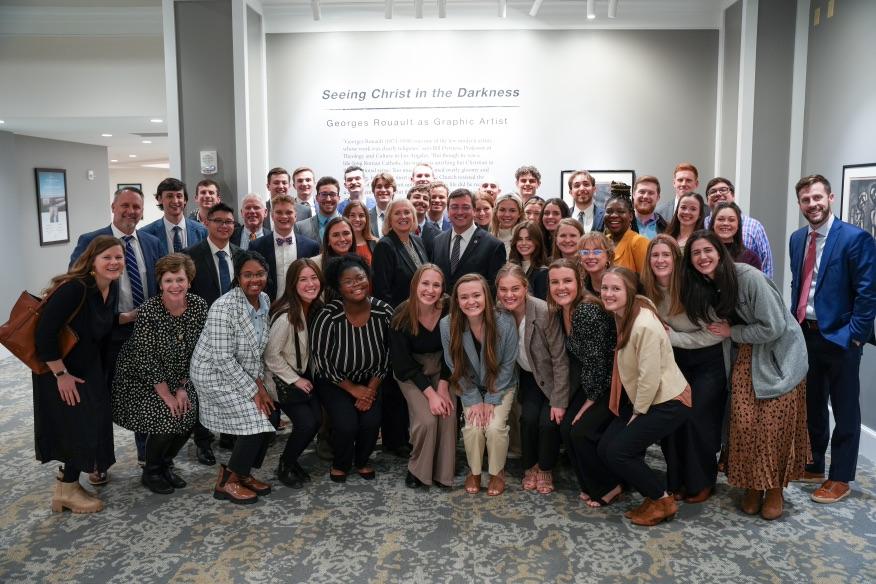
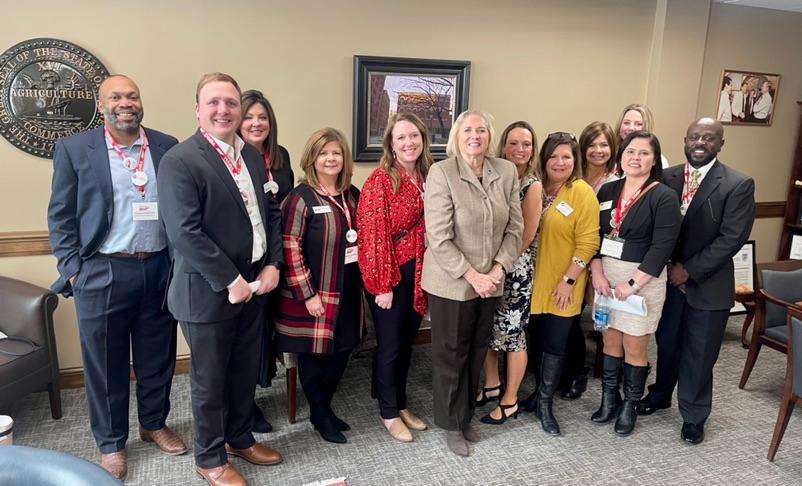
Attorney General Jonathan Skrmetti and I visited with the Tennessee Fellows from throughout the state (Knoxville, Nashville, Chattanooga, Memphis & Franklin). |
|
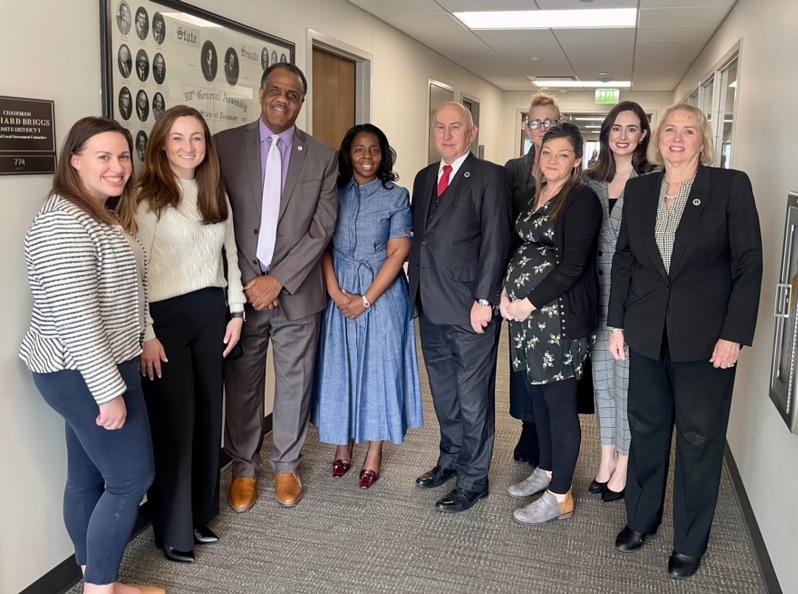
I Members of Junior League of Knoxville dropped by for a visit with me, Senator Briggs and Rep. McKenzie. |
|
It's always great when Karen Pershing drops
by and updates me on legislation that the
Metropolitan Drug Commission is supporting.
|
|
Tennessee Mortgage Bankers from Knoxville
dropped by on their Day on the Hill.
|
|
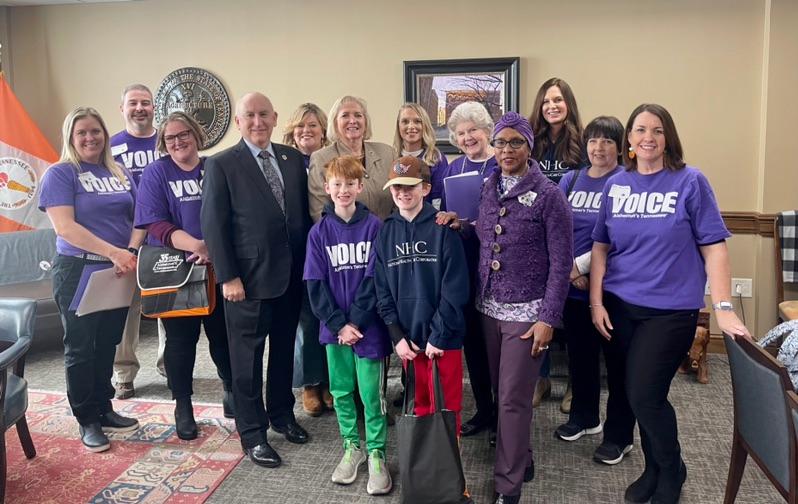
Volunteers with Alzheimer's Tennessee were in Nashville to support the passage of SB23 making May Silver Alert Month which I am the sponsor. |
|
Nancy Christian with Florence Crittenon
dropped by for a visit.
|
|
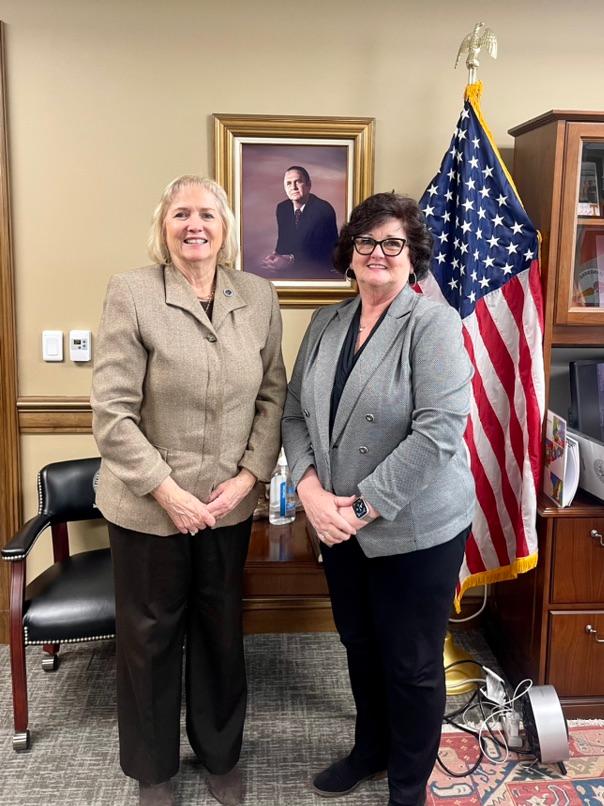
If our office can ever be of service to you or your family, please don't hesitate to contact us. On the left is Carly Nelson, my Legislative Assistant. On the right is Debbie Gazzaway, our Research Analyst for the Transportation and Safety Committee. We can help with issues with a state department, information on legislation, setting up a tour of the Capitol or scheduling an appointment or speaking engagements.
As always thank you for continued support!
Sincerely,
Becky Massey
District 6 Senator
615-741-1648
sen.becky.massey@capitol.tn.gov
|
|
See what's happening socially |
|
|
|
|
|
|