PCI Gulf South Newsletter|Issue #26 |
|
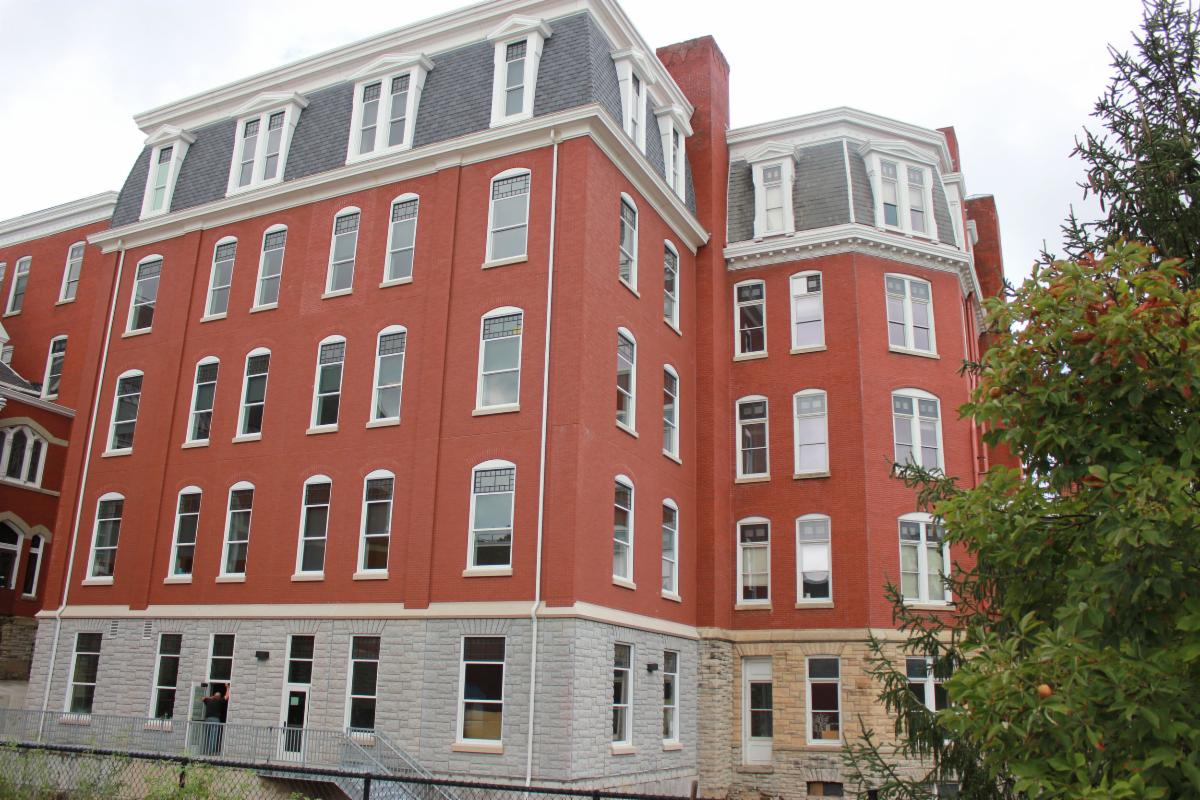
Summit Country Day School Addition
Precast courtesy Gate Precast Company
|
|
The solution for the new construction was precast executed under an IPD-like methodology with hand-selected consulting and construction resources. The work was choreographed for completion in a thirteen-week time frame over a single summer. Design assist, prefabrication, 3D modeling, and laser scan technologies contributed to the highly collaborative effort that involved a significant upfront commitment by key trades in the earliest phases of design. The existing architecture from 1888 was matched to perfection by a tightly integrated team, erecting a five-story structure and envelope in 21 days. |
|
|
|
Turning the page on 2020 and moving forward with a new year and a fresh start is a welcome change for most people I would imagine. The first few weeks of the year have shown some sparks of life returning to “normal”. Although “normal” might look a bit different from now on. |
|
Tulane Studio Final Review |
|
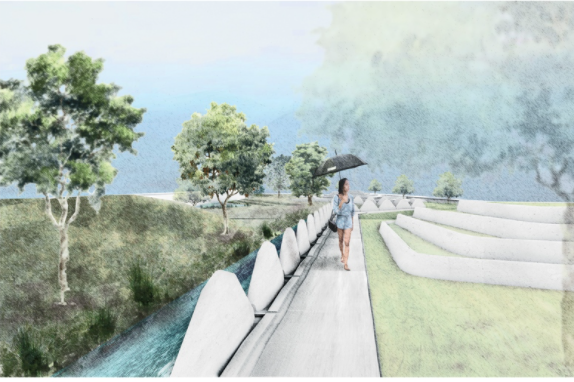
On November 30th, Tulane University’s School of Architecture conducted their Studio Final Review where the students presented their designs and development of the Lafitte Greenway in downtown New Orleans. |
|
Research Award on Girder Transport Vehicle Parameters |
|
MS State ASCE Presentation |
|
PCI Gulf South would like to thank the ASCE Student Chapter for the recent invitation to speak at your member’s function. It was great to meet in person and experience the enthusiasm of our future industry leaders as we discuss precast industry topics. PCI Gulf South producer members and associates are excited to work with the Bulldogs as they launch their PCI Foundation studio program. Go Bulldogs! |
|
Learn@Lunch - Go Virtual! |
PCI Gulf South offers a variety of ways to reach the existing design community.
The Learn@Lunch program was developed to allow professionals the opportunity to learn about precast products and systems.
Get the design credits you need all without having to leave your home or office!
|
|
|
Forterra is a leading manufacturer of pipe and precast products for use in water-related infrastructure, as well as stormwater management solutions and architectural, structural, and specialty precast products. |
|
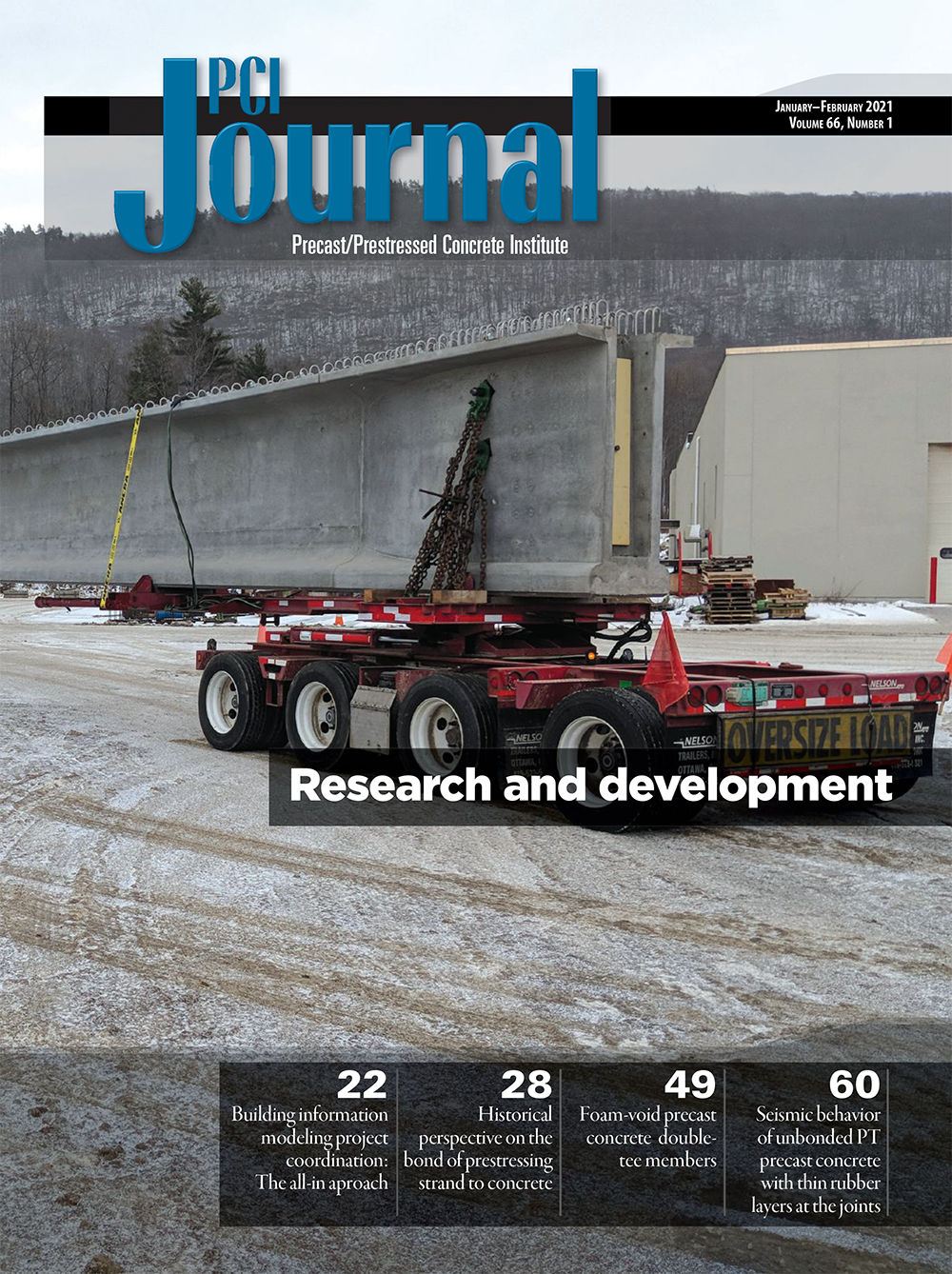
The January-February 2021 Issue of PCI Journal is Here
|
The January-February 2021 issue of PCI Journal is now available at the PCI website in digimag format. The current issue features precast concrete Research and Development. Be sure to read the Chairman’s Message from PCI Chairman J. Seroky, PCI President Bob Risser’s President’s Message, News from PCI Headquarters, and much more.
Articles include:
- Form-Void Precast Concrete Double-Tee Members
- Seismic Behavior Of Unbonded Post-Tensioned Precast Concrete Members With Thin Rubber Layers at the Jointed Connection
- Building Information Modeling Project Coordination: The All-in Approach
- Bond of Prestressing Strand to Concrete
|
|
If you are a recently graduated student and want to continue to receive emails from PCI Gulf South, please be sure to update your email address as
most school email addresses expire after 6 months!
To update, simply forward your new email address to
pcigulfsouth1@att.net and we will update it in our system.
|
|
|
Course II - Precast Concrete Mix Design |
|
This course is intended to train personnel in a basic understanding of concrete so that they can create a concrete mix design or evaluate the suitability of a mix for specific applications. The three-part series will explore the mathematics and chemistry behind creating an absolute volume mix design, and how the proper raw materials, sequencing, and production processes can yield high-quality concrete consistently. Also, the course will include how to troubleshoot common mistakes in typical precast mix designs and how to avoid them, as well as adjust concrete mixes to compensate for negative external influences. |
|
Level: Intermediate
Prerequisite: None
Length: Three Sessions (120 min each)
|
|
PDHs Earned: 6
Start Date: April 6-8, 2021
Instructor: Paul Ramsburg
|
|
Roman concrete was made by mixing lime and volcanic ash from Mount Vesuvius. This is much different from today’s concrete mixture which is usually made from water, aggregate (e.g. gravel or sand), cement, and air. |
|
|
New Dates for 2021 PCI Convention and The Precast Show |
|
The 2021 PCI Convention in New Orleans has been moved to May 18-22, 2021. This decision followed the decision made by the NPCA to move the 2021 Precast Show to May 20-22, 2021. Council and committee meetings, education sessions, and awards presentations will be held in the usual fashion at the PCI Convention in May. Consideration was given to holding the PCI Convention as a stand-alone event in February in New Orleans, but it was ultimately determined that postponing until May and keeping the two events together was safest and best for PCI members.
|
|
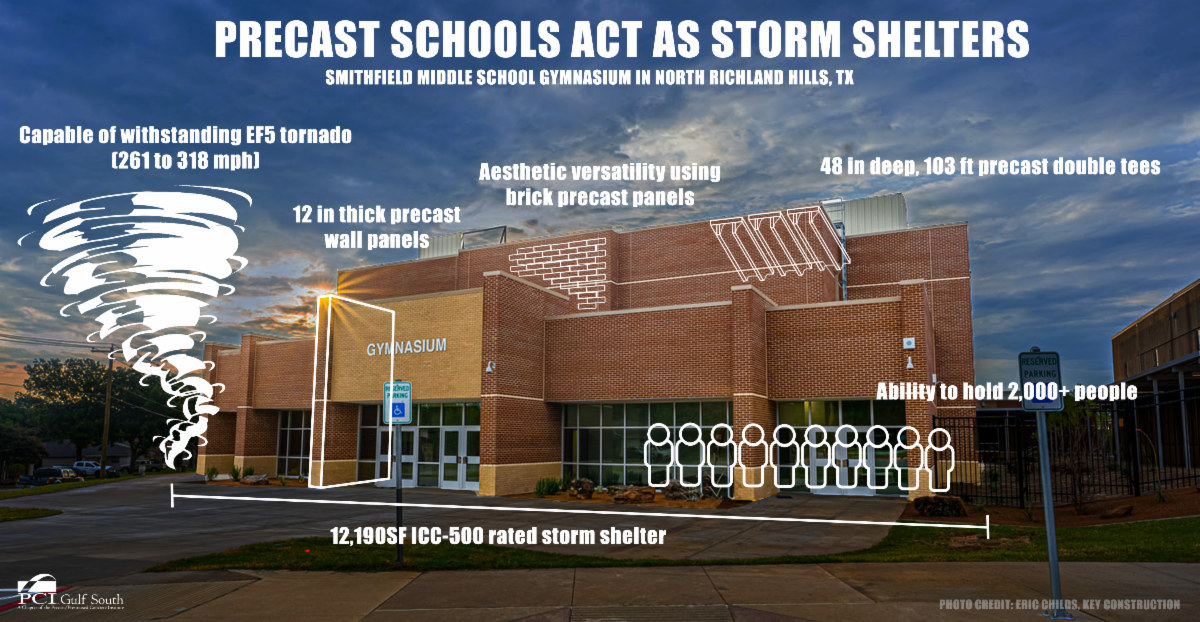
Schools Tackle Storm Resistance
Precast concrete is an inherently resilient building material and has the proven ability to provide protection against extreme weather events such as tornadoes, hurricanes, and earthquakes. Because of its resiliency, precast is often used in FEMA shelters and when used in schools, can create a dual purpose for the facility.
|
|
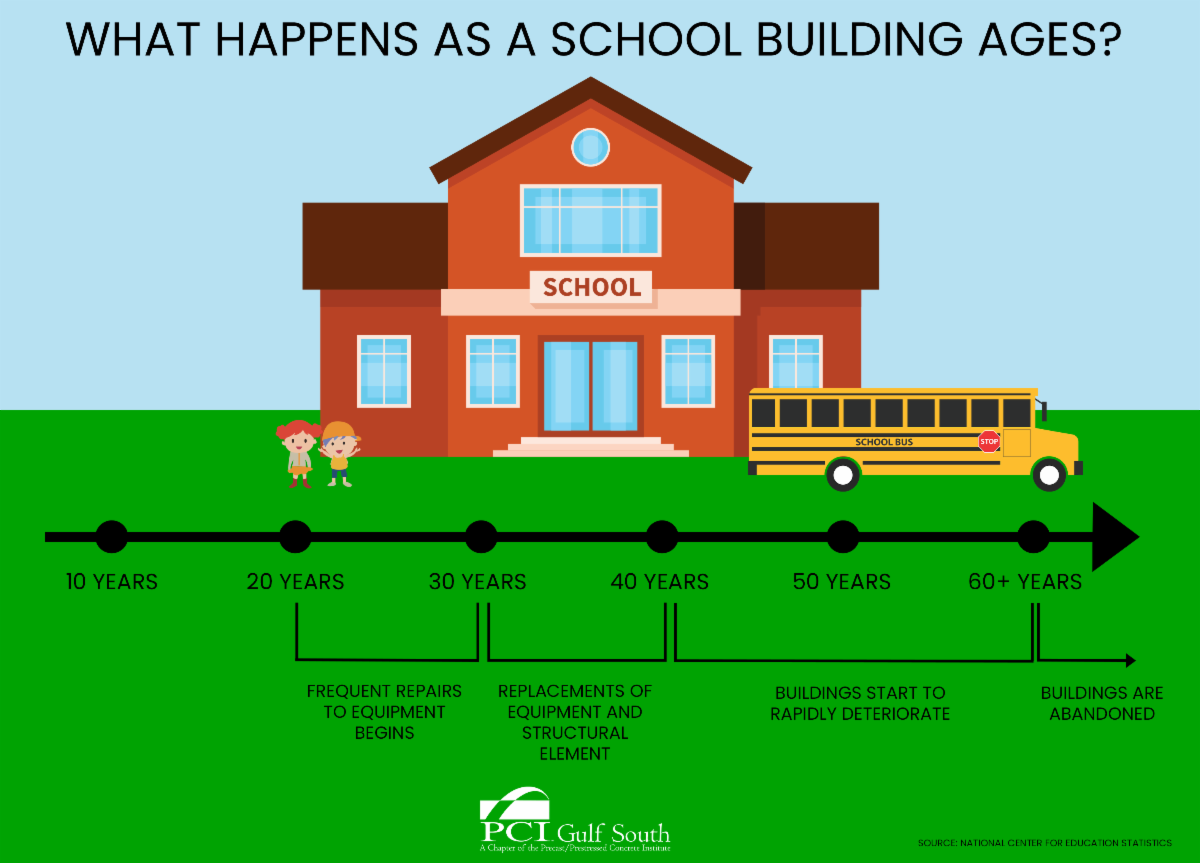
Educational buildings are in constant use and experience heavier activity levels than most buildings. Not only are these facilities in need of renovations/repair/replacement, but older schools tend to serve a greater number of children in poverty.
|
|
|
|
|
|
|