Waste Not, Want Not


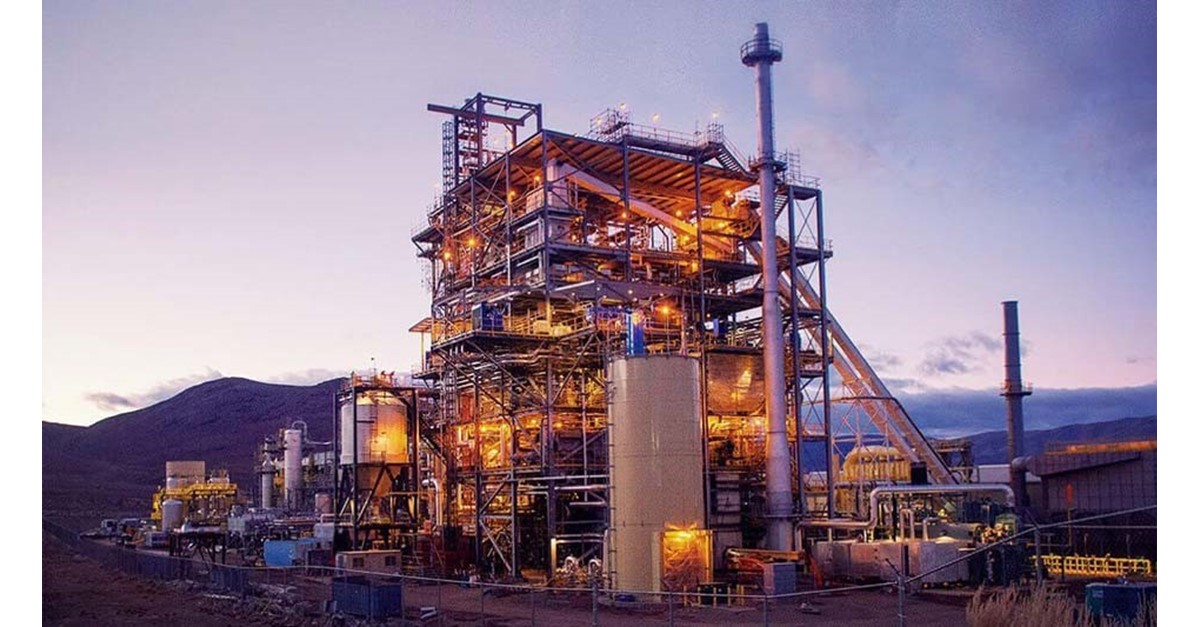
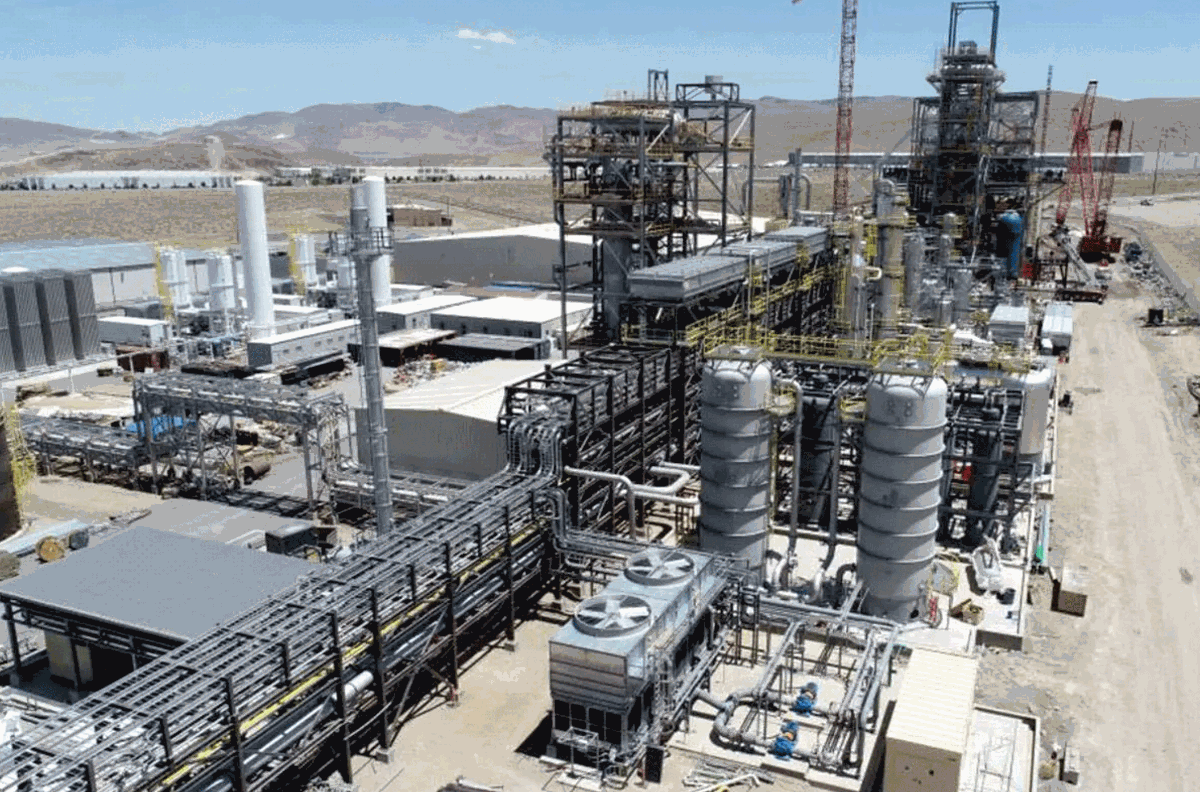
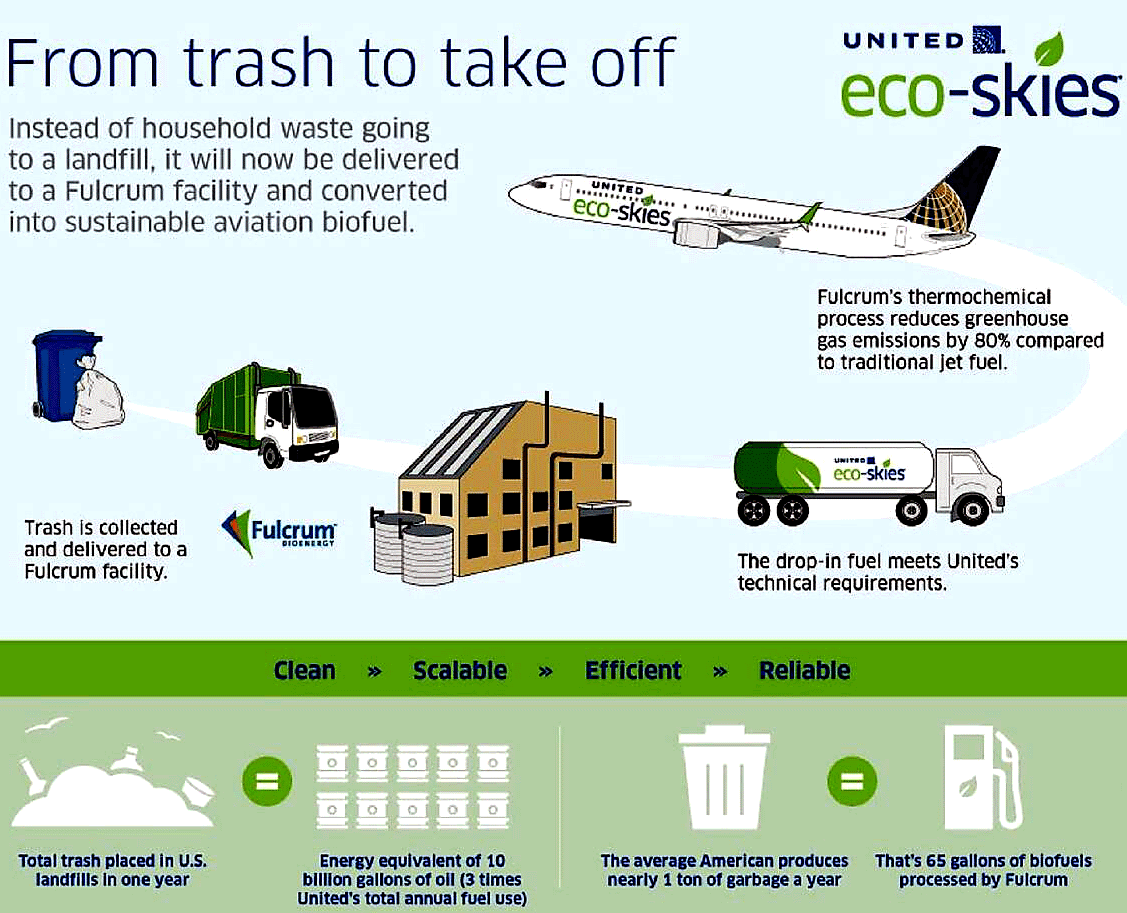
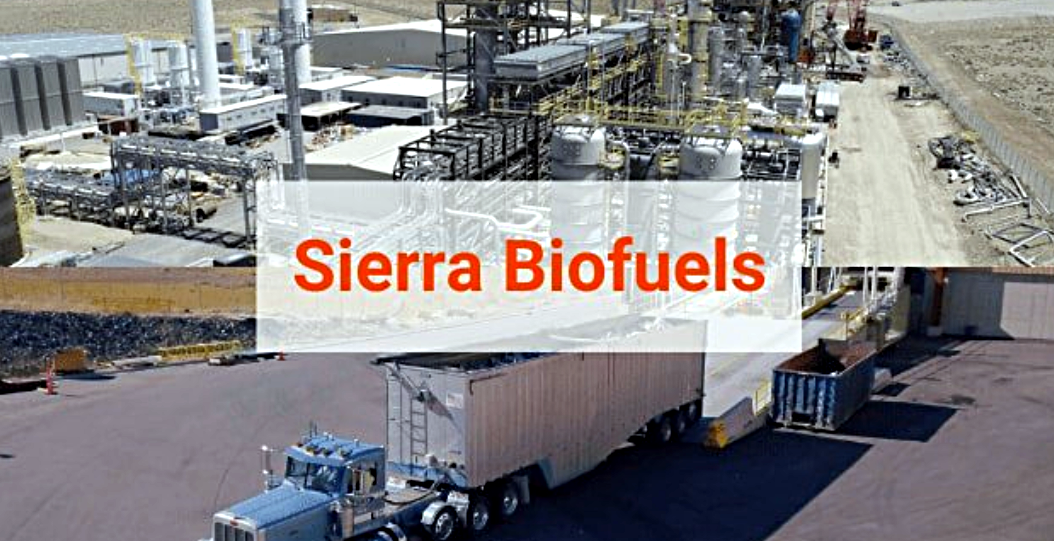
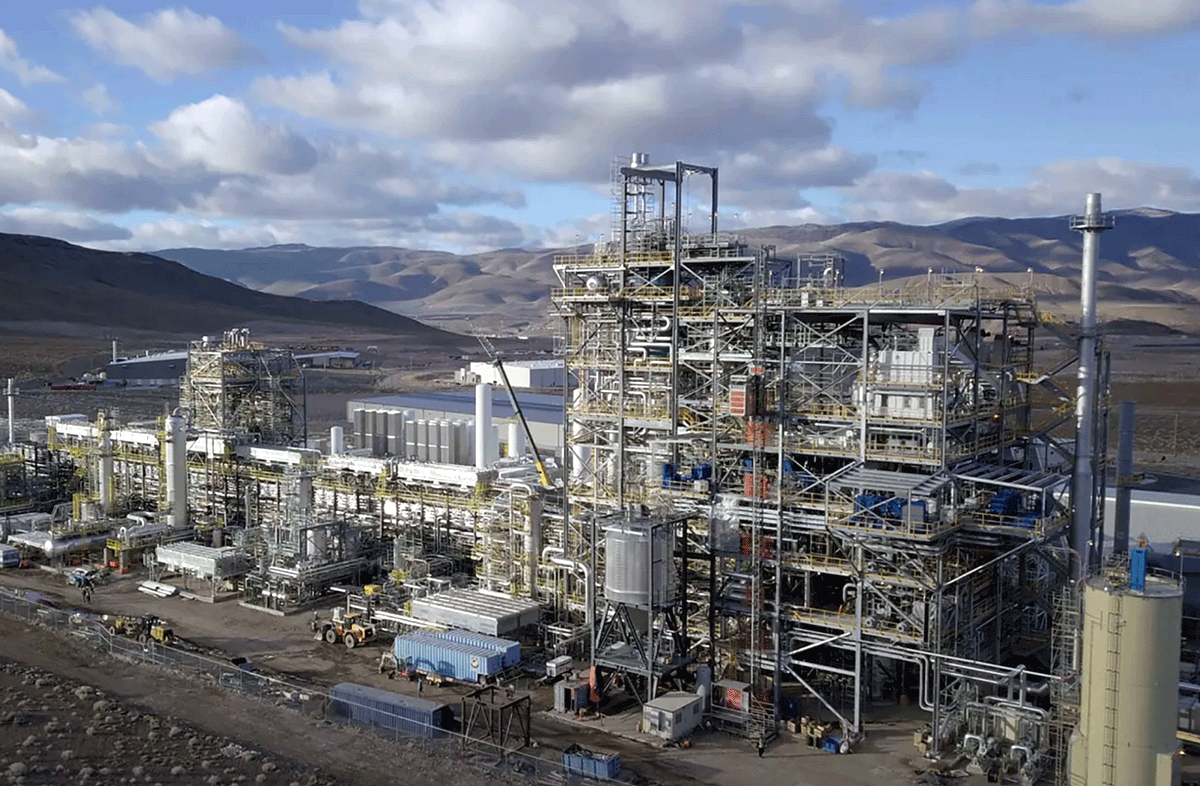
What do Reno-Sparks, synthetic crude oil, and your Tuesday night takeout boxes have in common? They’re all part of a groundbreaking operation transforming yesterday’s trash into tomorrow’s jet fuel. Meet the Sierra BioFuels Plant, nestled in the bustling Tahoe Reno Industrial Center, home to Tesla’s Gigafactory and Redwood Materials’ battery recycling hub. This facility takes 175,000 tons of landfill garbage every year and spins it into 11 million gallons of synthetic fuel oil. Yes, you read that right: trash to fuel. To me this is like one kind of magic.


Fulcrum BioEnergy, the brains behind this operation, is tackling two modern-day nightmares: overflowing landfills and an over-reliance on fossil fuels. After five years of regulatory hurdles and two presidential administrations, the EPA finally gave the green light to their innovative process. Benny Wong, Fulcrum’s managing director of fuels and regulatory affairs, summed it up best: this isn’t just a plant, it’s the nation’s first municipal solid waste-to-fuel project. That’s the kind of first that belongs on a billboard.

The Science of Syngas


Let’s get technical for a second. . . but not so technical that we lose our sense of humor. The Sierra BioFuels Plant produces something called hydrocarbon synthetic gas, or “syngas” for short. Syngas is created by breaking down landfill waste at high temperatures and converting it into a usable fuel. Think of it like an industrial smoothie, except instead of kale and bananas, it’s plastics and paper. Not as tasty, but far more impressive.


The secret sauce behind this process is efficiency. By taking materials that would otherwise rot in landfills and repurposing them, the plant significantly reduces greenhouse gas emissions. It’s a win-win: less waste in the ground, fewer carbon emissions in the air, and a shiny new fuel source to boot. As they say in the energy business, that’s hitting the trifecta.

Location, Location, Location


Why build this futuristic facility in Storey County, Nevada (near Reno), of all places? Turns out, the Silver State’s regulatory climate isn’t just business-friendly; it’s innovation-friendly. With a landfill nearby and markets just a short haul away, the site practically picked itself. Plus, Nevada’s reputation for cutting red tape makes it easier for projects like this to go from blueprint to reality.


Of course, building the plant was no small feat. Planning, permitting, and construction spanned several years, with a few regulatory roadblocks thrown in for good measure. But the payoff? A permanent workforce of 120 employees and a state-of-the-art facility poised to lead the charge in waste-to-fuel technology.

From Trash Heap to Tarmac


The implications of the Sierra BioFuels Plant stretch far beyond Northern Nevada. By producing low-carbon synthetic fuel domestically, the facility tackles several big-ticket challenges:


  • Circular Economy: Instead of a one-way ticket to the landfill, waste gets a second life as a valuable resource. It’s recycling on steroids and a model for sustainable resource management.

ï»ż

  • Energy Security: Let’s face it: relying on imported fossil fuels is risky business. Producing fuel from waste diversifies the energy supply, reducing vulnerabilities tied to oil price swings and global tensions.


  • Economic Development: Beyond the immediate jobs created, the plant’s success could spur a whole new industry. Think of it as Silicon Valley—but for renewable energy.


This isn’t just a Nevada story; it’s a roadmap for what’s possible when you combine technology, ingenuity, and a whole lot of trash.

Trash Today, Fuel Tomorrow


The Sierra BioFuels Plant isn’t just a testament to human ingenuity; it’s a beacon of hope in a world drowning in waste and struggling with climate change. By turning garbage into jet fuel, Fulcrum BioEnergy is proving that sustainability and innovation go hand in hand. And with more projects like this on the horizon, the future looks bright.


So next time you toss junk mail into the trash, remember: it might just be on its way to fueling a flight. From Reno’s backyard to the skies above, Sierra BioFuels is turning yesterday’s refuse into tomorrow’s liftoff. Now, that’s what I call taking out the trash.