|
The Power of Seeing Yourself in a Story
by Colleen Kapklein, NBF Board Member
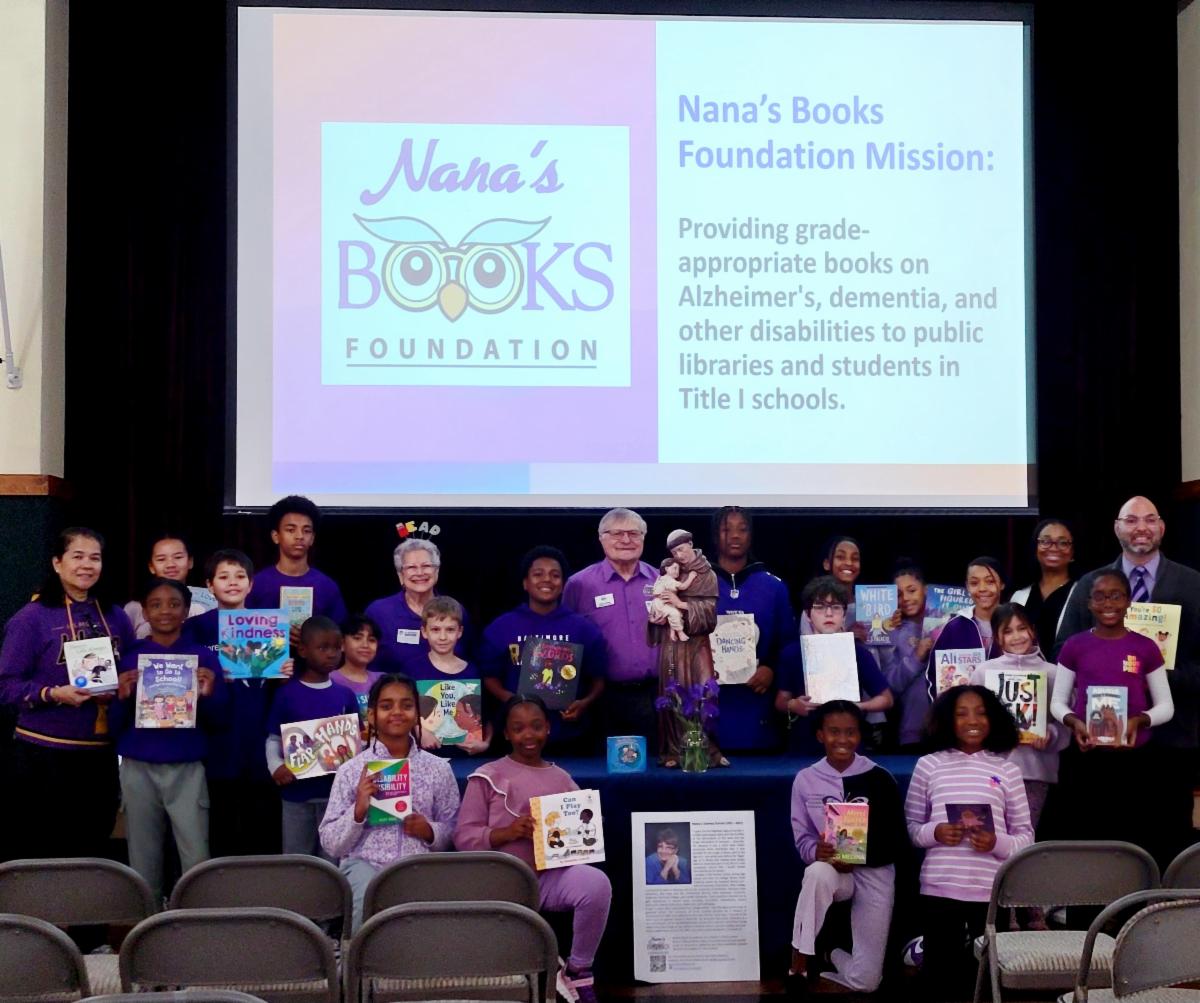
April is Autism Awareness Month, and Nana’s Books Foundation (NBF) is celebrating neurodiversity, empathy, understanding – and reading! With every book we select, NBF is seeking to leverage the power of representation. We want students with disabilities or loved ones with dementia to see their experiences reflected to them. And we want students without those disabilities or experience with dementia to get a glimpse of a part of the world that may not be already familiar to them.
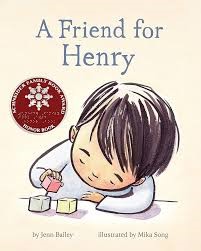
When my young adult son, who is on the autism spectrum, was in elementary school, we never once ran across a book like A Friend for Henry. And we were a family that spent a lot of time in our local library. We are a family of readers, and, in our experience, libraries generally are a good bet for finding neurodiversity acceptance in action every day.
So we read many wonderful books over the years, but none gave my son that “mirror” of his own experience to look into. His sister had plenty of books reflecting her own neurotypical experience – but no book “windows” onto her brother’s. Engaging stories built around people with autism could have been transformative for both of them. And honestly, for us parents as well. What if we had all had a relatable vision of a family like ours? We would have benefitted from more normalization early on.
Most of all, though, I wish my son’s school had had such books available. For all the neurodivergent kids, yes, but even more so for the neurotypical students. For me the biggest heartbreak of his school career was watching how my son’s classmates treated him – which was mostly to not deal with him at all. They just…steered clear. I think they just didn’t know what to make of him and his sometimes-unexpected actions, and what they didn’t understand – had no way to understand – they simply avoided. From the other side, that invisibility was very painful.
Good books with matter-of-fact depictions of neurodiversity, or any disability, can make children’s differences less intimidating. A little knowledge, a little vicarious practice with unfamiliar situations, goes a long way! My hope is for students to be able to see a classmate with autism simply as someone with a different perspective rather than someone too “other” to truly accept and include.
|