|
Thursday, August 20, 2026 | | Eye-movement biomarkers may flag Parkinson’s decline earlier | | New research suggests that computer-based eye tracking may detect Parkinson’s disease progression before changes become apparent on conventional clinical assessments. Researchers analyzed 280 people with Parkinson’s across two longitudinal studies, including Neuralight’s PALOMA study, and found that an eye-movement biomarker called amplitude of saccadic hypometria (ASH) progressively worsened over nine months. | | | |
In contrast, changes in the motor portion of the Movement Disorder Society-sponsored Unified Parkinson’s Disease Rating Scale (MDS-UPDRS) were not consistently detected. Neuralight’s technology uses a standard webcam and machine-learning algorithms to analyze eye movements and generate biomarkers of brain function.
More sensitive measures could help researchers monitor disease progression, evaluate treatment responses, and identify treatment effects in clinical trials that conventional assessments might miss. The findings also suggest that eye-movement biomarkers could provide an objective measure of changes in brain function and daily functioning over time. Click here to learn more.
| | Young Investigator Pilot Grant program attracts researchers worldwide | | | | The global movement disorders research community has responded enthusiastically to the Movement Disorders Foundation’s 2026 Young Investigator Pilot Grant (YIPG) program, with LOIs submitted by researchers at leading institutions across the United States and internationally. | | |
MDF was encouraged by the strong response from researchers around the world, with LOIs submitted by investigators affiliated with Johns Hopkins, Mass General Brigham, Michigan State University, University College London, University of California, San Francisco, and University of Southern California, as well as other institutions across the United States, Australia, and Italy.
The volume and breadth of this year’s submissions underscore the extraordinary scientific work underway worldwide in Parkinson’s disease, Parkinsonism and dystonia, progressive supranuclear palsy (PSP), spinocerebellar ataxia type 4 (SCA4), Huntington’s disease, and other movement disorders. Selected LOI applicants will be invited to submit formal proposals, which will undergo review by an external panel of neurologists and movement disorders specialists.
The YIPG program provides one-year, $50,000 grants to promising early-career investigators pursuing innovative, high-impact research with the potential to advance understanding and treatment of movement disorders.
The need to support this cutting-edge research remains tremendous—and every dollar can help move promising discoveries forward. Click here to learn how you can help fund an additional Young Investigator Pilot Grant in 2026.
| | Imaging technique may track brain cell damage in Huntington’s disease | | |
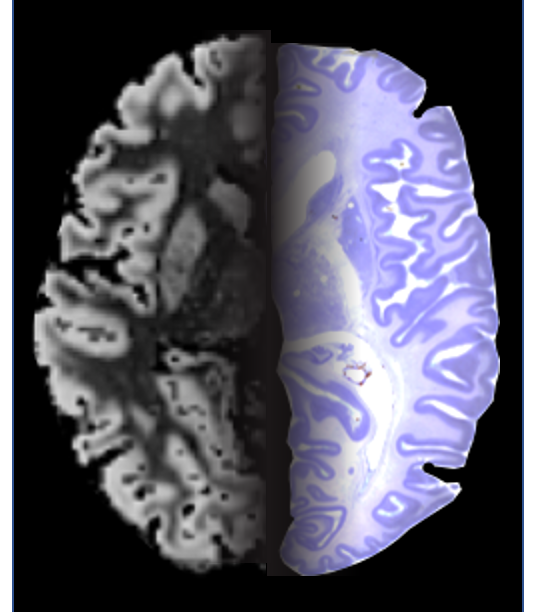
A specialized MRI analysis called Soma and Neurite Density Imaging (SANDI) may provide a more detailed way to track brain changes associated with Huntington’s disease (HD), according to researchers at Cardiff University’s Brain Research Imaging Center in the U.K. In a study of 56 people with HD and 57 healthy volunteers, SANDI detected differences in the basal ganglia, including the striatum, a brain region affected early in Huntington’s.
Compared with healthy participants, people with Huntington’s had fewer nerve-cell bodies and more space between cells in the basal ganglia. SANDI measurements, combined with age, explained up to 63% of striatal brain shrinkage and were also associated with motor performance and disease burden.
| | | |
Unlike conventional MRI, which primarily measures brain volume, SANDI uses diffusion MRI to provide information about microscopic tissue structure. “SANDI shows significant promise for tracking Huntington’s disease and testing whether new therapies protect brain cells,” said senior author Claudia Metzler-Baddeley.
The researchers said the approach could potentially be adapted to study other neurodegenerative diseases, including Parkinson’s and Alzheimer’s. Click here to read the study, “In vivo mapping of striatal neurodegeneration in Huntington’s disease with Soma and Neurite Density Imaging.”
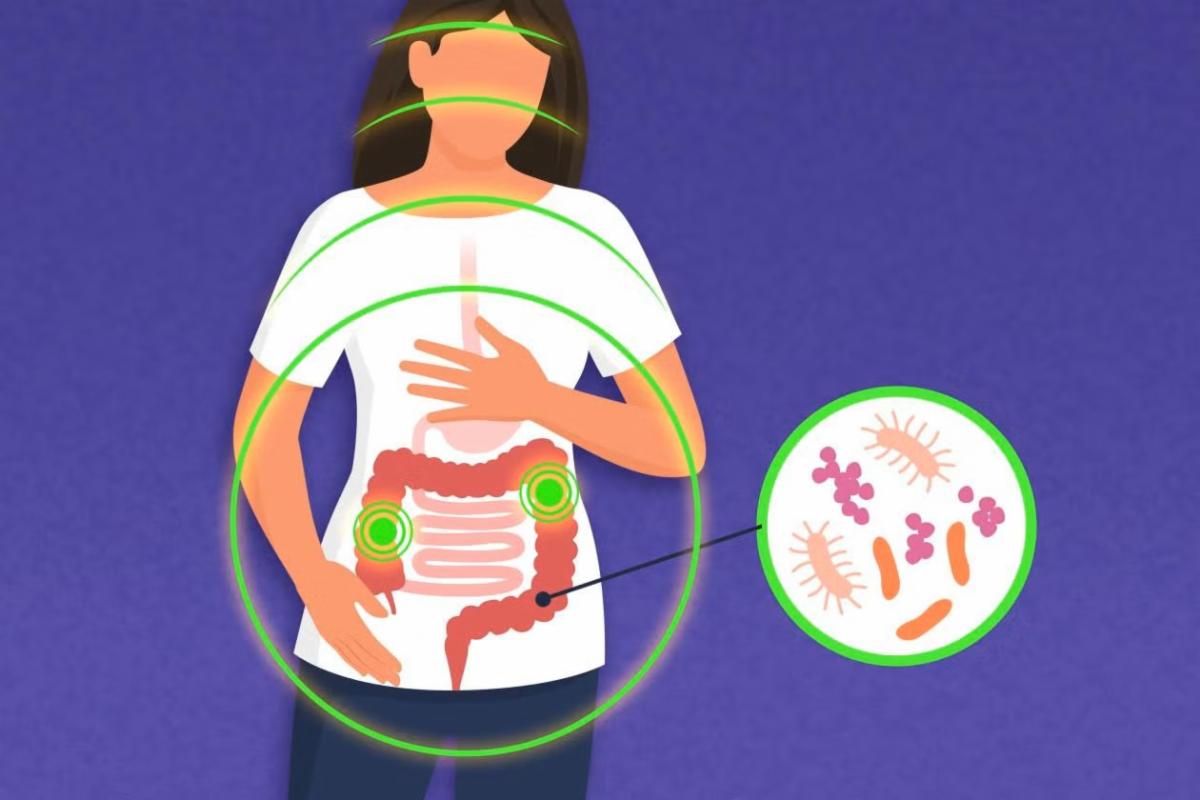
| | Gut bacteria may vary with Parkinson’s disease severity | | | | A study of a Southern Chinese cohort found that people with Parkinson’s disease have distinct differences in their gut microbiome compared with healthy individuals, with bacterial patterns also varying according to age, disease severity, and medication use. Researchers analyzed stool samples from 42 people with Parkinson’s and 25 age-matched controls using 16S rRNA gene sequencing. The findings were published in Antonie van Leeuwenhoek. | | |
Several bacterial groups, including Ruminococcaceae, Clostridiales, and Oscillibacter, were more abundant in people with Parkinson’s, while others, including Bacteroides and Lachnospiraceae, were more common among controls. Differences were particularly pronounced among participants over age 60, and certain bacterial changes were associated with disease stage and use of medications such as levodopa and dopamine agonists.
The findings add to growing evidence that the gut microbiome may be involved in the gut-brain connection in Parkinson’s. Click here to read the study, “Gut microbial dysbiosis in a Southern Chinese cohort of patients with Parkinson’s disease.”
| | Smartwatch data may help track Huntington’s disease progression | | Smartwatch-based movement data may provide a more consistent way to monitor chorea, the involuntary movements that affect most people with Huntington’s disease, according to a study published in npj Digital Medicine. Researchers in the U.K. and Switzerland developed an artificial intelligence tool called the Digital Passive-monitoring Chorea Score (DPCS), which analyzes wrist-movement data collected during daily life. | | | |
The researchers used data from 958 participants across four studies, with participants wearing smartwatches for up to two years. When tested in a separate group, the DPCS matched clinician ratings of chorea severity in 53.1% of assessments and differed by only one point in another 43.7%. The smartwatch measure also detected a steady worsening of chorea over time, producing more consistent results than clinic-based assessments.
“High-resolution accelerometer data collected passively during daily life can improve the measurement of chorea” in Huntington’s disease, the researchers wrote. The findings suggest wearable technology could provide a low-burden way to monitor disease progression and evaluate potential treatments. Click here to read the study, “Longitudinal assessment of chorea in Huntington’s disease using digital passive monitoring.”
| | Targeting lipid-processing enzymes shows promise in Friedreich’s ataxia | | |
Researchers from institutions in the U.K. and Spain have identified a potential new therapeutic strategy for Friedreich’s ataxia (FA) by targeting enzymes involved in sphingolipid metabolism, a cellular process that regulates stress and survival.
The study, published in iScience, found that this pathway was disrupted in multiple laboratory models of FA, including patient-derived skin and nerve cells and a mouse model. Researchers focused on two experimental compounds: K6PC-5, which activates sphingosine kinase enzymes, and XY-14, which blocks lipid phosphate phosphatase enzymes.
In patient-derived cells, both compounds increased activity of the FXN gene, while XY-14 also increased production of frataxin, the protein deficient in FA. The compounds improved several measures of mitochondrial function, reduced cellular iron levels, increased activation of the protective protein Nrf2, and helped cells withstand oxidative stress.
In FA mice, treatment increased frataxin levels in the cerebellum and improved markers of mitochondrial function. The researchers concluded that their findings identify “sphingolipid metabolism as a promising therapeutic target for [FA].”
Click here to read the study, “Dysregulation of sphingolipid-metabolizing enzymes in Friedreich’s ataxia: In vitro and in vivo insights into therapeutic targeting.”
| |
| |
Missed an issue? Click here to access our online archive of eNewsletters.
Forward MDF eNews to friends and family. Click here to receive future issues and learn more about MDF!
| | | | | | |