|
Dear friends,
I keep mentioning cover crops in this newsletter, and I received a request to share more info about cover cropping and what it means. I have written about this before but here you have it if you missed it.
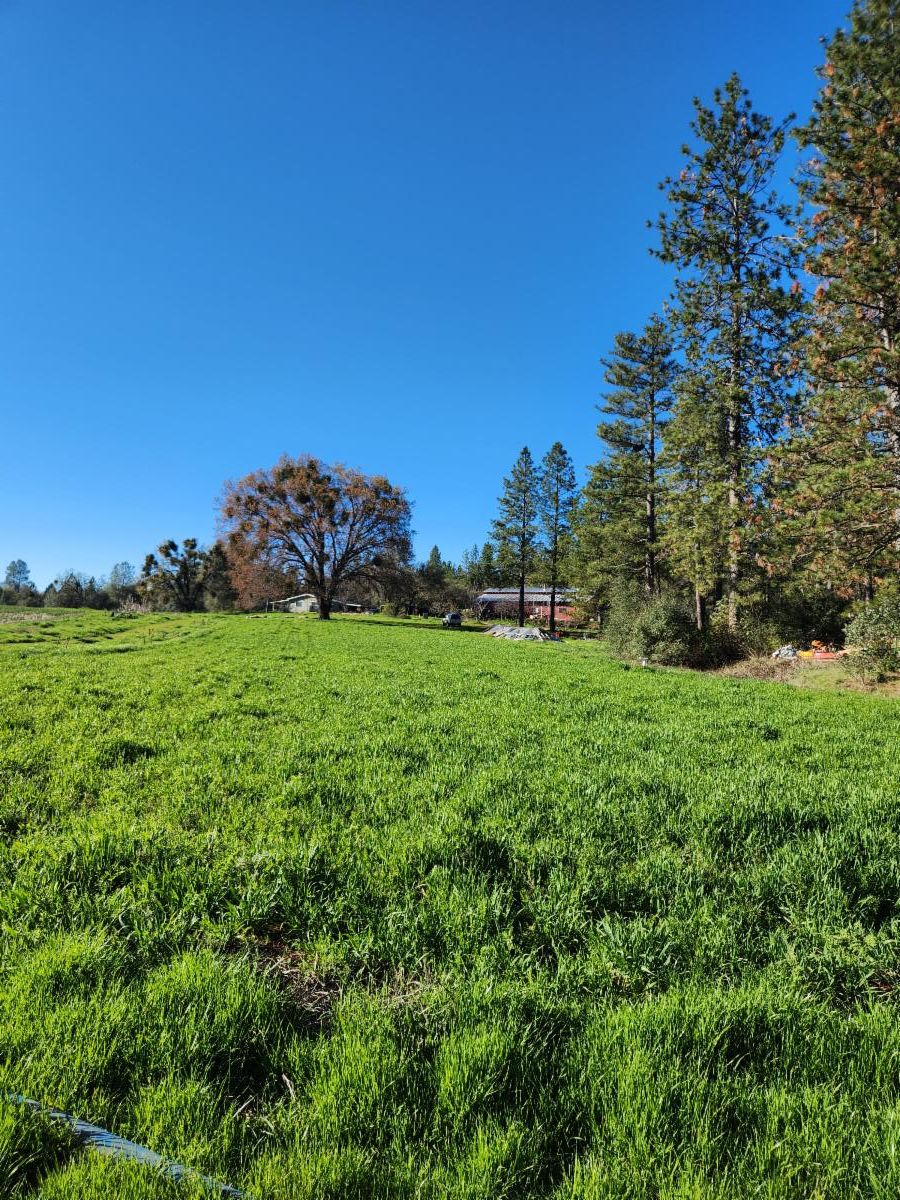
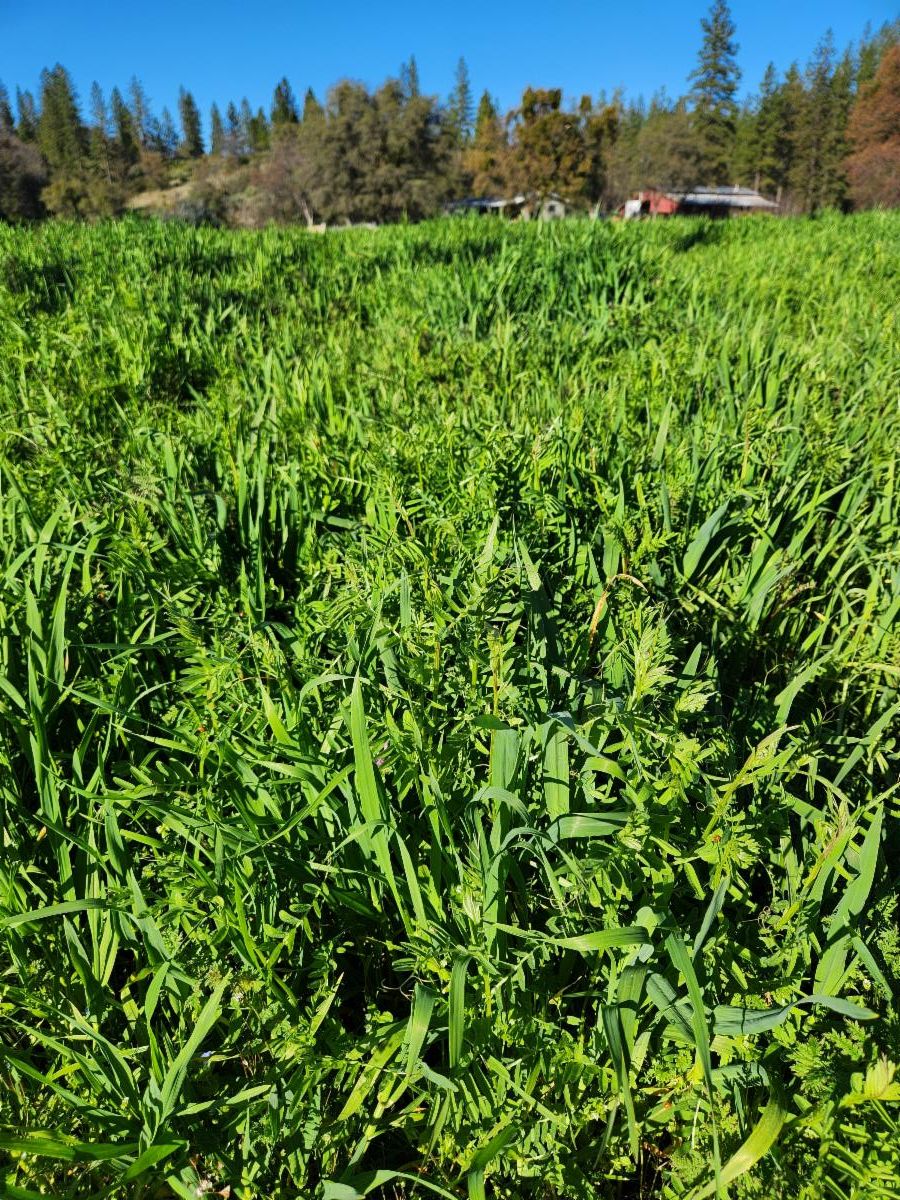
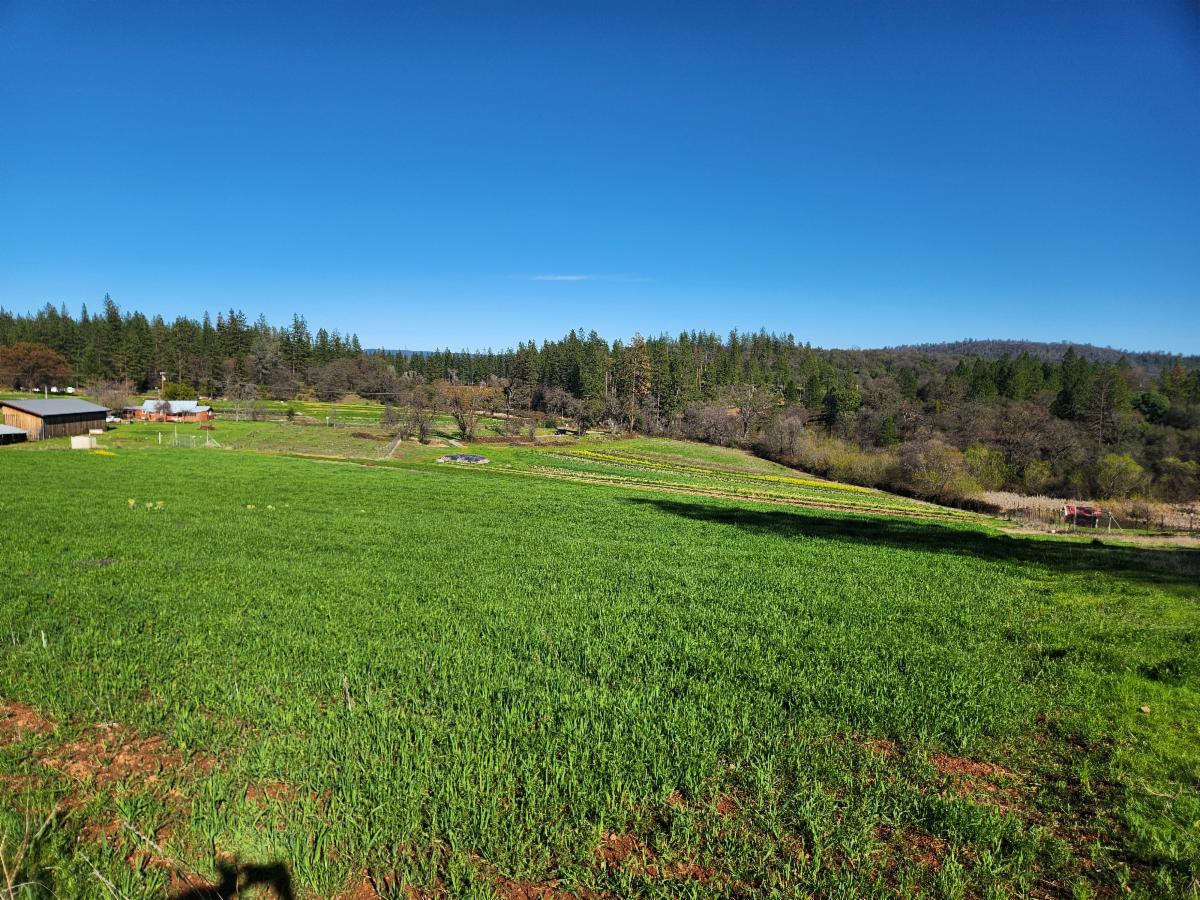
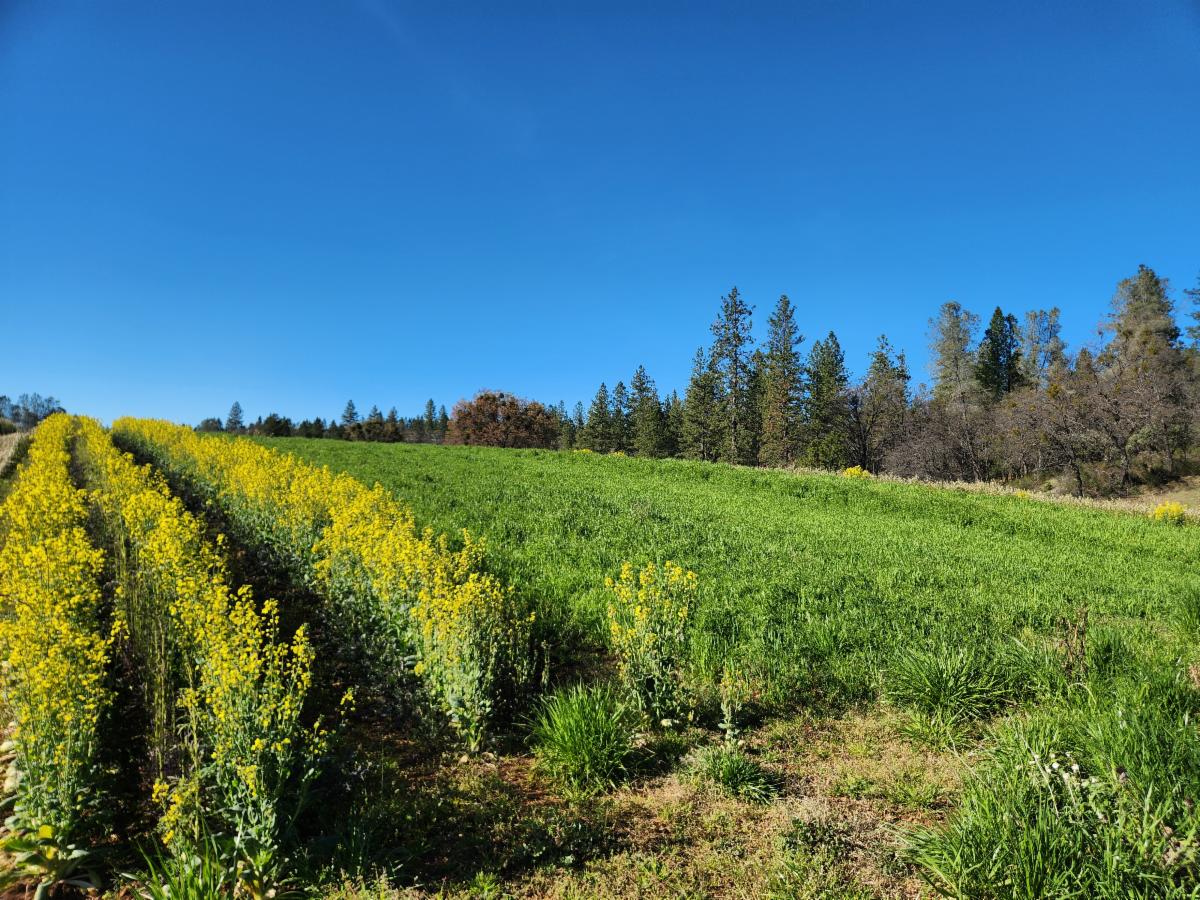
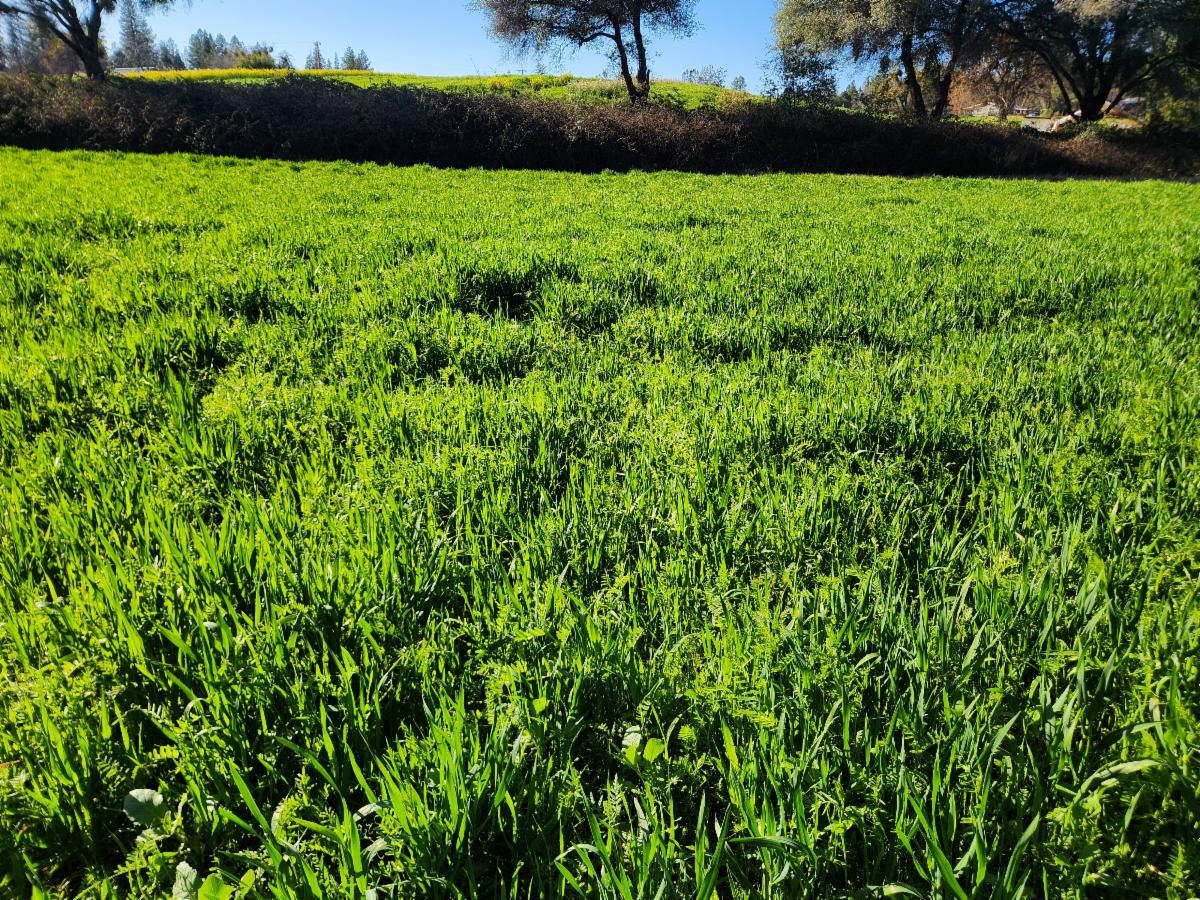
We generally plant cover crops in the fall to cover and protect the soil over the winter, but they can be planted in spring and summer as well. They are specific crops that we do not intend to harvest. Their purpose is to protect the soil from erosion due to winter rainfall, and to build soil organic matter, nitrogen, and concentrate other micronutrients. We are essentially harnessing the miracle of photosynthesis, where plants take Carbon from the air (in the form of CO2) and make it into their own bodies. I love plant leaves and photosynthesis, and maybe I can get into these things further, another time.
Once all this new Carbon is incorporated back into the soil it becomes part of humus (the dark, organic component of soil) which helps hold water and feed microbes, which then feed back into our crops and our own bodies. Part of the measure of success of our soil stewardship is that we have seen this organic matter percentage in our soils increase over time. When we first started, the fields had soil organic matter averaging around 3.2% (which is actually not bad). Now its about 4.5%. This means we are also sequestering a significant amount of Carbon, about 25 tons of CO2 per acre over the 16 years we’ve been at our current farm site. While we do till the soil, we carefully minimize tillage, because it can damage soil structure and lead to a loss of carbon from the soil back into the atmosphere. So our net Carbon gain is a sign that we are on the right track.
Next week I’ll discuss the specific plants and how some of them capture Nitrogen from the air.
-John
|