North Plains Water News

August 2026

See the Difference: PMDI Demonstration Shows Impressive Results

Have you ever wondered how Precision Mobile Drip Irrigation (PMDI) compares to traditional irrigation nozzles? Now is your chance to see the difference for yourself.


We are excited to share the results coming from this year's PMDI and drought-tolerant hybrid demonstrations at the Water Conservation Center. The results so far have been impressive, particularly in our recently harvested early-planted corn silage.


The silage corn demonstrated a 36% yield increase with PMDI compared to traditional nozzles.


But the differences aren't just showing up at harvest—they can also be seen below the surface.


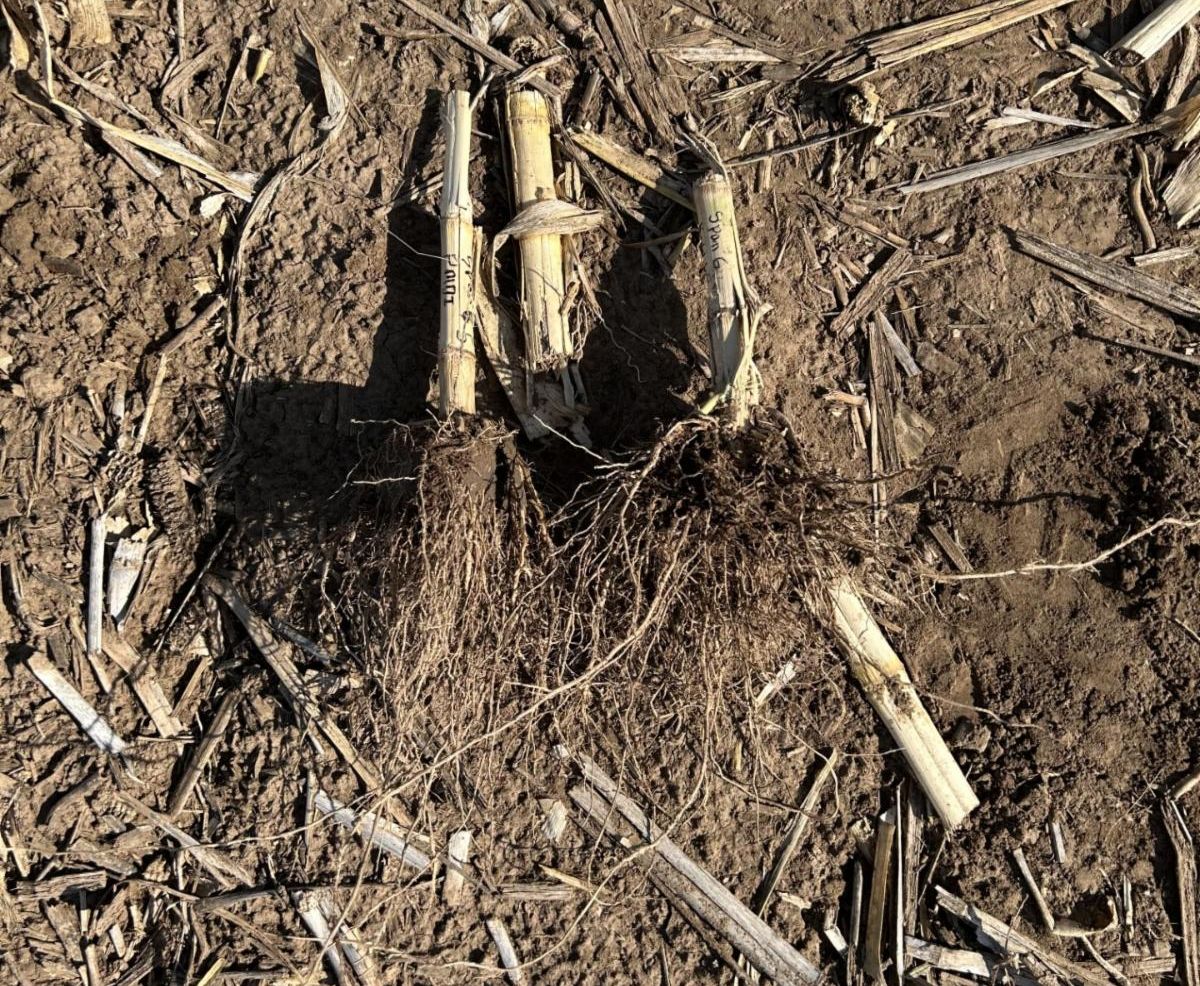
On August 27, Mike Petersen, Soil Scientist and Agronomist, conducted a soil root dig to compare the root systems of early-planted corn silage grown under PMDI with corn grown under LEPA irrigation. Petersen's evaluation found that the roots in the PMDI section looked approximately 30% better than the roots in the LEPA section, closely aligning with the 36% yield difference observed between the two irrigation methods.


The late-planted corn is also showing noticeable differences in plant vigor and soil moisture infiltration. While this crop has not yet been harvested, the early observations are encouraging, and we expect to see similarly significant differences in grain yield.


These demonstrations are designed to give producers and the public an opportunity to see new irrigation technologies and management strategies in action under real-world conditions.


If you have ever wondered whether PMDI could make a difference, you need to come and see for yourself. The results are becoming increasingly clear both above and below the ground.


Come see the exciting results of our Precision Mobile Drip Irrigation and drought-tolerant hybrid demonstrations and learn more about how innovative irrigation practices may help us get more out of every drop.


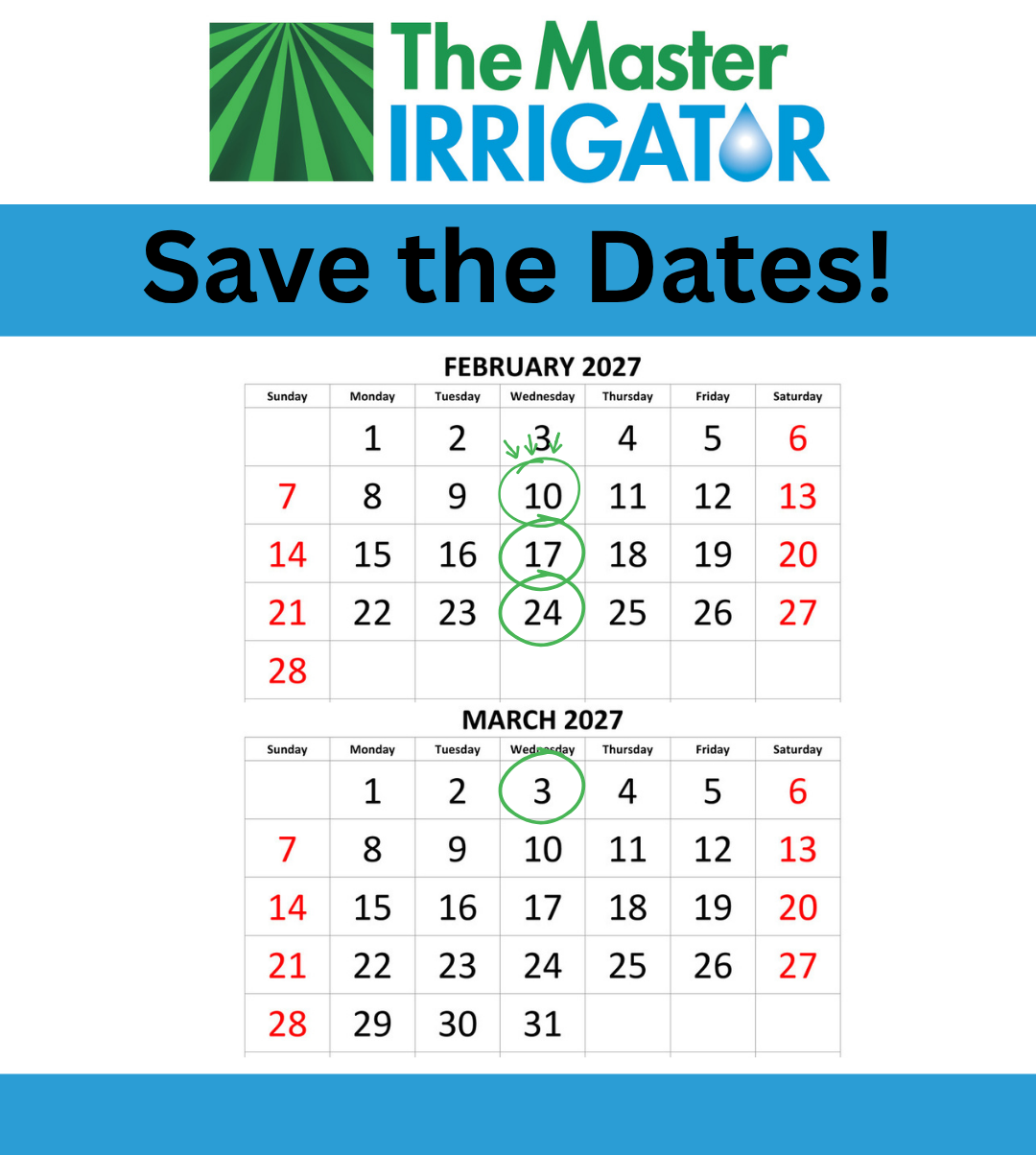
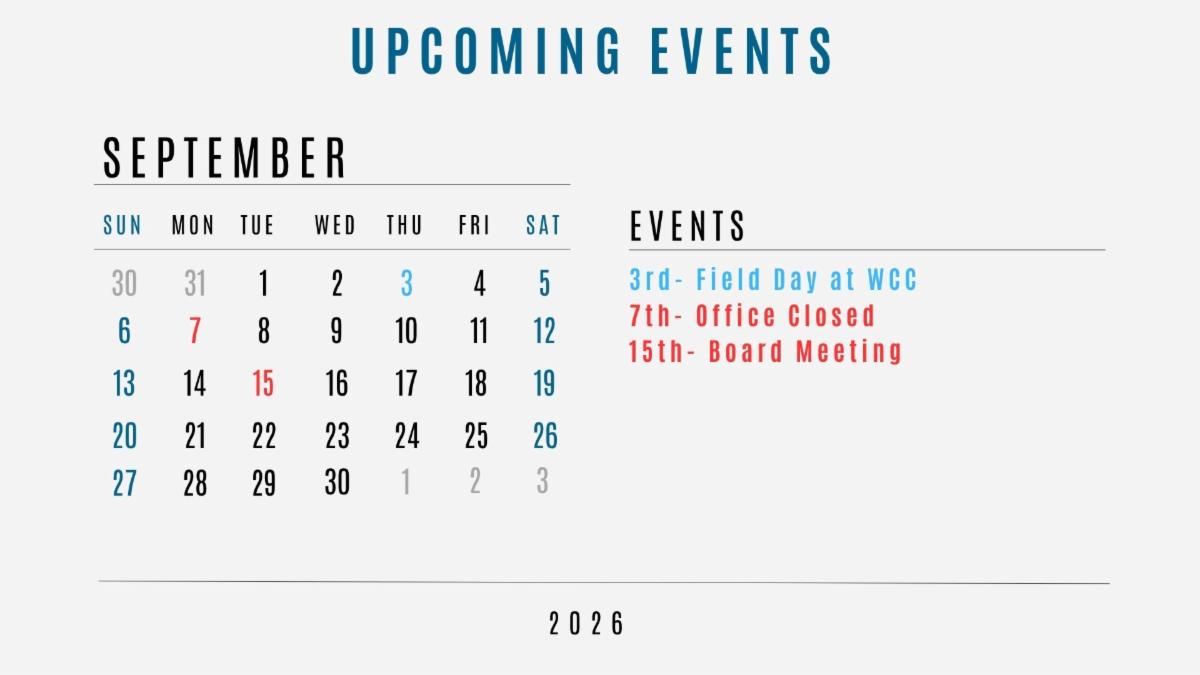
WCC Field Day

Thursday September 3rd, 2026

9AM-1PM

6045 Rd E, Dumas, Texas


FREE Catfish Lunch and 3 CEU Credits!

Left: PMDI Roots, longer more V shaped. Right: LEPA Roots, more dense and wider overall.

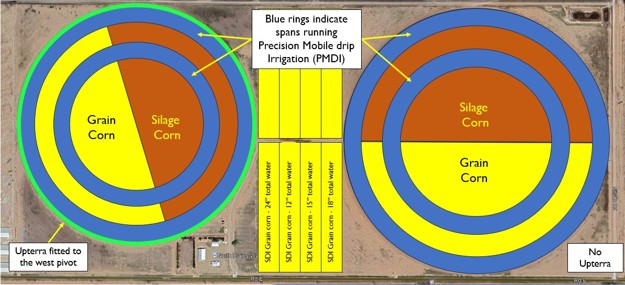
Layout at WCC for 2026 Planting Season:

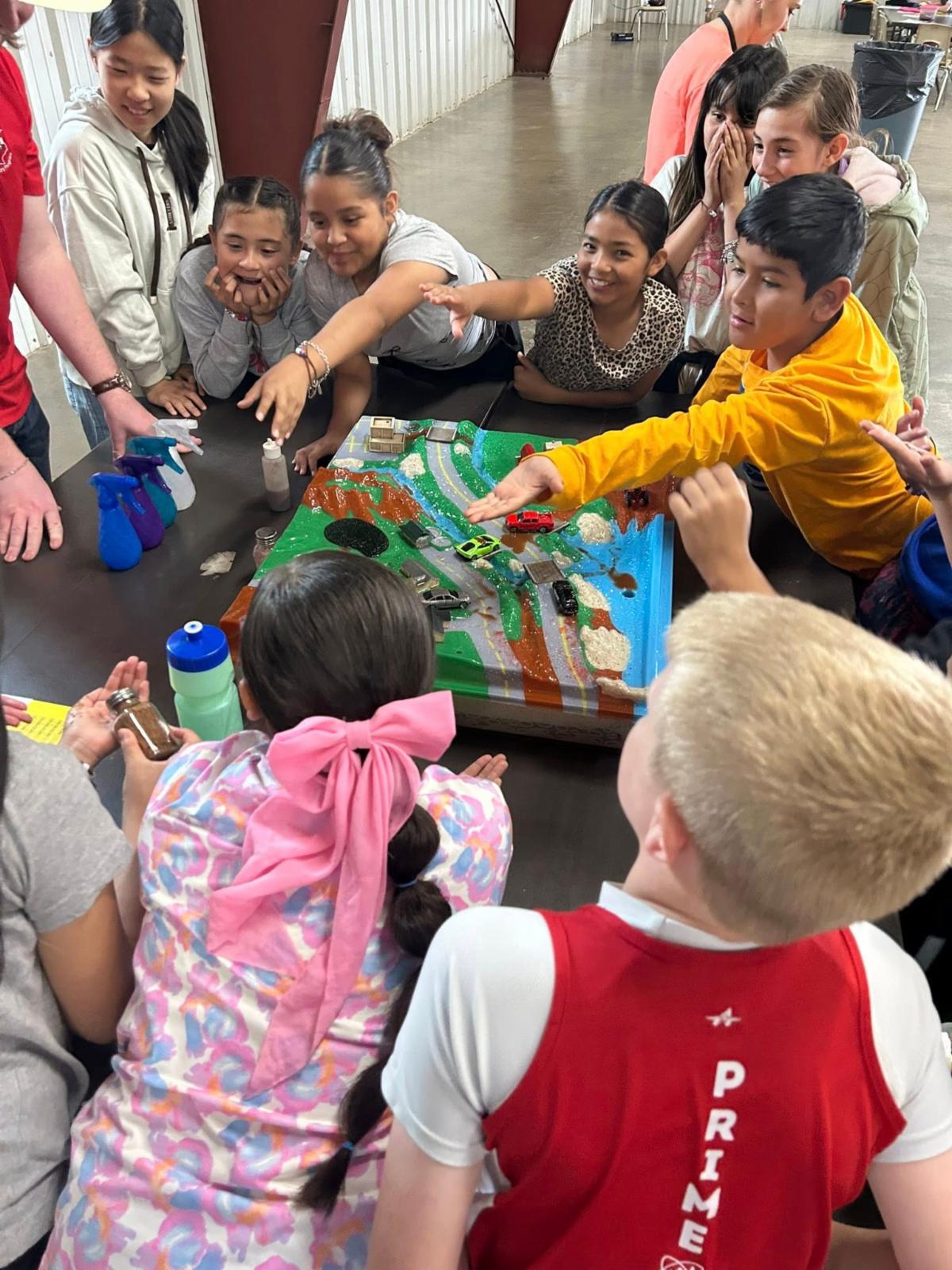
Why Should Kids Care About Groundwater?

When you turn on the faucet, take a shower, drink a glass of water, or see food growing in a field, have you ever wondered where that water comes from?

For many of us in the Texas Panhandle, the answer is groundwater.

Groundwater is the water stored underground in spaces between layers of sand, gravel, and rock. Much of the water used by homes, schools, businesses, farms, and livestock in our region comes from the Ogallala Aquifer.

So, why should kids care about something they can't even see?


Because Water Is Part of Everyday Life

Water is used for much more than drinking. We use it to cook, clean, grow food, care for animals, and keep our communities running.

Kids use water every day—often without even thinking about it! That makes learning where our water comes from an important first step toward understanding how to protect it.


Because the Water We Have Matters

The Ogallala Aquifer is an incredibly important resource, but groundwater does not simply refill overnight after a rainstorm. In the Texas Panhandle, only a limited amount of rainfall makes its way deep enough underground to recharge the aquifer.


That means every generation has a role to play in using water wisely.


Because Kids Can Make a Difference

You don't have to be a scientist, farmer, or water expert to help conserve water. Kids can make smart choices every day, including:

  • Turning off the faucet while brushing their teeth
  • Taking shorter showers
  • Letting an adult know about dripping faucets or leaks
  • Learning how and where water is used
  • Sharing what they learn with family and friends

Small actions may seem simple, but they can help build lifelong habits.


The Future of Water Starts Today

Today's kids are tomorrow's farmers, teachers, business owners, parents, community leaders, and water users. The more they understand about groundwater now, the better prepared they will be to make informed decisions in the future.


Groundwater may be hidden beneath our feet, but its importance is all around us. Learning about water today can help protect this valuable resource for generations to come.

Myth vs. Fact

MYTH: Groundwater and surface water are completely separate.


FACT: Groundwater and surface water are often connected.


It can be easy to think of water as belonging to two completely separate categories: water we see on the surface—such as rivers, lakes, and ponds—and water hidden underground in an aquifer. In reality, these two sources can interact as part of the same water cycle.


Rainfall can soak into the ground and become groundwater. Groundwater can also move slowly underground and, in some places, feed springs, streams, rivers, or other surface-water features. Likewise, surface water can sometimes seep into the ground and contribute to groundwater.


The connection between groundwater and surface water depends on local geology, soil conditions, and other factors. The relationship can look different from one location to another.


Why does this matter? Because water doesn't always stay in one place. What happens above ground can affect what happens below ground—and vice versa.


Here in the Texas Panhandle, groundwater is an especially important resource. Understanding how water moves through the environment helps us better appreciate why conservation and responsible management matter.


The bottom line:

💧 Groundwater may be out of sight, but it is still connected to the larger water cycle around us.

Important Links...


Facebook  Twitter  Instagram