|
EECO Farm – SEPTEMBER 2026 Newsletter for Gardeners | |
“September! I never tire
Of turning it over and over
In my mind.
It has warmth, depth, and colour.
It glows like old amber.”
The Glory of the Garden – Patience Strong (1907 - 1990)
| |
SPECIAL NOTE
It would be greatly appreciated if anyone with pictures from EECO Farm’s August WCMPLD would email them to eecofarmeh@gmail.com so they can be posted on our web site and included in our social media.
| | |
The Board of Directors of EECO Farm would like to take this opportunity to thank all of our tenant gardeners who participated in our August Waning Cresent Moon Pot Luck Dinner (WCMPLD) and made it such a rousing success! According to many informal comments, it was even better attended than last year’s bar-b-que/picnic get together.
It was also wonderful to see how everyone in attendance truly understood the “community” aspect of our EECO Farm name by enjoying themselves. Meeting and greeting their fellow garden neighbors over delicious food and in a wonderful and gorgeous surrounding is a true memory.
See you next year!
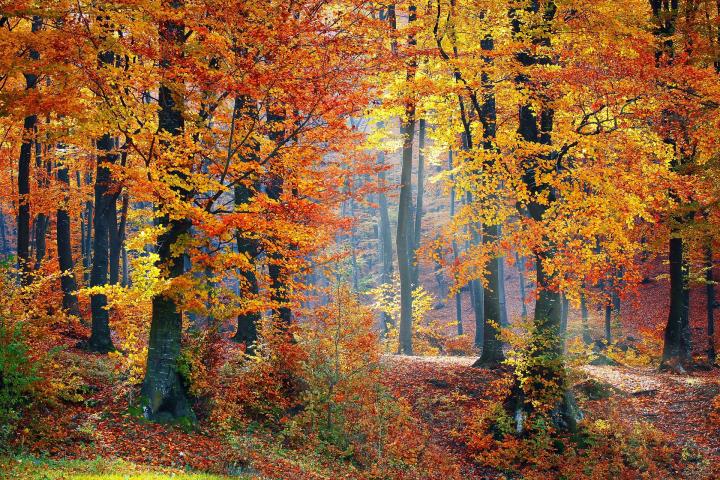
| | Ready or not --- here it comes! In fact, it will arrive without announcement or fanfare on Tuesday, September 22rd at preciously 8:05 P.M., EDT. We speak, of course, about the ending of summer --- conversely known as the official start of Fall. This evening hour will be the exact moment when the Sun’s direct rays cross over the Equator and start heading south once again. Thus, for those of us living in the Northern Hemisphere, we will now begin to see more total hours and minutes of darkness than daylight every day. In the earth’s southern hemisphere (Australia, Brazil, Indonesia, South Africa, etc.), however, this autumnal equinox marks the first day of Spring for those lucky gardeners. | | Also note that the colorful Fall foliage that will be coming here soon isn’t due to current or local weather conditions at all. This is a common misconception. Instead, all trees and bushes at our latitude change the color of their leaves because of the lower amount of total daylight they receive every day on the surface of their leaves. This color change is the overall effect that a lack of sunshine has on the plant’s photosynthesis process. | |
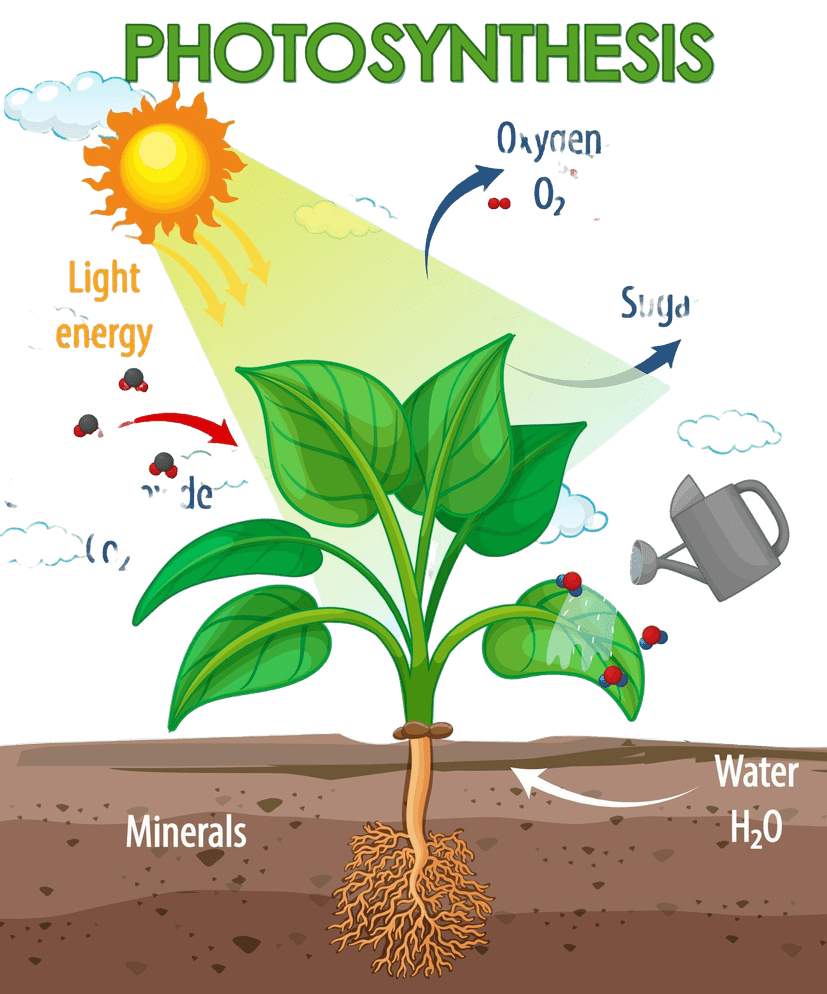
Photosynthesis is the process by which all green plants use sunlight to combine and absorb food and nutrients from water and carbon dioxide. Photosynthesis in plants generally involves the green pigment, chlorophyll, and generates oxygen as a byproduct
| | |
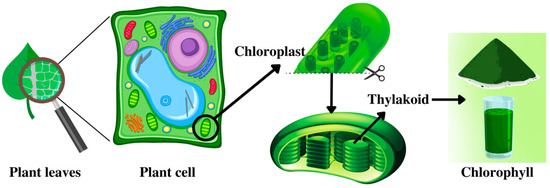
The word chlorophyll comes from combining the two Greek words chloros (meaning “pale green”) and phyllon (meaning “leaf”). This innate plant chemical is what gives lawn grass, plant stems and most bush/tree leaves their naturally green color.
Throughout the summer months, trees and bushes store up their nutrients inside their leaves. As the summer ends and the days get shorter and shorter, the trees begin to get ready for winter. They slowly start to shut down their food-making process and the green chlorophyll dries up and disappears. As the bright green color of the leaf fades away, it seems to be replaced mostly by many shades of duller yellow and/or orange tints. Actually, small amounts of these two colors (caused by the carotenoid pigment) have always been in the leaves all summer long, they have just been covered up and hidden by the dominant green color of the chlorophyll so we couldn’t see them.
| | |
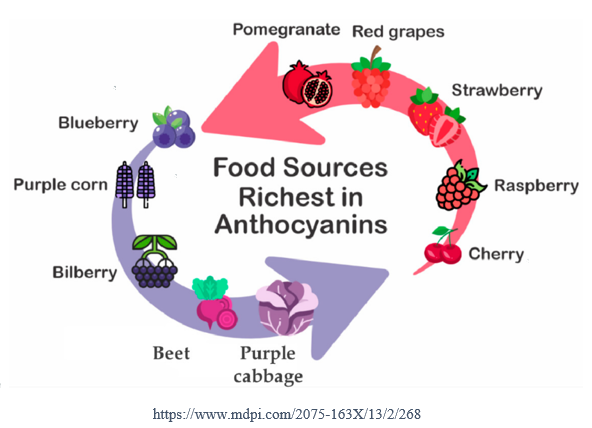
The bright reds and purples we will also notice soon (caused by another leaf pigment called anthocyanin) hides in various trees’ leaves, tall grasses, some vines or “burning bushes” and appears only in the autumn.
Some healthy tree breeds, like tupelos, sumac, sweetgum and the very appropriately named red maple, trap glucose (simple sugar compounds) within their leaves after their photosynthesis stops. The combination of sunlight during the day and the cool nights of autumn then causes their green leaves to turn this glucose into various hues and shades of red or pink color. A drought, however, can play serious havoc on any tree’s future Fall foliage.
| |  | |
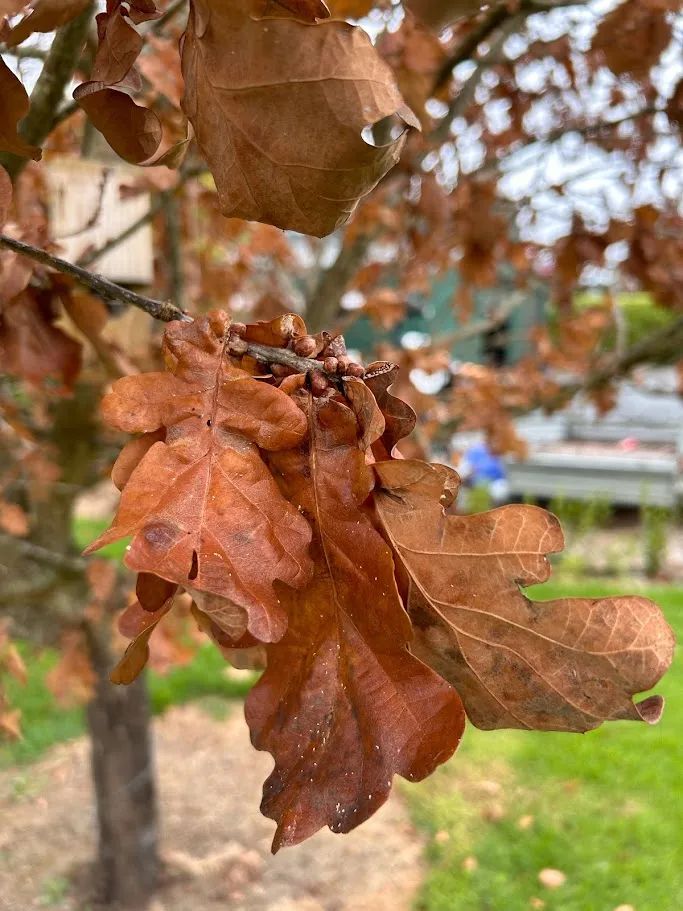
NOTE: That dull brown leaf color you may notice on many trees in autumn (especially elms, chestnut and oaks) is caused by excessive tannins and other chemical/enzyme wastes in their leaves --- especially those leaves that stay on the tree and don’t drop off easily. These substances, however, will ultimately aid the leaves in rotting after they finally fall to the ground and get wet.
This entire, almost magical, phenomenon of photosynthesis deeply affects everything we grow in our EECO gardens as well. Unfortunately, there is nothing that can be done to hold back the adverse effects of Fall on all of your plants as they basically go dormant and fall asleep (in the case of perennials) or just plain die off entirely (in the case of annuals). But, do not be afraid of Fall’s arrival as you still have time to plant a few low-sun or shade tolerant plants that are usually frost hardy too!
| | |
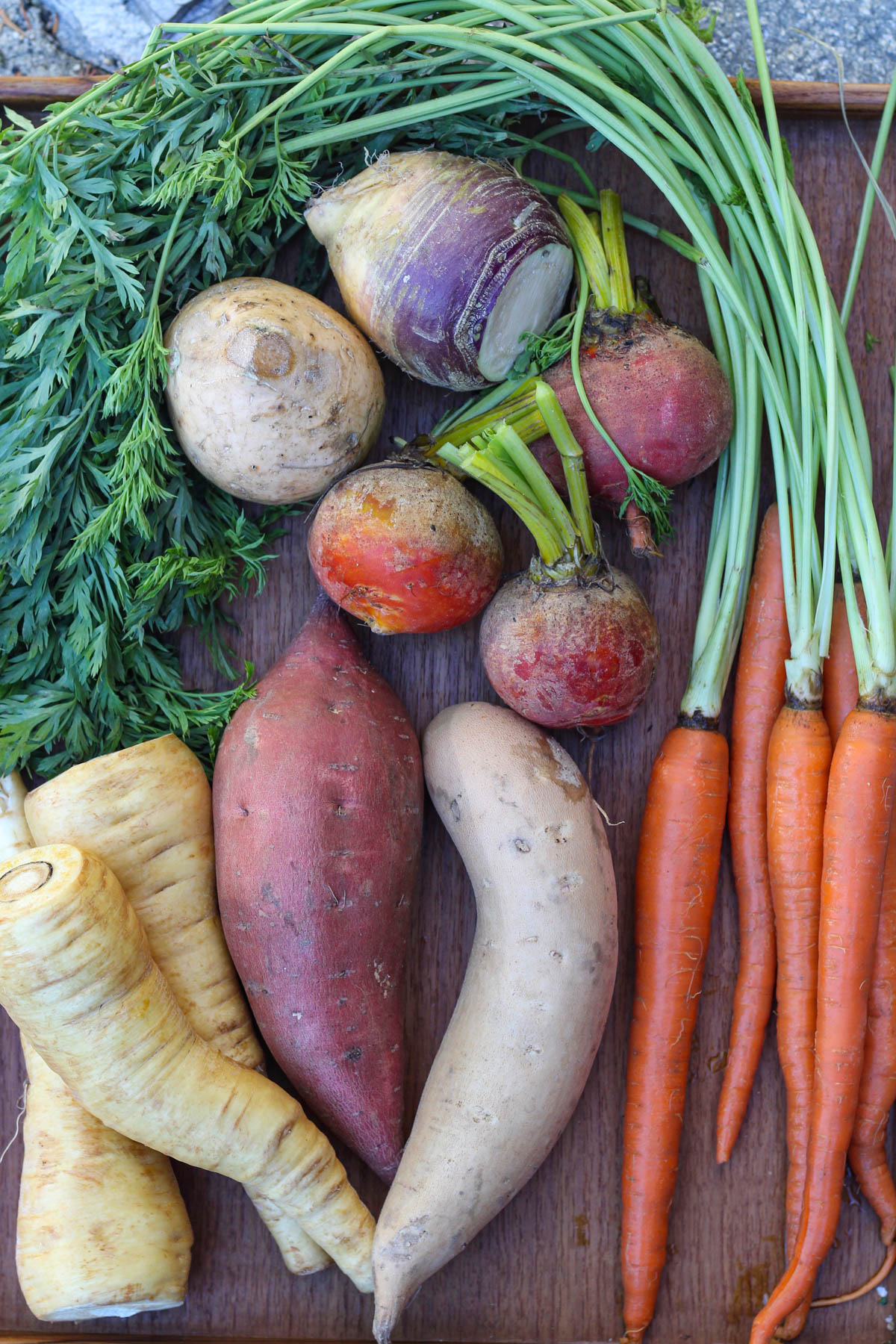
Most root vegetables like rutabagas, beets, carrots, parsnips, turnips and radishes will do fine in your EECO garden patch now as these veggies require a little less direct sun. Fast growing varieties of leaf lettuce, kohlrabi, peas, string beans, cabbage, kale, arugula, Asian greens, fava beans, mustard greens and chard can also be squeezed into your garden before first frost arrives --- which usually hits in mid-to-late November around here. Remember, many of these veggie varieties can also be harvested and are quite edible while still in the “baby stage” of growth.
| | |
NOTE: Feel free to use greenhouse transplants now to get a multi-week jump on Fall harvesting.
It’s clearly time to pick and harvest your peppers, eggplants, what’s left of your zucchini/squash, pull in your onions (but leave your leeks for a while) and of course your beans, pumpkins, acorn and butternut squash, potatoes, etc. should all be ready for harvesting and eating soon if not already.
No matter when it happens in your EECO garden, though, the best kept secret is that autumn on the East End is many locals’ favorite season with its clear blue skies and warm air --- and lots less traffic!
| | | It’s still a bit too early to put in your spring garlic cloves or take out your leeks --- or even assemble your cold frame --- but cooler seed crops (radishes, turnips, beats, some beans, etc.) can still be sown. Again, if you prefer, you can get a jump on the mid-November harvest picking but using greenhouse transplants now of late lettuce, Swiss chard, string beans and the like.
If you have been gardening for more than a few years, you will know that the fall garden is usually not as demanding as the early spring/summer one, so one can enjoy it a bit more. In fact, if you’ve practiced “succession planting” (putting in a fresh row of seed of the same vegetable every other week from mid-May to the end of July), you should still be able to have a harvest through the first week or so of November ---before that first frost bites. | | |
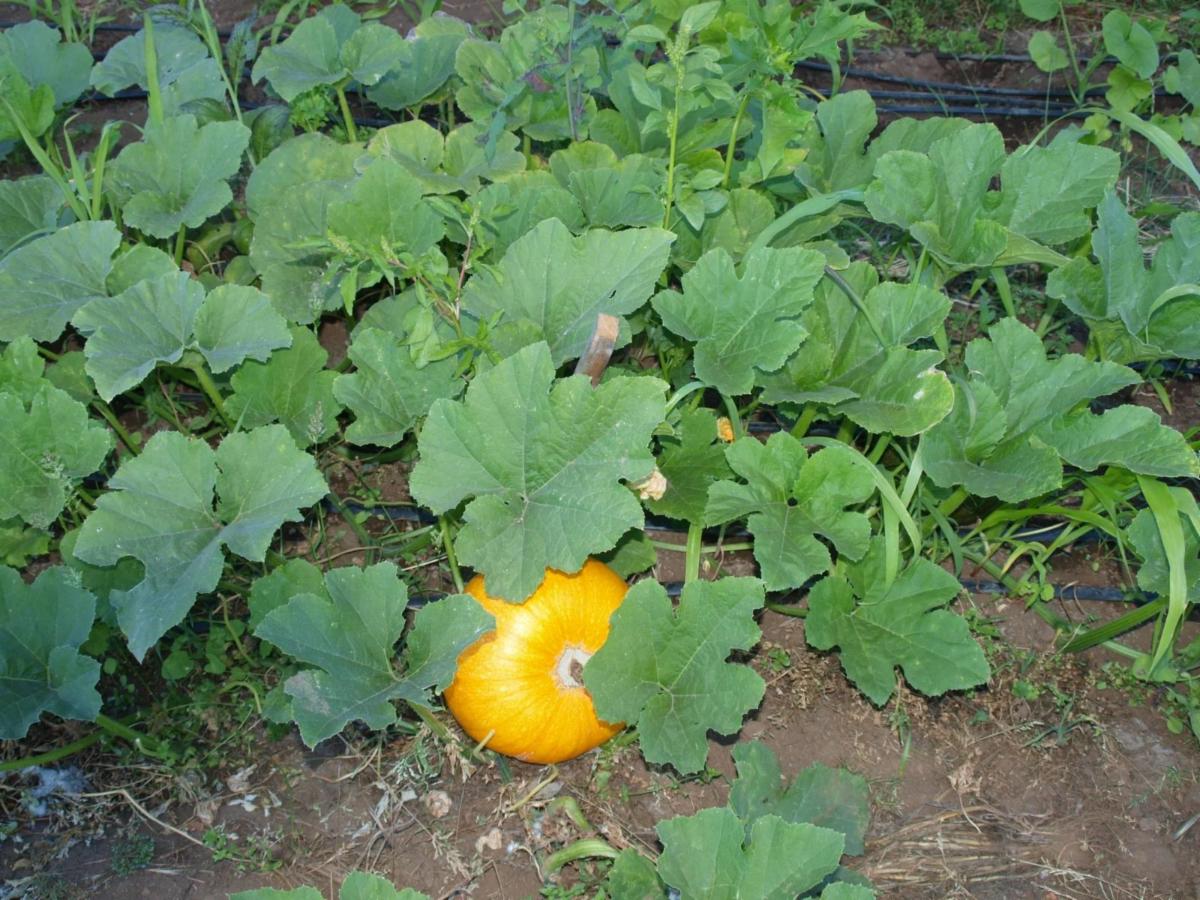
A truly cold tolerant garden must also have growing in it cabbage, Brussels sprouts, cauliflower, kohlrabi, turnips and hardy carrots. If you have the room --- or properly trellised the vines --- by now you should be enjoying your butternut squash, pumpkins of all types and acorn squash soon.
In our October Garden Newsletter, we will briefly explain how to properly winterize your garden and plant garlic for over the winter.
Happy Gardening!
| | Kindly resist the temptation to harvest fruits/vegetables or pick flowers from other EECO gardens without getting permission first! | | | | |