|
Meeting Highlights
Progress and Strategic Planning
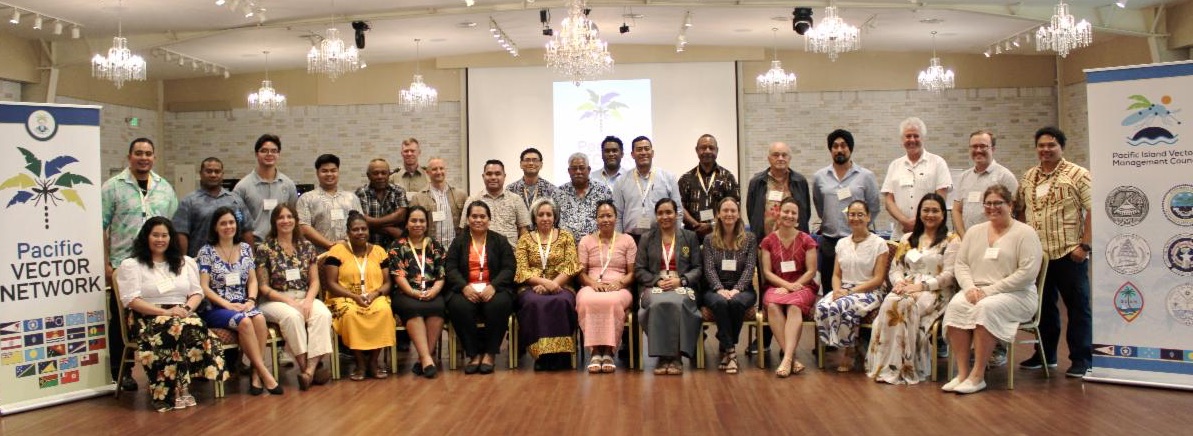
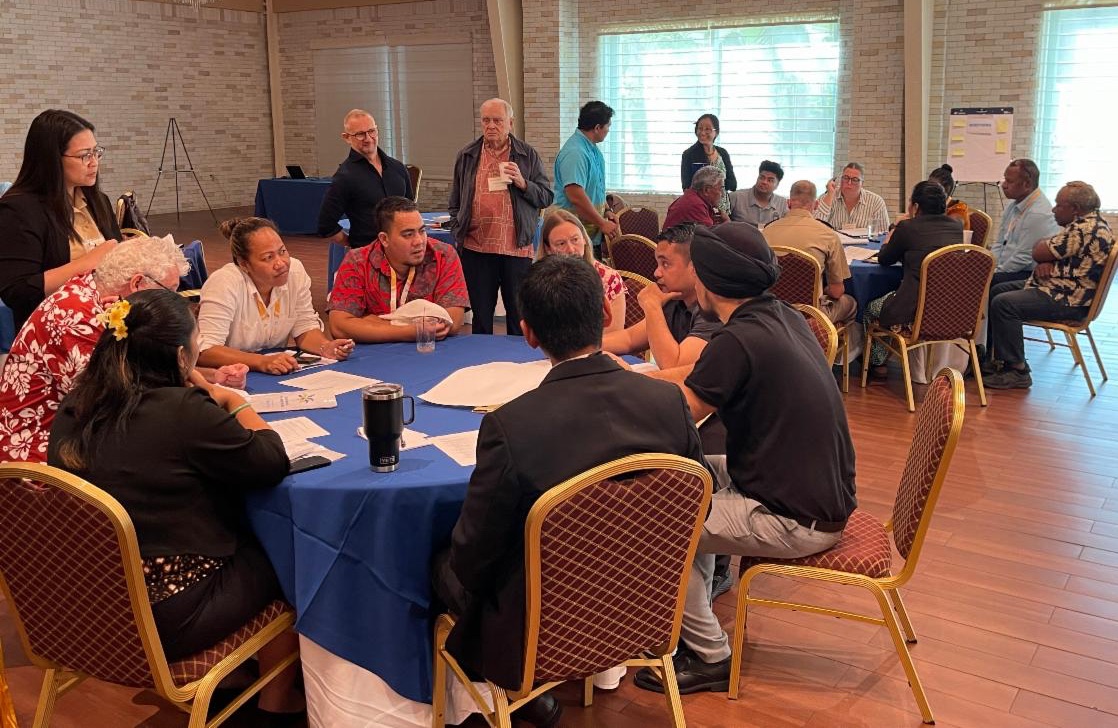
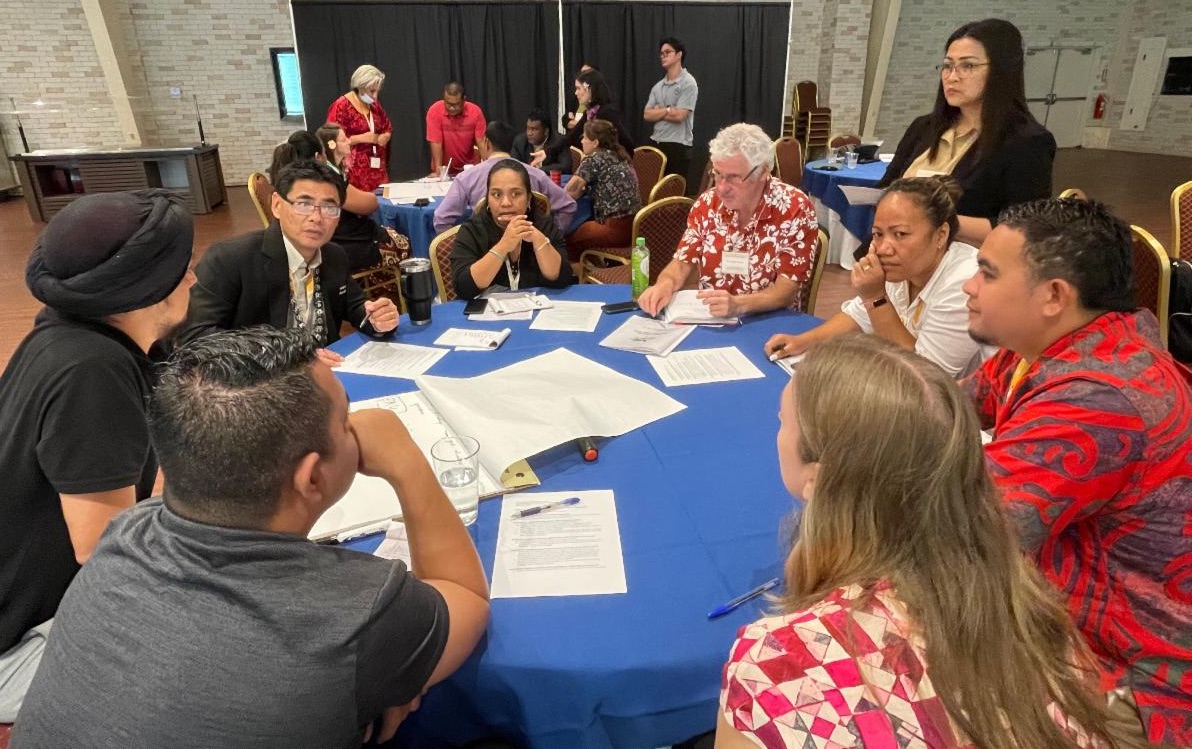
Members reviewed the achievements of the past year, including the adoption of the PVN logo and confirmed membership for the Technical Working Body (TWB). The meeting focused on developing the 2024–2028 PVN Strategic Framework, with working group sessions dedicated to mapping priority activities and aligning regional efforts.
Knowledge Sharing
Representatives shared success stories and challenges from across the region, including updates on vector management and public health initiatives in Palau, Hawaii, American Samoa, Solomon Islands, and Vanuatu. Presentations also included insights into novel technologies like genetically modified mosquitoes and sterile insect techniques.
Capacity Building
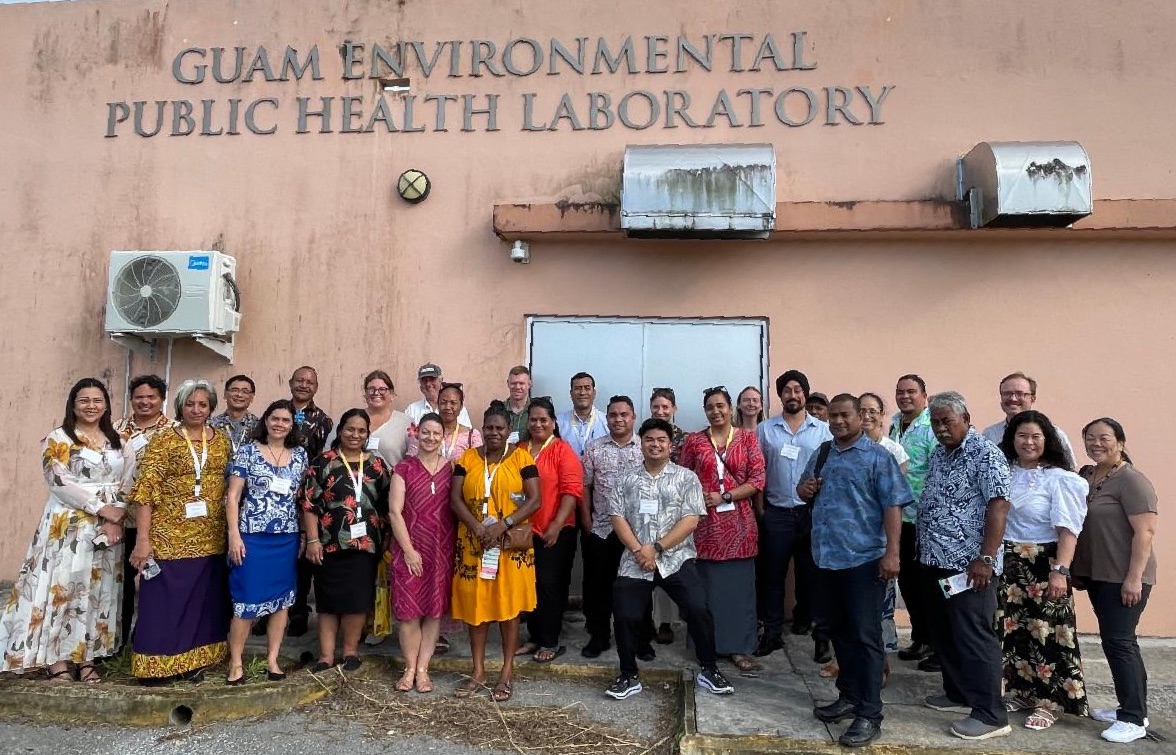
Thematic sessions covered topics such as regional capacity development, including PacMOSSI updates, public health entomology training, and innovative approaches to vector control. A tour of the Guam Environmental Public Health Laboratory provided attendees with a closer look at the region’s laboratory capabilities.
Partnerships and Collaboration
Regional and international partners, including the World Health Organization (WHO), U.S. Centers for Disease Control and Prevention (CDC), and Pacific Community (SPC), shared updates and reaffirmed their commitment to supporting vector management efforts. Discussions also focused on finalizing Allied Partner memberships to enhance collaboration.
Looking Ahead
The meeting emphasized the importance of maintaining momentum through enhanced communication and information-sharing mechanisms. It laid the groundwork for collective action to address vector-borne disease challenges and advance public health outcomes across PICTs.
|