Restoration Prairie Burn Project Comes to Fruition |
|
Our vision is a world where all people and wildlands are healthy and interact positively, biological diversity flourishes, and environmental challenges are met with a social commitment to solving problems with scientific principles. |
|
"We must be free not because we claim freedom, but because we practice it." - William Faulkner |
|
Prairie Burn Project Comes to Fruition in 2022 |
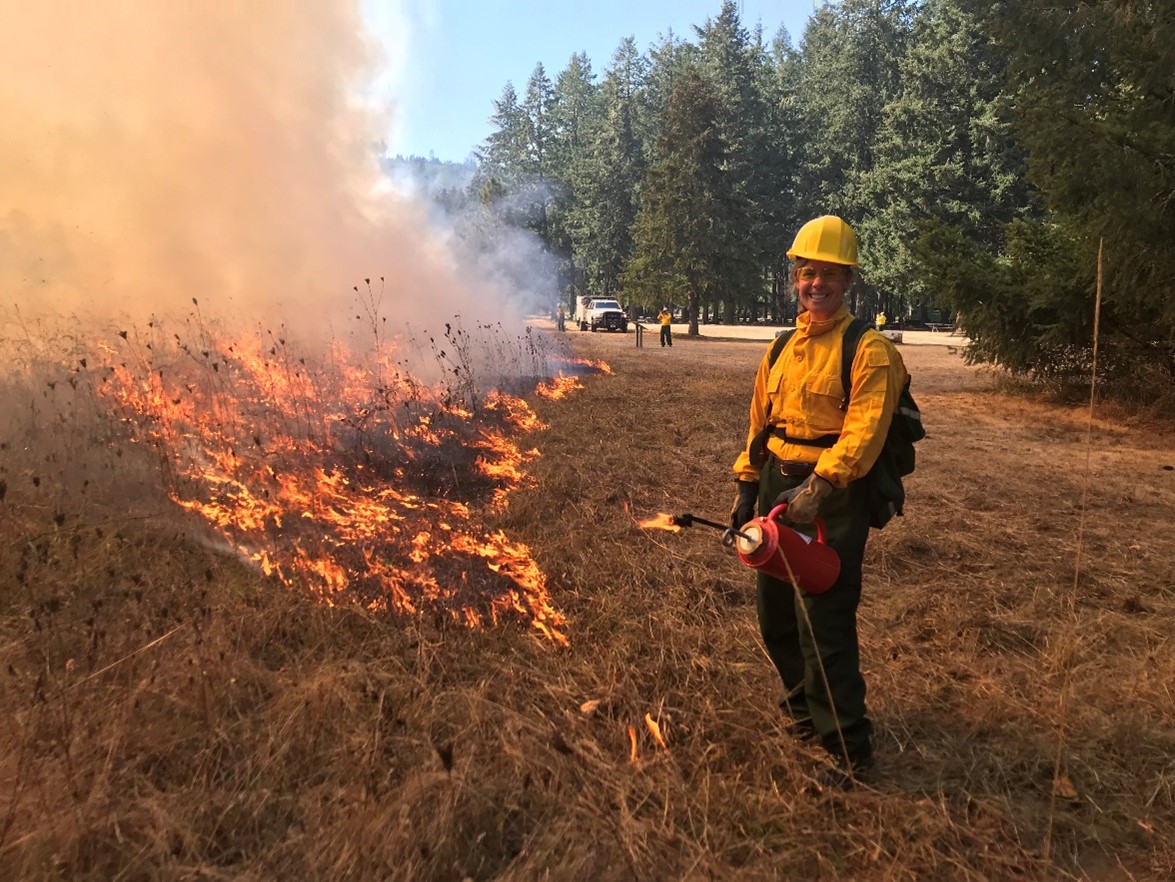
On Saturday, October 1, 2022, the Bureau of Land Management (BLM) implemented a restorative prescribed burn at Dorena Prairie Area of Critical Environmental Concern (ACEC), a prairie/oak savannah located just west of Dorena Lake on the Northwest Oregon District’s Upper Willamette Field Office. Read More
|
|
|
It's Always Spring in the Greenhouse |
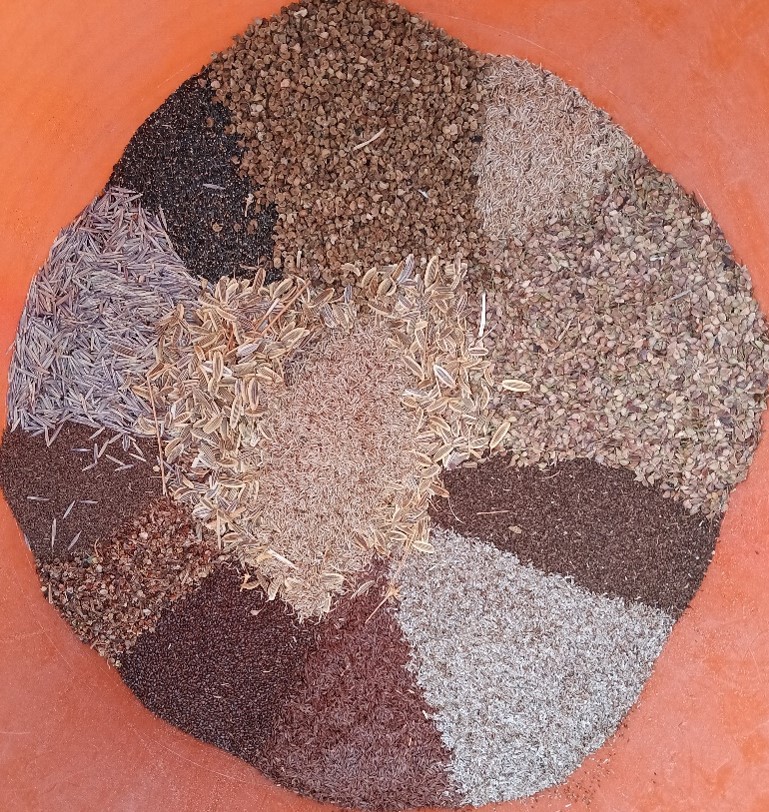
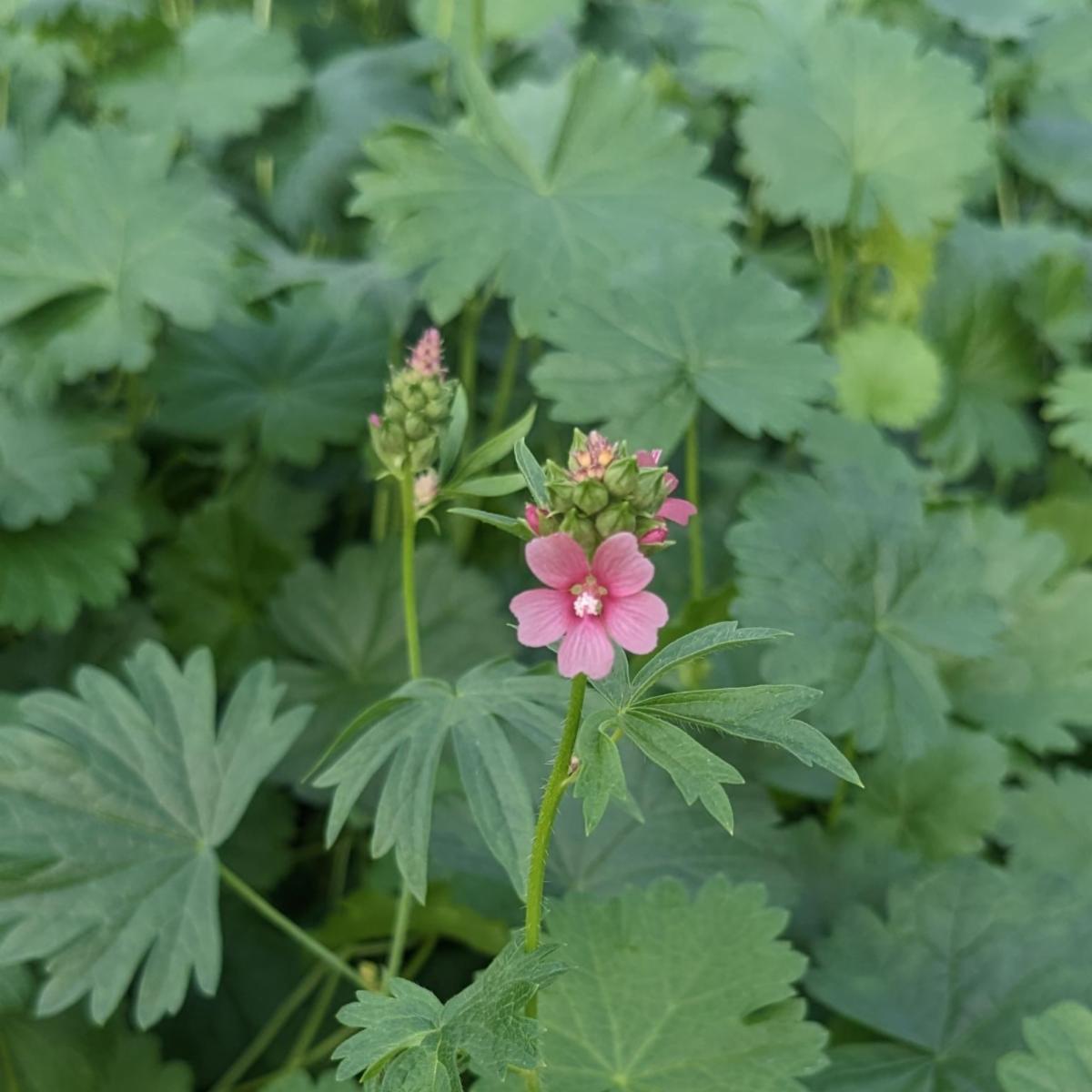
On December 15th, when the rest of the world is scurrying around, finishing their holiday shopping, spring starts springing in our native plant production greenhouses. This production season we will seed almost 47,000 plugs. Read More
|
|
|
Staff Highlight: Natasha Horsfall |
|
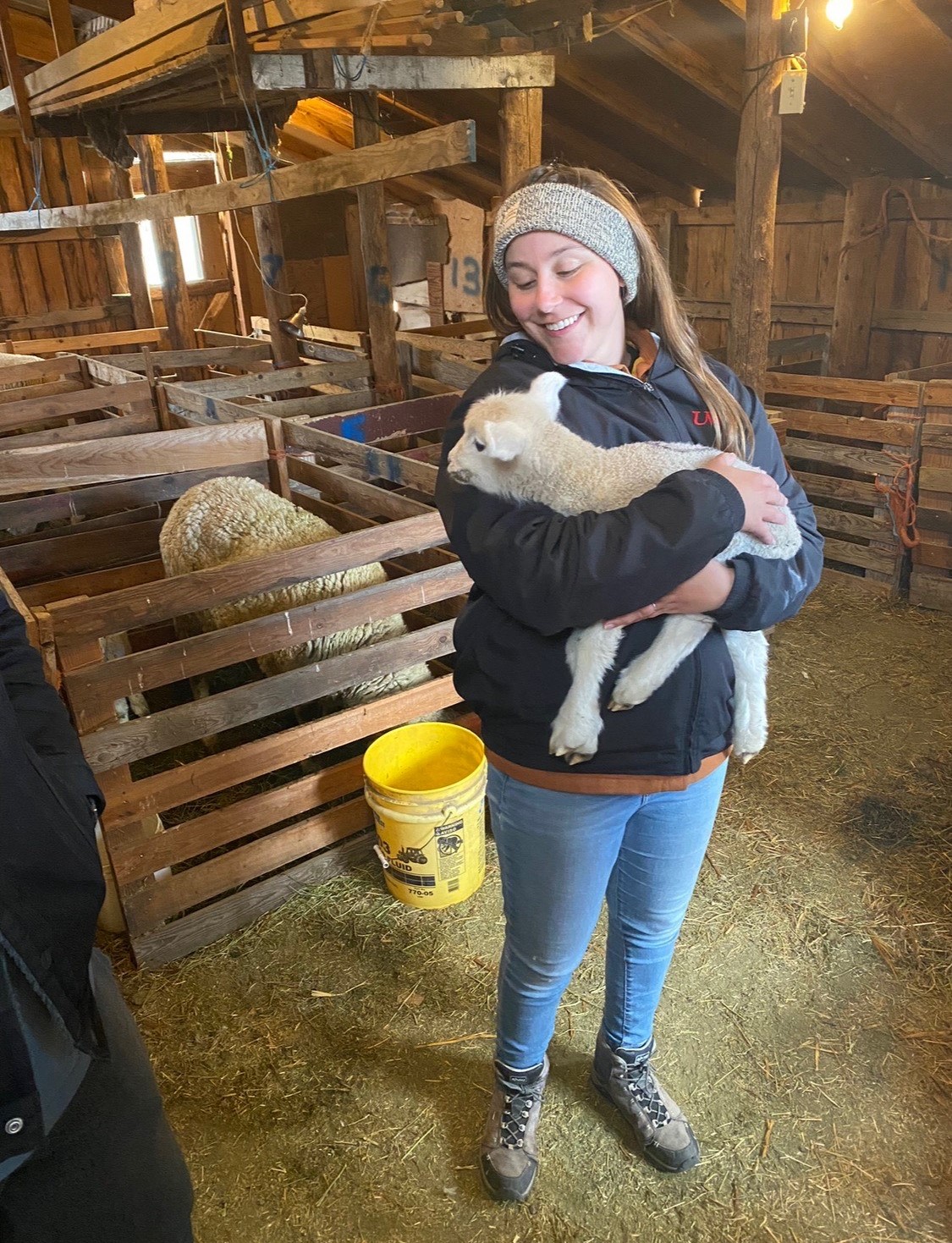
Natasha Horsfall is an Ecological Education Coordinator with IAE, and has served in her current role since March 2022. To highlight her contributions, we asked her a few questions.
IAE: Was there an experience or memory that helped steer your career into conservation?
Natasha: While studying at the University of Wisconsin River Falls, I enrolled in an interdisciplinary course, Literature of Environmental Justice, taught by professor Greta Gaard. Here I became faced with the realization that my own viewpoints and relationship with the natural world had been socially constructed by Western ideals. By exploring a variety of narratives from different cultures I learned that environmental issues are deeply connected with issues of gender, race, class, and globalization. It is because of this profound experience that I ultimately chose the path of conservation.
|
|
IAE: What do you love about working at IAE?
Natasha: What I love about working at IAE is that I get to be surrounded by individuals that are passionate about their work. From the moment I was hired, I was supported and guided by my previous and current supervisors in creating a local restoration project in rural Lake County. Horticulture students at Lakeview High School now have the opportunity to restore native sagebrush habitat and help their own community. No matter your level of experience or knowledge, coworkers are always eager to answer questions, provide guidance, or a fun nature story from their own experiences. Overall, it's been a privilege to be a part of this organization. Read More
Thank you for all you do, Natasha!
|
|
Announcements & Brief Updates |
|
Southwest Nature in Prisons Update
|
|
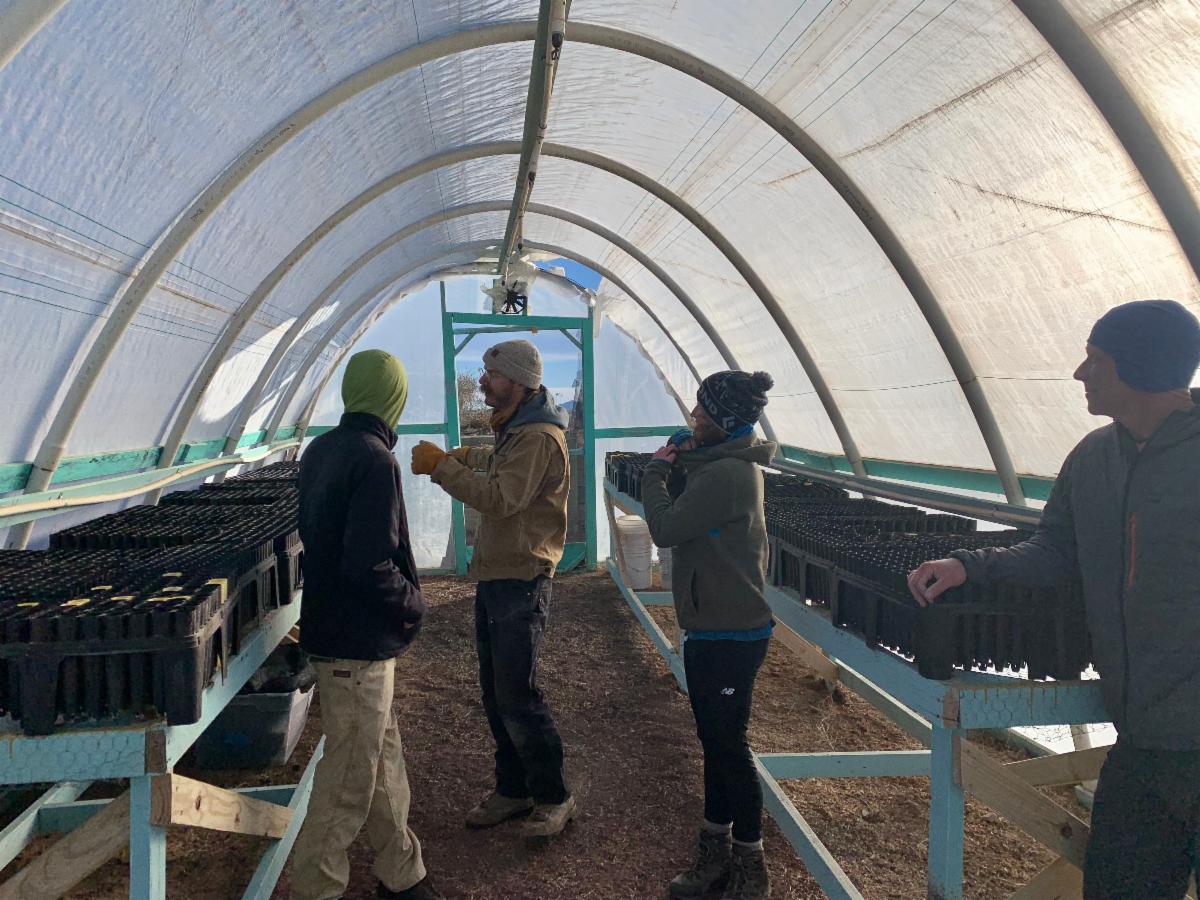
Institute for Applied Ecology staff repairing hoop houses at the Penitentiary of New Mexico. Photo credit: Melanie Gisler
|
|
To get the program off the ground again, last month staff braved the cold and wind to repair hoop houses at the Penitentiary of New Mexico. Staff spent an afternoon rebuilding benches damaged by the elements, pulling weeds that found a home in the hoophouse, and prepping thousands of pots for planting in 2023. It was incredible to see how much we were able to fix in a short amount of time!
|
|
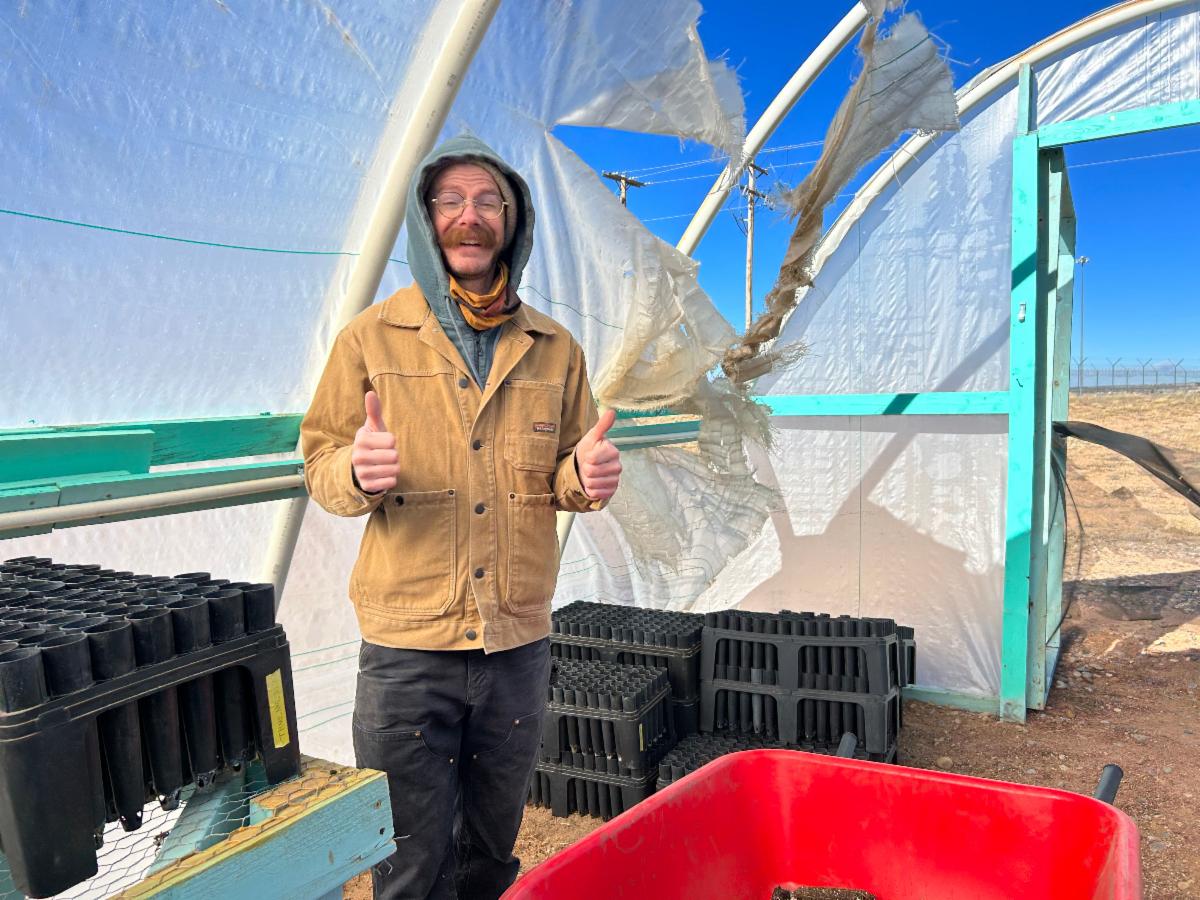
Southwest Plant Materials Technician Taylor Cain. Photo credit: María Leonor Rodríguez
|
|
Through this program—funded by the New Mexico Bureau of Land Management and generous private donations—adults in custody will be able to help grow native plants for habitat restoration in New Mexico, attend guest lectures on conservation topics, and develop horticulture skills that will aid them with re-entry to civic life. |
|
Forest Ecosystem Properties Emerge from Interactions of Structure and Disturbance |
|
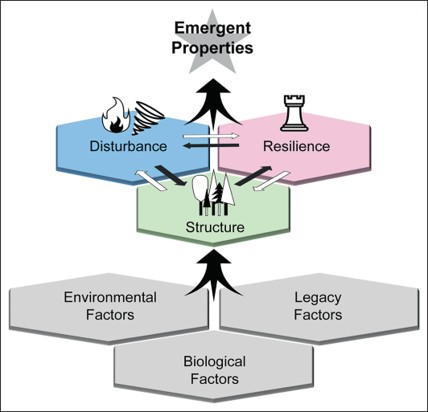
IAE Conservation Research Ecologist J. Christina Mitchell, along with ecologists from across the country, recently published a paper on the emergent properties of forest ecosystems. Their article conceptualizes the complex relationships between forest structure, disturbance, and resilience, and discusses how emergent properties may arise from these conditions. |
|
The authors describe how environmental factors, biological factors, and ecological legacy factors can influence the dynamics of communities and their environments, and detail examples of emergent properties arising through:
- Interactions with species composition
- Interactions with disturbance frequency and intensity
- Evolutionary changes to communities
Though emergent properties in forest ecosystems remain poorly understood, this paper encourages using the applied management of forest structural diversity to enhance forest restoration and resilience. From the paper:
In a nutshell:
- Forest structural diversity emerges from past and present environmental and biological factors
- Disturbances affect forest ecosystem structure and function at multiple spatial and temporal scales, and forest structure can alter disturbance characteristics
- Structure–disturbance interactions can result in unique, emergent properties of forest ecosystems and disturbance feedbacks with structural characteristics can be better anticipated through cross-system comparisons
- Evolutionary processes can change forest emergent properties for both forests and species via complex feedback loops
- Understanding emergent properties in forest ecosystems provides a foundation for management of forest structure to increase ecosystem resilience
|
|
This paper is part of an organized Special Issue, “Ecological Roles of Structural Diversity”, published by Frontiers in Ecology and the Environment. The theme of the issue is to demonstrate recent ways ecologists are embracing technological advances to reconsider our understanding and ability to predict structural diversity.
The Special Issue highlights this theme with a call to action to all ecologists; 1) ensure transdisciplinary collaboration, 2) embrace novel computational platforms, and 3) shift from traditional hypothesis-driven approaches to data-driven approaches or to a hybrid of the two.
Structural diversity is foundational to our understanding of ecological systems, and emerging digital technologies will drastically expand available data for an immense range of hypotheses. Read the full paper here
|
|
Latin American and Caribbean researchers propose measures to address colonialism in science |
|
Two new papers in Ornithological Applications review multiple ways in which the field of Ornithology systemically excludes researchers and research from Latin America and the Caribbean, despite this region harboring the most bird species on Earth.
The papers, signed by 128 ornithologists (including IAE Conservation Research Ecologist Soledad Diaz) from 20 countries, also explain what the field might do to start addressing the problems identified.
A major barrier to advancing ornithology, say the papers, is the marginalization of researchers from the Global South, meaning Latin America, the Caribbean, Africa, and most of Asia.
Latin America and the Caribbean is home to 3,700 bird species, across a myriad of habitats from lowland tropical rainforest to deserts of the High Andes. It also includes more than 40 countries and a human population comparable to that of Europe. Yet of the 10 papers published in a recent special feature about ornithology in Latin America and the Caribbean (Advances in Neotropical Ornithology), only three included authors affiliated within the region.
Such discrepancies are widespread in peer-reviewed scientific journals, and, the authors argue, they result from a long history of colonialism that scientists continue to sweep under the proverbial rug.
The papers reported that language hegemony, publication costs, and North-biased views of what is novel exclude many excellent ornithologists from publishing in global scope journals and dramatically reduce the extent to which their work is cited.
The authors urge global-scope journals to maintain or create options for free or low-cost publication, to offer the option of a submission and review process in Spanish, and to ensure that papers about birds in Latin America and the Caribbean include the full participation of authors from the region, from deciding the objectives to interpreting the results.
They also propose that global-scope ornithological journals should adjust their criteria for publication with the aim to publish all scientifically robust and ethically rigorous ornithology research submitted by first authors based in Latin America or the Caribbean, including negative results and articles on basic biology.
The groundwork for such change is already in place: ornithology in Latin America and the Caribbean is now underpinned by regional institutions, conservation programs, and a rapidly growing cadre of students, professionals, and non-academics based in this region, who creatively propel the discipline.
Today, ornithological research in the Neotropics is made possible by a combination of locally driven and government-funded research, scientific societies, universities, scientific collections, non-governmental organizations, community-science projects, international collaborations, and highly significant contributions from independent naturalists, birding clubs, tour guides, environmental licensing studies, Indigenous communities, and park rangers.
- - -
You can learn more about efforts to address the historical impacts of colonialism on ornithological research in the Neotropics here:
The articles:
Soares et al. 2023. Neotropical ornithology: Reckoning with historical assumptions, removing systemic barriers, and reimagining the future. Ornithological Applications. https://doi.org/10.1093/ornithapp/duac046
Ruelas Inzunza et al. 2023. How to include and recognize the work of ornithologists based in the Neotropics: 14 actions for Ornithological Applications, Ornithology, and other global-scope journals. Ornithological Applications. https://doi.org/10.1093/ornithapp/duac047
|
|
We are currently hiring for a Full Time Executive Director as part of the planned transition of our Founder, Tom Kaye, into his new role with IAE: Chief Science Officer.
We are also hiring for a Sagebrush Propagation and Education Technician based in Lakeview, Oregon, and two Rare Plant Survey positions based in Idaho. Full job descriptions and application details can be found in the links on our website at www.appliedeco.org/jobs.
|
|
Volunteer, Become an IAE Member! |
|
Thank you to recent IAE Business Sponsors! |
|
If you'd like to show your business's support for our work, please get in touch:
|
|
Ken Bierly, President; Brandy Humphreys, Vice President; Cary Stephens, Secretary; Jack Halsey, Treasurer; Jason Bradford, Anne Bradley, Shinji Kawai, Judy Li, John Savage, Sunia Yang |
|
|
|
|
|
|