|
|
Quarterly Newsletter
ISSUE 4 • September 2026
| | |
| Holding Space in Transition | | |
|
Our team is preparing this 4th edition of our newsletter during the week of the Autumnal Equinox. A time of transition, when schedules shift, the change in light is palpable, and many are taking stock of their annual harvest (literal or figurative). I love this time of year. A New Englander at heart, the crisp air, the smell of apples and dried leaves, and the promise of dark evenings and cozy blankets bring me joy. But, it is a joy tinged with sadness for the loss of long summer days, the loss of hours spent outside without 5 layers of clothes, and that body memory “ugh” at the thought of shoveling snow. Transitions are always bittersweet.
As you read this issue, I hope you will join us in joy as we celebrate some remarkable change that has come to the Commonwealth’s perinatal care ecosystem. I also hold space for the sadness, for the anxiety of what is to come, and for the longing of what was. If your organization, community, practice group, or facility is struggling with the changes, know that we are here to help. You’ll find lots of events, drop-in office hours, educational offerings, and more as you scroll down.
As without, so it is within, and here at CBDI we are embracing this season of transition and celebrating all that transformed over the past couple of months. I am filled with gratitude for everyone who contributed over the past 20+ years to getting us to this point. Certified Professional Midwives are applying for state licensure. Construction is underway toward the opening of Boston’s first freestanding birth center. The Department of Public Health released guidance on regulations governing safe transfer of care when emergencies arise. And, MassHealth has published regulations to guide CPM enrollment, with public hearings taking place on October 16.
Thank you for all you do. Thank you for navigating change.
R. Herman, CPM, MPH - Director of Community Birth and Doula Initiative
| | |
CPM licensure is here: Application and MassHealth Enrollment Now Open!
On September 11, 2026, Certified Professional Midwives (CPM) licensure is officially established in Massachusetts, meaning CPMs are formally recognized as part of Massachusetts' maternal health workforce!!
What comes next?
-
Licensure applications now open! Applicants will need current NARM certification along with documentation related to education, credentials, background checks, and practice information.
- Standard licensure regulations are expected in 2027. Temporary licenses will remain valid until a standard license is issued or for up to six months after standard licenses become available.
| |
-
MassHealth enrollment for licensed CPMs is now open! MassHealth has developed two 90-minute live training sessions designed to walk CPMs through the MassHealth enrollment application process.
- Thursday, October 8, 2026 at 1:00 PM
- Wednesday, October 28, 2026 at 10:00 AM
|
-
LCPMs may apply for Massachusetts Controlled Substance Registration beginning September 14, allowing LCPMs to obtain, store, and administer certain medications necessary for safe care in out-of-hospital birth settings.
-
Two Public Hearings on CPM MassHealth reimbursement rates and regulations are scheduled on Friday, October 16.
- 10:00 a.m.: Hearing on the proposed payment rates
- 11:00 a.m.: Hearing on the MassHealth provider regulations
-
Join our Virtual LCPM Perinatal Programs Orientation series from September to December! The series is open to CPMs, community midwives, and midwives preparing to apply for Massachusetts CPM licensure.
-
If you are interested in attending, please email us at cbdi@edc.org.
| |
Strengthening Doula Care Access
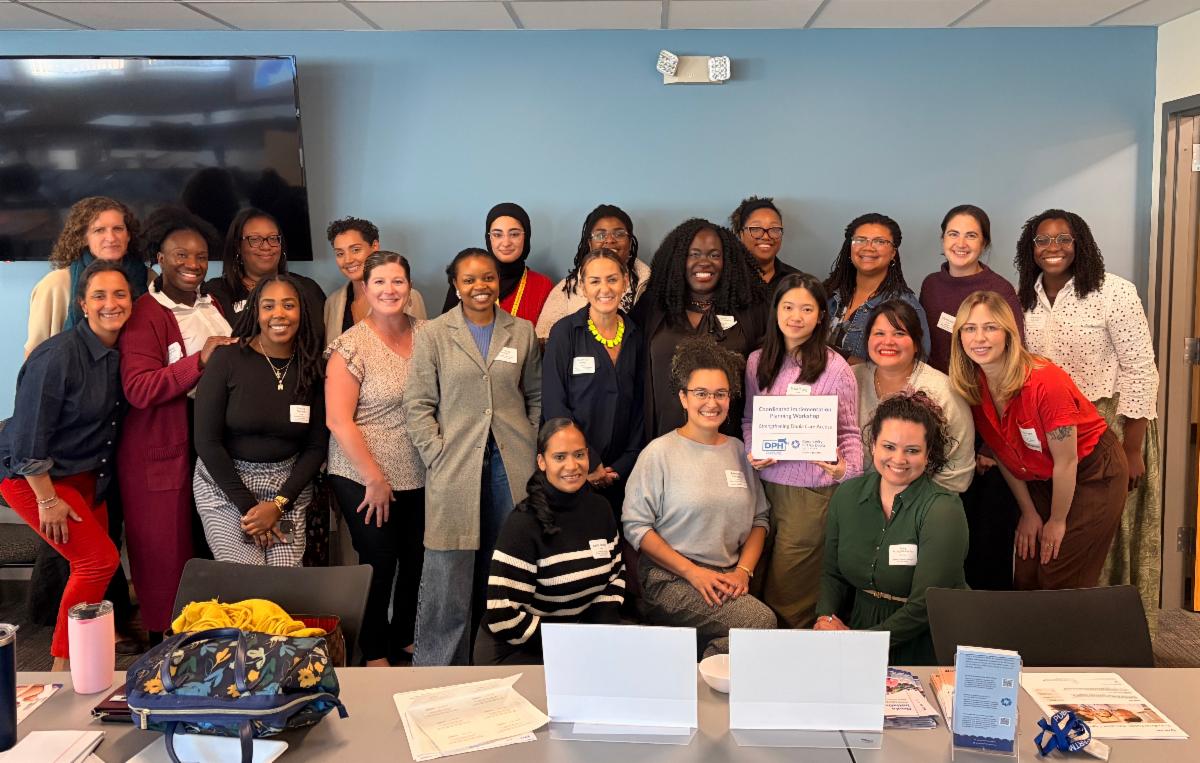
On September 24, 2026, more than 20 partners, doulas, public health leaders on the forefront of advancing doula care access came together for a Coordinated Implementation Planning workshop to strengthen implementation coordination for 2027.
| |
| |
Continuity of Care for Birthing Families: A Partnership Between Doulas and Home Visitors
Q&A with Pioneer Valley Doula Collaborative (PVDC) and Community Action Pioneer Valley’s Healthy Families program (CAPV)
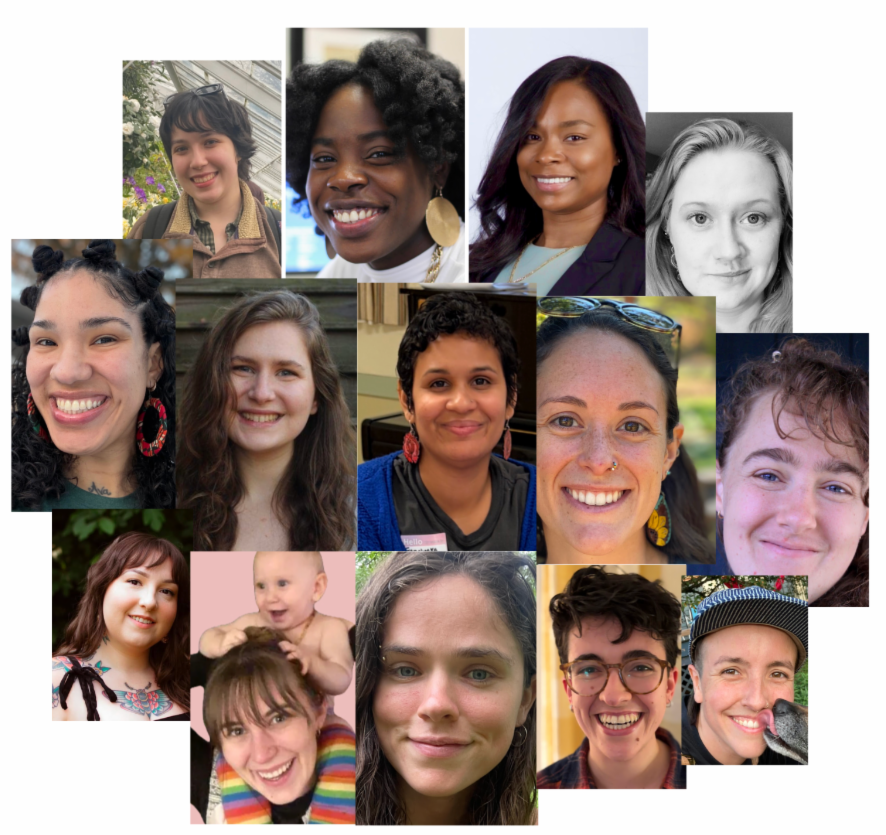
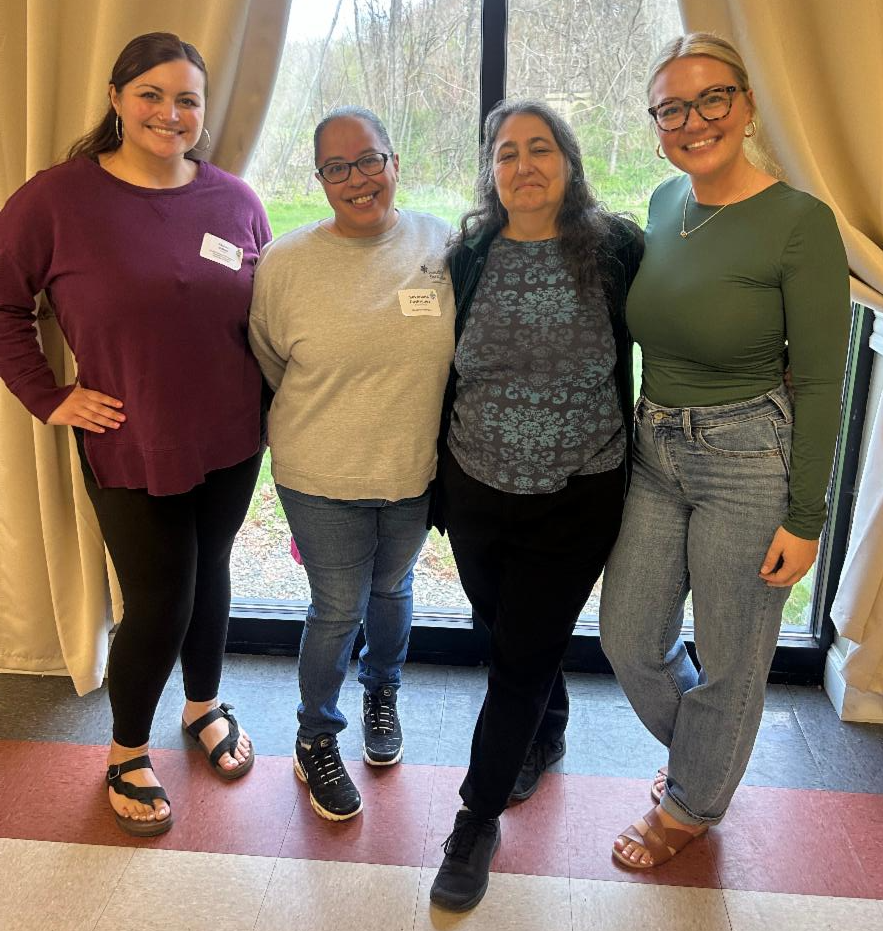
| This month, our feature story takes us to the Pioneer Valley, where Pioneer Valley Doula Collaborative (PVDC) and Community Action Pioneer Valley’s Healthy Families program (CAPV) are working together to create a more connected continuum of support for the birthing families they support. | | Collage of Doulas at Pioneer Valley Doula Collaborative | | Community Action Pioneer Valley's Healthy Families Home Visitors | | |
Q1: How did PVDC begin building relationships with Community Action Pioneer
Valley?
| | | PVDC: In early 2026, the Healthy Families program was providing home visits for a client who was also referred to PVDC for doula care. We quickly realized we could better support this family's layered needs through collaborative care...We had introductory calls with [CAPV Healthy Families Program] representatives from different counties (Hampshire and Hampden). During these calls, we each presented our respective programs: how we support families, our overarching missions, and where our work aligns. We then discussed cross-referrals and the paperwork involved in collaborative care. Today, we email, text, cross-refer, and collaborate to identify what other supports may be important for a family's emerging needs. | | | Q2: What does the partnership look like in practice? | | | |
PVDC: As doulas, we can typically identify very quickly when a family lacks community support during the postpartum period. We know that connecting them to other available resources can be the difference between a family in crisis and one that's thriving... Our doulas and Community Action's home visitors meet families at different moments and stay with them on different, yet overlapping, timelines. Doulas support clients from pregnancy through one year postpartum, including during the intensity of labor, which gives us long contact time and an intimate view into needs that may not surface in clinical appointments. Home visiting continues past that first year and carries early childhood developmental and overall family support further. Partnering means neither of us is working from a partial picture. Doulas are present immediately during the notorious postpartum care gap. Because we're with families through labor, we're often the first people in their home after birth. Rather than a family having to arrange enrollment with a new program on their own, we make a warm referral to Community Action and help get them enrolled.
CAPV: Healthy Families Home Visitors are quite knowledgeable concerning the services offered by PVDC, and PVDC has become our first go-to for doula support for pregnant, birthing, and postpartum participants. Participants who have made use of doula services through PVDC have shared that they experienced warm, inviting, responsive support, and we have seen how that support can help reduce stress and provide a sense of relief... Knowing that our participants are connected with knowledgeable doulas from PVDC who can attend births and provide direct supports with many of the practical needs that arise during postpartum period, such as newborn care, child care, and household tasks, allows our Home Visitors to focus on what they do best: supporting parent-child bonding, strengthening family relationships helping families work towards their goals, hopes, and dreams, and promoting overall family wellness during the three and a half years they are enrolled in our program...Together, these services provide families with both immediate, hands-on support and long-term relationship-based support, creating a strong foundation during a significant life transition.
| | | Q3: How do families benefit from being connected to both doula care and home visiting support? | | | PVDC: From the very beginning of our introduction to a family, we invite them to fill out a comprehensive needs assessment, which allows us to identify what resources are needed. What surfaces is rarely just birth-related. Families name transportation, housing, food access, language access, insurance navigation, and long waits for mental health care alongside their questions about labor and feeding. Most of these needs are unmet not because a service doesn't exist, but because getting to it takes more steps than a family can manage while pregnant or caring for a newborn. Increasingly, we are supporting not just as birth professionals but as resource barrier navigators. The systemic divestment our clients face deserves layered care that is directly bridged from one program to the next. It is incredibly reassuring to us that we are holding families in partnership and that once our care reaches the end of its timeline, there are services they are already connected to carry them further. This continuum of care creates a sturdy foundation for the parenting years ahead. | | | Q4: What makes the partnership between PVDC and CAPV successful? | | | CAPV: A shared vision and belief in parental autonomy. Recognizing parents as the experts in their own lives and in the lives of their babies. We also share a deep respect for families and an accepting, inclusive approach to supporting them. The partnership has also benefited from a commitment at all levels of both organizations to providing the best possible support for parents, as well as taking the time to meet and learn about one another's programs and build trusting relationships. | | | Q5: What advice would you give to other programs that want to build a similar community partnership? | | | PVDC: Connect. Learn about the alignments in your respective missions. There is often so much overlap between home-visiting programs and doula care — we cannot practice either of these in isolation. We bring differing perspectives, cultural identities, and lived experiences, which can only strengthen the holistic, true care we provide to individuals and families. Doulas bring a level of expertise in the newborn and infant season, and they often know what questions to ask and how to hold the intensity of the transitions that come with the perinatal period. A Healthy Families home visitor once shared with us how grateful she was to know our organization exists, so she could connect a family navigating so much during an already transitional time with meaningful, quality, comprehensive support. | | | Q6: In an ideal world, what would even stronger collaboration between doulas and home visiting programs look like? | | | |
PVDC: In an ideal world, we would have access to a project-based grant to further explore this partnership between doulas and home-visiting programs. A funded initiative could support a shared care coordinator role, someone who manages referrals, tracks outcomes, and ensures information flows smoothly between our teams. It could also fund joint training sessions so that doulas and home visitors build a shared language around perinatal mental health, attachment, and trauma-informed care, and know exactly when and how to hand off support to one another... Longer-term, ideal funding would also help close the gap that exists once MassHealth-funded doula services end around the 12-month mark. A joint initiative could extend some form of light-touch, collaborative support through toddlerhood, so families aren't facing a hard cutoff in care right when they need continuity most.
CAPV: One idea would be to offer a signed release of information with every referral so that Home Visitors and doulas can periodically check in with one another, coordinate services, and ensure families receive complementary support without unnecessary duplication.
| | | |
Looking to learn more or get involved with strengthening community birth and doula access? Here are a few places to start:
MA Department of Public Health – News, updates, and information on Doula Initiative and Community Birth Integration.
MA Department of Public Health – Memorandum on Regulations Impacting Out-of-hospital to hospital tranfer of care.
MassHealth Doula Services Program: Information for Doulas – For more information about the MassHealth Doula Services Program, including the enrollment process, covered services, and important resources.
MassHealth Doula Enrollment Toolkit by Tufts - Step-by-step toolkit for Doulas to become Medicaid Reimbursable Doula in MA.
Massachusetts Chapter of the National Association for Certified Professional Midwives (MA-NACPM) – Education, licensure, regulations, and professional development resources.
MA Doula Coalition- Learn more about the community-led coalition working to increase access to doula services for all birthing people in Massachusetts, with a focus on low-income clients.
My Choices in Childbirth – A library of short videos and resources to help educate providers, policymakers, and consumers on the range of birth care choices and how each model ensures safety and quality.
Step Up Together – Transfer drill toolkit and information on collaboration and focused action cycles.
28-Day Anti-Racism Challenge (Institute for Perinatal Quality) – A self-driven annual challenge beginning February 1, 2026; open to all, especially valuable for non-BIPOC allies committed to advancing anti-racist perinatal care.
Intermittent auscultation training- An on-demand, self-paced course for skilled birth attendants wanting to implement intermittent auscultation for fetal monitoring.
Health Leads’ Toolkit for Expanding Doula- Friendly Hospitals- A co-design guide for integrating doulas into inclusive, team-based maternity care.
ACOG Position Statement on Transfer Protocols for Out-of-Hospital Births- Recommendations on hospital policies and protocols to support safe out-of-hospital births to hospital transfers.
| |  | |
LCPM Perinatal Programs Orientation Series
- Varies, from September to December
- Online
- Education Development Center
The series is open to CPMs, community midwives, and midwives preparing to apply for Massachusetts CPM licensure. If you are interested in attending, please email us at cbdi@edc.org.
| |
Event: Femscope Webinar: Giving the Speculum a Makeover
-
Tuesday, Oct 6, from 5:30 PM to 7:00 PM ET
- Online
- Our Bodies Ourselves
Our Bodies Ourselves will introduce the Femscope Calm Collect Device, a new alternative designed to make pelvic exams, cervical cancer screening, and HPV testing more comfortable and accessible. Register now!
| |
Event: Rising Together: In Support of Health Equity for Refugee and Immigrant Communities
- Thurs, Oct 15, 2026 at 5:00 PM ET
- Mechanics Hall, 321 Main St., Worcester, MA
- Worcester RISE for Health
Worcester RISE for Health will be hosting our second annual fundraising event, Rising Together: In Support of Health Equity for Refugee and Immigrant Communities! Join us for an evening of celebration, connection, and impact. Admission is by ticket only — secure yours today here.
| |
Event: Annual They Were Still Born Summit
-
Saturday, Oct 24, from 9:00 AM to 1:00 PM ET
- 2379 Washington St, Roxbury, MA 02119
- Propa City Community Outreach
A collaborative space for community members, organizers, and professionals, and to uplift the voices of families impacted by pregnancy and infant loss. Join us for an intimate conversation around pregnancy and infant loss.
| |
Event: Community Birth Drop In Hour
- Thursday, Nov 5, from 12:00 PM to 1:00 PM ET
- Online
- Education Development Center
A monthly space where midwives, doulas, hospital partners, and public health leaders connect and problem-solve. Join to connect, bring questions, share updates, and explore current implementation efforts in real time. Join via this link.
| |
Birthworker Convening: Beyond Our Belly: In Our Hand
- Thursday, Nov 5, 2026, from 8:00 PM to 3:30 PM
- Holy Cross- Hogan Hall, 1 College Street, Worcester, MA, 01610
- Accompany Doula Care
The Birthworker Convening is Accompany Doula Care's 2nd annual gathering by and for birthworkers. This year, we are turning our attention to collective power - the kind built through community, sustainable practice, advocacy, and knowing your worth. Reserve your spot today.
| |
Event: 2026 Midwifery Retreat
-
Saturday, Dec 12, from 9:00 AM to 4:30 PM ET
- Connors Center, Dover, MA
- BEE Collaborative
Save the date for the third annual Massachusetts Midwifery Retreat. The day will offer Massachusetts midwives time for rest, reflection, and community. Additional details and registration information are coming soon.
| | |
Subscribe to our mailing list to receive email updates on the Community Birth and Doula Initiative, birth worker spotlights, workforce development opportunities, state certification and licensure, and more! Contact us at cbdi@edc.org with any questions or inquiries. |
| | |
Community Birth and Doula Initiative (CBDI) is a statewide effort led by the MA Department of Public Health and Education Development Center. We work with perinatal care providers, hospitals, community organizations, and EMS to make sure families receive safe, respectful, community birth and doula care access across Massachusetts.
We acknowledge the Massachusetts Department of Public Health — and in particular the Bureau of Family Health and Nutrition, including our Title V and Division of Pregnancy, Infancy, and Early Childhood teams — for their ongoing commitment to birth equity and capacity building across the Commonwealth. Their leadership, funding, and partnership have been essential in strengthening the systems, workforce, and community supports that help families access community birth and doula care.
| | | | |