Issue 92, April 1st, 2026

CAREER PATH WISDOM

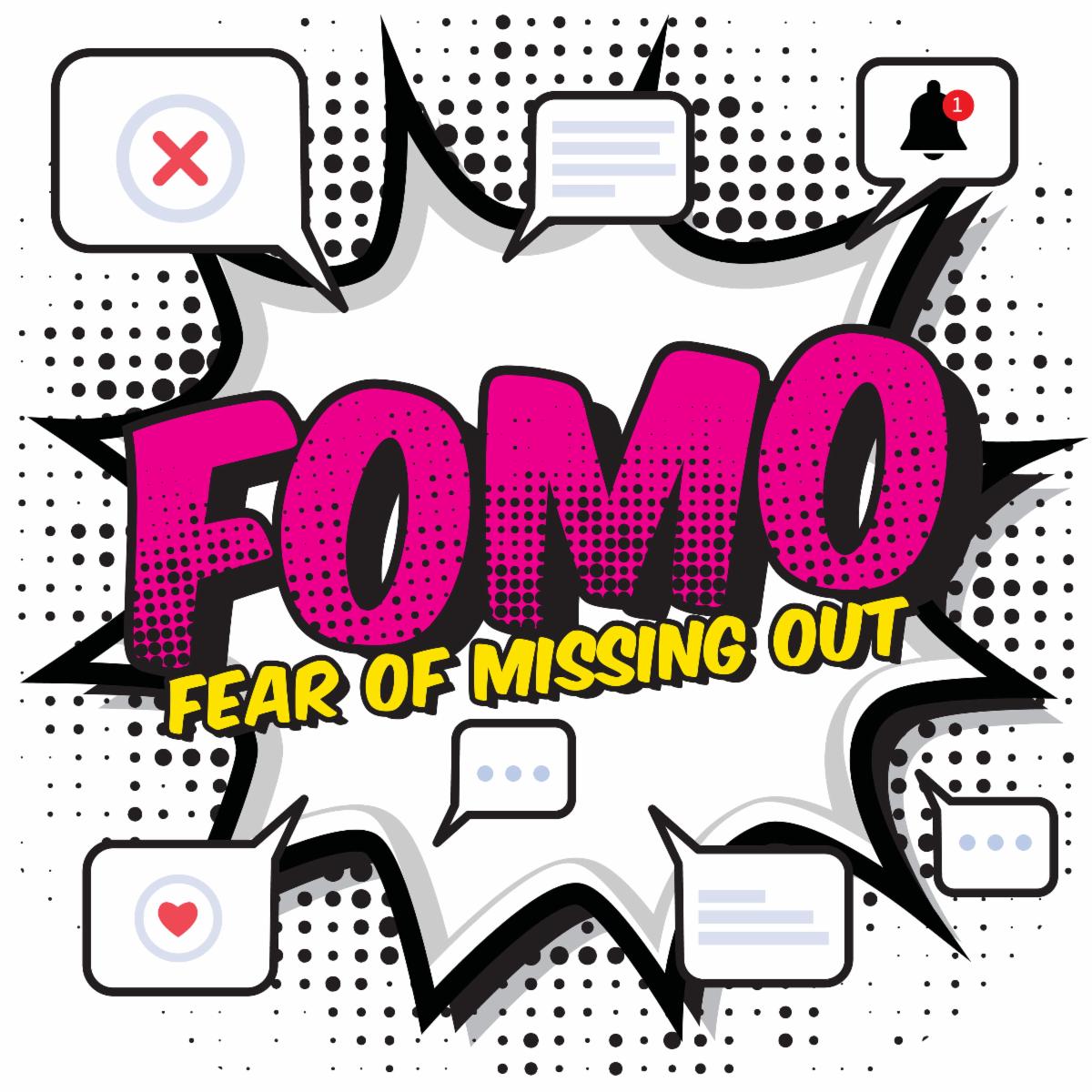
HOW TO TRADE IN YOUR FOMO FOR JOMO

The phrase FOMO, the fear of missing out, has become a staple of our vocabulary, both at work and in life. Fun fact: it was coined by a Harvard Business School student named Patrick McGinnis in 2004 as he tried to convey the sense of overwhelm he was feeling at the time. And it went viral from there…or so the lore goes. 


For years (even before we had a catchphrase for it), FOMO has shaped how we work, and it has arguably become more pronounced in the "always accessible" world that mobile devices have brought. The result? We say yes to meetings we don’t need to attend, join projects we don’t have time for, stay glued to our phones, and remain plugged in long after we should log off. FOMO is like a constant, low-grade anxiety: What if I miss something important? What if this is my BIG chance? 


But there’s a more sustainable alternative: JOMO—the joy of missing out. In a professional context, JOMO isn’t about disengaging and letting apathy take over, but rather about being intentional about how you use your time. It's about recognizing that saying no to the wrong or low-value things is what makes space for the right or high-value ones. 


Think about your typical week. How many meetings you attended could have been covered in an email or left to a colleague? How many chat groups did you participate in that had no bearing on your priorities? How often did you context-switch or multi-task? And did you end your days with a nagging sense that you’d been busy but not necessarily productive? 


JOMO is about flipping the FOMO script. Instead of asking, What might I miss? you ask, What do I gain by opting out? Often, the answer is focus, and that can translate into results.


Think about the highest performing people you know. They’re not the ones who are trying to be everywhere or do everything. They’re the ones who are selective and strategic about where they engage. They protect their time and attention because they understand those are their most valuable resources. 


Missing a meeting might mean gain you an hour of focused work. Opting out of a nonessential project could position you to deliver better results on a critical one. 


Practicing JOMO starts with a few simple shifts: 

  • Audit your commitments and activities. If they don’t clearly tie to your priorities or goals, reduce or eliminate them.  
  • Normalize the “no.” A polite decline is a sign of clarity, not a lack of commitment.  
  • Create focus blocks. Treat uninterrupted time as non-negotiable, and create the right environment for it, without interruptions from others or yourself (put the phone away!) 
  • Let go of feeling like you have to know it all. You don’t need to be looped into everything to be effective. Trust your colleagues to do their part, and stay focused on your own. 


There’s also a mindset shift involved. FOMO assumes that opportunity is scarce and fleeting. JOMO sees opportunity is abundant, but only if you have the capacity to act on it. Ironically, when you stop trying to do everything, you become better at the things that matter most. You show up more prepared, more thoughtful, and more impactful. 


So, the next time you feel that pull to say yes “just in case,” stop and consider what you’ll be trading away, because in today’s always-on work culture, the real competitive advantage might be choosing less, not doing more.


Just one word of caution. Don’t take JOMO too far. You don’t want to be seen as selfish. Don't let it stop you from being a good teammate, supporting your co-workers, and staying focused on how you can support your organization. 


JR and the PathWise team

WHAT’S ON IN OUR MEMBER COMMUNITY

March 30 – Resources: Authenticity. We’re surrounded by fakeness, and arguably, the pressure to be someone we’re not is greater than ever. At the same time, we desperately want to be able to be our true ourselves, and we inherently seek to be around people who are real, not phony. In this context, authenticity can be a true strength, and we’ll dive into that this week. Posts daily on LinkedIn and available in the A to Z Guide in the PathWise Member Community.

March 31 – Podcast: Why So Many Leaders Are Burned Out, and What it Takes to Heal, with Raj Sisodia and Nilima Bhat. Raj (along with former Whole Foods CEO John Mackey) was an originator of the conscious capitalism movement, and Nilima is the leading of shakti leadership, an approach that seeks to balance masculine and feminine power. Together, they have just written the new book, Healing Leaders, and we’ll dive into why so many leaders are broken and what it takes to truly heal.  Available here.

April 2 – Ask Us Anything and Discussion on Authenticity. We’ll be online to take your questions at 10am Eastern. Join us! (requires membership) 

April 6 – Resources: Imposter Syndrome. We all feel like imposters at times: not who people think we are, not worthy of being in our roles, not able to accomplish what’s being asked of us. We’ll dive into those imposter feelings and talk about how you can tame your inner critic. Posts daily on LinkedIn and available in the A to Z Guide in the PathWise Member Community.

April 6 – Office Hours: Organization Politics. In any organization, there are politics. And if there are politics, you need to learn how to navigate them. Join us for tips on how to do that without upending your values or selling your soul! Register here.

April 7 – Podcast: What Leaders Get Wrong About Performance and Teamwork, with Jon Levy. Jon is a behavioral scientist, journalist, and author who has studied what drives team performance, organized a unique influencer community, and traveled to some of the world’s most iconic events (and nearly gotten himself killed in the process.) We’ll cover it all in our discussion. Available here.

April 9 – Ask Us Anything and Discussion on Imposter Syndrome. We’ll be online to take your questions at 10am Eastern. Join us (requires membership).

April 13 – Resources: Board Roles. As we progress through our careers, many of us aspire to serve on a board, whether a for a for-profit or non-profit institution. We’ll cover the different types of board roles, what it takes to get onto a board, and how to be successful in the role. Posts daily on LinkedIn and available in the A to Z Guide in the PathWise Member Community.

April 13 – Office Hours: Cognitive Biases. All of us fall prey at times to cognitive biases - mental habits and shortcuts that get in the way of our making good choices. Ground breaking work in this area has affected how almost every industry operates today. We'll cover these psychological traps and how you can learn to spot them in yourself and others, using them to help guide your decision making and influence negotiations.! Register here.

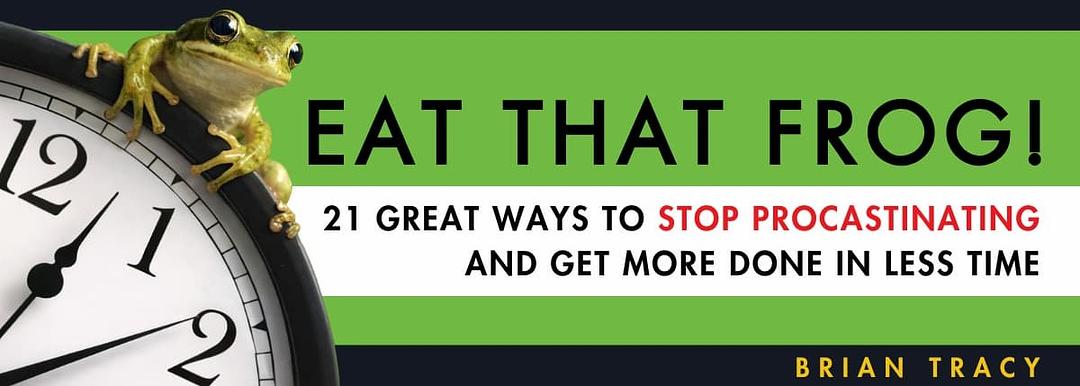
April 15 – Book Summary: Eat That Frog, by Brian Tracy, presented by PathWise’s Daniela De Luca. Brian Tracy has written a lot of books, and here’s the premise of this one: You can dramatically increase productivity and effectiveness by identifying the most important and challenging task each day, and tackling it first, before anything else distracts you. Tracy covers 21 tips for eating that frog, and Daniela will summarize them for you. Available here. (Video summary will be posted by April 15)

If you haven’t signed up yet for our new member community, now is your chance! You can keep your free membership or upgrade to one of our paid member tiers. Sign up here.


Know others who need career support – and don’t we all? Send them this newsletter and encourage them to check us out!


And please give us your feedback, on this newsletter and PathWise more generally! You can drop a suggestion in the Suggestion Box in the new member community or email us at info@pathwise.io.

STAY CONNECTED:

follow us on:

Facebook  Instagram  LinkedIn  TikTok  YouTube

About Us | Contact Us | Privacy Policy