View as Webpage


SciStarter Newsletter − June 2026

Keep curious minds active this summer, while helping scientists answer real-world questions.


Summer is a great time to explore, but it can also bring the "summer slide" when students lose some of the academic skills they gained during the school year. Citizen science offers a fun way for kids and adults to stay engaged, build new skills, and contribute to real scientific research.

Scientists need data. Your observations can help researchers study pollinators, wildlife, mosquitoes, light pollution, and more.


Every project below makes it easy to learn something new while making a meaningful contribution. Research shows that when projects are designed to support learning, the science improves, too!


Cheers!

The SciStarter Team


PS: Coming in 2027! The Educator's Guide to Citizen Science: Engaging Students as Change Makers from Harvard Education Press, co-authored by SciStarter founder Darlene Cavalier and colleagues. The book includes a new online training, digital badge and companion microsite for K-12 educators.

SciStarter Education

Looking for citizen science projects organized by grade level? Visit SciStarter.org/Education to find projects, trainings, and resources for classrooms, libraries, camps, and at-home learning.


If you're looking for inspiration, our friends at CitSci.org wrote a blog post with case studies from educators from around the world.


Location: Global

Seek

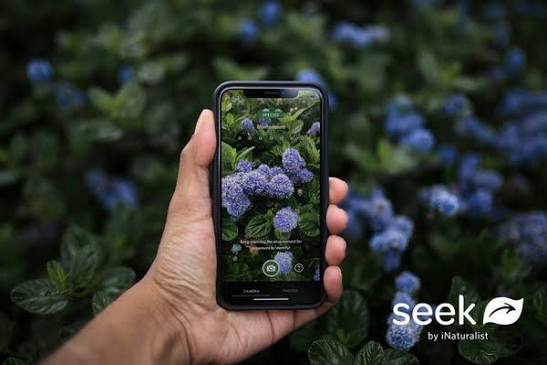
Seek by iNaturalist is a free, kid-safe app that helps young explorers identify plants, animals, fungi, and more using a smartphone camera. No account is needed, making it a safe place to practice species ID, observation, and other citizen science skills.


Location: Global

The Great Sunflower Project

Join the world's largest project focused on protecting pollinators: 100,000 participants and counting! Volunteers are asked to find any plant (like a sunflower), observe it for five or more minutes, record all pollinators (like bees or butterflies) that visit, and report the data online. Educator materials for this project include a "Color and Learn" worksheet that is fun for all ages.


Location: Global

Kelp Quest

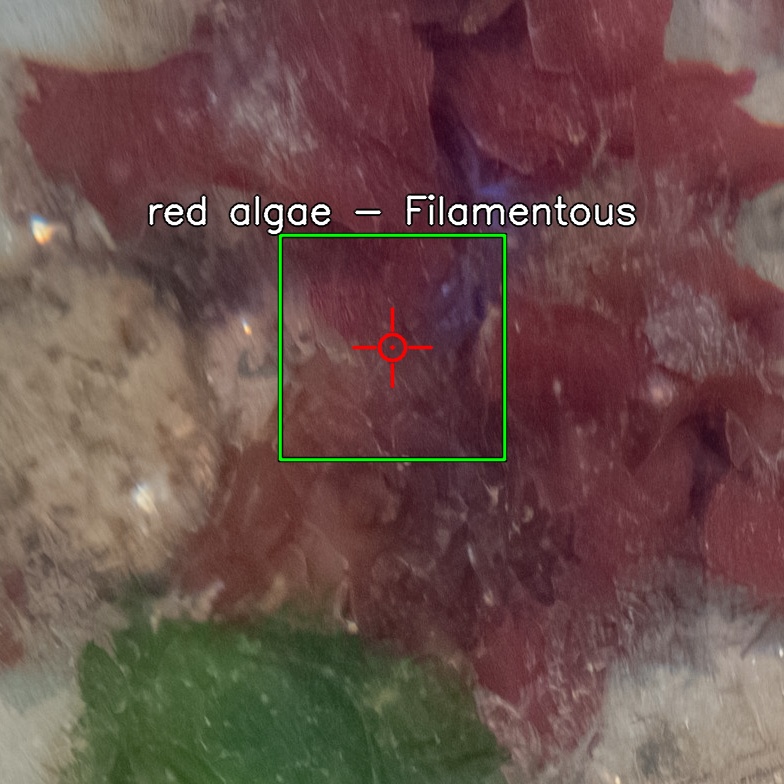
From anywhere in the world, explore Washington’s underwater forests by checking whether AI correctly identified kelp, algae, and seafloor features in real research images. Your clicks help Seattle Aquarium scientists improve machine learning tools for kelp conservation, making this a great fit for learners who want to investigate the seas.


Location: Global

GLOBE Observer: Mosquito Habitat Mapper

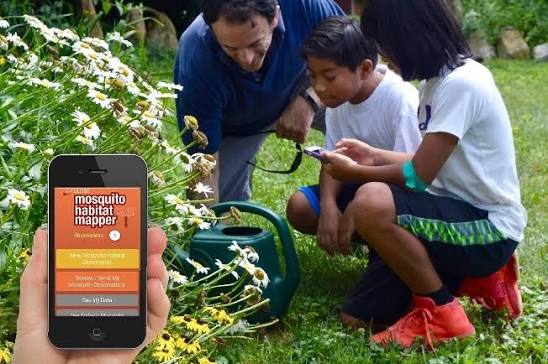
Use a free app to report standing water and possible mosquito habitats for NASA. Want to go further? The EMERGE curriculum teaches people of all backgrounds how to code and analyze Mosquito Habitat Mapper data.


Location: Global

Globe at Night

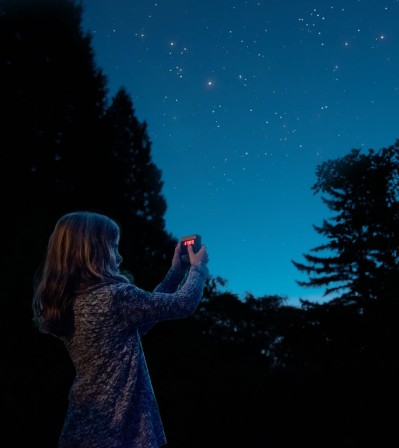
Step outside after dark, compare what you see in the night sky to simple star charts, and report your observations to Globe at Night. It only takes a few minutes, and your data helps scientists track light pollution around the world.


Now celebrating 20 years of public participation, Globe at Night has helped researchers better understand how artificial light affects our view of the stars, wildlife, energy use, and human health.


Plus, Globe at Night has a bunch of materials for educators!


Location: Global

SciStarter + Summer Reading


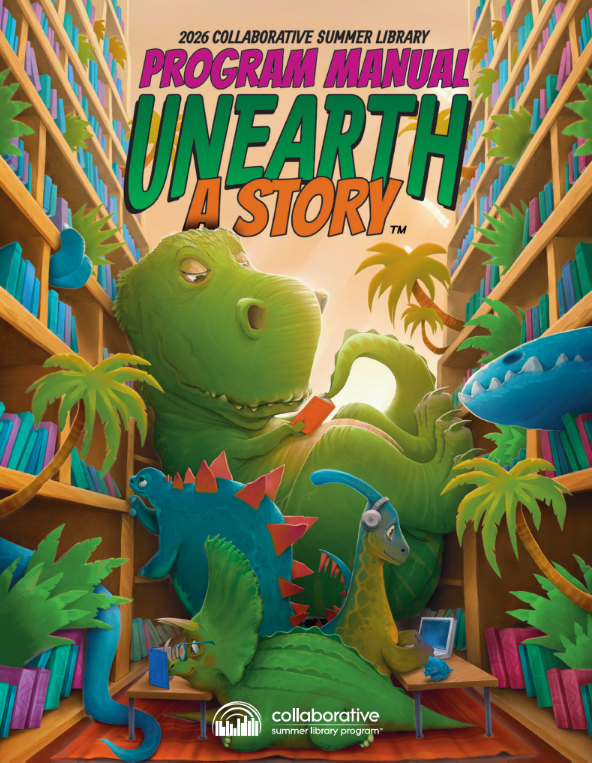
Turn summer reading into summer discovery! SciStarter and the Collaborative Summer Library Program created summer programs, with project ideas, trainings, slides, event recipe cards, and other ready-to-use resources . Visit your local library and ask about citizen science projects featured in Unearth a Story.

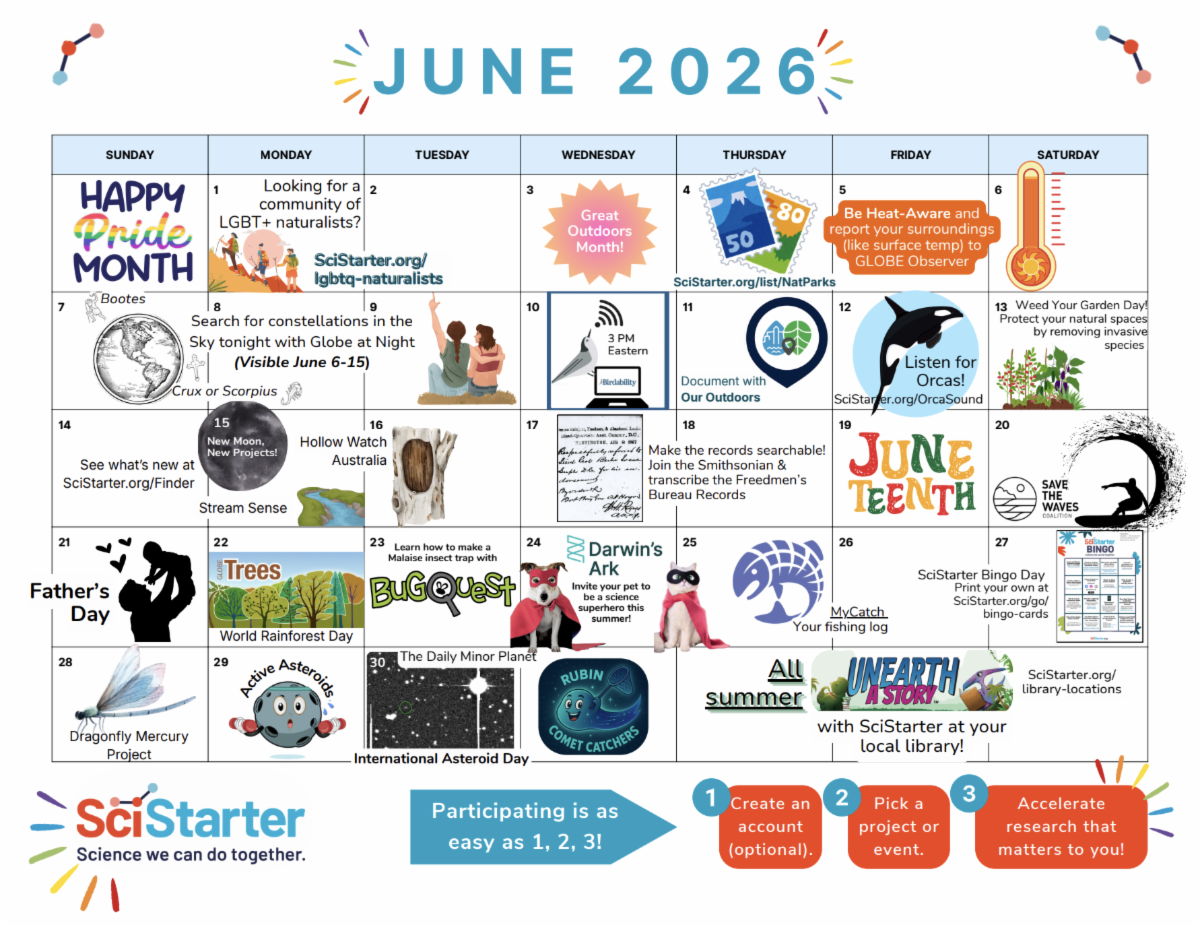
June is packed with events and programs!

Click here to explore and print the calendar.


New projects & events featured on SciStarter


...and thousands more featured on the project finder and the event finder! Find an online or local project or event near you.

Eat Popcorn for Science


Researchers at The Omentum Project are seeking eligible women living without an omentum for a study on how the body processes salty foods, like popcorn.


Participate by June 30 and $25 will be donated on your behalf to an ovarian cancer nonprofit.

X Share
LinkedIn Share