| |  | Support NICOA with a gift to help us continue our mission! | |
Bridging the Gap: The Vital Role of NICOA’s Technical Assistance and Resource Center (TARC) | |
Albuquerque, New Mexico - As the population of American Indian and Alaska Native elders grows, so does the complexity of the challenges they face. For years, NICOA has recognized that while services exist, they are often fragmented, disorganized, or lack the cultural sensitivity required to truly serve our communities.
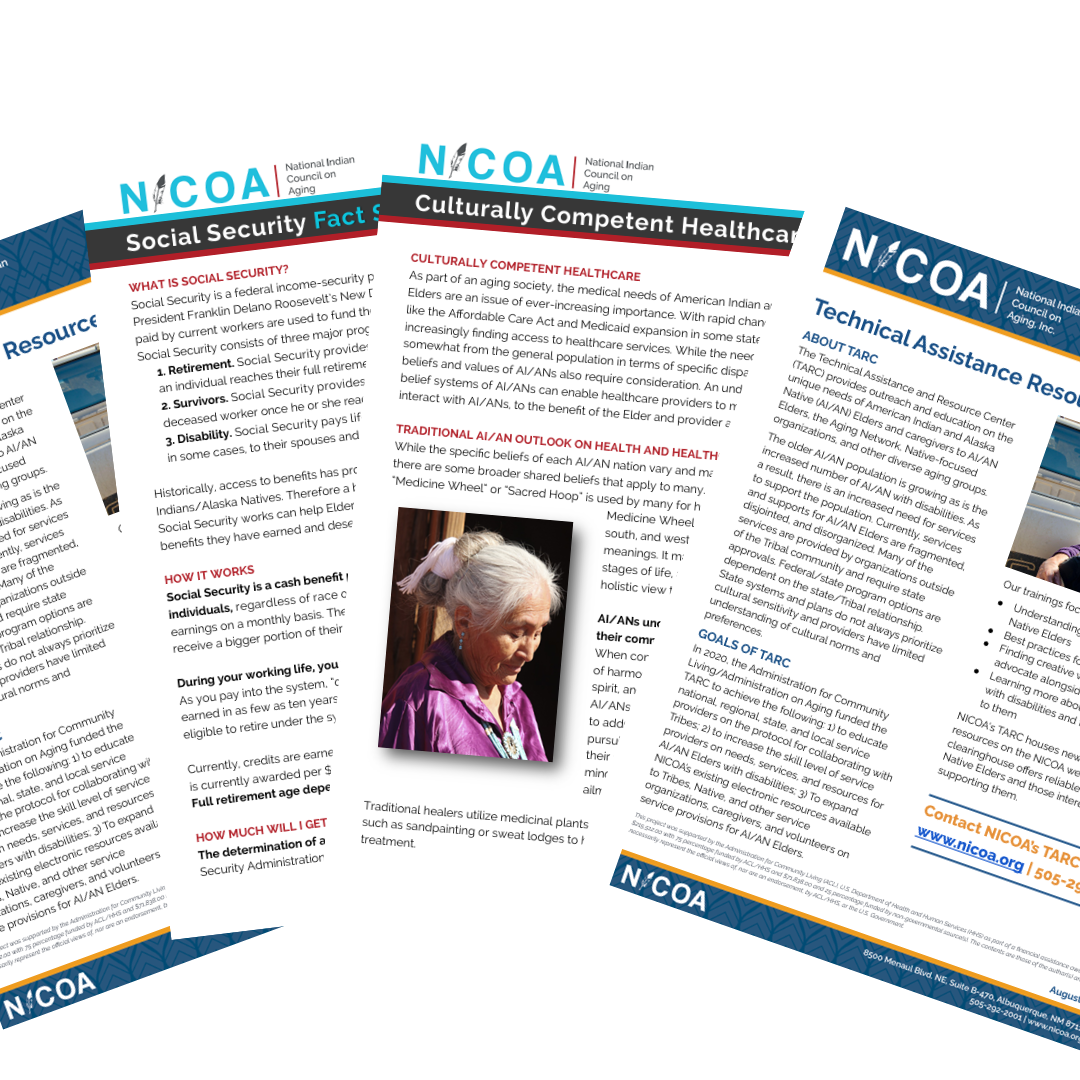
This is where the Technical Assistance and Resource Center (TARC) steps in. Established in 2020 with funding from the Administration for Community Living, TARC serves as a bridge between the Aging Network and our tribal communities.
Building a Foundation of Knowledge
TARC was built with a clear mission: to educate service providers on tribal protocols, increase awareness of the needs of elders with disabilities, and expand the digital resources available to those who care for our people.
Since its inception, TARC has transformed how NICOA disseminates information:
-
Expert-Led Webinars: Our webinar series has reached thousands, covering essential topics from comprehensive health and social services to economic well-being and elder justice. Continue to read our newsletter to see our 2026 Spring Webinar Series (register today).
-
Cultural Sensitivity Training: We have worked tirelessly to ensure that national and local service providers understand the unique cultural norms and preferences of Native elders.
-
In-Depth Fact Sheets: TARC has produced a library of fact sheets that simplify complex federal and state program options, making them accessible to caregivers and tribal leaders alike.
We encourage all NICOA members, caregivers, and advocates to revisit the wealth of information TARC has cultivated. These aren't just documents—they are tools designed to empower our communities and ensure no elder is left navigating a "disjointed" system alone.
Whether you are looking for guidance on collaborating with tribes or need specific data on elder disabilities, the TARC resource library is your first stop for advocacy and education.
| This project is supported by a grant from the U.S. Department of Health & Human Services, Administration for Community Living/Administration on Aging, ' National Minority Aging Organizations Technical Assistance Consortium: Native American Center Supporting Aging' Grant # 90HDRC0013. | | | |
Advocacy in Action: Supporting Native Elders in Santa Fe | |
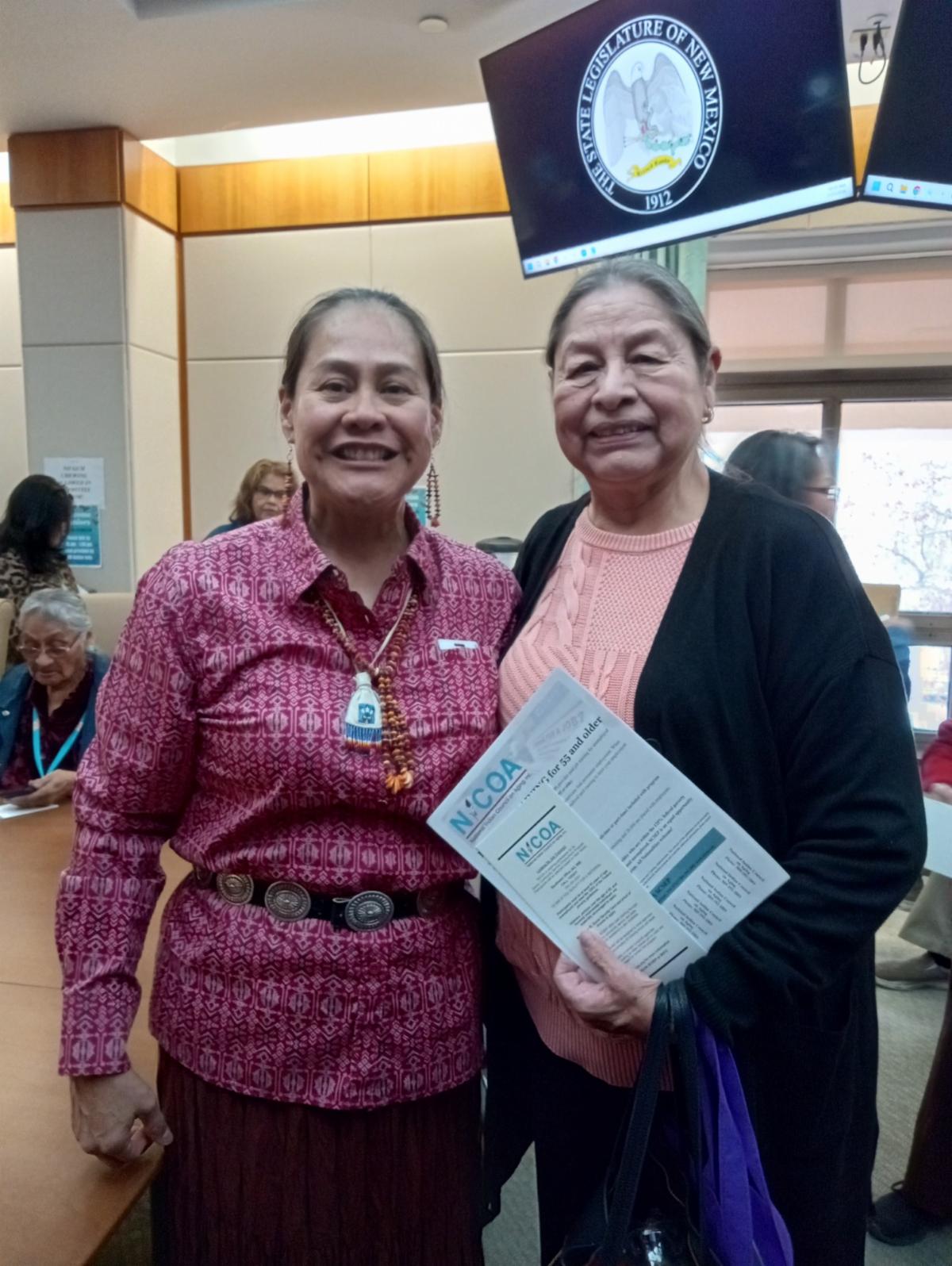
Santa Fe, New Mexico – February, NICOA headed to the Roundhouse in Santa Fe to ensure the voices of Native American elders were front and center during two pivotal legislative events. At Senior Day at the Legislature (February 13), hosted by the NM Aging and Long-Term Services Department, NICOA joined advocates and policymakers to celebrate the vital role seniors play in shaping our state’s future. The event provided a powerful platform to discuss aging-well initiatives and the critical resources needed to support New Mexico’s aging population.
NICOA also participated in American Indian Day at the Legislature, an annual observance organized by the NM Indian Affairs Department. This year’s gathering was especially significant, as it coincided with the state's first-ever Maternal Health Day. Tribal leaders, including Navajo Nation President Buu Nygren, joined advocates to address health equity and the enduring contributions of Native Nations to New Mexico's governance.
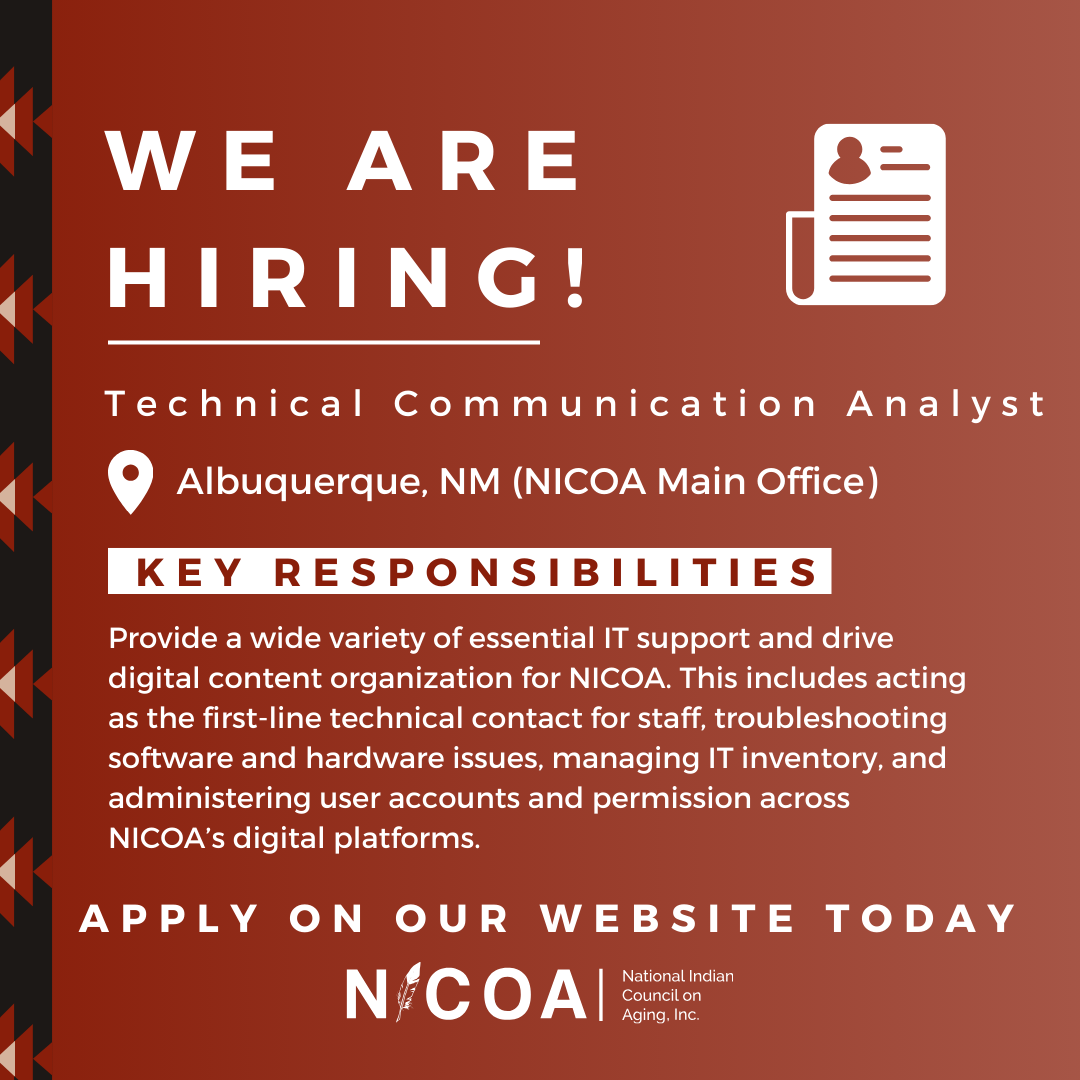
Throughout both events, NICOA’s Executive Director and staff were on-site, tabling and connecting directly with the community. We were proud to disseminate information on our Senior Community Service Employment Program (SCSEP) and the Technical Assistance and Resource Center (TARC), providing elders and their families with the tools and programs they need to thrive.
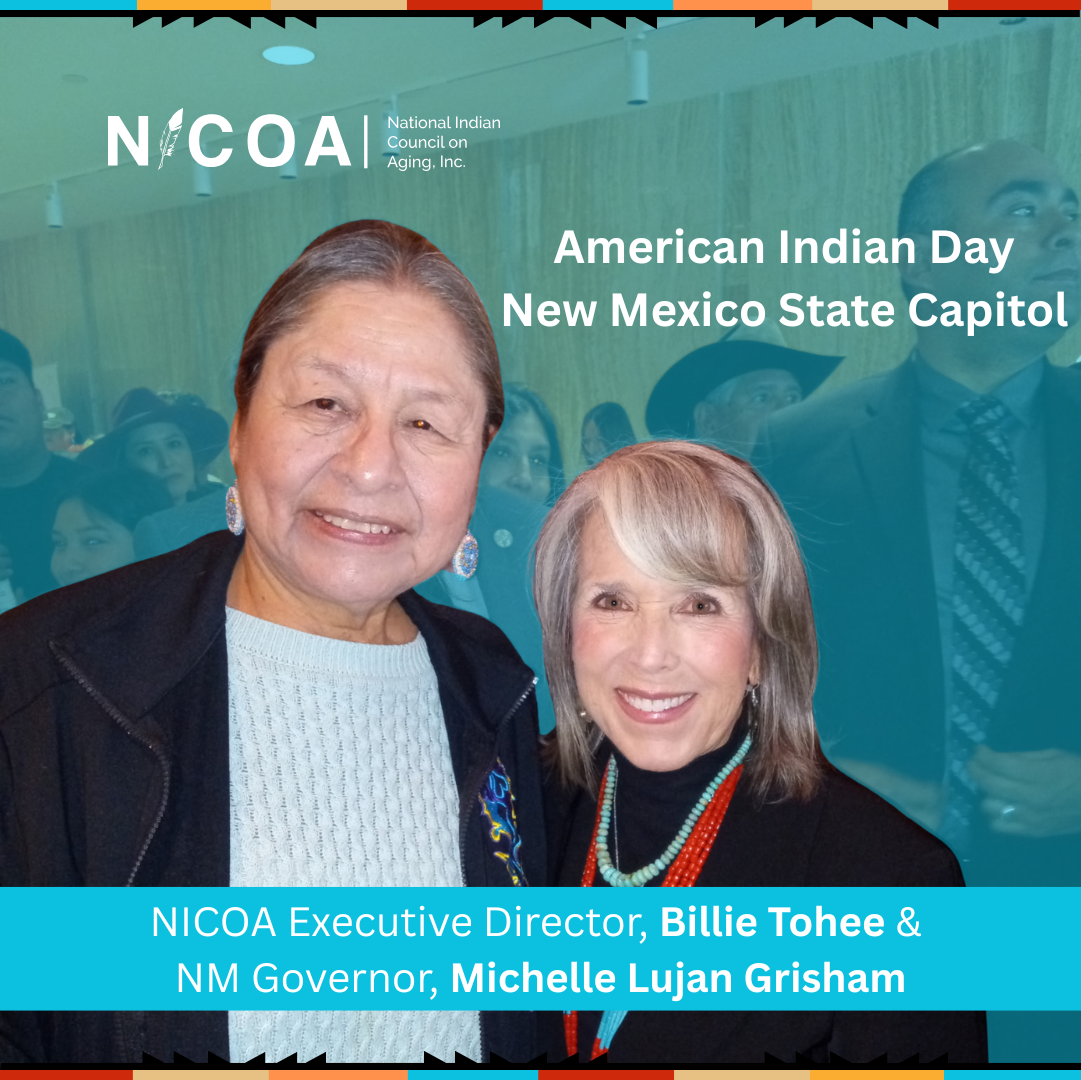
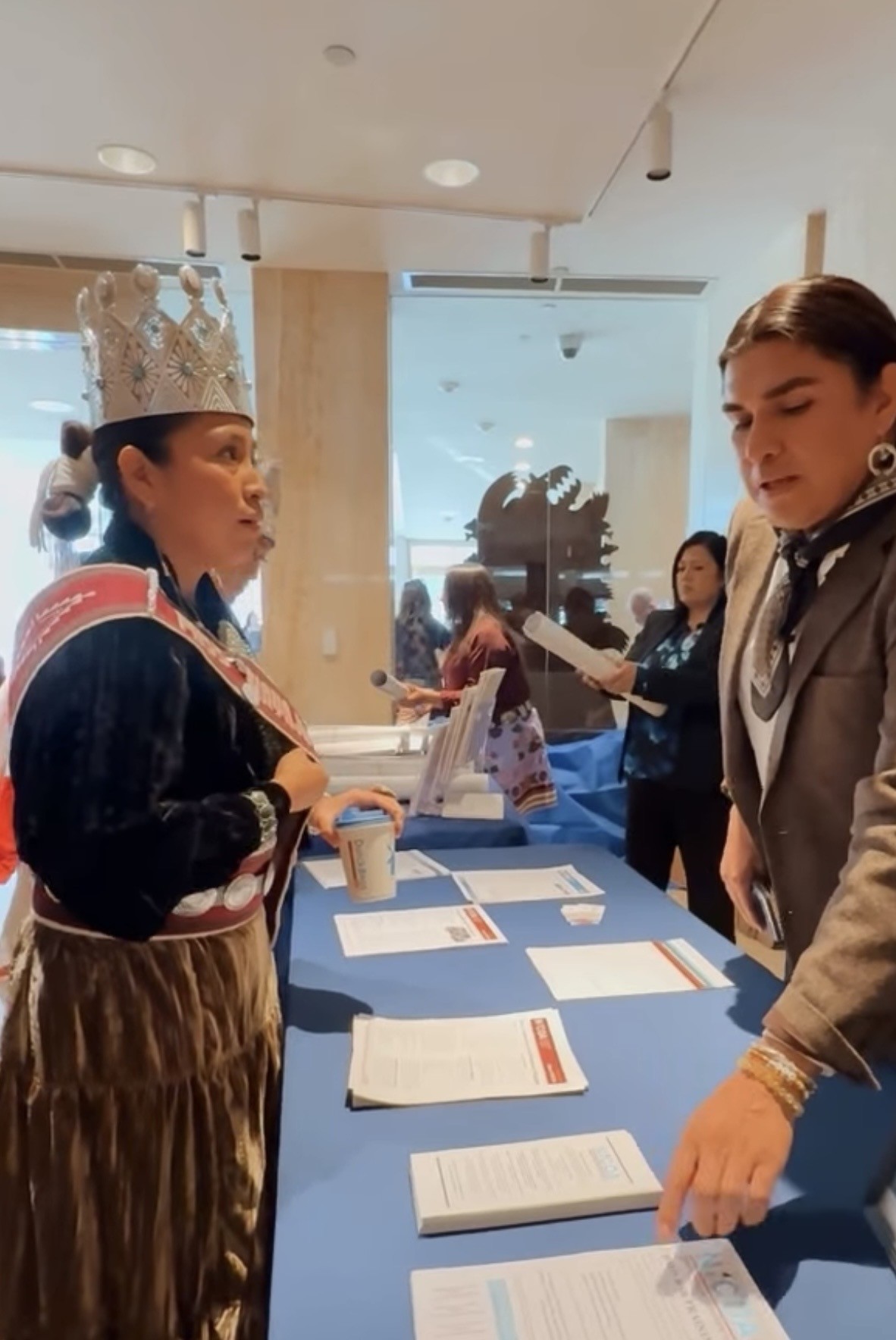
| NICOA Executive Director, Billie Tohee, with New Mexico Governor, Michelle Lujan Grisham, at the 2026 American Indian Day at the Legislature. | NICOA TARC Project Coordinator, Scott Willie, with Navajo Nation - Miss Navajo 2025-2026, Camille J Uentillie, at the 2026 American Indian Day at the Legislature. | NICOA Executive Director, Billie Tohee, with New Mexico Senator, Shannon Pinto, at the 2026 Senior Day at the Legislature. | | | |
Advocacy in Action: Supporting Native Elders in Santa Fe | |
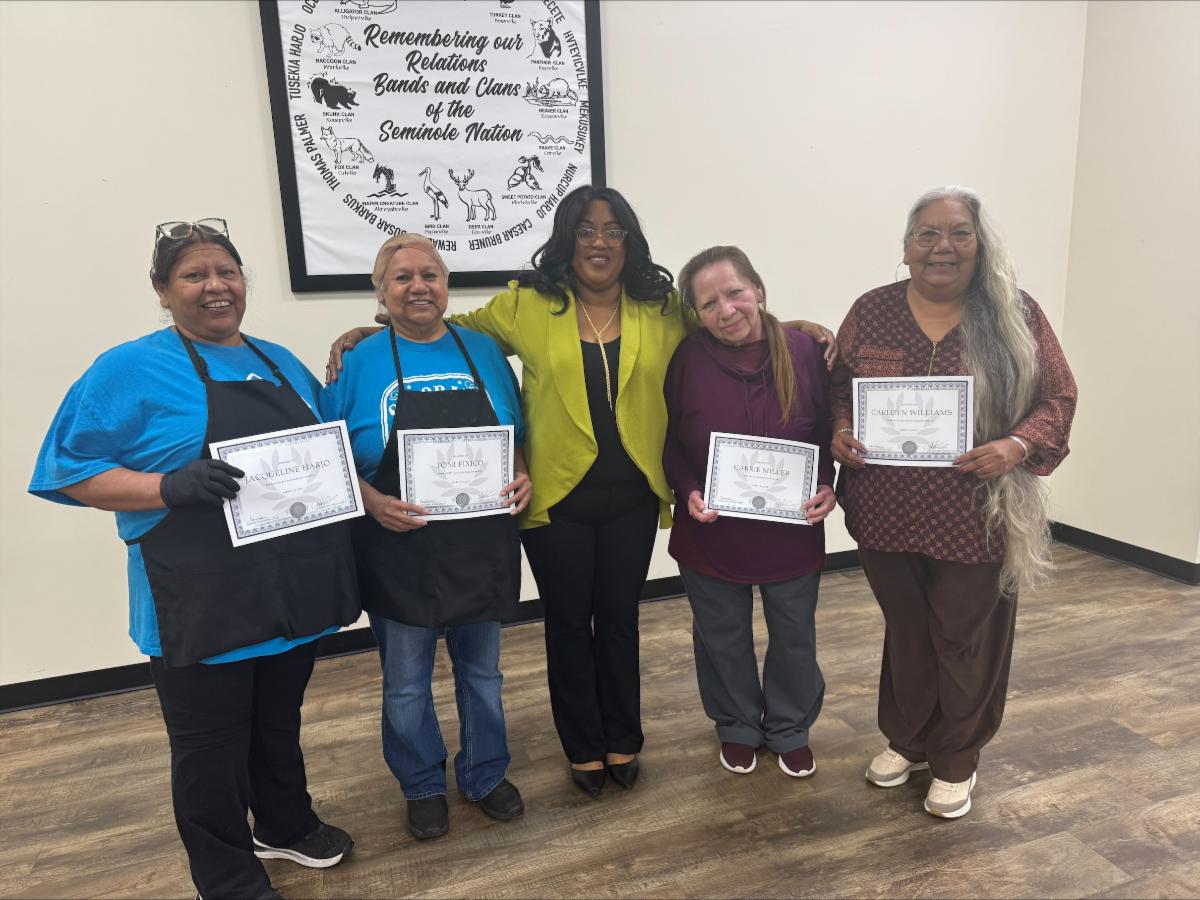
On March 13, 2026, Central Region Job Developer Carolyn Sims and Program Manager Lakeshia Cade conducted site visits across Seminole County to strengthen partnerships and highlight the impact of SCSEP host sites.
The first stop was the Seminole Nation Food & Distribution Center, where staff provided a tour of operations supporting healthy food access for the community. SCSEP jobseekers assist clients in selecting nutritious items such as fresh produce while also sharing educational resources on healthy living. The center also offers popular cooking classes for seniors, featuring a fully equipped classroom with individual stations for participants.
Next, the team visited the Seminole Nation Office Older American Program (OAP), which serves over 150 seniors daily. SCSEP jobseekers in roles such as kitchen assistants, receptionist assistant, and custodial assistant are gaining valuable hands-on experience and performing exceptionally well. Each participant was recognized with a Certificate of Appreciation for their dedication and service.
During the visit, Director Jaelin Jones shared opportunities to expand SCSEP outreach in the area, including an invitation to participate in the Seminole Tribal Fair on April 25, 2026. Additional partnership opportunities were also discussed to help extend services to more seniors in surrounding communities.
The final visit took place at the Seminole Nation Museum, where SCSEP jobseeker Robert Colbert Jr. was recognized for his outstanding performance. His supervisor praised his professionalism, strong work ethic, and attention to detail, noting his positive impact on daily operations.
Certificates of Appreciation were presented to all jobseekers, and Certificates of Outstanding Community Partnership were delivered to host site supervisors. The visits were a success, showcasing strong collaboration, meaningful training opportunities, and continued commitment to serving the community.
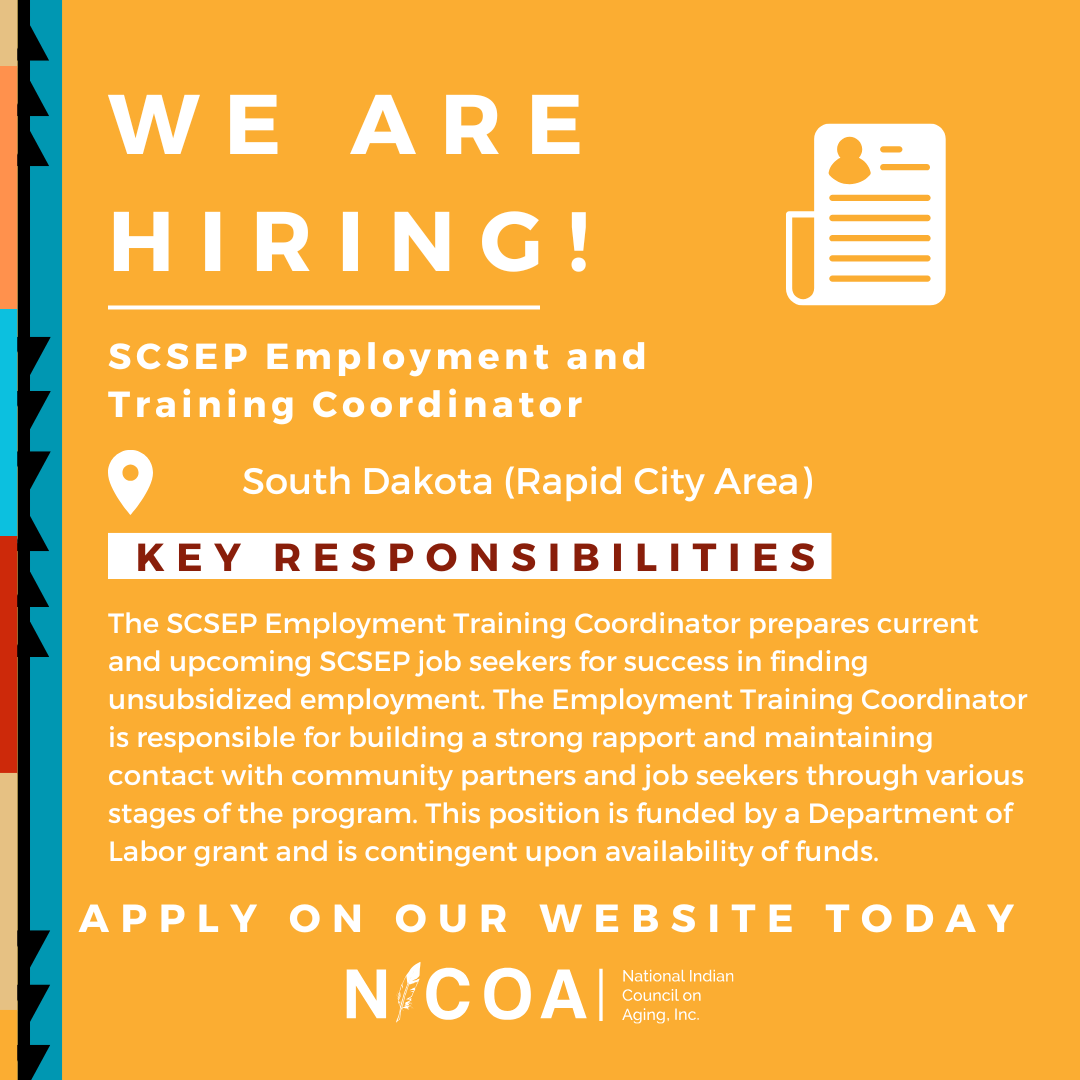
If you or anyone you know can benefit from SCSEP, please contact us at 505-292-2001 or www.nicoa.org. NICOA administers SCSEP in seven states, including, Arizona, Minnesota, New Mexico, North Dakota, Oklahoma, South Dakota, and Wisconsin.
| | | |
Voices of Longevity: Turning Data into Action for Oklahoma Elders | |
Durant, Oklahoma – Words from June Kao, Senior Audience Strategy Manager, AARP, Office of Diversity, Equity, and Inclusion, "AARP and AARP OK have been collaborating on a study with the Association of American Indian Physicians (AAIP) on why the mid-life life expectancy among AIAN people living in Oklahoma, decreased 2.4 years (from 78.2 years to 75.8 years) between 2000 and 2019. To engage Native American elders from Oklahoma, AARP hosted a listening session workshop of the current research and data during breakout session of the National Indian Council on Aging national conference (NICOA) in Durant, OK. The workshop was moderated by Sr. Associate State Director Mashell Sourjohn, Dr. Patrik Johansson, Washington State University, Dr. Arti Varanasi, Advancing Synergy CEO, Kim Sysiwang, Advancing Synergy, Dr. Erwin Tan, AARP Thought Leadership, and Tewanna Edwards, AARP Volunteer.
Participants provided valuable insights, were engaged in the process and stated each expressed their gratitude for “a national organization putting together a thoughtful and meaningful research project that has potential to make real positive change in our elders lives.” One elder stated the next day, “All of the Absentee Shawnee tribal citizens got together for dinner afterwards and we discussed how powerful and thoughtful the study is, and yesterday’s workshop has been the most beneficial workshop of the entire conference. We all felt like we walked away with something and food for thought how we can make a difference in our community.”
AARP also engaged 200 conference attendees with a listening post asking participants, “What program currently exists or needs to exist in your community that would improve longevity among AIAN Elders 50+. Throughout the conference AARP was recognized for our partnerships, resources, and AIAN focused events."
This collaboration is deeply aligned with NICOA’s core mission to advocate for the health, social services, and economic well-being of American Indian and Alaska Native (AIAN) elders. By providing the platform for this workshop at the national conference, NICOA facilitated a vital link between high-level academic research and the lived experiences of tribal citizens with AARP and Association of American Indian Physicians (AAIP).
The study’s focus on the 2.4-year decrease in life expectancy directly addresses the health disparities NICOA works to eliminate. The overwhelming engagement from conference attendees, including the profound feedback from Absentee Shawnee tribal members, demonstrates NICOA’s unique ability to bridge the gap between national organizations like AARP and the community-level insights needed to create "real positive change." This partnership ensures that research isn't just a collection of numbers, but a catalyst for community-led solutions that improve longevity and quality of life for all elders.
NICOA would like to 'Thank' AARP for their partnership and sponsorship of our 2025 Biennial American Indian Elders Conference.
| | | | |
Become a NICOA Member:
2025-2027 Membership Available
| | |
Do you want to improve aging services for American Indian and Alaska Native elders?
If so, become an advocate and learn more about supporting Native elders! NICOA is the premier organization on Native aging, and we invite you to become a member. Anyone can become a member, regardless of their age.
All elders are encouraged to join and have their voices heard. Be an important part of a national membership network and become a NICOA member by applying today.
Memberships are up for renewal on December 2, 2027.
| | TARC 2026 Spring Webinar Series | |
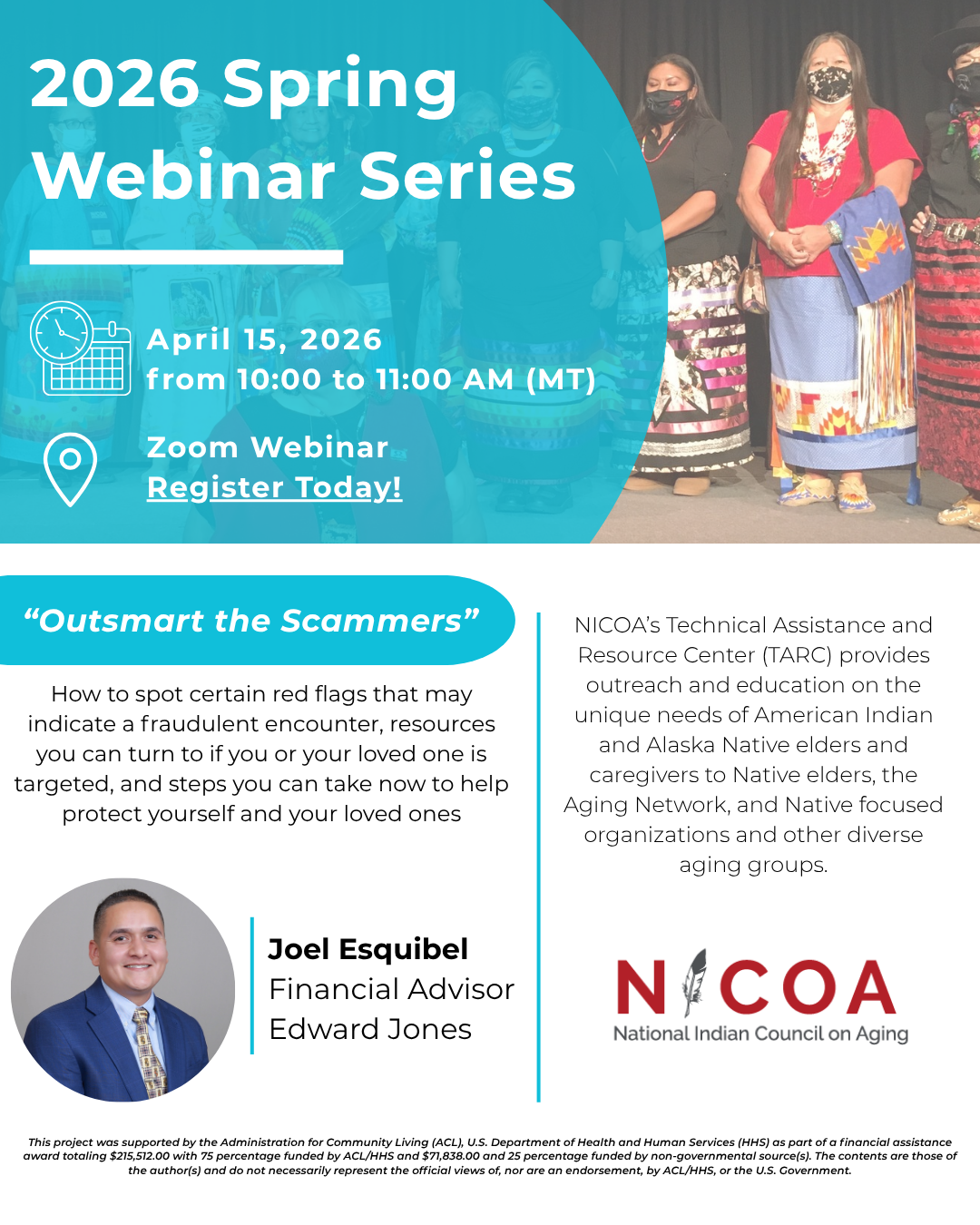
Preparing for the Unexpected: Outsmart the Scammers
|
April 15, 2026
10:00 - 11:00 AM (MT)
Zoom Webinar
Joel Esquibel, Financial Advisor with Edward Jones
During this presentation, we’ll discuss how to spot certain red flags that may indicate a fraudulent encounter, resources you can turn to if you or your loved one is targeted, and steps you can take now to help protect yourself and your loved ones.
Register for this webinar by clicking the "Register here."
| | | |
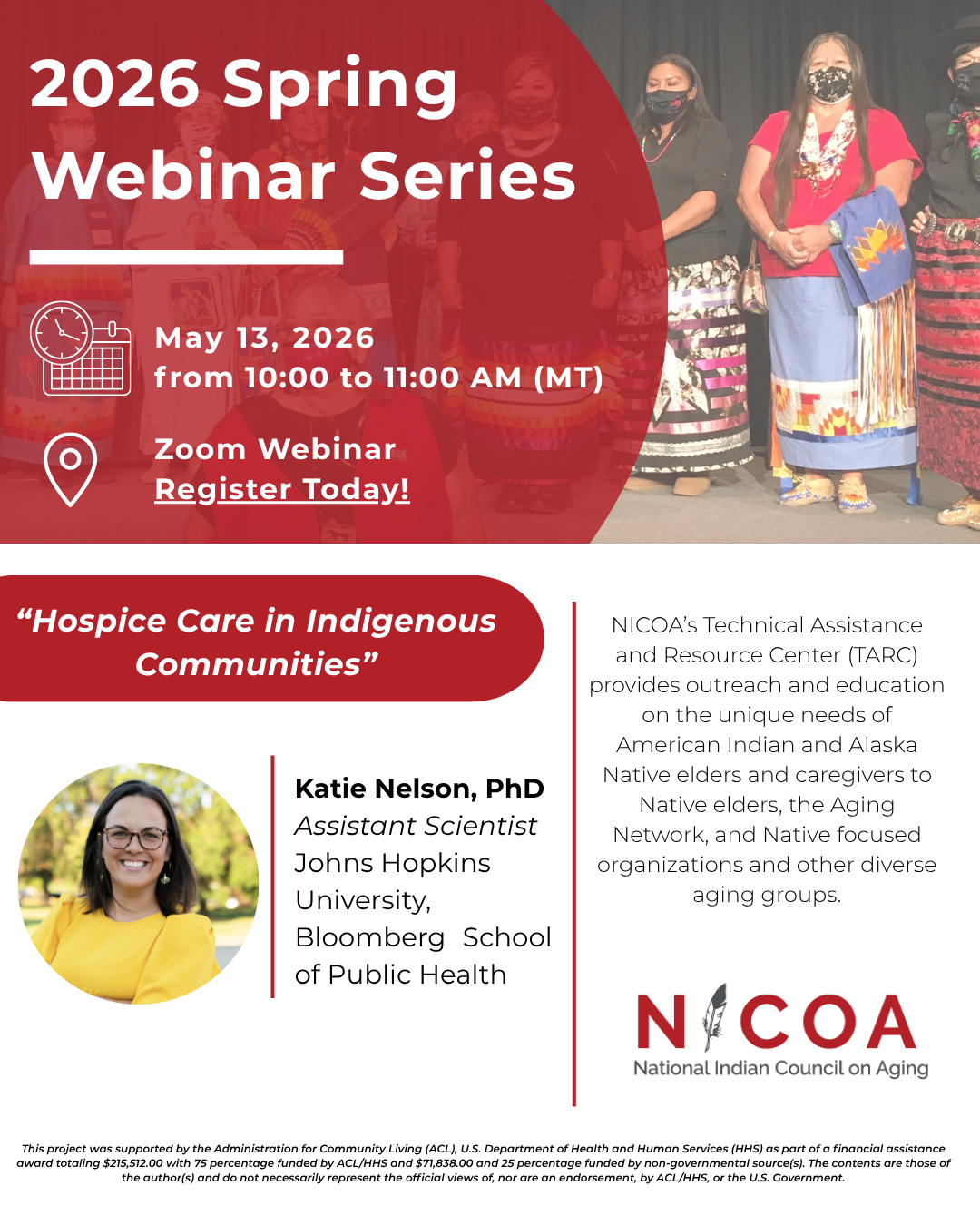
Hospice Care in Indigenous Communities |
May 13, 2026
10:00 - 11:00 AM (MT)
Zoom Webinar
Katie Nelson, PhD, MSN
Assistant Scientist with
Johns Hopkins University, Bloomberg School of Public Health
Learn more about palliative & hospice care through holistic support and understand the systemic barriers and diverse worldviews that dictate how patients experience serious illness.
Register for this webinar by clicking the "Register here."
| | | |
Recent Tribal Newsletters | | | |
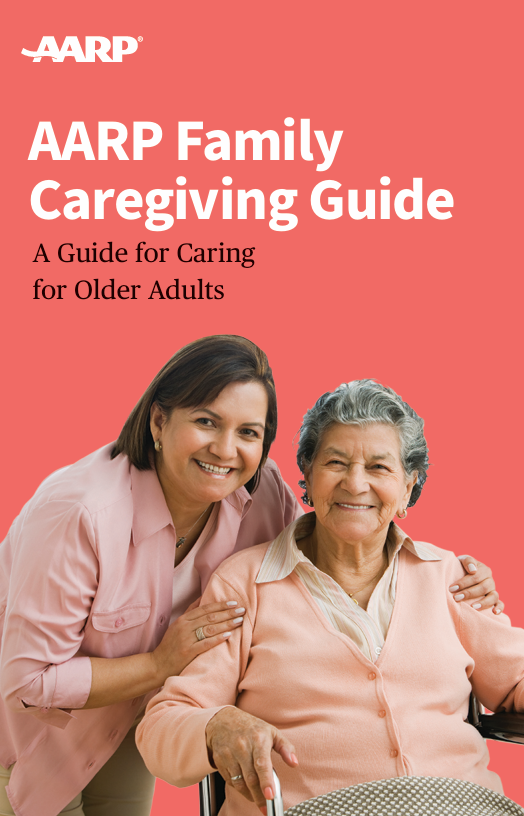
Nurturing the Spirit of Caregiving: A Practical Guide for Our Families |
 | | At NICOA, we understand that caring for an elder or a loved one is one of the most significant and sacred roles within our communities. To support you on this unique journey, we are highlighting a comprehensive caregiving framework designed to help families navigate the complexities of long-term support with confidence and grace. This guide encourages caregivers to begin with heart-to-heart conversations, ensuring our elders maintain control over their own lives while we assess their evolving needs—from financial and legal protections to physical health and home safety. By using these tools to organize medical histories, evaluate daily abilities, and explore supportive technologies like telehealth, you can transition from reactive care to proactive planning. Remember, caregiving is a team effort; we encourage you to build a "puzzle" of support that includes family, friends, and professional resources, ensuring that both the caregiver and the elder are honored and sustained throughout the journey.
| | | |
Bridging the Gap: Culturally Grounded Dementia Care for Indigenous Families |
| | |
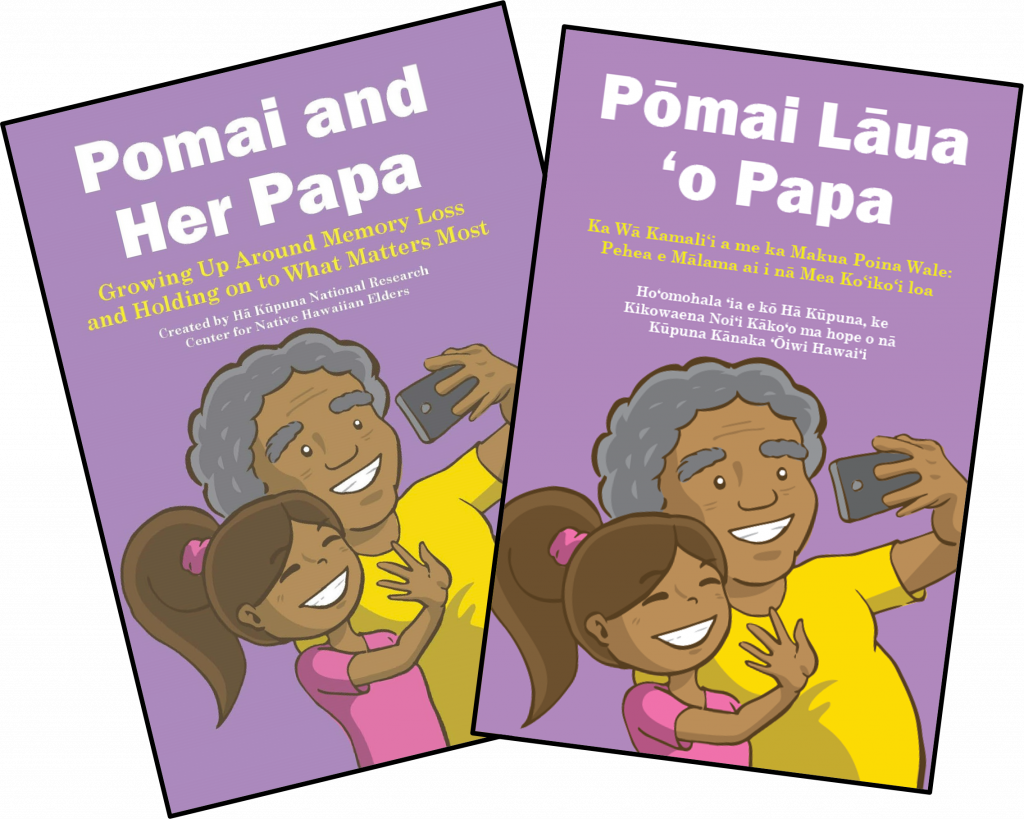
The children’s storybook Pōmai and Her Papa, a 32-page storybook that helps children understand Alzheimer’s disease, has been adapted into a new animated video. The story follows Pōmai, a young girl learning to support her Papa (grandfather) as he experiences memory loss, offering a gentle, culturally grounded way for families to start conversations about dementia. The storybook was first released by the University of Hawaiʻi at Mānoa in 2019 and translated into ʻōlelo Hawaiʻi in 2025, the story has reached children and caregivers across the islands. The animation was developed by the Hā Kūpuna National Resource Center for Native Hawaiian Elders, housed in the Thompson School of Social Work & Public Health at the University of Hawai‘i. It brings the storybook to life with vibrant visuals, expressive characters and narration voiced by Hā Kūpuna team members. We hope the book and video will open conversations between children, parents and elders in Hawai‘i about dementia in a cultural and age-appropriate way. Digital copies of the Pōmai books in English and Hawaiian are freely available at https://manoa.hawaii.edu/hakupuna/pomai-and-her-papa/
| | | |
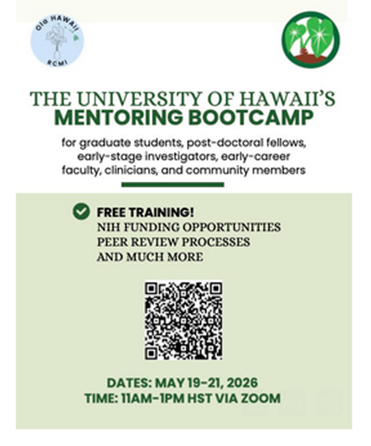
Interested in learning more about writing NIH grant applications? The University of Hawai‘i is hosting a FREE 6-hour, Zoom-based Mentoring Bootcamp event in May 2026. | |
Six hours of Bootcamp sessions will be offered on May 19, May 20, and May 21 for 2 hours each day. Sessions start at 11am in Hawai‘i, which is 5pm EDT. Each of the 6 sessions lasts 60 minutes, and sessions can be taken individually. Topics include NIH funding opportunities, the NIH grant structure, the NIH peer-review process, mentor- mentee relationships, meaningful community engagement in research, and human subjects research. More information can be found at this registration link. https://redcap.jabsom.hawaii.edu/redcap/surveys/?s=CAMWLEDRNFYY3N9W
| | | |
Brain Health and Wellness Webinar Series | |
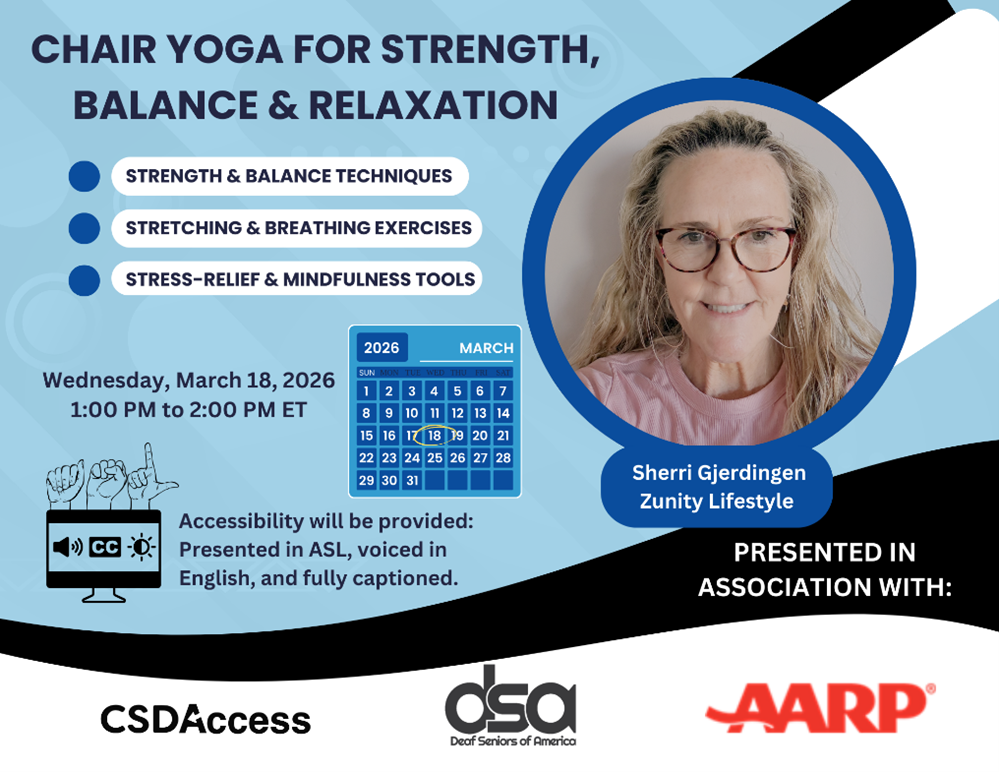
Hosted by Deaf Seniors of America and Presented in Association with AARP:
- March 18, 2026 from 1:00 - 2:00 PM (ET), Chair Yoga for Strength, Balance & Relaxation by Sherri Gjerdingen, Click here to register.
- April 30, 2026 from 2:00 - 3:00 PM (ET), Sleep, Memory, and Aging Brain: Why? by Dr. Jaime Wilson, Click here to register.
| | | |
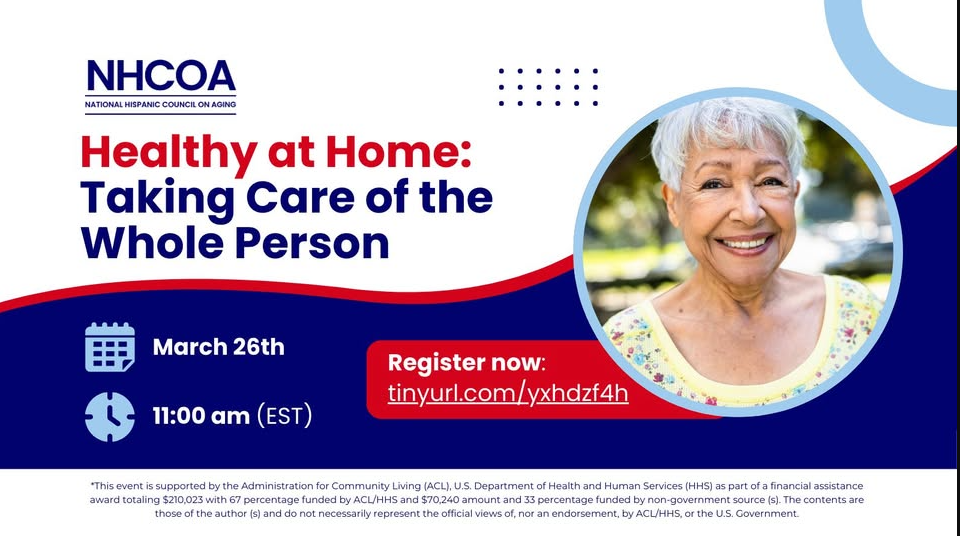
Healthy at Home: Taking Care of the Whole Person Webinar announcement | |
Hosted by Diverse Elder Coalition and Presented with the National Hispanic Council on Aging:
Organization name: NHCOA
Event title: Healthy at Home: Taking Care of the Whole Person
Summary of event: NHCOA's webinar “Healthy at Home: Taking Care of the Whole Person" will explore how nutrition, mental health, #caregiving support, and community resources enhance the well-being of #olderadults and caregivers. Join us to gain insights that can support you and your loved ones.
Register now: tinyurl.com/yxhdzf4h
| | | |
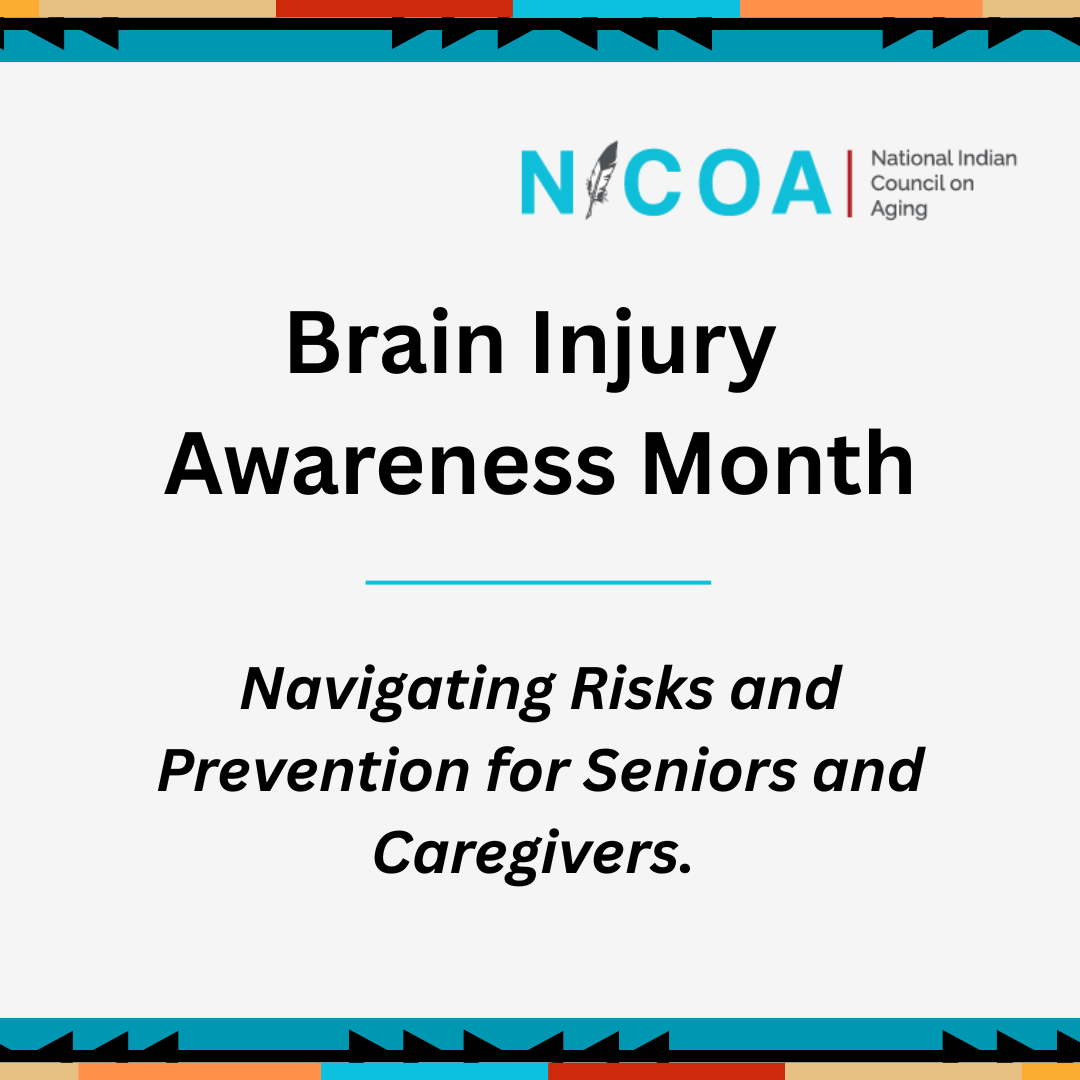
Brain Injury Awareness Month: Navigating Risks and Prevention for Seniors and Caregivers. |
| | | A brain injury is a life-altering condition that fundamentally shifts how an individual thinks, behaves, and processes emotions, whether the cause is an external traumatic force or an internal medical event. While these injuries can affect anyone regardless of background, those over the age of 55 face a heightened risk due to physical changes that lead to accidental falls, and Native American communities face a disproportionately high burden, experiencing the highest rates of traumatic brain injury (TBI) and post-injury mortality in the U.S. This disparity is intensified by systemic challenges and a 300% higher likelihood of violence-related TBI among Native Americans, a group that remains critically under-researched in terms of long-term recovery and rehabilitation. Ultimately, mitigating these risks involves a combination of proactive safety measures—such as improving physical balance, removing household trip hazards, and using proper protective equipment—alongside a commitment to understanding the unique, individualized needs of every survivor in consultation with healthcare professionals.
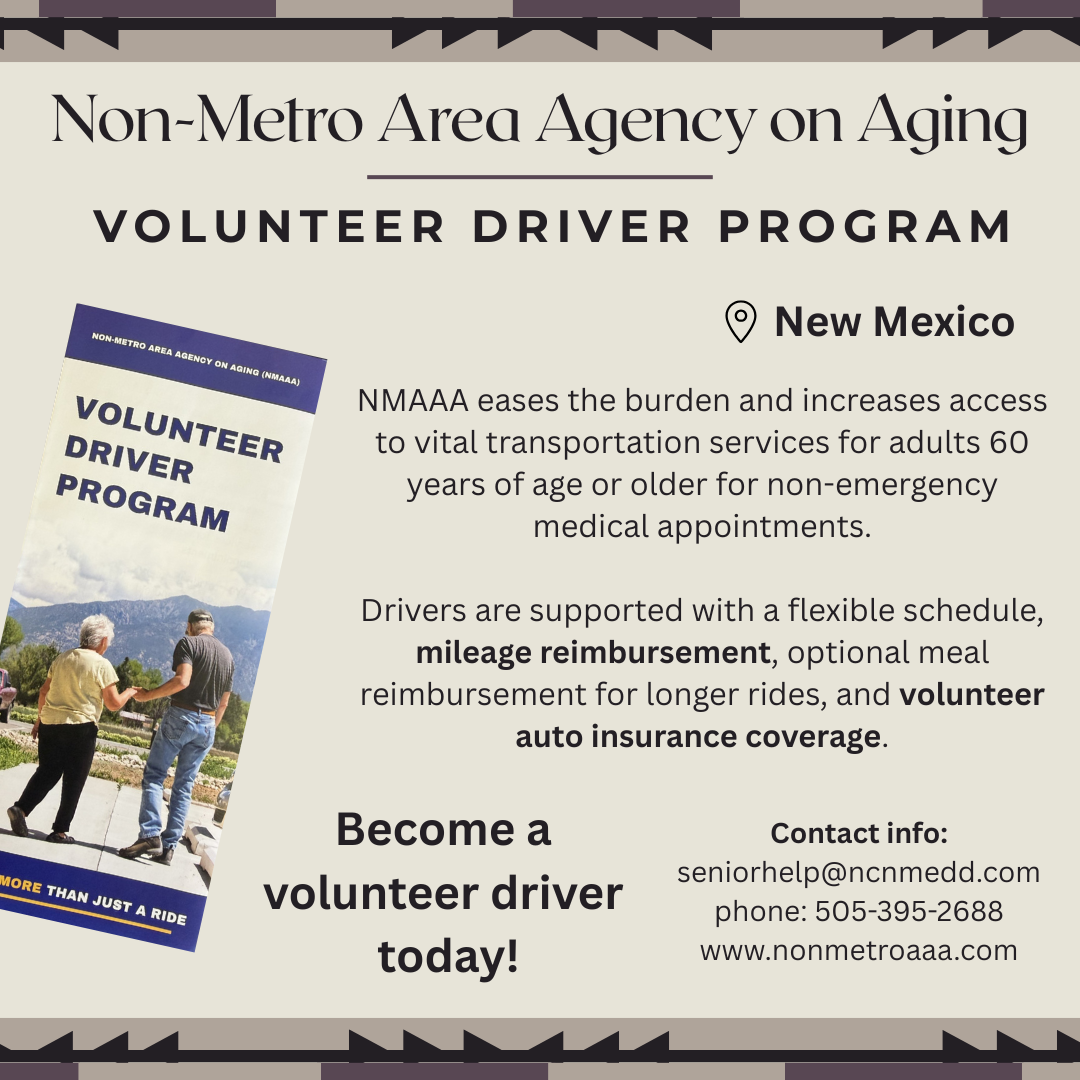
| | | | Transportation Support for New Mexico Elders and Volunteer Driver Program | |
New Mexico - Non-Metra Area Agency on Aging (NMAAA) helps older adults thrive and maintain their independence by providing free transportation services for non-emergency medical appointments in 32 counties in New Mexico. Rider eligibility is to complete a 5-minute rider intake over the phone, be 60+ years old, and be able to independently enter and exit a vehicle.
In addition, NMAAA provides a Volunteer Driver Program for volunteers over the age of 21 to support their community elders by driving them to non-emergency medical appointments. Drivers are provided mileage reimbursement and supplemental auto insurance.
Contact NMAAA at seniorhelp@ncnmedd.com or (505) 356-9299.
| | | |
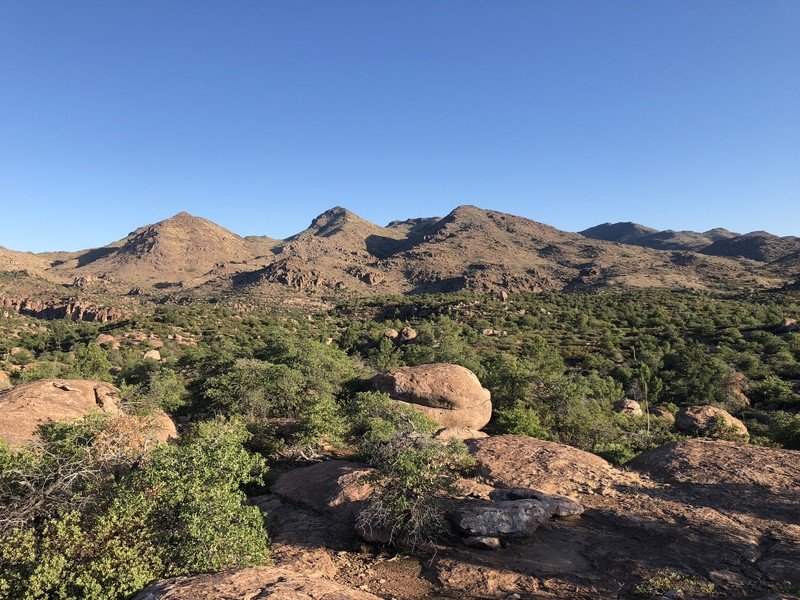
Oak Flat Photo: Russ McSpadden, Center for Biological Diversity |
Oak Flat Ruling: Protecting Native Treaty Rights and Ancestral Lands
In a significant legal development for the protection of sacred lands and Native American treaty rights, the 9th U.S. Circuit Court of Appeals issued a ruling on March 13, 2026, denying multiple requests for an injunction to block the transfer of Oak Flat to Resolution Copper. This decision clears the path for the federal government to hand over more than 2,400 acres of public land within the Tonto National Forest to a private mining giant, despite ongoing litigation. While the court acknowledged the profound religious and cultural significance of the site to the San Carlos Apache Tribe and other regional Tribes, the majority opinion concluded that the plaintiffs’ claims—ranging from religious freedom violations to environmental and appraisal concerns—were unlikely to succeed on their merits.
The transfer is mandated by the Southeast Arizona Land Exchange and Conservation Act of 2014, which requires the exchange of Oak Flat for over 5,000 acres of private land. However, the proposed block-cave mining method by Resolution Copper, a subsidiary of Rio Tinto and BHP, would result in the permanent destruction of the area by creating a crater nearly two miles wide and 1,000 feet deep. This looming environmental impact, coupled with the threat to regional water supplies and the loss of access for traditional religious ceremonies, remains at the heart of the legal battle. Although the court’s latest ruling lifts the temporary stay on the land transfer, three separate lawsuits challenging the move are still active in the judicial system.
Despite the setback, conservation groups and tribal leaders maintain that the fight for Oak Flat is far from over. Advocates emphasize that the legal problems surrounding the land exchange still require a full airing in court, particularly regarding the appraisal process and the government's obligation to protect tribal interests. The ruling was not unanimous on all fronts, as Judge Rawlinson indicated a forthcoming dissent regarding the appraisal issue, suggesting that internal legal debates about the valuation of these lands persist. For the community and the Apache people who have used Oak Flat for generations, the struggle continues to ensure that this "treasured place" is eventually returned to public hands and protected from irreversible industrial damage.
| | | |
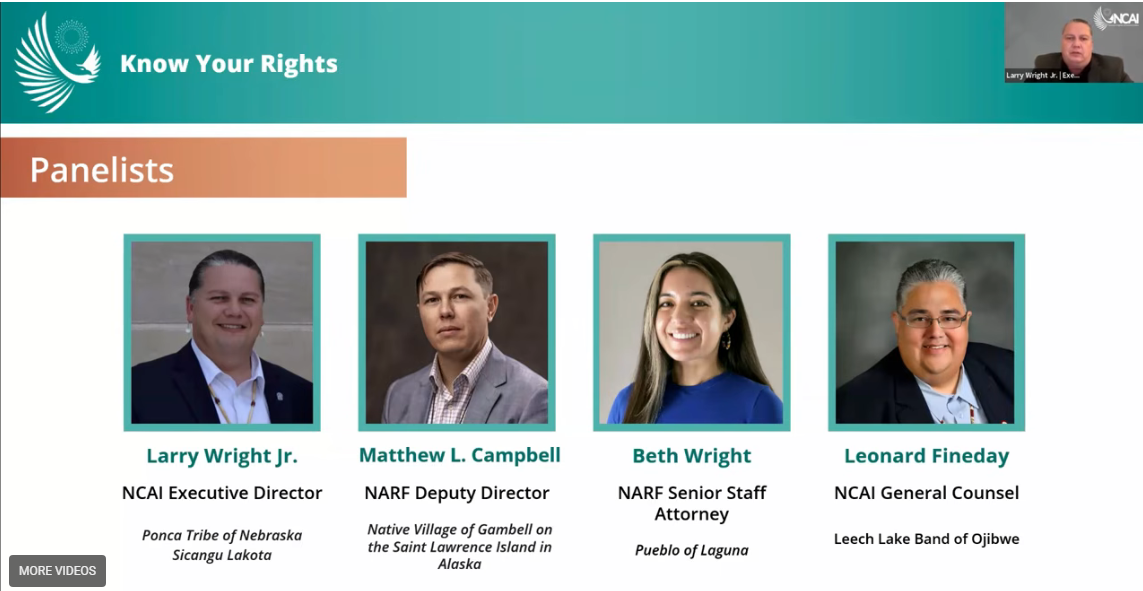
Empowered Advocacy: Understanding Your Rights in Indian Country | |
This webinar, hosted by the National Congress of American Indians (NCAI) and the Native American Rights Fund (NARF), provides essential legal guidance for tribal citizens and nations navigating encounters with federal law enforcement agencies such as ICE and Customs and Border Protection. The presentation outlines fundamental constitutional protections, emphasizing the right to remain silent, the necessity of a judicial warrant for searches of private property, and the legal standing of tribal IDs as valid federal identification. Beyond individual rights, the experts discuss strategies for tribal leadership to assert sovereignty through federal consultation and community safety planning, offering practical steps to de-escalate interactions while ensuring the safety and dignity of indigenous communities.
| | | | |
Mourning the Passing
of Dave Baldridge
| |
|
March 3, 2026
All of us at the International Association for Indigenous Aging (IA2), are deeply saddened to share the news that Dave Baldridge, co-founder of IA2, passed from this life on Saturday, February 28, 2026.
Dave was an enrolled member of the Cherokee Nation of Oklahoma. His legacy as a deeply passionate advocate for improving the well-being of Indigenous elders will endure long into the future. He was an inspirational leader throughout his decades of work, including more than a decade as the executive director of the National Indian Council on Aging, followed by more than two decades with IA2. Dave co-founded IA2 with Bill Benson in 2002 and served as its executive director until his progressive illness made it no longer possible for Dave to serve in that capacity.
Despite advancing illness, Dave continued to be a powerful voice guiding our work, especially IA2’s initiative to develop protocols and strategies to help tribal nations locate tribal members with dementia who wander away from their homes and risk becoming lost. This “Wandering Project,” funded by the U.S. Department of Justice, was inspired by Dave’s two passions of serving the needs of Native elders and his long history in search and rescue. Dave was recognized by the New Mexico Search and Rescue community with their highest award for his work with Sandia Search Dog, with his highly trained and beloved border collies.
Dave led major key initiatives with NICOA and IA2 addressing critical issues for Native elders including dementia and brain health, long-term care, elder abuse, end of life care, and many others. Especially notable was Dave’s advocacy with the U.S. Congress successfully obtaining important improvements in major legislation such as the Older Americans Act and the Indian Health Care Improvement Act, benefitting Native elders across the nation.
Dave was an exceptional writer and editor. In his early years he was a contributing editor to the renowned Mountain Gazette and contributed frequent pieces to the Huffington Post (now HuffPost). Dave also wrote numerous stories for the CDC to inform the press about public health topics of concern to American Indians and Alaska Natives. Dave co-authored numerous journal articles and many reports on projects that he led over the years. He was a fierce but fair editor, with all anxious when he wielded his editor’s pen but all grateful for the final product.
Over the years, Dave received many awards and accolades for his work on behalf of Native elders. In 2021, he was honored at the biennial National Indian Council on Aging conference in Reno, Nevada, for his decades of advocacy and leadership with NICOA’s Juana Lyon Award. Just this past fall, he was inducted into the Oklahoma AARP Native Elders Hall of Fame.
Prior to his work on behalf of American Indian and Alaska Native elders, he spent several decades engaging in a wide range of adventurous activities. As examples. Dave captained the Sun Valley Ski Patrol, was public relations director for the Professional Rodeo Cowboy Association (he had been a rodeo bull rider), photographed for a sports magazine at the 1984 Olympic Games in Los Angeles, and wrote for Golf magazine. He was martial arts expert, and an accomplished racing cyclist. As a young man, he cycled all the way to Costa Rica. Arriving in San Jose, the capital city, he and his companions ran out of money and sold their bikes in order to purchase flights home.
Dave Baldridge was a remarkable man, always humble and self-effacing and yet a great leader. He will be greatly missed.
Plans are underway for a memorial service, likely in June in Albuquerque, New Mexico, where Dave lived for many years.
Donations can be made in Dave’s honor to IA2 at 11101 Georgia Avenue, #320, Silver Spring, MD 20902, or to Free To Be Ranch at 54 Curandera Road, Mountainair, NM 87036. (This is where Dave obtained his beloved search dog Tadc (pronounced “Teague”).
We welcome all to share any reflections (or photos) about Dave with us at IA2.
By Bill Benson
Board President
International Association for Indigenous Aging (IA²)
| | | | | | |
|
We are committed to providing services for Native elders, but the power to provide starts with you.
Your support brings attention, education, and improved services to elders and people with disabilities across Indian Country. Every elder deserves access to the services and resources necessary to age independently, with dignity, and in their chosen community.
Consider donating to us directly to help us with our mission to improve the lives of American Indian and Alaska Native elders. Your financial support will go directly to supporting our mission to improve health, social services and economic well-being for all Native elders.
| |
| How did you like this email? | | | | The National Indian Council on Aging | 8500 Menaul Blvd. NE, Suite B-470, Albuquerque, NM 87112 | 505-292-2001 | www.nicoa.org | | | | |