REMINDER: YOUR SUBMISSIONS ARE ENCOURAGED | | |
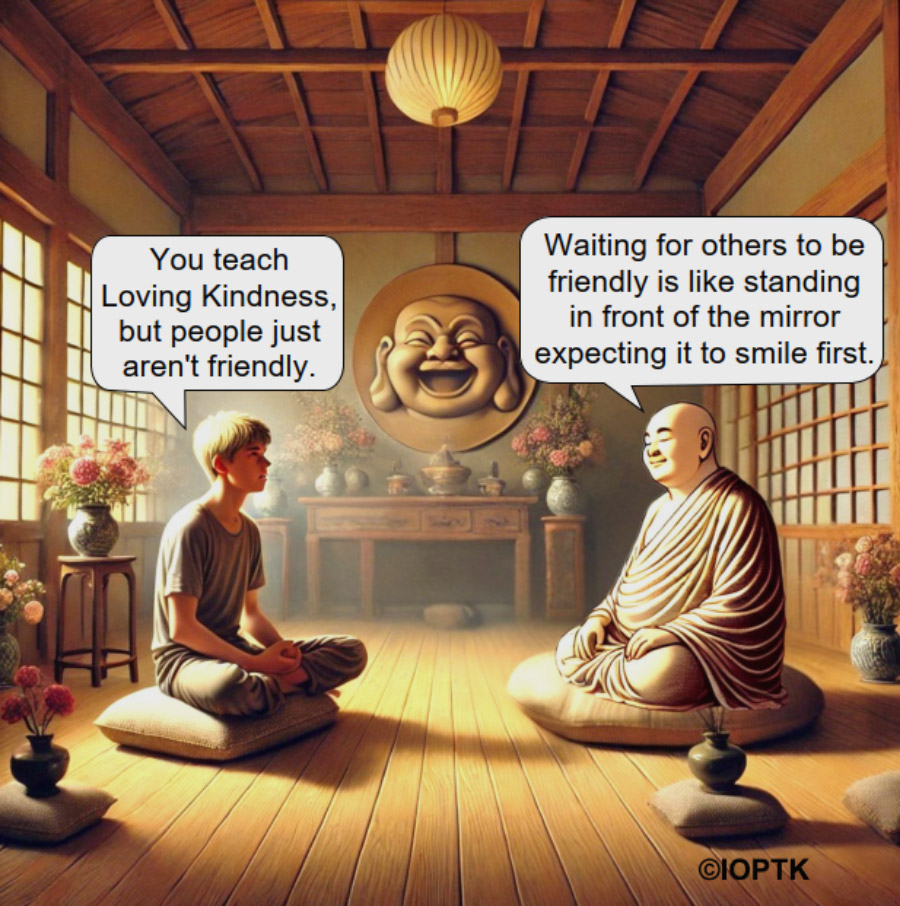
1. Bindu’s Corner: Bindu has given us a new quote from Swami Vivekananda this week.
2. International Holocaust Remembrance Day: Next Tuesday, January 27th, communities worldwide will recognise International Holocaust Remembrance Day—a date based on the anniversary of the liberation of the Auschwitz-Birkenau concentration camp in 1945.
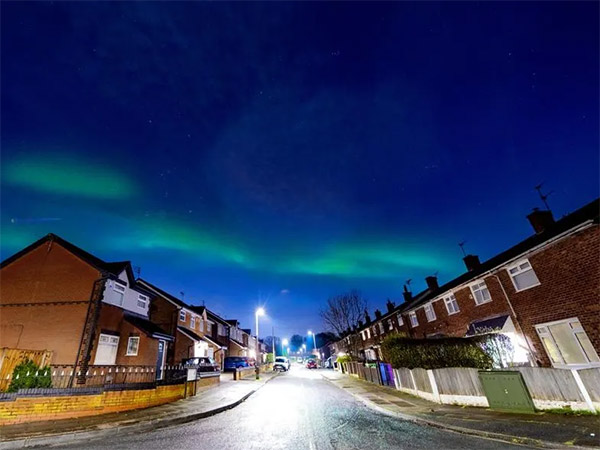
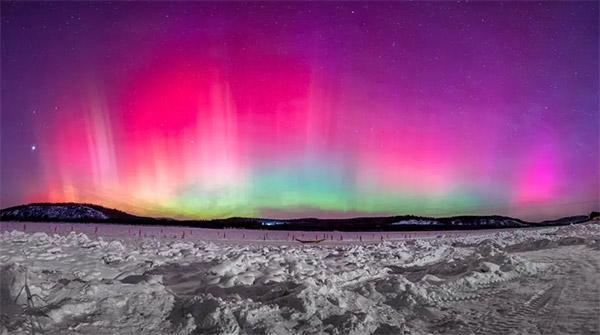
3. The Heavens: A particularly strong solar radiation storm hit the Earth's magnetic field this past Monday evening treating an unusually large portion of the planet to an evening light show.
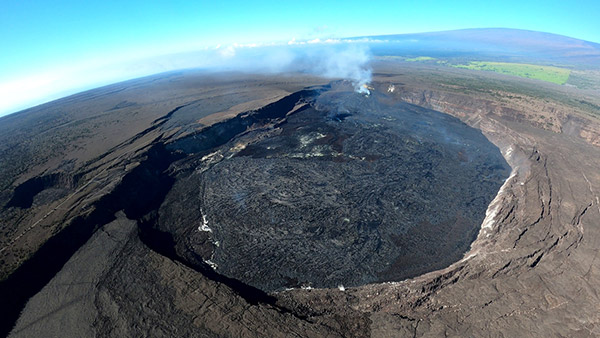
4. Kilauea has awakened again, sending lava fountains up to 1,000 feet into the air earlier this week.
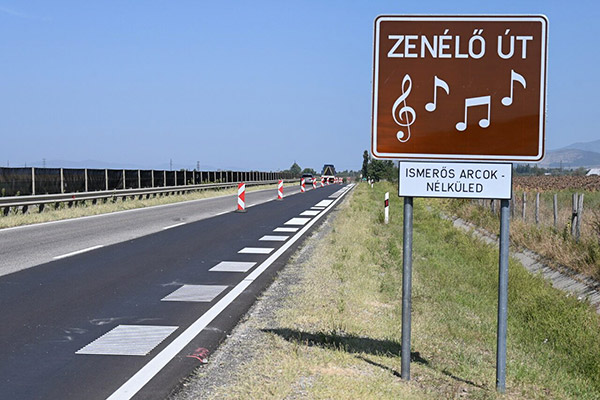
5. Innovation: Hungary has added a clever innovation to combat distracted driving and speeding on several highways: musical roads incorporating rumble strips that play a song when driven over at a specific speed.
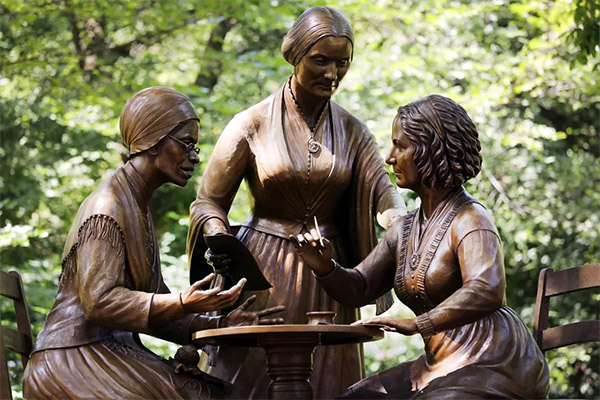
6. Art: This week, I'm looking into the role women have played and their depiction in the art of Central Park, a special place to me that I have walked and jogged every inch of.
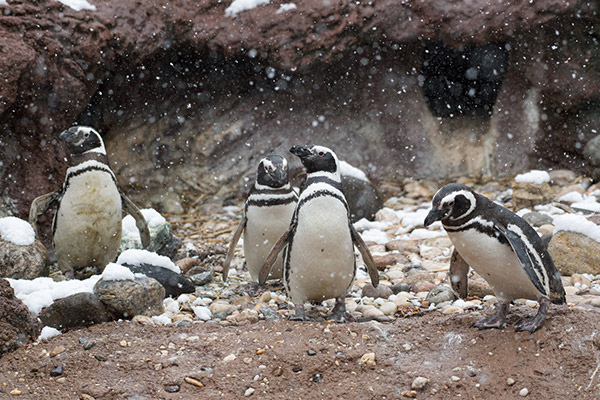
7. Zoos: If you find yourself in New York in the wintertime, it's a great time to visit the Bronx Zoo to see some of their cold-weather-loving animals.
8. Writer's Corner: Poets & Writers Magazine has posted their listings of current writing contests, grants, and awards for the first quarter of 2026.
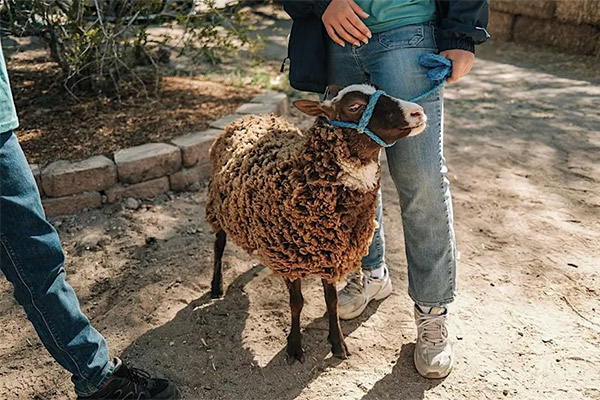
9. Around Town: The Tucson Village Farm is throwing a Barnyard Trot event in the first week of March to celebrate the opening of their new Animal Education Center.
| | |
I hope you will pick and choose, and enjoy your reads.
Please feel free to share the Flock.
| | Now, to this week's Flock. | | Here is a new Swami Vivekananda quote from our dear friend Bindu. | | |
Ācāra, or observance of the established rules of conduct in life, is the first step in religion, and of that again, cleanliness of body and mind, cleanliness in everything, is the most important factor.
— Swami Vivekananda
| |
2. International Holocaust Remembrance Day: January 27, 2026
| | This coming Tuesday, January 27th, is International Holocaust Remembrance Day. Remembrance Day was officially designated by the United Nations General Assembly in 2005, and is scheduled to mark the anniversary of the 1945 liberation of the Auschwitz-Birkenau concentration camp. Community groups and institutions around the world commemorate the day by lighting candles and with public readings of the names of Holocaust victims. The official Holocaust Day of Remembrance in Israel, Yom HaShoa, is held on the 27th day of the Jewish month of Nisan, usually falling in April or May on the Gregorian calendar, and coinciding with the anniversary of the Warsaw Ghetto Uprising. | | International Holocaust Remembrance Day | | |
January 27
The United Nations General Assembly designated January 27—the anniversary of the liberation of Auschwitz-Birkenau—as International Holocaust Remembrance Day, a time to remember the six million Jewish victims of the Holocaust and the millions of other victims of Nazi persecution.
As we are witnessing an alarming rise of antisemitism around the globe, it is more important than ever for us to recognize the critical lessons of Holocaust history as we commemorate the victims and honor the survivors.
How to Mark the Day
At the Museum and other commemoration sites, we remember Holocaust victims by reading their names, by lighting candles, and by learning about the Holocaust. All of us can mark International Holocaust Remembrance Day by sharing the truth of the Holocaust and by confronting antisemitism and hate in our daily lives.
| | Monument to the Jewish victims of the Holocaust in Berlin, Germany. | | 3. The Heavens: Aurora Borealis | | The northern lights are seen in the sky above Lee Park in Liverpool, Merseyside, on Monday, Jan. 19, 2026 | | A particularly strong solar radiation storm hit the Earth's magnetic field this past Monday evening causing a spectacular auroral display across much of the globe. Northern lights sightings were reported across Europe, Asias, and North America. Sightings were reported in the U.S. as far south as New Mexico and Alabama. | | Rare Geomagnetic Storm Sparks Northern Lights In Unexpected Places | | From: Forbes, By: Jamie Carter, January 20, 2026 | | |
A rare and powerful solar event lit up skies across the globe on Jan. 19 as a severe G4-class geomagnetic storm produced one of the most widespread displays of the northern lights in recent memory.
The spectacle was triggered by a fast-moving coronal mass ejection that struck Earth’s magnetic field much earlier than predicted, at around 19:30 UTC (2:30 p.m. ET), catching forecasters by surprise.
| | The aurora borealis lights up the sky on January 20, 2026 in Beiji Village, Mohe City, Heilongjiang Province of China. | | Northern Lights - January 19-20, 2026 | | 4. Volcanoes: Kilauea Erupts Again | | Pele has woken up, and Kilauea has become very active again, with the eruption causing massive lava fountains up to 1,000 feet high this past Tuesday, and swarms of small earthquakes throughout the week. The volcano has calmed for now, but more lava fountains are expected in the near future. If you are on the Big Island, please be careful and check for alerts before visiting Hawai'i Volcanoes National Park. | | Scientists Track Kilauea Micro-Quakes, As Next Eruptive Episode Nears | | |
The ongoing eruption at the summit of Kīlauea is paused, and unusual seismicity continues, as the next episode of lava fountaining nears.
On Thursday, the USGS Hawaiian Volcano Observatory reported episode 41 is forecast to start between January 23 and January 25, based on current inflationary tilt models.
The earthquake swarms that were recorded earlier this week have transitioned into longer periods of elevated “micro-seismicity”, which scientists say coincided with brief deflationary tilt of about 0.5 microradians. Still, since the end of episode 40, “the UWD tiltmeter has recorded 16.2 microradians of inflationary tilt, with net 1.8 microradians of inflation over the past 24 hours,” the Observatory says.
| | Kilauea Volcano Eruption Update for Tuesday, January 20 | |
5. Innovation: Hungary's Musical Roads
| | In 2019, Hungary modified a section of highway, the Road 67, by adding rumble strips that play a tune when driven over at the speed limit. The new highway feature was dedicated to the founder of the Hungarian rock band Republic, László Bódiallows. This first section of rumble strips played 30 seconds of the band's song 67-for út. The new feature was popular among travelers. Subsequently, two additional musical road sections were added to the country's highways, including the popular Hungarian song Érik a szőlő (The grapes are ripening) on Road 37 through one of Hungary's regions known for its vineyards. | | The Enchanting Musical Roads of Hungary | | |
Driving through the picturesque landscapes of Hungary, you might stumble upon a curious phenomenon: musical roads. These unique stretches of asphalt are not just pathways; they’re an auditory experience that transforms your journey into a symphony on wheels.
Imagine cruising along a serene road, surrounded by rolling hills and quaint villages. As your tires roll over specific grooves in the pavement, melodies begin to emerge—notes dancing in harmony with the rhythm of your vehicle. This delightful innovation turns mundane travel into something magical, where every drive can feel like a concert.
Musical roads work on a simple yet fascinating principle: varying the spacing between strips laid out on the surface creates different musical notes when driven over at certain speeds. For instance, if you're driving at 45 mph (72 km/h), these cleverly designed grooves will produce an E note—a perfect blend of engineering and artistry.
Hungary is among several countries embracing this whimsical concept alongside Japan, South Korea, and even parts of the United States. While many musical roads have been created for tourism purposes—inviting travelers to enjoy familiar tunes as they explore—their origins trace back to safety measures intended to keep drivers alert.
| | Musical Road Drive on Hungary’s Road 21 🎶 | "Nélküled" Melody | |
6. Art: Central Park's Women's Rights Pioneers Monument
| | Despite a long history of women's contributions to Central Park as advocates and contributors, and artists, the first statue depicting and celebrating the achievements of real women was not added to the Park's monuments until six years ago, in 2020 when the Women's Rights Pioneers Monument honoring the Women's Suffrage Movement was added to the Park's Liberty Walk. | Women’s Rights Pioneers Monument | From: Central Park Conservancy | The first in Central Park to depict real women, this monument honors the trailblazing work of pioneering women’s rights advocates Sojourner Truth, Susan B. Anthony, and Elizabeth Cady Stanton. | |
Consisting of bronze figures of Sojourner Truth, Susan B. Anthony, and Elizabeth Cady Stanton, the Women’s Rights Pioneers Monument commemorates the centennial of the ratification of the 19th Amendment, which gave women the right to vote. Sponsored by the group Monumental Women and unveiled in August 2020, the monument is the first in the Park to depict actual women.
Sculptor Meredith Bergmann shows the three women as activists at work: Sojourner Truth speaking, Susan B. Anthony organizing, and Elizabeth Cady Stanton writing. These visionaries (all of whom were New Yorkers) join William Shakespeare, Robert Burns, Sir Walter Scott, and Fitz-Greene Halleck on the southern end of the Mall. While honoring Truth, Anthony, and Stanton’s specific efforts on behalf of women's suffrage, women's civil rights, and the abolition of slavery, the Women’s Rights Pioneers Monument also acknowledges the importance of representing women in New York’s flagship park.
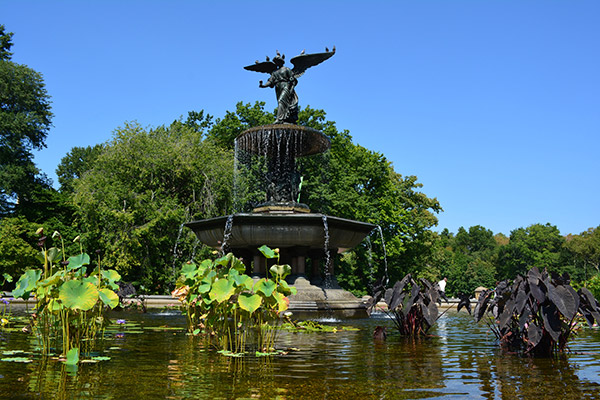
| Angel of the Waters at Bethesda Terrace | Art, Activism, and More: How Women Have Influenced Central Park | From: Central Park Conservancy, By: Jessica Sain-baird, March 11, 2019 | |
Did you know one of Central Park’s most popular statues was created by a woman? Or that more than 100 women work in the Park today as architects, gardeners, groundskeepers, and more? In celebration of Women’s History Month, we highlight some important contributions by women who have helped make the Park a welcoming and thriving public space.
Building Impressive Works of Art
Four significant statues in Central Park were sculpted by women—including one of the most photographed landmarks at the heart of the Park’s design. Angel of the Waters, also known as Bethesda Fountain, was created by New York artist Emma Stebbins. Dedicated in 1873, it was the first time a woman received a commission for a major public work in New York City.
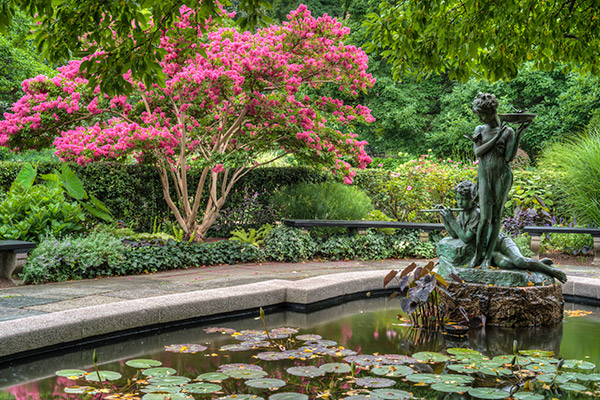
In addition, the Burnett Fountain was sculpted by artist Bessie Potter Vonnoh—and it honors another woman, children’s book author Frances Eliza Hodgson Burnett. Sculptor Anna Vaughn Hyatt Huntington created the Park’s larger-than-life equestrian statue depicting Cuban patriot and author José Julián Martí. Standing near Martí is a statue of the military general Simon Bolivar, which was created by Sally James Farnham.
| |
Advocating for the Park
Iphigene Ochs Sulzberger played a pivotal role at The New York Times for decades, beginning when her father, Adolph S. Ochs, became its publisher in 1896. She went on to become a staunch advocate for Central Park and for the vision of the Park’s designers, Frederick Law Olmsted and Calvert Vaux. She used her family’s influence to condemn any plan that sought to relinquish the Park to commercial interests or deprive the public of its serene natural settings.
Contributing an iconic memorial
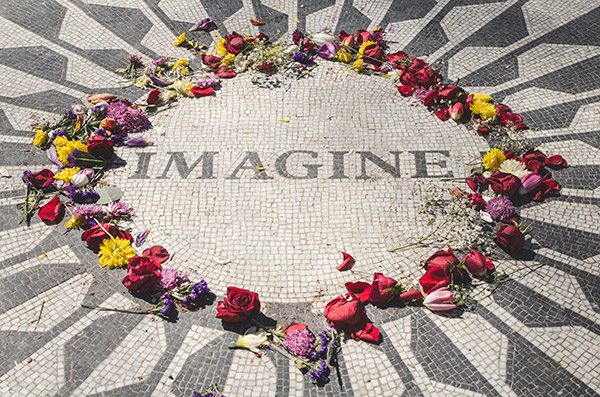
Strawberry Fields is a living memorial to the world-famous singer, songwriter, and peace activist John Lennon—and a bustling center for activity for locals and tourists alike. Yoko Ono, Lennon’s widow, donated the funds to refurbish the area and helped to create the beautiful spot that honors him.
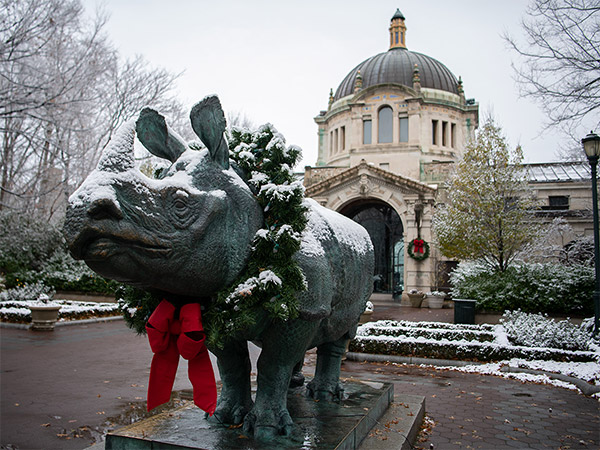
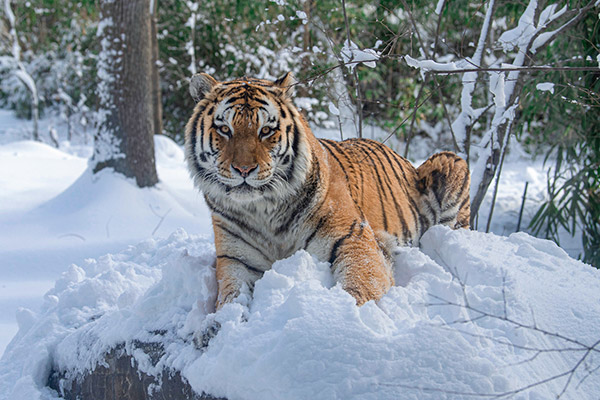
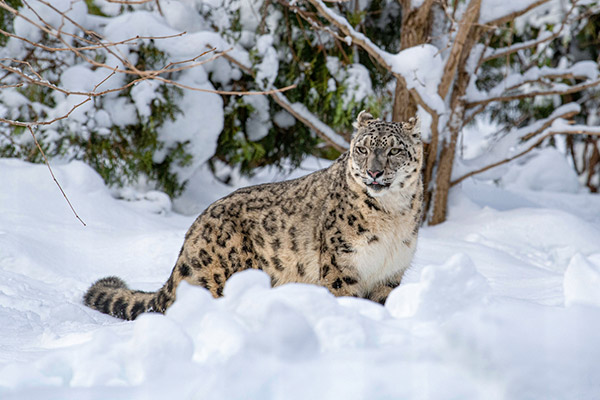
| With the support of Yoko Ono, Strawberry Fields was refurbished as a beautiful and peaceful landscape to honor her late husband, John Lennon. It’s home to the iconic Imagine mosaic, a gift from Naples, Italy. | | 7. Zoos: Winter at the Bronx Zoo | | Most people might not think a cold, snowy day is the right time to visit the zoo. For zoos like the Bronx Zoo, that have lots of animals adapted to cold-weather climates and enclosures that are open to the elements, it's a great time to visit, especially after a snowfall, when you can see tigers, red pandas, penguins, and snow leopards enjoying their favorite time of the year. | | Enjoy a Winter Visit to the Bronx Zoo | | The best-kept secret in New York City is wintertime at the Bronx Zoo! During the colder months, the zoo offers amazing animal experiences outdoors and inside— at the lowest price of the year! Plus, fewer crowds make this a prime time for viewing our exhibits. This guide will help you make the most of your visit to the zoo during the winter. | | Winter is when many of our animals are most active. The Bronx Zoo’s Siberian tigers, sea lions, snow leopards, and Magellanic penguins are among those who enjoy the winter weather. These species have adapted to live in climates that can be considerably colder than that of New York, and a snowy morning in the Bronx suits them just fine. You’re also welcome to warm up with some hot chocolate or enjoy the tropical environments of JungleWorld* and Madagascar! | | |
Tigers for All Seasons
Tigers are rugged cats that can survive in many different environments, from snowy mountains to tropical mangrove swamps, as long as there is sufficient prey available and they are protected from poachers. Tiger Mountain is full of things for our big cats to explore, and they take the cold weather in stride. Get nose-to-nose with our stars in stripes and discover how we protect tigers through our work here at the zoo and in the wild.
DYK? Tigers are the largest of the big cats, and in the wild can eat up to 88 pounds in one sitting.
| | |
Leopards “Snow” Best
Head to the Himalayan Highlands for an encounter with the snow leopards. These majestic felines are specially equipped for snowy mountain habitats, using their long, bushy tails to help balance when climbing and to keep warm while napping – and their padded foot soles insulate their paws, much like snow boots.
DYK? These beautiful cats don’t roar – but you may hear them make other sounds including “chuffing,” a friendly greeting.
| |
Panda-monium
The Himalayan Highlands are also home to our red pandas. Red pandas are accustomed to cooler weather; in the wild they can live at elevations of up to 15,000 feet. Like the snow leopard, the red panda has a large bushy tail that provides extra protection against the cold, and their retractable cat-like claws make them great climbers.
DYK? Despite its name, this animal is not actually related to the giant panda.
| |
There’s More Outdoors
Other outdoor exhibits you can visit in the wintertime include American Bison, Big Bears, Birds of Prey, the Sea Bird Aviary, Nature Trek, and more. And on the Bug Carousel*, kids can climb aboard a long-legged praying mantis, a bright green grasshopper, or their favorite insect of choice for a very unique ride.
DYK? You can watch penguin feedings daily year-round at 3:30pm in the Sea Bird Aviary.
| |
8. Writer's Corner: Writing Contests
| | Each year, I try to stay on top of all the writing contests, grants, and awards published in Poets & Writers Magazine. I'm happy to have gotten to it early this year, while their first quarter list for 2026 is still fresh. Given the quality of original submissions from Flock readers over the last three and a half years, I think you should definitely go through the list, find a contest that suits you, and give it a shot. | | Writing Contests, Grants & Awards | | |
The Writing Contests, Grants & Awards database includes details about the creative writing contests—including poetry contests, short story competitions, essay contests, awards for novels, and more—that we’ve published in Poets & Writers Magazine during the past year. We carefully review the practices and policies of each contest before including it. Ours is the most trusted resource for legitimate writing contests available anywhere.
Our current issue's Deadlines section lists a total of 92 contests sponsored by 59 organizations, offering an estimated $494,120 in prize money (a 28 percent decrease from our January/February 2025 Deadlines section, due in large part to the cancellation of the NEA's Creative Writing Fellowships). Of the 92 contests, 25 charge no entry fee, while the remaining 67 require a median entry fee of $25. Of the 59 sponsoring organizations, 28 (48 percent) are nonprofits, 19 are universities, 10 are private companies, and 2 are government agencies.
| | 9. Around Town: Tucson Village Farm Update | | Bring the family out to the Tucson Village Farm on the morning of Saturday, March 6th, for their Barnyard Trot '26 to support the opening of their new Animal Education Center. | | Our Third Annual Barnyard Trot Plus, the Grand Opening of Our Animal Education Center! | | |
A family-friendly community event at Tucson Village Farm featuring our NEW farm animals, fun activities, a raffle, and a sourdough pancake breakfast.
This high-energy, family-friendly morning event invites youth teams to take on fun, cooperative, farm-animal-themed challenges, all while supporting a great cause!
What to Expext:
- Animal Education Center grand opening celebration. Come meet the animals and see the new space.
- A lively expo and community fair area featuring local programs, educational family activities, a sourdough pancake breakfast, and a farm market.
- Team challenge course with twelve unique "egg-tivity" stations emphasizing teamwork, problem solving, and light physical activity.
- Register in teams (2–6 people) to participate in the challenge course. Collect points for completion, creativity, and sportsmanship. No eliminations. Everyone finishes and celebrates.
- Raffle prizes, music, photo ops, and plenty of barnyard fun!
General admission (FREE, donation suggested) includes access to the expo area and the new Animal Education Center. Register your team to participate in the challenge course. A pancake breakfast meal pass and raffle ticket are included with team registration. Meal passes and raffle tickets will also be available for purchase with general admission.
No team? No problem. Join a random group with a "single racer" ticket. The challenge course is designed to be fun, balanced, and supportive, so everyone gets a great experience.
| |
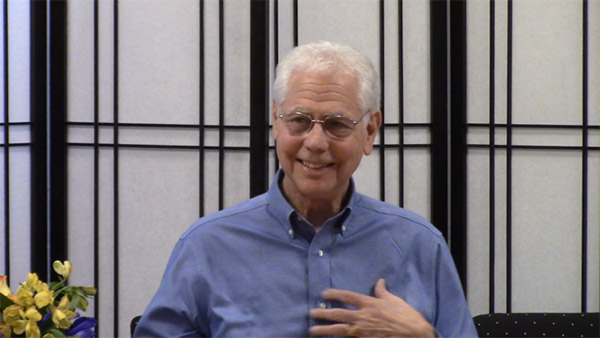
10. Hayward M. Fox, Ph. D.: From Dr. Fox’s Blog
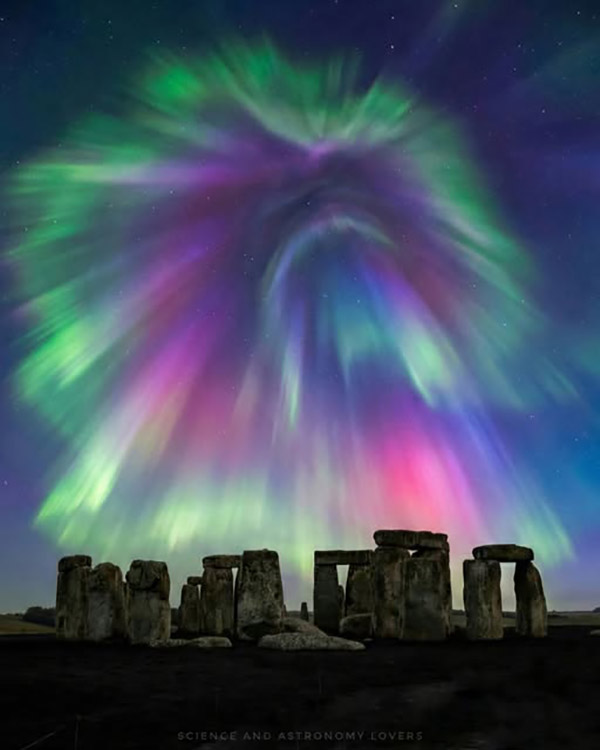
| | As always, I am grateful to Dr. Fox for his wisdom and greatly appreciate that he allows me to share it ewith the Flock. Please visit Dr. Fox's website at the Institute of Personal and Transpersonal Knowledge and explore his past blog posts, guided meditations, and study guides. | | Auroras over Stonehenge, January 19, 2026 | | These Flock regulars are always here for you: | | Don't Be Shy: Share Your Stories! | | I'm looking forward to sharing more of your personal stories - oral, written, or otherwise, as we enter our third year. I'd so love to present them to The Flock, hit a mailbox below to share your story. | | Subscriptions & Idea Submissions
Reminder: Your submissions are always welcomed. | | |
Feel free to forward this email to a friend. If this was forwarded to you and you would like to receive your very own Flock Newsletter, you can sign up here. If you have any questions or suggestions for future Flock resources, don't hesitate to contact me.
Your fan and friend,
Beth
| | | The information and materials contained or referenced in this newsletter are for informational purposes only and not intended to be a substitute for professional medical advice, diagnosis, or treatment. Always consult a physician or other qualified medical professional with any questions you may have regarding a medical condition or treatment and before beginning a new health care regimen. Do not disregard professional medical advice or delay seeking medical advice or care based on anything contained in this newsletter. | | | | |