Trio takes Brazilian trip to tackle cocaine epidemic
|
|
(left to right)
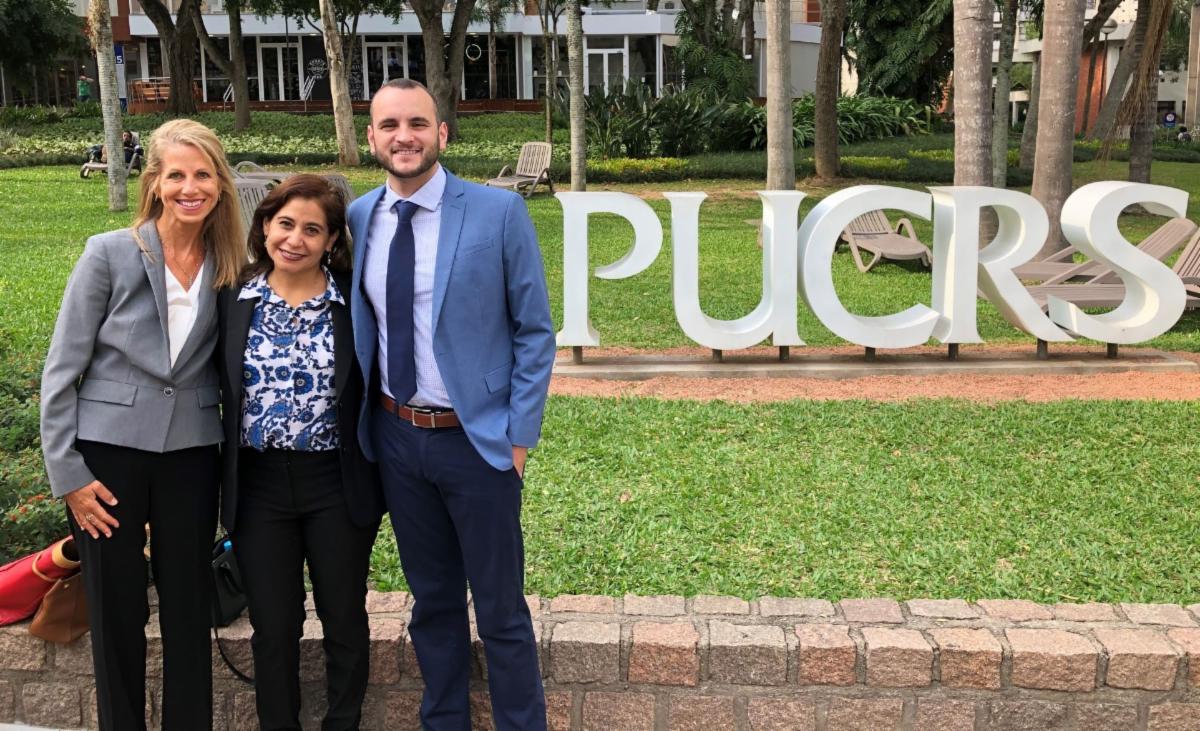
Drs. Joy Schmitz, Consuelo Walss-Bass, and Gabriel Fries in Brazil
|
|
Three Louis A. Faillace, MD, Department of Psychiatry and Behavioral Sciences at McGovern Medical School at UTHealth researchers - Joy Schmitz, PhD; Consuelo Walss-Bass, PhD; and Gabriel Fries, PhD - recently traveled to Brazil as part of a five-year, $2.6 million grant, titled Gene-environment interactions in COCCaINE Use Disorder: Collaborative Case-Control Initiative in Cocaine Addiction, funded through the NIH’s National Institute on Drug Abuse and
Fogarty International Center
, aimed at investigating the relationship between environmental stressors and cocaine use.
Five years ago, Walss-Bass, was invited as a visiting professor by Rodrigo Grassi-Oliveira, MD, PhD and his host institution, the Pontificia Universidade Catolica of Rio Grande do Sul, Brazil, with funding from the Brazilian government. They performed a needs assessment and discussed potential collaborations in the genetic analysis of mental health disorders in the Brazilian population. This was followed by the current collaboration, adding Schmitz and Fries, to work directly with addiction researchers in Brazil, specifically to address the cocaine abuse epidemic.
Fries, a native of Brazil, says crack cocaine is abundant in the big cities, giving people easy access to it. As a result, researchers in Brazil have collected hundreds of blood samples from patients who are addicted to cocaine.
The idea of this joint venture is for Brazil to send their samples to UTHealth in Houston for more sophisticated genetic analysis, taking advantage of the research infrastructure at UTHealth.
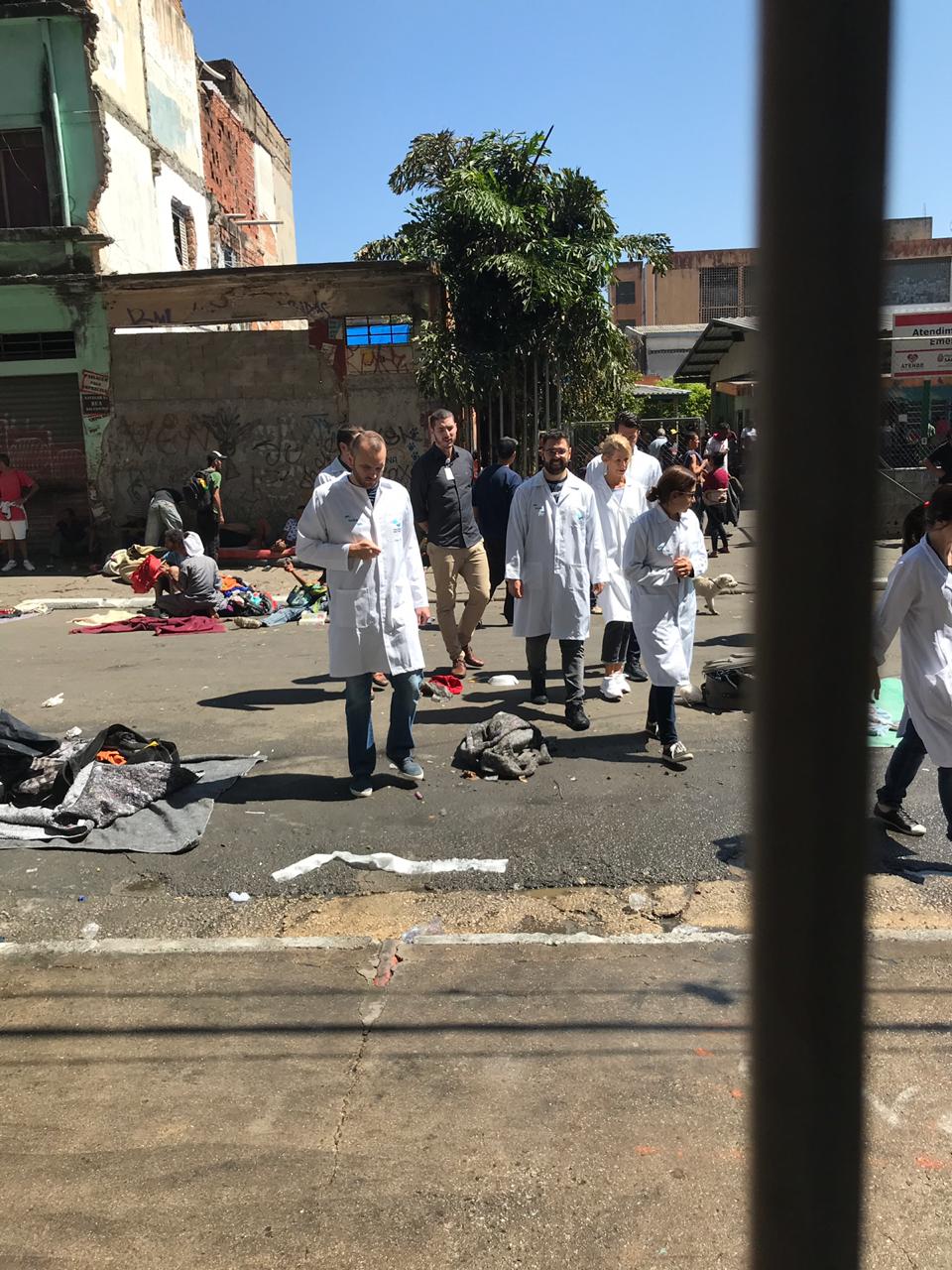
The grant also allows for visits to each other’s sites. Last year, Brazilian researchers came to Houston. This year was the Houston coalition's first time to visit Brazil. During these visits, information is exchanged to learn from each other and promote collaboration. As part of the current trip, the team was taken to São Paulo, Brazil, to visit the area known as “Crackland” where 1 thousand - 2 thousand people per day congregate openly and smoke crack cocaine. A government-funded services center was built right in the heart of the area as an innovative way to reduce harm and provide much-needed treatment interventions.
Fries says seeing the problem up close and personal was surreal.
“We’ve seen with our own eyes how devastating the problem can be,” Fries said. “It was a very enlightening experience for us to tour that place and see how the government is dealing with the problem.”
This is just one of the many projects the team hopes to work on with their Brazilian partners in the future.
|
|
Drs. Gabriel Fries, Consuelo Walss-Bass, and Joy Schmitz from UTHealth, along with Dr. Rodrigo Grassi de Oliveira from
Pontificia Universidade Catolica of Rio Grande do Sul
in Brazil, tour Sao Paulo’s “Crackland”
|
|
Faculty spotlight:
Soutullo brings
program
building experience
|
|
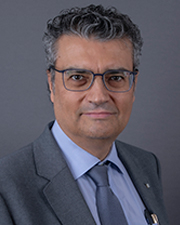
Cesar Soutullo, MD, PhD, recently joined the staff at the Faillace Department of Psychiatry and Behavioral Sciences. He specializes in studying ADHD and bipolar disorder in children and adolescents.
Soutullo is originally from Spain. After completing his residency at the University of Cincinnati, he returned to his homeland and was named director of the Child and Adolescent Psychiatry Unit at the University of Navarra Clinic, in Pamplona, Navarra.
Such a program hadn’t existed prior to Soutullo’s arrival. He knew he needed help to grow the department. He developed the only fellowship program in Spain and started several clinical trials, mostly in ADHD, and studies, such as looking for characteristics that could predict pediatric respond to medication. As they grew, a sister clinic was opened up in Madrid as well.
After 20 years in Spain, Soutullo made the decision to come back to the United States after speaking with department Chair Jair Soares, MD, PhD, about the opportunity to continue his work at the Faillace Department of Psychiatry and Behavioral Sciences.
Soutullo’s experience in building a program is valuable, as he’s being asked to build a clinical and research ADHD outpatient program, much like he did in Spain. A team is being brought together to evaluate patients from different points of view - social worker, case management, cognitive-behavioral psychotherapy, and school collaboration - to pinpoint all factors that could influence ADHD treatment response.
Additionally, Soutullo is being tasked with advancing research as well as getting the fellows involved in the process of conducting research, seeing patients, and writing papers.
Soutullo says he’s excited about being a part of the team at UTHealth and looks forward to working with everyone.
|
|
Addiction clinic adds personalized feel to treatments
|
|
As part of the Center for Neurobehavioral Research on Addictions, the addiction clinic is an outpatient clinic used to evaluate patients’ substance abuse disorders and treat with medication, therapy, or referrals to higher medical treatment.
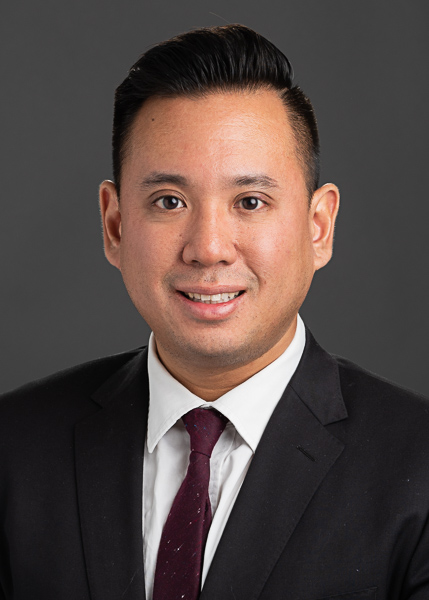
Austin Lin, MD, and Michael Weaver, MD, DFASAM, head up the addiction clinic with the goal of improving access to care while reducing the stigma of substance use. Studies show that people are more likely to go see their primary physician to treat substance use rather than a psychiatrist, which can lead to a "one size fits all" plan in treatment.
Lin and Weaver want to add a more personal, specialized treatment to those who need it. Lin is an addiction psychiatrist who treats not only the substance use disorder, but looks for possible psychiatric issues as well. He says the substance use only tells a part of the story, as often there is more going on underneath.
“It’s important to address not just the addiction, but also if they have an underlying mental illness, too,” Lin said. “Just addressing the substance use often isn’t enough.”
Psychiatric factors that can lead to substance abuse include depression, trauma, bipolar disorder, anxiety, and other conditions. Lin looks for signs of these, using a combination of medication and therapy to treat the immediate substance use problem as well as other possible issues when speaking to patients.
“I don’t want to focus on just the negatives,” Lin said. “What have they been successful with? We then try to individualize it (treatment) to each person to give them the highest chance for success.”
For more information on the addiction clinic or to make an appointment, click
here.
|
|
 |
Sanches looks to prevent bipolar disorder
|
One of the biggest questions surrounding bipolar disorder remains unanswered: is there a way to prevent it from happening at all? This represents quite a challenge as prevention is still very limited the psychiatric community.
A team of researchers from the UT Center of Excellence on Mood Disorders is embarking on a unique study to try to answer this question.
Led by Jair C. Soares, MD, the Grand Houston Area Bipolar Registry takes the approach of trying to find bipolar patients early on in their lives. These patients are followed from the time they are diagnosed as children into adulthood, monitoring how the diagnosis progresses over time.
Marsal Sanches, MD, one of the co-investigators in the study, explains that this research takes things a step further by trying to identify children who aren’t currently diagnosed but are at high risk for developing bipolar disorder. The main risk factor being looked at for this study is genetics. Subjects in this study are children with at least one parent diagnosed with bipolar disorder, while they are not.
The subject is reassessed yearly. This will allow doctors to observe how bipolar disorder progresses over time for those who have it. For those at high risk but not diagnosed, factors to predict whether they will develop bipolar disorder are studied.
Sanches says investigators hope this study will shed light on what factors contribute to those high-risk patients crossing the line and developing bipolar disorder. If a connection is discovered, psychiatric interventions or other approaches could be proposed, thus possibly prevent it altogether.
|
|
|
|
Prossin receives grant for biomarker study
|
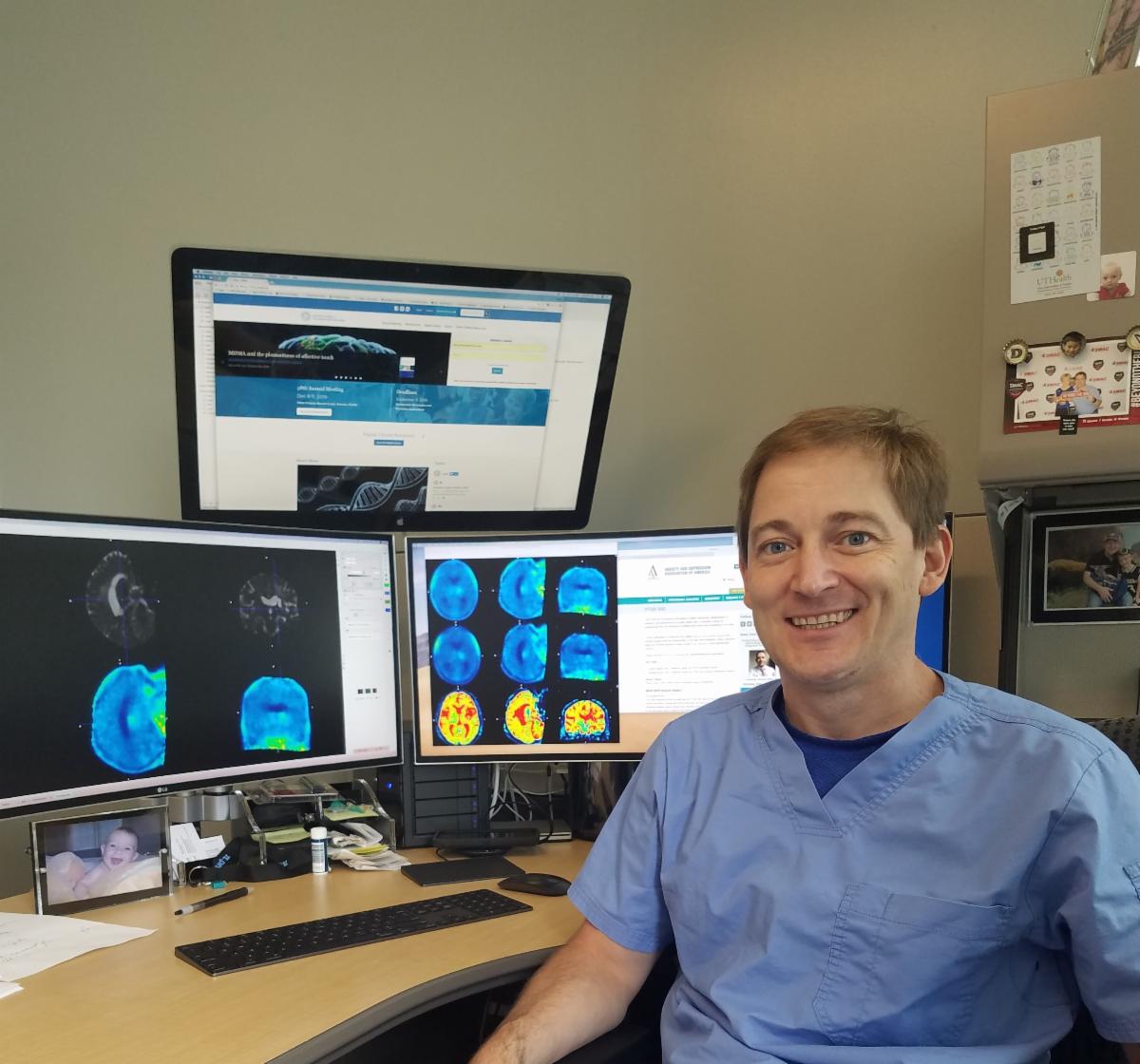
Alan Prossin, MBBS, recently received a grant from the National Institutes of Health (NIH) to conduct a study on biomarker signatures of pain to combat the opioid epidemic domestically and abroad in response to managing pain after surgical procedures.
Prossin says one drawback in medical treatment, specifically in psychiatry and pain management, is the lack of clinically validated measures to personalize treatments. In this five-year study, researchers will take a closer look at biomarkers of pain, specifically predictors of pain. At the end of the study, "good" biomarkers, that are useful in predicting pain, will be sent to NIH test sites for further validation and eventually distributed.
Prossin’s work builds off what he started at the University of Michigan. While investigating the amount of pain patients felt, he found a correlation between pain and the brain’s response to that pain, thus making it possible to predict the amount of pain, as well as the severity, a patient will feel after surgery.
For this study, Prossin’s team will recruit a total of 140 patients, following each for eight to 12 weeks, to test these predictors of pain. Most will have surgical procedures already scheduled.
The end goal in this project is to use the data to help people who are experiencing post-operative pain. Instead of a “one size fits all” treatment, doctors will be able to put together personalized treatment plans based on these predictors of pain in an individual, leading to a reduction of drug use.
|
|
|
|
Education:
Ibarra heads up child adolescent fellowship
|
|
The Faillace Department of Psychiatry and Behavioral Sciences has a reputation for having one of the best fellowship programs, especially for child and adolescent psychiatry.
About a year ago, Segundo Robert-Ibarra, MD
,
took over the Child and Adolescent Fellowship Program from Cynthia Santos, MD, who ran the program for more than 25 years. Though already an established program, it is important for Robert-Ibarra is leading fellows how to become self-motivated to continue learning.
“We want them (the fellows) to be able to collaborate in groups and with different specialties,” Robert-Ibarra said. “In child psychiatry, you have to work with pediatric neurologists, the school, the parents, and with many different systems.”
Acceptance into the child and adolescent fellowship is very competitive. Only three for four applicants will be accepted into the program yearly from an applicant pool of 50.
Interested residence may submit an application for the fellowship at the beginning of the last year of their four-year residency. The application includes items such as a CV, research experience, clinical experience, letters of recommendations, and previous exam results.
From there, a committee of five will interview each candidate. Many factors are taken into account including their school work, letters of intention explaining their desire to get into the program, and diversity to serve every community’s needs.
Though new to the fellowship program, Robert-Ibarra is proud of the quality of the participants put out through the fellowship.
“I wasn’t surprised but very excited to see the quality of the fellows,” Robert-Ibarra said. “They’re professional, knowledgeable, and competent in the main areas we measure. It’s a very good program that’s been running for a long time, and I’m blessed to be chosen to continue the legacy.”
For more information about the child and adolescent fellowship program, click
here
.
|
|
Sanches receives award at depression conference
|
|
Marsal Sanches, MD, PhD, FAPA, recently won an award at the 2019 National Network of Depression Centers Conference for a presentation he presented.
The conference, held in Ann Arbor, Michigan, brings together psychiatry departments from all across the country, with a specific interest in depression, to share information, research, and ideas.
Sanches’ presentation took an in-depth look at the impact anxiety disorders have on the quality of life in bipolar patients.
While a small amount of literature exists, research in the comparability of anxiety disorder and bipolar disorder isn’t an area that is studied often. The research, developed at the UT center of Excellence on Mood Disorders and presented by Sanches, found a fairly significant relationship between the two. Their results showed that quality of life did suffer in several areas, including everyday functioning, perception of what a good life is, and the ability to be happy overall when a bipolar patient also suffers from anxiety disorder.
Sanches was both surprised and honored to have received an award.
“It’s a really nice experience,” Sanches said. “I feel very humbled by having the opportunity to interact with some of the most powerful minds in the country when it comes to psychiatric research."
|
|
Petronilho F, Tenfen L, Della Giustina A, Joaquim L, Novochadlo M, de Oliveira Junior AN, Bagio E, Goldim MPS, de Carli RJ, Bonfante SRSA, Metzker KLL, Muttini S, Dos Santos TM, de Oliveira MP, Engel NA, Rezin GT, Kanis LA, Barichello T.
Dal-Pont GC, Jório MTS, Resende WR, Gava FF, Aguiar-Geraldo JM, Possamai-Della T, Peper-Nascimento J, Quevedo J, Valvassori SS.
Mariano LI, O'Callaghan C, Guimarães HC, Gambogi LB, da Silva TBL, Yassuda MS, Amaral JS, Caramelli P, Hornberger M, Teixeira AL, de Souza LC.
|
|
Sudhakar Selvaraj, MD, PhD, was interviewed by
OneZero
, a Medium publication, about a global Phase II clinical trial studying psilocybin for treatment-resistant depression.
Ron Acierno, PhD, was interviewed by
KTRK-TV Channel 13
for a segment on the social anxiety experienced by famous people such as Astros' pitcher Zack Greinke.
|
|
Upcoming grand round speakers
|
|
Join us for the Grand Rounds in November on Wednesdays at noon at UTHealth Harris County Psychiatric Center:
November 6: Melissa Thompson, PhD, UTHealth, Associate Director of Strategic Industry Initiatives
November 13: Diane M Santa Maria, DrPH, MSN, RN, PHNA-BC, Cizik School of Nursing, UTHeatlh, John P. McGovern Distinguished Professor in Nursing, Dorothy T. Nicholson Distinguished Professor & Dean (Interim)
November 20: Happy Thanksgiving! No grand rounds today.
November 27: Therese Kosten, PhD, University of Houston, Professor, Director of Developmental, Cognitive, & Behavioral Neuroscience & Director of Developmental Behavioral Neuroscience Lab
|
|
Registration is now open!
|
|
Louis A. Faillace, MD, Department of Psychiatry and Behavioral Sciences at McGovern Medical School at UTHealth
713-486-2500
|
|
|
|
|
|
|
|