|
We don’t typically think much about our kidneys while they are working well, but they are important organs that help keep us healthy and alive. Every year, March is designated as National Kidney Month to bring awareness to prevention and early detection of kidney disease. Kidney disease covers a wide range of kidney issues, all of which negatively affect how the kidneys are able to perform their main filtering function.
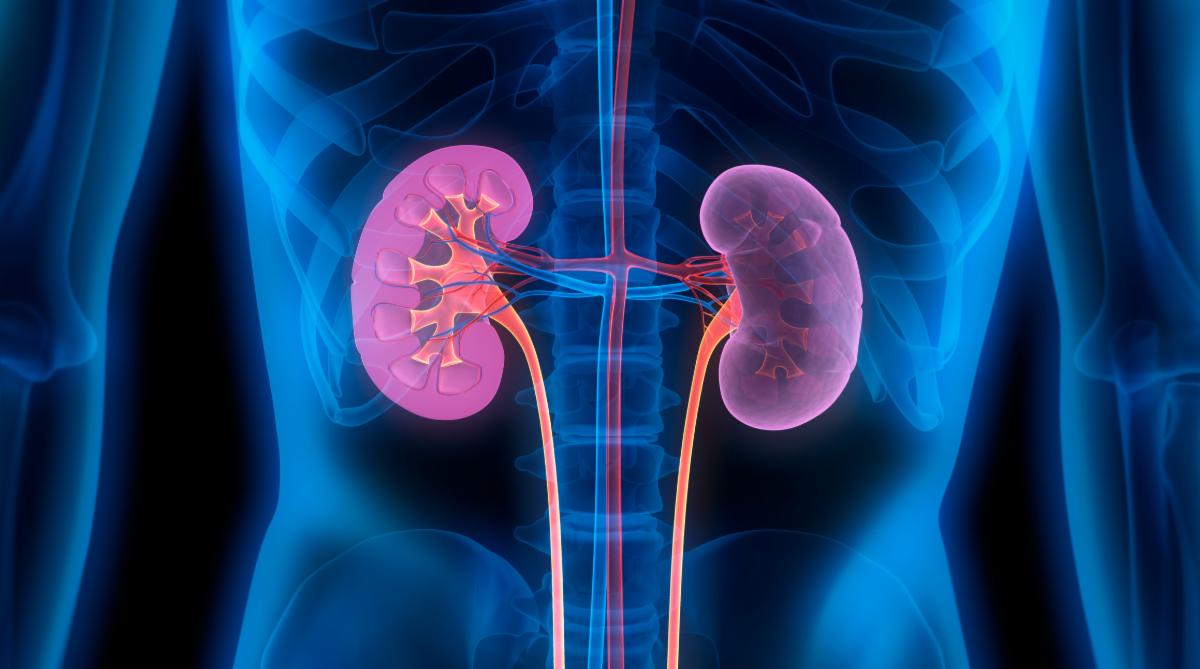
We each have two kidneys about the size of a computer mouse that filter all of the blood in our body every 30 minutes to remove wastes, toxins, and excess fluid. Our kidneys also help control our blood pressure, help with red blood cell production, help keep our bones healthy, regulate blood chemicals, and balance the amount of salt and minerals in our bodies like potassium and phosphorous that are essential for life.
When our kidneys become damaged in some way, they can’t function as well and the damage prevents them from filtering blood completely, leaving excess fluid and waste remaining in the body. This doesn’t always cause noticeable symptoms but can cause other health conditions such as heart disease, high blood pressure, anemia, bone disorders, neuropathy, and more. If kidney damage worsens over time, you may start to experience noticeable symptoms and could even require dialysis to filter your blood via a machine or a kidney transplant if they are completely failing to function.
The leading cause of kidney disease is actually diabetes, and the second leading cause is high blood pressure. In the U.S., diabetes and high blood pressure account for 2 out of every 3 cases of kidney failure. Both conditions, if not well controlled, can cause damage to blood vessels in the kidneys preventing them from being able to perform their filtering function properly. This is a great example of understanding how when one organ or part of our bodies isn’t working properly, it puts stress on and causes damage to other organs and parts of our bodies. According to the CDC, controlling diabetes and high blood pressure by managing your glucose levels and blood pressure can delay or even prevent chronic kidney disease.
Kidney disease can also be caused by frequent and continued blockage of the urinary tract due to kidney stones, kidney tumors, or an enlarged prostate, some chronic diseases, long-term use of certain medications, some inherited diseases, physical injury, and cancer.
Of these other potential causes, kidney stones are an issue that many people experience but can be prevented. Kidney stones can block the ureters that connect the kidneys to the bladder and can be very painful to pass and may even require surgery or intervention to treat. They typically form when your urine is concentrated to a point where there isn’t enough fluid to prevent the crystal-forming substances in your urine from sticking together, allowing a stone to form. The most common type of kidney stone for people to develop is made up of calcium oxalate and can typically be prevented by drinking enough water throughout the day, every day. Other types of kidney stones are made up of other substances like uric acid, struvite, and cystine. Besides staying hydrated, treatment for kidney stones can include a change in diet and in some cases a medication to help prevent the formation of stones, all dependent on what substance makes up your kidney stone(s).
Unfortunately, there is no cure for kidney disease, but treatment and management can slow the progression of damage and preserve what function you have left of your kidneys. Treatment usually involves seeing a doctor called a nephrologist and possibly a dietician also to determine a treatment plan. Treatment depends on what specifically has or is causing damage to your kidneys and can include plans to help better control other conditions like diabetes and high blood pressure, medication changes/recommendations, diet changes, and recommendations regarding regular exercise, reaching and maintaining a good weight, and quitting smoking.
Because damage to the kidneys doesn’t always cause noticeable symptoms, many people don’t realize they have kidney damage. In fact, according to the CDC, 1 in 7 Americans have chronic kidney disease and of those people, as many as 9 in 10 of them aren’t aware because they haven’t been checked or aren’t experiencing noticeable symptoms. Reducing your risk and taking steps to prevent kidney damage and kidney disease are very important to keep your kidneys healthy.
|