|
|
Preventing Trauma
and Its Consequences
A Series Brought to You By The South Southwest PTTC
|
|
In this Issue:
- Understanding the Science of Trauma, Illuminating Prevention Action
- Additional Resources on the Science of Trauma
- Funding Opportunities
- What's Happening Around the Region?
- Five Session Webinar Series on Trauma Beginning March 25
- NEW Online Ethics Course!
- Epi Corner: Breaking the Cycle of Inter-generational Trauma
|
|
Understanding the Science of Trauma, Illuminating Prevention Action
by Laura Porter
Preventionists are doing vital work in unprecedented times. Many of our usual strategies have been unavailable to us, as social distance, stay-at-home orders, and illness have changed all our lives. COVID has dramatically increased people’s vulnerability, so prevention work is more necessary now than it ever has been before.
Social networks have proven their value, bringing uncommon resources into health, social services, education, justice, and other systems – we have seen how powerful family, friends, and neighbors can be. But we have also seen the impact of social isolation and stress, especially among people who had a history of adversity before the pandemic began.
Our job as preventionists is to get a “right-fit” between the support we establish in communities, and the experience of people we are intending to benefit. The social context within each community is vastly different because the unique, amazing, sacred individuals in each place bring gifts and challenges into the landscape.
To navigate that landscape, we need to understand how adversity generates changes to people’s brains and bodies and how those changes affect participation in preventive community action. We also need to understand how to affect the typical social responses in America that often make matters worse.
Session 1 in the Preventing Trauma and Its Consequences series will discuss equity from the perspective of welcoming and supporting every person’s leadership. It will help preventionists make strategic choices about investments with the power to stop progression of adversity across the life course, putting healing and hope at the center of community life. We look forward to our time with you in this session!
|
|
About the Author
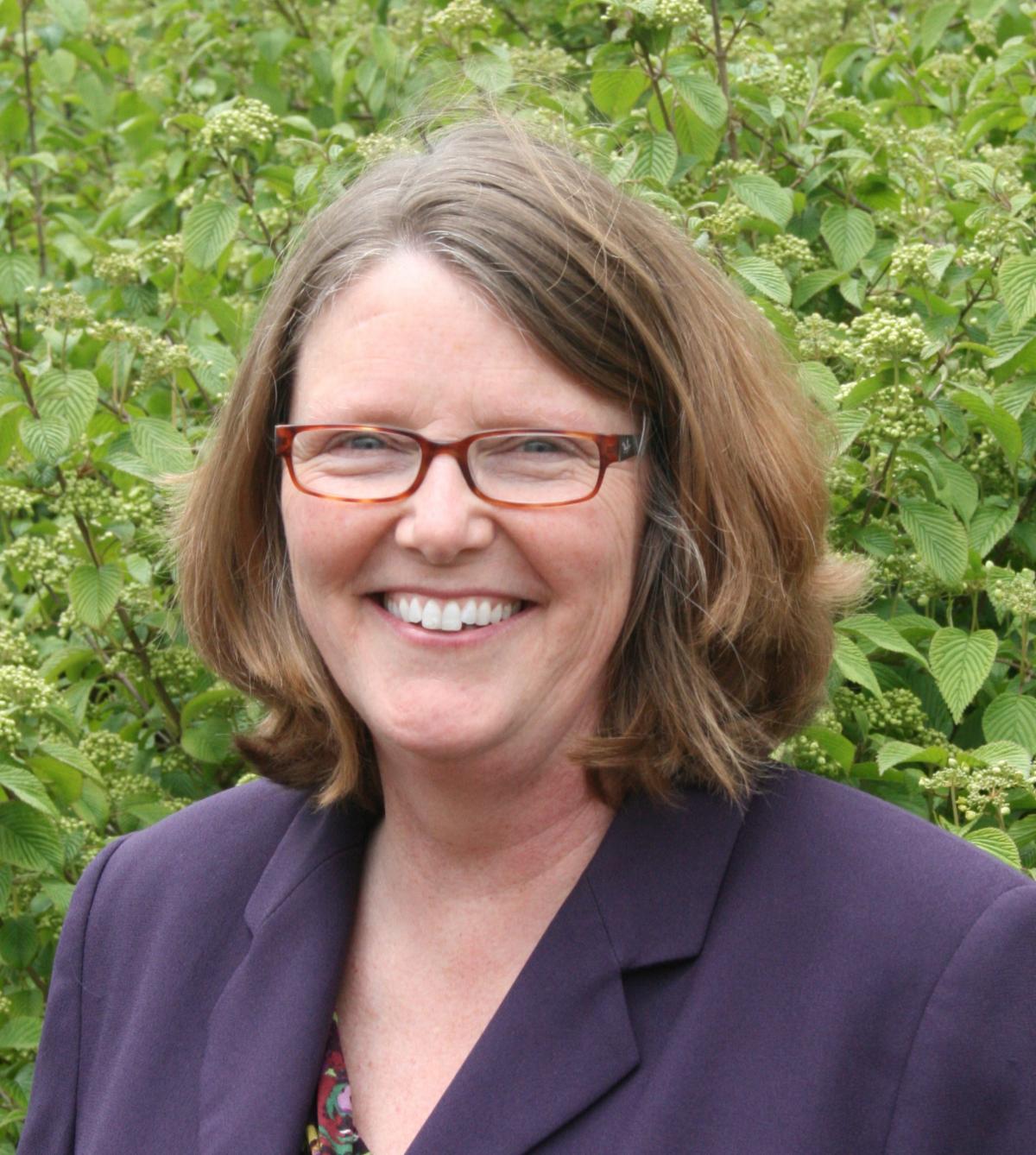
Laura Porter is the first speaker in our Preventing Trauma and Its Consequences Series on Thursday, March 25. She is the Co-Founder of ACE Interface, LLC, a public health education and consultation firm that helps community and sector leaders to improve population well-being through trauma-informed action. Read more about Laura and register for session 1.
|
|
Additional Resources on The Science of Trauma |
|
National Center on Biotechnology Information/EXCLI Journal
This study reviews some of the major effects of stress on the primary physiological systems of humans. Many of us have experienced much higher levels of stress in the past year due to changes in routines, loss of jobs, ill health in ourselves or family members. Some have even faced the death of a family member or friend and experience many other stressful situations. Those that work or live in stressful environments, have a higher likelihood of many disorders. Stress can be either a triggering or aggravating factor for many diseases and pathological conditions.
National American Indian and Alaska Native PTTC
This series of sessions features traditional Native American storytelling, along with time for discussion on what can be learned from the stories to show the ways these stories can be incorporated by Native American providers into their work with patients.
Pacific Southwest PTTC
The purpose of this slide deck is to provide prevention practitioners with researched and vetted tools they can feel confident using in their prevention presentations. All slide decks include presenter notes and full references. This slide deck introduces basic definitions of stigma and discusses the role substance misuse prevention practitioners play in reducing it.
Health Magazine
Lots of things get passed down from generations - stories, heirlooms, genetic traits - but a new field of study suggests that even trauma can be passed down through a lineage. Learn more about the causes, signs and effects of generational trauma in this video, and how you can overcome some of the negative experiences and traits that may have traveled to you genetically.
|
|
The Substance Abuse and Mental Health Services Administration (SAMHSA), Center for Substance Abuse Prevention (CSAP), is accepting applications for fiscal year (FY) 2021 Strategic Prevention Framework for Prescription Drugs (Short Title: SPF Rx) grant program. The SPF Rx grant program provides an opportunity for states, U.S. territories, and Tribal entities that have completed a Strategic Prevention Framework State Incentive Grant (SPF SIG) to target the priority issue of prescription drug misuse or another state-level strategic planning process around prescription drug misuse prevention. The program is designed to raise awareness about the dangers of sharing medications and work with pharmaceutical and medical communities on the risks of overprescribing to young adults. The SPF Rx program will also raise community awareness and bring prescription drug abuse prevention activities and education to schools, communities, parents, prescribers, and their patients. In addition, SAMHSA will track reductions in opioid overdoses and the incorporation of Prescription Drug Monitoring Program (PDMP) data into needs assessments and strategic plans as indicators of the program’s success.
The Drug-Free Communities (DFC) Support Program was created by the Drug-Free Communities Act of 1997 (Public Law 105-20). The Executive Office of the President, Office of National Drug Control Policy (ONDCP), and the Department of Health and Human Services (HHS), Centers for Disease Control and Prevention (CDC), National Center for Injury Prevention and Control (NCIPC) are accepting applications for Fiscal Year (FY) 2021 Drug-Free Communities (DFC) Support Program grants.
The purpose of CDC-RFA-CE21-2102 is to fund applicants who have never received DFC funding to carry out the two goals of the DFC program. By statute, the DFC Support Program has two goals: 1) Establish and strengthen collaboration among communities, public and private non-profit agencies, as well as federal, state, local, and tribal governments to support the efforts of community coalitions working to prevent and reduce substance abuse among youth (individuals 18 years of age and younger). 2) Reduce substance abuse among youth and, over time, reduce substance abuse among adults by addressing the factors in a community that increase the risk of substance abuse and promoting the factors that minimize the risk of substance abuse.
ODMHSAS Prevention Services Open Funding Opportunities
The Oklahoma Department of Mental Health and Substance Abuse Services - ODMHSAS, Division of Prevention Services via the Oklahoma Department of Central Services has multiple funding opportunities/solicitations (Open 3/10/2021 and Closes 4/9/2021 variously) for Community-Based Prevention Services (CBPS); Mental Health First Aid (MFHA); and Responsible Beverage Sales and Services (RBSS) to serve high need communities in Oklahoma State. The link to each funding opportunity/solicitation (including the open and close dates) can be found in the links below:
Please note that ALL Questions must be directed to the contact listed in the solicitations: Jacob Short, jacob.short@omes.ok.gov 405-522-0437
|
|
The South Southwest PTTC is currently suspending in-person training and meetings until further notice. Take advantage of our many virtual products and services available for free from our website.
|
|
What's Happening Around the Region? |
|
Preventing Trauma and Its Consequences
A Five-Part Webinar Series
Hosted by the South Southwest PTTC
Session 1: Understanding the Science of Trauma, Illuminating Prevention Action with Laura Porter, co-founder of ACE Interface, LLC
Thursday, March 25
1:30-3 pm CT
An innovator in the field of adverse childhood experiences, Laura will teach about toxic stress, the most powerful determinant of health and explore prevention actions that have the power to shift the trajectory of well-being for future generations.
|
|
Save the Dates for other sessions in the series
Preventing Trauma and Its Consequences: Practical Steps for the Prevention Professional
A South Southwest Prevention Technology Transfer Center Webinar Series
Please join us in this webinar series as we come together to share the good news about the role of prevention in addressing ACEs and other trauma. Together we'll learn the practical steps to preventing trauma and it's consequences in your community.
Check out the speakers for the other sessions in our series!
Each webinar will begin at 1:30 p.m. CT and run for 90 minutes. Please join our email list to receive notifications about specific topics and registration details as they become available.
|
|
New Online Course Available Now!
Ethics in Prevention Foundations:
A Guide for Substance Misuse Prevention Practitioners
As a substance abuse prevention professional, you regularly face situations that involve ethics. Often it is clear how to act ethically. But in some situations, you may not be aware of your ethical responsibility, or know how to respond ethically.
While laws and policies are a good starting point for making ethical decisions, you are likely to face many situations where the right ethical response is not clearly prescribed by regulations. Ethics in Prevention Foundations can help you make ethical choices in your work every day.
This free 3-hour SELF-PACED course is based on the moderated Ethics in Prevention: A Guide for Substance Misuse Prevention Practitioners. This course is appropriate for anyone working in the field of substance abuse prevention. It covers key terminology, the six principles in the Prevention Code of Ethics, and a decision-making process to use when faced with an ethical dilemma.
|
|
More Prevention Online Courses
Free online courses are available through the Prevention Technology Transfer Center.
If you are new to prevention, be sure to take the course, "Introduction to Substance Abuse Prevention: Understanding the Basics (Pre-SAPST)".
|
|
|
Epi Corner
Iris Smith, Ph.D., M.P.H.
South Southwest Prevention Technology Transfer Center
|
|
Breaking the Cycle of Intergenerational Trauma
Intergenerational trauma typically refers to the ways in which trauma experienced in one generation affects the health and well-being of descendants of future generations.1 There is a relatively extensive body of research focused on how parental exposure to various forms of trauma can negatively affect health outcomes and behavior in offspring. Much of the research has focused on parenting behaviors and the risk of child maltreatment and neglect as well as domestic violence within trauma exposed families. One of the limitations of research on intergenerational trauma is the lack of consistent definitions and measurement of trauma, making it difficult to link outcomes to specific traumatic exposures.
A 2018 systematic review of 15 published studies on the risk of child abuse by trauma-exposed parents found that regardless of the type of trauma, the prevalence of child abuse was consistently higher in populations exposed to traumatic events compared to a non-exposed group. In this study, trauma exposures included childhood abuse, exposure to natural disasters, war/political violence, and trauma experienced by refugee families. Parents diagnosed with PTSD also had a greater risk of committing violence against their children compared to parents without PTSD.2
Few studies have examined differences in outcome by ethnicity, gender of parent or potential moderators in the socio-ecological environment. Racial/ethnic differences in exposure and child health outcomes have been identified. Liu et al (2020) found that on average, racial/ethnic minority youth experienced more ACEs, had access to fewer protective factors, lower household incomes, and worse overall health. Rates of exposure to community violence were also disproportionately experienced by Black and Latinx youth compared to White youth. However, these researchers also found that for youth experiencing high levels of adversity, having access to protective factors across family, school, and community environments was associated with the greatest benefit.3
Secondary trauma associated with generational or vicarious racism is another area that has not received much attention. Vicarious racism can be traumatic for children who may imagine themselves or a loved one in place of the target, leading to emotional, psychological, or physiological consequences. Such experiences threaten a child’s sense of the world as just, fair, and safe leading to feelings of hopelessness and despair.4
Breaking the cycle of intergenerational trauma requires a comprehensive and collaborative community response. Matlin et al. (2019) describe how Pottstown Pennsylvania was able to create community level change through a multi-sector, participatory collaboration. This case study highlights the importance of fully engaging community stakeholders to infuse trauma-informed practice to all community sectors. Social network analyses over time demonstrated growth in the number of trauma-related collaborations formed among organizations within the community.5
Resources
Champine RB, Lang JM, Nelson AM, Hanson RF, Tebes JK. (2019). Systems Measures of a Trauma-Informed Approach: A Systematic Review. American Journal of Community Psychology 64; pg. 418-437. https://pubmed.ncbi.nlm.nih.gov/31469452/
Matlin SL, Champine RB, Strambler MJ, O’Brien C, Hoffman E, Whitson M, Kolka L, Tebes JK. (2019). A Community’s Response to Adverse Childhood Experiences: Building a Resilient, Trauma-Informed Community. American Journal of Community Psychology 64; 451-466. https://pubmed.ncbi.nlm.nih.gov/31486086/
Prevention Institute Collaboration Multiplier: An interactive tool for planning and building community collaborations.
_____________________________________________________
1Sangalang CC & Vang C. (2017) Intergenerational Trauma in Refugee Families: A Systematic Review. Journal of Immigrant Minority Health, 19; pg.745-754.
2Montgomery E, Just-Ostergaard, Jervelund SS. (2018) Transmitting Trauma: A Systematic Review of the risk of Child Abuse Perpetrated by Parents Exposed to Traumatic Events. International Journal of Public Health, 64; pg. 241-251.
3Liu SR, Kia-Keating M, Nylund-Gibson K, Barnett ML. (2020). Co-Occurring Youth Profiles of Adverse Childhood Experiences and Protective Factors: Associations with Health, Resilience and Racial Disparities. American Journal of Community Psychology, 65; pg. 173-186.
4Heard-Garris NJ, Cale M, Camaj I, Hamati MC, Dominguez TP (2018) Transmitting Trauma: A Systematic Review of Vicarious Racism and Child Health. Social Science and Medicine 199; pg. 230-240.
5Matlin SL, Champine RB, Strambler MJ, O’Brien C, Hoffman E, Whitson M, Kolka L, Tebes JK. (2019). A Community’s Response to Adverse Childhood Experiences: Building a Resilient, Trauma-Informed Community. American Journal of Community Psychology 64; 451-466.
|
|
|
|
|
|
|