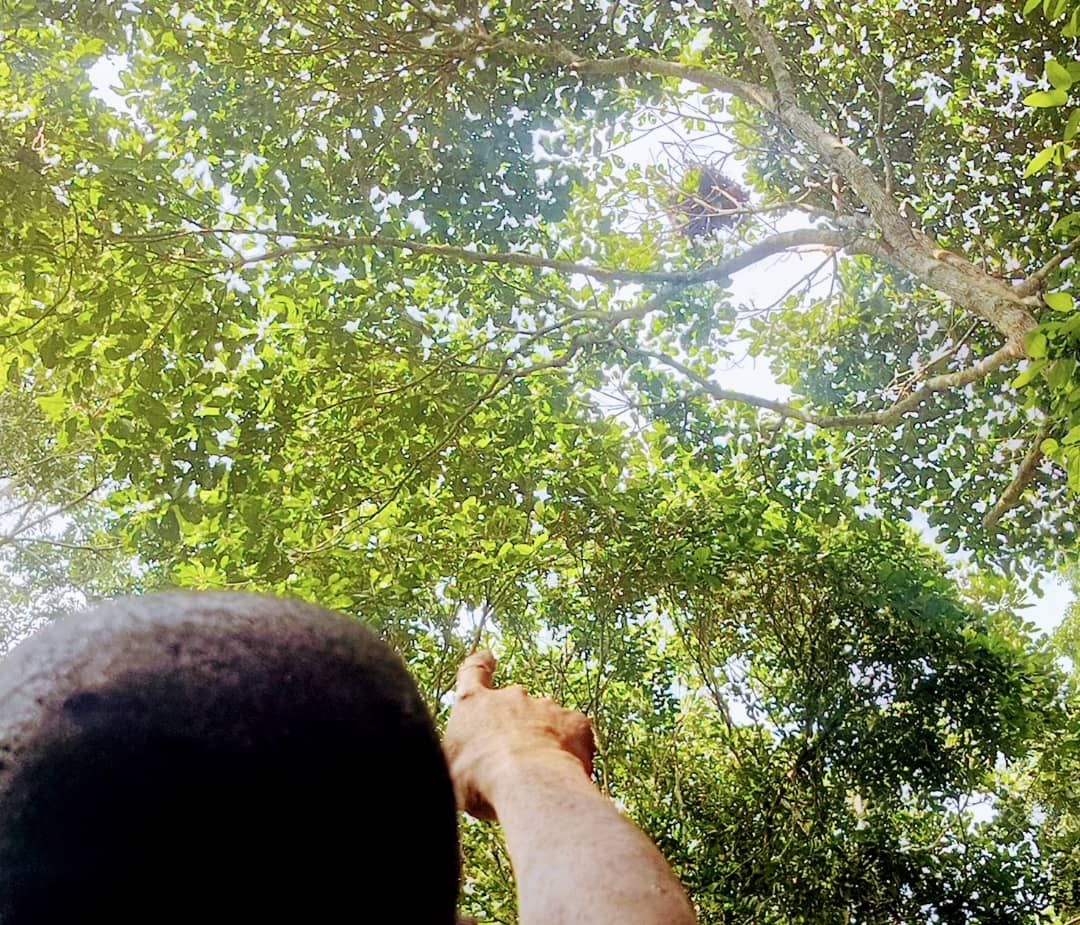
Ensuring a bright future for Congo's bonobos, local community leadership in forest conservation, and a look back | | Community members from Lokongo identify a bonobo nest as they track bonobo populations through the forest canopy in a bio-monitoring survey. | | |
Dear GCE supporters and friends,
We have a lot of exciting updates to share from GCE this quarter! The past few months have brought the launch of new projects and partnerships for GCE - expanding our work in community-led bonobo conservation, joining with renowned organizations to pilot innovative conservation and climate finance mechanisms, and continuing commitment to the forest communities we serve.
We're also celebrating the contributions of our excellent team of staff and dedicated board, while looking ahead to welcoming new contributors to our mission.
With gratitude for the hard work and dedication of all of our collaborators, we look forward to deepening our impact for the Congo Basin and forest-dwelling communities in the next half of 2026.
In partnership,
Tess Mpoyi
Executive Director
Go Conscious Earth
| | |
Bonobo conservation through community forestry:
United for saving DRC's peaceful wild apes
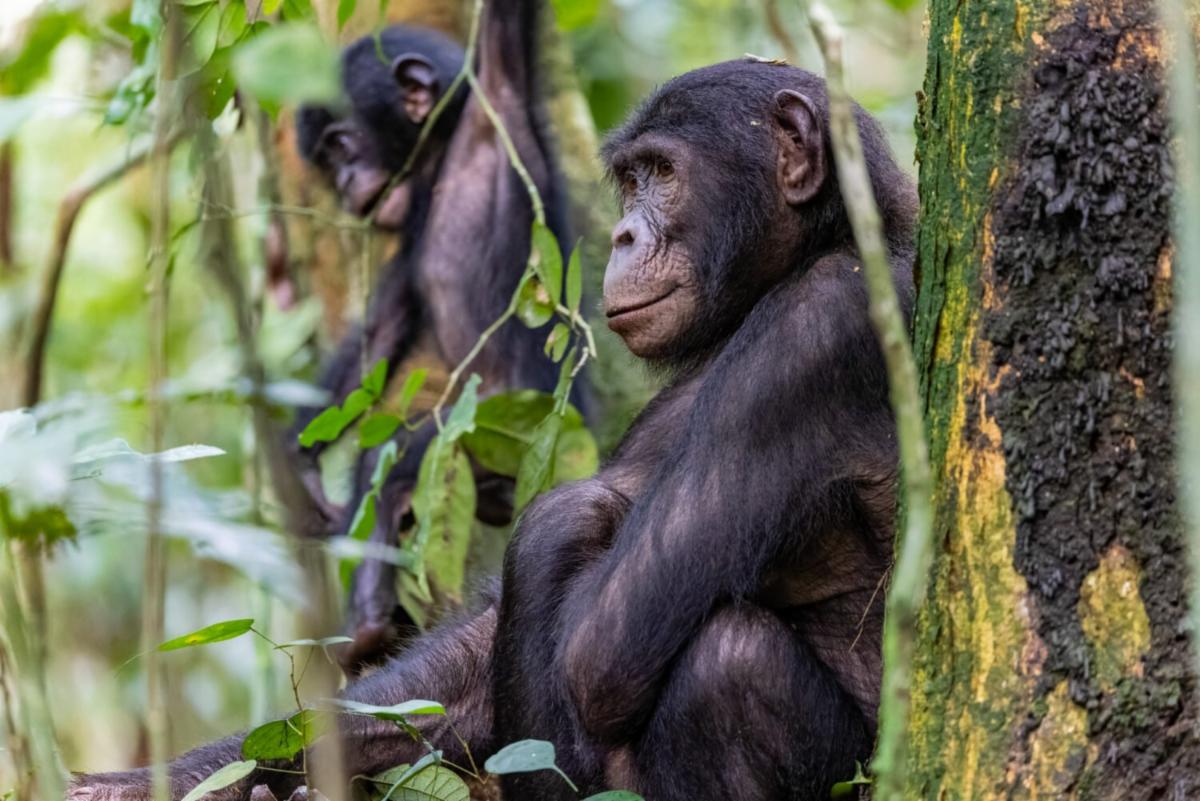
| | Photo credit: Christian Ziegler, Max Planck Institute for Animal Behavior. | | |
Since April 2026, GCE has been partnering with conservation nonprofit Re:wild to preserve habitat of endemic bonobos in DRC.
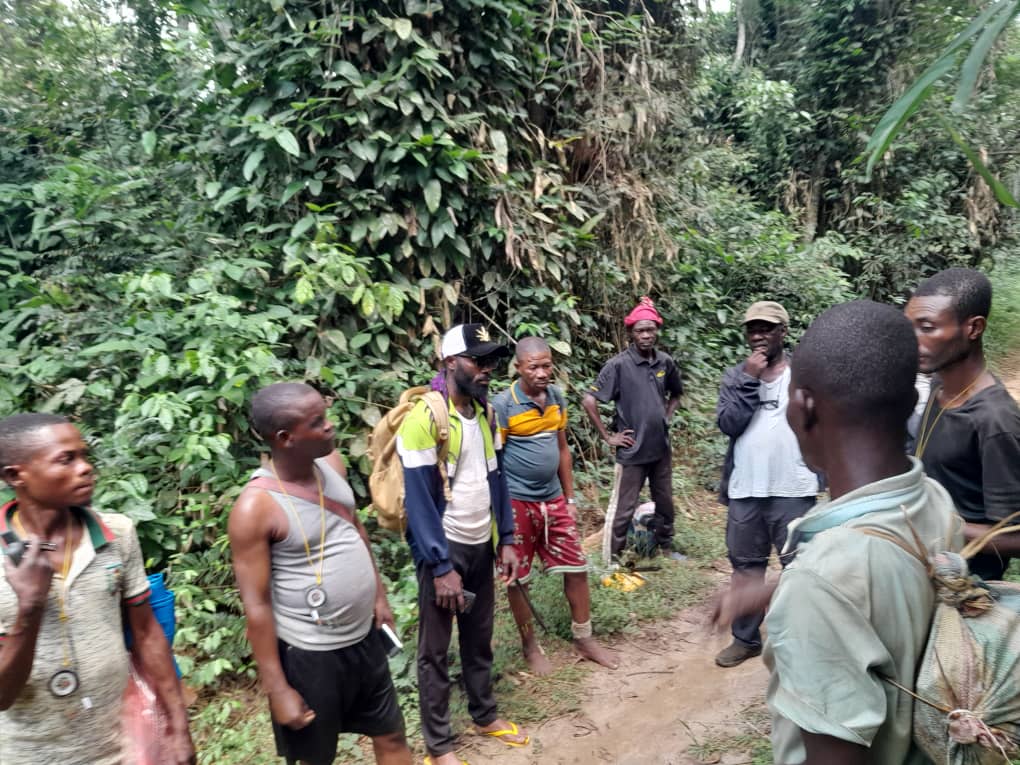
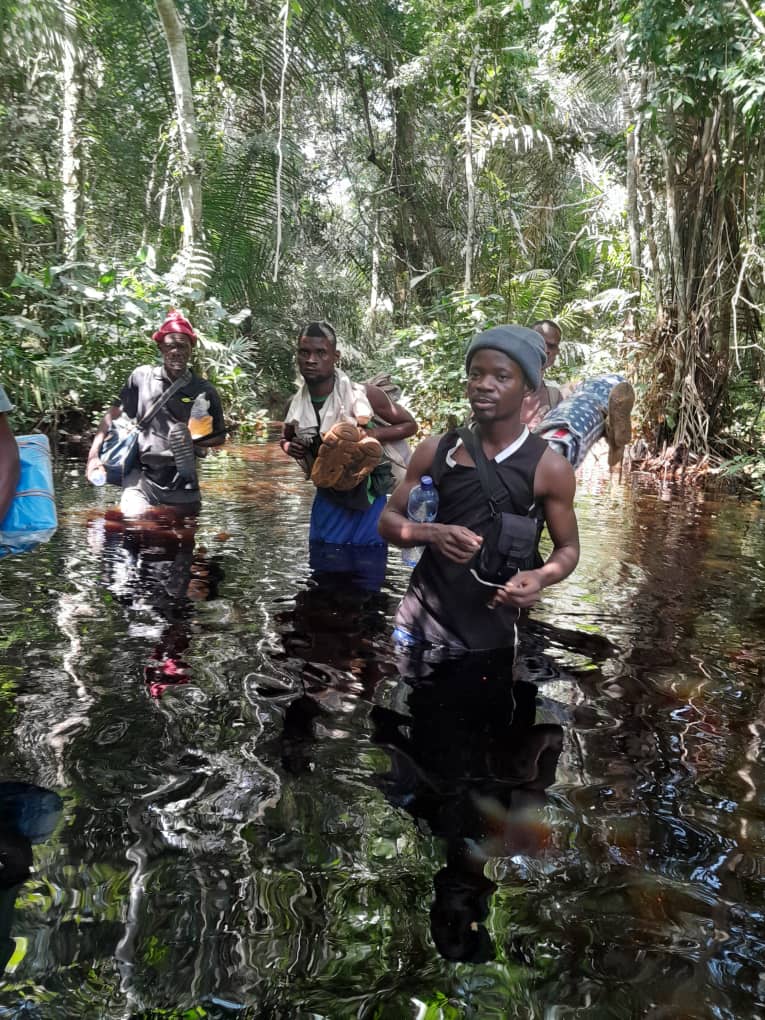
With Re:wild's support, GCE has trained community members from the Lokongo community forest concession to map bonobo habitat and monitor bonobo presence in their community forest. Community members were trained in survey techniques that allow them to estimate bonobo population numbers and locations within their concession for bonobo conservation.
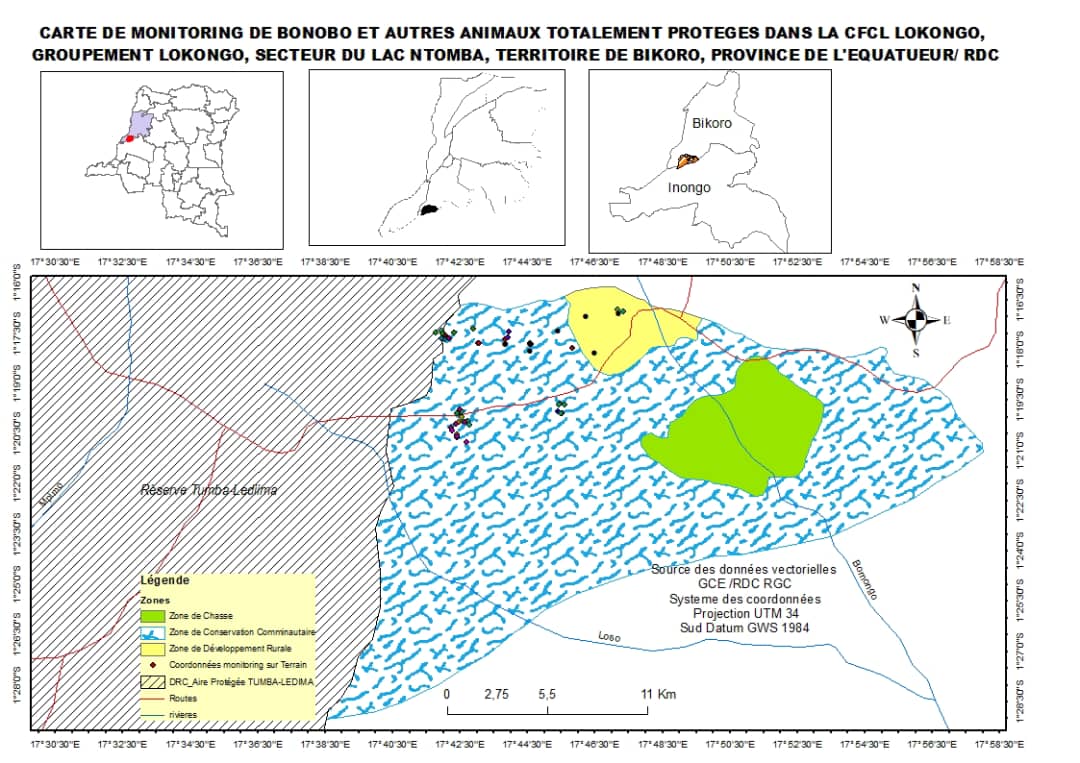
The Lokong community had already decided that bonobo conservation was a priority for them, and GCE is now supporting them to develop the approaches for community-led conservation. The largest part of the Lokongo concession has been set aside as a Community Conservation Zone (blue), where agricultural activities and hunting are banned by the community and animals are free to circulate. The map below details preliminary results of bonobo monitoring in the Lokongo concession.
| | The Lokongo community forest concession in Équateur has divided their concession into three zones by land use: Rural Development Zone (yellow), Seasonal Hunting and Fishing Zone (green), and Community Conservation Zone (blue). Signs of bonobo presence are noted as black dots on the map. Source: Lokongo community | | Lokongo community members were trained by expert trainer Valentin Mbenzo to monitor bonobos in their habitat. Photo courtesy of Valentin Mbenzo. | | |
Lokongo community members had to traverse swampland and peat bogs to follow signs of bonobos in the canopy during their practical training. Photo courtesy of Valentin Mbenzo.
| | |
A New Alliance for Bonobos in DRC
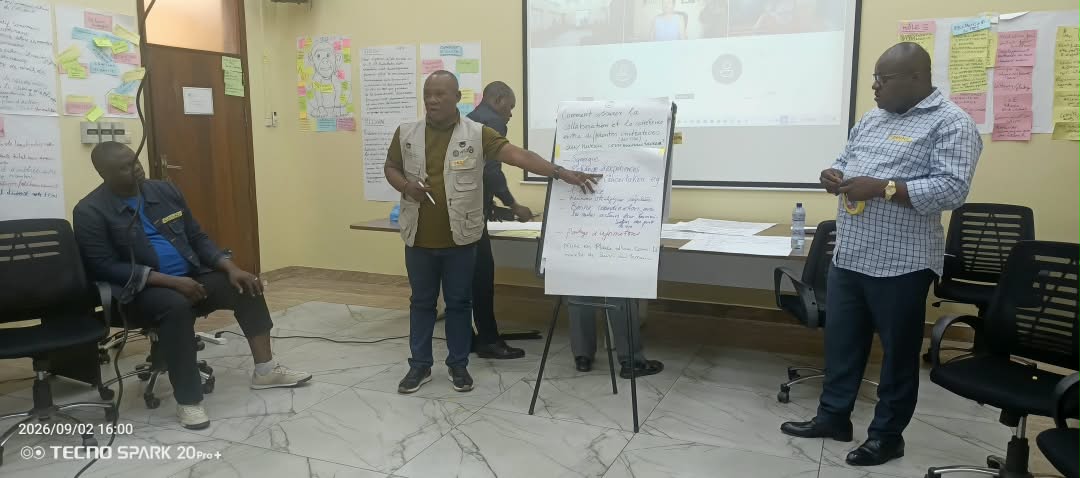
Building on GCE's work to support community-led bonobo conservation with Re:wild, GCE joins eleven other organizations working in DRC to create the first-ever Bonobo Alliance, streamlining our efforts to protect this emblematic and charismatic species.
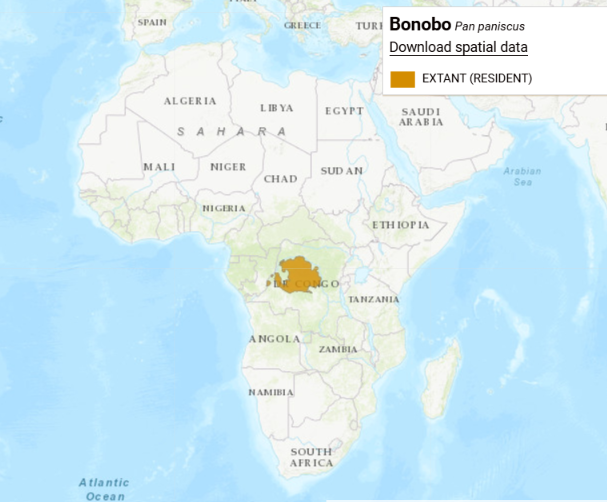
Bonobos are only present in the Democratic Republic of Congo. Working through the support of local community forest concessions, the Bonobo Alliance will leverage financial and technical support to allow local communities living with bonobos to coexist in harmony, while preserving local livelihoods.
We join international and local partners Re:wild, Amis des Bonobos du Congo, ANAPAC, Antwerp Zoo Foundation, Bonobo Conservation Initiative, WWF, Frankfurt Zoological Society, GASHE, Mbou Mon Tour, Vie Sauvage, and Wamba Committee for Bonobo Research (WCBR) to combine our efforts for bonobo protection through the promotion of community-centered conservation.
| | The habitat range of bonobos, which exist only in the Democratic Republic of Congo. Source: IUCN Red List. | | GCE DRC coordinator Taylor Lompoko Mpela presents at the launch workshop of the Bonobo Alliance in Kinshasa, DRC in September 2026. Photo credit: Taylor Lompoko Mpela. | | |
BONOBO FUN FACTS: DID YOU KNOW?
- Bonobos (Pan paniscus) are great apes who, along with chimpanzees, are humans' closest living relatives. We share nearly 99% of our DNA with bonobos!
- Bonobos live ONLY within the Democratic Republic of Congo. The Congo River separates bonobo habitat (to the south) from chimpanzee habitat (to the north).
- Among the great apes, bonobos are relatively little studied, in part due to the swampy, dense forests that they inhabit.
- Bonobo social organization is unique in the primate world. Primatologists have characterized bonobos as living in a "matriarchy", with coalitions of female group members leading decision-making and protecting group territory.
- Bonobos are famous for being the "sexy, peaceful apes"! Bonobos use sexual contact to resolve tensions, form bonds, and express excitement.
- Bonobos are listed as endangered, and habitat destruction in the Congo Basin rainforest is among the top threats to bonobos. GCE supports community forest concessions covering an estimated 5% of global bonobo habitat.
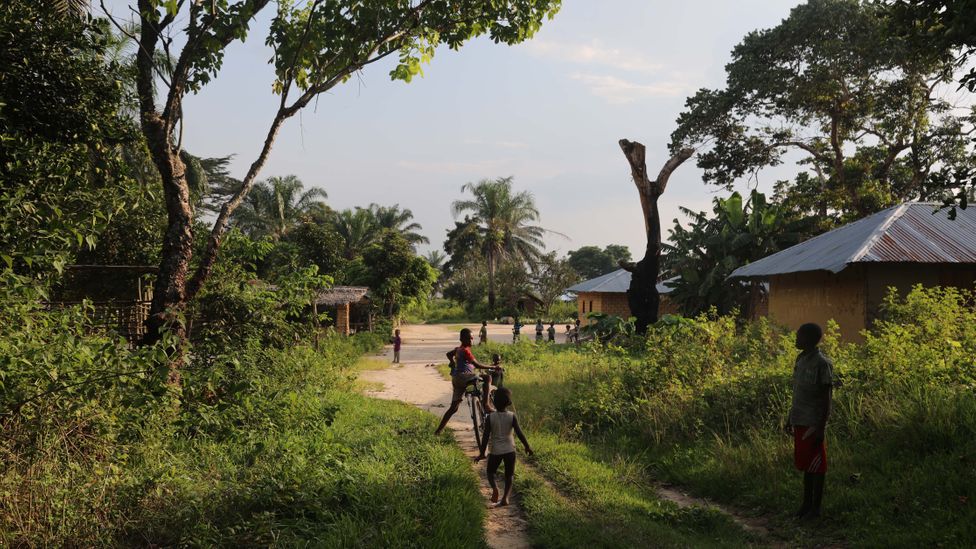
| | A village in the Congo Basin rainforest. Photo courtesy of BBC. | | |
How can climate finance reach front-line communities?
GCE pilots a new Payment for Ecosystem Services mechanism with FOREX-PES
| | |
We are excited to announce that GCE is now a formal partner in an exciting new initiative to channel climate financing to grassroots initiatives and support forest-dwelling communities: introducing the FOREX-PES project supported by the Congolese government and the Central African Forest Initiative!
GCE will partner with renowned conservation and livelihood organizations including Rainforest Foundation Norway, TRIAS, Rainforest Foundation UK, GASHE, and SPFA to ensure that local communities in Équateur province are benefiting from their conservation impact. The FOREX-PES project, a four-year initiative, will support the Congolese government's ambitious climate goals by reducing deforestation, reducing poverty, and promoting livelihoods in nearly 400,000 acres of high-integrity rainforest (an area roughly twice the size of New York City).
Through this project, the community forest concessions supported by GCE will receive direct funding in the form of small grants to implement community development projects that help protect their forest lands while reducing poverty.
| | GCE celebrates board member Richard Carroll | | |
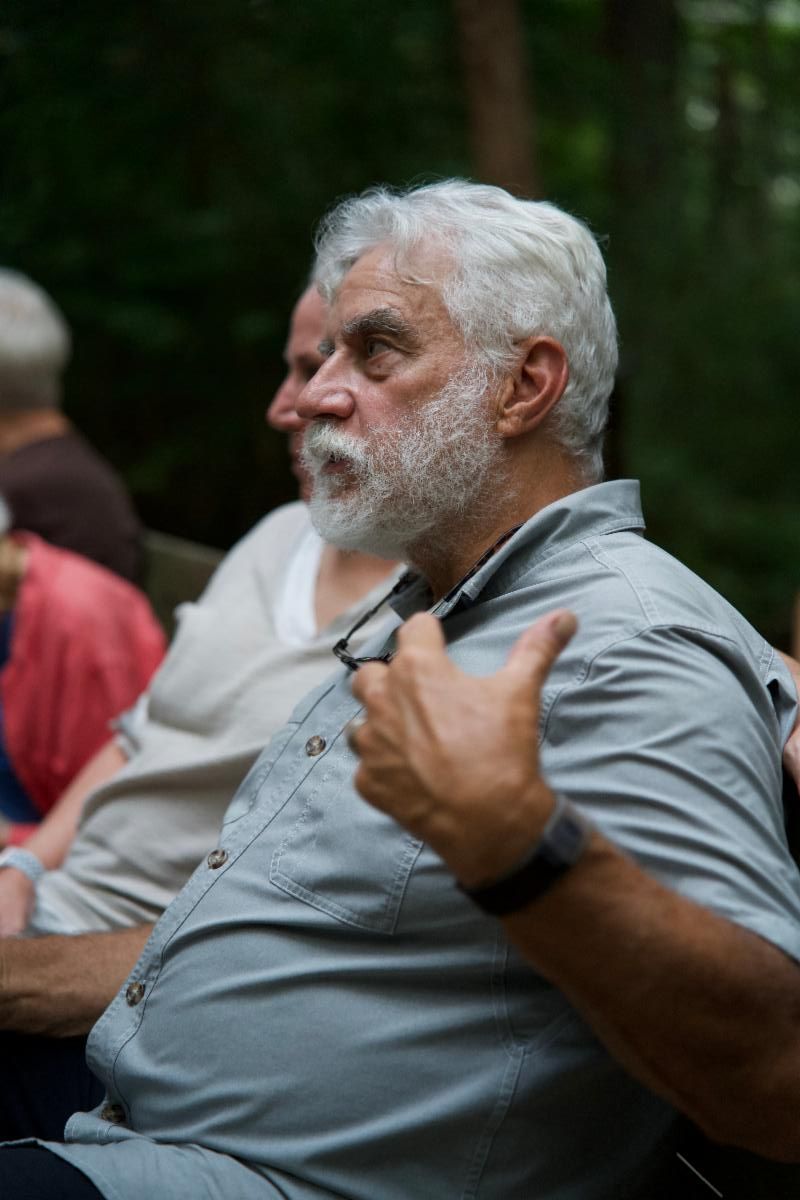
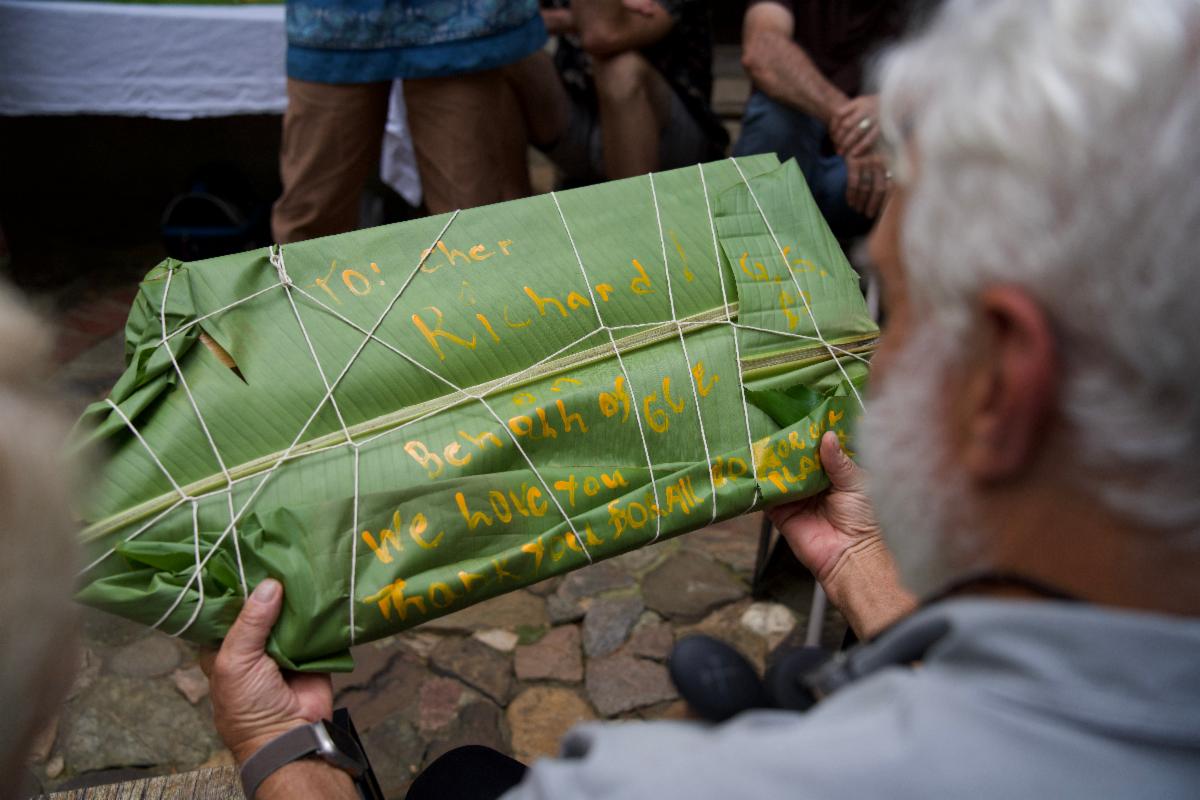
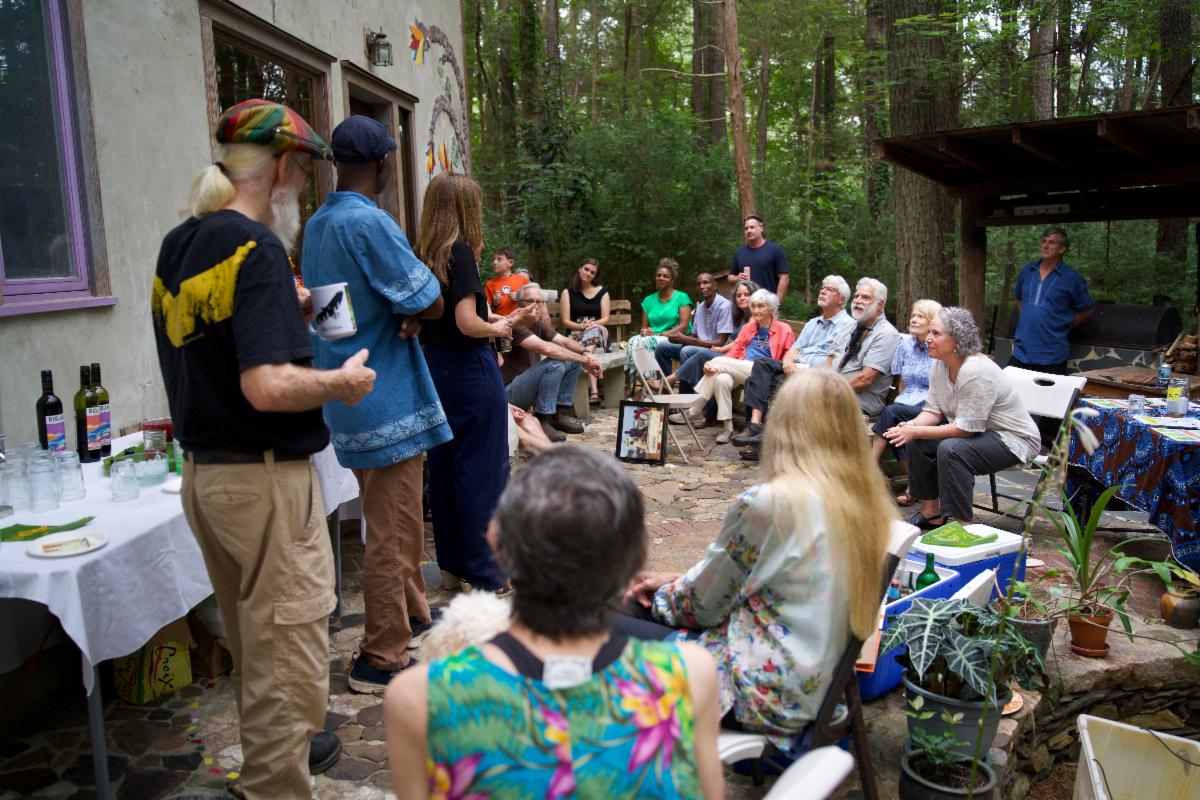
This August, GCE's board, staff, supporters and friends in Durham, NC for gathered in gratitude to the contributions of Dr. Richard Carroll, our long-serving board member and great ape expert extraordinaire! After many years supporting GCE, Richard is taking a step back from active involvement in the board. Among Richard's many contributions, he has served as a key technical advisor to our work in great ape conservation, drawing on his years living and working in Central African Republic and launching the world's first integrated development-conservation initiatives at Dzanga Sangha (which continues to this day).
Thank you Richard for your dedication and contributions to GCE! We will miss you!
| | GCE staff, board, and friends gather to celebrate Richard Carroll at the home of GCE founder Godi Godar. Photos courtesy of Tim Sharpe. | | |
The Congo Basin Needs You!
| | Image courtesy of Mongabay. | | |
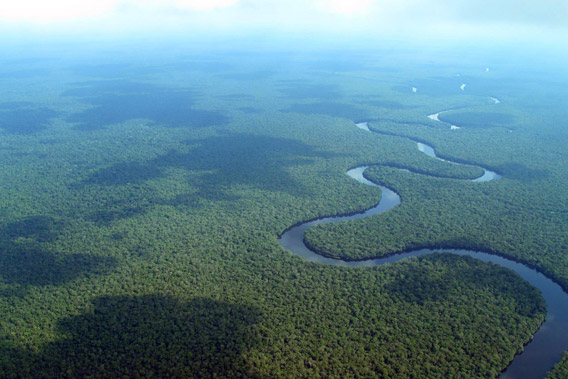
The DRC's Congo Basin holds some of the world's most unbelievable biodiversity; beloved but endangered species such as the bonobo, the forest elephant, and the okapi; and some of the world's last undisturbed wild spaces. The fate of the Congo Basin is tied to the fate of our planet. Indigenous and local communities are the stewards of these incredible lands and are helping to keep them safe for future generations.
We can't do it without YOU! Your support to GCE directly contributes to our efforts to preserve bonobo habitat, support local communities to thrive, and prevent deforestation of the world's greatest remaining rainforest. Matondo mingi, thank you!
Please consider a gift to extend our impact in 2026!
| | | | |