MICROMOBILITY:

What is it? Where does it belong?


Transportation continues to evolve. Leonardi Aray Architects has been focused on the challenges and opportunities posed by new transportation options and understands the need to match policies with reality now and in the future.


Thinking Beyond the Bike Lane

MMM: Massachusetts and Micromobility

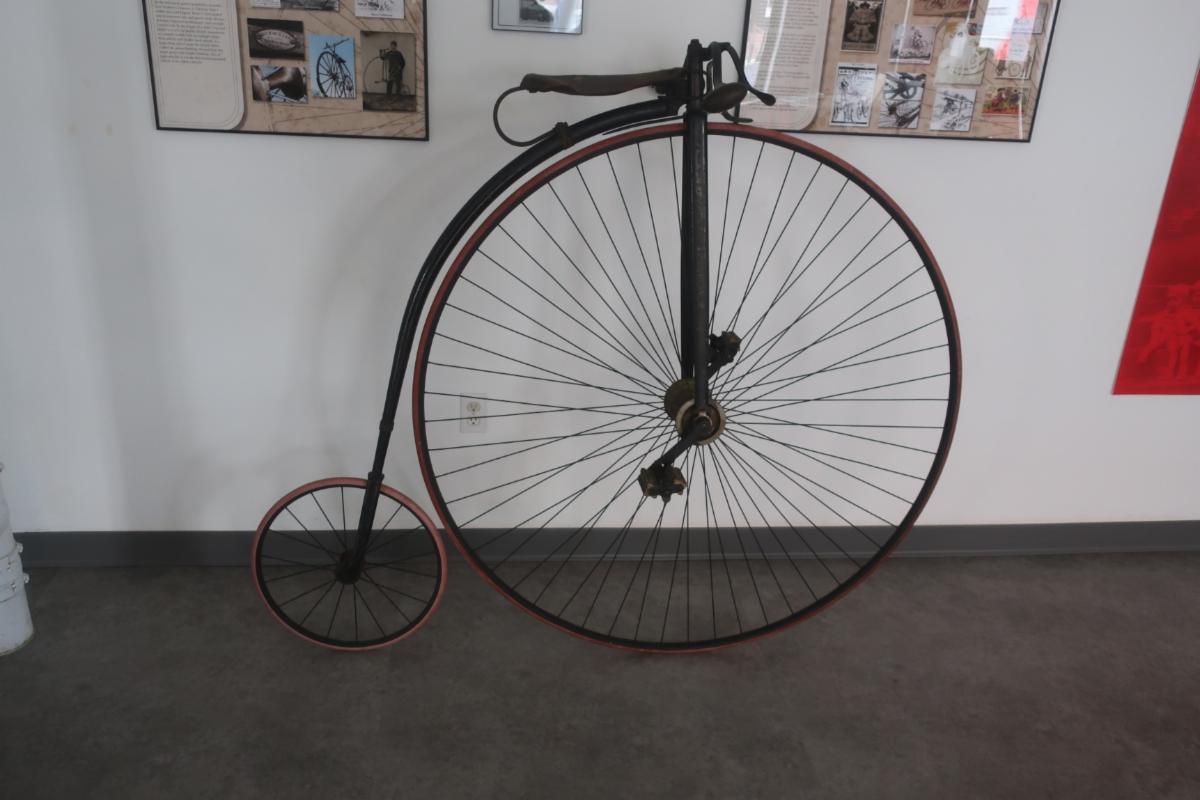
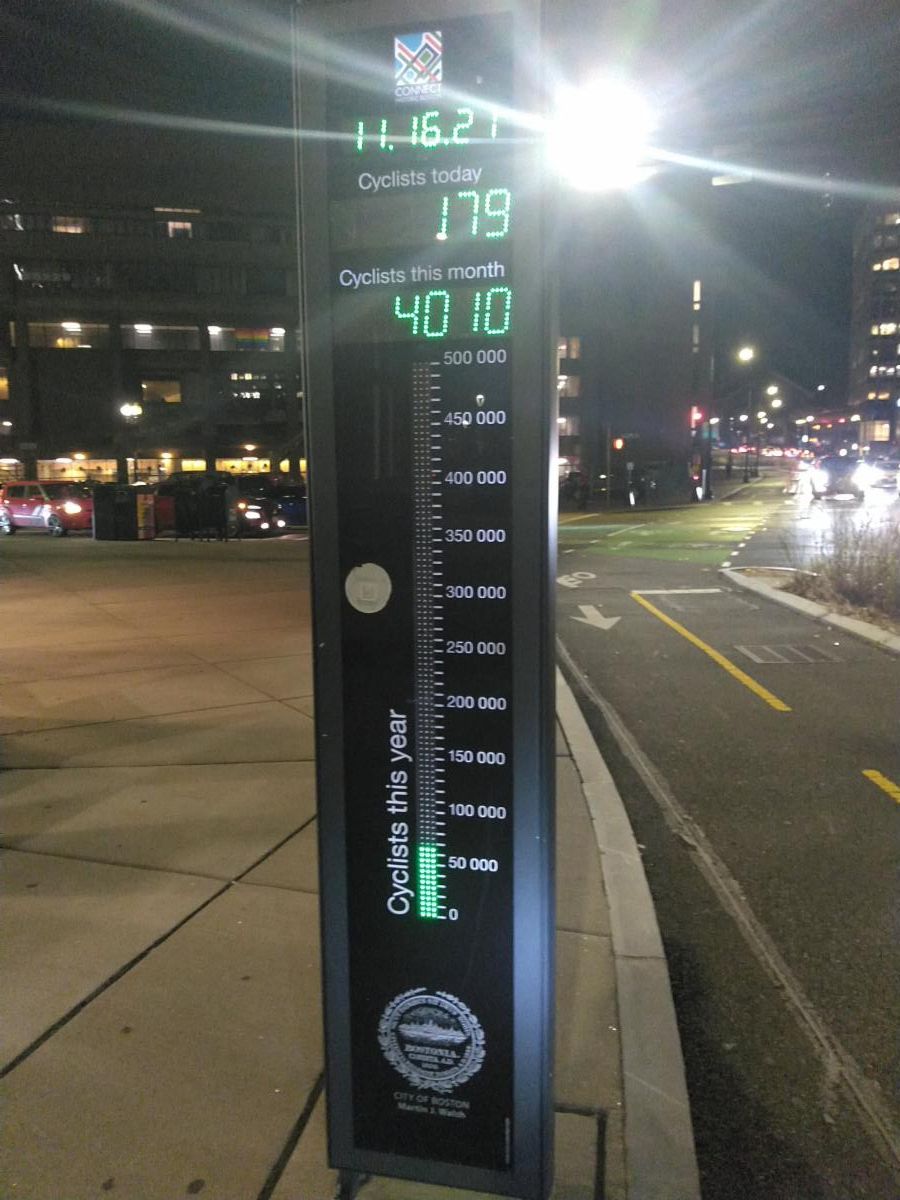
There was a day when we all knew what a bicycle was and where it belonged. And anything that wasn’t a bicycle was either clearly not a bike or there were too few of them and they were too slow for anyone to care.


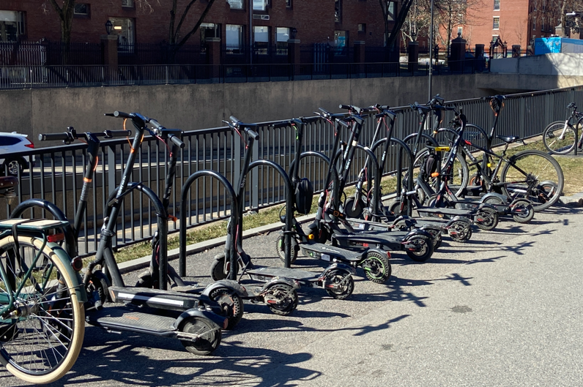
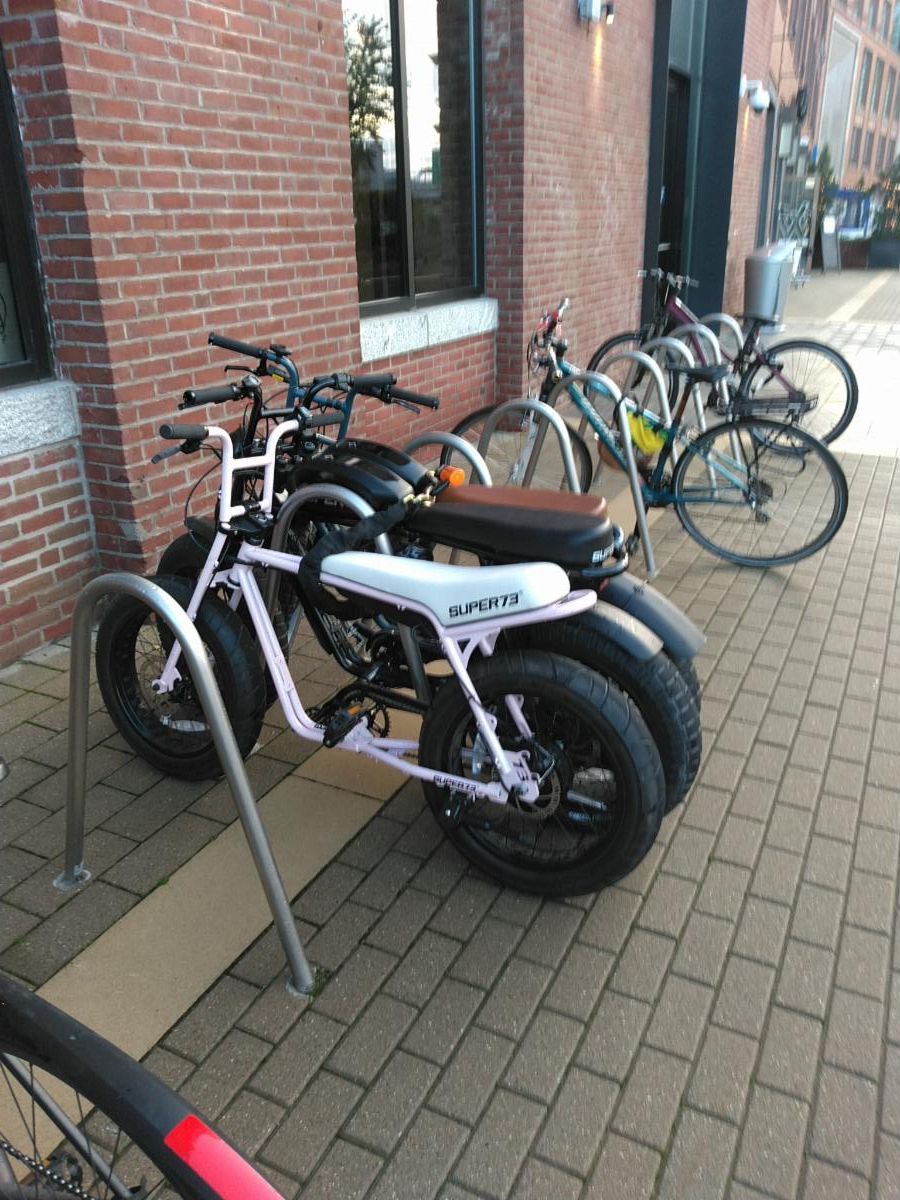
That day is long in the past and receding at the speed of a Class 3 ebike operating on full throttle. Today, normal pedal bikes still outnumber alternatives, but electric “bike-like” mobility devices, sometimes called “E-Everything Else,” make up, by informal counts, roughly a third of all vehicles operating in the space traditionally used by pedal bikes.

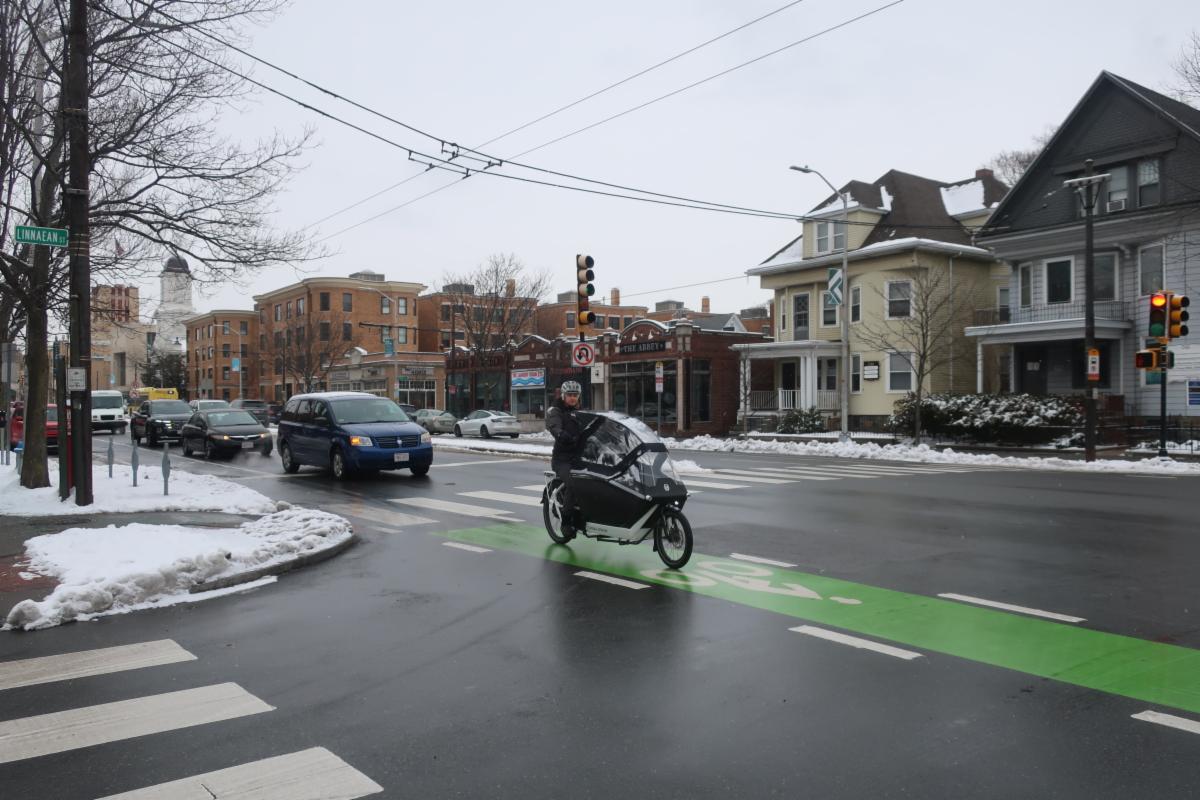
Whether it’s an E-assist cargo bike, a full-throttle Ebike, a stand-up electric scooter, some capable of going over 70 miles an hour, a sit-on electric scooter, a onewheel, a Segway or some other device most people have never heard of, the trend has been to put an electric motor on something that has wheels and put it on the market and then on the street. As battery technology improves, self-balancing capabilities advance, and bicycle materials evolve, what was science fiction just yesterday has become reality today.


The Future of Electric Bikes

Legislature Takes Action


All of these different vehicles, each have their own speed capacity, handling characteristics, weight, width and length. These, combined with their operators‘ varying attitudes towards traffic rules and a never-ending set of potholes, illegally parked cars and other street hazards, helped create a base level of street chaos that the Massachusetts Legislature began to address through a Special Commission on Micromobility.  


Classification of E-Everything else is challenging and the 112-page report has a number of confusing proposals for regulating who can ride what type of vehicle and what sort of equipment is needed under what conditions.


Leonardi Aray represented the Consulting Planners of Massachusetts (CPM) on this Committee and his firm presented the Commission’s Final Report, dated January 2026, at a well-attended session at the Citizen Planner Training Collaborative annual conference in March. This Report now goes to the Legislature for review and possible action. What sort of legislation may come out remains to be seen. 


Leonardi Aray Architects will continue to provide updates on this process and would be happy to answer any questions people might have. 


Special Commission on Micromobility


Special Commission on Micromoblity Report PDF


Consulting Planners of Massachusetts


Citizens Planner Training Collaborative

"The speed of light is constant." Albert Einstein


The Commission re-classified MM devices into four “tiers” based on speed attainable. Tier 0 includes pedal bicycles, mobility aids, and powered devices capable of reaching 20 mph. The Commission recommends Tier 0 vehicles have very few requirements and restrictions (such as no age requirement, can be ridden anywhere pedal bikes can go).


The “speed shear” created by vastly different vehicles operating in the narrow space of a bike lane can be terrifying and dangerous. A traditional pedal bicycle will go as fast as its rider can pedal while ebikes and similar vehicles can go several times faster. Even when everyone is following the rules, being “brushed” by a passing bicycle can be very unnerving experience. 

Remember This!

Data collection about micromobility is very limited. While the Massachusetts 2-page state Motor Vehicle Crash report requires all sorts of information to complete, there is no such uniform form for collecting information in a crash that did not involve a motor vehicle. To the extent that it even exists, data about crashes that are Bike versus Ebike, Scooter versus Pedestrian, Segway versus Pothole and similar conflicts is a piece-by-piece jumble. These types of crashes should also be tracked.


Leonardi Aray, AIA, CPHC/B

Leonardi Aray

Anne McKinnon

Craig Kelley

Stephany Medina

Ryan Chemali

Jennifer Gordon


Leonardi Aray Architects LLC | LAA

LinkedIn