|
"Correlates of HIV-1 control after combination immunotherapy "
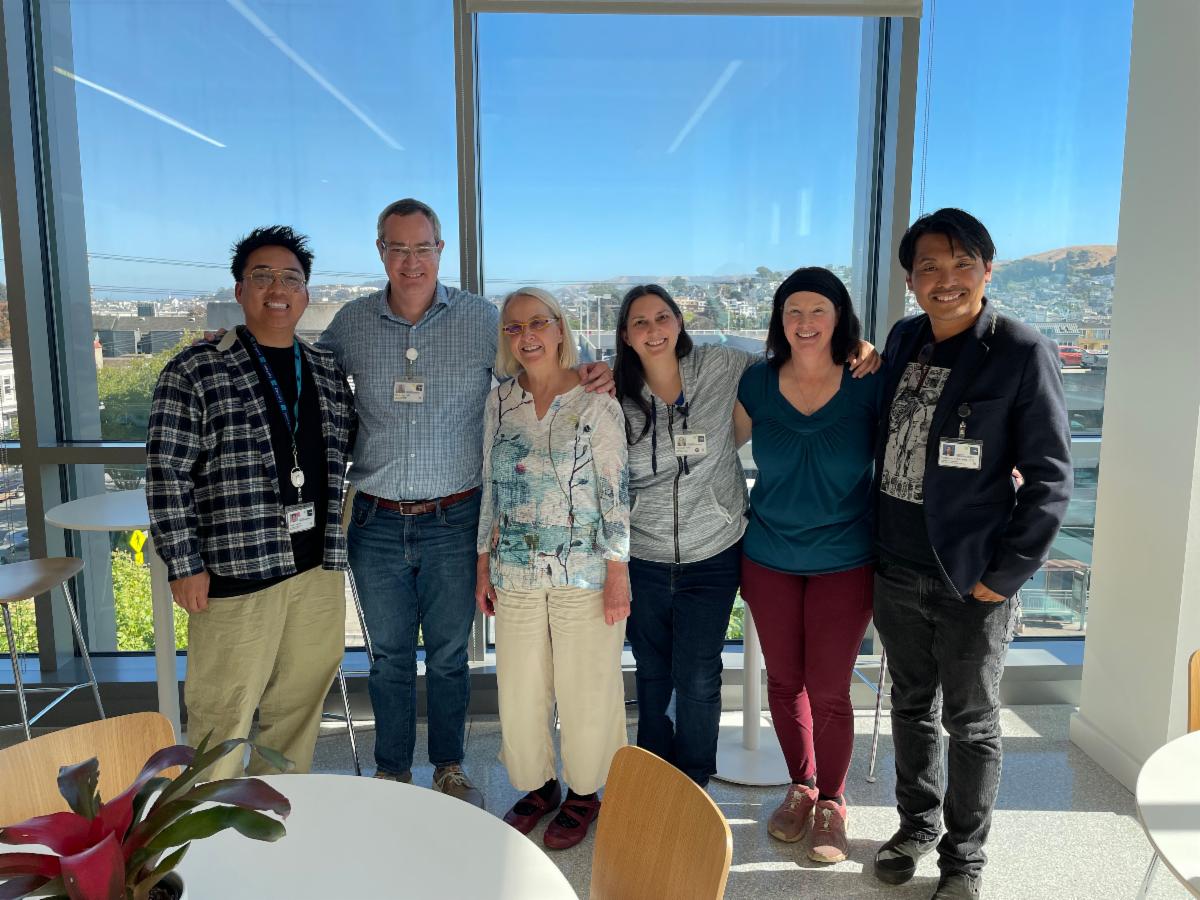
The manuscript reports the clinical outcomes and immunologic correlates of the UCSF-amfAR HIV combination immunotherapy trial that was conducted here at ZSFG. 10 people with HIV on antiretroviral therapy were given a three-part regimen including HIV therapeutic vaccination, HIV-specific broadly neutralizing antibodies plus a TLR-9 agonist, and then the broadly neutralizing antibodies administered again at the time of stopping antiretroviral therapy (ART). After the antibodies wore off, three participants experienced more or less typical rebound with high viral loads. Six individuals had a blunted slope of their rebound with low set points maintained around 1,000-2,000 copies/mL for several months. One participant did not rebound for 18 months off of ART. Looking at a timepoint early into rebound and before viral loads diverged between controllers and non-controllers, individuals who went on to control HIV uniquely had a profound expansion of activated CD8+ T cells in the blood. This correlate of HIV control suggests that, for HIV cure strategies, we should continue to optimize approaches to generate of a pool of CD8+ T cells that are ready to rapidly expand at the time they encounter virus, and that it may be important to combine these approaches with the delivery of antibodies at the time of stopping ART to potentiate the effect. The clinical study was led by Michael Peluso and Steve Deeks with Becky Hoh and the SCOPE team, antibody pharmacokinetic studies were completed by Amelia Deitchman, reservoir studies were done by the Yukl and Henrich labs, and Demi Sandel led the immunology work in the Rutishauser Lab with critical contributions from Michiko Shimoda and the CIL. The study was an incredible collaborative effort (especially in the DEM!) and was supported by amfAR and several NIH grants.
📍The manuscript will be available online on December 1 at Nature.
|