Weekly Regional Business Intelligence |
|
“Timing, perseverance and ten years of trying will eventually make you look like an overnight success.” — Biz Stone
|
|
 |
Hearing crickets?
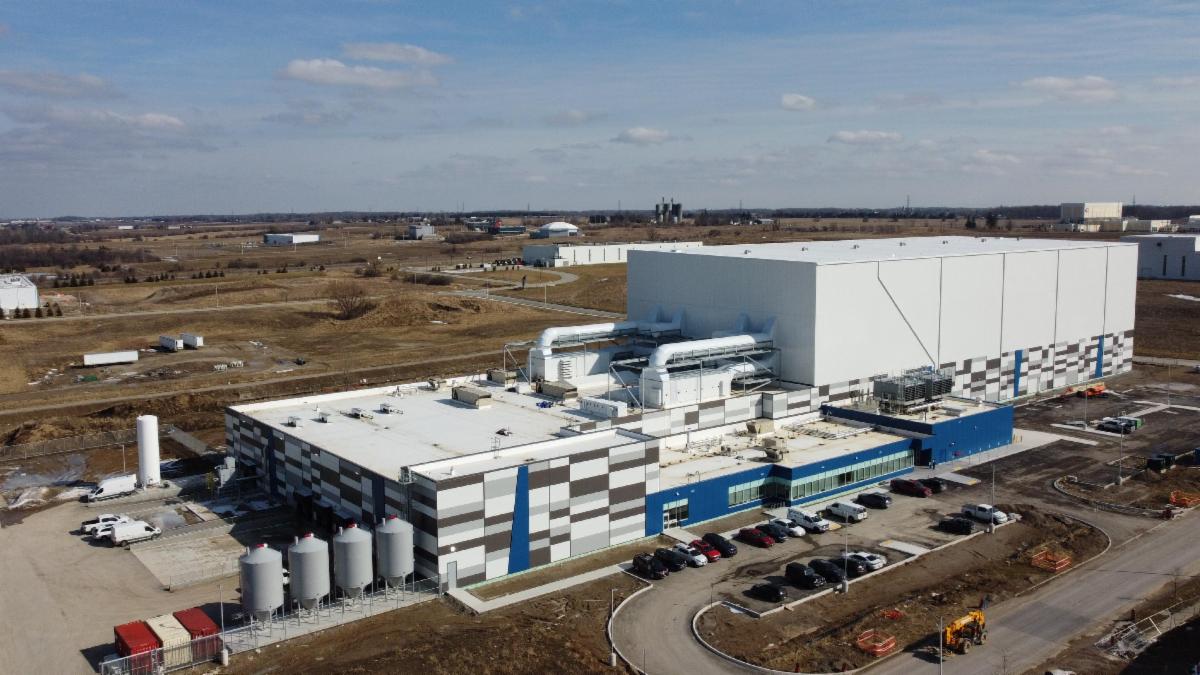
The world’s biggest cricket production facility, set up to produce over 9,000 tons of crickets each year, is officially complete. Located at 2450 Innovation Drive, the Aspire Food Group facility is a tech-heavy cricket protein producer that leans heavily into automation and data analytics to raise and produce up to 20 billion crickets a year. Expected to employ 100 people by the end of 2022,
Aspire has begun to ship cricket eggs to London from its facility in Austin. Over the next couple of months, the eggs will be hatched and used for testing purposes until a founding population is fully established. The company says it already has two years of orders on the books, mainly supplying premium pet food manufacturers in North America. It is also seeing lots of interest in its frass (cricket poo) from fertilizer interests.
The upshot: The market for cricket proteins is expected to reach (USD) $3.5 billion by 2029, per one estimate, and Aspire have lofty ambitions that their tech-enabled system for raising crickets will vault them to the top of the industry. And they expect that growth to be quick, as they believe their technology will rapidly bring down the price of cricket protein. ”What took the poultry industry 70 years to accomplish, we can do in five,” their CEO, Mohammed Ashour, said last spring.
|
|
|
|
|
Industrial demand continues to outstrip supply
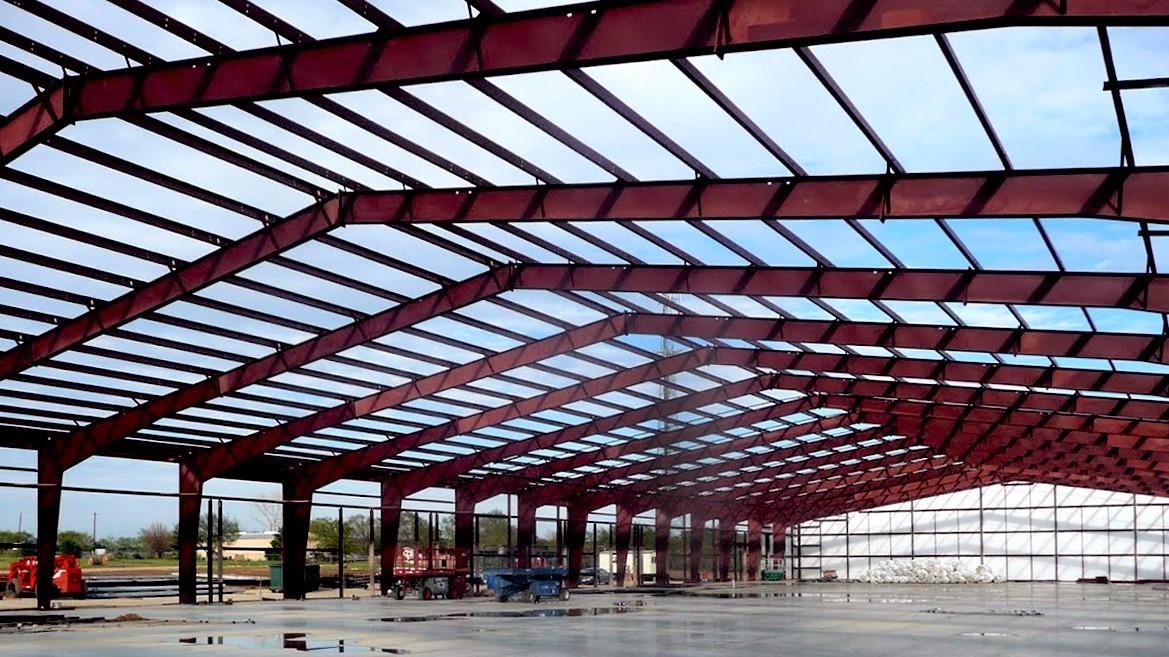
According to the Re/Max Commercial Real Estate Report 2022 released this week, upward pressure on available industrial properties in London will remain through the foreseeable future, with shortages existing in the industrial sector being particularly acute. Vacancy rates for industrial space have currently fallen below one per cent, the report states, and availability rates currently hover at 1.3 per cent for industrial product in London.
End users are particularly active and are willing to pay more to secure both space and ownership, the report says, and scarcity of product has pushed up rental rates by about 50 per cent, and new industrial lease rates are achieving levels previously unseen.
The upshot: While WFH and hybrid work continue keep the office real estate sector (here and elsewhere) in wait-and-see mode, these are heady days for London’s industrial market. Given the city’s strategic location to Toronto and the U.S. border, and frequent announcements that positively impact local economic growth, the big challenge for the foreseeable future will be meeting demand.
|
|
|
|
|
Game-changing ‘bio-glue’ could mean end to surgical sutures, staples
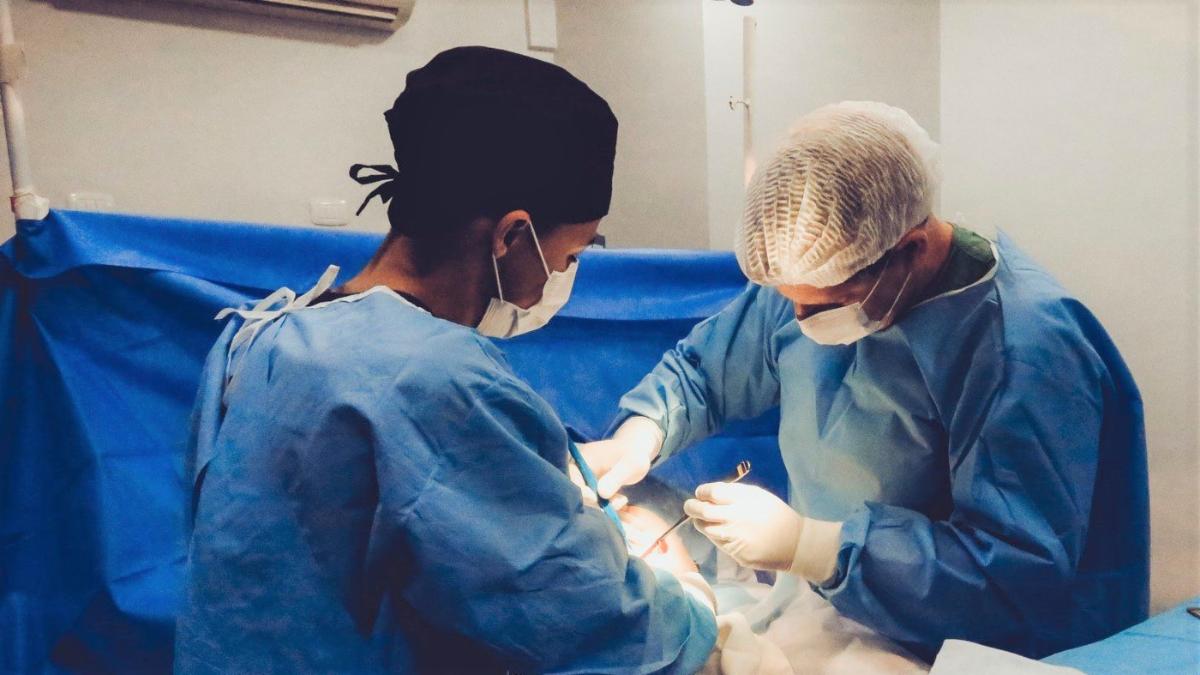
Researchers at Western University are hailing the development of a “game-changing” new type of medical bio-glue that they say could change the way wounds and injuries are treated. The product ― a tissue adhesive that can perform in the presence of blood, water and other proteins in the body ― is being described as “the holy grail for instant wound closure.”
Traditional tissue adhesives struggle in wet conditions, and since wounds are wet, the creation of an effective glue that can handle blood and other fluids holds an obvious advantage. “This new bio-glue is transformative in its deceptive simplicity,” says Western biomaterials researcher, Kibret Mequanint, who developed the glue in partnership with Malcolm Xing from the University of Manitoba. “There was no tissue reaction to it and the healing was fast.”
The upshot: While they are still in early development, the team that developed the adhesive certainly think it could have the potential to revolutionize the way wounds are treated ― potentially even ushering in “an end to surgical sutures and staples.” It’s made from FDA approved silicon materials, and “virtually eliminates detachment.” The team says it’s sealed a punctured lung, heart and even patched up a fractured skull using the glue.
|
|
|
|
|
|
PRESENTED BY: THE ACHIEVEMENT CENTRE
Business succession: Having the tough conversations
|
Deciding to sell your business is the first step of a journey that can be either predictable or fraught with roadblocks. The outcome will depend largely on how well you plan and how honest you are with yourself, other stakeholders, as well as your employees. |
|
|
|
Air cargo demand soars at YXU
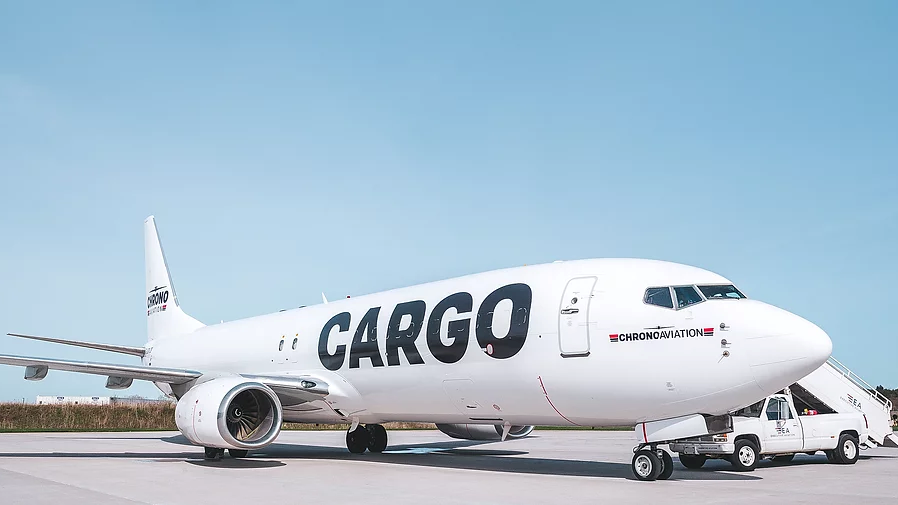
Things are finally looking up for London International Airport after two long, difficult years of Covid. Air passenger traffic is gradually ticking up as airlines re-establish routes to and from the city. But the real star, thus far, has been the return of cargo traffic, with over 300 cargo flights touching down since the start of the year (compare that to 9 cargo flights in the first four months of 2020 and 14 in 2021).
“We’re being very aggressive with business development here. It’s a very positive thing we’re seeing,” Scott McFadzean, CEO of the airport, says. “It’s a substantial jump.” He points to London Air Cargo, one of the cargo facilitation businesses at the airport, for helping facilitate the growth. It installed new X-ray technology to scan cargo ― common in Toronto and Hamilton ― but a first for London.
The upshot: With lots of manufacturing in the area, a new Amazon fulfillment centre and now a sharp uptick in cargo traffic, there’s hopes of positioning London as “a larger cargo hub,” says McFadzean. “We want to see how quickly we can get cargo in and out.” Automotive parts, which have struggled with supply-chain issues for the better part of the last year, have been a particularly strong area of the cargo business here.
|
|
|
|
|
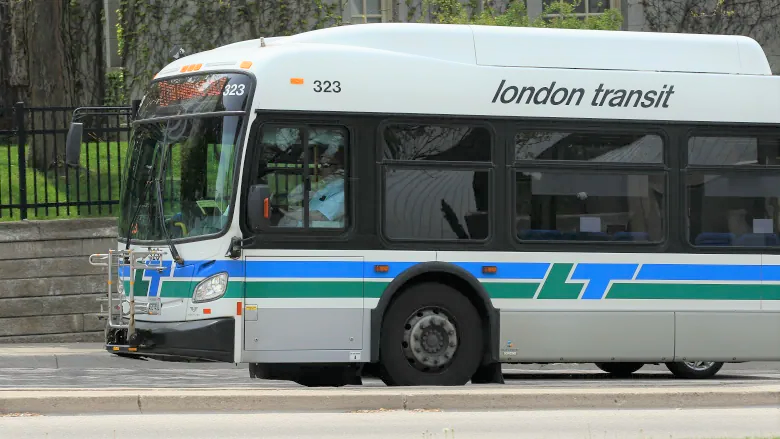
LTC to (gradually) make the move to electric
The current soaring cost of diesel fuel might not have been the reason for the London Transit Commission’s plan to move to an electric bus fleet, but it’s hard to imagine it didn’t come to mind. On Wednesday, the commission voted unanimously to charge ahead with buying the first phase of electric equipment to start a pilot program through a joint procurement with other transit agencies.
How many years with this take, you ask? At least 17. Not exactly a rapid transition, but officials are hoping that slow and steady wins the race, so to speak. “It’s not easy to transfer from one system to another system,” commissioner Tariq Khan says. “This is not something like a replacement of workstations, it’s the replacement of a whole system. Essentially we will running two parallel systems for the next 15 years.”
The move will be the equivalent of taking 300 cars off the road every year and slash the fuel budget by around $350,000 monthly. The plan will roll out in stages, with the first steps being to trial 10 buses and start retrofitting the depots with charging stations. The first buses should be on the road by 2024.
The upshot: Just about any reasonable plan for a transition away from fossil fuels over the long-term includes the words “electric” and “buses,” so in some sense this plan was an inevitability. And the plan to transition is right in line with some of North America’s most ambitious transition plans: Chicago, San Diego and the entire state of California are all working to a similar deadline of 2040 to fully replace their diesel fleets.
|
|
|
|
|
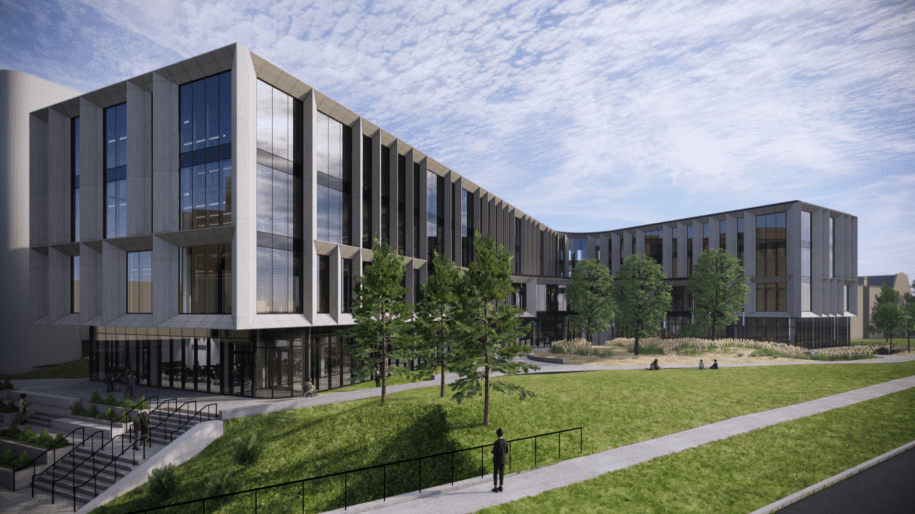
$10M gift gives rise to the Ronald D. Schmeichel Building for Entrepreneurship and Innovation
Western campus will soon be home to the Ronald D. Schmeichel Building for Entrepreneurship and Innovation, after a $10 million donation from Schmeichel himself, a Western grad and co-founder of JJR Private Capital. His namesake building is set to be located in the middle of campus, will be constructed as the school’s first net-zero building, and, in addition to hosting Western’s signature entrepreneurship programs, will feature hands-on facilities, like 3D printing, a digital lab and wood and metal shops. The school is hoping the 100,000-square-foot building will be finished by next fall.
The upshot: As beautiful as it can be, Western’s campus buildings can often seem a little … dated. Students still complain that not all departments have access to collaborative, practical spaces. The building modern ethos of cross-disciplinary collaboration, the desire for hands-on maker spaces and a focus on turning research into startup businesses looks to be alive and well in the announcement of this building. “Being able to collaborate with students and just have a physical building is really important in that sense,” says one business school student. “You see truly the investment that Western’s making, not only in the building itself but also in other entrepreneurial programs.”
|
|
|
|
|
Dispatch: May 27, 2022
A summary of recent business appointments and announcements, plus event listings for the upcoming week.
|
|
|
|
|
|
|
|
|