|
|
School Wellness Weekly
May 23, 2023
|
|
May is Mental Health Awareness Month |
|
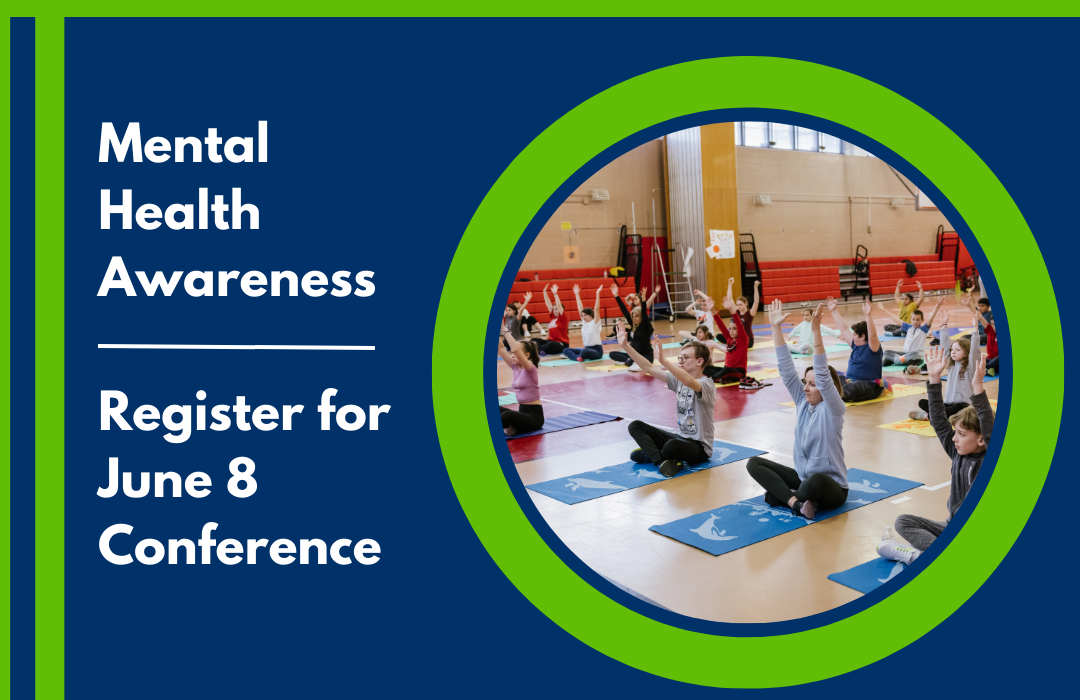
In the spirit of Mental Health Awareness Month, we ask an awareness question: Did you know that in New York State, as of 2018, required Health Education in schools must include instruction on mental health? Before the COVID pandemic and a cascade of alarming headlines about the youth mental health crisis, the New York State Education Department (opens in new window) r ecognized that “Health education that respects the importance of mental health, as well as the challenges of mental illness, will help young people and their families and communities feel more comfortable seeking help, improve academic performance and, most importantly, even save lives.” More recently, in March 2023, Mayor Adams and Health Commissioner Dr. Ashwin Vasan announced a comprehensive mental health plan for New York City that includes investments in child and family mental health (opens in new window).
School leaders and health teachers can start building on these priorities now, by ensuring that all students are programmed for health education, and by using the New York City Health Education Scope and Sequence to plan standards-based lessons, including in the Social, Emotional, and Mental Health unit:
Educators and school staff can also register for one of several professional learning sessions related to mental health and social-emotional learning at our June 8 conference (opens in new window) (see below), including:
- A presentation by the National Alliance on Mental Illness (NAMI)
- Relationship Health for the Next Generation
- Promoting an Inclusive School Culture Around Mental Health
- …and more!
Need immediate support? NYC Well (opens in new window) offers free, 24/7, confidential mental health and substance use support in more than 200 languages. Speak to a counselor via phone, text, or chat to access services.
(Image credit: Photograph by Krisanne Johnson. Graphic by Office of School Wellness Programs.)
|
|
Registration Open! June 8 Online Professional Learning Conference
|
|
Register now for Chancellor’s Conference Day, Thursday, June 8! Join the Office of School Wellness Programs for a full day of live webinar sessions on PE, Health Education, physical activity, social-emotional learning, and school wellness. Attendees will connect with other educators Citywide and learn from DOE content area specialists and partner organizations.
Visit the Chancellor’s Conference Day page (opens in new window) in our Professional Learning catalog for session descriptions and CTLE information. Sessions are first come, first serve. Secure your spot for one to three sessions; space is limited. (Register with DOE email).
- Session 1: 9:00 a.m. to 10:30 a.m.
- Session 2: 10:45 a.m. to 12:15 p.m.
- Break: 12:15 p.m. to 1:00 p.m.
- Session 3: 1:00 p.m. to 2:30 p.m.
Participants may also view on-demand (recorded) webinars at their own pace and convenience. The Office of School Wellness Programs is working with the Office of Sign Language Interpreting Services (OSLIS) to provide American Sign Language (ASL) interpretation during live sessions. Please email WellnessPD@schools.nyc.gov (opens in email window) by Tuesday, May 30 if you require interpretation services.
|
|
“In health, we take time to acknowledge different kinds of stressors, the different things that cause anxiety, and really talk about effective communication.”
— Jessica Grajales, Health Education teacher
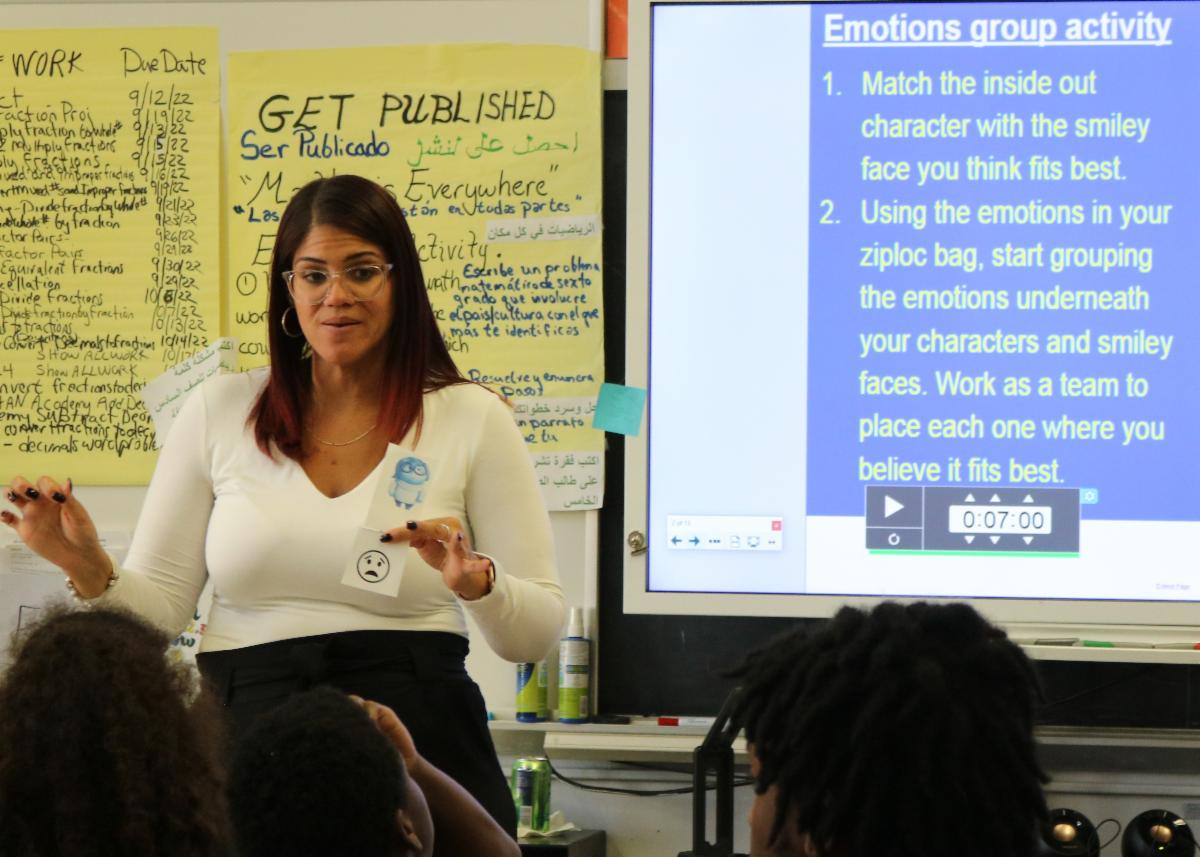
This month, we spoke with Jessica Grajales, the grades 6-12 Health Education teacher at the Academy of Medical Technology in Queens (27Q309), about how she integrates mental health education lessons into her comprehensive health education classes. Mental health education is required for all students by New York State law.
What are different issues students are facing that might impact their mental health, and how can health education have an impact?
Right now, students are struggling to communicate with peers and maintain boundaries and personal space. They haven’t had time to practice these skills or see them modeled.
In health, we take time to acknowledge different kinds of stressors, the different things that cause anxiety, and really talk about effective communication. When misunderstandings are not resolved, fights and other conflicts result. Teaching students to use “I-statements” and share their feelings during conflict is a key skill I focus on. We review different communication styles and analyze the benefits of assertive communication, having a voice, and standing up for themselves. In health education, helping students make healthier decisions can lead to healthier self-esteem and more self-respect.
How do you see health education addressing mental health struggles?
It’s important to acknowledge that everyone has mental health, removing the stigma attached to mental health. I want students to feel comfortable telling someone they need help, that they are struggling with anxiety, depression, stress. Who in the building, who in the community, can help them?
It’s also important to teach students to speak up and give them a safe space to practice communication. Who is the adult students feel comfortable talking to? Being a health teacher can help students navigate these challenging conversations.
I had a senior come to me after teaching a lesson on anxiety, and she said, “I’m struggling with this and before I leave for college, I need help, so I don’t have to deal with this alone.” A lot of students experience anxiety but until they come to health class, they don’t have a name for it. They don’t necessarily understand what they are feeling. You can’t fix something if you don’t even realize you’re going through it. It also norms the idea that people go through these challenges and can work through them.
What is most rewarding about teaching mental health education?
When I see students make better choices, where I can see they are clearly thinking through their decisions, I’ve done my job. I work hard to respect students and get to know them. Setting a tone of a safe space leads to a comfort level when it comes to the often-uncomfortable topics.
If students are not mentally healthy, they are not able to focus, to be their best selves academically, socially, physically. We see conflicts with students, issues with grades, sleeping in class. Most conflicts we see could probably be brought back to mental health concerns—feelings, misunderstandings that escalate.
I’m looking to change the culture around conflict—helping students feel school is a safe space to learn.
What advice do you have for other health teachers?
Take as many PDs [professional development sessions] as possible. Health is always changing, and how we connect to students will always change. Focus on relationships. If you don’t have a relationship with students, the messages will get lost. Learn how the culture of students impacts their lives.
(Photo: Courtesy Office of School Wellness Programs)
|
|
Access these resources from trusted partners to learn more about mental health, how to get help, and how to communicate effectively with young people about these issues.
For educators and school staff:
For parents, caregivers, students, and the public:
The Child Mind Institute: You Got This Campaign (también en español)
National Parent Teacher Association (PTA) Mental Health Videos (también en español)
En español:
|
|
Building the Wellness Community |
|
Free Webinar on Healing From Trauma
Register for Healing Childhood Trauma (opens in new window), the latest webinar in a Child Health series presented by French-American Aid for Children, on Thursday, June 1, at 6:00 p.m. Mental health expert panelists will describe the prevalent types of traumas, symptoms to look for, and where and when to seek help. Learn about the most current and effective interventions and models practiced by the panelists' respective agencies.
Free “Linking Families Together” Workshop on Sexual and Reproductive Health (versión en español)
Teens ages 13 to 19 and their supportive adults are invited to join a two-part, live webinar hosted by New York City Teens Connection (opens in new window) to increase knowledge around adolescent sexual and reproductive health. The webinars take place on Monday, June 5, and Wednesday, June 7, from 5:30 p.m. to 7:30 p.m. Register (opens in new window) for sessions in English or Spanish. Gift cards will be provided to participants who attend both sessions.
Sessions are designed to support parents/guardians in:
- starting open, honest, and supportive conversations with young people about sexual and reproductive health,
- keeping the lines of communication open,
- accessing additional support and resources.
June 9: Food Ed Conference and Celebration at Teachers College
The Food Ed Hub at the Laurie M. Tisch Center for Food, Education, and Policy (opens in new window) is hosting its first-ever conference and 3rd annual award celebration on Friday, June 9, 9 a.m. to 4 p.m. at Teachers College, Columbia University. Topics include food and nutrition education, youth food justice, school wellness, policy, and more. The day includes hands-on learning, tasty new ideas, and a celebration of NYC food heroes. Registration (opens in new window) is free and includes access to workshops, lunch, and other event offerings.
|
|
Free Tennis Competition for NYC Students of All Playing Abilities: Register by May 29
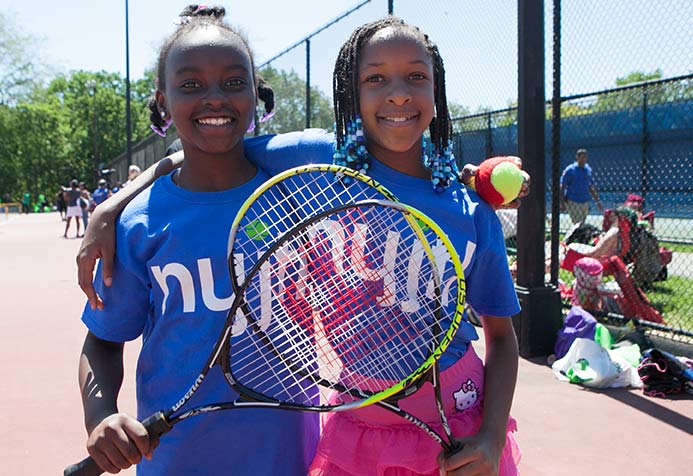
New York Junior Tennis and Learning (NYJTL) (opens in new window) will host the Mayor Dinkins Cup, a free tennis competition for students currently in grades 3-12, at the Cary Leeds Center for Tennis and Learning in the Bronx, June 10-18. Register (opens in window) by the deadline, May 29 at 6 p.m. Students of all playing abilities who are currently enrolled in a New York City school, or who are a homeschooled resident of New York City, are eligible to participate.
How Should NYC Spend $5 Million? Vote for Projects in Your Community Through Participatory Budgeting
All New Yorkers ages 11 and up, regardless of immigration status, can vote through June 25 to help decide how to spend $5 million of City funds on projects in their community through NYC’s first Citywide participatory budgeting initiative, The People’s Money (opens in new window). Many projects on the ballots are for educational and after-school programs, youth programs, field trips, and other projects that directly benefit students and young people.
How to Vote:
(Photo: New York Junior Tennis and Learning)
|
|
|
|
|
|
|