Hello!
Happy Spring!!!!
This newsletter is packed with great information on our favorite mental health apps, guidelines for video game use and so much more!!!
Make today a great day!
All my best,
Dr. Pam McCaskill
734-416-9098
|
|
McCaskill Family Services Newsletter
Term: Spring | Issue 41| May 31st, 2023
|
|
How much is too much?
Summer is fast approaching (in fact, it already feels like it's here.. typical Michigan). In addition to dreaming about the sunny days ahead of us, most parents begin thinking, "Oh no. Summer break! What are we going to do this year to keep the kids entertained?"
This is usually followed by, "We can't let them be on electonics as much as last year."
Parents often worry about the amount of time kids spend on video games, "Is it rotting their brain?" "What's the toll on their physical health?" "Will they become socially inept?" "Are they addicted?" Despite ongoing research and guidelines about video game usage, it can still be confusing to figure out what limits are best for your child.
It's important to remember that video games are not all bad! Many games require (and therefore strengthen and encourage) problem-solving skills, visual-spatial capabilitites, hand-eye coordination, working memory, concentration skills, multi-tasking ability, and teamwork....just to name a few. Video games also provide connection and community for children who are more introverted or socially anxious, and struggle to form relationships in the "real world."
With these benefits in mind, there is such a thing as too much video gaming! How do you know? Check out the blog below by Dr. Amanda Klingensmith for some signs on excessive usage and who to turn to for some guidance!
|
|
At McCaskill Family Services, we specialize in working with adults, children, teenagers and families with various presenting issues. If you or someone you know could benefit from our services, please contact us. Our clinicians are trained in empirically-based techniques, and would be happy to promptly schedule an appointment in person or via tele-health. We can be reached by phone at 734-416-9098 or by email at office@mccaskillfamilyservices.com.
|
|
DBT Skills for Mental Health |
|
|
|
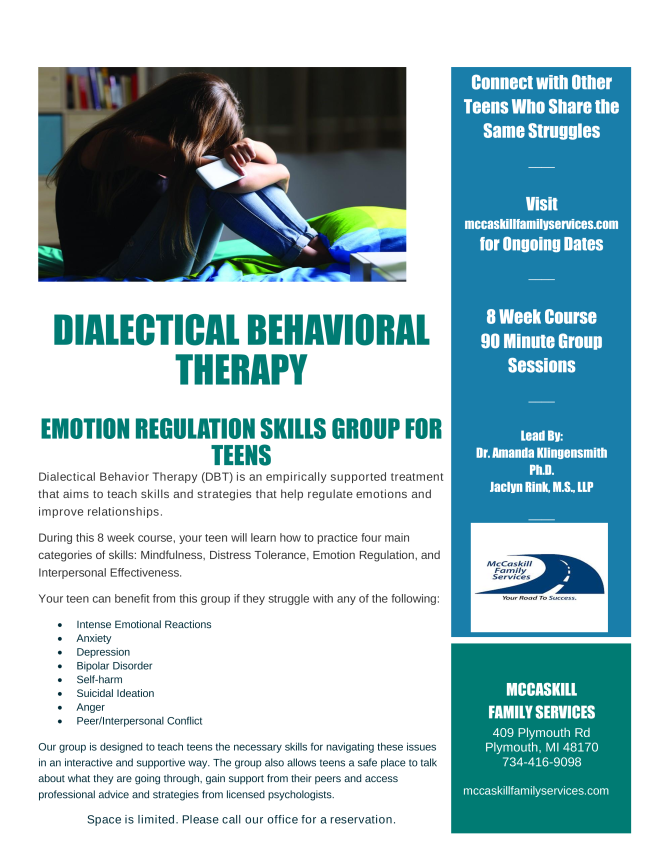
Dialectical Behavioral Therapy (DBT) is an empirically supported treatment modality that teaches important skills for managing intense emotions and our reactions to them.
The ABC's of emotional vulnerability is a useful proactive strategy from DBT to help reduce the effect of negative emotions and aide in successful emotional regulation.
|
|
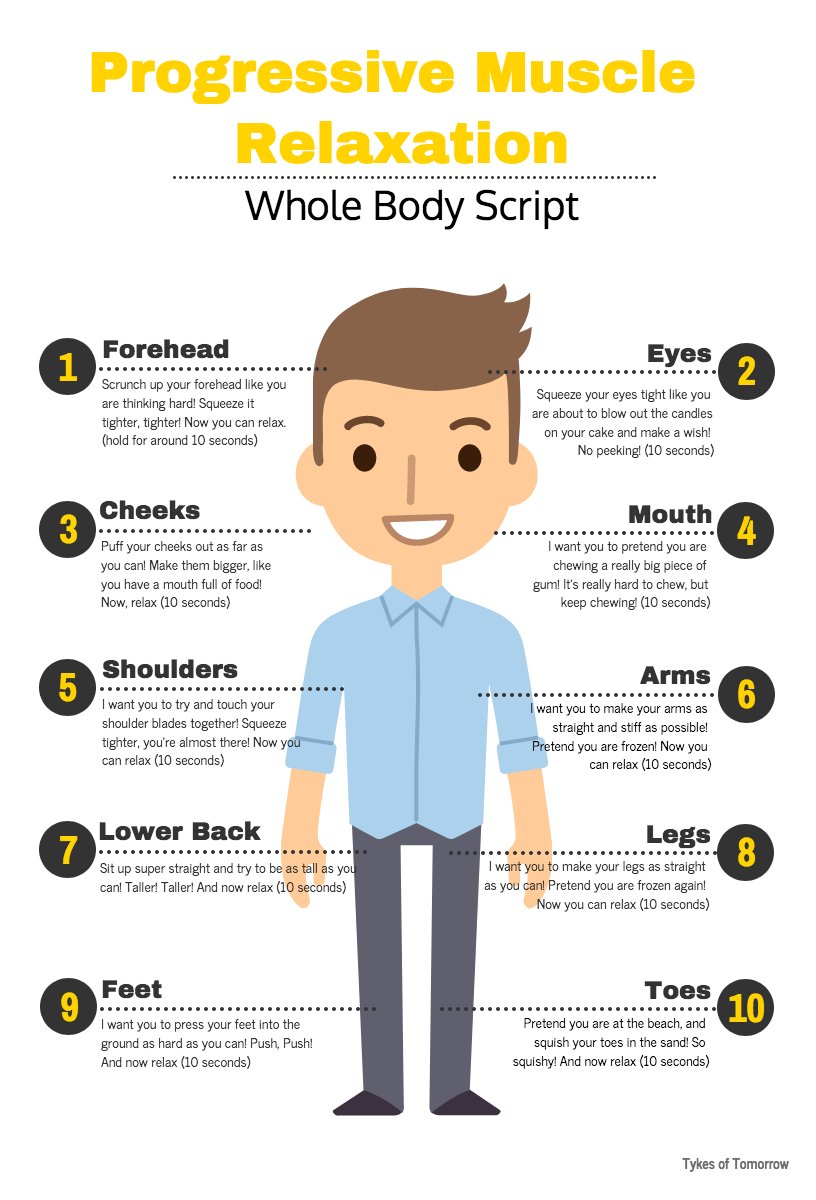
Another one of our favorite DBT Skills is Progressive Muscle Relaxation.
Progressive Muscle Relaxation is easy to do anytime, anywhere, to relax the body,
mind, and ease stress.
|
|
Horses Are Our Favorite Therapy Buddies |
|
Reserve your spot now!
These amazing groups fill up quickly. Mo is excited to meet you!
|
|
Our 8-week-equine groups are here for the summer!
Join a group tailored to your mental health needs, lead by a licensed psychologist with the help of your own Equine partner.
Burnout Recovery & Stress Management
Tuesday's 11-12:30pm, Adults
June 13th - August 15th
Emotion Regulation & Coping
Monday's 3-4:30pm, Ages 9-11
July 10th - August 28th
Healing your Relationship with your
Body & Food
Tuesday's 7-8:30pm, Ages 13-17
July 11th - August 29th
|
|
Dr. Amanda has specialized training in treating a variety of anxiety disorders, mood disorders, and behavioral issues in children and teens. She utilizes many empirically based interventions, including cognitive behavioral therapy, dialectical behavioral therapy, acceptance and commitment therapy, behavioral parent training and motivational interviewing.
Amanda also has experience conducting comprehensive psychological assessments which focus on providing accurate diagnoses and helpful recommendations for children with ADHD, dyslexia, learning disabilities, and a variety of other presenting difficulties.
Amanda earned her Master’s and Doctorate degrees in Clinical Psychology from Kent State University. She completed her pre-doctoral internship at Indiana University School of Medicine, where she worked with patients across the lifespan in a variety of hospital and outpatient-based settings.
In her spare time, Dr. Amanda loves geeking out over Harry Potter, reading, and spending time with her adopted puppy, Halo.
|
|
|
Our Favorite Mental Health Apps |
|
Virtual Hope Box
Access your unique hope box in times of intense emotions. Create personalized visual inspirations and coping skills, while finding guided meditations/relaxation tracks and games to help distract you.
|
|
Fabulous
An application for building healthy routines, setting and achieving goals and gaining motivation through community and coaching, all backed by behavioral science.
|
|
Headspace
Practice mindfulness through fun videos, guided meditations, and useful articles. Partake in mood-boosting mindful workouts, improve your sleep hygiene, and regain your concentration.
|
|
Summer Session: Wednesday's from 5:30-7:00pm, July 12th - August 30th.
Fall Session: Thursday's from 5:30-7:00pm, September 28th - November 16th.
|
|
Newsletter Editor's Notes |
|
When we look at statistics according to National Alliance on Mental Illness (NAMI), we learn that 44.8% of people in the U.S. who struggled with mental illness sought treatment in 2019. We also learn that 50.4% of our youth (ages 6-17) received treatment. That's half.
Half of us that need help are getting help. The rest of us, well.. what's going on?
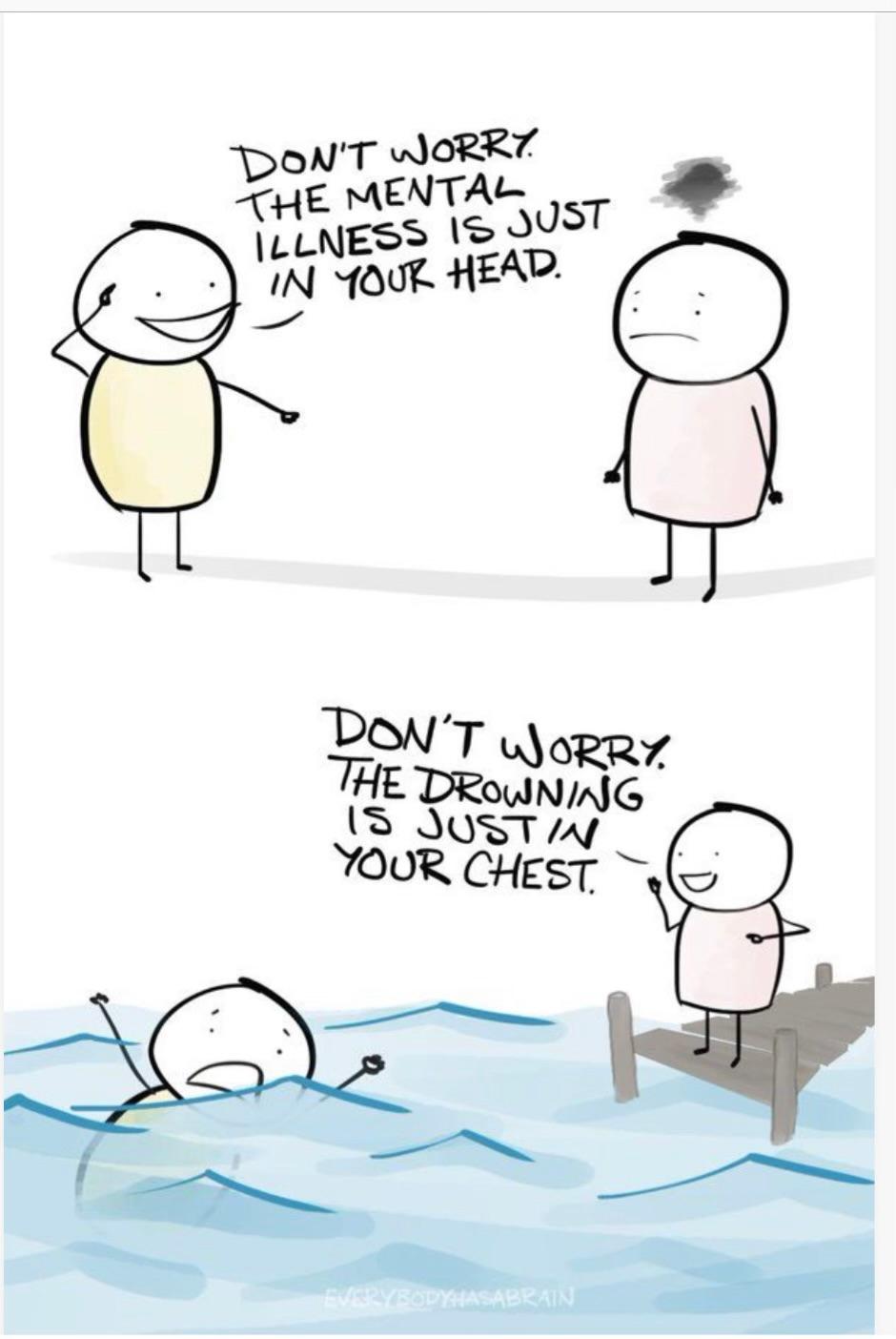
One of the most common things I hear from my patients upon meeting them goes something like this, "There are people that have it way worse than I do. I have nothing to be sad about." Sometimes I hear parents use statements like, "She's not depressed, she's just being a moody teenager. Aren't they all depressed nowadays?"
Why is it that as a society we downplay our emotional struggles and needs? Is it fear of being judged? Fear of taking action? Low self-esteem? Difficulties managing priorities? Fear of accepting your reality? I urge you to reflect personally on this statement.
How might things look differently in our world if we started talking openly with each other, and addressing our emotions in a proactive (instead of reactionary) fashion? Our honesty would help push us in the direction of proper care sooner, "I guess it is more serious than we thought" and would likely gain us more support and connection from one another, "You feel that way, too?! Phew. I thought I was crazy."
|
Your emotional experience, no matter how big, small, tidy, messy or deeply rooted it is, deserves attention. Whatever you are feeling is valid, and needs to be addressed. Emotions serve as our communicators, and want to be felt, heard and acknowledged. When we attempt to ignore them...they just sit there... waiting.. growing.. causing other issues.
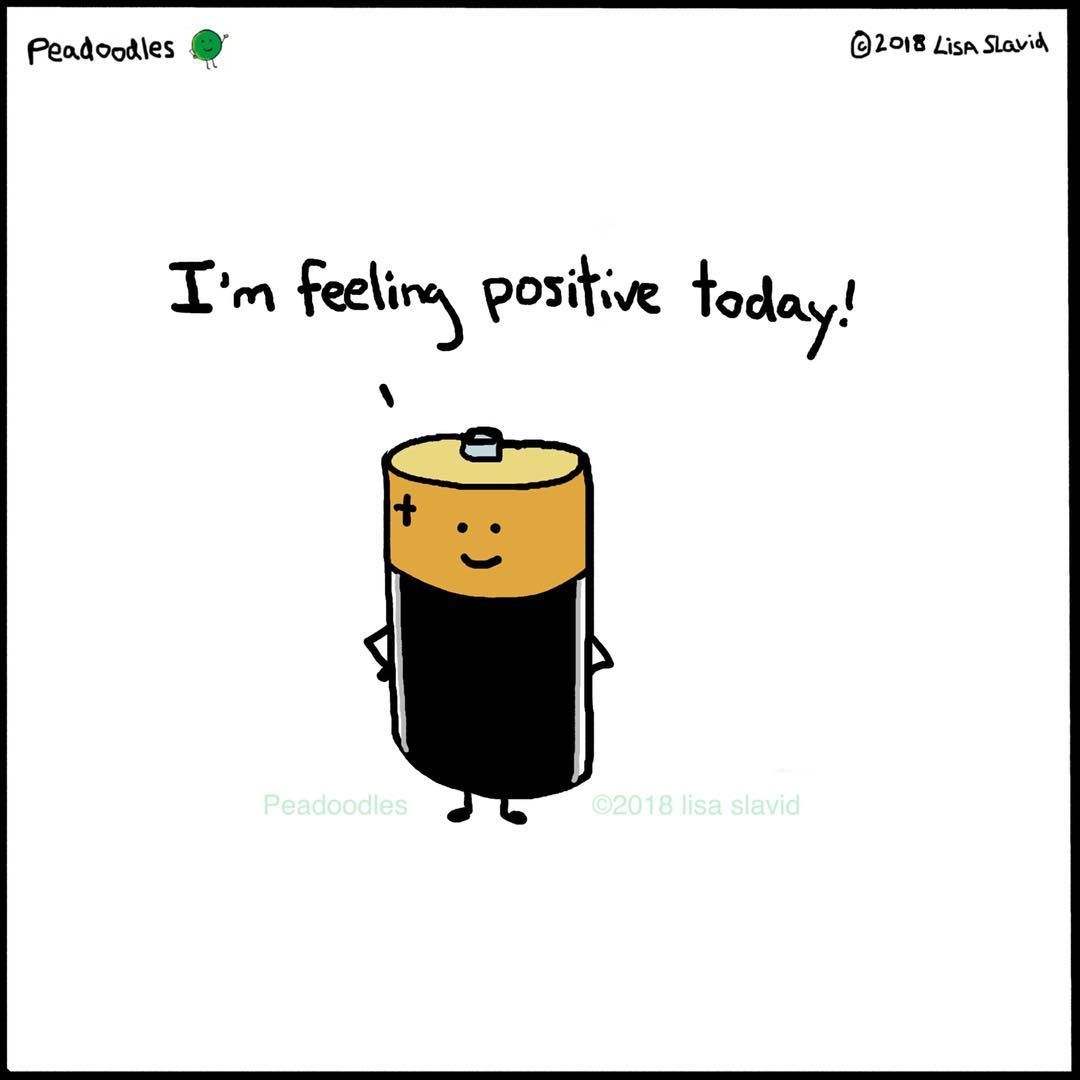
It can always be scary to take a step forward in improving your mental health, but as this positive little snake plant says, "I see a new beginning." It's never too late, and you are always worth it.
|
Greetings reader! I'm a masters level clinician at McCaskill Family Services who specializes in the treatment of OCD, anxiety, self-harm and eating disorders for all ages. I co-run the McCaskill Family Services DBT groups for teens and adults, and specialize in psychological assessment. I am also our monthly newsletter editor and social media manager!
I'd like to personally thank you for staying in touch with our practice, and hope you find this newsletter inspirational and informative. If you or someone you know would like to schedule an appointment with me, please contact our office at 734-416-9098 or email us at office@mccaskillfamilyservices.com. I look forward to working with you!
|
|
Follow Us On Instagram and Facebook for Ongoing Inspiration and Helpful Mental Health Tips! |
Visit Our Blog to Stay Up-To-Date on Important Mental Health Info From Our Clinical Team! |
|
|
409 Plymouth Road, Suite 250, Plymouth, MI 48170 • 734.416.9098
|
|
|
|
|
|
|
|