|
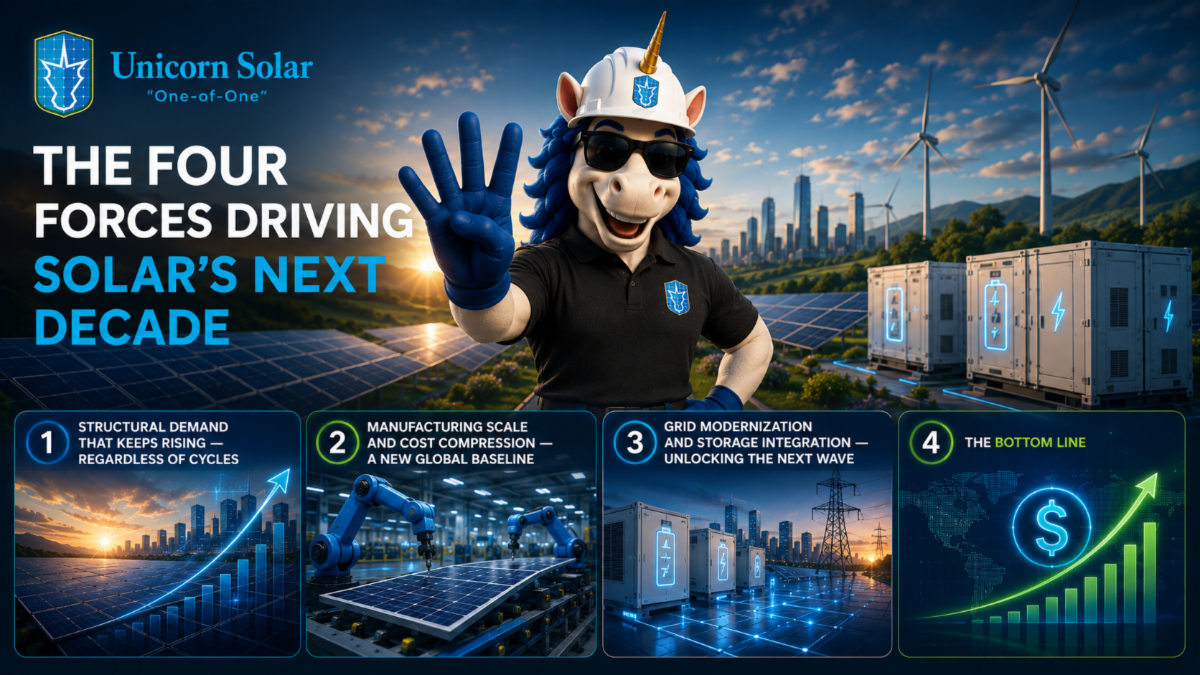
Unicorn Solar sees the three forces as: Structural Demand, Manufacturing Scale, and Grid Modernization as changing the requirements for more energy. Other than these factors, we have political pull, which is making renewables fight to make changes in PPA pricing and utilities to adjust to the political changes.
1. Structural Demand That Keeps Rising — Regardless of Cycles
The first force is the simplest: demand is no longer cyclical; it’s structural. Across commercial, industrial, and utilityscale markets, electricity demand is climbing because of:
- Data centers and AI load growth
- Electrification of fleets, buildings, and industry
- Corporate decarbonization mandates
- Statelevel cleanenergy standards with hard compliance dates
The data shows yearoveryear increases in interconnection requests, procurement volumes, and longterm PPAs. Even in quarters where module pricing or interest rates fluctuate, the underlying demand curve keeps bending upward. Solar is becoming a foundational energy asset, not an optional one.
2. Manufacturing Scale and Cost Compression — A New Global Baseline
The second force is the manufacturing supercycle. Global module capacity has expanded so aggressively that:
- Module ASPs have fallen more than 40–50% from 2022 peaks
-
Inverter and racking production has scaled to match
- Supply chains are more diversified and resilient than at any point in the last decade
This isn’t a temporary glut — it’s a structural shift. Highvolume manufacturing has permanently lowered the cost floor for solar, and the U.S. market is benefiting from both global oversupply and domestic incentives. The next decade will be defined by abundant, affordable equipment, enabling more projects to pencil even in higherrate environments.
3. Grid Modernization and Storage Integration — Unlocking the Next Wave
The third force is the one that changes everything: the grid is finally modernizing at scale.
Data from ISOs, utilities, and interconnection queues shows:
-
Storage paired with solar is becoming the default configuration
- Transmission upgrades and queue reforms are accelerating (slowly, but measurably)
- Curtailment is driving investment in smarter controls, hybrid systems, and flexible capacity
As storage costs fall and grid operators adopt new market rules, solar shifts from “asavailable energy” to dispatchable, revenuestacked capacity. This is the force that unlocks the next 200–300 GW of growth.
4. The Bottom Line
These four forces- structural demand, manufacturing scale, and grid modernization- recognize that these are not forecasts. They’re already visible in today’s data, and they’re already reshaping procurement, development, and investment decisions. What you can do it work with a company such as Unicorn Solar that is watching the trends and auditing the factories that we purchase from for our customers so that you can be assured that your equipment is being manufactured by a facility that Unicorn Solar has audited, and they know the materials, manpower, maintance, and methods are of super quality.
.…by Robert Benedict
Unicorn Solar is watching, studying, and working with companies innovating within the solar and decarbonization space. Please reach out to us, and we can work together to build a more efficient energy world.
You can read more information in our LinkedIn here: Unicorn Solar
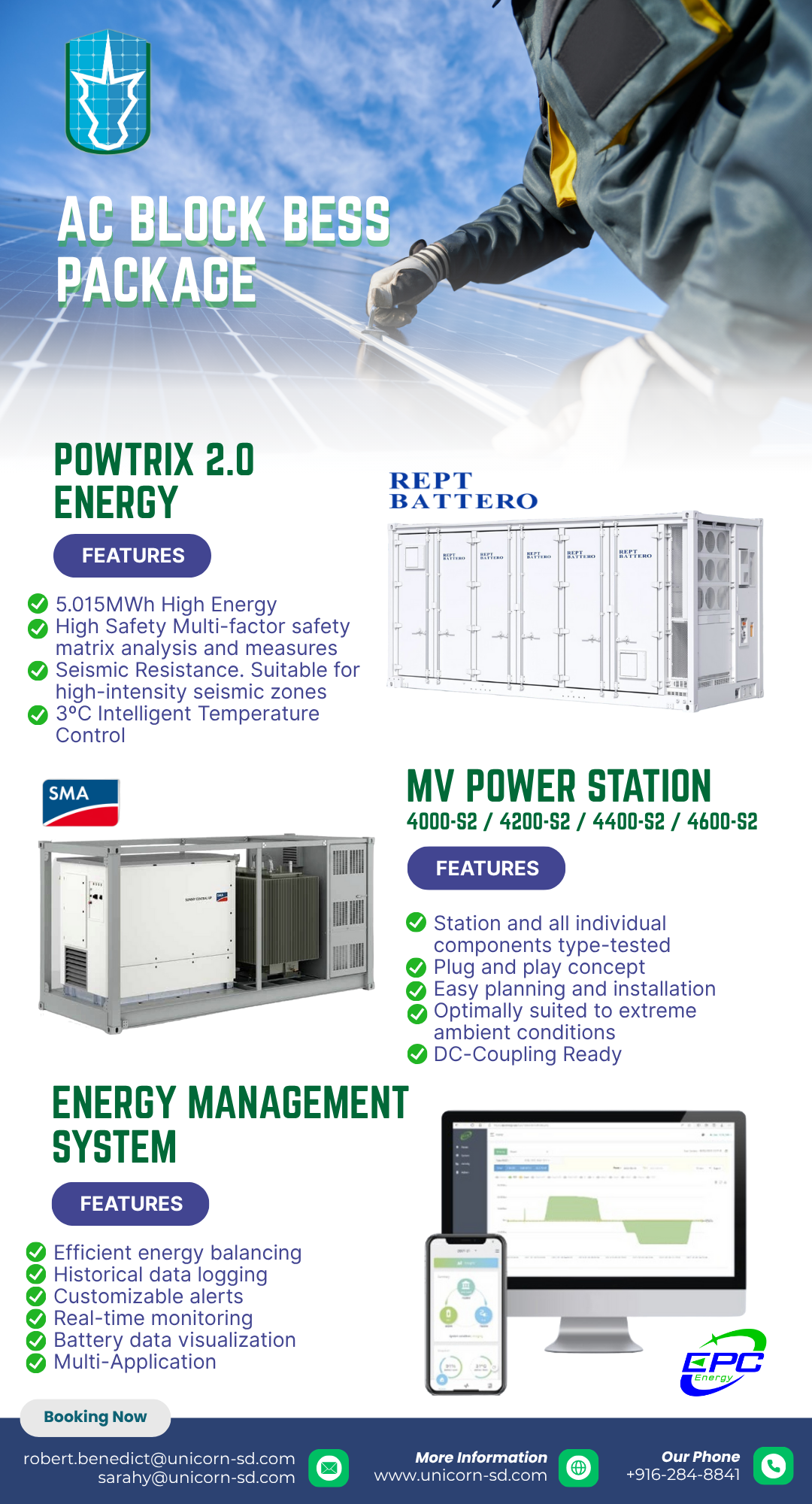
If you have any questions or would like to work with a team of professionals who can help you achieve your success, please don't hesitate to contact Robert, Karlita, Jayde, or Elizabeth for more information. Also, if you have supply-related questions, please contact Sarahy. For BESS, inverter, and transformer questions, please reach out to George, Sebastian or Anthony.
|