|
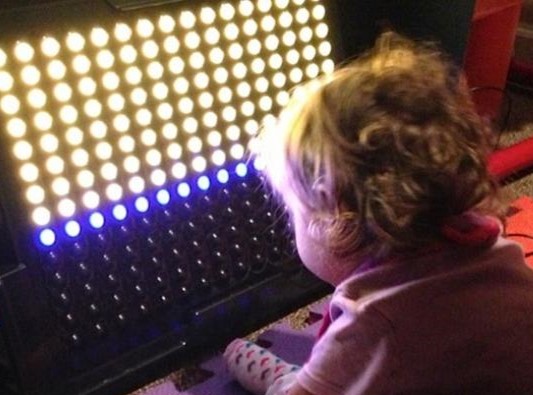
September is CVI Awareness Month. CVI, or cortical visual impairment, is a brain-based visual impairment, and it is becoming one of the most common diagnoses in very young children with vision loss.
CVI is caused by neurological damage to the brain. The degree of neurological damage and CVI depends upon the time of onset, as well as the location and intensity of the damage. It is a condition that indicates the visual systems of the brain do not consistently interpret or understand what the eyes see.
A child with CVI may have eyes that look healthy, so doctors and other trained professionals also consider the child’s medical history and how they use their vision when determining whether CVI may be present.
Some visual behaviors that may be seen in a child with CVI include difficulty making eye contact for at least three seconds, frequently tilting or turning their head, raising or lowering their chin, or using unusual head movements or positions when looking at an object. For example, a child may move their head in an unexpected way or look at an object from an unusual angle rather than looking directly at it.
|