|
The Safest Food Starts with
Knowing Where it Comes From!
| | Cabbage Throw Farm at Easton Farmers' Market | | National Farmers Market Week (August 3–9) | | |
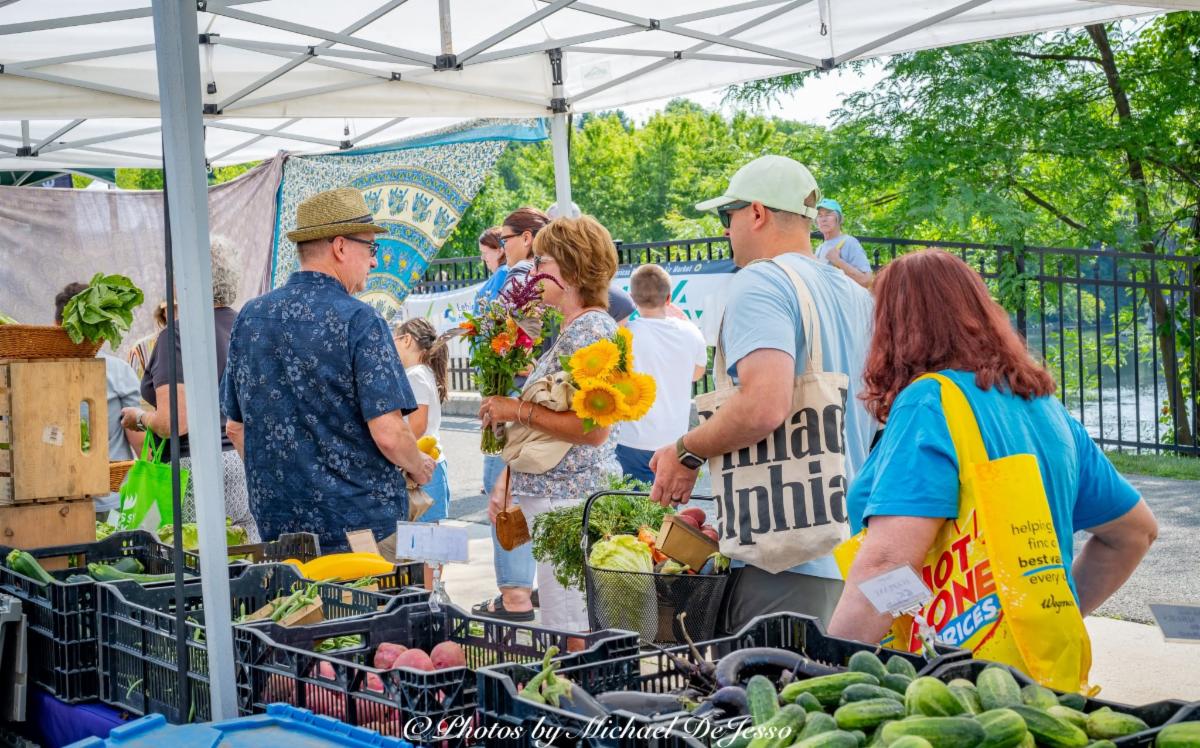
National Farmers Market Week gives us an opportunity to celebrate the farmers, market managers, and volunteers who make our local farmers markets such vibrant community gathering places. This year, it also comes at a time when more people are paying attention to where their food comes from. We saw that firsthand in the unusually long lines at our farmers markets last week and in the growing number of conversations about local food taking place on social media.
The recent Cyclospora outbreak is a good reminder of something local farmers have always offered: transparency. When you shop at a farmers market, you know who grew your food. You can ask how it was raised, where it came from, and learn about the people behind it. That relationship is something you simply can't find in grocery stores.
In our industrial food system, food often travels thousands of miles and passes through many hands as it is processed, stored, transported, and distributed before it reaches our plates. Every step adds complexity, making it harder to trace problems when they occur. Farmers markets offer a different model—one built on direct relationships, transparency, accountability, and trust.
Small farmers don't suddenly become important during a food safety scare. They simply remind us how important they were all along.
So this National Farmers Market Week, thank a farmer. Visit your local market. Ask questions. Build relationships. Because supporting local agriculture isn't just about buying food—it's about aligning your purchases with your values and investing in the kind of food system we want for the future.
| |
Be an Ambassador for Local!
Help us grow the local food movement! We'd be happy to send you a stack of our Local Food Guides to share with friends, family, neighbors, or coworkers.
Introducing someone to local food is one of the most powerful ways to support our farmers.
And who better to do it than those of you who are already shopping local?
You're our best ambassadors. Email: bfbl@nurturenaturecenter.org
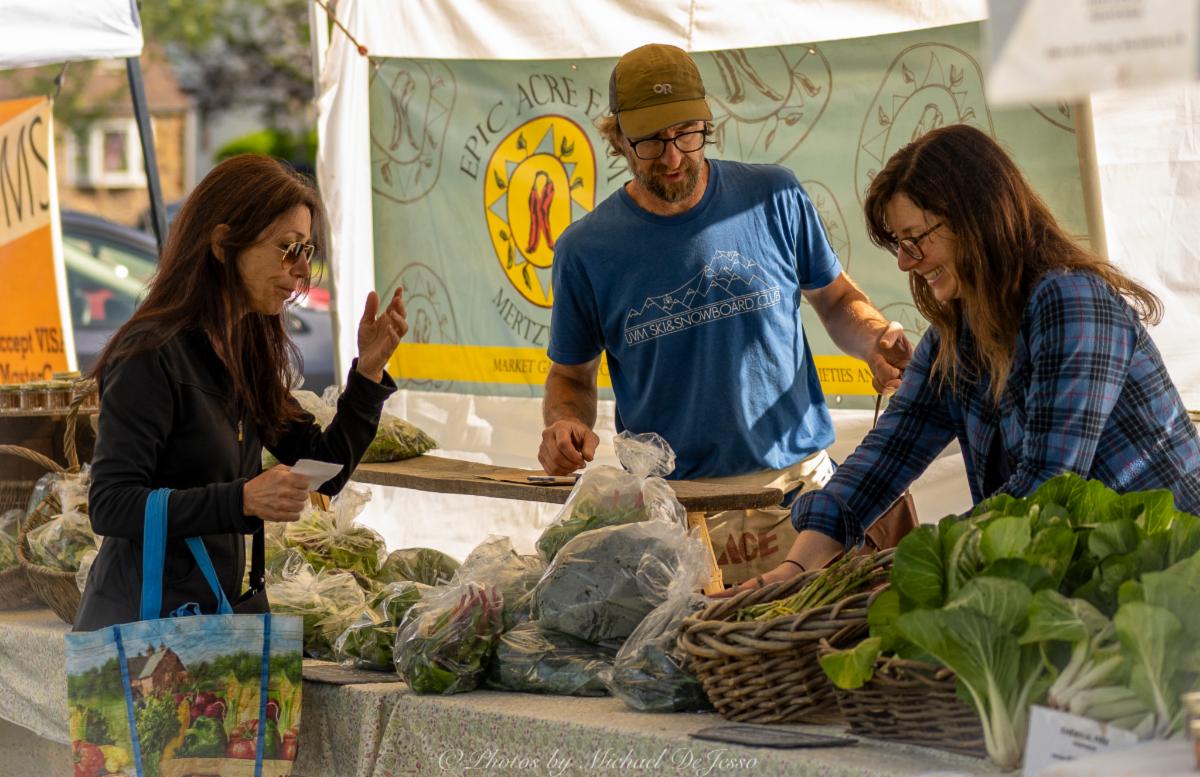
| Epic Acre Farm at Saucon Valley Farmers Market | |
"Ride or Die" Market Buys
Over the years, we've asked shoppers at our farmers markets a simple question: What foods would you only buy from a local farm or farmers' market—and never from a supermarket? Their answers were passionate, opinionated, and often hilarious. Here are the top responses, along with a few of our favorite unfiltered quotes.
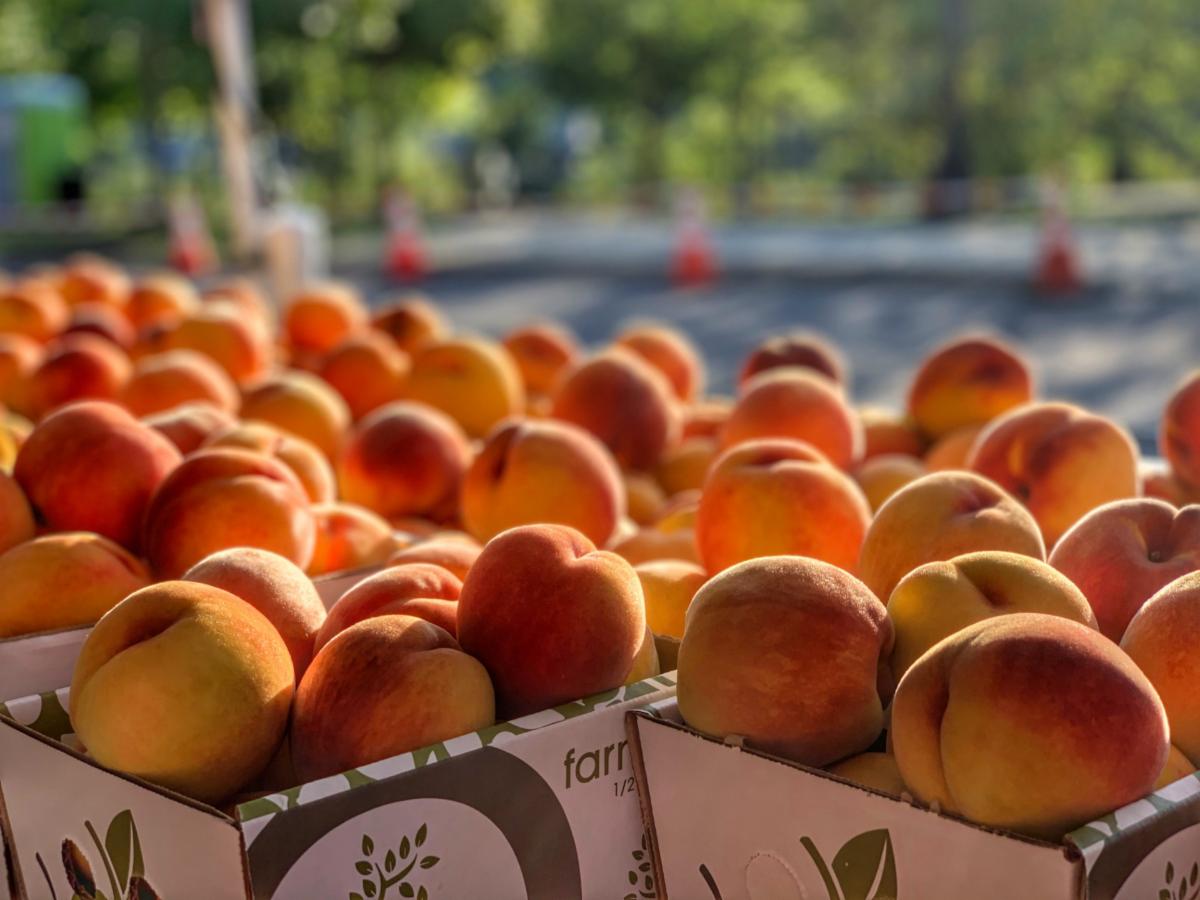
Peaches ("I wouldn't be caught dead with a supermarket peach)
Eggs ("Love my bright orange yolks from happy, truly free range chickens!"
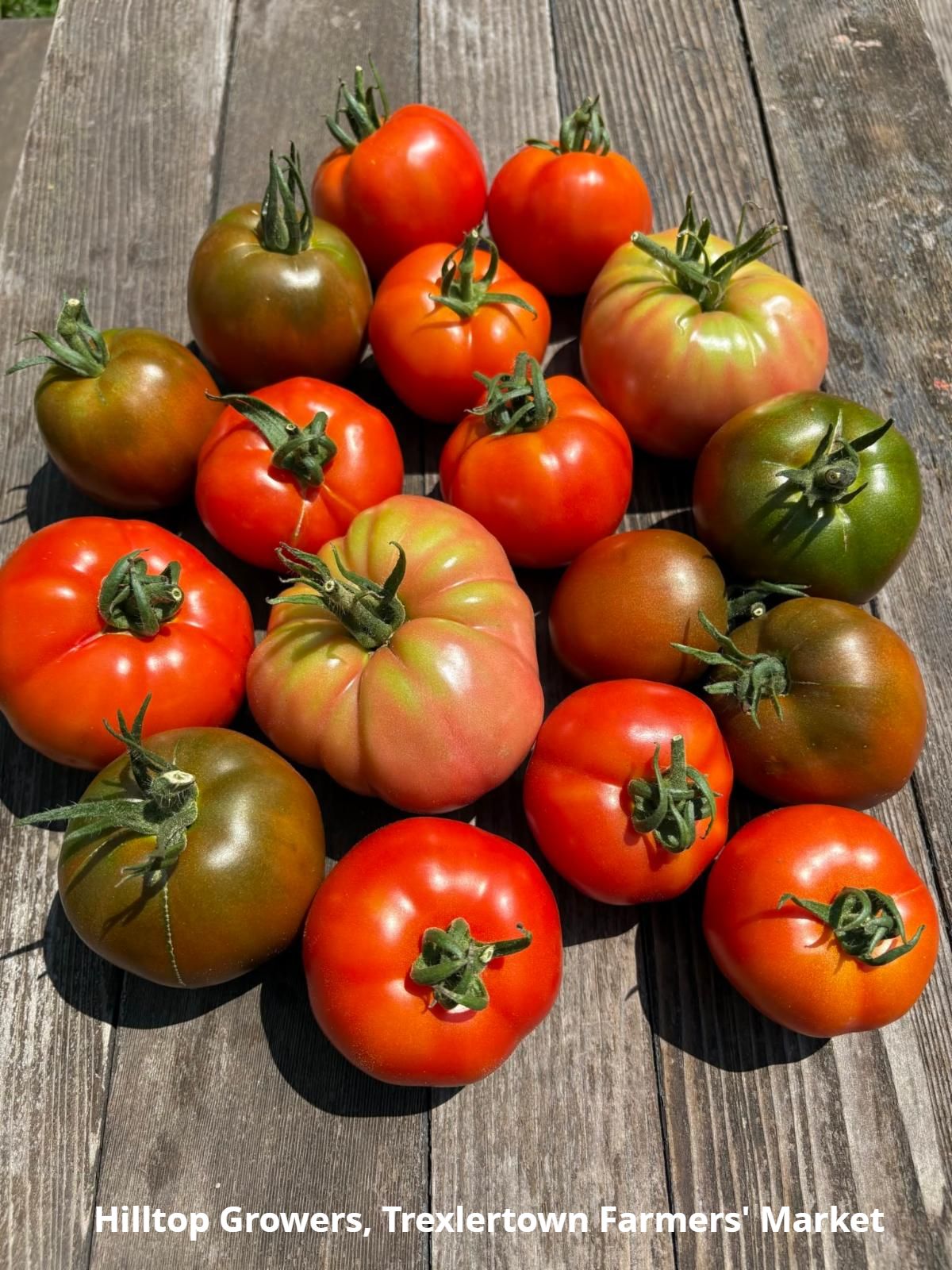
Tomatoes ("Seriously, from a supermarket? HARD PASS.")
Lettuce - ("Lettuce give thanks for the best salads ever!")
Herbs ("It should be illegal to call those plastic packages of anemic greens, herbs!")
Bread (Sourdough and organic flour all the way, baby!)
Strawberries ("Do you really need an explanation?")
Meat ("How animals are raised is important to me. Local meat tastes like meat used to taste!")
Yogurt ("I don't trust the probiotic level in those overly processed commercial yogurts")
Root Veggies ("They're so much sweeter and more flavorful from the farmer!")
Spinach ("No wonder kids don't like spinach; they've tasted had "REAL" spinach")
| | Celebrating & Strategizing! | | |
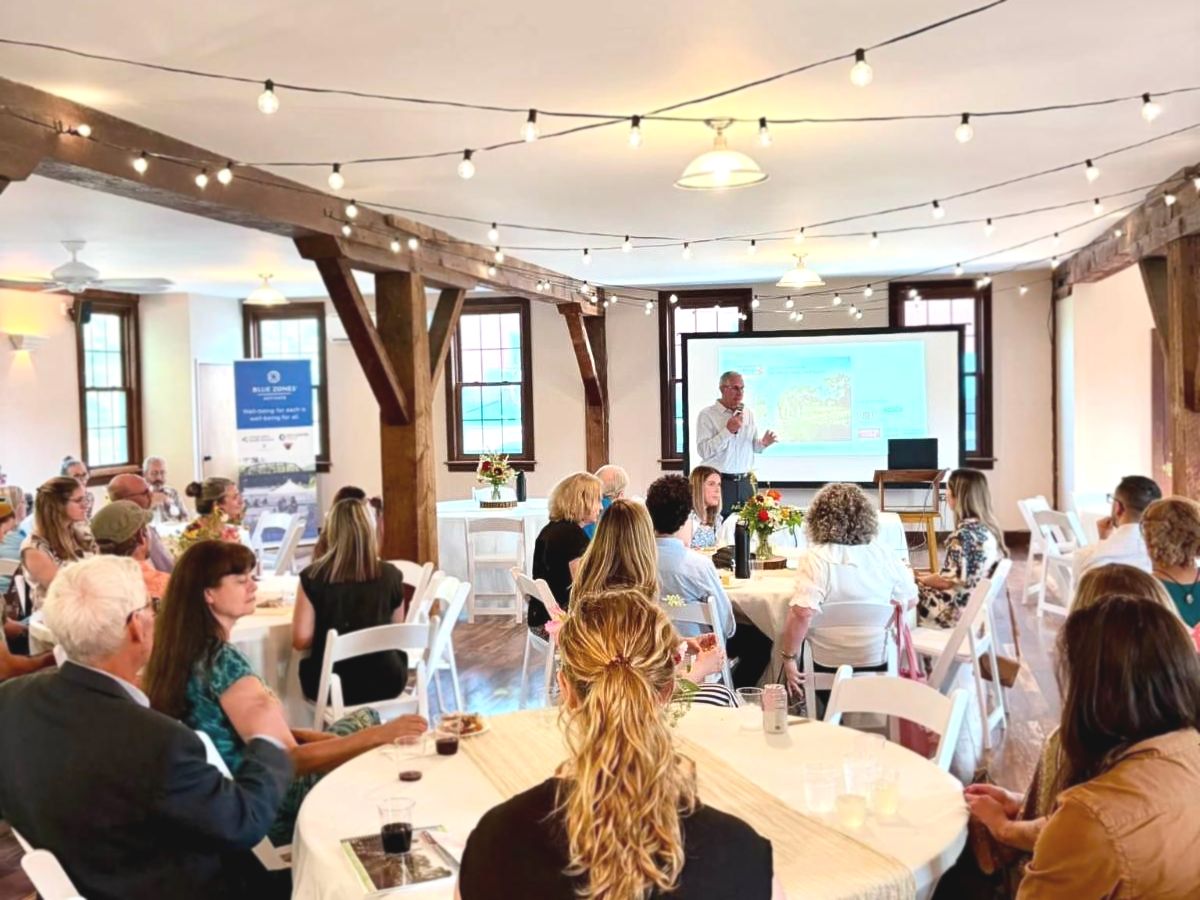
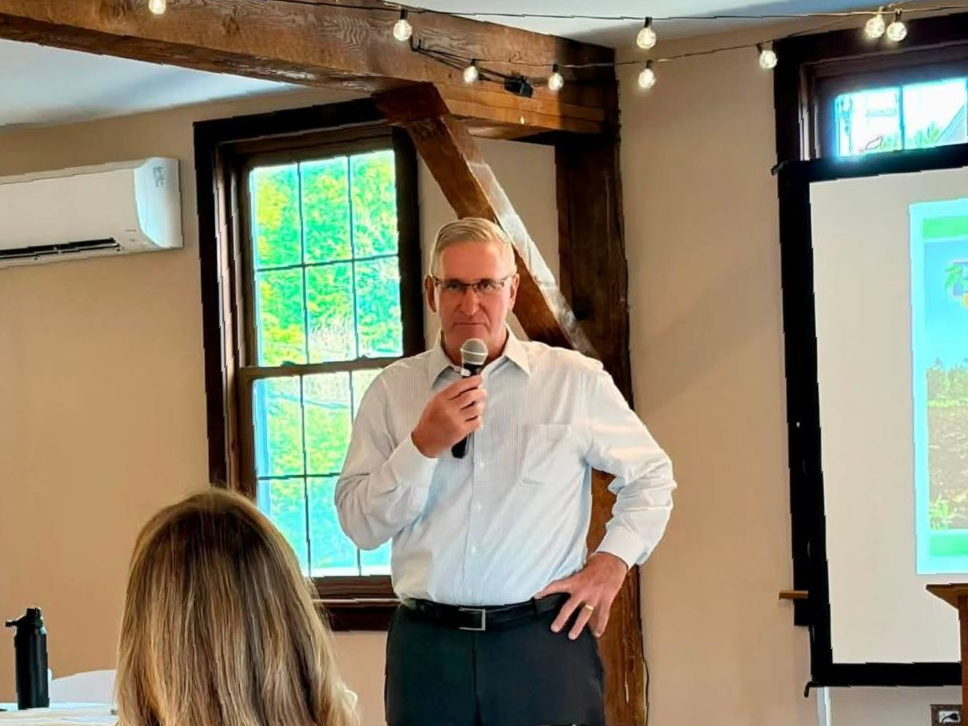
On the evening of July 23rd, we had the pleasure of welcoming state officials, regional leaders, farmers, and community partners to celebrate the launch of Farm to Community: The Lehigh Valley Food System. Hosted by our friends at the Kellyn Foundation at the beautiful Llantrisant Retreat & Wellness Center, in partnership with Blue Zones Lehigh Valley, the evening celebrated the people, partnerships, and shared vision behind a stronger regional food system.
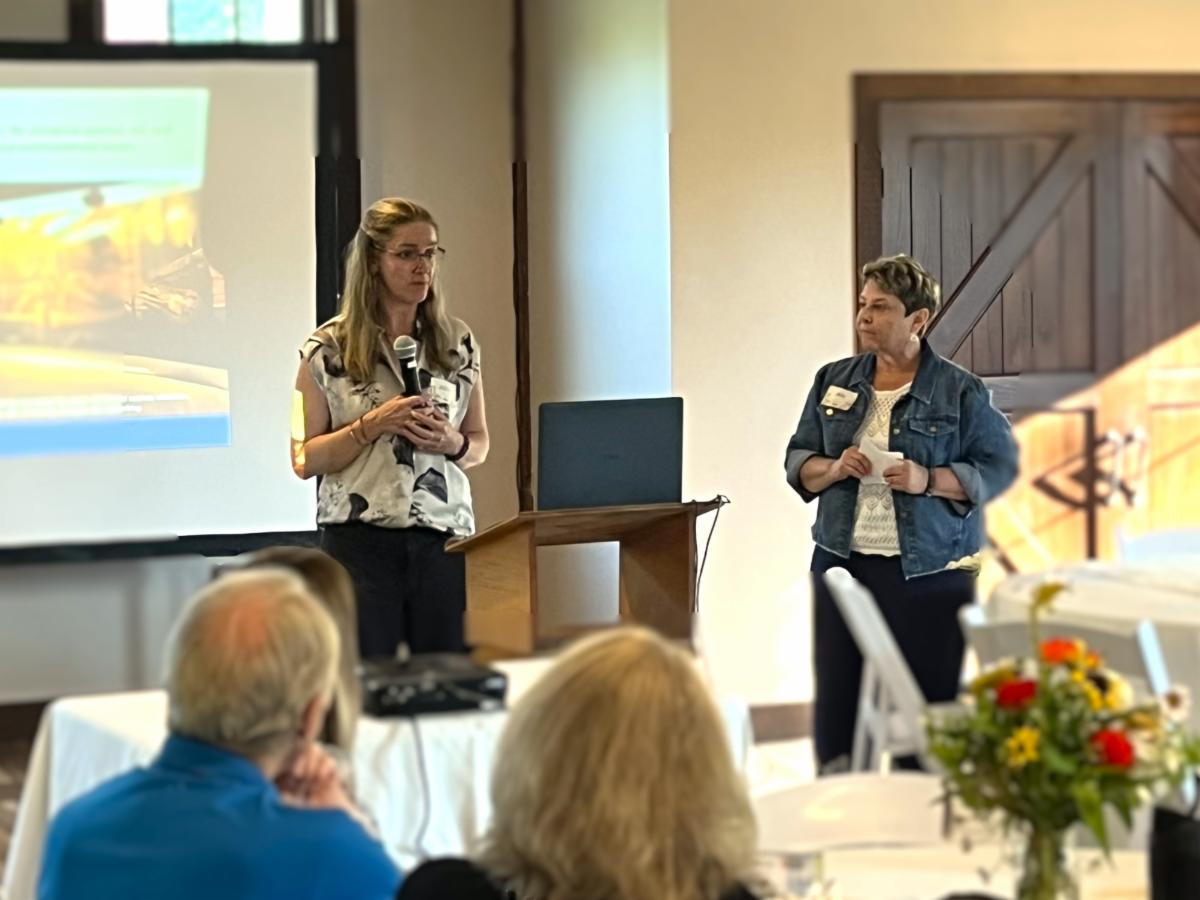
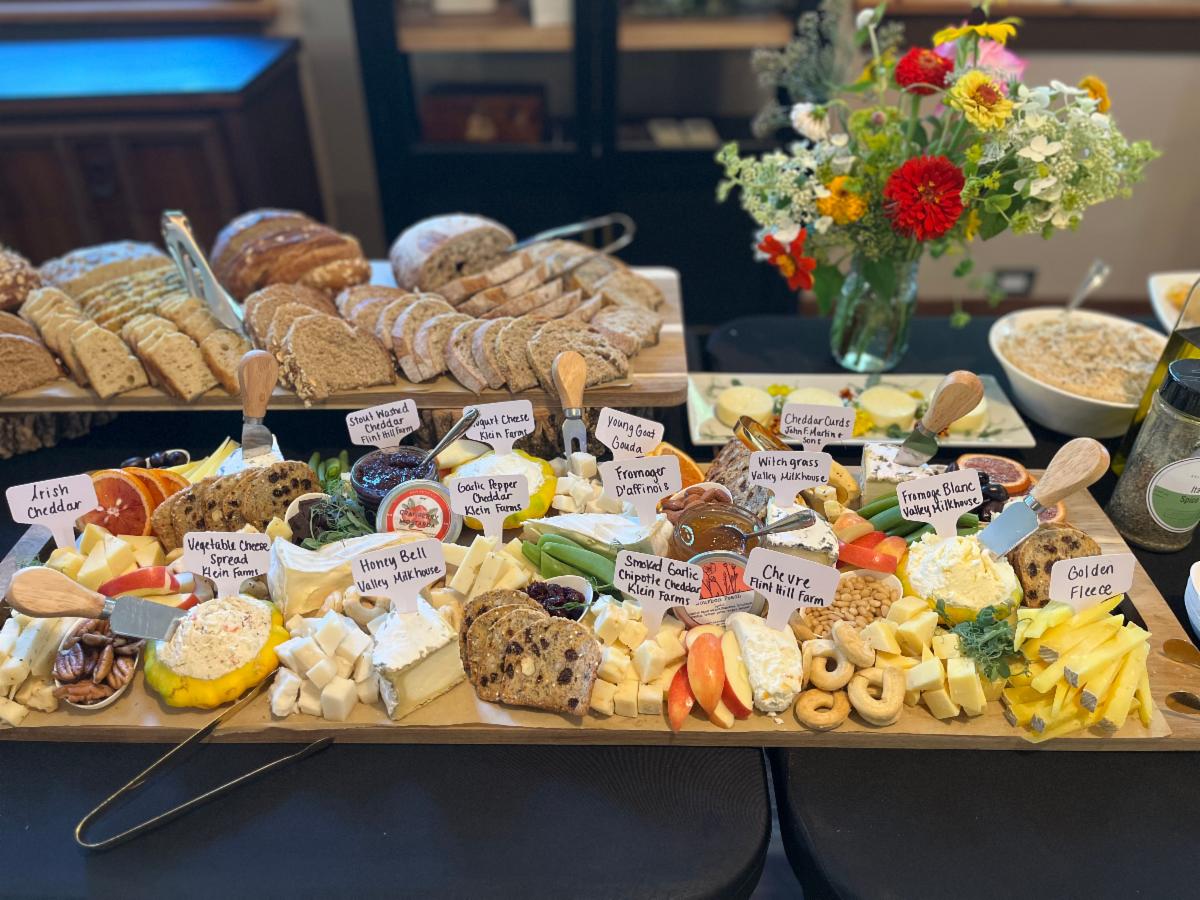
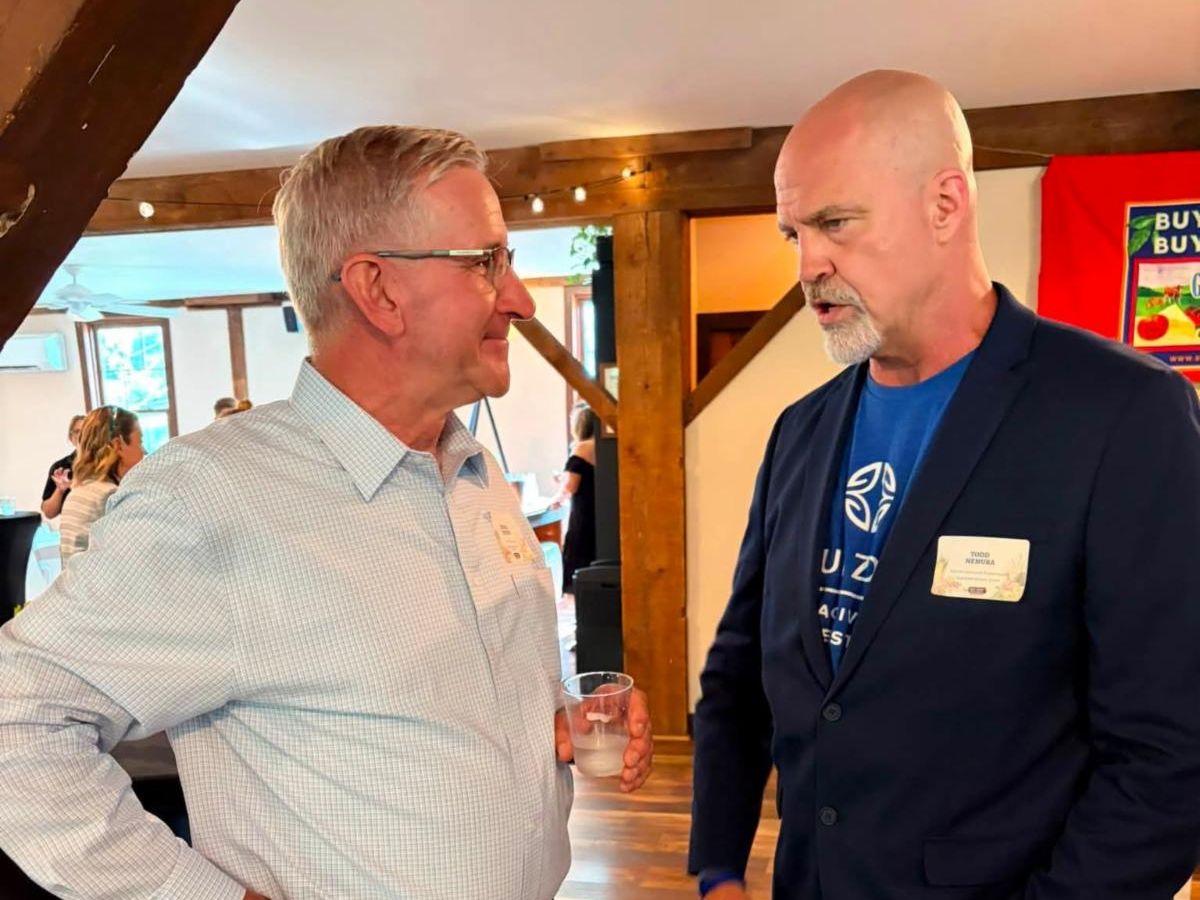
Guests enjoyed an exceptional spread prepared by Chefs Amanda and Andrew Pietrobono, featuring ingredients sourced from our local farms, food producers and vineyards. Pennsylvania Secretary of Agriculture the Honorable Russell Redding opened the evening with thoughtful remarks that reflected his deep commitment to agriculture, food access, and the importance of strong communities. We also heard from Rachel Hogan Carr, Executive Director of Nurture Nature Center; Megan McBride, Director of Buy Fresh Buy Local – Greater Lehigh Valley; and longtime food system leader Allison Czapp and Todd Nemura, Director of Blue Zones - Activate Easton, who shared exciting updates on the revival of the Lehigh Valley Food Policy Council.
In the coming months, we'll be taking the show on the road and holding community forums based on the food report. Help us keep this important conversation going. Let us know if your organization would like to host a forum - big or small!
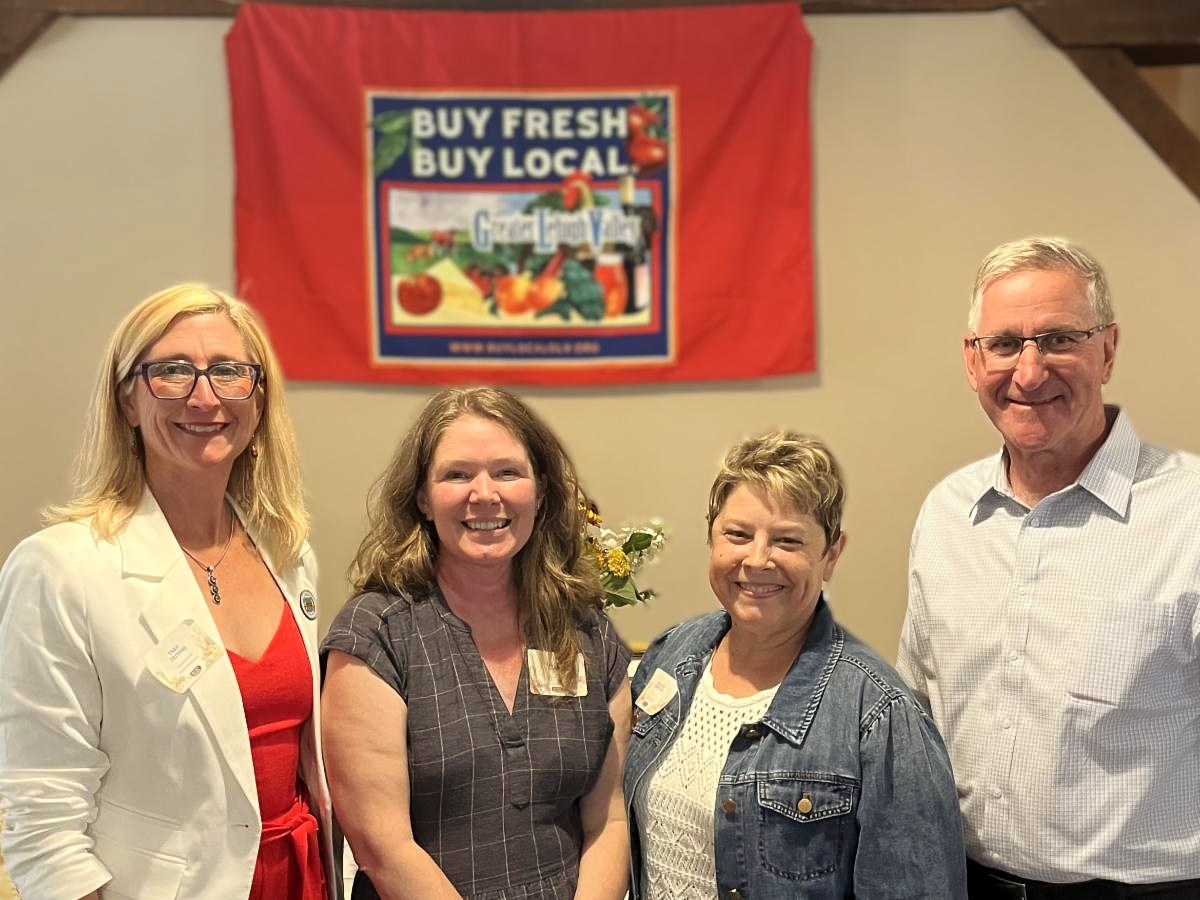
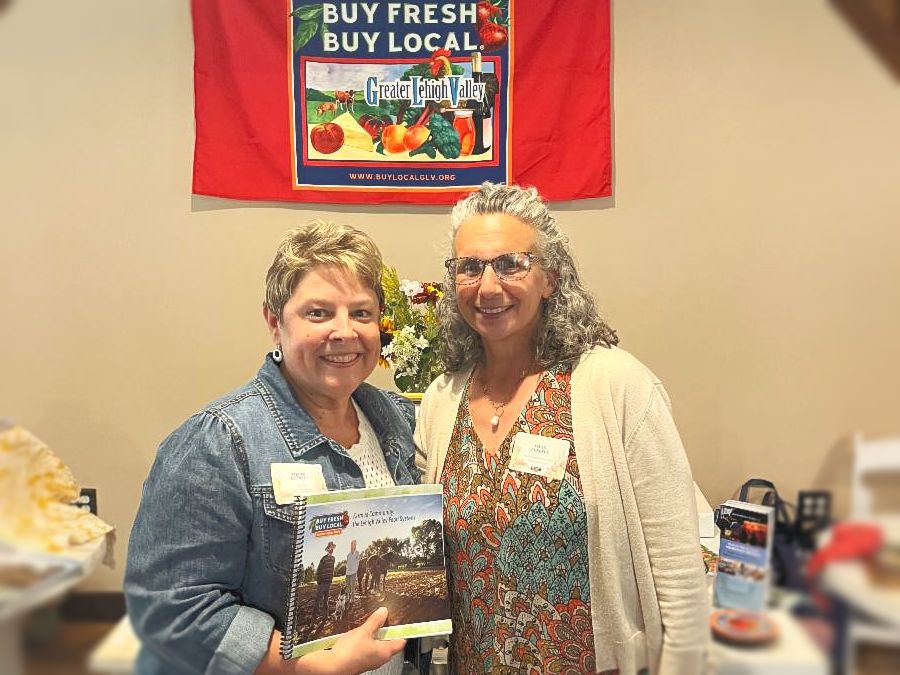
| | The Honorable Russell Redding, Opening Remarks | | Left: Pennsylvania Secretary of Agriculture, The Honorable Russell Redding giving opening remarks | | Left: Rachel Hogan-Carr, Executive Director of Nurture Nature Center & Megan McBride | | Right: A fantastic feast by Chefs Amanda & Andrew Pietrobono | | Left: Secretary Redding speaking with Todd Nemura, Director of Blue Zones Activate- Easton. | | Right: Northampton County Executive Tara Zrinski, Allison Czapp, Megan McBride, Secretary Russell Redding | | Director Megan McBride with Project Manager/ Assistant Editor Lisa Ruebeck | Photo Credits:Ashley Foster and Ashley Fehr | |
THE NEXT CHAPTER
A monthly look at the future of food and farming in the Lehigh Valley.
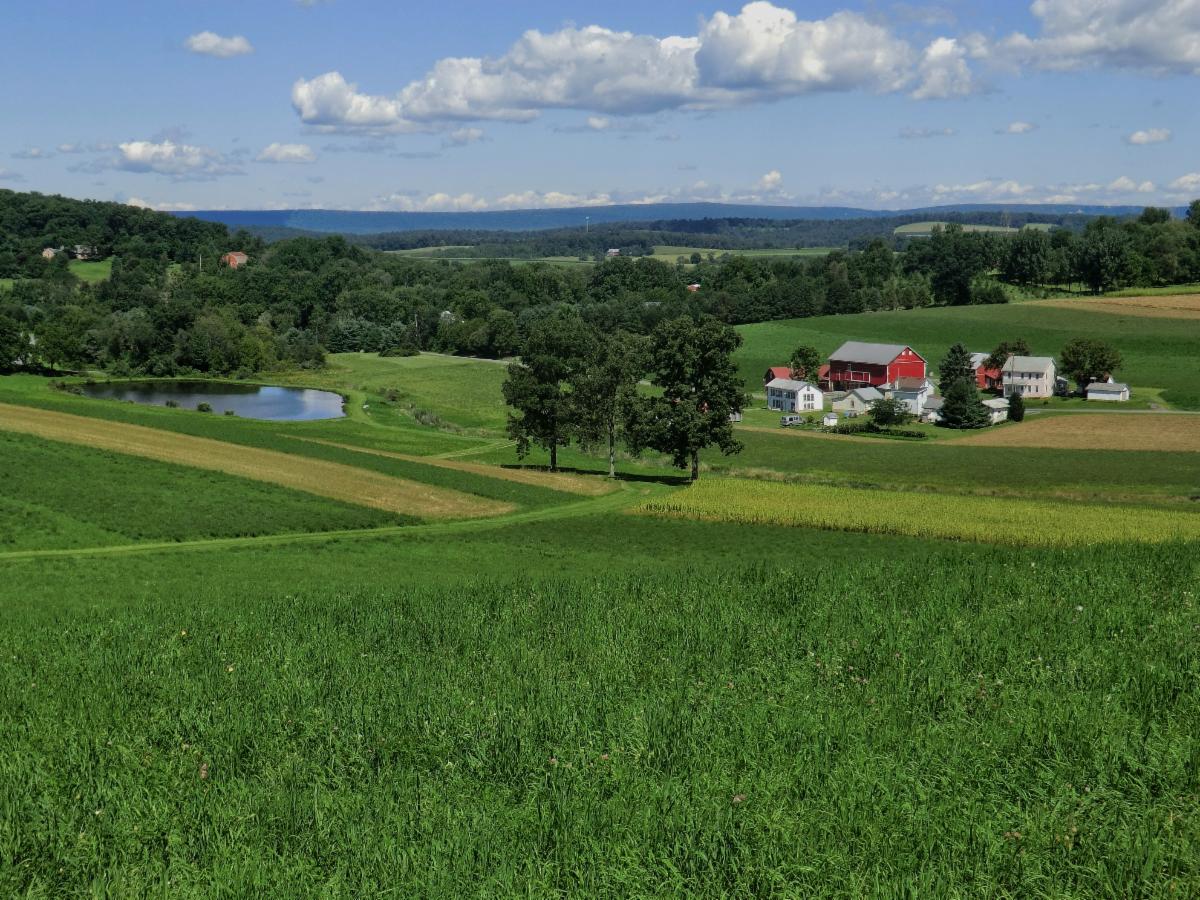
| Over the coming months, we'll be exploring the findings of Farm to Community: The Lehigh Valley Food System. The report uncovered not only the challenges facing our regional food system, but also the opportunities, partnerships, and ideas that could help shape the future of agriculture in the Lehigh Valley. Each month, we'll take a closer look at one of those topics and continue the conversation. | Betty Loch Farm, Weisenberg Township, Lehigh County: | |
Unlocking the Full Potential of
Farmland Preservation
| |
|
At a time when development pressures, rising land values, and proposals for large-scale projects such as data centers are reshaping the Lehigh Valley, it's worth reflecting on what farmland preservation has accomplished—and what comes next.
Northampton and Lehigh counties have made one of Pennsylvania's most significant investments in protecting farmland. Together, they have permanently preserved more than 48,000 acres of agricultural land. Just last week, Lehigh County selected another 11 farms, totaling 786 acres, for preservation in 2027. This achievement reflects decades of commitment by farmers, county leaders, farmland preservation boards, and taxpayers.
As we celebrate this success, we also have an opportunity to ask an important question: How do we make the most of the land we've protected? Farmland preservation ensures land remains available for agriculture, but it does not determine what is grown, how it is grown, or where those products are sold.
Today, approximately 56% of the Lehigh Valley's farmland is devoted to commodity crops—primarily corn and soybeans used for livestock feed, fuel, or processed food ingredients. These crops remain an important part of our agricultural economy. At the same time, there is an opportunity to diversify some of our preserved farmland into higher-value food production and regenerative farming systems that improve farm profitability while building healthier soils, protecting clean water, and increasing biodiversity. In a region that recently received an "F" for air quality from the American Lung Association, how we farm matters just as much as what we farm.
Stewardship also means investing in the next generation of farmers. As farmland prices continue to rise, many beginning farmers are leaving the Lehigh Valley in search of more affordable land. What if more farmland owned by public agencies, major institutions, and corporations was permanently preserved and managed with that future in mind? By creating affordable pathways to farmland ownership, offering long-term leases and incubator farms, and providing technical assistance to support organic and regenerative production, we could help a new generation of farmers build successful businesses while producing more food for our schools, hospitals, food banks, and other community institutions. Paired with stronger local processing, aggregation, and distribution, these farms could also help meet the growing demand for locally produced food throughout the Lehigh Valley.
By making farmland preservation a cornerstone of the Lehigh Valley's comprehensive planning, economic development, and food system strategies, we can build on the work that's already been done. Farmland preservation has given us an opportunity. The question now is how we make the most of it.
- Megan McBride, Director of Buy Fresh Buy Local Greater Lehigh Valley
| | | | |
Happy 20th Anniversary
to West Reading Farmers Market!
| | Photo credits: BerksVibes on Instagram | | |
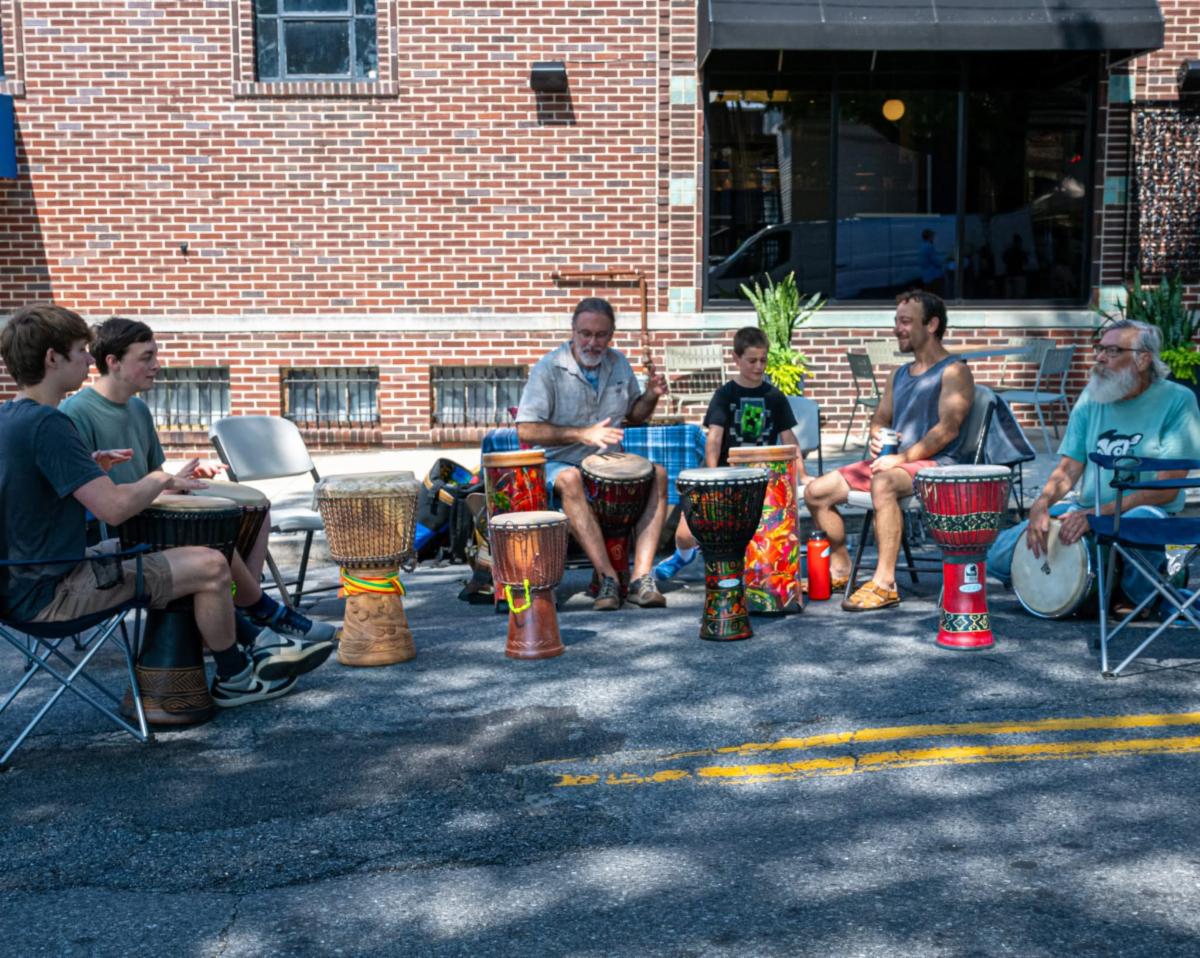
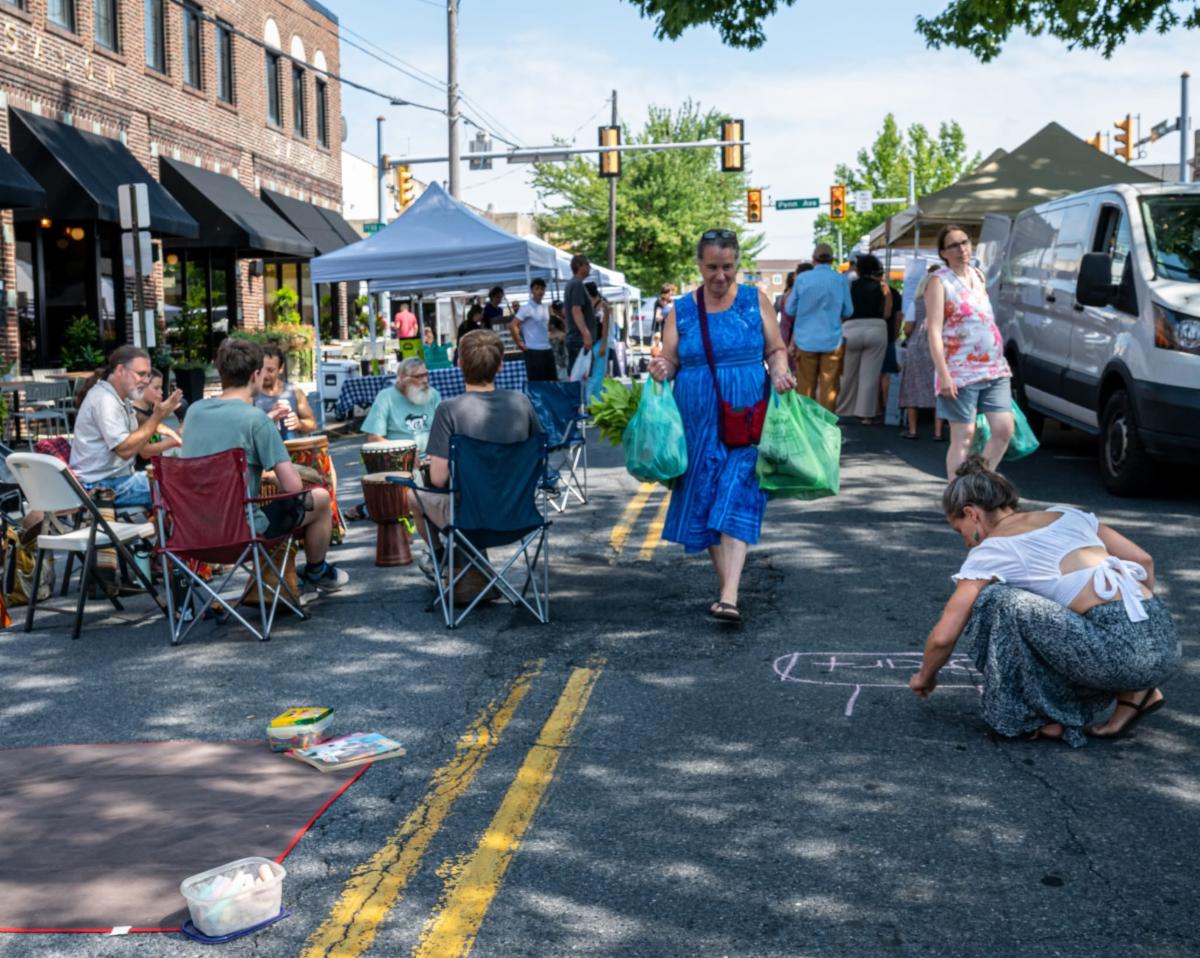
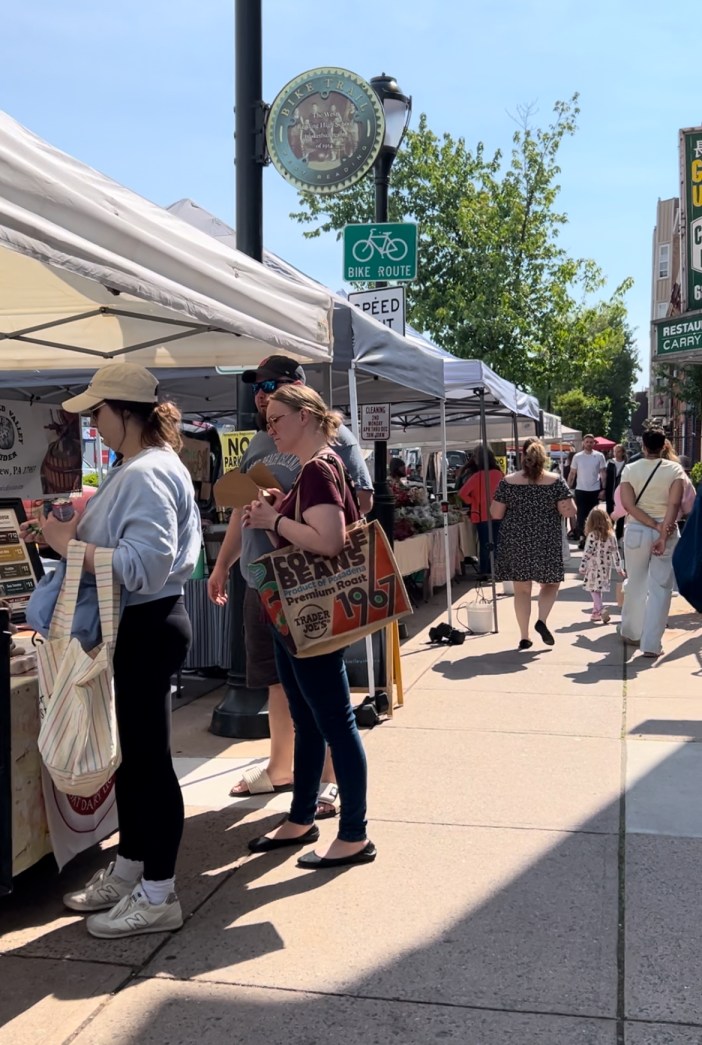
Congratulations to the West Reading Farmers Market on celebrating its 20th market season! The milestone was celebrated during the July 13th market with live music, community activities, and plenty of local flavor. Established in 2006 as part of the Borough of West Reading's revitalization efforts, the market has spent two decades connecting the community with local farmers, food producers, and artisans. Staying true to its local roots, the market requires all producers to be located within 50 miles of Reading.
This season also marks another milestone: the launch of a market-wide SNAP program, making West Reading just the third farmers market in the Greater Lehigh Valley to offer a centralized SNAP program that allows shoppers to use their benefits with all eligible vendors.
In an article published by WFMZ covering the occasion, Market Manager Kendra Giangiulio praised the surrounding community for the market's longevity, "We treat the farmers' market more like an experience. There's much more to this just shopping for your weekly groceries. A lot of what goes on here is community based; we have neighbors, friends, family, people that meet up here just to see each other and it's really just a bonus that you get to buy local produce for the week."
Read the full article, here
Congratulations to the West Reading Market team on 20 successful seasons!
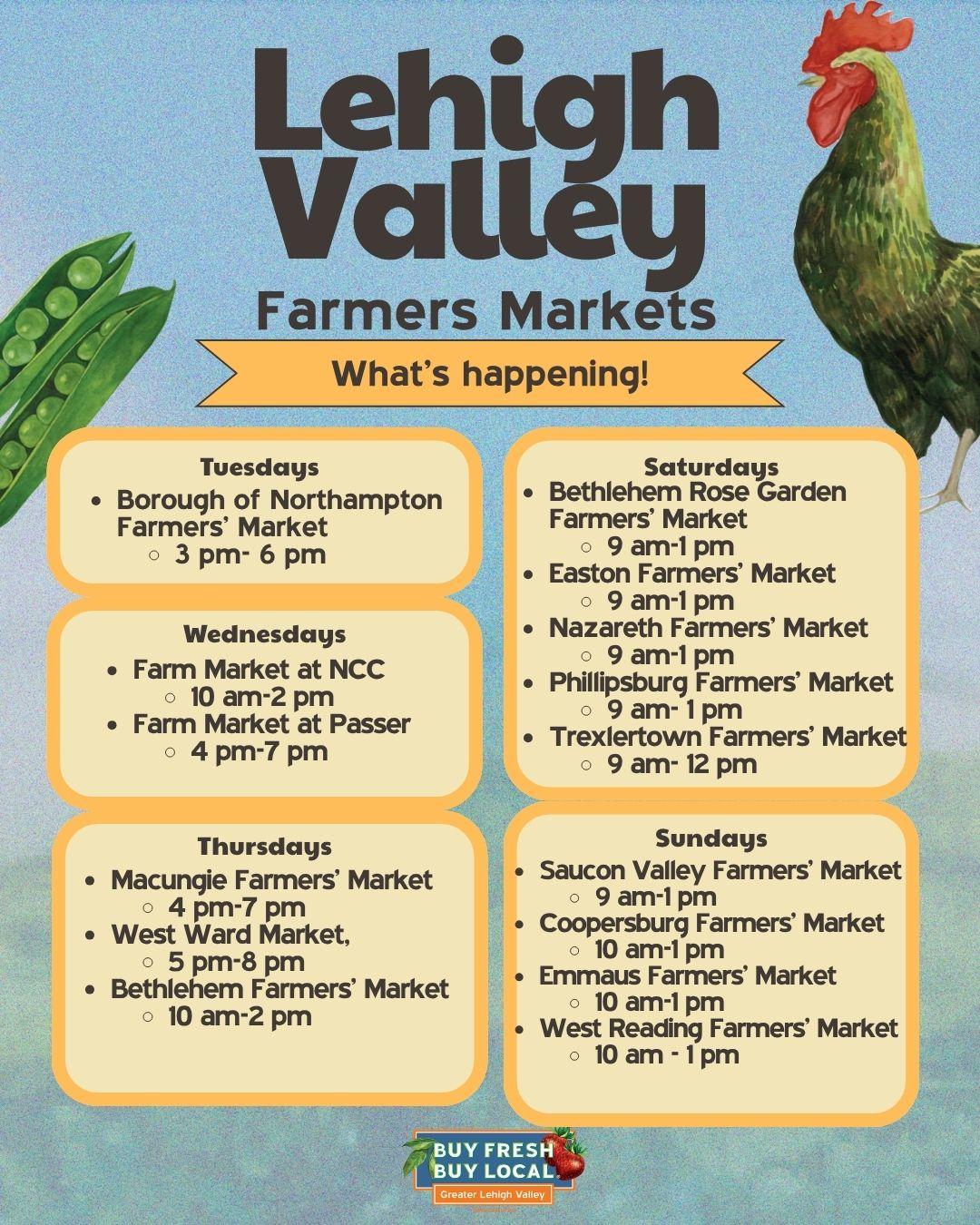
The market is open Sundays from 10:00 a.m. to 1:00 p.m. on Penn Avenue. Shop the market, peruse the local shops, and stay for lunch!
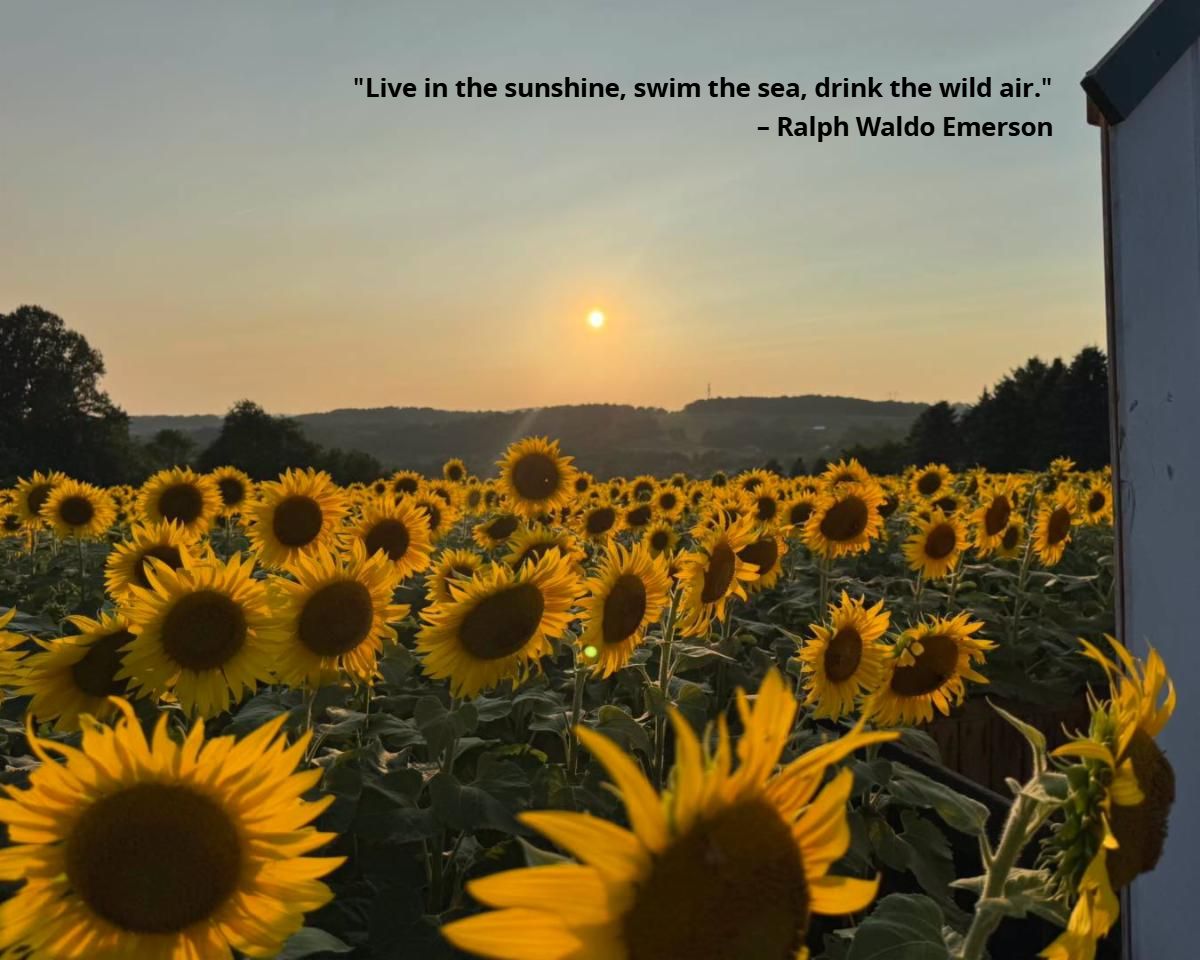
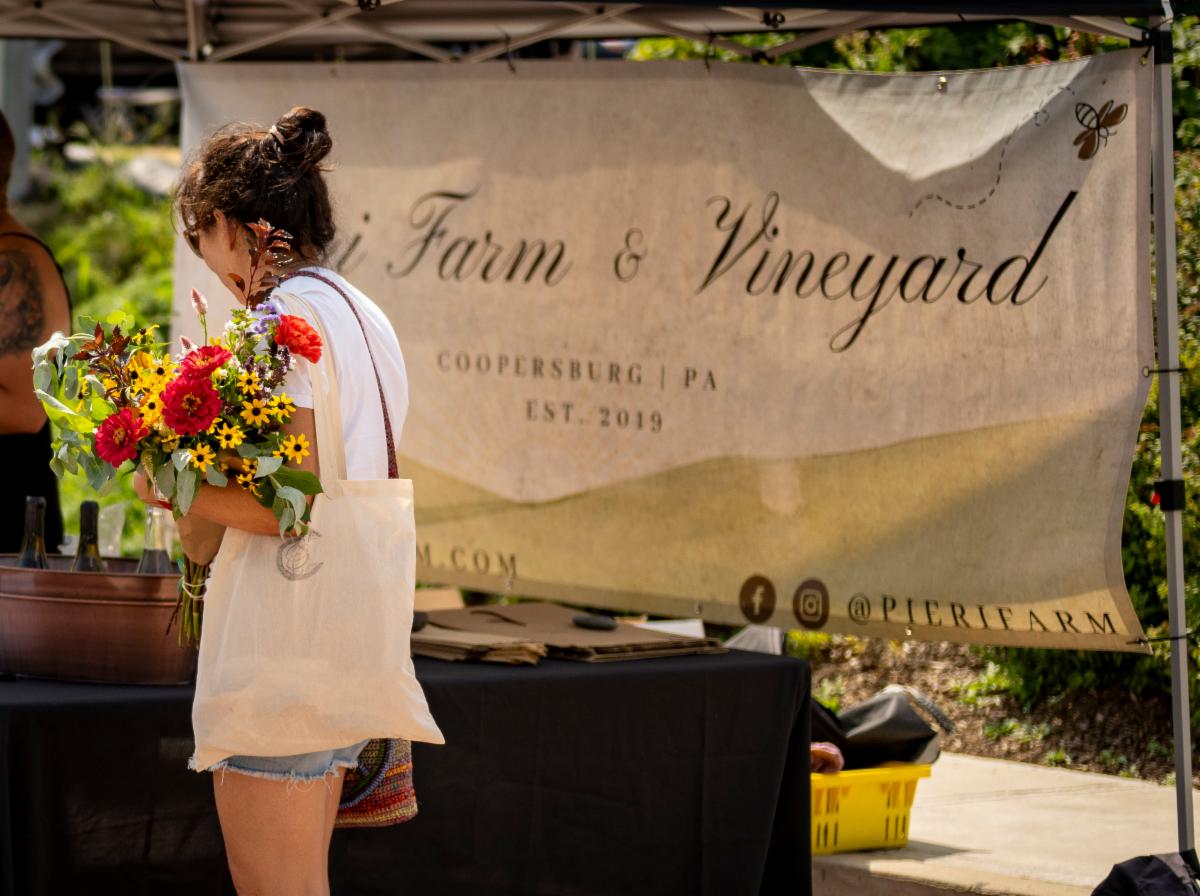
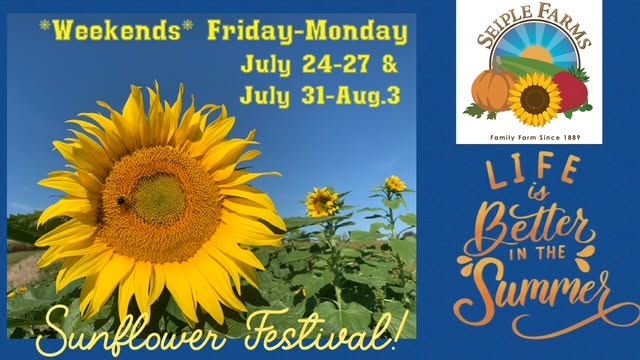
| Pick Your Own - SUNFLOWERS! | Photo Credit: Hausman's Fruit Farm, Coopersburg | August is sunflower season! Our farms are celebrating these sun-loving blooms with festivals, live music, family activities, entertainment, and picture-perfect pick-your-own sunflower experiences. We've highlighted a few farms below that are hosting sunflower events throughout the month. If you're planning to cut your own sunflowers, be sure to check with the farm ahead of time to see if you should bring your own clippers! | Find your Farmers' Market! | Coopersburg Farmers' Market, Photo credit: Mike DeJesso | | Take a drive to a local Market or Farmstand! | | My Little Farmstand, Easton | | |
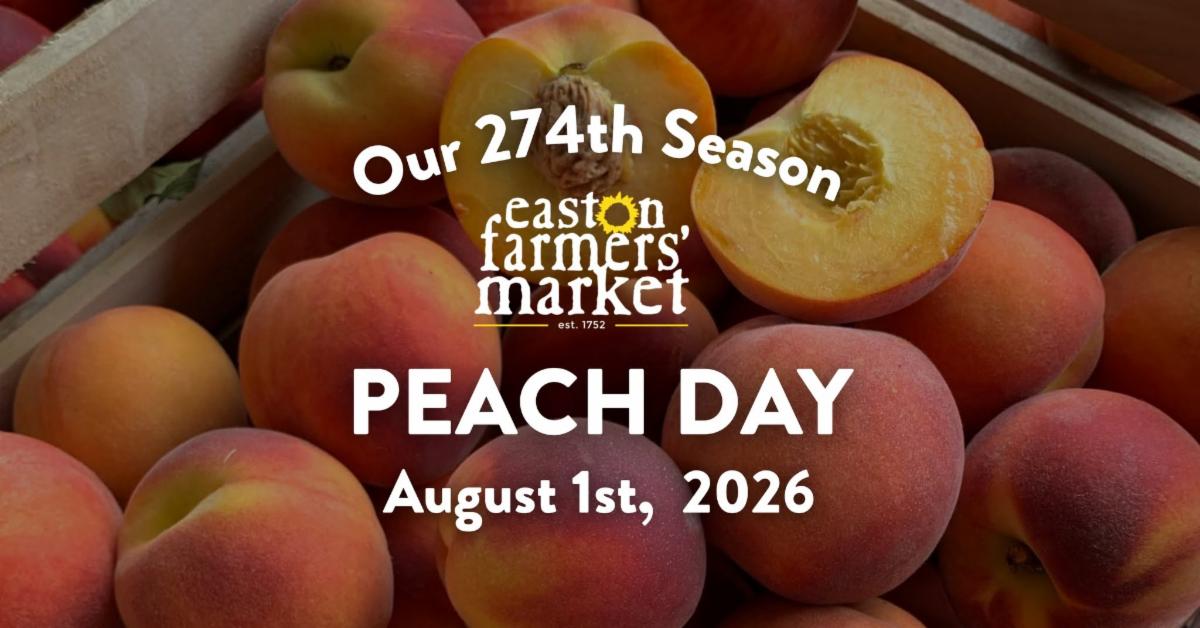
Sink your teeth into a sun-ripened local peach, gather a few tomatoes for those summertime tomato-and-mayo sandwiches, or pick up fresh sweet corn for the grill. Few things capture a Lehigh Valley summer better than a drive through the countryside with the windows down and a stop at a local farm stand.
We've put together a comprehensive guide to local farm stands, markets, and garden centers on our website to help you find your next favorite stop. Make a point to visit one on your next outing—you'll find knowledgeable growers, friendly faces, and some of the freshest, most delicious local food the season has to offer.
| |
FARMER SPOTLIGHT:
Apple Ridge Farm
| | |
I've had the pleasure of working with Brian Bruno for more than twenty years, first through the Easton Farmers' Market and Easton Public Market, and now through Buy Fresh Buy Local – Greater Lehigh Valley. During that time, I've watched Apple Ridge Farm grow from a small family farm into one of the region's best-known local food businesses, always finding thoughtful ways to use what the farm produces.
Brian originally planned to become an environmental scientist, but while studying agriculture at Penn State he realized that farming itself could be one of the best ways to care for the land. That philosophy still guides the farm today.
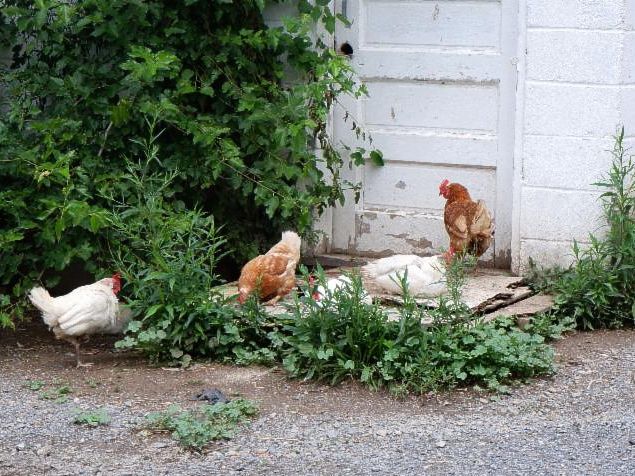
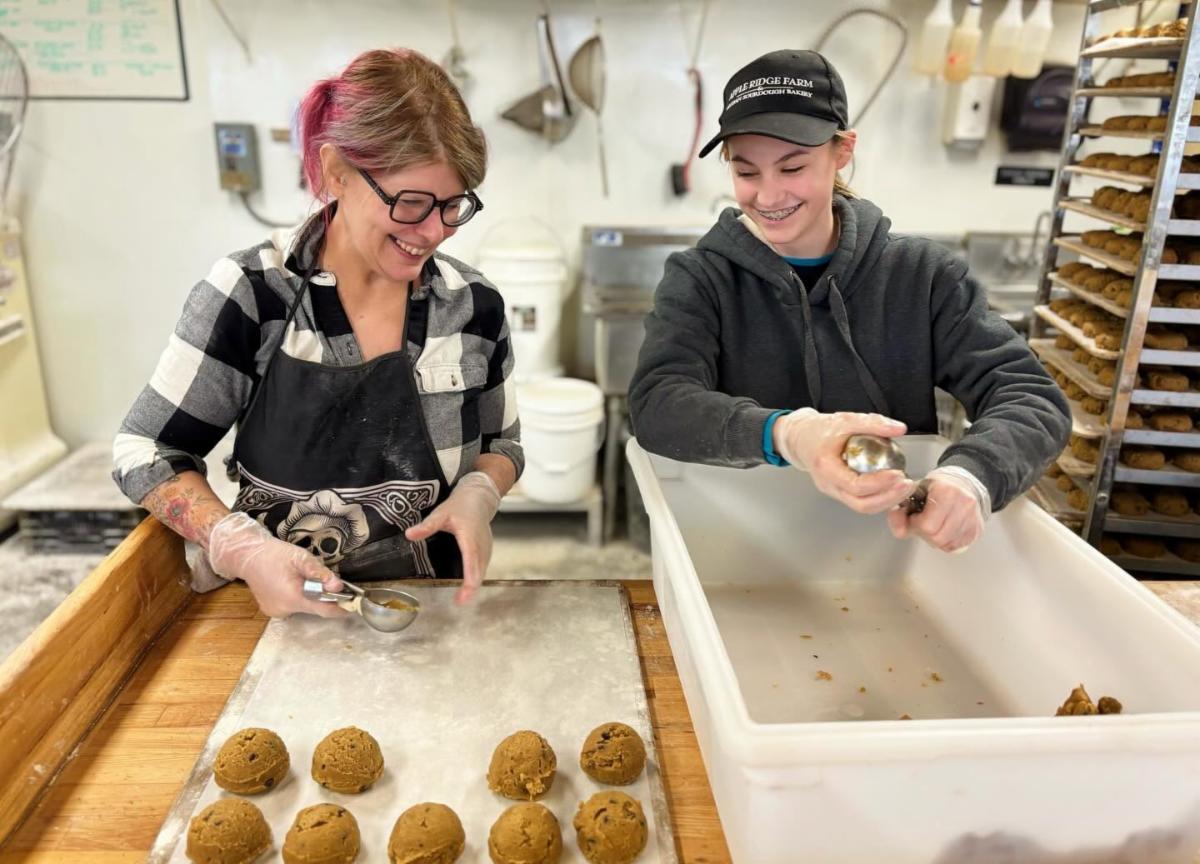
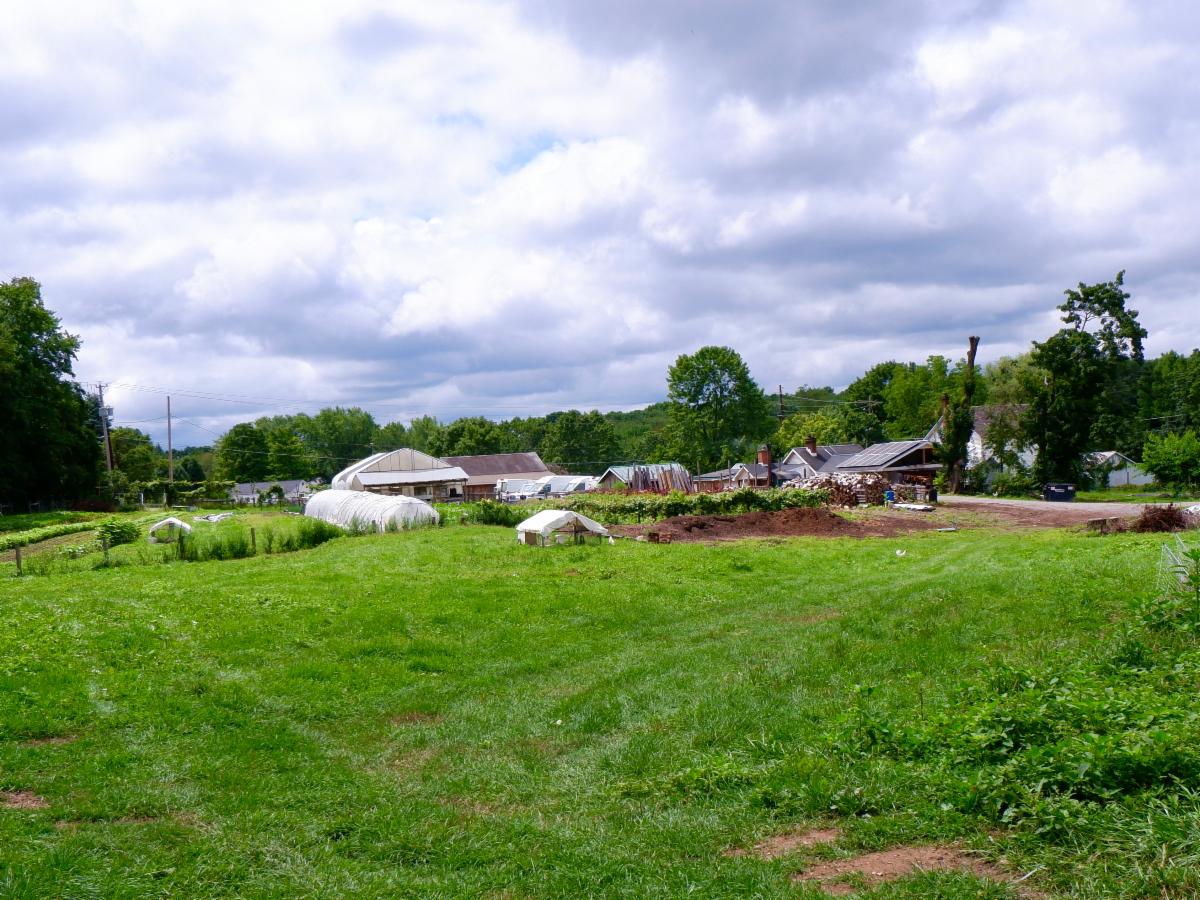
We recently had the opportunity to tour the farm with Brian and two of his farm apprentices, Jared and Anthony. They walked us through how each part of the farm builds and supports another part. The chickens are free range and kept out of places they aren't wanted by strategically placed fencing. Brian calls this "out/ out" raising, noting that because the chickens are free to roam, they find the nutrients they need, which in turn provides a richer egg and better chicken. The pigs are used to clear fields, brush, and fence lines. If there is an area of grass that needs to be mown down, the rabbits get to work. The bakery sits at the heart of the farm and is rarely still, with bakers and delivery drivers working into the wee hours to bake an average of 1100 loaves of bread each week.
Apple Ridge is known for its naturally fermented sourdough bread and pizzas, as well as their Collective Cultures line which includes kombucha, kimchi, sauerkraut and their new vegetable brines. Whenever possible, Brian uses ingredients grown right on the farm, and when he needs more, he sources from neighboring farms. It's an approach that supports other local growers while making the most of every harvest.
You'll also find Apple Ridge at an impressive 15 farmers' markets across Pennsylvania, New Jersey, and New York, introducing thousands of people to fresh, locally produced food every week. I remember being surprised and excited to find them at a lovely little market in Warwick, NY during a leaf peeping excursion I made last fall. Seeing them made me feel like home.
We're proud to have Apple Ridge Farm as one of our Buy Fresh Buy Local partners and grateful for Brian's dedication to farming in the Lehigh Valley. Through his generosity, mentorship, and willingness to share what he's learned, he's helped countless apprentices and beginning farmers find their place in the local food community.
| |
Open Every Day 10-6
Except Sunday and Thursday 10-4
Fresh Sourdough Bread Tuesday, Friday, Saturday, & Sunday
1198 Pennell Road
Saylorsburg, PA
610-381-6152
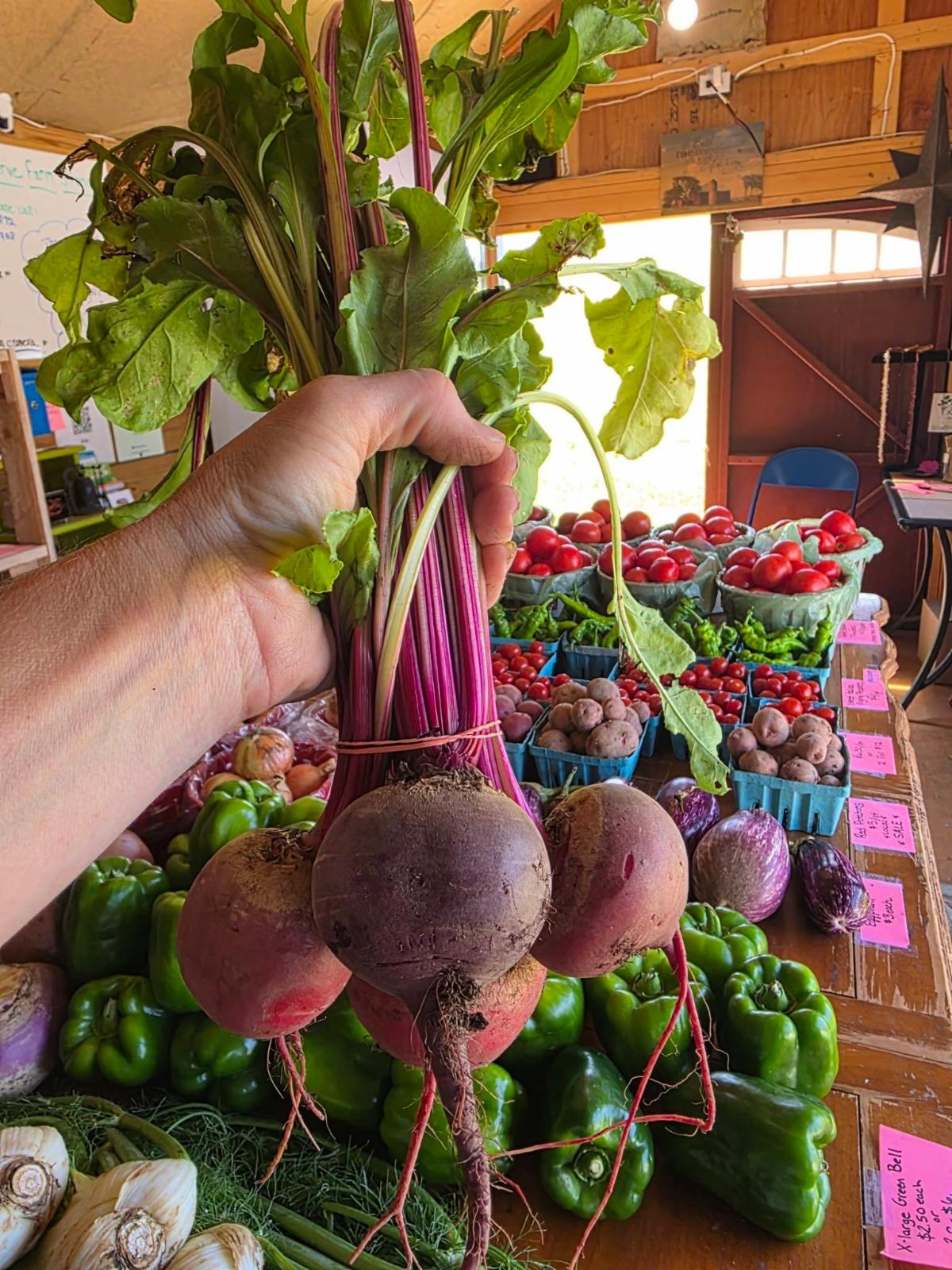
| | Photo credit:Apple Ridge Farm | | We are into the heart of summer, and with that comes all the fresh fruit & veggies from your local farmers. Below we've made a list of what is currently in season, and what will be available in the next few weeks. | |
- Basil
- Beans
- Beets
- Cabbage
- Carrots
- Chives
- Corn
- Cucumbers
- Eggplant
- Garlic
- Greens
- Herbs
- Leeks
- Lettuce
- Mushrooms
- Okra
- Onions
- Peppers
| |
- Potatoes
- Radicchio
- Radishes
- Scallions
- Summer Squash
- Tomatoes
- Turnips
- Apples
- Apricots
- Asian Pears
- Blueberries
- Melons
- Nectarines
- Peaches
- Pears
- Plums
- Raspberries
- Flowers
| | | |
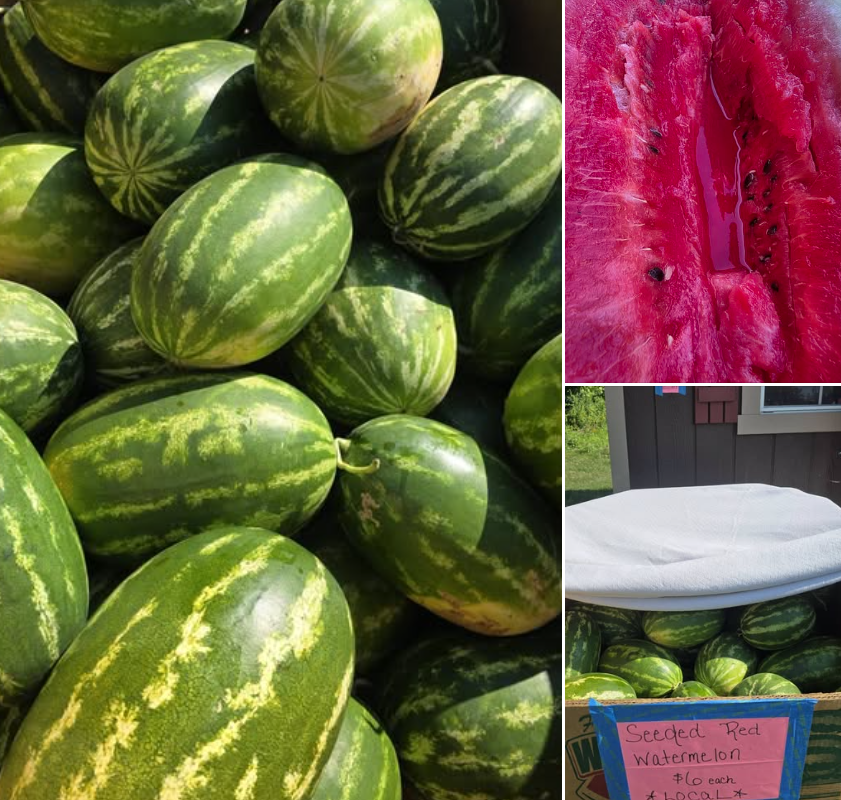
SEEDED WATERMELON!
We've heard it over and over this summer: "Do you know where I can find a seeded watermelon?" Many people say seeded watermelons are sweeter, juicier, and taste like the watermelons they remember from childhood. They're also an important part of preserving heirloom varieties—and let's be honest, you can't have a proper watermelon seed-spitting contest without the seeds!
If you're craving the real thing, you'll find juicy, seeded red watermelons at My Little Farmstand on Berger Rd.in Easton.
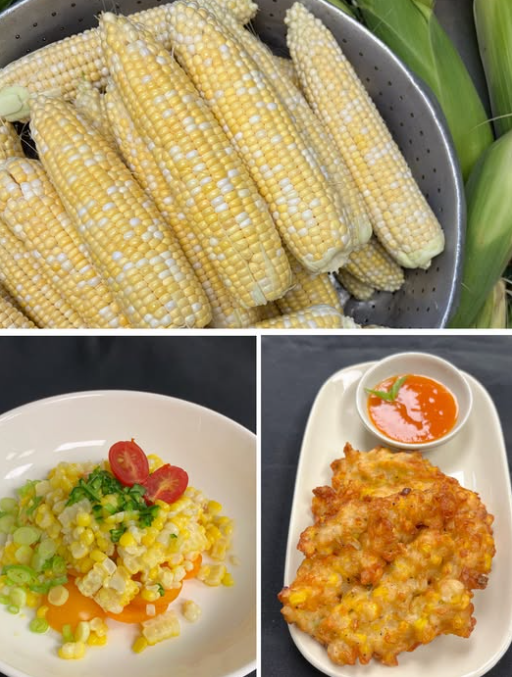
| | Good Food Starts Close to Home | | Farm-to-Table fare at Wonder Kitchen. Don’t miss their popular corn dishes—back for a limited time only. | | |
In a recent New York Times article, food writer Mark Bittman reminds us that, "You're not likely to get cyclospora, and you're even less likely if you eat at home." The reason, he explains, isn't necessarily because home kitchens are cleaner. Rather, "when you cook at home, fewer people touch your food." Once your groceries leave the store, they're unlikely to be handled by anyone but you, while food prepared commercially often passes through many hands before reaching your plate.
Bittman also observes that although small farms may have less sophisticated handling systems than large industrial operations, "they are also part of a shorter supply chain and supply fewer people." That's one of the many reasons we encourage you to know your farmer and support local agriculture.
The same idea applies when dining out. Seek out farm-to-table restaurants like Zekraft in Easton, Wonder Kitchen in Bethlehem, The Shelby in Allentown, Curious Goods in Germansville or Heart & Hearth Deli in Kutztown.They proudly feature local farms on their menus and are happy to tell you where their ingredients come from. Restaurants that value local sourcing aren't just supporting our regional farm economy, they're also providing peace of mind. The same goes for markets that purchase their produce from local farms, such as Local Leaf Market, Willow Haven Farm General Store, Eagle Point Farm Market, Wananaker General Store and Nature's Way.
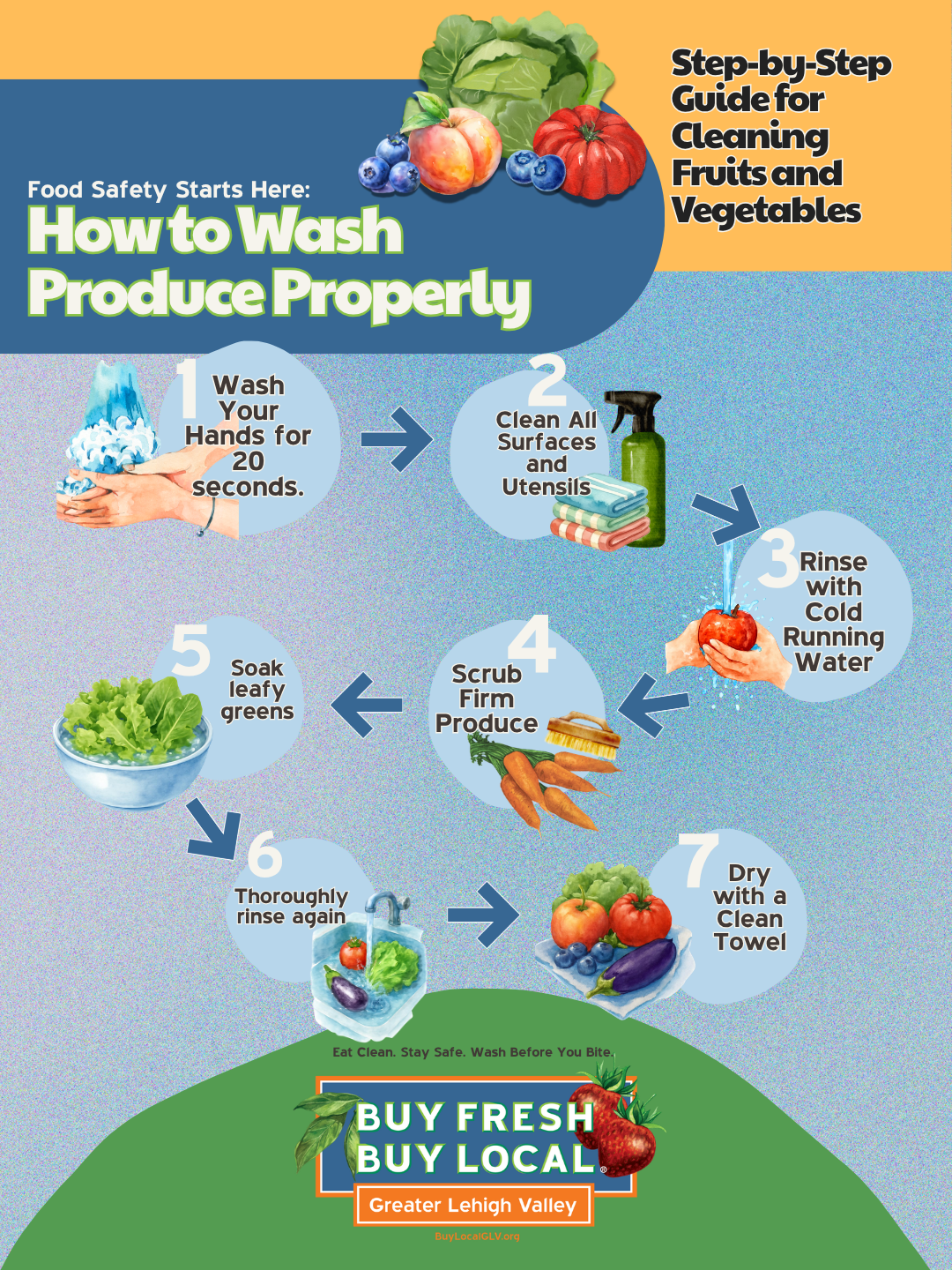
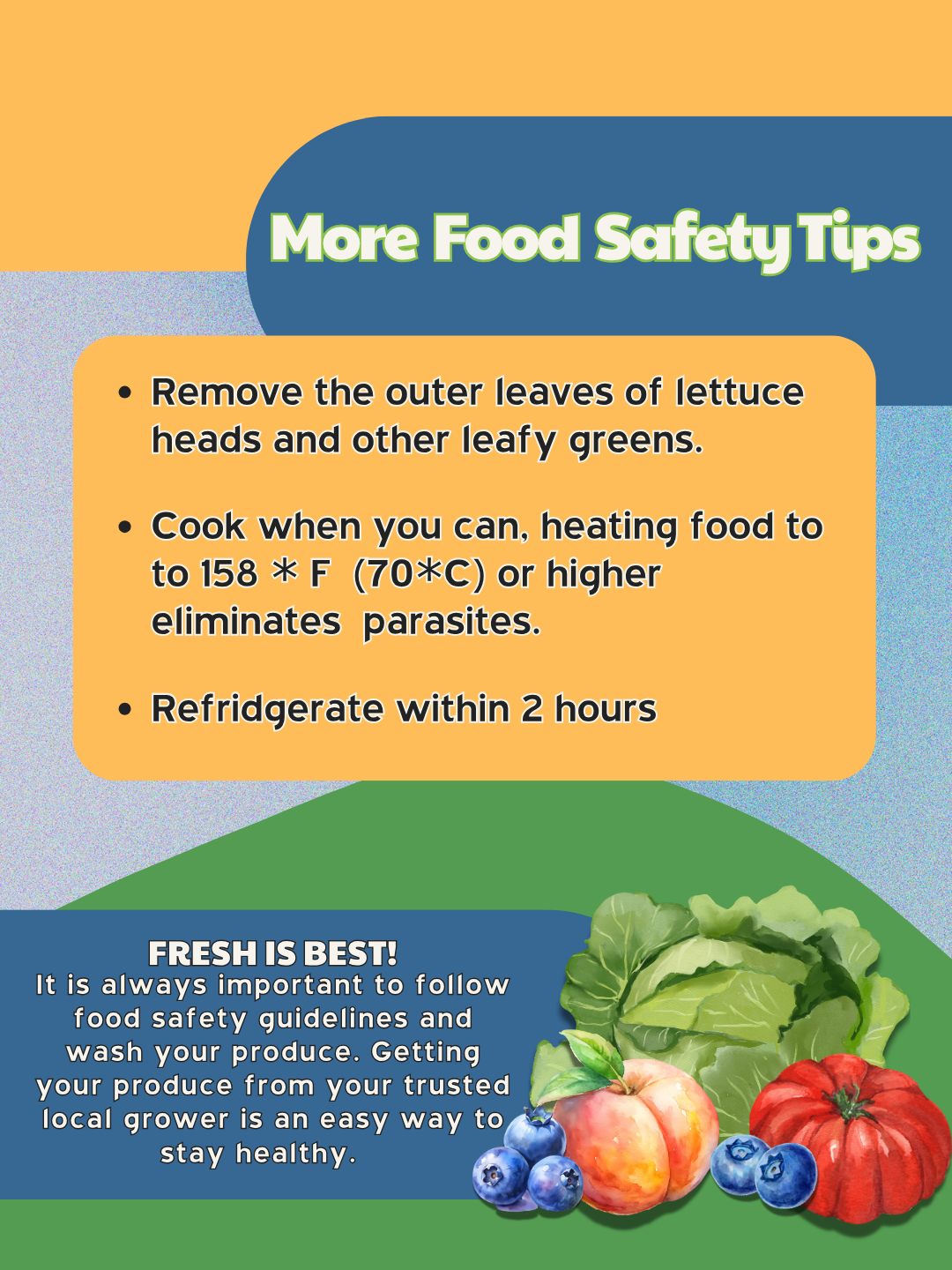
Whether your produce comes from the farmers market, a local farm stand, or a grocery store, good kitchen habits still matter. Wash fresh fruits and vegetables thoroughly under running water before preparing or eating them, and enjoy the abundance of fresh, local foods that are in season this time of year.
| | |
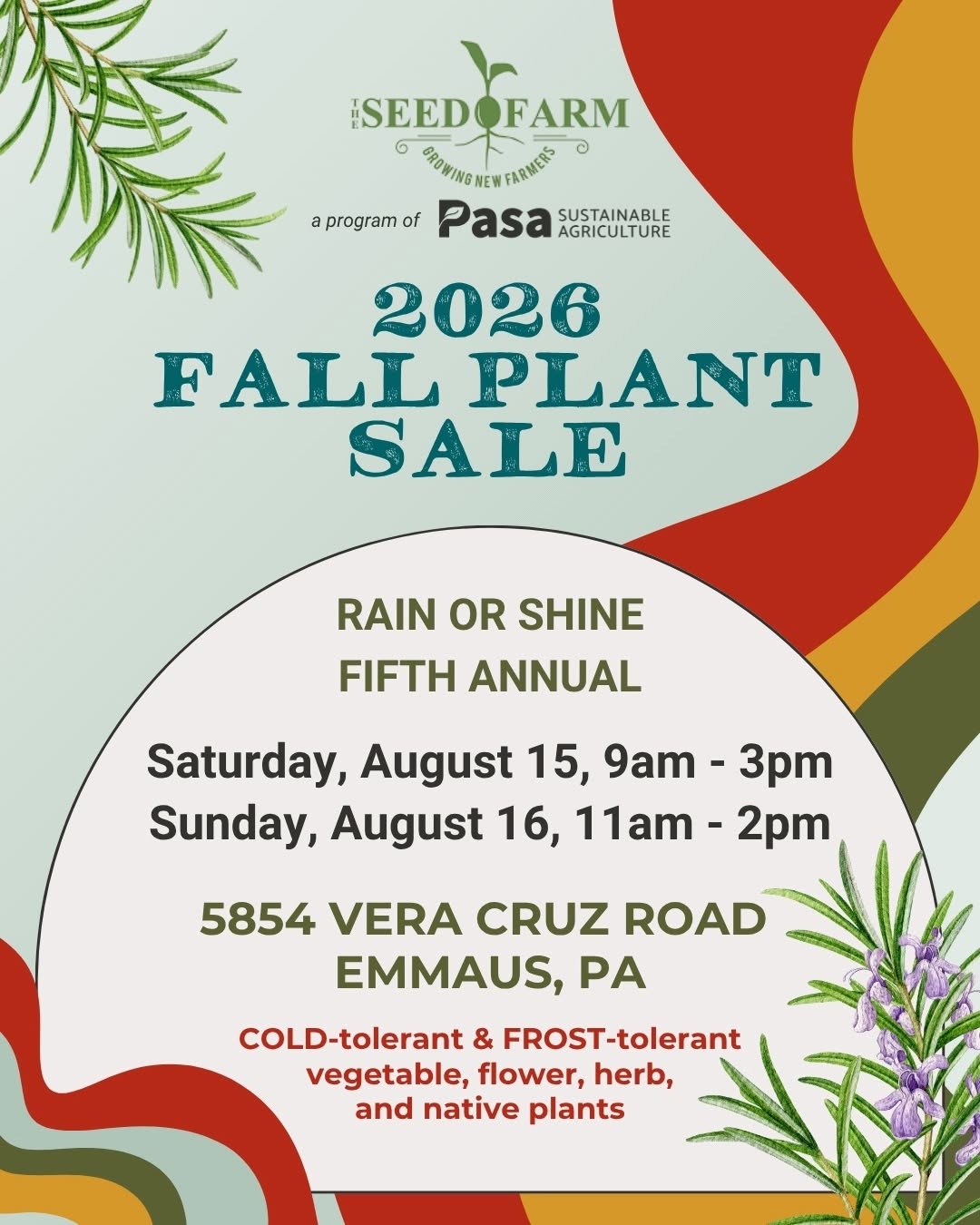
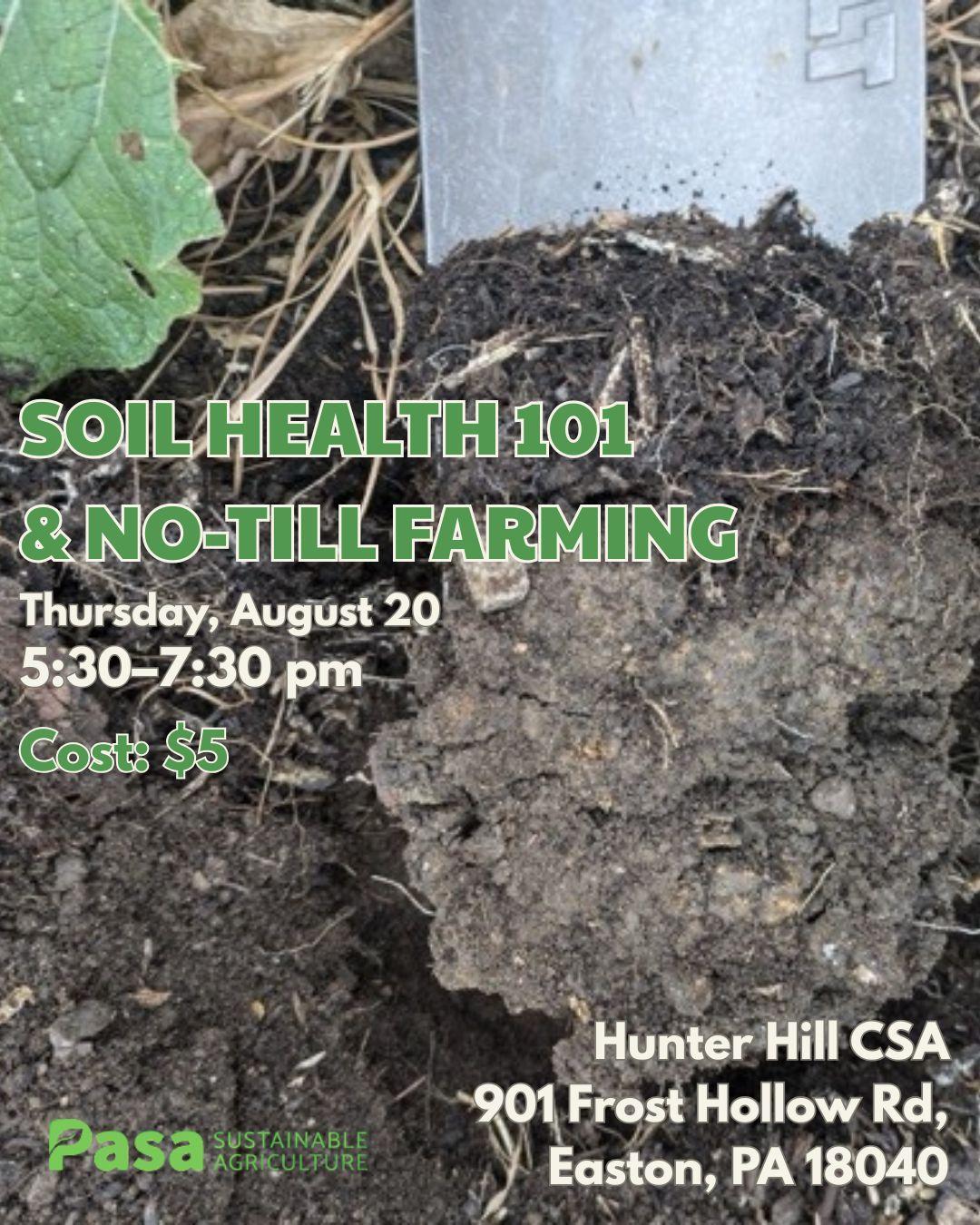
Dig into all things soil at Hunter Hill CSA as we break down the basics of soil science with an emphasis on no-till farming.
Building and preserving soil health is a fundamental component of a secure food system that protects ecosystems and communities. Healthy soils grow healthy plants. In this learning session, you’ll receive a crash course into soil science from Pasa’s Co-Director for Research Laura Kaminsky and demos of DIY soil health tests from Lisa Blazure, Soil Health Coordinator at the Stroud Water Research Center, where you’ll learn how to classify soil texture by feel.
Whether you’re a beginner or an expert, there is always something new to learn about building healthy soils. If you are able, please bring a bag of soil from your farm or garden!
| |
| |
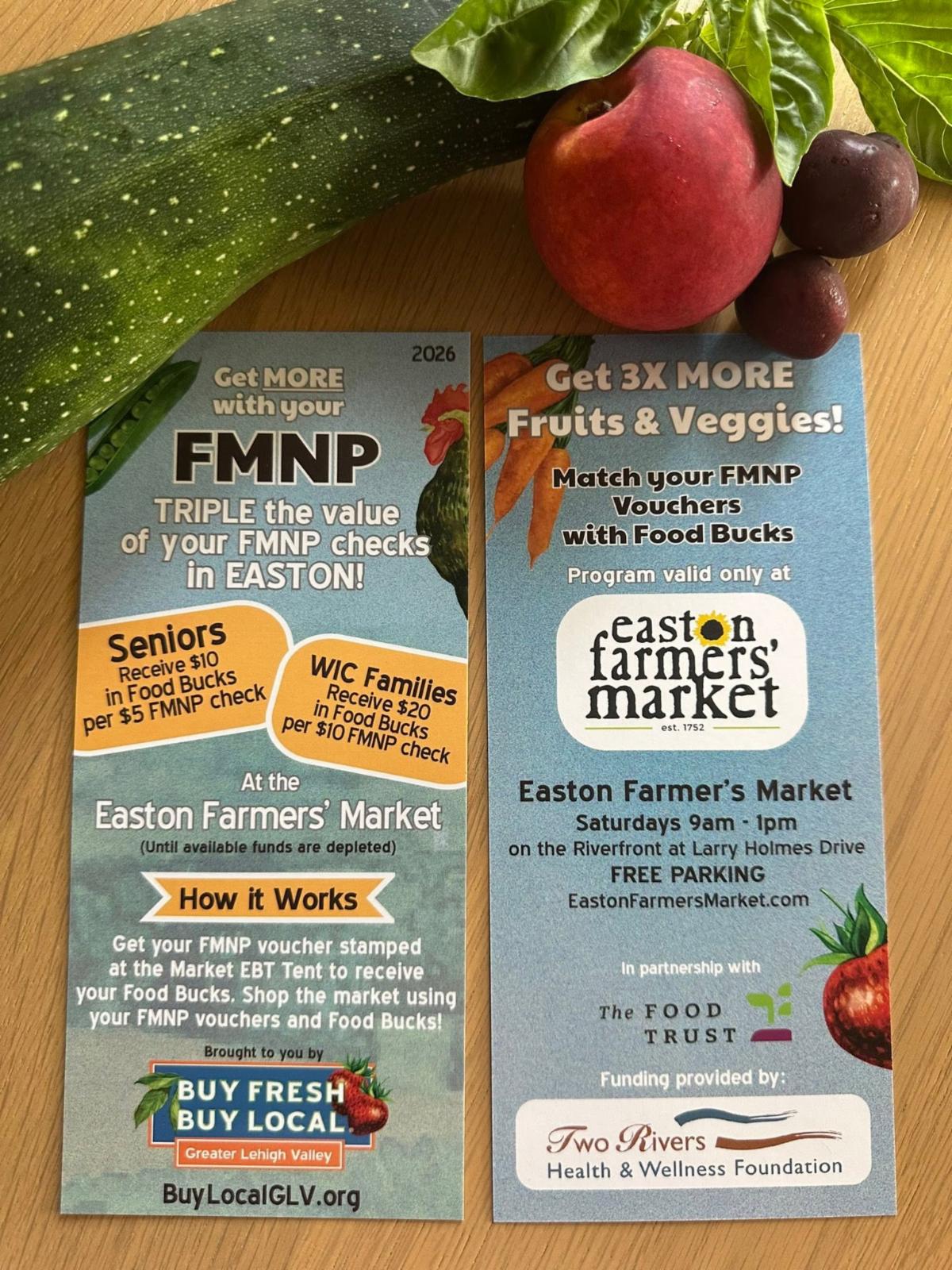
Get more fresh food with your FMNP!
Buy Fresh Buy Local – Greater Lehigh Valley is proud to offer FMNP matching incentives in partnership with the Two Rivers Health & Wellness Foundation and The Food Trust, with voucher distribution coordinated through the Northampton County Area Agency on Aging.
Seniors and WIC families can triple the value of their FMNP vouchers at the Easton Farmers' Market. At the Bethlehem Farmers' Market, seniors and WIC families can double the value of their vouchers. Just stop by the EBT Tent in Easton or the Information Tent in Bethlehem to show your FMNP vouchers and receive your matching Food Bucks before you shop!
| | | |
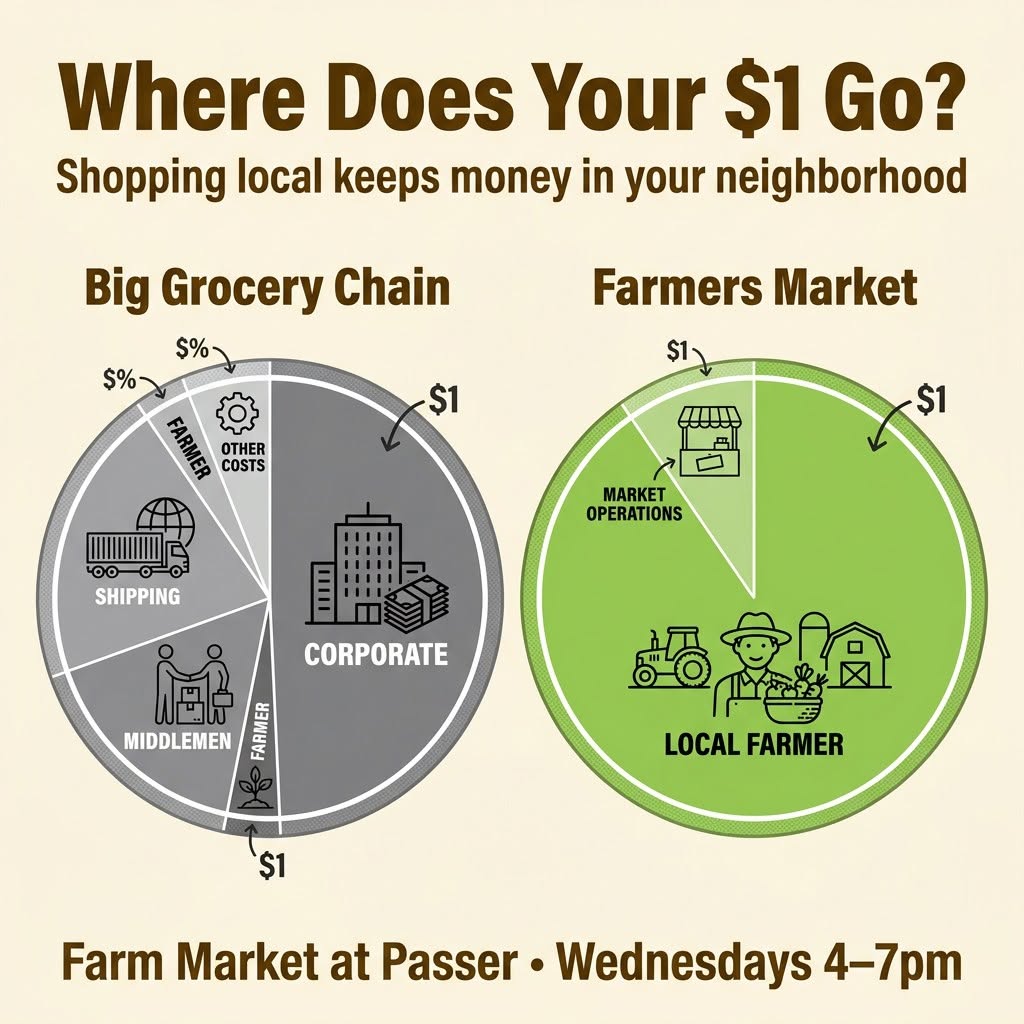
Savvy Marketing Shout-Out
Kudos to Farm Market at Passer (on the Richlandtown Pike in Coopersburg) for using these smart infographics to advertise their market!
| | |
BuyLocalGLV
BFBL Contact information:
bfbl@nurturenaturecenter.org
megan@nurturenaturecenter.org
610-253-4190
Our mailing address is:
Buy Fresh Buy Local of the Greater Lehigh Valley
518 Northampton St
Easton, PA 18042-3517
BFBL-GLV is a program of the Nurture Nature Center, a 501(c)3 organization.
Buy Fresh Buy Local is a network of Chapters across the country, dedicated to increasing the economic viability of small family farms and strengthening regional food systems by expanding markets for locally produced foods.
Copyright © 2022 Buy Fresh Buy Local of the Greater Lehigh Valley, All rights reserved.
| | | | | |