Turtle Tracks Newsletter


April 2026

FOLLOW US ON FACEBOOK TO KEEP UP TO DATE ON FUTURE EVENTS!

🐢🌊 Upcoming Events -
Come visit with us and talk turtles!

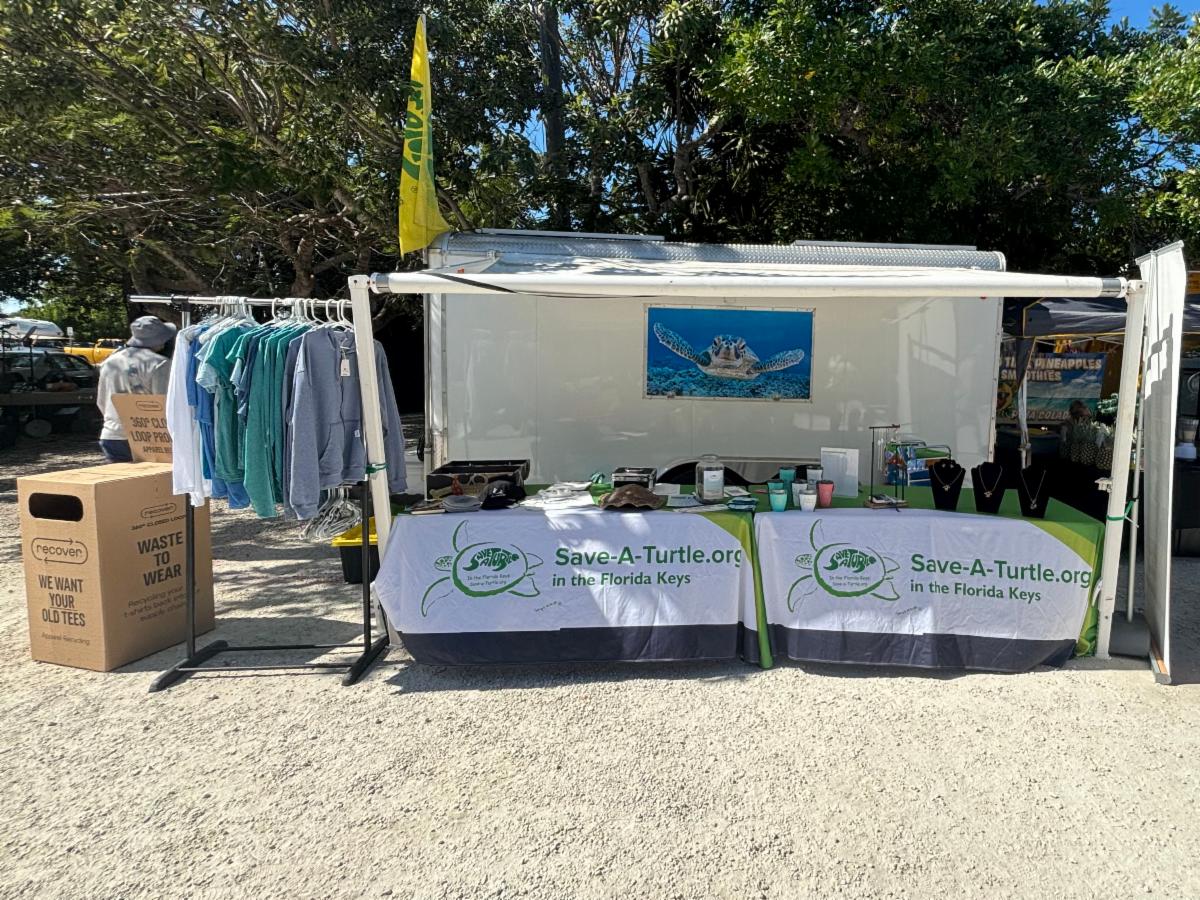
Come visit Save-A-Turtle of the Florida Keys at our upcoming events! Our volunteers will be there to talk turtles, answer your questions, and share educational information about sea turtle conservation in the Florida Keys.

You can also browse our turtle-y awesome merchandise—every purchase directly supports our conservation and education programs. 💚


🌊 Mote Marine Ocean Fest

April 25 | 11:00 AM – 4:00 PM


🎉 Caturdays at Sloppy Joe’s

Every Saturday in June | 11:45 AM – 8:00 PM

This fun weekly event features charity fundraising, entertainment, and “cat ear” headbands to support local Florida Keys nonprofits—including Save-A-Turtle!

Stop by, say hello, and talk turtles with us—we’d love to see you there!

🐢🌊 From the Field with Sherri Crilly - Where Conservation Meets Culture

undefined

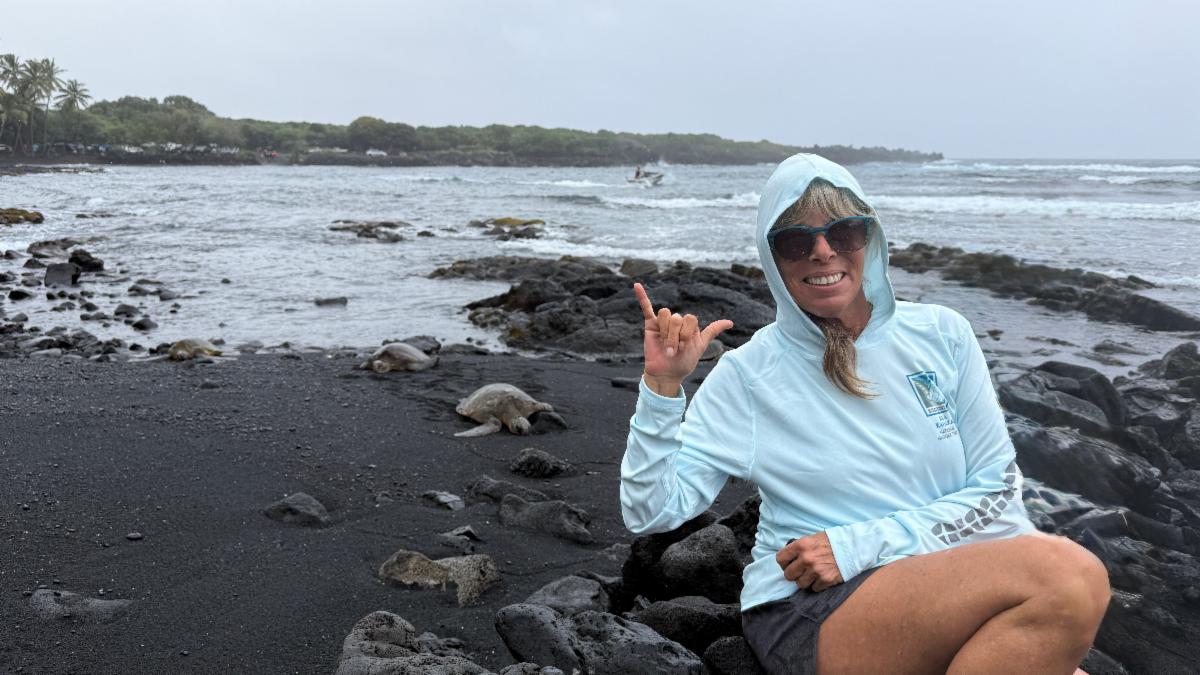
My name is Sherri Crilly, and I have been a volunteer with Save-A-Turtle since 2016. I am also an Florida Fish and Wildlife Conservation Commission (FWC) permit holder and volunteer for sea turtle nesting, stranding, and salvage in the Lower Keys.


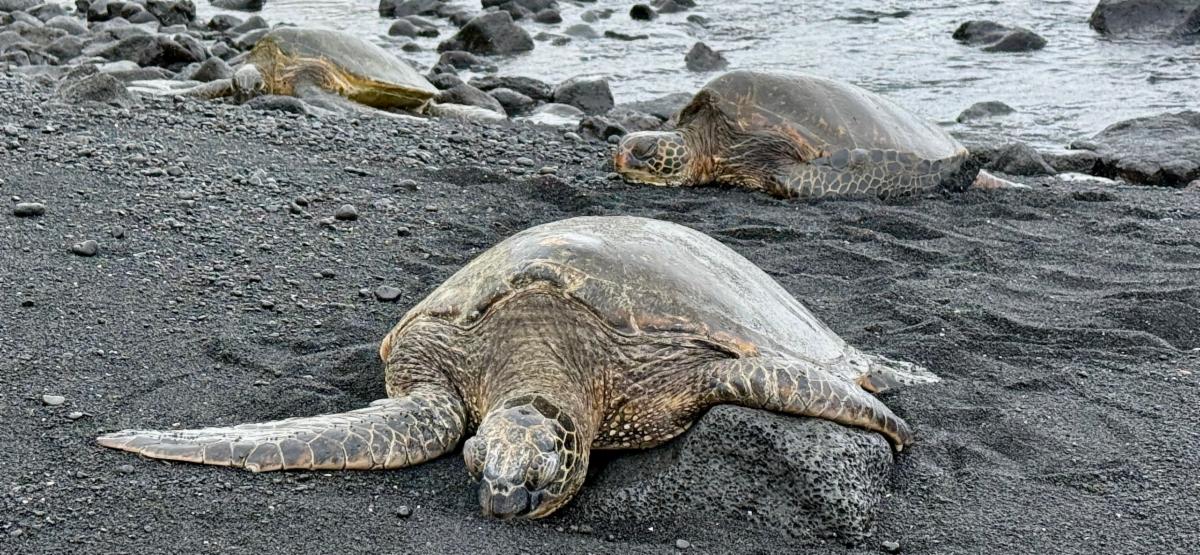
This past February, I was invited to attend the 44th International Sea Turtle Symposium in Kona, Hawaii—an annual gathering of veterinarians, educators, conservationists, scientists, students, and volunteers from around the world. The symposium brought together 675 attendees representing 53 countries. Kona is located on the west side of the Big Island of Hawai‘i.


Over the next few months, I’ll be sharing some of what I learned during this incredible experience.


Let’s start at the beginning.


Following a beautiful Hawaiian blessing and opening ceremony, speakers shared perspectives on the relationship between Indigenous communities and sea turtle conservation. Imagine being in a room filled with 675 people who collectively work to protect sea turtles—and hearing stories from cultures where sea turtles are still an essential source of food. Yes…crickets.


However, these stories truly touched my heart, and I’d like to share some of what I learned with you.


Conservation efforts often intersect with the rights and traditions of Indigenous communities—not only in Hawaii, but across Pacific islands and parts of South America. Many of us take for granted that a grocery store is just a short drive away, stocked with everything we need to nourish our families. In many parts of the world, this is not the case. Instead, communities rely on the ocean for food, including fish and, in some cases, sea turtles.


One story described how a single sea turtle can provide food for an entire family, offer a small source of income that allows a father to send his children to school, and even contribute to traditional healing practices. Another shared how green sea turtles are considered gifts from ancestors, with every part of the animal used out of necessity rather than profit. For example, beyond providing food, shells may be used for bowls and storage, while bones are crafted into fishing hooks.


In many of these cultures, sea turtles are viewed as sacred gifts. In Micronesia, for instance, a special tribal dance is performed as a turtle is brought into the village. The meat is distributed according to tradition—women receive the white meat, while the chief is presented with the head. In some communities, people are permitted to harvest sea turtle eggs, but they must raise one hatchling to a certain size and release it back into the ocean so it can grow to adulthood and reproduce.


Modern sea turtle conservation efforts began in the late 1950s and expanded globally in the 1970s, when populations declined dramatically due to overharvesting. Today, the challenge lies in balancing conservation with time-honored cultural practices and basic survival needs. This ongoing tension highlights the importance of bridging modern science with traditional knowledge—bringing scientists and Indigenous communities together to develop solutions that are both effective and respectful.

🐢 A Spring Break Rescue to Remember 🐢

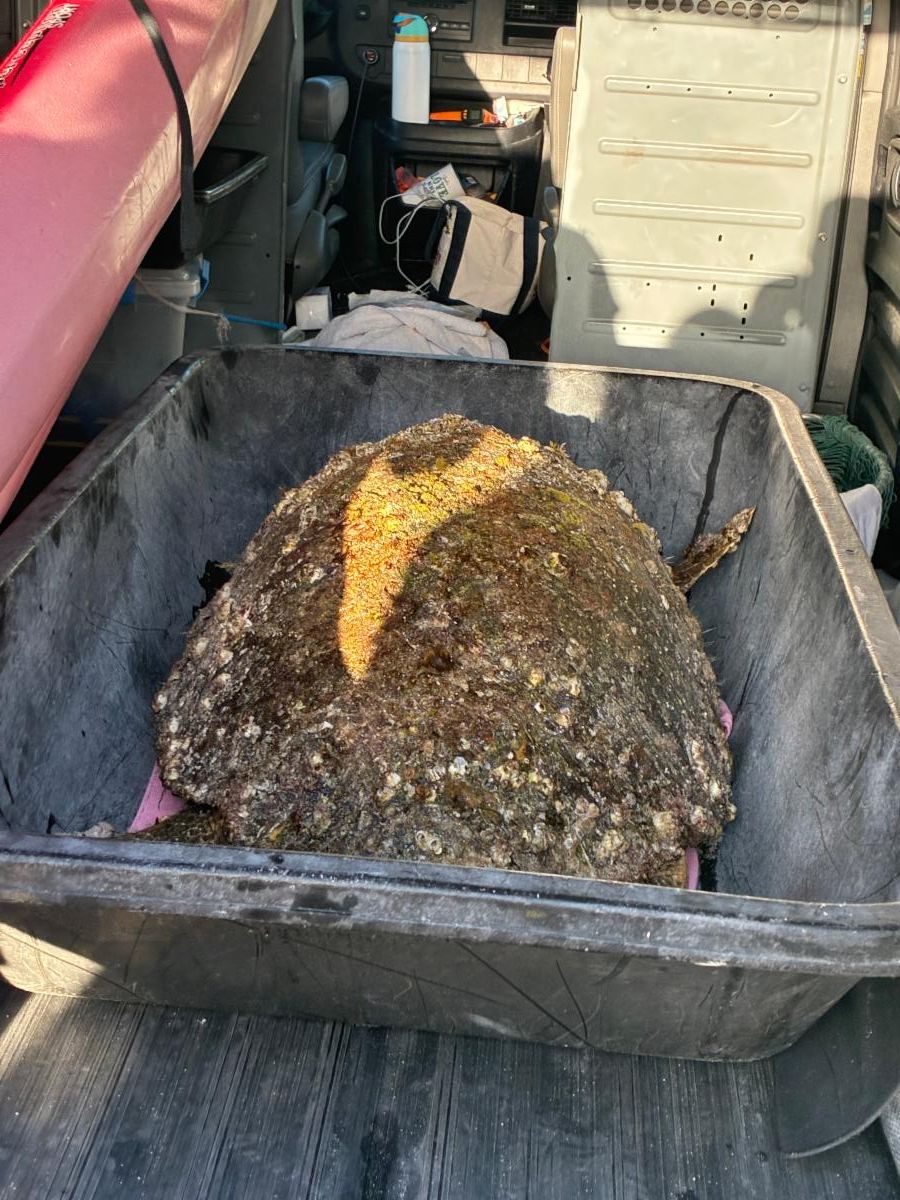
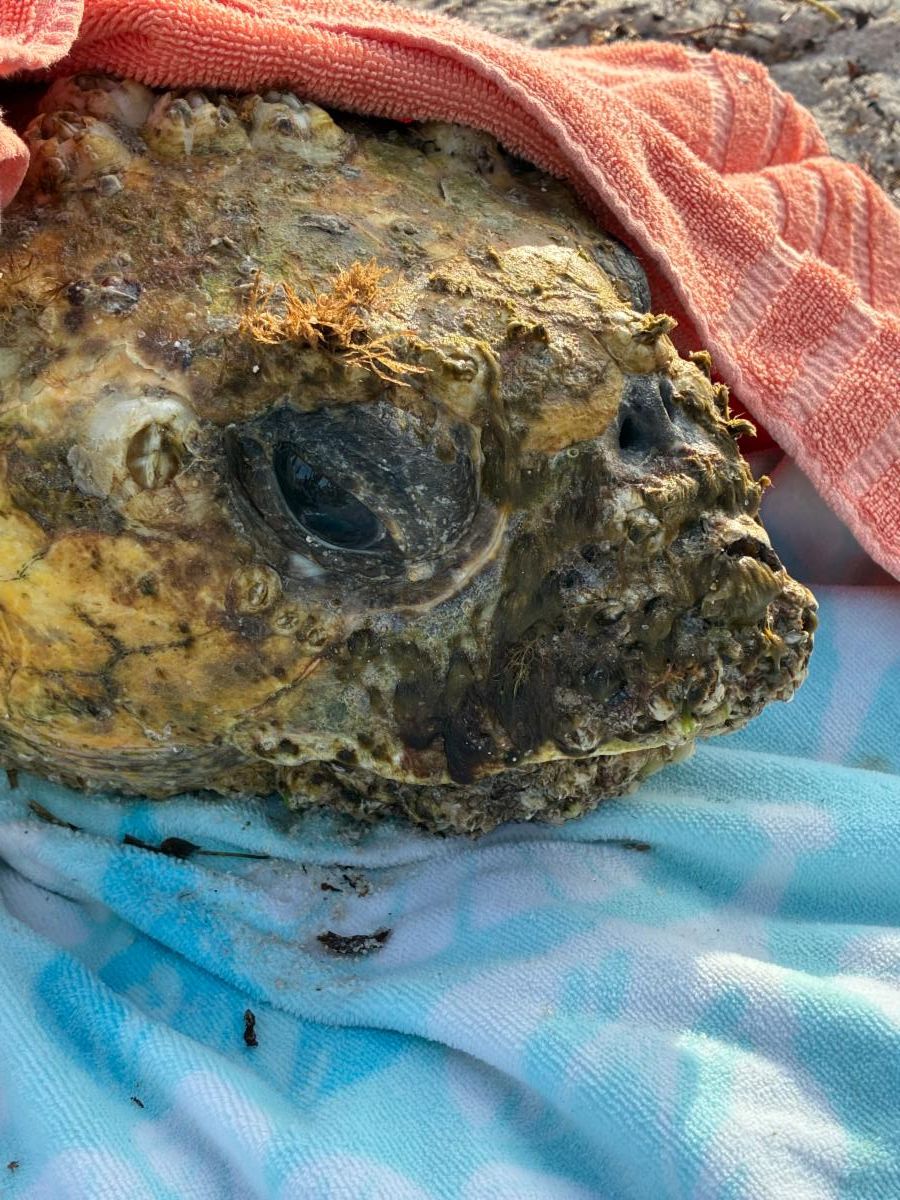
Last month, one of our Save-A-Turtle stranding volunteers in Key West, Betheny Rodden, received an urgent call from the Florida Fish and Wildlife Conservation Commission (FWC) about a loggerhead sea turtle in distress.


When she arrived on scene, the situation was critical. The turtle was severely emaciated and struggling in the water, at risk of being pushed into nearby rocks by the waves. Without hesitation, our volunteer waded out to reach the turtle and begin the rescue.


What happened next was nothing short of inspiring.


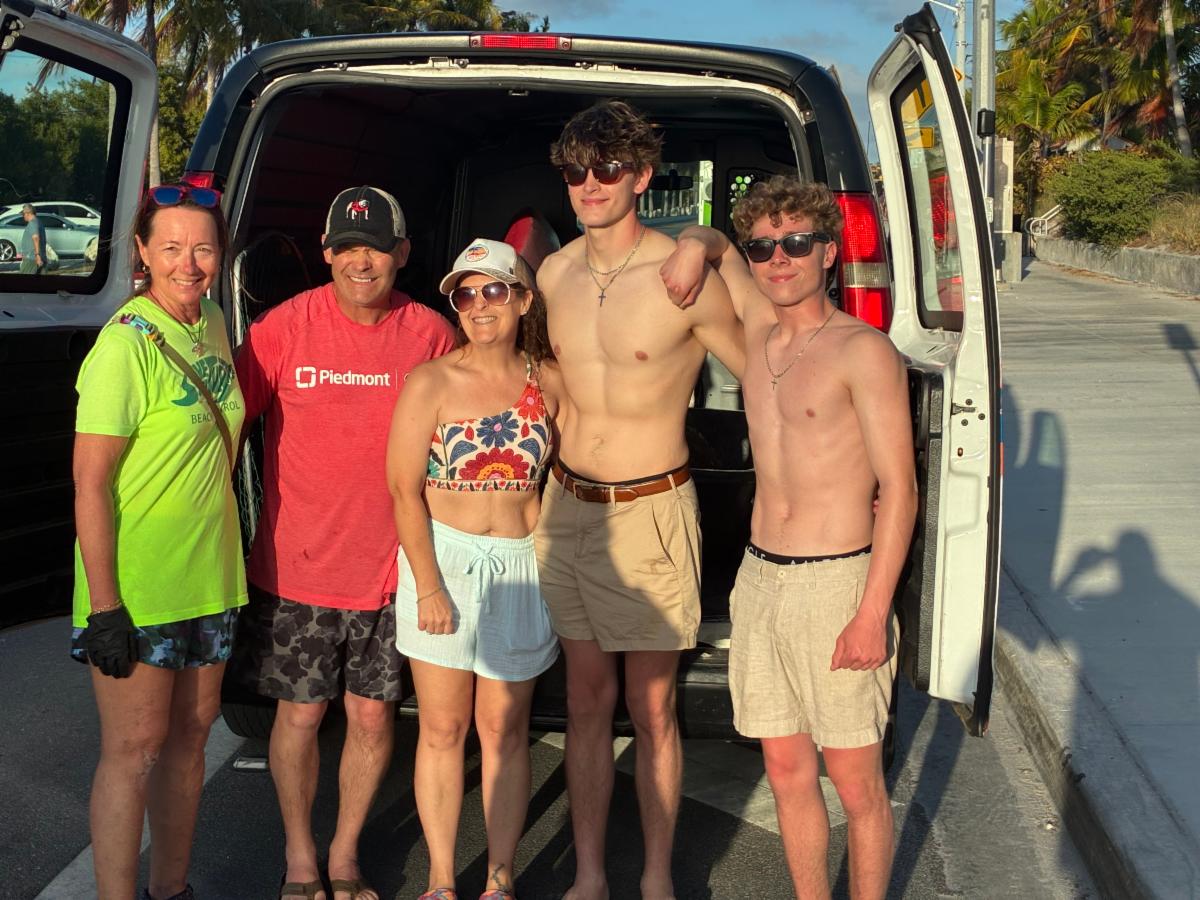
Several spring breakers who were nearby jumped in to help—one of them being the very person who had called the turtle in to FWC. Together, they worked as a team to safely secure the turtle and bring it to shore.


The turtle was then transported to the The Turtle Hospital in Marathon for care and rehabilitation.


For most, spring break is about relaxation and fun—but for David and Benton from North Carolina, and Lamar and Kim from Georgia, it became something much more meaningful.


An unforgettable experience. A life-saving moment. And a powerful reminder that anyone can make a difference.


💚 Thank you to everyone involved for stepping up when it mattered most—and for helping give this turtle a second chance.


PLEASE NOTE - All sea turtle work is conducted under a permit from the Florida Fish and Wildlife Conservation Commission (FWC). Please do not touch or approach sea turtles without guidance from a permitted professional.


To report someone disturbing a sea turtle nest, or to report an injured, dead, or harassed sea turtle, call the Wildlife Alert Hotline at 888-404-FWCC (3922). Cell phone users can also dial *FWC or #FWC.

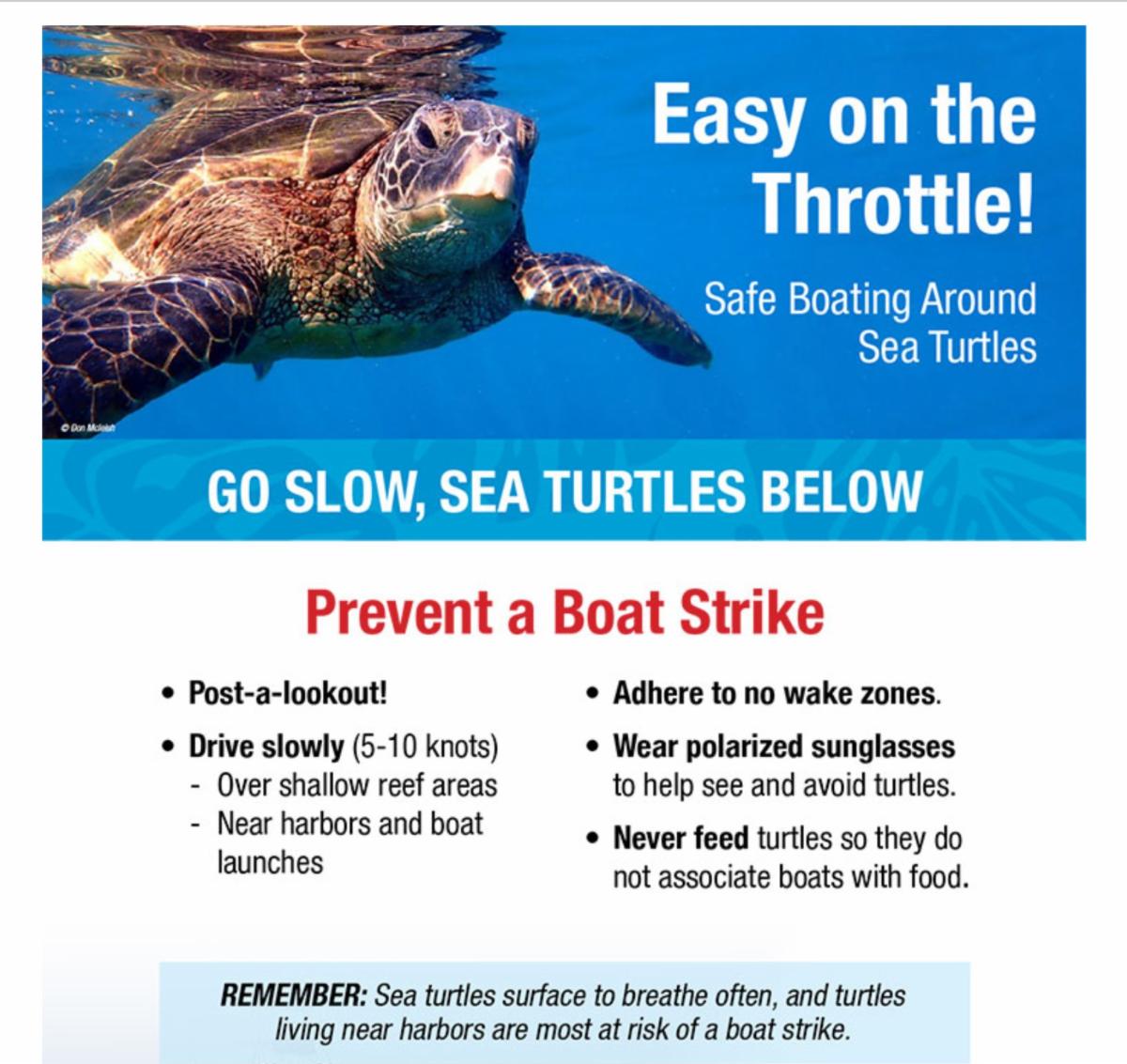
Protecting Marine Wildlife on the Water 💙🐬🐢

Outreach poster developed by NOAA Fisheries and the Hawai'i Division of Boating and Ocean Recreation

Boat strikes are one of the leading causes of injury for dolphins, manatees, and sea turtles—but many of these incidents are preventable. By staying alert and operating vessels responsibly, boaters can help protect the incredible wildlife that makes our waters so special.


A few simple actions can make a big difference:

👀 Watch Ahead: Keep a lookout for surfacing wildlife and floating shapes in the water.

🐢 Slow Down: Always follow posted no-wake and slow-speed zones, especially in areas known for wildlife activity.

📞 Report Injured Animals: If you encounter an injured or stranded marine animal, call the FWC Wildlife Alert Hotline at 888-404-FWCC (3922).


Every responsible choice on the water helps protect marine life—today and for generations to come. 🌊🐢

Outreach poster developed by NOAA Fisheries and the Hawai'i Division of Boating and Ocean Recreation

April 2026 Board Meeting

Save-A-Turtle Board Meeting

(meeting link is static and good for each monthly meeting)

Monday, April 6, 2026

6:30 - 8:30PM

Zoom Link

Meeting ID: 829 7023 2616

Passcode: 210787

One tap mobile

+13052241968,,82970232616#,,,,*210787# US

+16469313860,,82970232616#,,,,*210787# US


2026 Save-A-Turtle Board Members

President: Dawn Bowles

Vice President: Heather Skelley

Treasurer: Jill Reilly

Secretary: Brenis Hill

Board Member: Harry Appel

Board Member: Jennifer DeMaria

Board Member: Chelsea Oatman


Technical Advisor: Sue Schaf

🐢💚 Love Sea Turtles? Let’s Connect!

If sea turtles inspire you as much as they inspire us, we’d love to stay connected. Follow along on Facebook and Instagram for turtle facts, simple ways to help the environment, and behind-the-scenes looks at our conservation work.


You can also support our mission by visiting the Save-A-Turtle Online Store.


Together, we can make a lasting difference for sea turtles and the oceans they call home. 💙🐢

10 Tremendous Turtle Facts

To report sick, injured or dead sea turtles in Florida

call FWCC at 888-404-FWCC (3922)

Connect with us!!!
Facebook  Instagram