|
Dear Community:
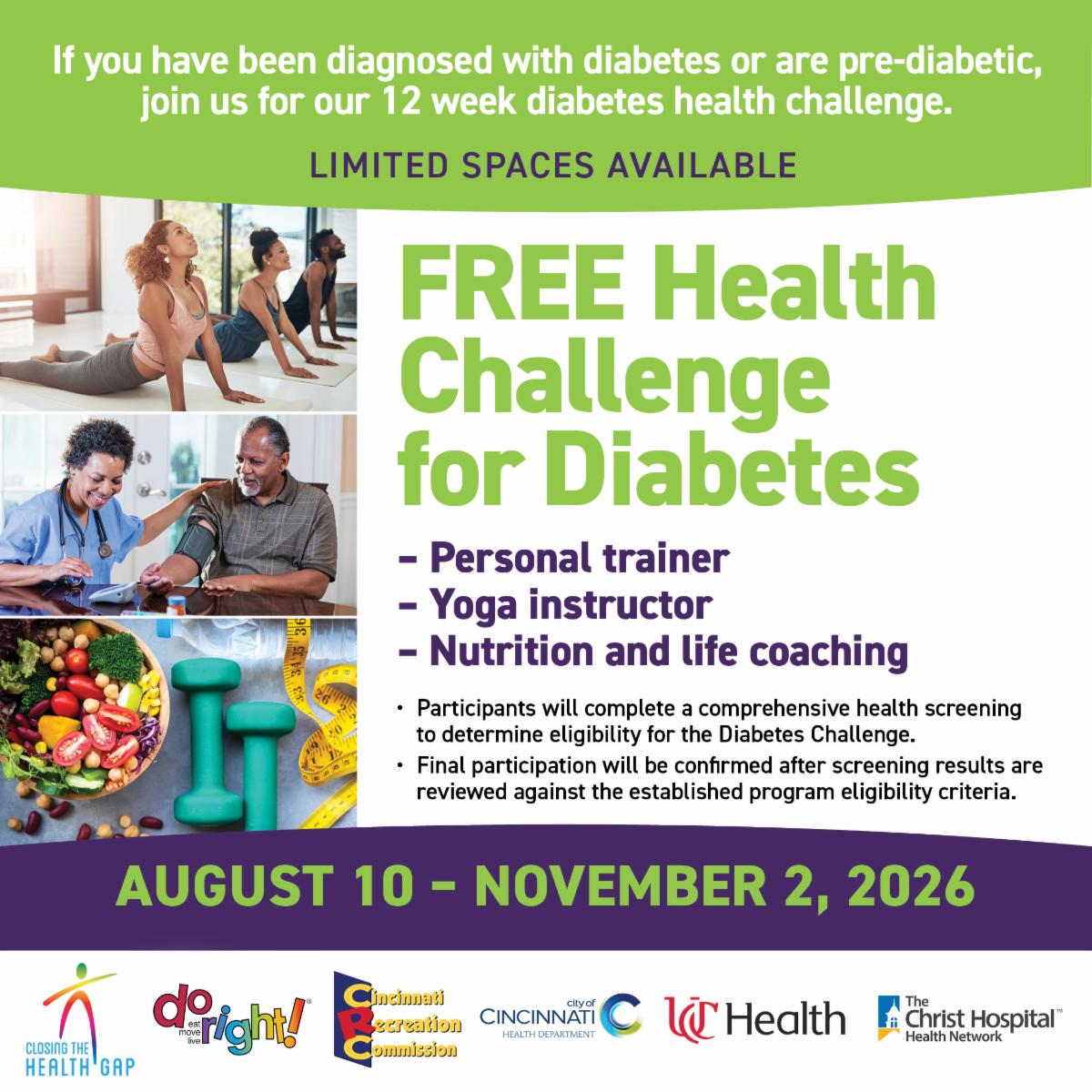
In today’s Weekly Update, I am excited to announce our new Diabetes Health Challenge! Check out the details below to see how you can participate and take charge of your wellness journey.
This week, we also examine critical national trends. By 2044, more than half of Americans will belong to a minority group, yet deep mental health disparities remain unaddressed. To counter systemic neglect, organizations like ACOG recently unveiled a National Strategy to Close the Women’s Health Gap, demanding a $20 billion federal investment over the next decade.
This vital push comes at a fragile moment. Five years ago, major health systems nationwide pledged to prioritize health equity. Today, those budgets are shrinking, dedicated leadership roles are disappearing, and institutions are quietly retreating from their promises.
We cannot rely on shifting institutional priorities to sustain the fight for our survival. When systems step back, our community must step up to protect our own well-being. As always, We Must Save Us.
Blessings to all of you for a safe and healthy week ahead.
Renee Mahaffey Harris
President & CEO
| |
A closer look at mental health in minority communities
The U.S. is becoming increasingly diverse. By 2044, it’s estimated that over half of Americans will belong to a minority group. Despite shifting demographics, minority communities continue to experience mental health disparities.
A 2024 report found that 56% of white adults with a mental health condition in the U.S. received treatment. In comparison, Hispanic (40%), Black (38%), and Asian (36%) adults were less likely to receive mental healthcare.
Here’s more of what we know about the unique mental health challenges faced by minority communities:
- Depression is reported less often in Black and Hispanic communities than in white communities. But when it does happen, it often lasts longer because many people don’t get the help they need.
- People who identify as two or more races are the most likely to experience a mental health concern.
- Native Americans/Alaskan Natives have higher rates of post-traumatic stress disorder (PTSD) and alcohol use disorder than any other ethnic or racial group.
- Minority groups are overrepresented in the criminal justice system. About 50% to 75% of youth in the juvenile justice system have a mental health condition.
- Research shows that generational trauma can affect minority mental health. For example, the effects of racism can be passed down through generations and may increase the risk of depression.
- Having an intersectional identity (like identifying as BIPOC or LGBTQ+) may lead to poorer mental health. This is due to increased discrimination.
- Racial and ethnic minorities with untreated mental health concerns are more likely to experience poverty, unemployment, and/or incarceration.
| |
Leading Women’s Health Organizations Launch National Strategy to Close the Women’s Health Gap
The American College of Obstetricians & Gynecologists (ACOG), the Society for Women’s Health Research (SWHR), and the Women First Research Coalition (WFRC) today unveiled the National Strategy to Close the Women’s Health Gap, a bold framework calling on Congress to invest $20 billion over 10 years to transform women’s health research, care, and outcomes.
Congress took an important step in 1993 by requiring the inclusion of women in NIH-funded clinical research through the NIH Revitalization Act. Although that landmark law transformed medical research, significant gaps remain in women’s health research, clinical care, and implementation. Women make up more than half of the U.S. population, yet too often their health needs are ignored or minimized in research and clinical practice. The National Strategy calls for a coordinated national effort to ensure that women benefit from scientific discovery, medical innovation, and evidence-based care throughout every stage of life.
“The women’s health gap has persisted for far too long,” said SWHR President and Chief Executive Officer Kathryn Schubert, MPP, CAE. “This strategy offers Congress a roadmap to improve health outcomes, drive innovation, and build a healthier future for women, families, and communities.”
|
Cancer disparities researchers say federal funding changes have disrupted their work
Why are some people more likely to get cancer, and to die from it than others? Rural Americans, for instance, are 18% more likely to die from cancer overall, and Black women are 35% more likely to die from breast cancer than white women. That's according to a recent report from the American Association for Cancer Research, or AACR.
Cancer disparity researchers study these gaps and how to close them. Their work has contributed to reductions in many disparities. But the AACR report found that federal policy changes have affected about 93% of surveyed researchers in this field.
|
Where Have You Gone, Health Equity?
Five years ago, in the aftermath of George Floyd’s murder and amid a pandemic that laid bare longstanding inequities in American healthcare, health equity became one of the defining priorities of nearly every major health system. Boards discussed it. CEOs elevated it. Chief Health Equity Officers were appointed. Strategic plans were rewritten. Conferences multiplied. Mission statements evolved. It seemed, for a moment, as though healthcare had reached a new consensus.
Today, the landscape looks very different. Budgets have shrunk. Some dedicated leadership roles have disappeared. The political environment has shifted dramatically. Organizations that once spoke confidently about health equity now speak more cautiously about population health, community health, quality, or trust.
|
Keck School of Medicine of USC faculty help lead national cancer disparities report
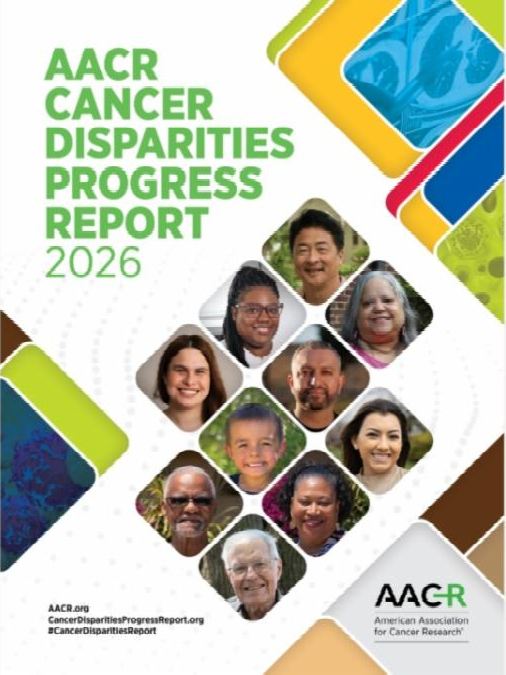
Three faculty members from the Keck School of Medicine of USC’s Department of Population and Public Health Sciences played key leadership roles in the newly released AACR Cancer Disparities Progress Report 2026, published by the American Association for Cancer Research (AACR) on June 24, 2026.
The report documents both progress and persistent challenges. Since 1991, the overall U.S. cancer death rate has dropped by 35%, translating to more than 4.8 million fewer cancer deaths. The disparity in overall cancer mortality between Black and White populations has narrowed from 34% higher among Black individuals in 1991 to 9% higher in 2024. However, significant gaps remain: Black and American Indian or Alaska Native individuals still have the highest overall cancer death rates in the U.S., and residents of rural counties are 17% more likely to be diagnosed with colorectal cancer and 27% more likely to die from the disease compared with urban residents.
|
Association Between Social Determinants of Health and Readmission Outcomes in Heart Failure
Background: Heart failure remains a major contributor to hospital readmissions and healthcare burden in the United States. Social determinants of health may influence post-discharge outcomes, yet their role among critically ill patients is not fully characterized.
Objective: To evaluate the association between selected social determinants of health and 30-day readmission among critically ill patients with heart failure.
Results: A total of 16,324 patients were included. The 30-day readmission rate was 17.6%. Black patients had higher odds of readmission compared to White patients, aOR: 1.37, 95% CI: 1.21 to 1.56, p<0.001, and Hispanic patients also had higher odds, aOR: 1.31, 95% CI: 1.04 to 1.64, p=0.020. Private insurance was associated with lower odds compared to Medicare (aOR: 0.83, 95% CI: 0.73 to 0.95, p=0.008). A higher Charlson Comorbidity Index and longer length of stay were associated with increased odds of readmission, while a higher Sequential Organ Failure Assessment score was associated with lower odds.
Conclusion: This study highlights that social and clinical factors are associated with 30-day readmission in critically ill patients with heart failure. Consideration of social context alongside clinical risk may improve identification of patients at higher risk of rehospitalization.
| | |
More Articles of Interest
by Lisa A. Cooper, MD, MPH
Director, The Johns Hopkins Center for Health Equity
Annals of Internal Medicine, July 14, 2026
Alliance for Clinical Trials in Oncology, July 13, 2026
| | | | |