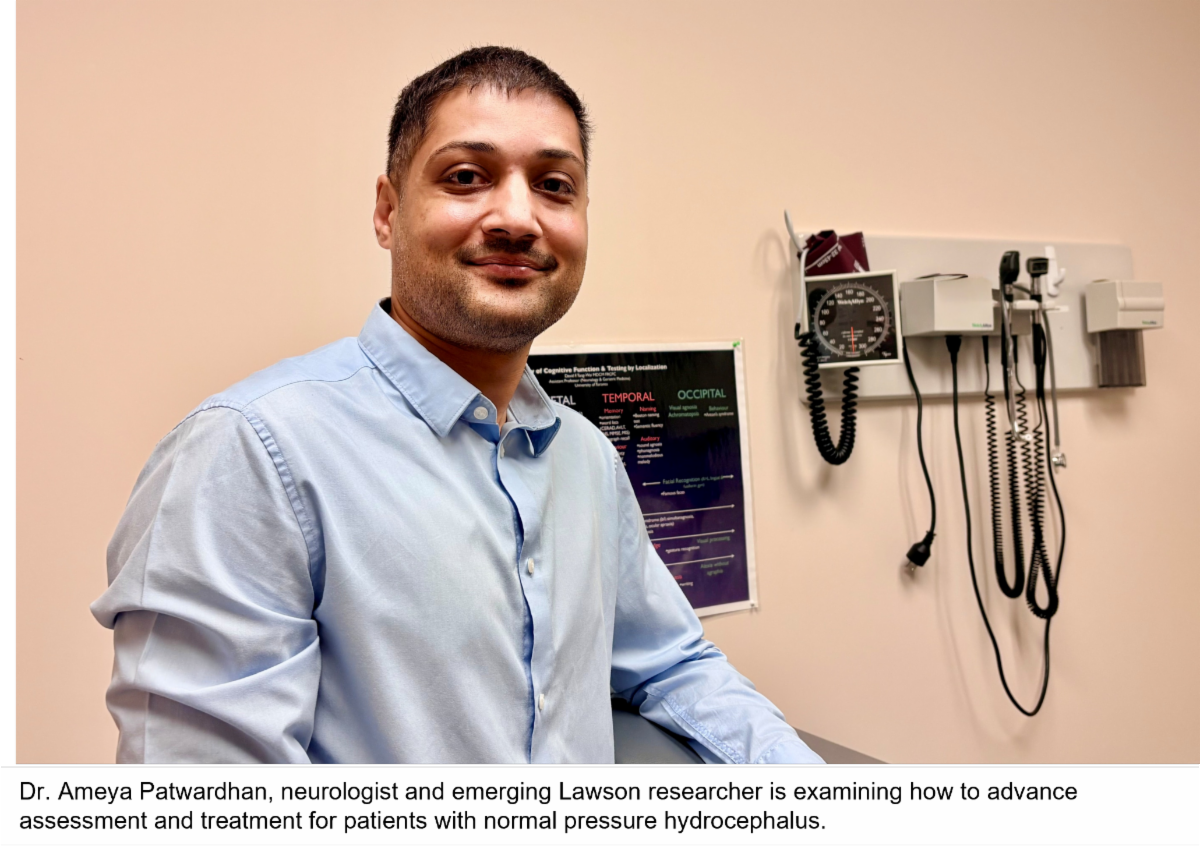
Can't see the full newsletter? Please accept images and add Lawson LEADS (lawsonresearch-sjhc.london.on.ca@shared1.ccsend.com) to your safe list. | | When dementia symptoms have a potentially reversible cause | Walking, balance and memory changes in older adults are often associated with dementia, but in some cases the cause may be normal pressure hydrocephalus (NPH), a condition caused by cerebrospinal fluid buildup on the brain that can improve with surgery in appropriately selected patients. Dr. Ameya Patwardhan, a neurologist and emerging researcher at Lawson, is working to improve how NPH is diagnosed, assessed and managed. Because symptoms can overlap with Alzheimer's disease and Lewy body dementia, patients may face a long and uncertain path to diagnosis. Through collaboration with neurosurgeons, radiologists and other specialists across St. Joseph's, Western University and hydrocephalus experts across Canada, Patwardhan is helping advance assessment and treatment planning. His goal is to develop a regional program that gives patients access to specialized care, accurate diagnoses and realistic expectations closer to home. Want to learn more about Dr. Patwardhan's research and plans for a regional NPH program? Read his most recent NPH paper in Movement Disorders and visit our website. | | Lawson scientist earns international recognition for groundbreaking gut health research | | |
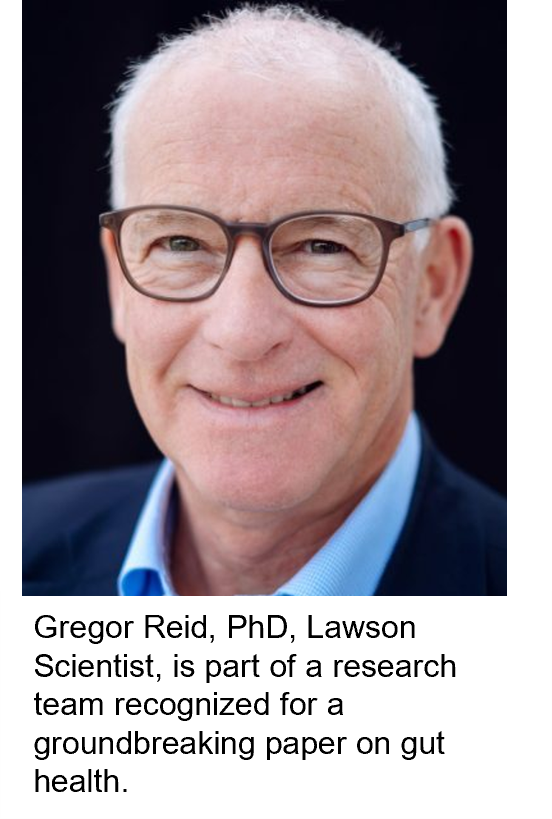
What happens when beneficial microbes are combined to support human health? A recent study co-authored by Lawson Scientist, Gregor Reid, PhD, is helping to answer that question. The publication, “Multi-species synbiotic supplementation enhances gut microbial diversity, increases urolithin A and butyrate production and reduces inflammation in healthy adults: A randomized, placebo-control trial,” has been selected as a 2026 Q2 Editor’s Choice Article by the journal Nutrients. The recognition highlights research considered particularly noteworthy by the journal’s editorial team and helps increase the visibility and impact of the findings. Congratulations to Reid and the research team on this achievement. Read the article to learn how synbiotic supplements - products containing both probiotics and prebiotics - may influence gut health and inflammation in healthy adults.
| | Beyond health care: Research explores the financial challenges facing Canadian veterans | |
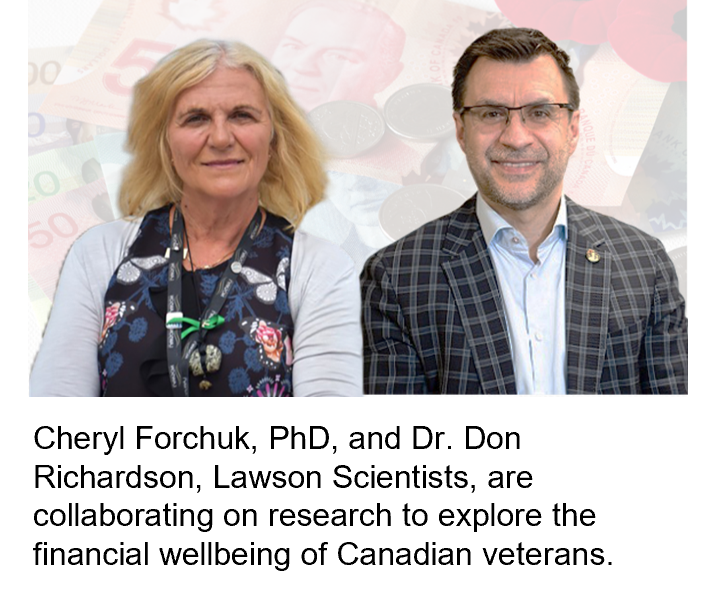
| |  | Financial wellbeing is increasingly recognized as an important determinant of health, quality of life and social outcomes among veterans. Yet within the Canadian context, the concept remains underdeveloped, with most existing frameworks and theoretical models originating from U.S. military populations. To address this gap, Lawson Scientists, Cheryl Forchuk, PhD, together with Dr. J. Don Richardson, the team at the MacDonald Franklin Operational Stress Injury (OSI) Research Centre and collaborators, are leading research to better understand the financial challenges veterans may face and how those challenges affect their health and wellbeing. The team is reviewing existing evidence and conducting an economic analysis focused on out-of-pocket health-care expenditures, unmet health-care needs, financial strain and income replacement. Their findings will help lay the groundwork for a Canadian framework of veteran financial wellbeing and inform future research, policy and programs designed to improve the lives of Canadian veterans. Researchers, clinicians and organizations supporting veterans who are interested in this work are encouraged to connect with the team by emailing Forchuk and Dr. Richardson to learn more.
| | New hope for families following Alzheimer's drug funding decision | |
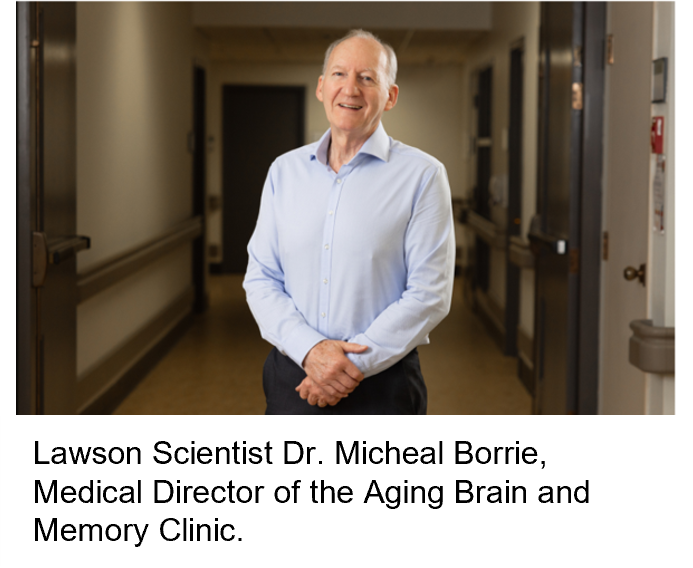
| | | What does expanded access to Alzheimer’s treatments mean for patients and families? Recent decisions regarding funding for lecanemab, a disease-modifying treatment for early-stage Alzheimer’s disease, mark an important step forward for Canadians living with the condition. The recommendation that provinces fund lecanemab follows years of advocacy, research and evidence review aimed at improving treatment options for people affected by Alzheimer’s disease. Dr. Michael Borrie, Lawson Scientist and St. Joseph’s geriatrician, has been a leading voice in Alzheimer’s research and care. His work is helping understand the condition, new therapies and the potential role of these therapies in improving patient outcomes. The funding decision represents growing recognition of the need for earlier diagnosis and access to emerging treatments for individuals in the early stages of the disease. Discover more about the funding decision and Borrie’s perspective in The London Free Press, or from The Canadian Press, which published a story carried by more than 35 news outlets.
| | Chronic Pain Centre of Excellence for Canadian Veterans (CPCoE) Veteran Engagement in Research Toolkit | | |
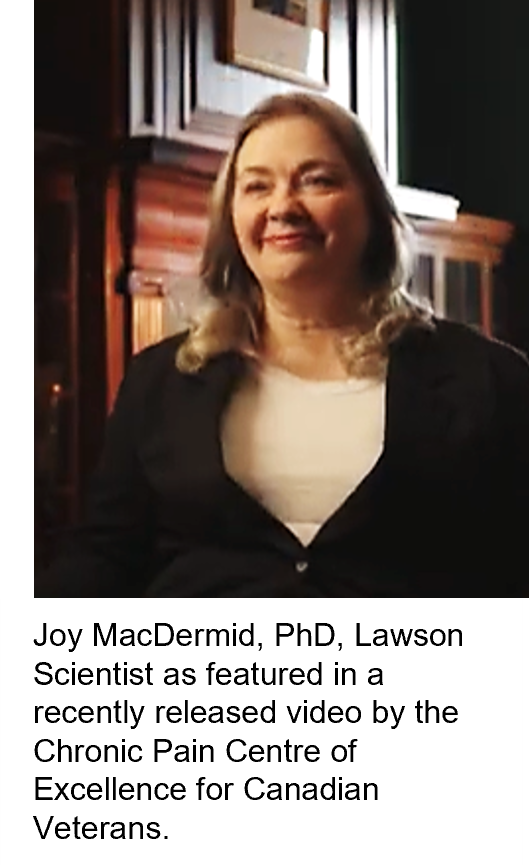
How do you ensure research is shaped not only by scientific expertise, but also by the voices of those with lived experience? A new Veteran Engagement in Research Toolkit, co-created by the Chronic Pain Centre of Excellence for Canadian Veterans (CPCoE), is helping answer that question. Lawson Scientist Joy MacDermid, PhD, is featured in a recently released video highlighting the importance of meaningful veteran engagement in research as partners. Co-created with veterans, the toolkit provides practical resources to support meaningful engagement, including educational modules, a national matching database connecting veterans with research teams and guidance on roles, responsibilities and fair compensation. In the video, MacDermid emphasizes the importance of authentic collaboration: "engagement is not a box to check,” but a thoughtful process that helps ensure voices are heard. Explore the Veteran Engagement in Research Toolkit and watch the CPCoE video.
| | National report shines light on chronic pain in women | | |
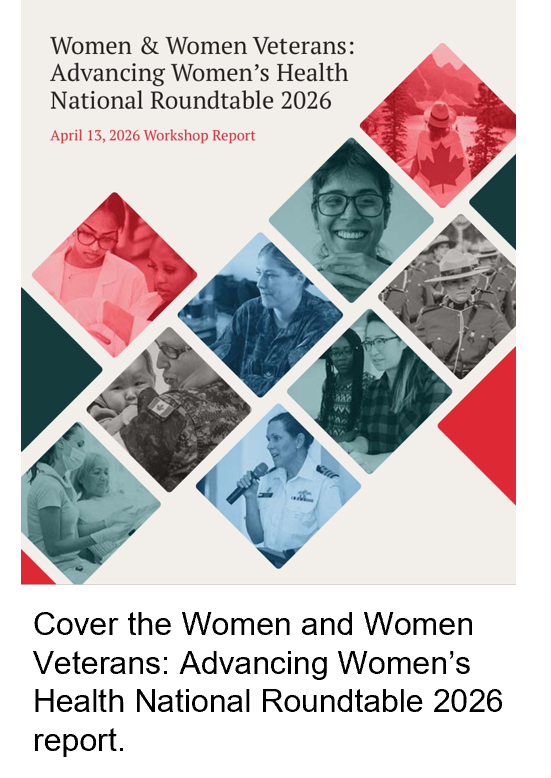
Chronic pain affects an estimated 22 per cent of women in Canada yet remains one of the country’s most under-researched health conditions. Lawson Scientist Joy MacDermid, PhD, is helping change that through a new report calling on urgent action to improve care for women and women veterans living with chronic pain. Developed through a national roundtable convened by the Chronic Pain Centre of Excellence for Canadian Veterans and the Canadian Pain Society, the report brings together the perspectives of researchers, clinicians, policymakers and individuals with lived experience to identify gaps and priorities for action. It outlines a coordinated roadmap to better align research, clinical care and policy across Canada, with the goal of reducing the burden of chronic pain and improving quality of life. Read the Women’s Roundtable Report to learn more about the recommendations and next steps.
| | What Paralympic sport can teach us about rehabilitation, recovery and performance |
| | | What does it take to achieve Paralympic gold and what can those lessons teach researchers and health-care providers? On June 29, the Department of Physical Medicine and Rehabilitation welcomed members of Canada’s Paralympic gold medal-winning curling team and Dr. Steven Macaluso, Canadian Paralympic curling team doctor, clinician and Lawson Scientist, for a special Grand Rounds session exploring the connection between rehabilitation performance and lived experience. The discussion highlighted how rehabilitation extends beyond recovery, helping guide the skills, confidence and support systems needed to achieve meaningful person goals. Through reflections on training, adaptation and competition at the highest level, Mark Ideson, Paralympic Gold Medalist, provided valuable insights into the real-world impact of rehabilitation and the importance of supporting individuals in reaching their full potential. The event demonstrated the powerful connection between lived experience, clinical care and research. Gain insights about the event and the Canadian Paralympic Curling Team on our Instagram and in the My St. Joseph’s Magazine Summer Issue.
| | New insights are reshaping how we prevent and treat osteoporosis | | |
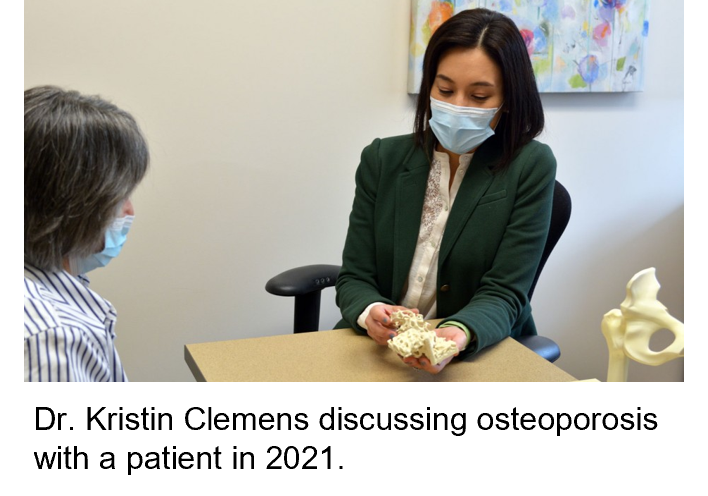
A broken wrist after a fall may seem like a minor injury, but according to Dr. Kristin Clemens, Lawson Associate Scientist and Medical Director of the Osteoporosis and Bone Disease Program at St. Joseph’s, it can be an important warning sign of underlying osteoporosis. In a recent interview with Good Times magazine, Dr. Clemens highlighted advances in osteoporosis care, including more personalized treatment approaches, new bone-building medications and updated screening recommendations to identify people at risk earlier. She also discussed the role of exercise, fall prevention and timely treatment in reducing fractures and helping older adults maintain independence and quality of life. Check out the full, “What’s new in Osteoporosis” interview to uncover the latest development in bone health and fracture prevention.
| | Lawson Clinical Research and Clinical Trials | | Clinical trials are a vital part of how new treatments, devices and care strategies are discovered, tested and improved for patients. | | Did you know? Clinical trials are about more than testing new meds | When you hear the term clinical trial, you may think of researchers testing a new medication. Clinical trials come in many forms. They can evaluate diagnostic tests, medical devices, rehabilitation therapies, prevention strategies, supportive care programs and innovative approaches to delivering health care. Each study helps answer important questions about how to improve patient outcomes, experiences and quality of life. From testing emerging technologies to refining models of care, clinical trials generate evidence that shapes the future of health care. Together, these studies reflect the breadth of clinical research underway at Lawson and the many ways researchers are working to advance health and improve patient care. The next time you attend a research event, ask your colleagues whether they are currently or have ever been involved in a clinical trial. Check whether there may be areas where their work might intersect with yours. You may be surprised by the diversity of research taking place across our organization. | Explore the world of pragmatic clinical trials with HDRN Canada Pragmatic Trials Training Program | | |
Each week, Health Data Research Network’s Canada Pragmatic Trials Training Program releases open-access learning modules that dive into key aspects of trial design and implementation - from randomization and data analysis to the principles of truth and reconciliation in pragmatic trials. Whether you’re a clinician, researcher or health professional, these modules offer practical insights to strengthen your understanding of how trials can improve real-world care. Discover the full series at pragmatictrialstraining.ca
| |
| |
RESEARCH TIP
Prepare early for your grant applications
Don't wait until the submission deadline. Successful grant applications often begin months before the deadline. Early planning allows time to develop stronger research plans, build collaborations, prepare budgets, obtain institutional approvals and access grants development support. Even if a funding competition has not opened, starting key conversations early can reduce last-minute stress and improve application quality. Notify the Grants Development Team as soon as you begin planning an application.
| | | | LAWSON ASSOCIATION OF FELLOWS AND STUDENTS | | Seeing the impact of donor support | |
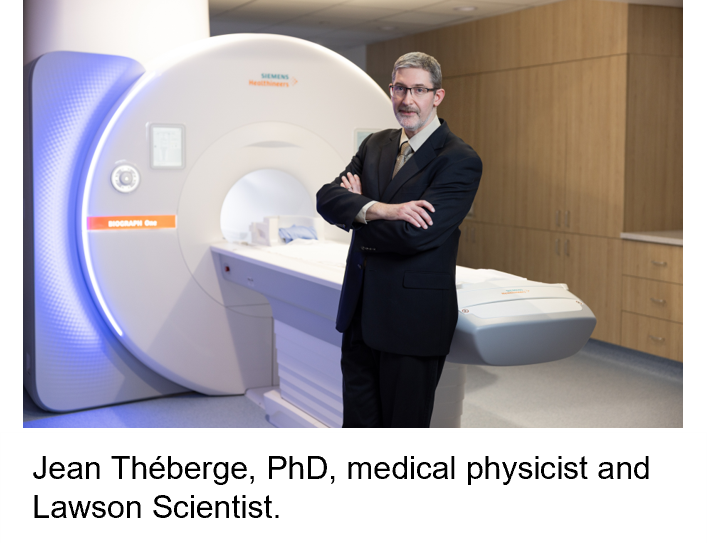
St. Joseph’s new PET/MRI combined scanner has the power to transform mental health diagnosis and treatment. Its arrival at St. Joseph’s Hospital in March 2026 was a long time in the making and it was made possible by the largest gift ever received by St. Joseph’s Health Care Foundation. This hybrid imaging system will be used by many researchers across Lawson, including medical physicist Jean Théberge, PhD. Its purchase was funded by a landmark $65.75 million gift from the Workplace Safety and Insurance Board (WSIB) with funding provided by The WorkSafe Ontario Fund — a 10-year investment into research to help prevent, diagnose and treat injuries and illnesses that commonly affect Ontarians. Read more about the new technology and the research happening today on the Foundation website.
| Investing in precision cancer care | |
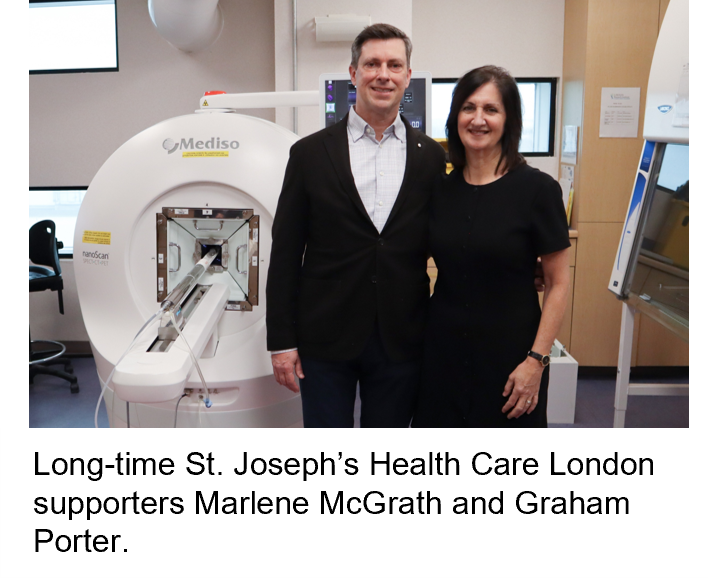
A generous gift from long-time St. Joseph’s Health Care London supporters Marlene McGrath and Graham Porter is advancing cancer research at St. Joseph’s and Lawson Research Institute and helping recruit the next generation of talent at Western University. The couple’s $1.3-million donation supports a joint initiative between St. Joseph’s and Western focused on molecular imaging and theranostics (MIT), an emerging field that combines advanced diagnostics with targeted therapies. Read more about this incredible investment on the Foundation website.
| The Foundation's 2025-26 Community Impact Report is live | |
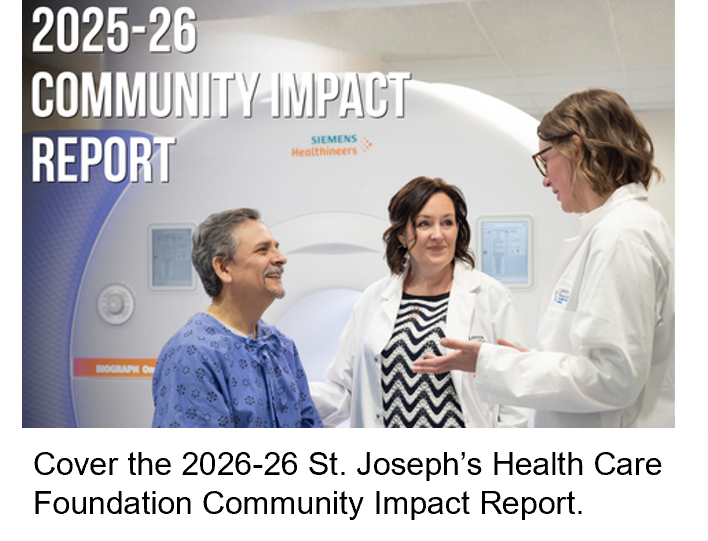
St. Joseph's Health Care Foundation's latest Community Impact Report is now online, highlighting the successes of researchers and care teams over the last year and celebrating donor generosity. In a single year, more than $23.2 million was granted to hospital priorities across all of St. Joseph’s sites — the highest granting volume in the history of the Foundation. We invite you to read the full report on our website, including impact stories, financial report and a full grants listing.
| | Sacred moments: Spiritual emotions | | |
We have been exploring the qualities of a sacred moment outlined by Pargament et al. (2014) including transcendence, boundlessness, ultimacy and interconnectedness. Today, we explore the fifth and final quality of a sacred moment and that of spiritual emotions.
What is a spiritual emotion found in a sacred moment? Examples provided by Pargament et al. (2014) include “experiences of uplift, awe, humility, mystery, gratitude, joy, peace and serenity” (p. 249). It is these spiritual emotions that flow from our experiences in a sacred moment. Spiritual emotions are not new to humanity. Spiritual and religious traditions across history have spoken of deeply spiritual emotions that emerge from spiritual practices and life experiences. They are the kind of emotions that invite a larger perspective of spirituality and a sense of transcendent connection. Gratitude for instance “serves to bond us to our most cherished loves” (Shelton, 2010, p. 19), suggesting a larger picture of connection. A sacred moment can invoke spiritual emotions that intersect with one’s understanding of spirituality and perspective on life that are rooted in our experiences. It is these moments with those we serve that can inspire.
How about you? Have you experienced a sacred moment where you have sensed spiritual emotions in a patient or resident encounter? Have you experienced spiritual emotions that emerged from a spiritual practice that is important to you? Take a moment to reflect on this quality of a sacred moment. Want to learn more? Visit our SharePoint page: Sacred-Moments.aspx. Or contact a Spiritual Care Practitioner on your site.
| | We encourage researchers to submit grants, publications and awards for us to showcase. Please provide a one- to two-sentence plain-language description along with the submission. | | Spring 2026 Internal Research Fund recipients announced | |
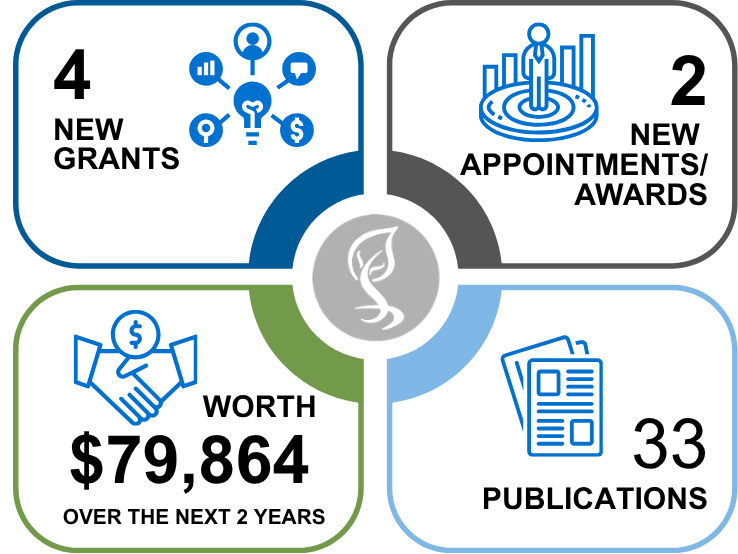
Congratulations to the recipients of the Spring 2026 Internal Research Fund, which supports new researchers conducting hospital-based research at St. Joseph’s and London Health Sciences Centre. The competition helps advance new ideas, generate preliminary data and strengthen future research funding applications.
Dr. Verena Juncal, Department of Ophthalmology, St. Joseph’s, has received $19,864 for the project, Investigating Metamorphopsia Following Macula Involving Rhegmatogenous Retinal Detachment Surgery. This research will explore vision distortion following retinal detachment surgery, with the goal of improving understanding of patient outcomes after treatment.
Daniel Keir, PhD, Department of Kinesiology, St. Joseph’s, has received $20,000 for the project, A personalized treadmill ramp protocol to improve CPET assessment in cardiovascular disease. The project aims to improve cardiopulmonary exercise testing by tailoring treadmill protocols for people with cardiovascular disease.
Seema Nair Parvathy, PhD, Department of Medicine, St. Joseph’s, has received $20,000 for the project, Modulating Gut Microbiome and Metabolome with Targeted Prebiotic Supplementation in Metabolic Dysfunction-Associated Steatotic Liver Disease: A Preclinical Study (GLIMPSE). This work will study whether targeted prebiotic supplementation can influence gut bacteria and metabolism in metabolic dysfunction-associated steatotic liver disease.
Ben Wilk, PhD, Department of Medical Biophysics, St. Joseph’s, has received $20,000 for the project, Fibroblast activation quantification before and after ablation for treatment of atrial fibrillation: how measuring fibrosis can improve care. The project will examine how measuring fibrosis before and after atrial fibrillation treatment may help improve care for patients.
| Grants funded via Western University | |
Cheryl Forchuk, PhD, Lawson Scientist and Lindsay Bodell, PhD, Associate Professor at Western University, have been awarded funding from Western’s Institute for Neuroscience through the NeuroConnect program for the study, PIERS: Post-Secondary Intervention for Eating Disorders, valued at up to $200,000 per year for two years.
The PIERS team will evaluate and further develop The Harbour, an innovative eating disorders treatment program founded by Dr. Robbie Campbell that provides personalized, interprofessional care for post-secondary students. By partnering with students, clinicians and community organizations, the research will assess the effectiveness of this novel care model while identifying opportunities to improve treatment. Ultimately, the project aims to establish an evidence-based approach to eating disorders care that can be implemented at post-secondary institutions across Canada. https://piers.uwo.ca
| | |
Check out a few examples of the research published in June-July:
Cornish B, Van Ooteghem K, Pieruccini-Faria F, Montero-Odasso M, McIlroy W. (2026). Ankle-worn accelerometers for gait analysis in individuals with alzheimer's disease and mild cognitive impairment: Reliability of a finite state machine approach. Medical Engineering & Physics.
Can wearable sensors reliably measure walking changes in people with Alzheimer’s disease or mild cognitive impairment? Researchers tested ankle-worn accelerometers and a finite state machine approach to analyze gait. They examined whether the method could consistently identify walking patterns in this population. The study is important because reliable, easy-to-use gait tools may support earlier detection, monitoring and care planning. Researchers, clinicians and rehabilitation teams interested in mobility and cognition should read this article. #Aging
Vuyyuru SK, Goodwin SW, Solitano V, Ramsewak D, Kassam Z, Townsend C, Gregor J, Beaton M, Crowley E, Alkhattabi M, Sey M, Jairath V. (2026). Patients with Crohn's disease achieving transmural healing experience superior long-term outcomes compared with those with endoscopic or radiologic healing alone. Inflammatory Bowel Diseases.
Does deeper healing in Crohn’s disease lead to better long-term outcomes? Researchers compared patients who achieved different healing depths, transmural healing, endoscopic healing, radiologic healing or no healing, then tracked surgery and hospitalization outcomes over time. They found that patients with transmural healing had the lowest risk of Crohn’s-related surgery. This article is important for gastroenterologists and inflammatory bowel disease teams considering treat-to-target strategies. #EndorinologyMetabolismChronicDiseases
Mufford MS, van der Meer D, Baird CL, Sun D, LaBar KS, ..., Densmore M, ..., Lanius R, ..., Théberge J, ..., et al. (2026). Shared and specific associations of amygdala nuclei volumes with PTSD symptom domains and childhood trauma: An ENIGMA-PGC PTSD mega-analysis. Molecular Psychiatry.
How are specific brain structures linked to post-traumatic stress disorder (PTSD) symptoms and childhood trauma? Using data from a large international imaging collaboration, researchers examined volumes of different amygdala nuclei in people with PTSD and controls. They found that specific amygdala regions were associated with symptom severity, re-experiencing, arousal, avoidance and childhood trauma. This article is important for imaging, mental health and trauma researchers. #Imaging
| | Lawson trainee receives Alzheimer Society Doctoral Award | | |
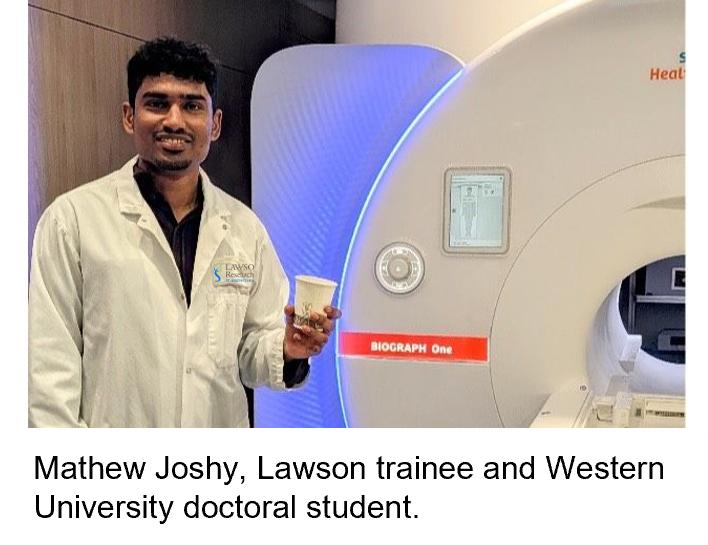
Congratulations to Mathew Joshy, Lawson trainee and Western University doctoral student, on receiving a prestigious Doctoral Award through the Alzheimer Society Research Program. Working under the supervision of Keith St. Lawrence, PhD, Joshy is investigating whether ketones can help restore brain energy metabolism in people with early Alzheimer’s disease. His project, Restoring impaired brain energy metabolism in Alzheimer’s disease through ketogenic supplementation, will use Lawson’s new Siemens BIOGRAPH One PET/MRI system to better understand changes in brain function and metabolism.
| Dr. Arlene MacDougall appointed Assistant Dean at Schulich | | |
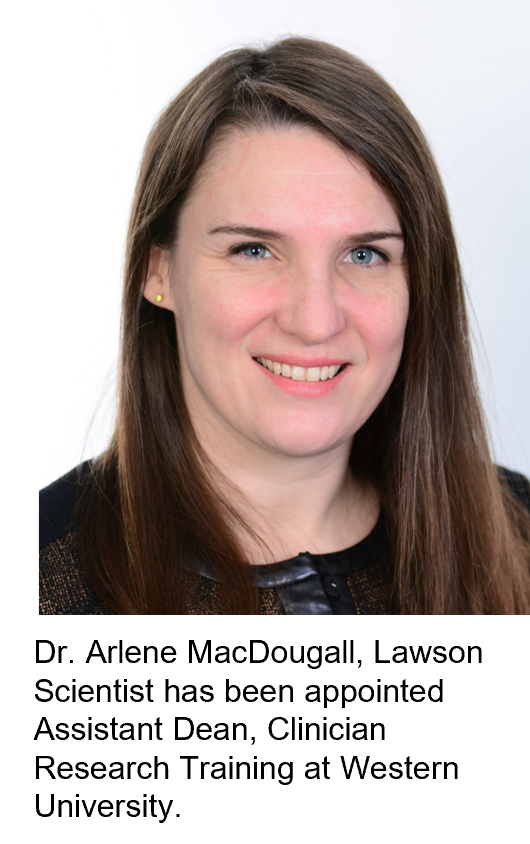
Dr. Arlene MacDougall, Lawson Scientist, has been appointed Assistant Dean, Clinician Research Training at the Schulich School of Medicine & Dentistry, Western University, effective July 1, 2026 until June 30, 2031. This appointment recognizes her leadership and contributions to clinician-scientist training and research. Congratulations,Dr. MacDougall.
| | UPCOMING GRANT COMPETITIONS | | General information about Grants Development services | |
External funding opportunities:
| |
Funding opportunities for trainees:
| | These funding opportunities support the next generation of researchers. Trainees and researchers should confirm internal deadlines and application procedures with their institutions (i.e., Western University, Lawson Research Institute, etc.). | | Triple Modality Operations Committee (TMOC)/Triple Modality Imaging Facility (TMIF) | | |
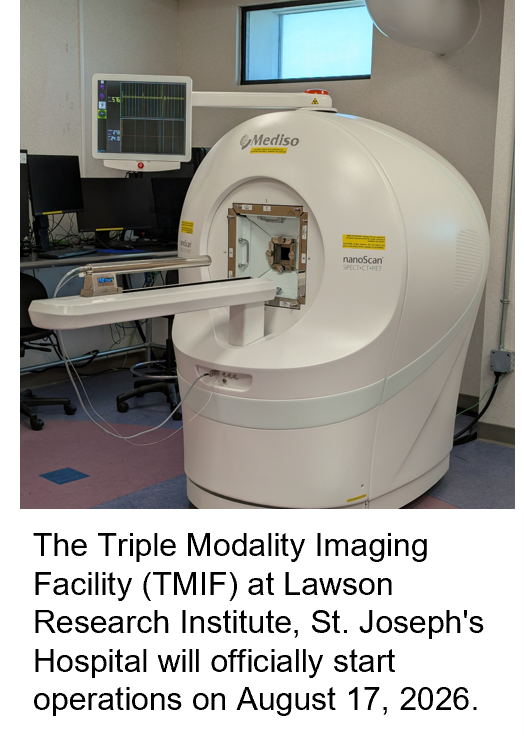
We are pleased to announce that the Triple Modality Imaging Facility (TMIF) at Lawson Research Institute, St. Joseph's Hospital will officially start operations on August 17, 2026. The TMIF provides access to state-of-the-art preclinical SPECT, CT and PET imaging capabilities that support impactful research in molecular imaging, imaging sciences, theranostics and beyond. Researchers interested in accessing the facility are encouraged to contact Matthew Fox, PhD. Early engagement and subscription to the mailing list is recommended for receiving detailed information. We look forward to working together and supporting your research.
| | Lunch and learn session: ICH GCP E6 (R3) in practice | |
The Research Quality and Education team, Office of Research Services, invites you to attend its next Lunch and learn session: ICH GCP E6 (R3) in Practice- A refresher for our research teams and; Health Canada’s Compliance Readiness Inspection debrief.
WHEN: Thursday, August 20, 12:00 noon - 1:00pm
WHERE: MS Teams
COST: Free
REGISTRATION: Register here. A recording of the session will be available after the session via Teams.
Objectives
- Overview of the core R3 concepts.
- Application of the changes in ICH E6(R3) to your studies.
- Lessons learnt from the recent Health Canada Compliance Readiness Inspections.
Note: Continuing Education (CE) credit is available for members of the research community who attend the presentation via Teams – no certificates will be issued for self-viewing of recorded event.
If you have any questions or require more information, please contact researchqualityandeducation@lhsc.on.ca or researchqualityandeducation@sjhc.london.on.ca
| DocTalks on Alzheimer's disease with Dr.Michael Borrie and Dr. Jaspreet Bhangu | | |
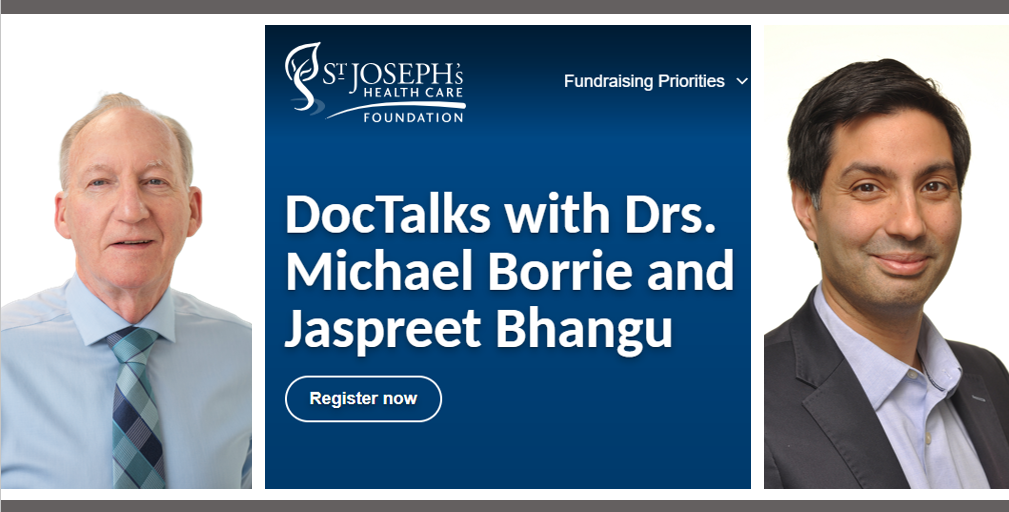
Join the Foundation in the Shuttleworth Auditorium at St. Joseph’s Hospital on September 15 at 7pm for the next instalment of DocTalks. This presentation with Drs. Michael Borrie and Jaspreet Bhangu will explore early detection and the use of biomarkers in the diagnosis and management of Alzheimer’s disease.
| | |
Share your news with us!
We want to hear about your latest projects, grants, publications, awards and events!
Send news to lawsonresearch@sjhc.london.on.ca
| This newsletter was human-created and curated. AI technology was used to support drafting, editing and refining content. All content was reviewed for accuracy and approved prior to publication. | | | 268 Grosvenor Street | London, ON N6A 4V2 CA | | Lawson Research Institute, the health innovation arm of St. Joseph's Health Care London, is committed to making discoveries that improve lives. Every day, Lawson scientists work to translate their ideas into innovations that improve patient care. Lawson LEADS health research. Find us online at LawsonResearch.ca and on social media @stjosephslondon | | Did someone forward this email to you? You can subscribe here to get Lawson LEADS newsletter delivered directly to your inbox. Missed a previous newsletter? Visit the Lawson News and Events page. | | | | |