News and information to help journalists serve the public and stay safe.
|
|
 |
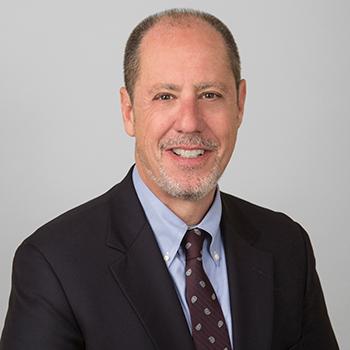
Charles Tobin is a partner at Ballard Spahr
|
|
|
|
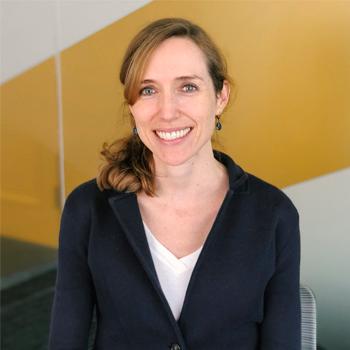
Sarah Matthews is a staff attorney at RCFP
|
|
|
|
The protests over the past 11 days have prompted law enforcement agencies to issue
requests
and
subpoenas
for journalists’ video footage and images in a search for evidence of criminality.
When confronted with this situation what should reporters do? The short answer, don’t turn over anything voluntarily.
Some of their guidance:
- Have a newsroom policy that defines what circumstances warrant cooperation or no cooperation.
- Develop a policy regarding when and how long you keep unpublished footage.
- Upon receiving such a request or subpoena, contact your news organization’s lawyer before making any decisions.
- Subpoenas and requests do not differentiate between images captured with professional cameras and images captured by handheld devices.
- Courts usually, but not always, quash such police subpoenas.
News organizations should be aware of the applicable law in their states. Virtually every state has
media shield laws
that offer journalists absolute or qualified protections against the disclosure of sources or information obtained while gathering news.
|
|
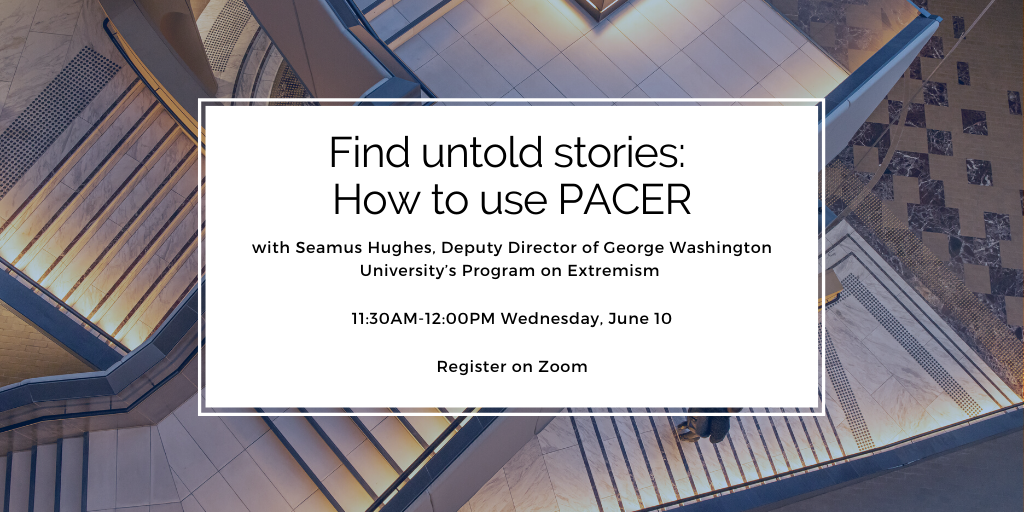
Court records are filled with untold stories, but PACER, the federal court records system, is antiquated and hard to navigate. Join
Seamus Hughes
, deputy director of George Washington University’s Program on Extremism, for a workshop on using PACER to source articles related to the pandemic, protests and more.
Registration is open
.
Seats will be limited and this session will not be recorded, so grab a spot while you can.
|
|
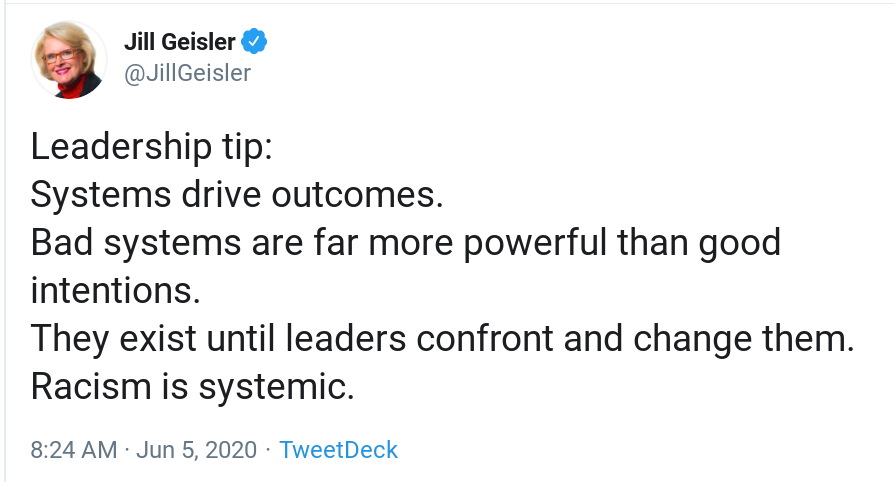
We judge ourselves by our good intentions, but we judge others by their actions. Take an outsider’s look inside your newsroom’s actions, without considering your intentions. What structures and systems convey who has power? How do decisions get made about
recruiting, hiring, evaluating and promoting staff
? Is there transparency about those processes and consistent criteria for making those decisions? Who has a voice and an opportunity to influence those decisions before they’re final? Who has a vote or a veto? To
build more equity into your organization
, start by giving your team a window into your systems. What they see may surprise you.
Advice from
Jill Geisler
,
Bill Plante Chair in Leadership & Media Integrity, Loyola University Chicago, Freedom Forum Fellow in Women’s Leadership
|
|
|
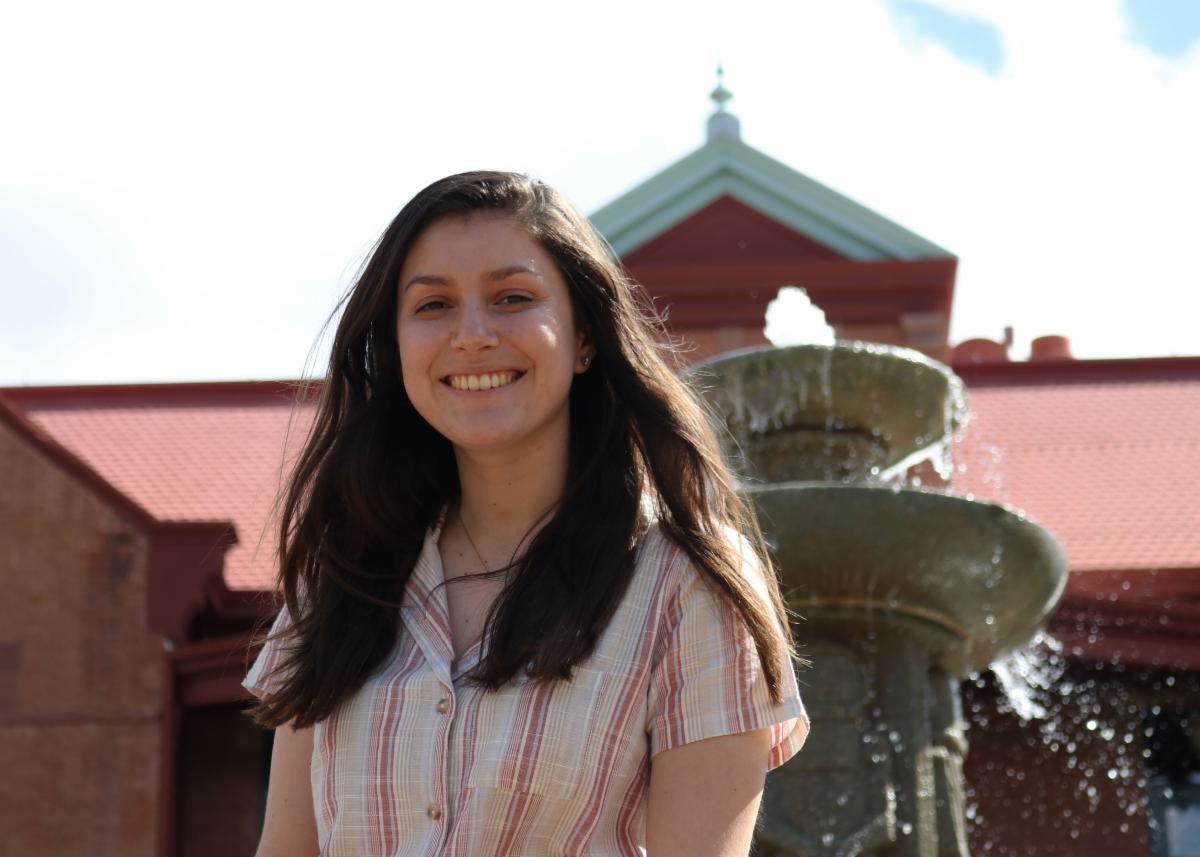
The National Press Club Journalism Institute is spotlighting
the next generation of journalists
, students graduating from college or Master’s programs this spring into
a challenging job market
, in hopes they’ll meet future bosses and colleagues here who will reach out and support them in building journalism’s future together.
School
: Arizona State University
Location
: Phoenix, Arizona
Internships
: Arizona Republic, Phoenix Magazine
Honors
: Dean's List, Summa Cum Laude
What's been your best moment in journalism?
Ortiz
:
I traveled to New Zealand last July to work on my thesis project about the country's ice hockey culture. I never thought I would ever go to New Zealand, but I am so happy that I got to visit there and meet those involved with ice hockey.
The finished product
is something I'll always be proud of because I put a lot of work into the stories and photos. I did my best to capture
what ice hockey really looks like in this island country
.
If you could meet any journalist and ask for her/his advice, who would it be and why?
Ortiz:
Helene Elliott
is my hero. Growing up in Los Angeles, I've been fortunate to have read her work over the years. She's one of the best to ever write about hockey and if I had a tenth of her talent, I would be amazing. I remember my dad telling me that she was the first female journalist in the Hockey Hall of Fame and once I heard that, I knew she was the one. She also inspired me to aim high for goals that I didn't think were possible for journalists. I was fortunate to have met her a few years ago when I attended a journalism conference as a high school junior. She was so polite and helpful. We'll see if we ever meet again.
Helene Elliott
responds
: My advice to her is to never stop being curious and never forget that everyone has a story to tell. The platform and technology that you use to tell a story may change, but there always will be value in a compelling story that is well told.
My other bit of advice is to never become complacent. Always think beyond what happened to consider why it happened, and what else might happen as a result. Always listen when you're interviewing someone, instead of sticking to a list of questions. Remain open to possibilities, in journalism and in life.
|
|
Napping can help.
- If you have a long night of coverage ahead, a planned nap can keep you alert.
- An emergency nap - when tiredness hits you suddenly and you can’t continue what you were doing - can get you back on track.
- Habitual napping involves regular, scheduled naps. (Some companies and colleges have installed nap rooms to help users reap the benefits.)
Tips
|
|
This newsletter is written & edited by the National Press Club Journalism Institute staff: Beth Francesco, Holly Butcher Grant, Jim Kuhnhenn, and Julie Moos.
Send us your questions and suggestions
for topics to cover.
|
|
|
|
|
|
|