|
JNIM's Devastating Assault on Djibo, Burkina Faso
In the early hours of 11 May 2025, Jama’at Nusrat al-Islam wa al-Muslimin (JNIM) militants launched a large-scale, coordinated assault on the town of Djibo in Soum Province, Burkina Faso. Arriving in a formidable convoy of hundreds of motorcycles and vehicles, the militants strategically encircled the city, cutting off escape routes and initiating a wave of attacks on key targets. The assailants focused their assault on the local military camp, administrative buildings, a gendarmerie post, and various critical infrastructure. More than 100 people were killed during this offensive.
The attack was not limited to military objectives. After overrunning the town, the jihadists engaged in widespread looting, targeting the local market and hospital, stripping them of essential supplies, and seizing weapons, vehicles, and equipment from the military base. Several homes were set ablaze, and according to residents, militants carried out summary executions, particularly targeting adult males. Witnesses described scenes of civilians, especially men, being dragged from their homes and executed in public view.
A Collapse of Security
Clashes between the JNIM militants and Burkinabe security forces lasted for approximately six hours, with fighting persisting from 6:00 am to 1:00 pm local time. Despite the intervention of Burkinabe air support, government forces were overwhelmed. The militants' sheer numbers, combined with their aggressive tactics, forced the security forces into a disorganised retreat. JNIM fighters remained in control of parts of the city throughout the assault, a testament to their operational strength and the government’s inability to mount an effective defence.
The military camp, previously fortified with trenches following a similar large-scale attack on 26 November 2023, was ultimately overrun. The militants looted the camp, setting parts of it ablaze, and inflicted heavy casualties on Burkinabe forces. Preliminary reports indicate that approximately 100 soldiers were killed, making this one of the deadliest attacks in recent memory. In addition to the military losses, several dozen civilians lost their lives, many of them executed in the streets or outside their homes.
Strategic Shift and JNIM’s Escalating Campaign
The assault on Djibo is not an isolated incident but rather a continuation of JNIM’s expanding campaign of terror in northern Burkina Faso. The group has steadily escalated its attacks in the region, with the surroundings of Djibo becoming a primary target. TRAC had previously warned of JNIM’s intent to take control of the town, a prediction that now appears to be materialising.
The attack also comes in the wake of a significant strategic meeting of JNIM leadership in Nampala, Mali, on 30 March 2025. During this meeting, top commanders reportedly decided to shift their operational focus from rural areas to urban centres. The raid on Djibo is a clear manifestation of this strategic change, demonstrating the group's ability to transition from guerrilla-style attacks in rural areas to large-scale assaults on fortified urban locations.
Visual Evidence and a Symbolic Occupation
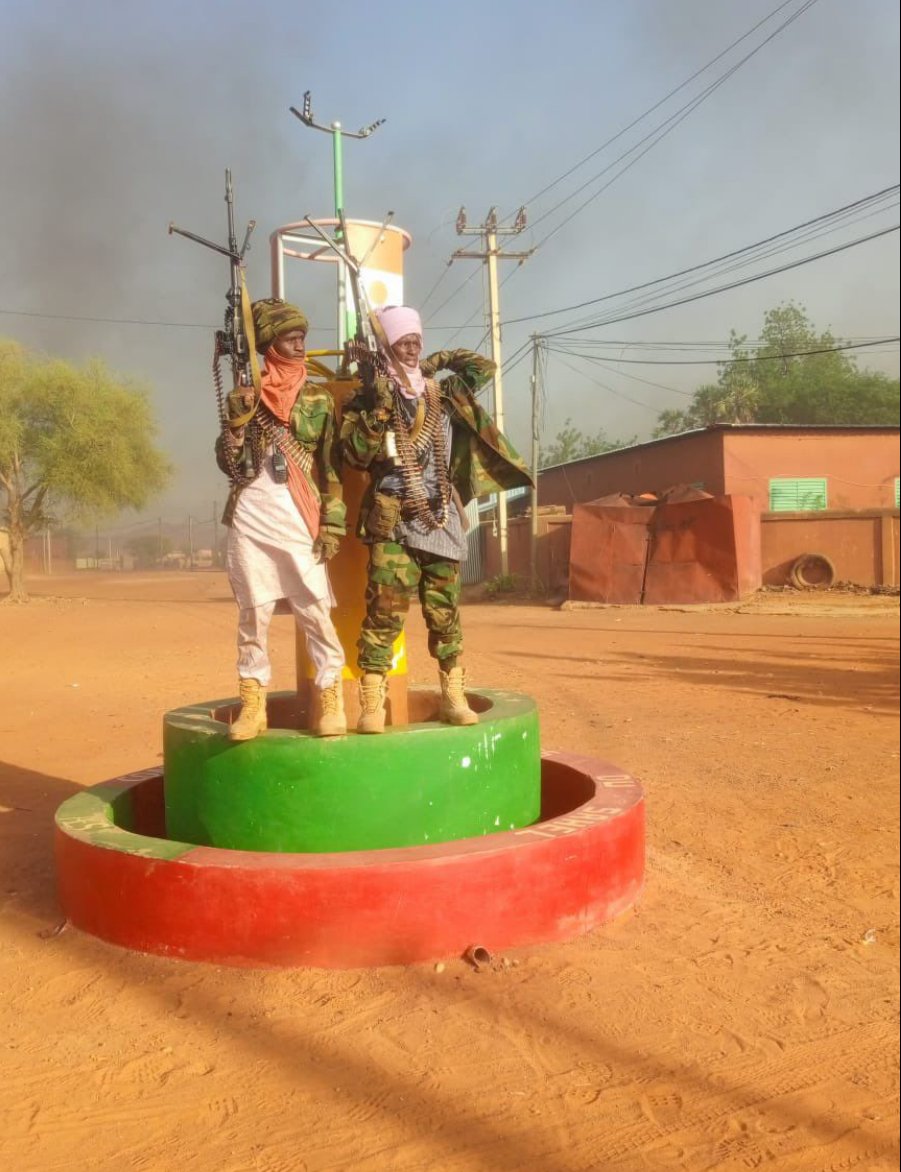
Following the attack, a photograph began circulating on social media, showing JNIM fighters posing triumphantly at the "AES Roundabout" in Djibo. This location was inaugurated only recently, on 23 February 2025. This image serves as a symbolic demonstration of JNIM’s ability to operate openly in the heart of a significant town, mocking government claims of security and control.
Eyewitnesses described the efficiency with which the militants moved through the town, executing anyone they deemed an enemy and sowing terror among the residents. Their occupation of parts of Djibo for nearly seven hours further highlights the incapacity of Burkinabe security forces to protect the city, even with air support.
Implications: A City in Crisis and a Government Losing Control
The assault on Djibo is a glaring indicator of the Burkinabe government's inability to safeguard its northern regions, even in towns that have been fortified in anticipation of such attacks. JNIM’s ability to launch such an extensive and well-coordinated assault on an urban centre represents a significant escalation in the group’s capabilities and ambitions.
Moreover, this attack underscores the evolving tactics of JNIM, as they transition from targeting isolated outposts and rural areas to striking key urban centres. This shift is likely to lead to further destabilisation in Burkina Faso. Without a robust and effective military response, other towns in Soum Province and beyond will become targets, leaving civilians in a constant state of fear and Burkinabe security forces struggling to maintain even a semblance of control.
| | | (Manual/Left Wing Anarchist) Anarchist Group Angry Birds Commando Releases DIY Arson Manual Online to Spur Decentralized Sabotage | | |
On 08 May 2025, the left-wing anarchist collective known as “Angry Birds Commando” released a detailed DIY arson manual online, designed to facilitate decentralised sabotage through improvised incendiary devices. The manual provides comprehensive instructions on creating and deploying arson mechanisms, with a specific focus on achieving reliable delayed ignition—a crucial component for successful sabotage operations. With a clear focus on decentralised tactics, the document is distributed across various social media platforms and niche blogs, ensuring that its instructions can reach a broad and anonymous audience of would-be saboteurs.
The manual begins with a quote from Mario Savio, a well-known figure from the American free speech movement, emphasising resistance against oppressive systems. This ideological framing sets the stage for a practical guide aimed at small autonomous cells, especially those lacking access to specialised components or secure procurement networks. Recognising the limitations of modern surveillance, which can track purchases of electronic components, the guide avoids reliance on sophisticated electronics. Instead, it focuses on everyday materials available at supermarkets or hardware stores, making the instructions more accessible to individuals without specialised knowledge.
One of the guide’s notable innovations is its emphasis on avoiding digital tracking. It warns against online purchases and highlights the difficulty of sourcing traditional electronic components without raising suspicion. The manual is presented as an update to the Earth Liberation Front’s (ELF) “Setting Fires with Electrical Timers” guide, which has been a staple among eco-anarchist circles for decades. However, the Angry Birds Commando seeks to modernise this approach, adapting to the current realities of digital surveillance and supply chain control.
Beyond the technical instructions, the manual is a call to action, urging readers to engage in sabotage and sabotage only. The group explicitly encourages experimentation and adaptation, pushing for a culture of “test, test, test” where individuals are empowered to refine and enhance the techniques shared. This decentralised model mirrors the cell-based structure of past anarchist and eco-terrorist movements, where independent groups operate without central coordination but are united by a shared ideology.
The manual also directly references previous actions by the Angry Birds Commando, including the 21 August 2024 railway arson, showcasing that the group has a history of operational experience. This self-promotion appears to be an effort to establish credibility within the militant left-wing ecosystem, signalling that the group is not merely an online presence but an active force. Unlike other left-wing anarchist groups that often commit one high-profile action and then disappear, the Angry Birds Commando appears to be committed to establishing a sustainable campaign of decentralised sabotage.
The implications of this manual are significant. By openly sharing the knowledge needed to conduct arson attacks, the group effectively lowers the barrier for entry into militant actions. The manual’s focus on operational security, such as avoiding online purchases and relying on readily available materials, further complicates efforts to trace or intercept potential perpetrators.
| | TRAC Incident Report: Islamic State Greater Sahara (ISGS) Militants Led an Armed Assault on Nigerien Army Forces in Dogon Kiria, Dosso Region, Niger | | |
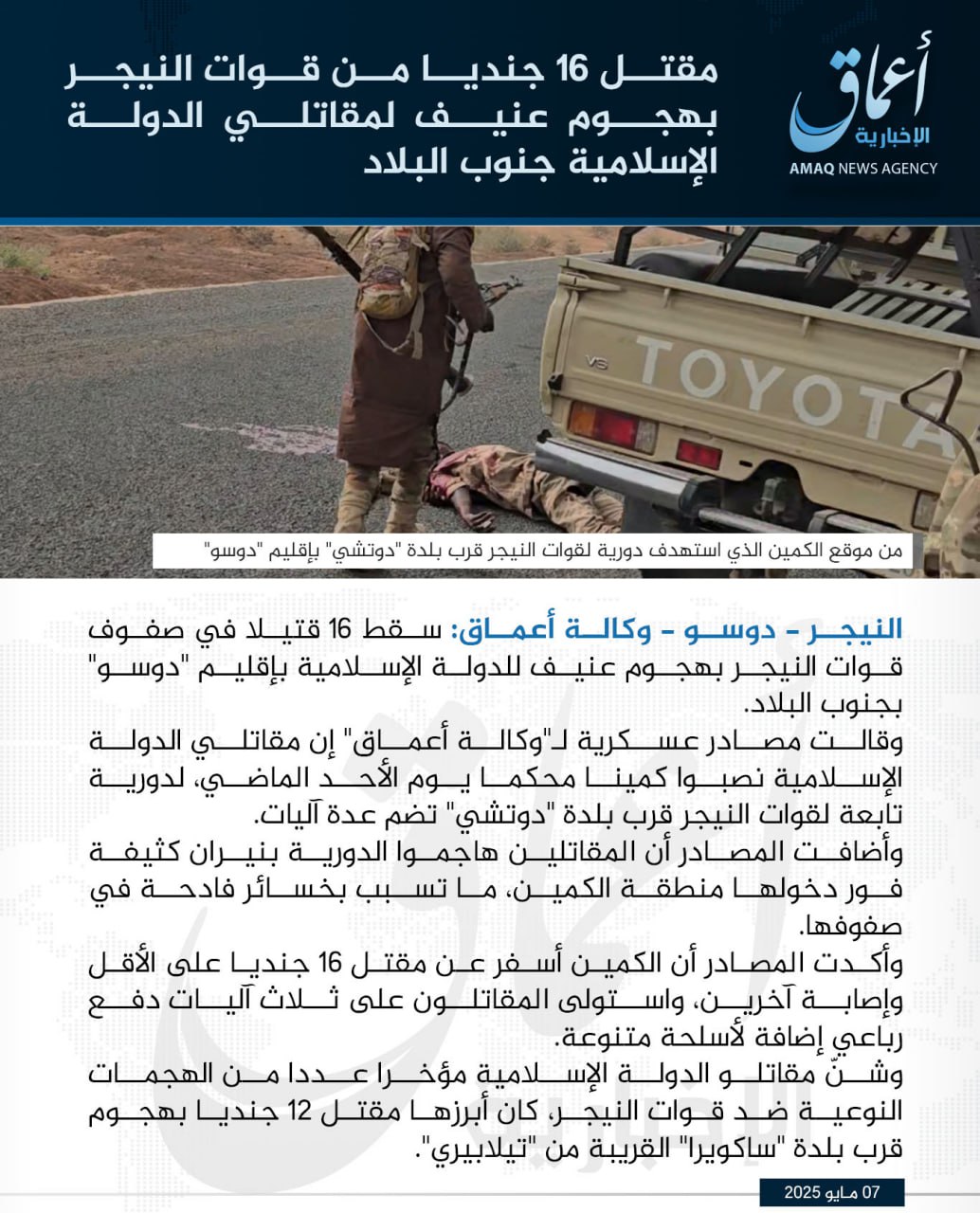
On 6 May 2025, Islamic State in the Greater Sahara (ISGS) militants launched an armed assault on Nigerian Army forces in Dogo Kiria, located in the Dosso Region of Niger. The attack resulted in at least 10 soldiers being killed, according to the Nigerien government, while ISGS claimed that they had killed at least 16. During the assault, the militants seized three vehicles, as well as weapons and ammunition. This attack marks the first time that ISGS has claimed an operation in the Dosso Region, a notable geographical expansion for the group, indicating a shift in operational strategy.
The significance of this claim cannot be overstated, as it marks an unprecedented move by ISGS into the Dosso Region. Previously, ISGS activity had been concentrated further north, primarily in the Tillaberi and Tahoua regions, and cross-border areas adjacent to Mali and Burkina Faso. The Dosso Region, however, is relatively closer to the Nigerian border and represents a strategic shift. This incident was announced alongside two other ISGS claims, signalling an uptick in militant activity and coordination. One of these was an armed assault in Danga, Tillaberi Region, on 4 May 2025, while the other involved the capture and execution of an Azawadi militant in the Menaka Region of Mali on 3 May 2025.
This attack in Dosso is indicative of ISGS's evolving strategy, which is focused on expanding its geographic footprint by leveraging alliances and incorporating more minor, regional jihadist factions. The group’s integration of Lakurawa militants from Nigeria effectively bridges the operational gap between its traditional areas of influence in Niger and newly targeted regions closer to Nigeria. Such strategic consolidation is typical of the Islamic State’s modus operandi, as seen in Africa with ISWA's formation from Boko Haram dissidents and ISCA’s absorption of the Allied Democratic Forces (ADF). The consolidation of local groups allows ISGS to bolster its numbers, enhance logistical capabilities, and strategically extend its range of attacks.
Given the unprecedented nature of the attack in Dosso, ISGS clearly aims to establish a more consistent presence in southern Niger, particularly in regions that have previously seen limited jihadist activity. This indicates a new phase in ISGS's territorial ambitions, potentially driven by the recent incorporation of Nigerian factions, allowing the group to exploit transnational militant networks across the Sahel better.
| | (Claim) Baloch Republican Guards (BRG) Militants Planted & Detonated IEDs Destroying the Main Well of a OGDCL Company Gas Pipeline, in Tubo, Balochistan, Pakistan | | |
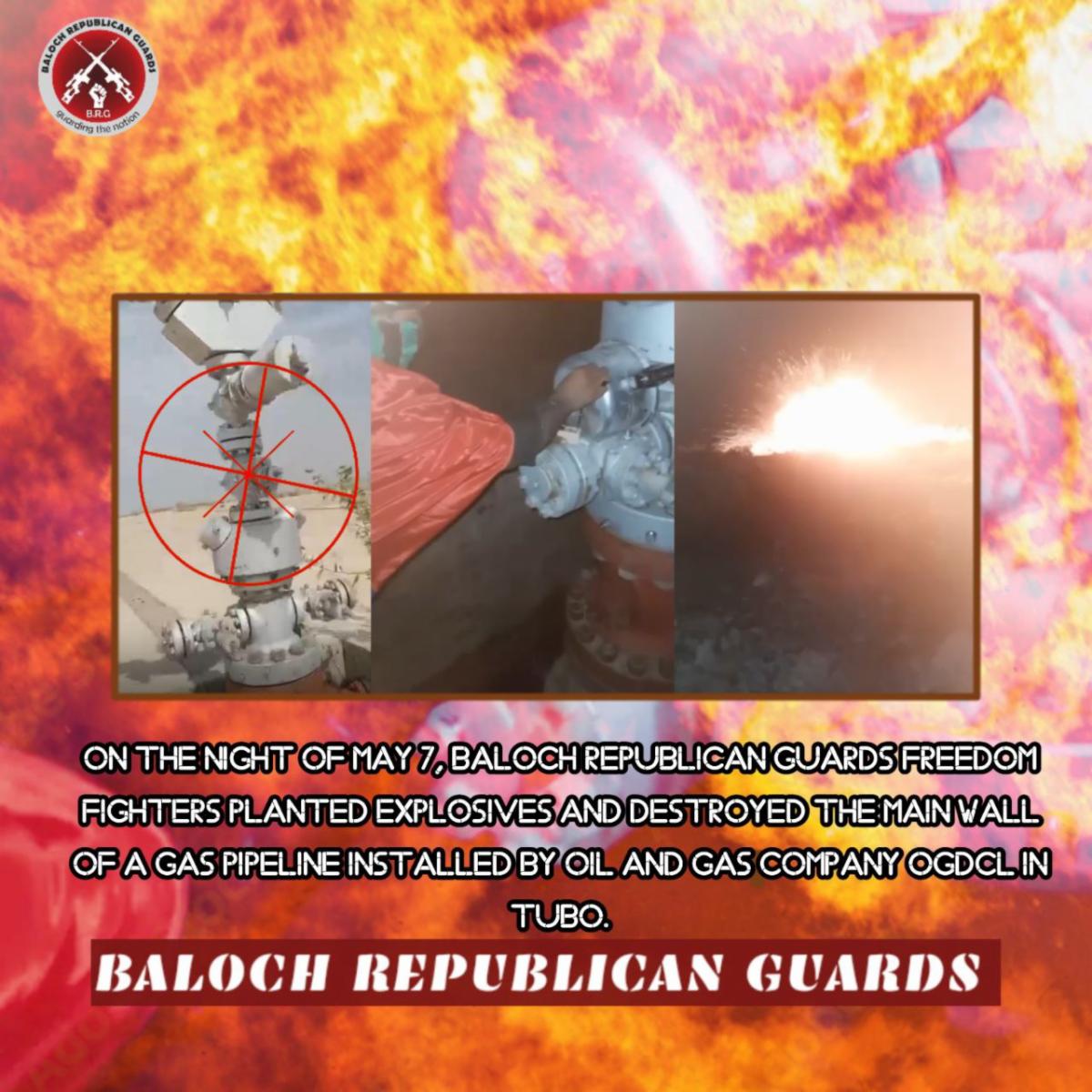
On 7 May 2025, the Baloch Republican Guards (BRG) militants planted and detonated explosives, destroying a well from the Oil and Gas Development Company Limited (OGDCL) in Tubo, Dera Bugti, Balochistan, Pakistan. This incident reflects a clear strategy by the BRG and other Baloch militant groups to target Pakistan’s critical energy infrastructure, which they view as a symbol of exploitation. Baloch militants firmly believe that the region’s natural resources, including gas and minerals, are extracted for the benefit of the central Pakistani government and foreign companies. At the same time, local Baloch communities remain impoverished and politically marginalised.
The choice of OGDCL’s gas pipeline as a target is significant for several reasons. OGDCL is one of Pakistan’s largest state-owned energy companies, and separatist groups see its operations in Balochistan as direct symbols of the state’s economic presence and exploitation of Baloch resources. By attacking such infrastructure, the BRG aims to disrupt the state’s revenue generation, signal their capability to strike vital economic assets, and reinforce their narrative of resisting what they describe as colonial-style exploitation. Such attacks are also a form of propaganda, allowing the group to demonstrate its operational reach, maintain visibility, and strengthen its ideological stance against the Pakistani state.
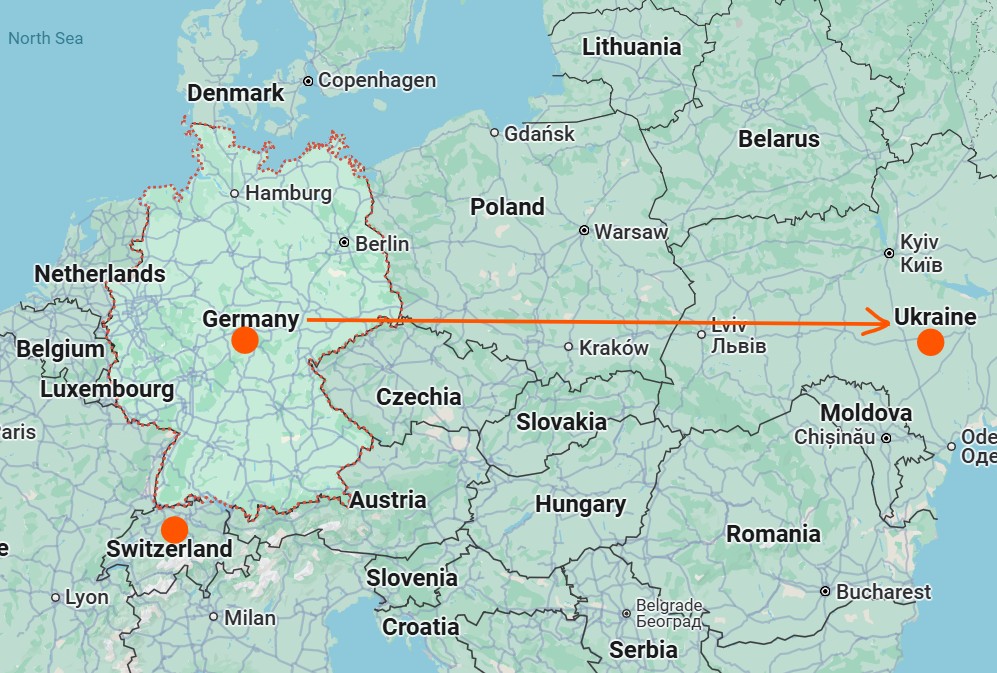
| | TRAC Incident Report: Clashes Between Suspected Drug Trafficker and Lao Troops Leave Two Soldiers Dead Near the Thai Border, Paktha District, Bokeo Province, Laos | | TRAC Incident Report: Three Pro-Russia Ukrainian Nationals Accused of Plotting to Send Parcel Bombs from Germany to Ukraine, Arrested in Konstanz and Cologne, Germany, and Thurgau Region, Switzerland | |
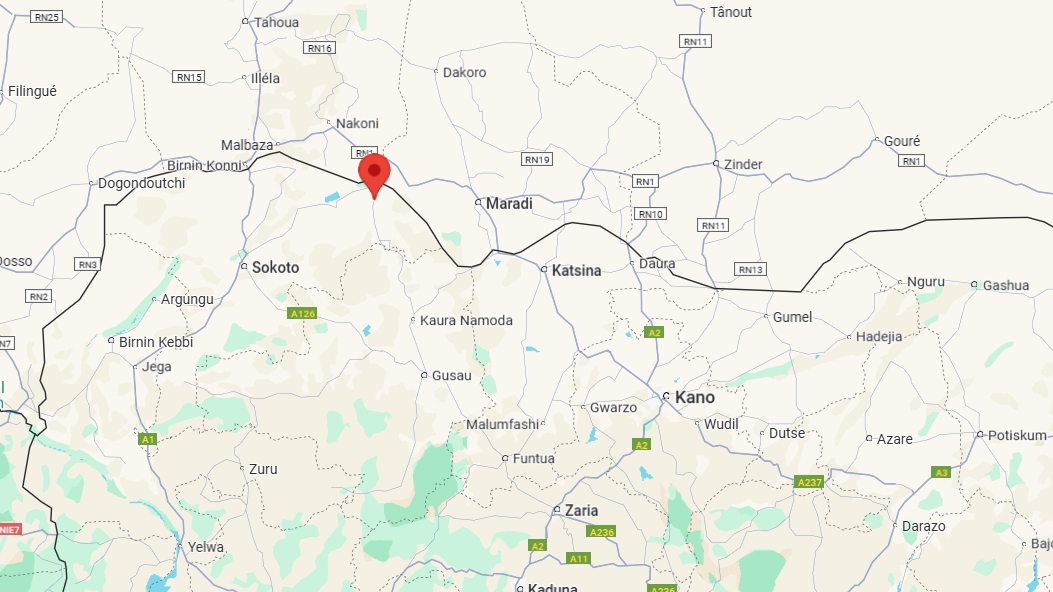
TRAC Incident Report: Bandit Leader Bello Turji Strikes 20 Villages After Weeks in Hiding Mostly in Sabon Birni LGA, Sokoto State, Nigeria
| | | | |