|
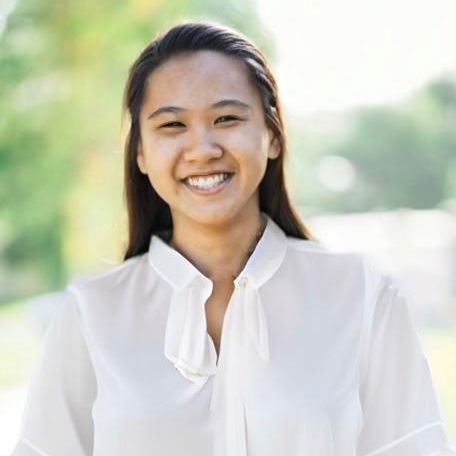
For the September edition of The Pharmazing Gazette, we had the pleasure of speaking with Dr. Eileen Tran Nguyen, a resident in the Walgreens-UCSF PGY1 Community Pharmacy Residency Program. Dr. Nguyen brings a wealth of experience from her background in community, specialty, and independent pharmacy settings, as well as in management, operations, and academia. In addition to her residency, she plays a key role in facilitating student conferences, conducting research, and performing quality improvement projects.
Thank you for volunteering your time and expertise Dr. Nguyen! Our readers, the UCSF School of Pharmacy, and OCPD appreciate your input.
Q & A:
1) How did you develop your interest in the Walgreens-UCSF PGY1 Community Pharmacy Residency Program?
I attended the Marshall B. Ketchum University School of Pharmacy in Fullerton, California, and graduated in May 2024. Following graduation, I began my residency in the Walgreens-UCSF PGY-1 community program, a path influenced by my diverse experiences in pharmacy practice. I spent about three years working with Walgreens, primarily at a specialty site, but also gained valuable experience in a retail setting. I also have over a decade of experience in an independent community pharmacy, where I started as a volunteer and advanced to a pharmacy intern. These roles sparked my interest in business operations, writing operational protocols, assisting with prior authorizations and Medicare audits, running quality control projects, and engaging in community outreach. Throughout these experiences, I also developed a strong passion for academia, which was reinforced through opportunities to facilitate content reviews and teach didactic material to students. These combined interests and experiences ultimately led me to apply for this program.
One of the key benefits of the Walgreens-UCSF PGY-1 community program is its flexibility. For example, if you need time to study for boards, they are willing to accommodate requests and meet your needs. In terms of other benefits, the pay and PTO is reasonable, but what truly drew me in was the chance to step out of my comfort zone by living in a new place and challenging myself in new ways.
Circling back to the application process, I had to meet several requirements, including submitting three letters of recommendation and a letter of intent. As a student, it is important to connect with preceptors that are willing to vouch for you and your interests, especially if they work in a field that aligns with the focus of the program. Develop those connections in rotations early on and nurture them by setting expectations, communicating proactively, and negotiating learning goals when possible.
2) What are your key clinical and outreach responsibilities as a resident? Describe your patient care services and the collaboration with UCSF.
From Monday through Thursday, I spend about 60% of my time focused on various tasks, including Asembia calls to follow up on patient care, conducting quality control, managing medication-to-bed deliveries, and developing my business project. The remaining 40% of my time is dedicated to working with the UCSF teaching certificate program and transitions of care (TOC) at UCSF hospital. As a conference facilitator, I supplement information and clarify concepts for students. In TOC, I call patients to follow up, answer clinical questions, assist providers, and help patients find assistance programs for high co-pays when necessary. Additionally, I participate in clinical outreach by delivering in-service presentations to physicians and clinics. Although there is a clinical research component in the program, I am currently in the development phase. I also have responsibilities with Walgreens, where I am involved in a longitudinal project focused on observing and improving the pharmacy workflow to enhance efficiency.
3) Can you share a defining moment during your rotations or residency that solidified your passion for community pharmacy?
Yes, I have two memorable experiences that deeply influenced my career path. The first was an APPE rotation at St. Jude, which resembled an ambulatory care setting where I had the opportunity to follow patients over an extended period. This experience was particularly meaningful because I worked with patients managing chronic conditions, allowing me to see firsthand how small changes and recommendations can significantly improve quality of life. As pharmacists, our role is to bridge the gap between providers and patients, delivering comprehensive care and preventing complications. This experience solidified my passion for ambulatory care by highlighting the impactful difference we can make in patients' lives.
The second experience took place at an independent pharmacy, where I developed strong self-learning skills and discipline. This role allowed me to engage in extensive clinical outreach with dialysis centers in the San Gabriel Valley. Working outside of the corporate retail environment, I discovered the flexibility and autonomy that independent sites offer. This experience made me realize how much I value the direct patient care aspect of community pharmacy, while also appreciating the resources and support provided by corporate settings.
4) What role does mentorship play in your residency experience? How did you approach setting expectations and meeting learning benchmarks with your preceptor?
In my residency, I have the dual role of being both a mentor and a mentee. I view my preceptors as mentors because, at the residency level, you’re expected to already be a competent clinical pharmacist, since you passed the boards. The purpose of a residency is to further refine your skills and expose you to diverse clinical interests. Preceptors are there to broaden your perspectives, helping you expand on what you already know and guiding you toward new areas of learning.
On the flip side, as a conference facilitator and didactic instructor, I take on the mentor role. I assist students in mastering therapeutics and preparing for the challenges ahead. Since I recently graduated, I’m mindful of the challenges students face in balancing work, school, and personal life. Navigating rotations can be particularly challenging for students, especially when an APPE assignment falls outside their area of interest. However, I encourage them to shift their mindset—every rotation offers valuable learning experiences. The skills and knowledge gained at one site can often be applied in unexpected ways at other sites!
5) How has your residency program equipped you to manage drug shortages effectively in terms of day-to-day operations and patient outcomes?
Drug shortages present significant challenges, but they can be effectively managed through proactive communication between the pharmacy and patients. Monitoring the inventory of critical medications, such as Ozempic and Adderall, is crucial since shortages can directly impact patient access and health outcomes. At Walgreens, we’ve implemented a system where we contact patients at least seven days before their refill date. During these calls, we check in on their current medications, assess any side effects, and confirm how much medication they have left. When multiple patients require the same medication, this early communication gives us a narrow window to order and carefully allocate our supply. Given that many medications may be on backlog, it’s important to keep patients informed. We always explain to patients that we are actively exploring alternatives across manufacturers and assure them that we are doing everything possible to manage the situation and ensure they receive their medications.
6) Given the stringent regulations surrounding the dispensing of controlled substances, what challenges have you encountered in patient care?
The stringent regulations for controlled substances require pharmacists to carefully balance compliance with patient needs, prescriber directives, ethical considerations, and professional judgment. The complexity of navigating these regulations is compounded by differences in federal and state healthcare coverage. For example, Medi-Cal imposes a safety limit on initial opioid prescriptions for the treatment of acute pain, restricting pharmacists to dispensing only a 7-day supply at a time during the first 30 days of treatment. This can lead to repeated pharmacy visits, which understandably frustrates patients. Other times, patients face challenges when their insurance doesn’t cover pain medications, requiring them to go through prior authorizations and step therapy protocols to manage their pain. In these situations, it’s crucial to inform patients about legal requirements and safety concerns while showing empathy for their frustrations.
As pharmacists, our role involves actively listening to patients, assuring them that we are advocating for their best interests, and collaborating with providers to ensure their care is managed effectively. However, we must also assess each situation with care, weighing the pros and cons and exercising sound professional judgment. For instance, I recently encountered a patient who had lost their opioid medication and sought help at the pharmacy. In this case, it was important to evaluate whether dispensing the medication earlier—if legally permissible—would benefit the patient or potentially create conflicts or legal issues. In the context of the opioid epidemic, patient care must be centered on minimizing harm, providing relief, and leveraging our expertise as medication experts to make informed decisions that prioritize patient safety.
|