|
Educator Newsletter: Fall / Back to School 2026
Do your students ever ask how their lessons are relevant to their lives? The Science History Institute has answers! We tell the stories behind the science by highlighting how developments in chemistry, engineering, and the life sciences are embedded in our daily lives. Our educator newsletter offers quick resources, scientific biographies, and much more.
| | |
Educator Night
Wednesday, September 2, 2026
4pm–6pm EDT
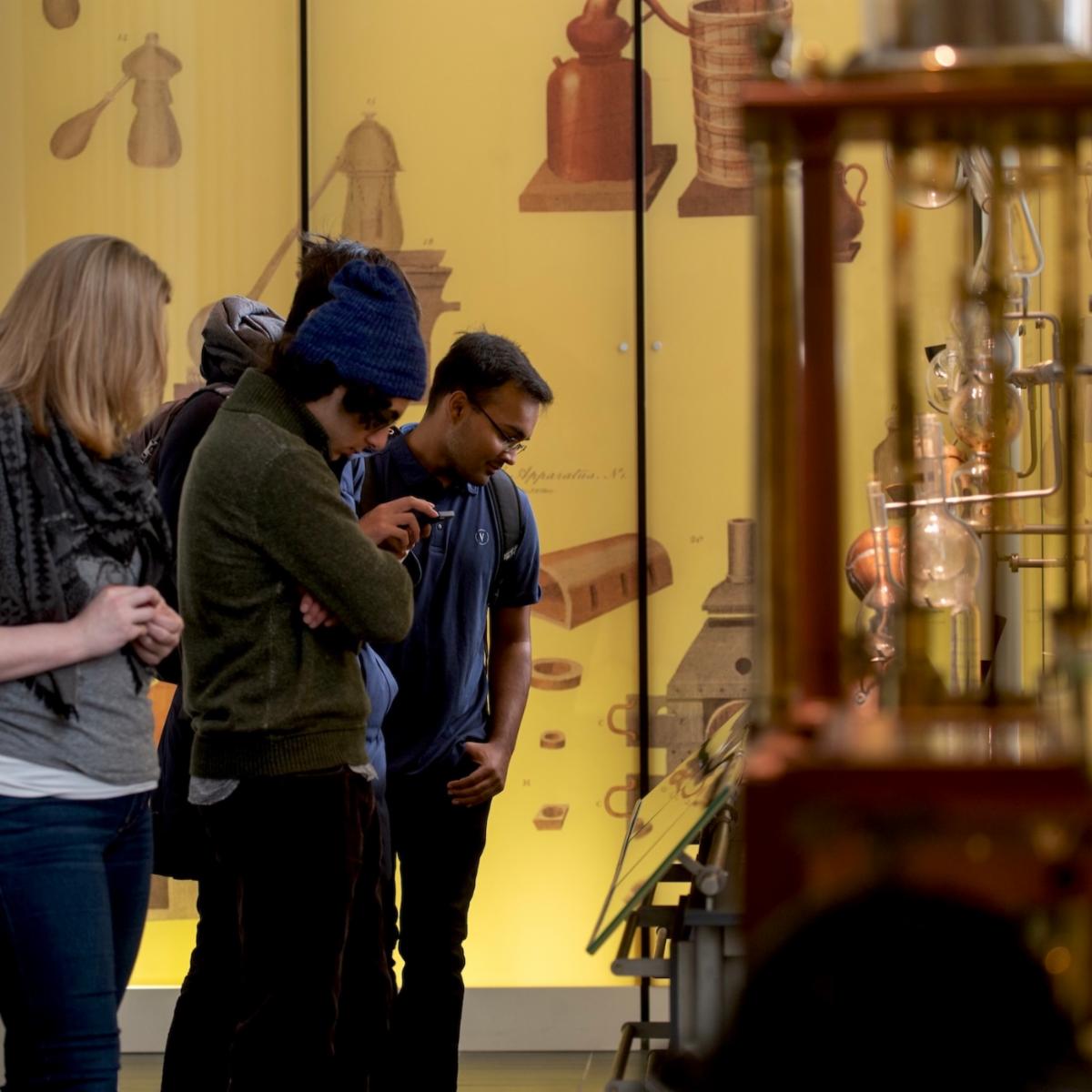
Join us for a special back-to-school event just for educators! It’s a great opportunity to discover new ways to bring the history of science into your classroom and experience our museum before bringing your class for a group tour. Learn about our free field trip programs and classroom-ready resources and activities for grades 6–12.
This event is free, but registration is required. Light refreshments will be served.
| | Big changes are coming to our school tour program! | | |
First, we are thrilled to announce that all group tours to the Science History Institute Museum are now FREE. General admission to our museum has always been free, and we are excited to further our goal of making the stories behind the science accessible to all.
Second, this fall we are launching a new Transportation Fund, which will provide reimbursement for transportation to eligible schools. Limited funds will be available to teachers from the School District of Philadelphia who sign up for guided tours. Submit your booking and transportation request by clicking the button below, and a member of our staff will reach out to you.
And finally, keep an eye out for our new Pennsylvania History Tour! Designed for history and social studies teachers interested in a cross-disciplinary approach to the curriculum, this tour explores the history of science in the Keystone State through revolutionary ideas, industrial developments, natural resources, energy flows, and social technologies. The Pennsylvania History Tour opens this November.
The Science History Institute Museum is open for school groups Wednesday through Friday, 10am to 3:30pm.
-
Grades 4–6: Enjoy our “Highlights” series, which includes short tours combined with hands-on introductions to objects from our collection.
-
Grades 7 and up: Our full-length tours offer students a chance to reflect on broader historical themes, like the shifting role of women in chemistry over time.
-
All ages: We offer a variety of scavenger hunts designed for exploration of our galleries. Students will learn how high-tech equipment is used to make the food they eat, find some of the marginalized scientists whose work is hidden behind the big names, and much more!
| | |
Object in Focus
Each issue of the newsletter shines a spotlight on a unique item from our collections for you to use as a teaching tool.
| | |
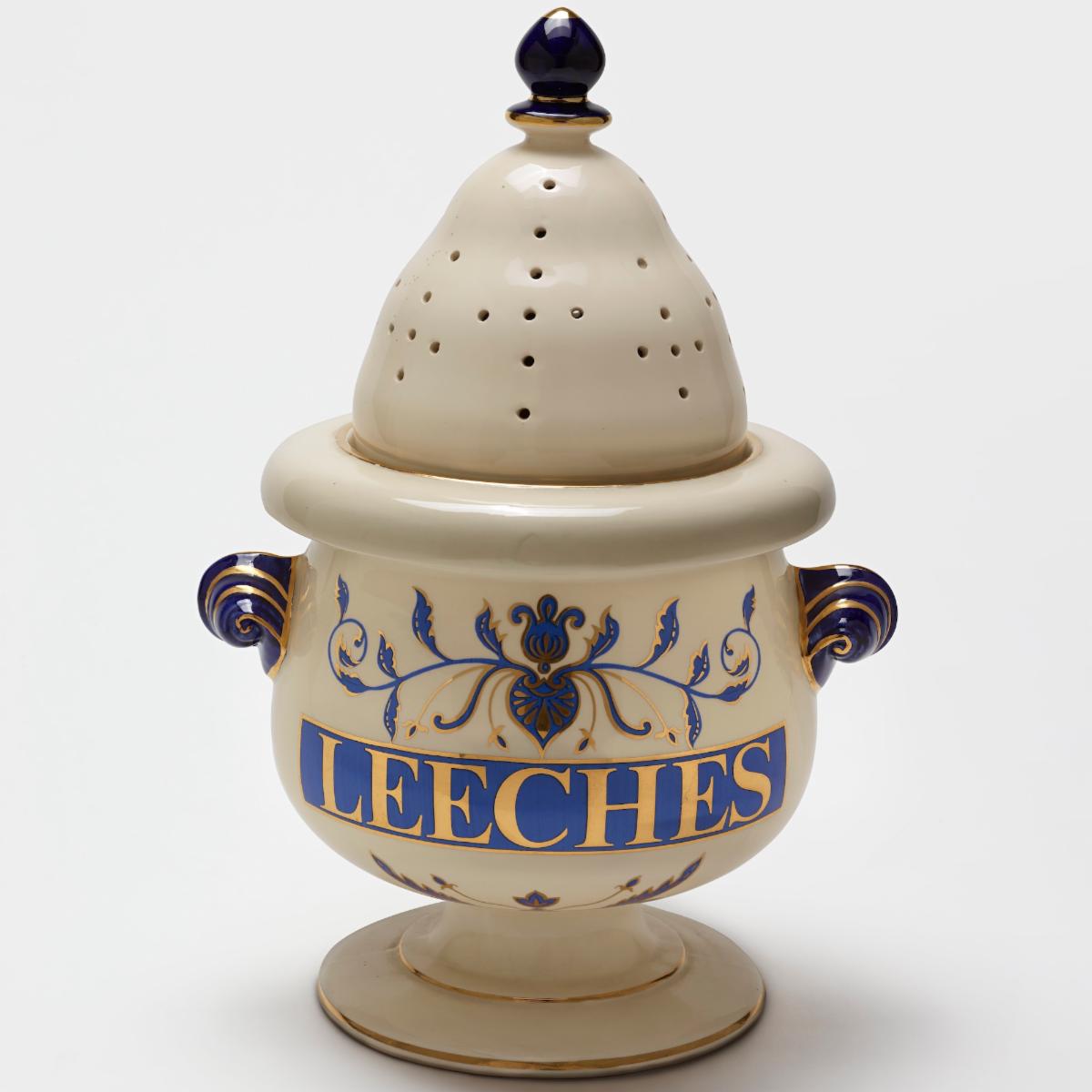
Highlight: Leech Jar
Leeches have been used in medicine since ancient times. Many ancient Greek physicians believed bloodletting was essential to balance the body and used it to treat all ailments.
During the Victorian era, French physician François-Joseph-Victor Broussais’s popular theory that diet, bloodletting, and the use of leeches could treat all disease sparked a boom in the leech trade. And during the 1793 yellow fever epidemic in Philadelphia, doctor and founding father Benjamin Rush favored aggressive bloodletting to treat his patients.
The elaborate design of some leech jars emphasized the high value they held as a commodity. They were sold in great numbers to both the public and members of the medical profession. This modern leech jar is based on examples from earlier centuries. You can see this object and others related to bloodletting on display in our museum.
| |
Use in Your Classroom
Ask your students to closely examine the image of the leech jar. What do they see? What do they think it is made of? Who would own a jar like this? Discuss with your students the use of leeches in bloodletting. Have them compare and contrast with modern medicine. Would we use leeches in medicine today? Why or why not?
Our Distillations magazine article, “Medicinal Leeches and Where to Find Them,” can help guide this discussion.
| | | | |
Othmer Library
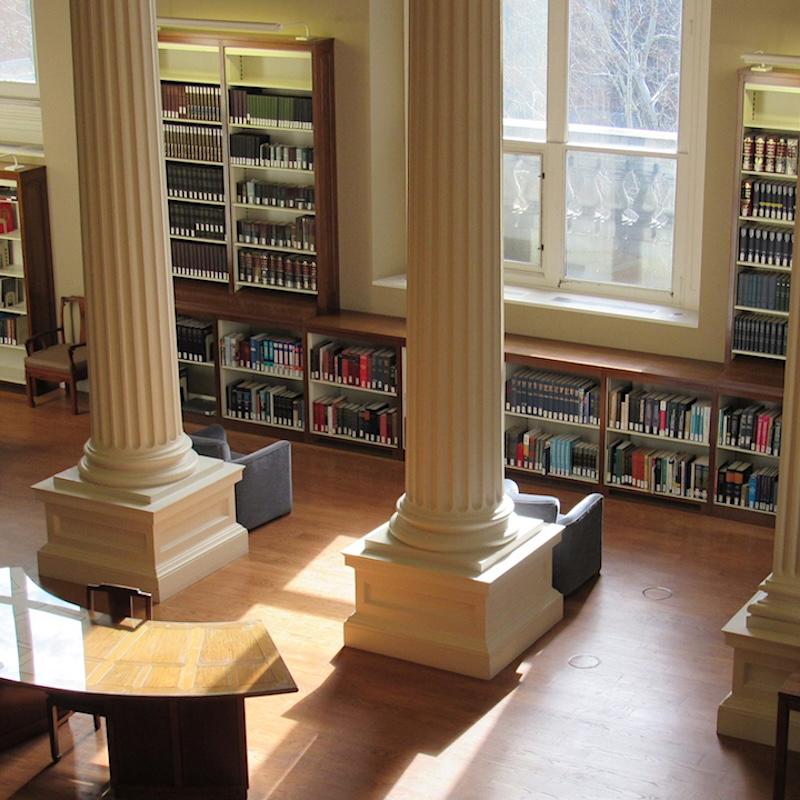
Our Othmer Library features more than 150,000 print materials in 15 languages that explore chemistry’s origins, scientific innovations, and science’s role in everyday life.
Search our online catalog to see what’s available, view more than 15,000 digitized items in our digital collections, or ask our librarians a reference question.
Take a closer look at the resource guide that accompanies our Flash! Bang! Boom! A History of Fireworks exhibition. It highlights featured books as well as works that further explore the history, science, and spectacle of fireworks, pyrotechnics, and the technology of explosives.
| |
| |
National History Day
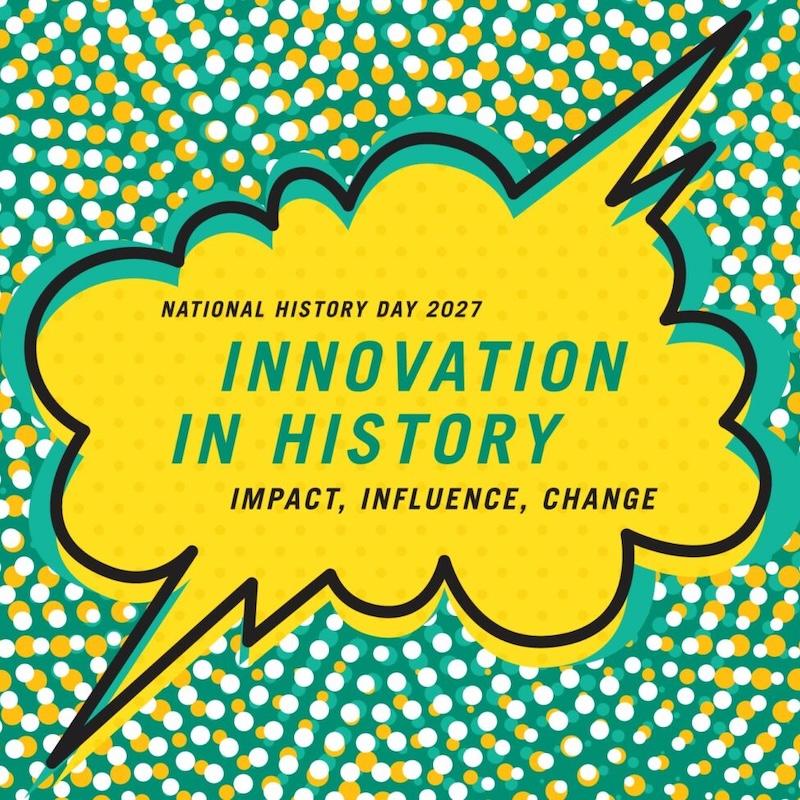
Have you heard? The 2027 National History Day contest theme is Innovation in History: Impact, Influence, Change.
From objects in our museum collections to oral histories online, the Science History Institute has primary sources your students can study to develop original evidence-based projects on the history of innovation.
Students can contact our reference team using this form, send an email to reference@sciencehistory.org, or call us at 215.629.5146 for an individualized consultation.
| | |
As a history of science museum, we aim to help your students build the skills necessary to practice both good science and good history with the ability to:
- ask rigorous questions
- make observations and analyze text
- develop investigations and experiments
- understand cause and effect
- use evidence to make claims
- evaluate data
- communicate ideas
These skills are drawn from the C3 Framework for Social Studies State Standards and the Next Generation Science Standards. Every newsletter features a short activity you can use in your classroom to help develop these skills.
This activity will help students build the following skills:
C3 Framework for Social Studies State Standards
- applying civics and history concepts
- evaluating sources and using evidence
- communicating and critiquing conclusions
SEP from the NGSS
- analyzing and interpreting data
- engaging in argument from evidence
- obtaining, evaluating, and communicating information
| | |
In this issue, we’re introducing the Institute’s Distillations magazine, a collection of stories that reveal science’s powerful influence on our lives, past and present.
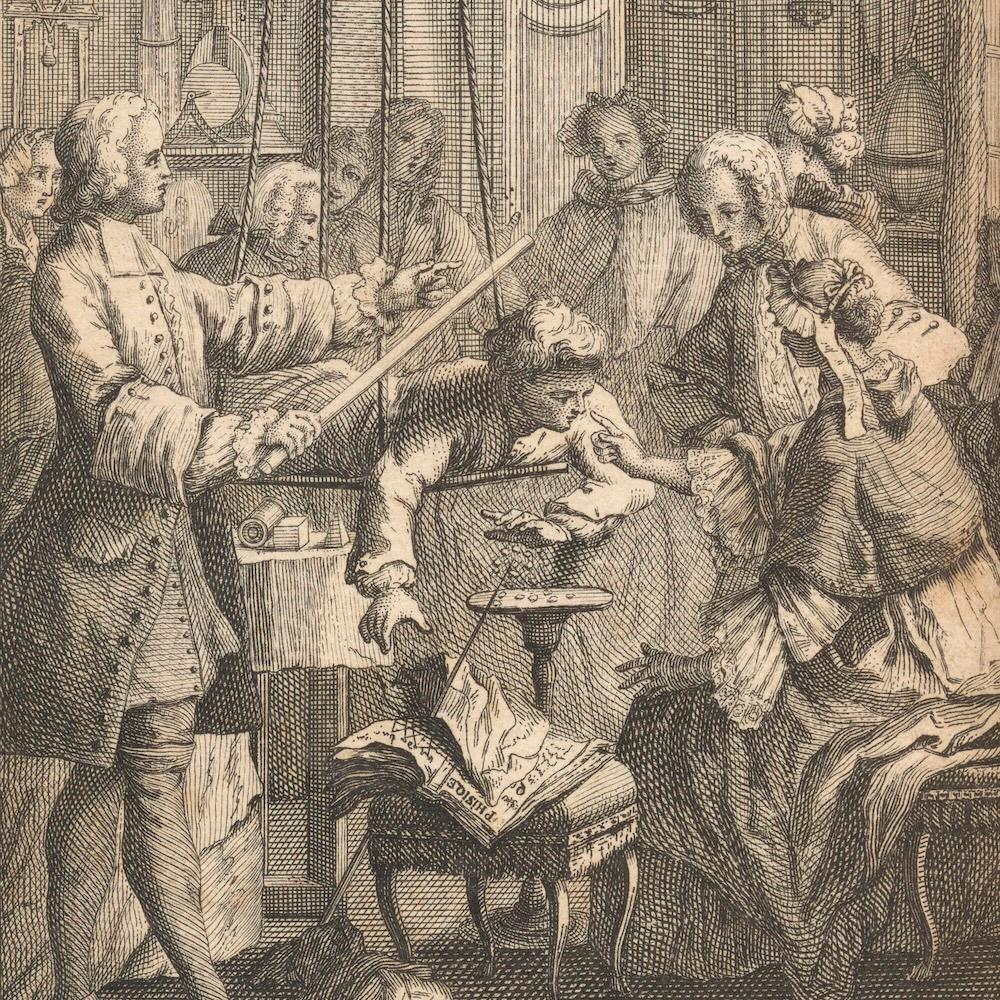
“When Electricity Met Democratic Revolution,” an article written by former research fellow Samantha Wesner, examines the relationship between electrical science and revolutionary politics of the late 1700s.
In a year that’s all about celebrating revolutions, Wesner’s interdisciplinary approach is a great way to get your students thinking deeply about the link between science and social studies.
| | |
Some excerpts of potential interest:
| |
|
Use in Your Classroom
You can have your students reflect on the information presented in the article by answering the following questions:
In the History Classroom:
The author presents evidence that the scientific study of electricity during the 1700s was linked to the revolutions in the American colonies and France.
-
What other factors could account for the spread of democracy and the popularization of social equality? How do ideas spread?
-
According to the article, a French reformer wrote that Benjamin Franklin “snatched lightning from the sky and the scepter from tyrants.” What does the reformer mean when he said that Franklin “snatched a scepter from tyrants?” Which tyrants was he talking about? Why do you think he was comparing Franklin’s experiments with lightning to “snatching the scepter from tyrants?”
- How does technology influence politics today? How might it have affected politics 50, 100, or 250 years ago?
In the Science Classroom:
The article demonstrates how scientific discovery and political thought influence one another.
- What qualities of science and scientific discovery could inspire revolutionary ideas?
- What are some other scientific discoveries that have inspired political change? Can you think of any political movements that have affected the study of science?
- What is something you’ve learned in a science class that “electrified [your] soul” and changed how you look at the world?
In Both Classrooms:
The republican model of government in the United States has been referred to as a “great experiment” by such U.S. leaders as George Washington and Abraham Lincoln.
-
How is the United States republic similar to laboratory experiments? Does it use the scientific method?
-
What would be the hypothesis (a proposed explanation for a phenomenon that guides research)?
-
What would we consider experimental variables (the factors, traits, or conditions that you can change, measure, or keep the same)?
- What evidence would support or reject the hypothesis?
| | | | |
Additional Resources
In honor of our nation’s 250th birthday, National Public Radio's Science Friday host Ira Flatow speaks with historian Robert Allison about scientific thought in early America:
Civics resources from the National Constitution Center in Philadelphia:
Science resources from the University of California Berkeley Museum of Paleontology:
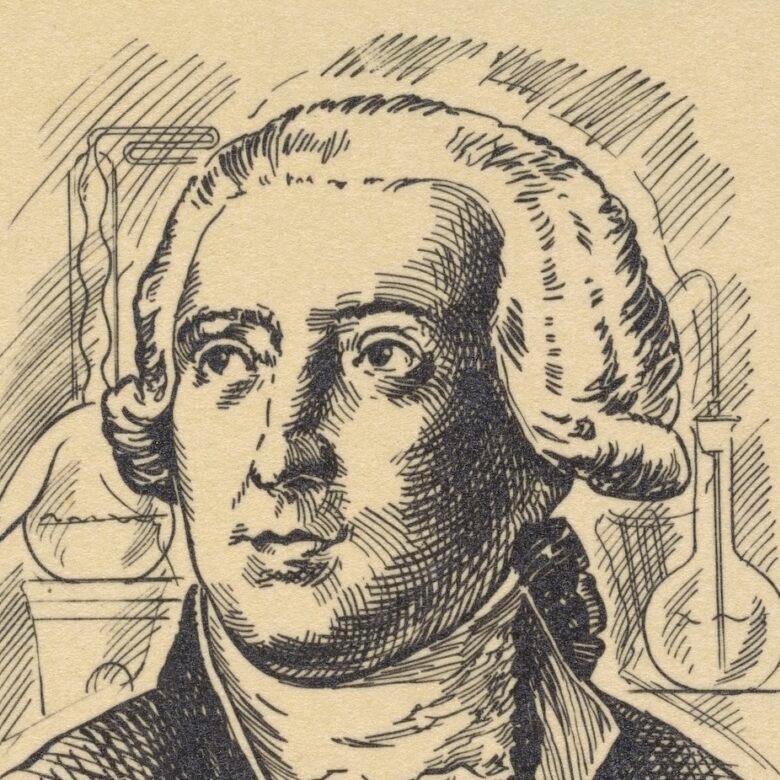
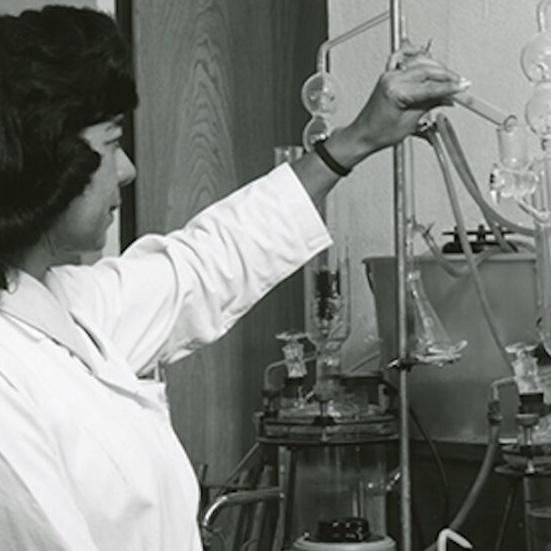
| | It may be a new school year, but we’re still talking about our nation’s Semiquincentennial! How do science and revolution relate? Our scientific biographies can help students engage with this fundamental question. | | | | Antoine-Laurent Lavoisier | | Evangelina Villegas Moreno | |
Use in Your Classroom
Will you be teaching about the cultural history of the revolutionary period?
-
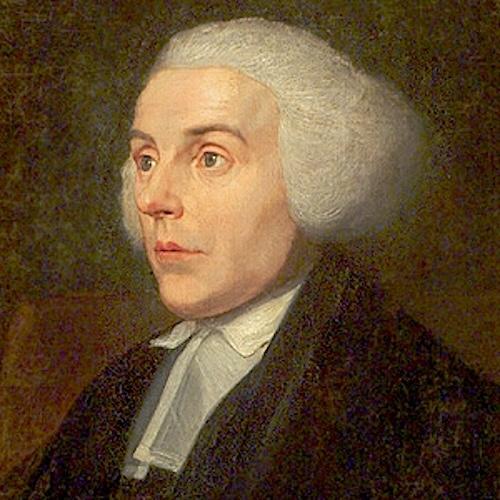
Your students can read about the life of Joseph Priestley, who fled England for the U.S. in order to practice his faith freely. Priestley, often remembered as the co-discoverer of oxygen, saw a direct connection between political and scientific revolutions: his goal as a minister, educator, and scientist was to help others follow the path of their own reason.
-
Priestley’s biography includes links to primary sources that students can work with directly. Try asking your students to read the first paragraph of the preface to Priestley’s book, Institutes of Natural and Revealed Religion. What is he saying here? What words feel familiar and what words feel strange? What questions might students like to ask Priestley about his use of the word “science?”
Will you be teaching about physical science and/or science and technology?
-
You may want your students to learn something about the science of revolutions. Our newly revised biography on Antoine-Laurent Lavoisier, Priestley’s rival, highlights the role of gunpowder in the modernization of laboratory chemistry during the French Revolution.
- Students can read the stories of Priestley and Lavoisier together to wrestle with foundational questions about scientific evidence and theory: were “dephlogisticated air” and “oxygen” the same thing? Why or why not?
Maybe you’ll be teaching about Mexican history for Hispanic Heritage Month, or environmental science?
-
The Semiquincentennial also presents the opportunity to think about revolutions in science. Consider the story of Evangelina Villegas Moreno. Students can learn about her contributions to the Green Revolution. Villegas empowered farmers in Mexico and across the world with the knowledge they needed to grow crops with enhanced nutritional value.
- Villegas’s biography includes fellowship recorder cards that discuss her progress in graduate school. What do these primary sources tell you about Villegas herself? What do they tell you about the Rockefeller Foundation and the advisors who reviewed her work?
| | | | | | |