If images don't appear, right-click image placeholders and select Download pictures. | | |
THE JOINT EXPEDITIONARY FORCE NEWSLETTER
from the Standing Joint Force Headquarters (SJFHQ) in London
February 2026
|
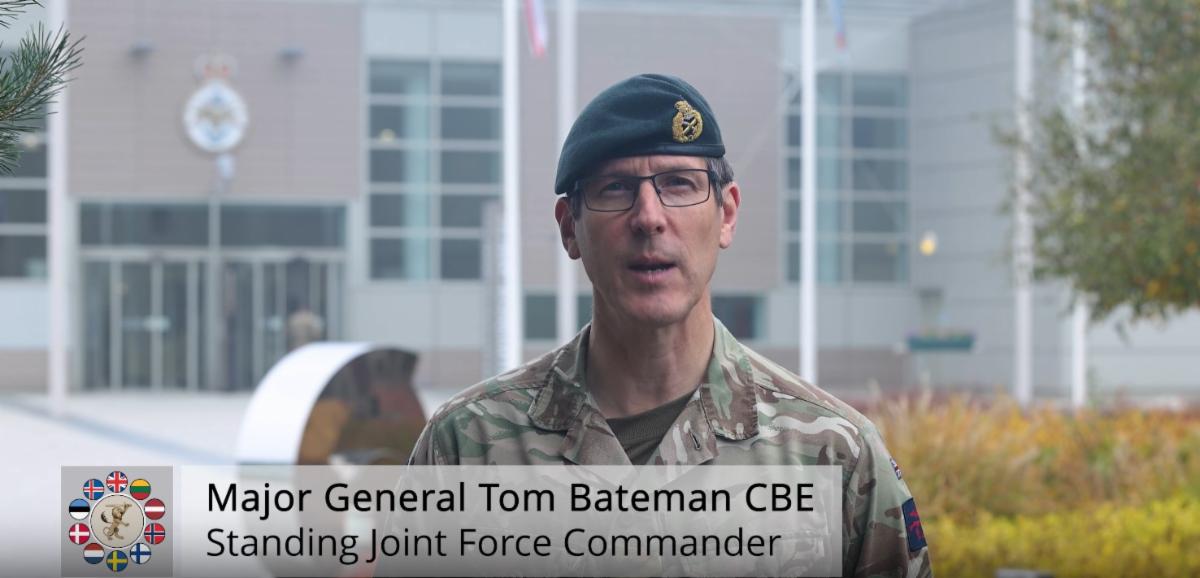
| Major General Tom Bateman, Commander of the UK Standing Joint Force Headquarters | |
Reflections on JEF’s most ambitious year to date and a forward look to 2026 and beyond
Team JEF,
Working on security issues can occasionally feel like climbing a mountain. Just as you reach the top of a huge crest, after exerting enormous effort, you realise that it isn’t actually the summit. Stretching away ahead of you, one sees another hard climb. We gear up and continue because we must. Security in Europe is not a choice, it is a necessity, and the Joint Expeditionary Force continues to demonstrate why it is such a vital part of our collective security architecture; agile, adaptable, and united in purpose.
Occasionally though, taking the metaphor further, it is important to look back on how far we have come as we scale the mountain. Post Christmas, 2025 may seem like a distant memory, but I wanted to take a moment to reflect on what we’ve achieved together since our last newsletter and scan the horizon for what lies ahead.
2025’s standout JEF achievement was TARASSIS 25. Our largest and most ambitious rehearsal yet. Over eight weeks, JEF nations proved we can rapidly coordinate and deliver a credible, multinational response to emerging threats, working seamlessly across land, sea, air, space and cyber domains. TARASSIS showcased our ability to act to meet NATO Article 3 requirements, integrate new partners, and strengthen our operational edge.
However, whilst TARASSIS was meant to be the single JEF showcase event, 2025 proved that the JEF is now almost always active. From NORDIC WARDEN in support of NATO following the cutting of ESTLINK 2 on Christmas day 2024, through RAZOREDGE our dynamically planned activity in April to July, leading almost seamlessly into TARASSIS, the JEF Operational Headquarters was operationally active for ten months of the year.
It culminated in late 2025 with the successful delivery of JOINT VENTURE 25, where the Operational Headquarters deployed forward elements to Sweden, the Baltics, and Finland on a Snap Exercise to test our ability to meet deployment timelines. This was a significant step in increasing our ability to deploy rapidly and operate with partners across the region. By exercising our headquarters in multiple locations, we enhanced our agility, responsiveness, and capacity to support JEF nations wherever and whenever required.
Looking forward, 2026 and beyond promise to be pivotal for the JEF. We will continue to refine our JEF Response Options and build on the lessons of this year. Major exercises such as LION PROTECTOR 26, LION SENTINEL 27, and LION SHIELD 28 are on the horizon, alongside the deepening of our Enhanced Partnership with Ukraine. These efforts, underpinned by your dedication and professionalism, will ensure the JEF remains a credible, trusted, and forward-looking force, ready to meet the challenges of the future.
As we look ahead, it is clear that the security environment continues to evolve, with JEF nations facing a growing range of hybrid threats. Countering challenges such as hostile drone activity, the protection of critical underwater infrastructure, weaponised industrial migration, cyber-attacks, and state-sponsored terrorism provides opportunity for lesson sharing and deeper collaboration. Our collective ability to anticipate, deter, and respond to these threats through innovation, information sharing, and operational readiness is crucial in safeguarding our nations and upholding our values. We look forward to the continued climb, with you as our companions, to ensure we are increasingly safe and secure.
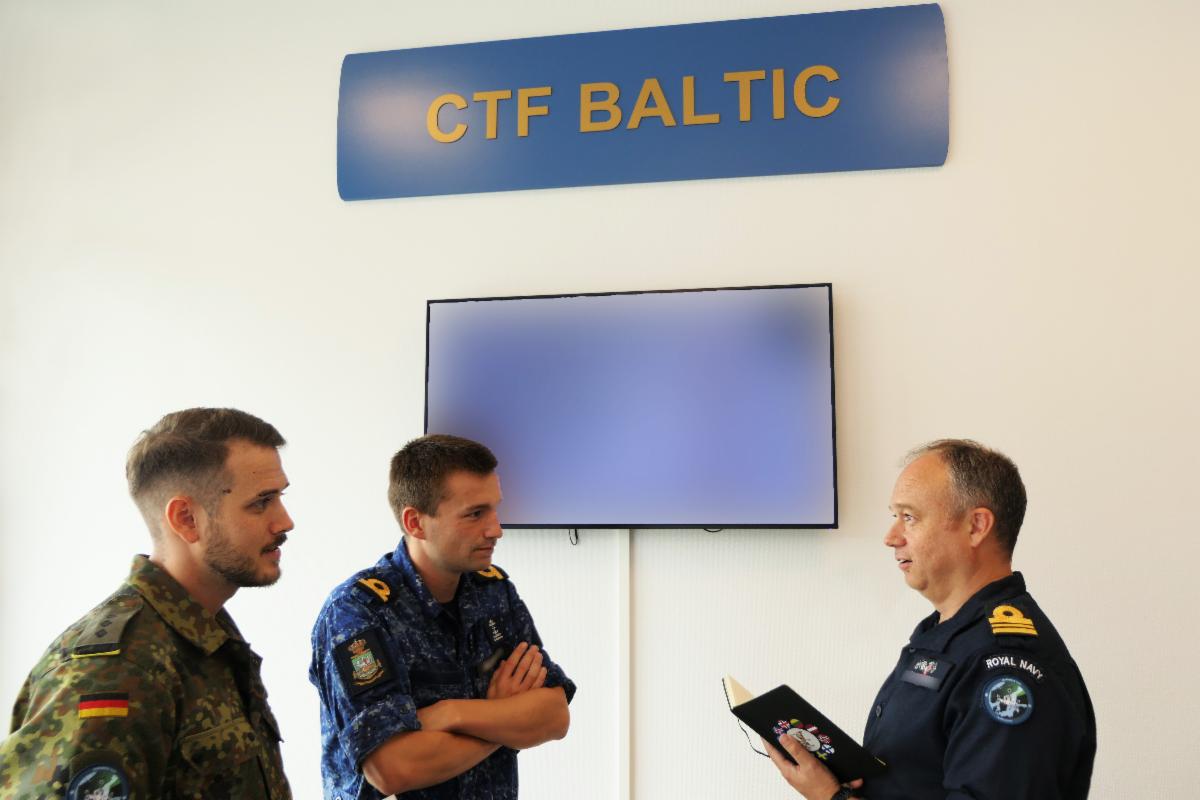
| | | TARASSIS enabled coordination with a number of non-JEF partners under the JEF+ construct. Under the banner of NORTHERN COASTS, our German colleagues in CTF Baltic (based in Rostock) coordinated the protection of a UK Strategic Roll on-Roll off ferry. | | Lt Cdr Stuart Willsmore, JEF Operational headquarters | |
Forging unity: TARASSIS showcases the JEF’s ability to respond in a developing crisis
TARASSIS was a large-scale rehearsal of JEF contingency responses across the Northern part of NATO’s area of responsibility. Running over a six-week period during September and October 2025, the activity demonstrated the JEF’s ability to conduct multi domain operational activity during heightened tensions in peacetime and in a transition to crisis.
JEF Response Options were a significant focus. Over the course of TARASSIS, 15 separate JEF Response Options were rehearsed within nine separate activities in seven different nations.
For the UK as the framework nation, TARASSIS was the biggest single contribution to JEF so far. Approximately 1800 UK service personnel were deployed throughout the period.
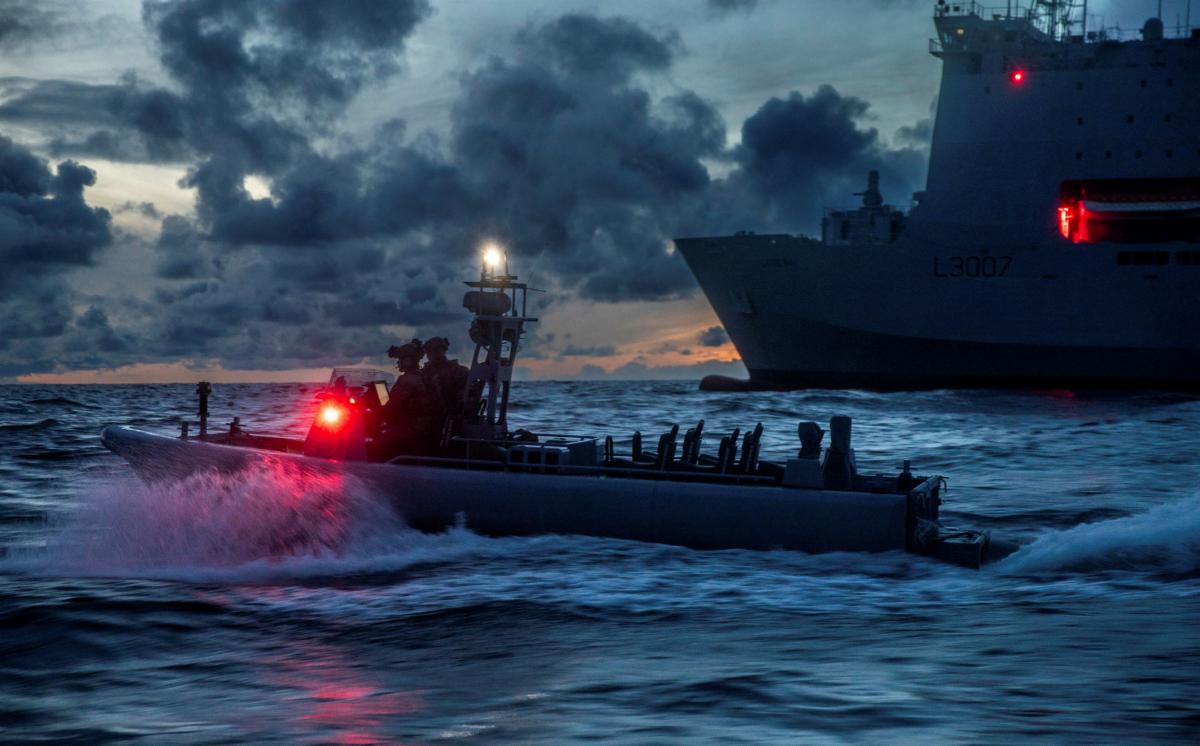
In the High North, UK Royal Marine Commando forces supported by vessels from the Royal Fleet Auxiliary and RAF Typhoons rehearsed amphibious activity alongside Norwegian maritime and land forces under the exercise HILLSTREAM.
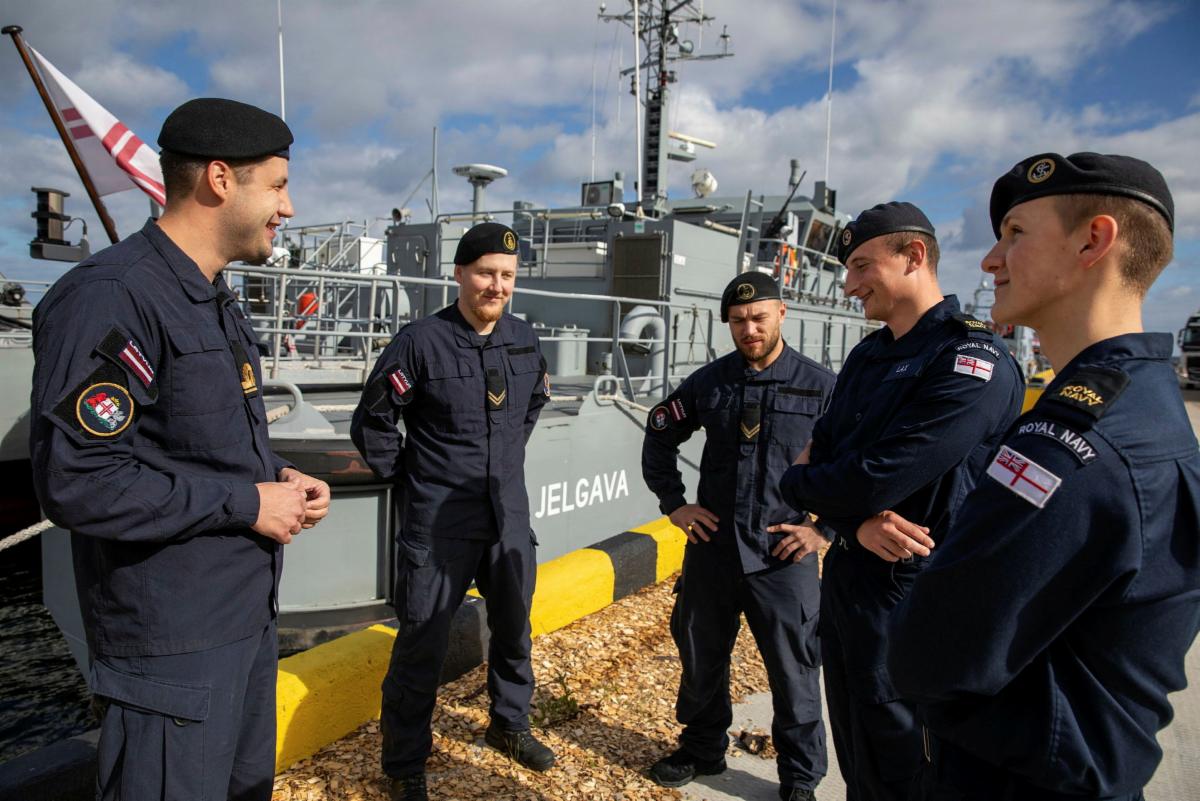
In the Baltic Sea, a detachment of Royal Navy P2000 vessels conducted integration training with JEF partner nations.
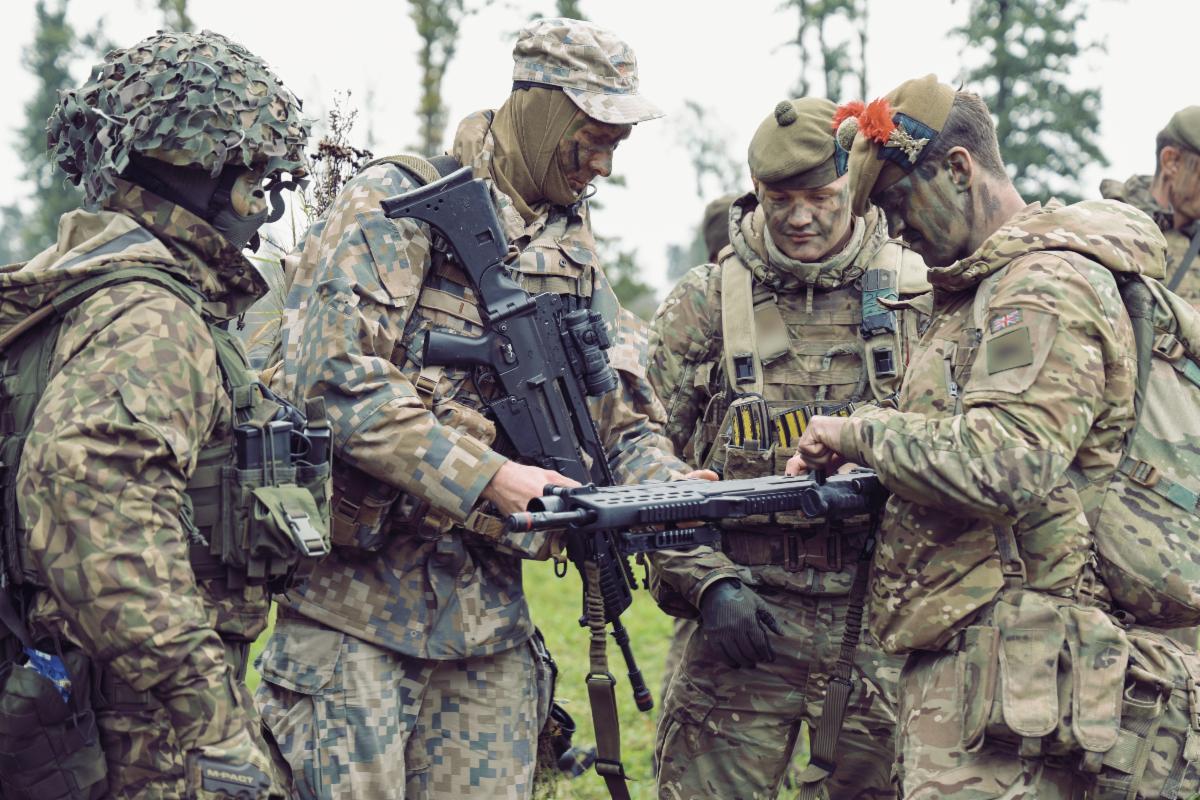
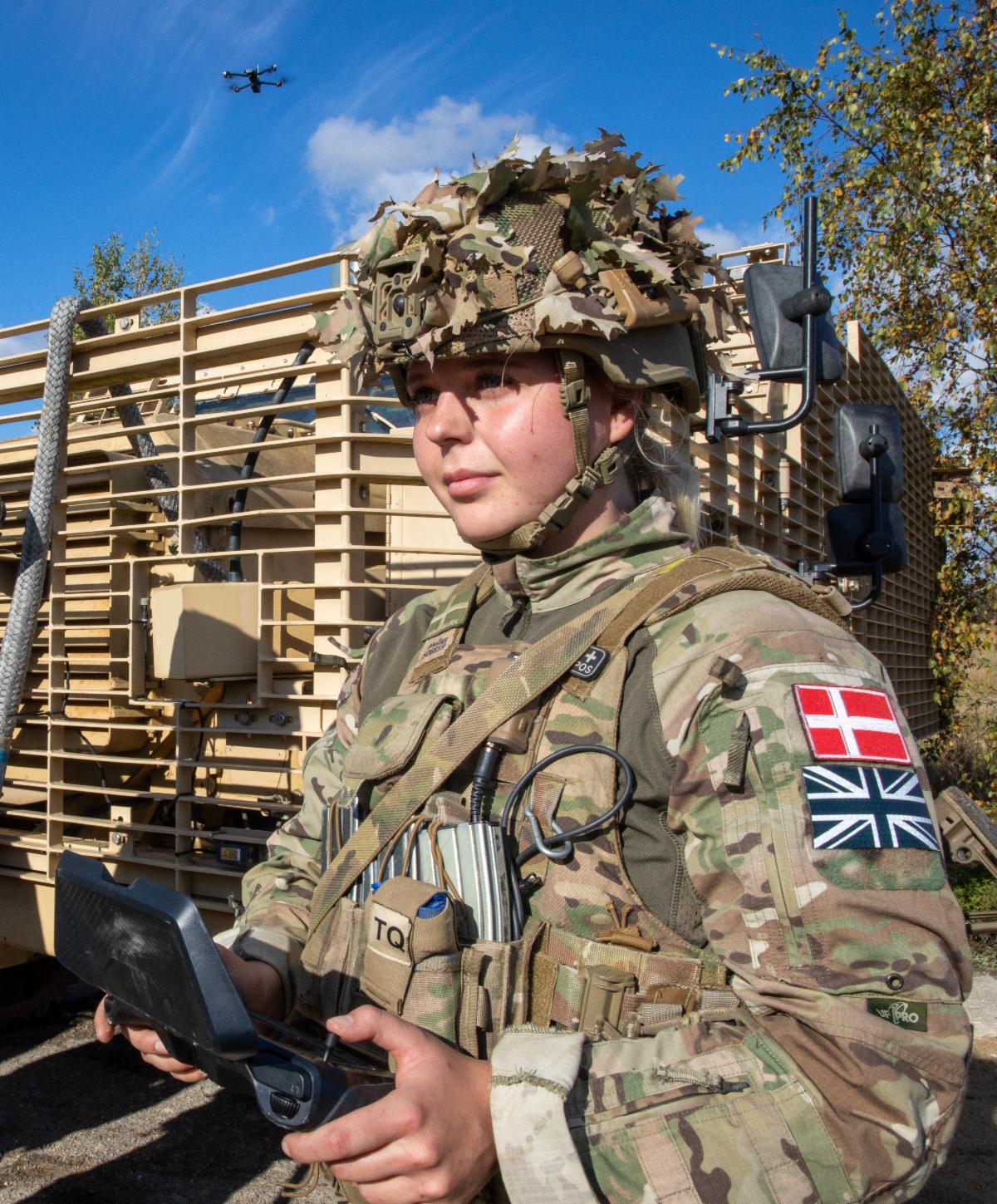
A rehearsal of forward deployment saw the largest deployment of UK personnel to Latvia (850 personnel) since independence. Exercising under the exercises AUSTERE SHIELD and FOREST GUARDIAN, elements from the British Army focused on logistics, theatre enablement and force protection alongside Latvian forces.
In the Air domain, Sweden, Finland and Denmark exercised defensive and offensive counter air operations over land and the Eastern Baltic.
As well as coordinating TARASSIS, the JEF Operational Headquarters in Northwood was able to exercise command and control by commanding UK land forces in Latvia. Personnel from the HQ also provided a JEF angle to the Latvian National Defence rehearsal within the national exercise NAMEJS and supported a force protection survey in Iceland.
Importantly, TARASSIS also enabled coordination with a number of non-JEF partners under the JEF+ construct. Under the banner of NORTHERN COASTS, our German colleagues in CTF Baltic (based in Rostock) coordinated the protection of a UK Strategic Roll on-Roll off ferry. Within Latvia, TARASSIS activity included co-operation with Canadian and Italian forces.
TARASSIS, backed up by extensive JEF strategic messaging, was by any measure a significant milestone for the JEF and demonstrated the utility of the JEF in a pre-crisis environment. Lessons and analysis will be taken forward into 2026 and onwards, as we look forward to LION PROTECTOR and ongoing development of JEF response options.
| | | LtCol Ivars Stivrins, member of JEF OPT at SJFHQ, the JEF's operational headquarters in London | |
TARASSIS and NAMEJS 2025: JEF Readiness in Practice Across Latvia and Northern Europe
This autumn, the Joint Expeditionary Force (JEF) strengthened its role in Northern European security through Exercise TARASSIS, a coordinated series of multi domain activities across the Baltic Sea region and the High North. Rather than a single event, TARASSIS functioned as a dispersed readiness initiative, bringing together JEF nations to rehearse rapid reaction, mobility and cooperation in a pre Article 5 environment, where early signalling and swift decision making are essential.
In Latvia, TARASSIS centred on two major UK led activities: AUSTERE SHIELD and FOREST GUARDIAN. AUSTERE SHIELD focused on engineering and force protection, with British and Latvian troops practising rapid runway and road repairs, airfield recovery and mobility support—capabilities critical for sustaining operations under pressure. FOREST GUARDIAN addressed hybrid threat scenarios and host nation support, strengthening coordination between military units, civil defence structures and local authorities. Both activities reflected Latvia’s comprehensive defence model, where military and civilian systems must operate seamlessly during crises.
A key operational highlight was the arrival of JEF forces through Liepāja, which served as a primary entry point for Allied personnel and equipment. British engineering units, logistics elements and military convoys disembarked at the port before moving inland to training areas. This movement tested real world procedures for receiving reinforcements, protecting critical infrastructure and coordinating between port authorities, the National Armed Forces and municipal services. The smooth execution demonstrated Latvia’s ability to support large scale Allied deployments under tight timelines.
TARASSIS was closely aligned with Latvia’s national defence exercise NAMEJS 2025, which brought together the National Armed Forces, State Defence Service soldiers, reservists, Allied contingents and civilian institutions. Within NAMEJS, a command post exercise rehearsed national level crisis management and whole of government coordination, strengthening Latvia’s Article 3 responsibilities of resilience, national defence and continuity of government. During this CPX, JEF nations also used the evolving scenario to test and validate elements of the JEF Response Options (JRO), ensuring that decision making, force activation and coordination procedures functioned effectively as the situation escalated.
Crucially, the combined training environment illustrated how a crisis could evolve from pre Article 5 posture, through robust national defence under Article 3, and—if required—transition toward a broader Allied response consistent with Article 5. This progression demonstrated how JEF rapid reaction capabilities complement national structures and can serve as a bridge to full NATO reinforcement.
Together, TARASSIS and NAMEJS 2025 showcased the strength of regional partnerships and the practical value of the JEF framework in safeguarding stability across Northern Europe.
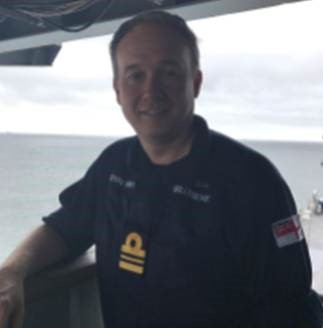
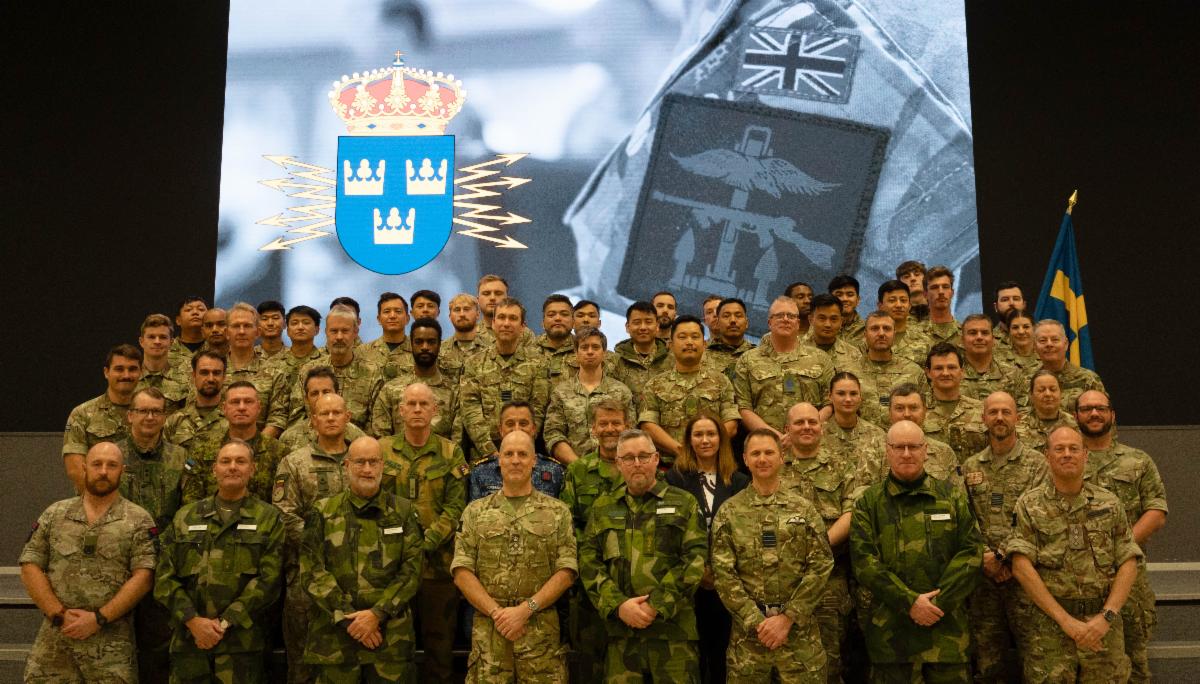
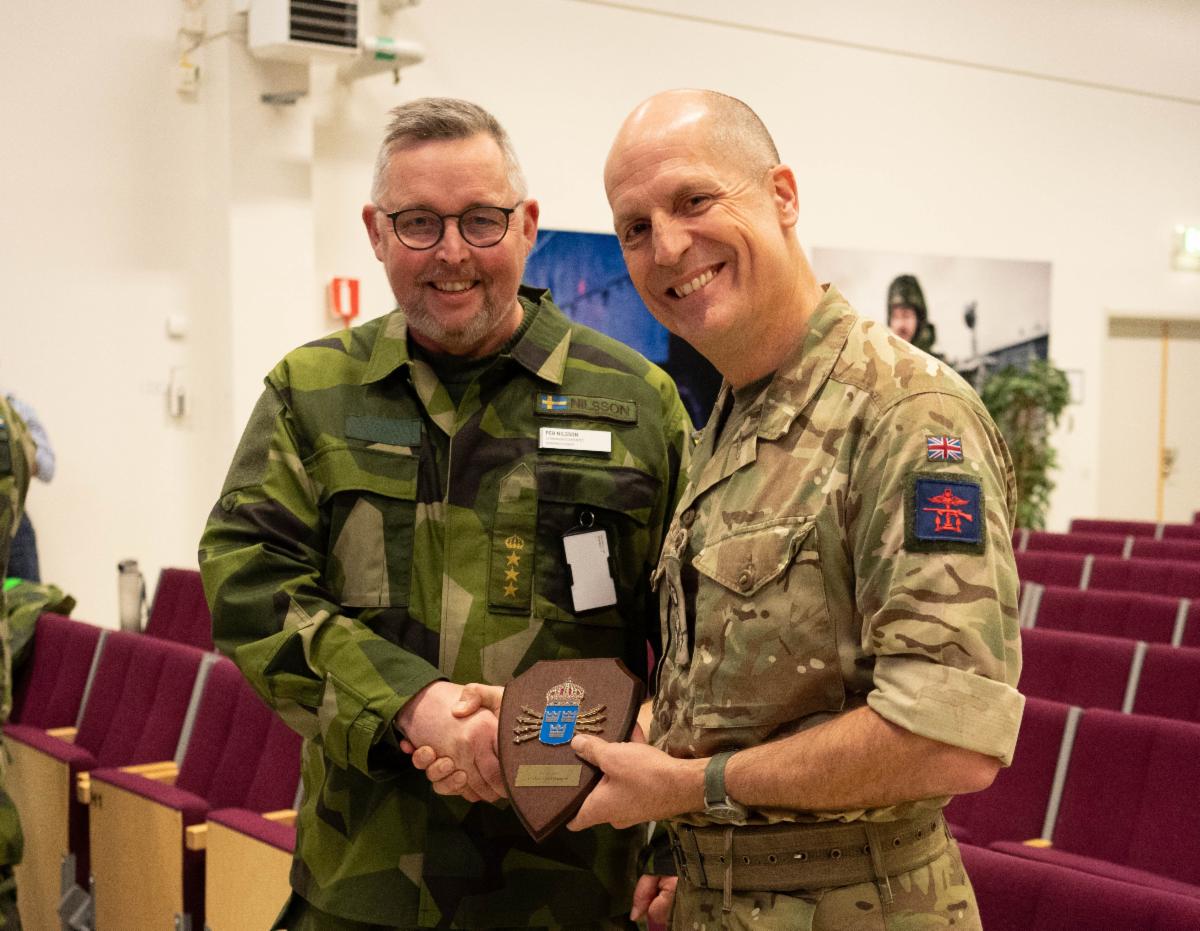
| | | The UK’s Standing Joint Force Logistic Component (SJFLogC) established a National Support Element (NSE) in Sweden for JOINT VENTURE 25, collocated with a SJFHQ Forward Headquarters comprising planners from across JEF nations. | | Maj Matt Newman, Executive Officer, JEF Operational Headquarters | Colonel Per Nilsson and Brigadier Rich Hallett during the deployment to Sweden. | |
JOINT VENTURE 25: Demonstrating JEF Agility, Cohesion, and Article 3 Readiness
Taking place in November and December 2026, Exercise JOINT VENTURE 25 (JV25) was a test exercise for the Standing Joint Force Headquarters (SJFHQ), designed to assess its ability to command, deploy, and integrate forces at short notice while operating as the Joint Expeditionary Force’s Operational Headquarters. Within this framework, JV25 demonstrated the JEF’s ability to respond rapidly and cohesively to an emerging crisis. Designed as a short-notice “snap” deployment, the exercise planners deliberately withheld destination details until execution.
Under the direction of SJFHQ, the UK’s Joint Force Headquarters (JFHQ) deployed Operational Reconnaissance and Liaison Teams (OLRTs) to embassies in Latvia, Lithuania, Estonia and Finland. These teams set the theatre, built situational awareness, and enabled rapid multinational integration with host nations. In parallel, JFHQ deployed an Early Entry Headquarters to Latvia, providing an initial forward command presence and accelerating the establishment of effective command and control in theatre.
Concurrently, the UK’s Standing Joint Force Logistic Component (SJFLogC) established a National Support Element (NSE) in Sweden, collocated with a SJFHQ Forward Headquarters comprising planners from across JEF nations. This forward presence provided a focal point for multinational planning and coordination at pace, demonstrating the value of trusted relationships and shared procedures.
The success of JV25 was underpinned by exceptional cooperation from JEF partners. Rapid diplomatic clearances enabled seamless cross-border movement, while Latvia’s support in hosting the Early Entry Headquarters in Riga and Sweden’s flexibility in hosting the NSE and Forward Headquarters at Forsvarsmakten Ledningsregementet in Enköping, both at very short notice, exemplified the spirit of JEF collaboration.
Operationally, JV25 tested several core capabilities: the development of a crisis response plan focused on de-escalation; the deployment and resilience of communications systems; the integration of Palantir’s Mission Information Platform to support planning and tracking; and the readiness and adaptability of multinational staff operating under compressed timelines.
JV25 also reinforced JEF’s contribution to NATO Article 3, strengthening national and collective resilience through rapid mobilisation, forward command and control, and multinational planning. The exercise reaffirmed SJFHQ’s role as the JEF Operational Headquarters and demonstrated that JEF remains a credible, agile force, ready to generate timely options and act decisively in support of Euro-Atlantic security.
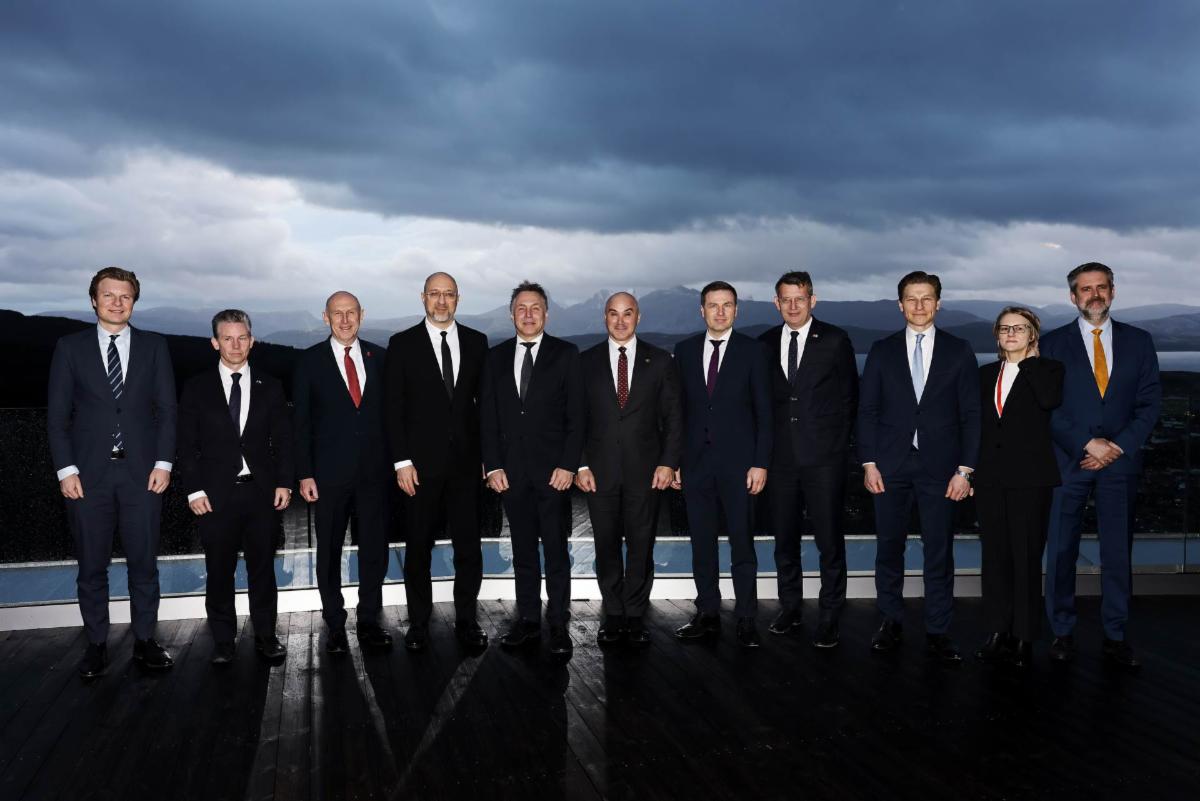
| | | JEF Defence Ministers and senior representatives in Bodø, Norway. Photo: Regjeringen.no. | |
Enhanced Partnership with Ukraine launched at Defence Ministers meeting
Defence Ministers and senior representatives of the Joint Expeditionary Force met in Bodø, Norway from 4-5 November 2025. This was the first JEF Defence Ministers meeting to be held in the High North, demonstrating the JEF’s focus on the region. The ministers reaffirmed their shared commitment to European security and stability, strengthened their support to Ukraine and continuous effort to understand and respond to regional security challenges together.
As part of the meeting, the JEF Participant Nations signed an updated Comprehensive Memorandum of Understanding (CMOU) which reflected the shift in JEF following accession of Finland and Sweden into NATO. The CMOU also sets out the scope for entering into “Enhanced Partnerships” between the JEF and other nations. The Ukrainian Minister of Defence was invited to take part in the meeting, formally launching the Enhanced Partnership between the JEF and Ukraine.
The JEF-Ukraine partnership is expected to see JEF deliver training for the Ukrainian armed forces, and closer collaboration on protection of critical underwater infrastructure, drones, battlefield medicine, and methods for countering disinformation.
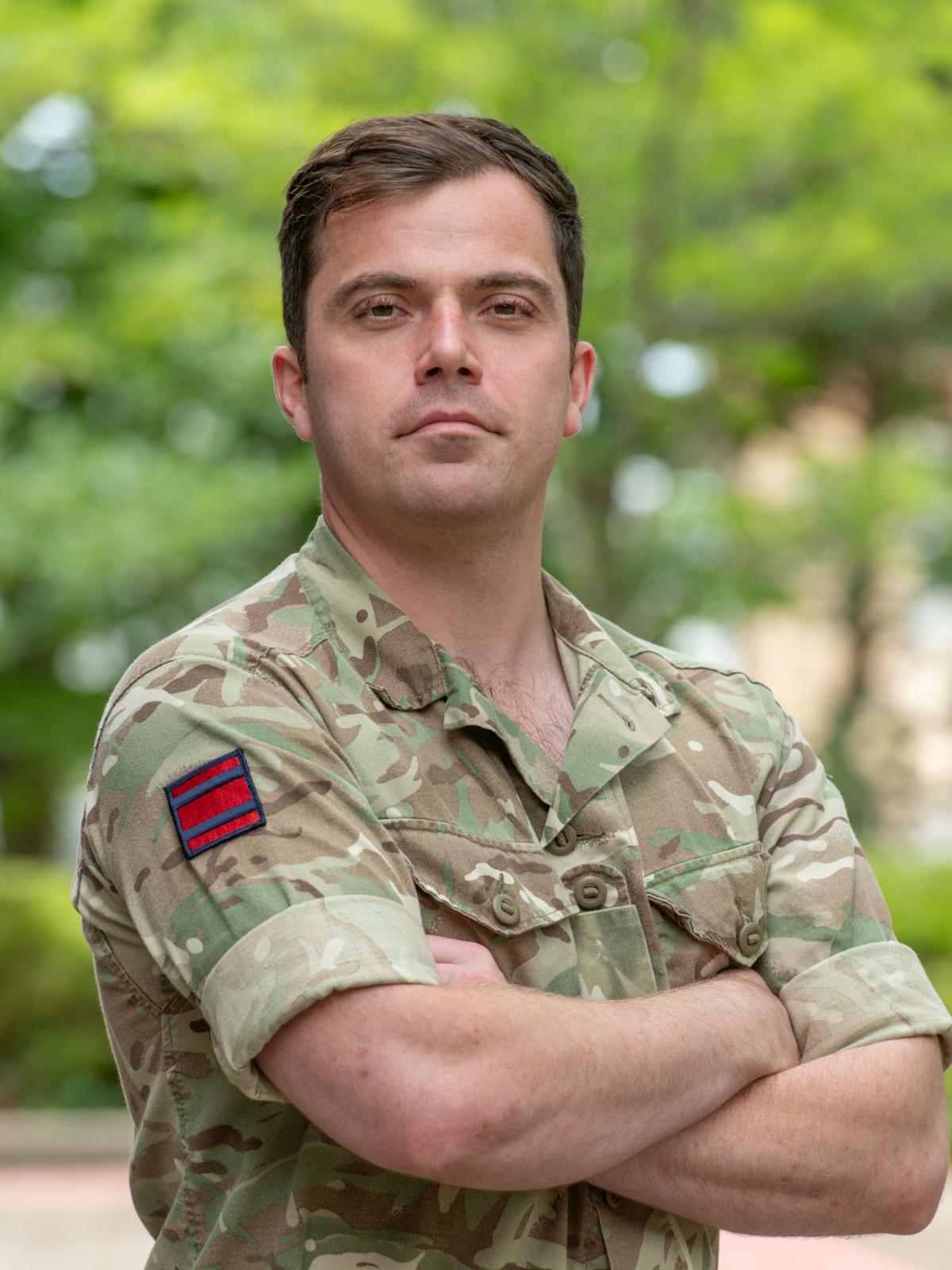
| | | Harry Andrews, Assistant Head, Joint Expeditionary Force, UK Ministry of Defence | |
JEF in 2026: Evolving our role in a changing world
Happy New Year to all,
My name is Harry Andrews, and I am delighted to introduce myself as the (relatively) new Assistant Head within the UK Ministry of Defence (MOD) with responsibility for the Joint Expeditionary Force (JEF). As we begin a new year, I’d like to share some reflections on the UK’s growing ambitions for the JEF and its vital role in strengthening security across our region.
The JEF has always been a forward-leaning coalition of ten like-minded nations, united by shared values and a commitment to Euro-Atlantic security. Over the past year, the UK has taken deliberate steps to elevate the JEF’s role within our defence and security architecture. By embedding it within the UK’s Euro-Atlantic Security Policy team—alongside our work with NATO, the EU, and the OSCE—we are ensuring the JEF is central to our efforts to address the challenges of today and tomorrow. This reflects the UK’s deep commitment as the JEF’s Framework Nation, as reaffirmed in last year’s Strategic Defence Review, and our determination to see the JEF evolve as a cornerstone of regional security complementary to NATO.
The world has changed significantly since the JEF was established over a decade ago. The threats it was designed to address—whether from state aggression or hybrid warfare—have only grown more complex and urgent. In this context, the UK is committed to ensuring the JEF remains a flexible, responsive, and effective force, capable of acting decisively in times of crisis. My role has been created to provide senior, dedicated policy leadership within the UK system, working closely with military colleagues in the MOD and the Standing Joint Force Headquarters (SJFHQ). Together, we are focused on ensuring the JEF continues to deliver tangible results and remains a trusted and capable partnership in support of NATO.
What has struck me most during my time in this role is the JEF’s remarkable unity. While its opt-in nature allows each nation to decide its level of participation, the JEF has consistently acted with cohesion and resolve. This reflects the strength of our shared values, mutual trust, and collective determination to safeguard our region. To adapt a familiar phrase: keep your friends close, and your closest friends closer. The JEF embodies this principle, bringing together nations that share not only geography but also a deep commitment to each other’s security and prosperity.
As we look to the future, the UK is committed to working with our JEF partners to build on this success. Together, we will ensure the JEF remains a vital force for good, ready to meet the challenges of our time and to protect the security and prosperity of our nations as part of NATO.
If you’d like to learn more about the JEF or have any questions, please don’t hesitate to get in touch with our team here in the UK.
Wishing you all a safe and successful year ahead.
| | | Upcoming JEF events and activities | | |
Events
JEF week - March 2026
JEF Leaders Summit - March 2026
Activities
TAMBER SHIELD - April - May 2026
LION PROTECTOR - September 2026
| | The Standing Joint Force Headquarters (SJFHQ) in London operates the Joint Expeditionary Force, as UK is the framework nation. | |
About the JEF
The Joint Expeditionary Force was formally launched as a NATO initiative at the September 2014 Wales Summit, under the then new “Framework Nations Concept”.
The JEF is a framework of ten like-minded Northern European nations focused on mutual support and cooperation. By collaborating, training, and operating together, JEF enhances collective capability and develops interoperability. In turn, through persistent activity and signature exercises, the JEF demonstrates its readiness to act as a collective and whilst being prepared to support NATO as the ultimate security guarantor for the region.
The JEF Participant Nations are: Denmark, Estonia, Finland, Iceland, Latvia, Lithuania, the Netherlands, Norway, Sweden and the UK which is the Framework Nation.
All ten JEF Participant Nations are also members of NATO, with Sweden as the most recent Member State.
All JEF Participant Nations have a Liaison Officer embedded into the Standing Joint Force Headquarters in Northwood, London.
| | | |
Follow JEF on Social Media
#JEFtogether
| | |
|
Copyright Disclaimer: Unless specified, photos published in this newsletter have either been provided by the JEF participant nations' Governments, are available under the terms of the Open Government License, have previously been published on JEFNations Social Media channels, and/or fall under the UK MOD © Crown copyright 2023, published on UK Defence Imagery.
|
| | | |