|
Happy May!
This month, we recognize Community Health Improvement Week. A brief summary on Research on key factor to improve health through housing populations with low incomes illustrates how the work of Habitat for Humanity contributes to positive health outcomes. The U.S. Centers for Disease Control and Prevention, or CDC, identified housing as an important social determinant of health, highlighting the link between where people live and their health. The CDC recognized that people with low incomes and people of color tend to reside in places with more health risks — greater exposure to health hazards within the home and the community, such as lead, mold and toxic pollutants — and face housing cost burdens that encourage housing instability, which can jeopardize the ability to meet their basic needs. Providing access to stable and affordable housing improves health and reduces health care costs. Among households with low incomes, moving into more affordable and stable housing was associated with 18% fewer emergency department visits and 20% more primary care visits, which combined equate to a 12%, or approximately $580, decrease in Medicaid health care expenditures from the previous year.
Removing physical hazards and improving the safety of homes leads to better health for children and the elderly. Removing asthma triggers, such as pests and mold, from homes, coupled with community case management, resulted in decreased health care use and improved quality of life for children. Repairs and modifications to homes, coupled with home visits by a health care provider, resulted in a 30% improvement in the ability of older adults with low incomes to perform daily activities.
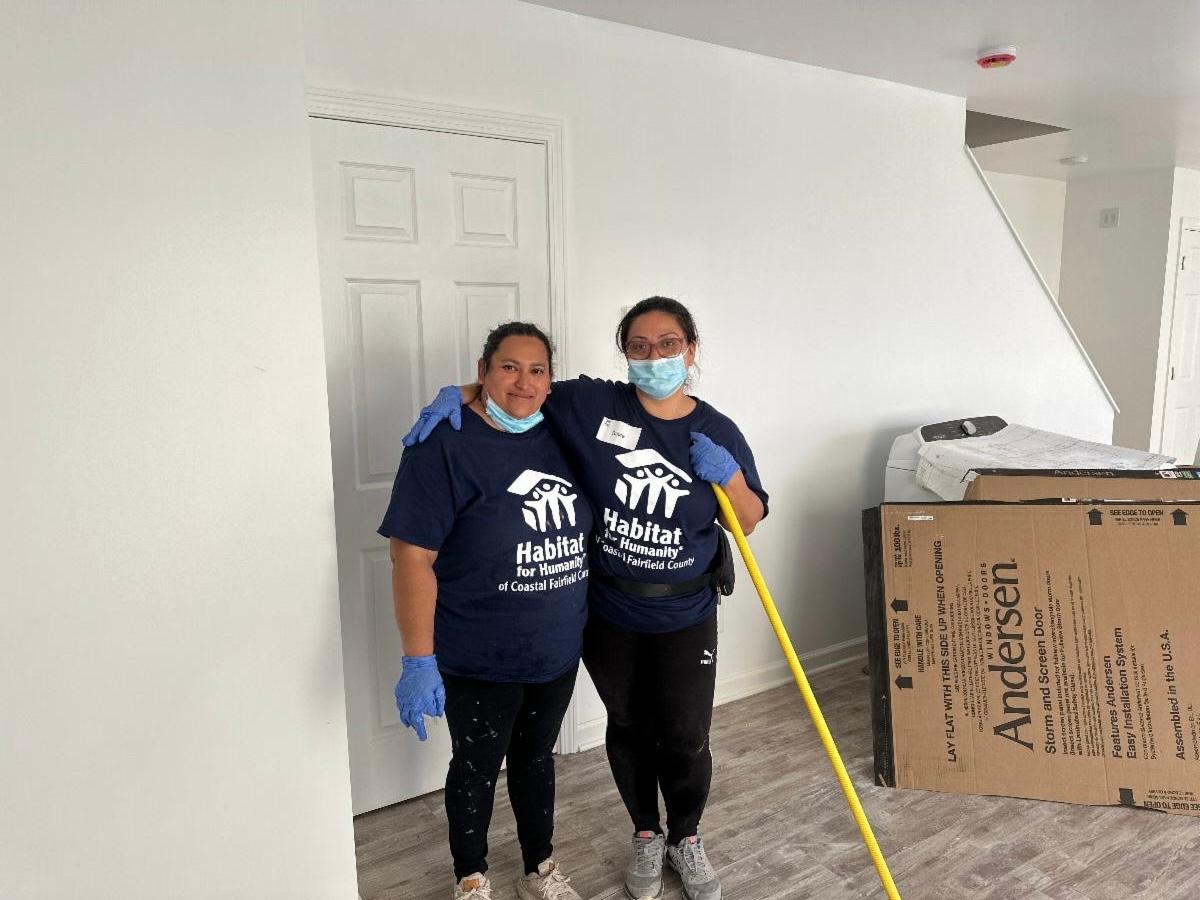
This is one reason why the work that we do at Habitat CFC is so important. We build affordable homes for low-income working families. We are part of the solution by providing healthy homes.
At Habitat CFC, we put God’s love into action by bringing people together to build homes, communities, and hope.
Blessings!
|