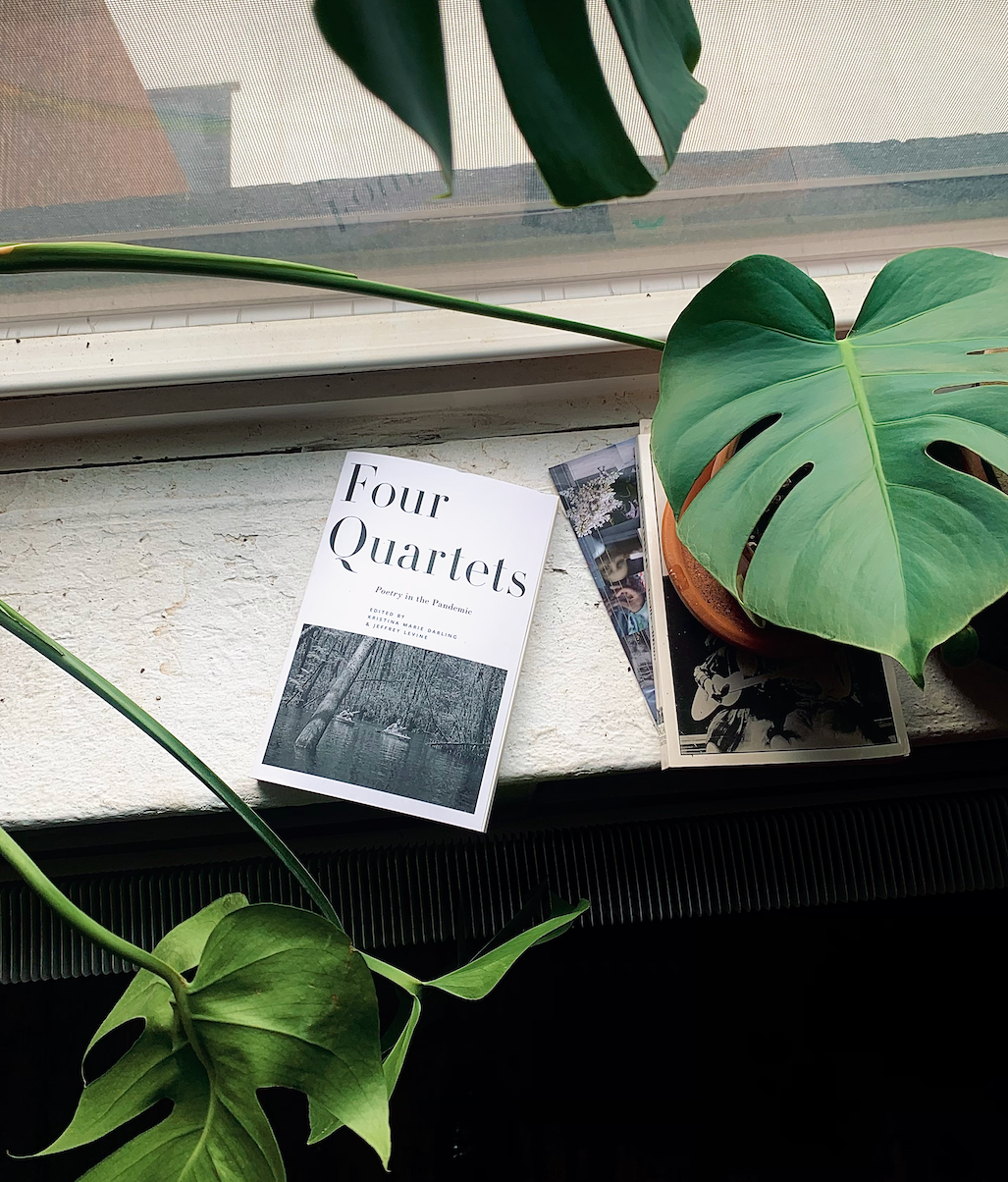
Six of our newest releases by women writers at Tupelo Press: |
|
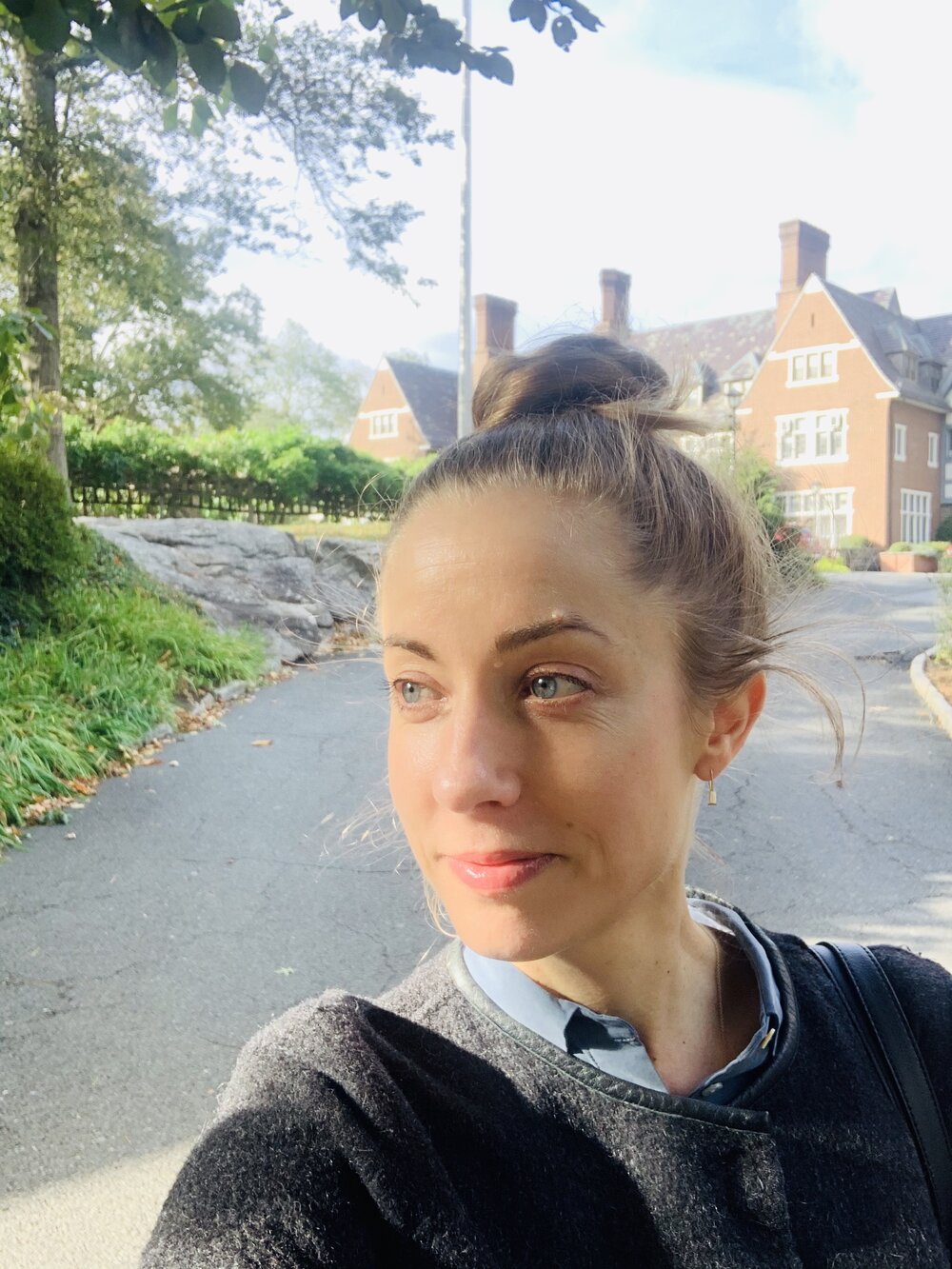
Chloe Honum is the author of The Tulip-Flame, selected by Tracy K. Smith for the Cleveland State University Poetry Center First Book Prize and named a finalist for the PEN Center USA Literary Award, and the chapbook Then Winter. She is the recipient of Pushcart Prize, a Ruth Lilly Fellowship, and a Grimshaw Sargeson Fellowship. Raised in Auckland, Aotearoa New Zealand, she is currently an Assistant Professor of Creative Writing at Baylor University.
|
|
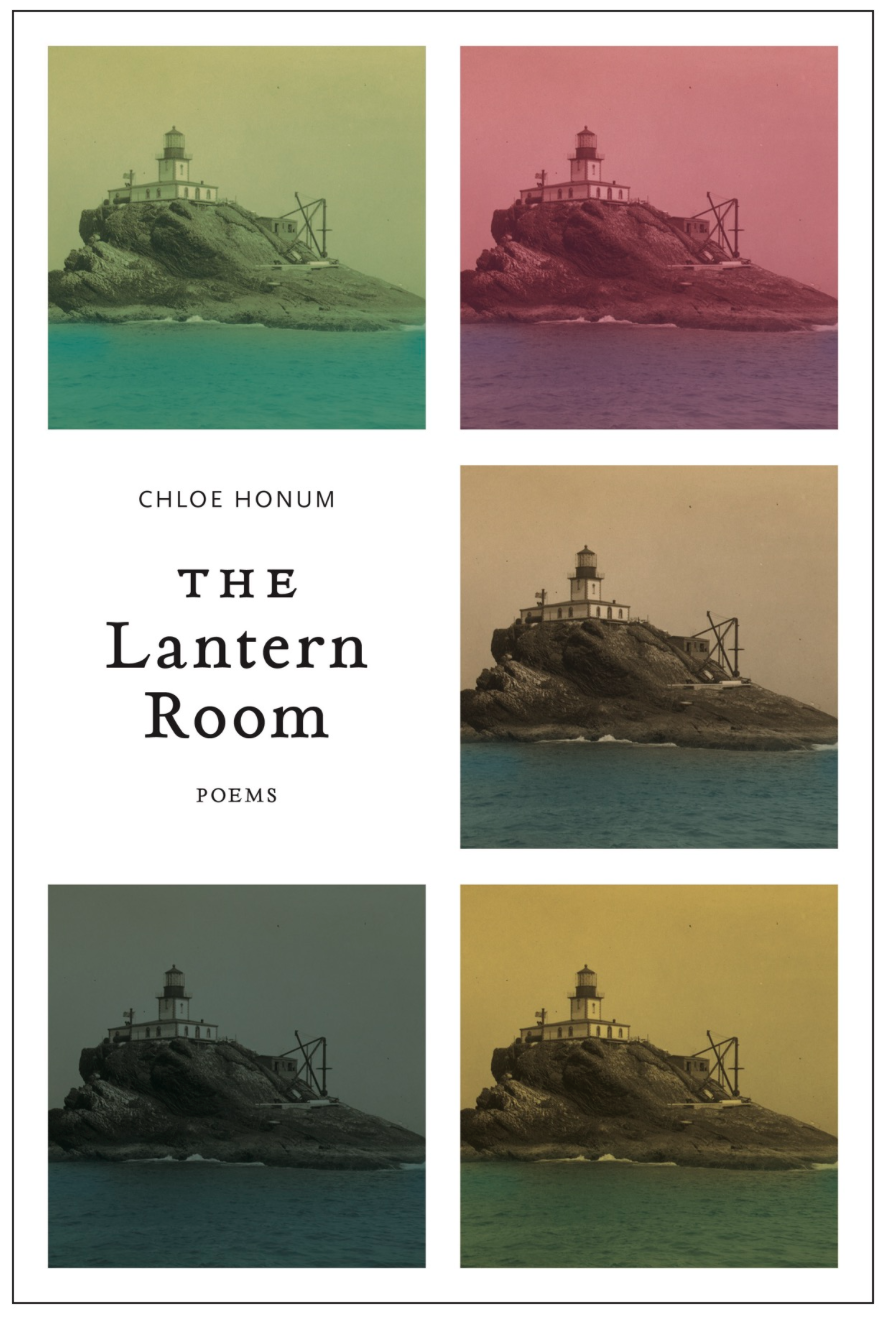
“In The Lantern Room, her exquisite new collection, Chloe Honum moves, as her poems do, with range, precision, and astonishing beauty. Honum’s speaker travels across Arkansas motel to motel, missing a beloved, and in the book’s crown jewel, ‘The Common Room,’ chronicles an out-patient hospitalization in a psychiatric ward. The collection closes with sublime meditations on the speaker’s mother’s death: ‘How will I live without her?’ How, indeed. This book is that survival, and more than that, an extraordinary mind pressing through language to speak so deeply, so startlingly, the reader is made larger to receive its enormous gift: ‘But I have rain in my hair. This much is true. Let me bring it to you.’”
—Allison Benis White
|
|
Iliana Rocha is the 2019 winner of the Berkshire Prize for a First or Second Book of Poetry for her newest collection, The Many Deaths of Inocencio Rodriguez, forthcoming from Tupelo Press. Karankawa, her debut, won the 2014 AWP Donald Hall Prize for Poetry (University of Pittsburgh Press, 2015).
|
|
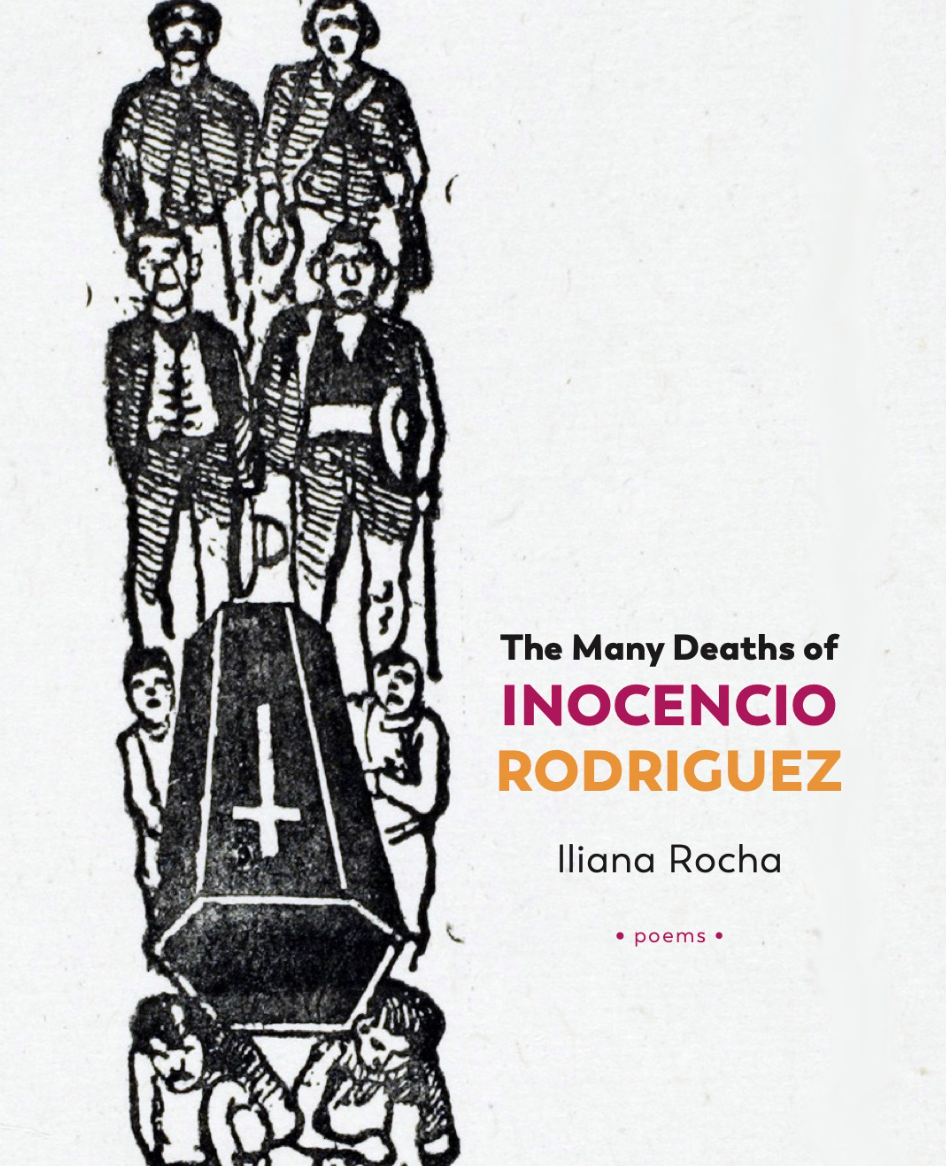
The Many Deaths of Inocencio Rodriguez chronicles an obsession with the 1971 unsolved murder of Rocha’s grandfather while interrogating the true crime genre, tabloid culture, immigrant identity, the phenomena of missing and murdered women, troubled relationships with law enforcement, and the intersection of prose and poetry. Because the details of his death were (and are) terribly unclear, part of how the family reconstructed him was to share the different accounts heard over the decades, and this collection attempts to pin down these shifts and contours through destabilizing form and genre. Each speaker reconfigures a past mysterious and tenuous, clouded by distance, language, and time in order to demonstrate how Inocencio Rodriguez defies a single narrative. |
|
The recipient of a 2020 CantoMundo fellowship and 2019 MacDowell Colony fellowship, she has had work featured in the Best New Poets 2014 anthology, as well as Oxford American, The Nation, Virginia Quarterly Review, Latin American Literature Today, RHINO, Blackbird, and West Branch, among others, and she serves as Poetry Co-Editor for Waxwing Literary Journal. She earned her PhD in Literature and Creative Writing from Western Michigan University and is an Assistant Professor at the University of Tennessee-Knoxville. |
|
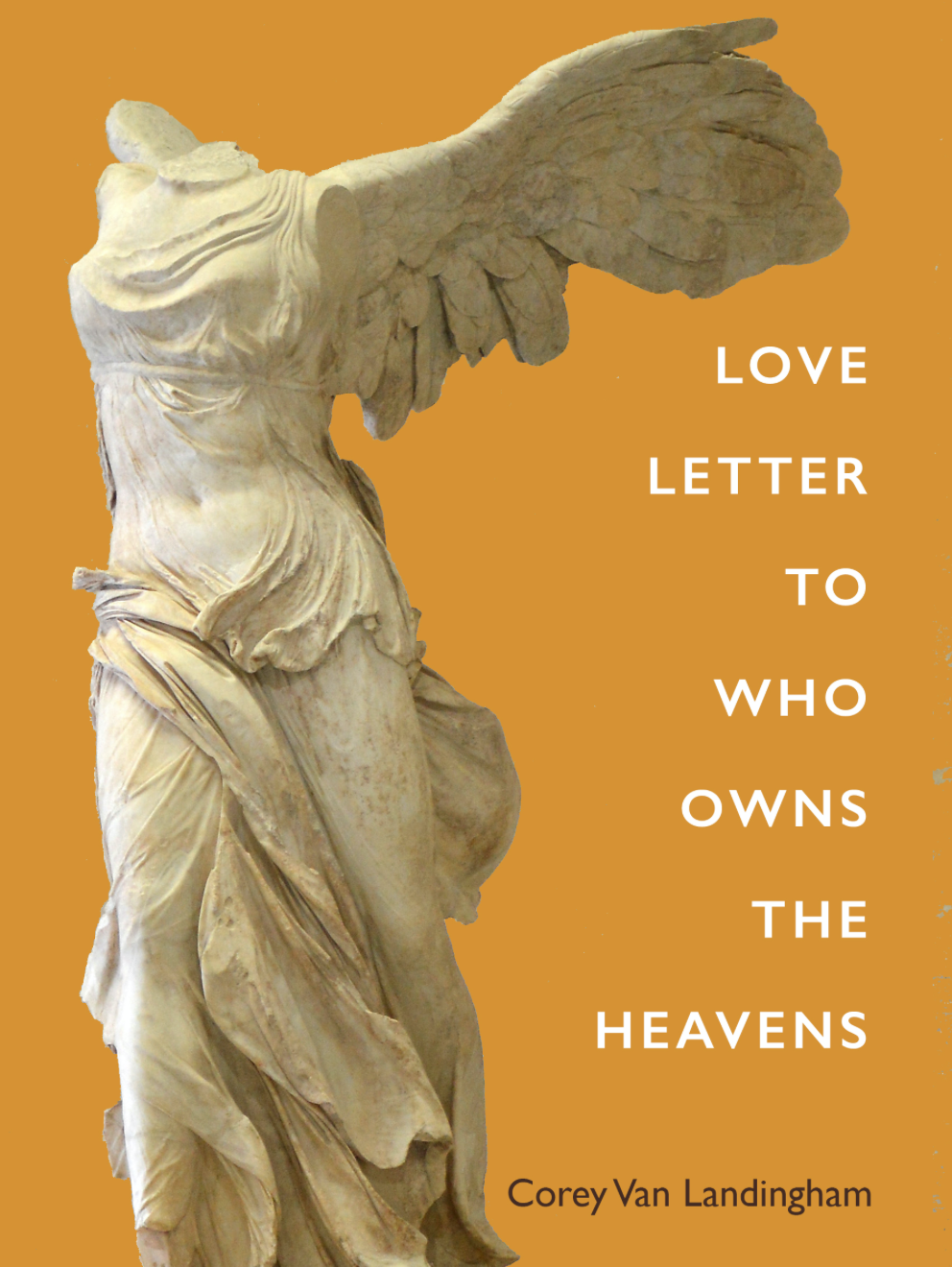
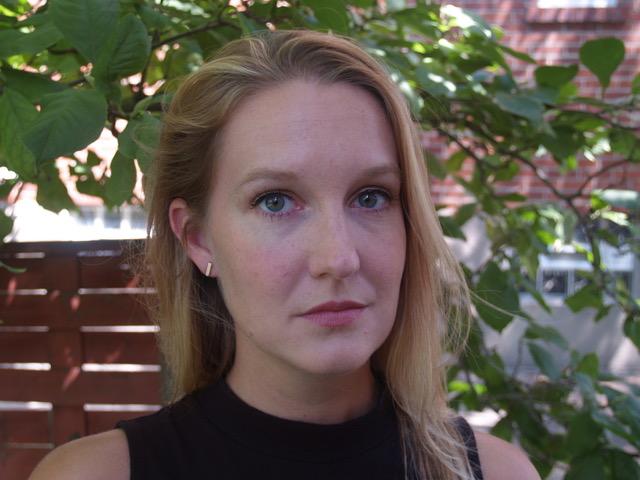
Corey Van Landingham is the author of Antidote, winner of the Ohio State University Press/The Journal Award in Poetry. A recipient of a National Endowment for the Arts Fellowship and a Wallace Stegner Fellowship from Stanford University, she teaches in the MFA program at the University of Illinois.
|
|
Love Letter to Who Owns the Heavens considers the way that the absence of touch—in acts of war via the drone, in acts of love via the sext, in aesthetics itself—abstracts the human body, transforming it into a proxy for the real.
“What love poem / could be written when men can no longer / look up?” this book asks, always in a state of flux between doubt and belief—in wars, in gods, in fathers, in love. Through epistolary addresses to these figures of power and others, these poems attempt to make bodies concrete and dangerous, immediate and addressable, once again.
|
|
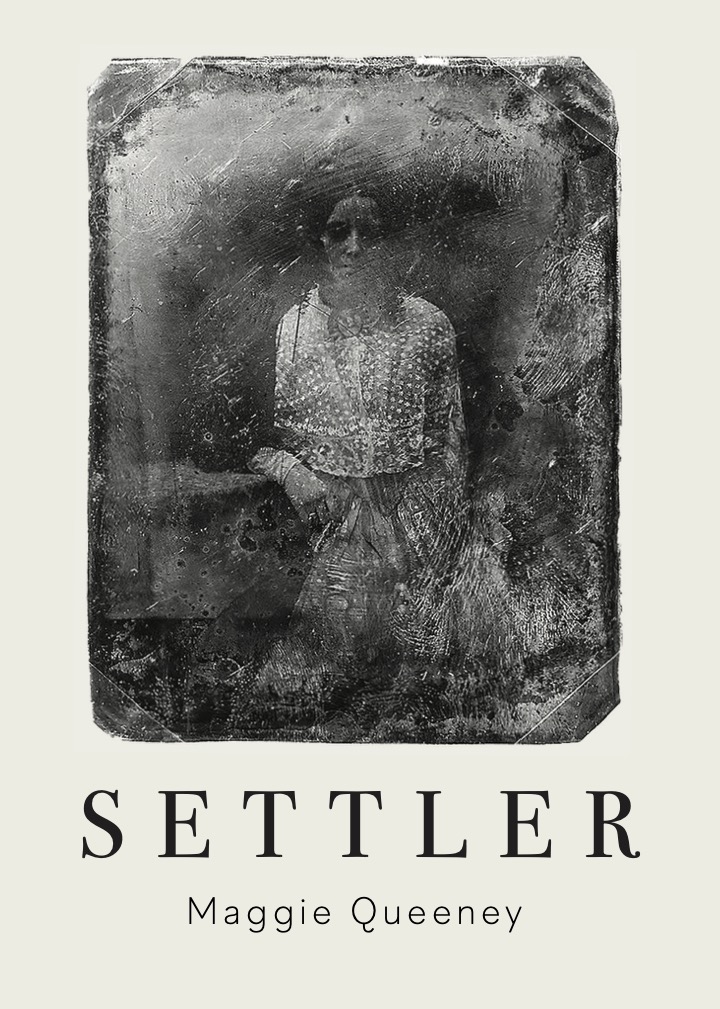
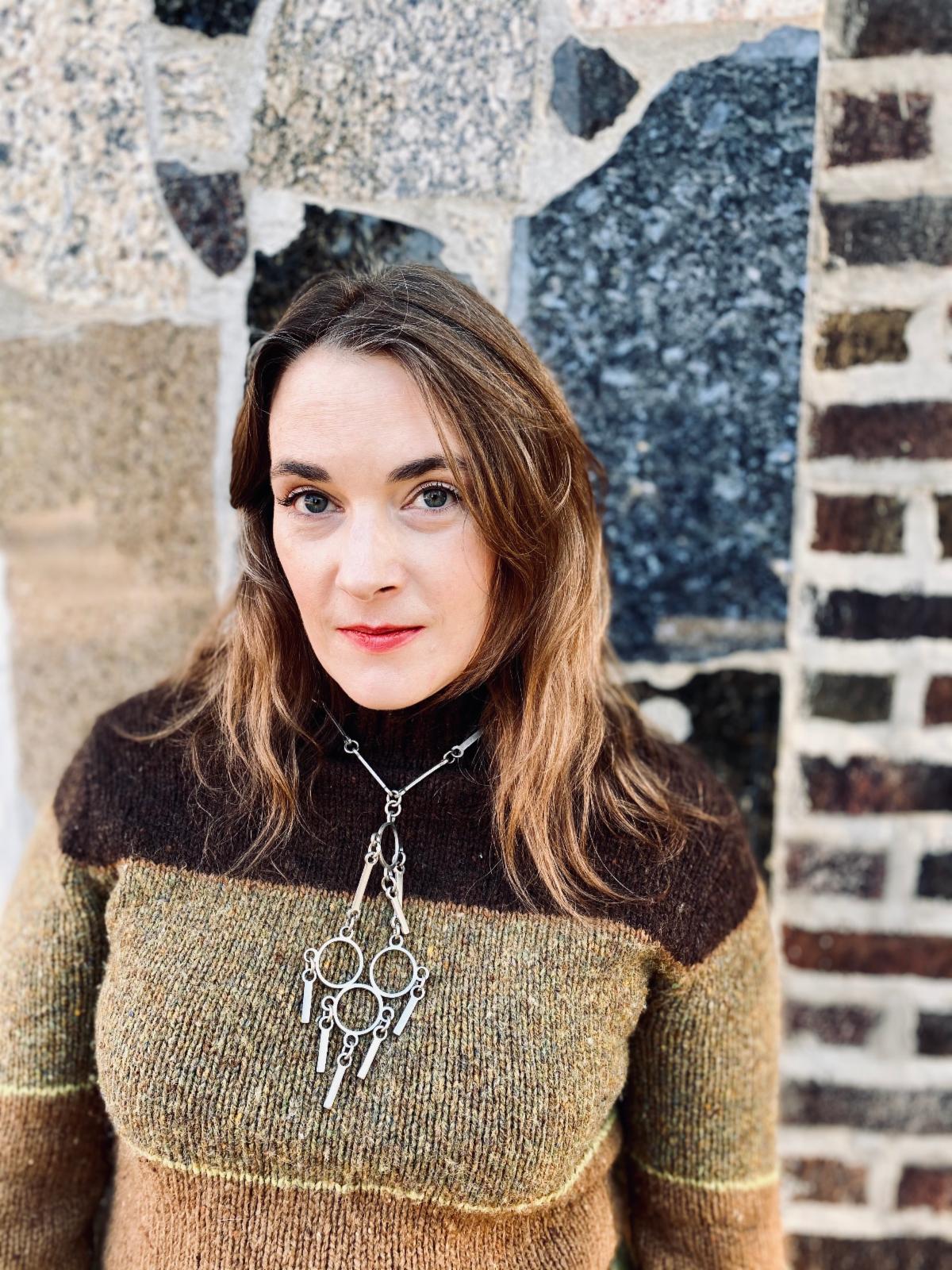
Maggie Queeney is a writer, visual artist, and educator. Recipient of the 2019 Stanley Kunitz Memorial Prize, The Ruth Stone Scholarship, and a 2019 Individual Artists Program Grant from the City of Chicago, her recent work can be found in Hayden’s Ferry Review, Colorado Review, and American Poetry Review, among others. She reads and writes in Chicago, where she was born.
|
|
These fourteen-line poems give voice to the individual and collective experiences of women. They are windows into a stark otherworld, one filled with the raw materials of experience: sex, birth, cloth, pain. Spare and strange beauty marks the lives and worlds of these women, defined by their struggle for survival in the physical and psychological captivity of the domestic realm. The speaker moves between the singular and plural, sounding out the overlapping experiences of women as both subject and object of the domination inherent in settler colonialism.
|
|
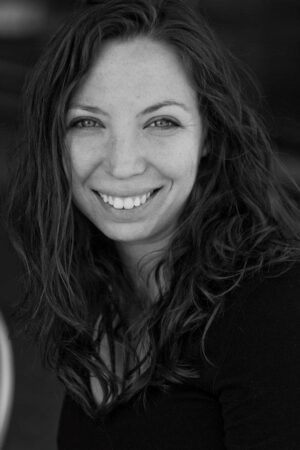
Lisa Hiton holds degrees from Boston University and Harvard University. Her work has appeared in Lambda Literary, The Common, and Kenyon Review, and has been honored with the AWP Kurt Brown Prize. She is Poetry Editor of The Adroit Journal. She is the founder and co-director of Queer Poem-a-Day at the Deerfield Public Library.
|
|
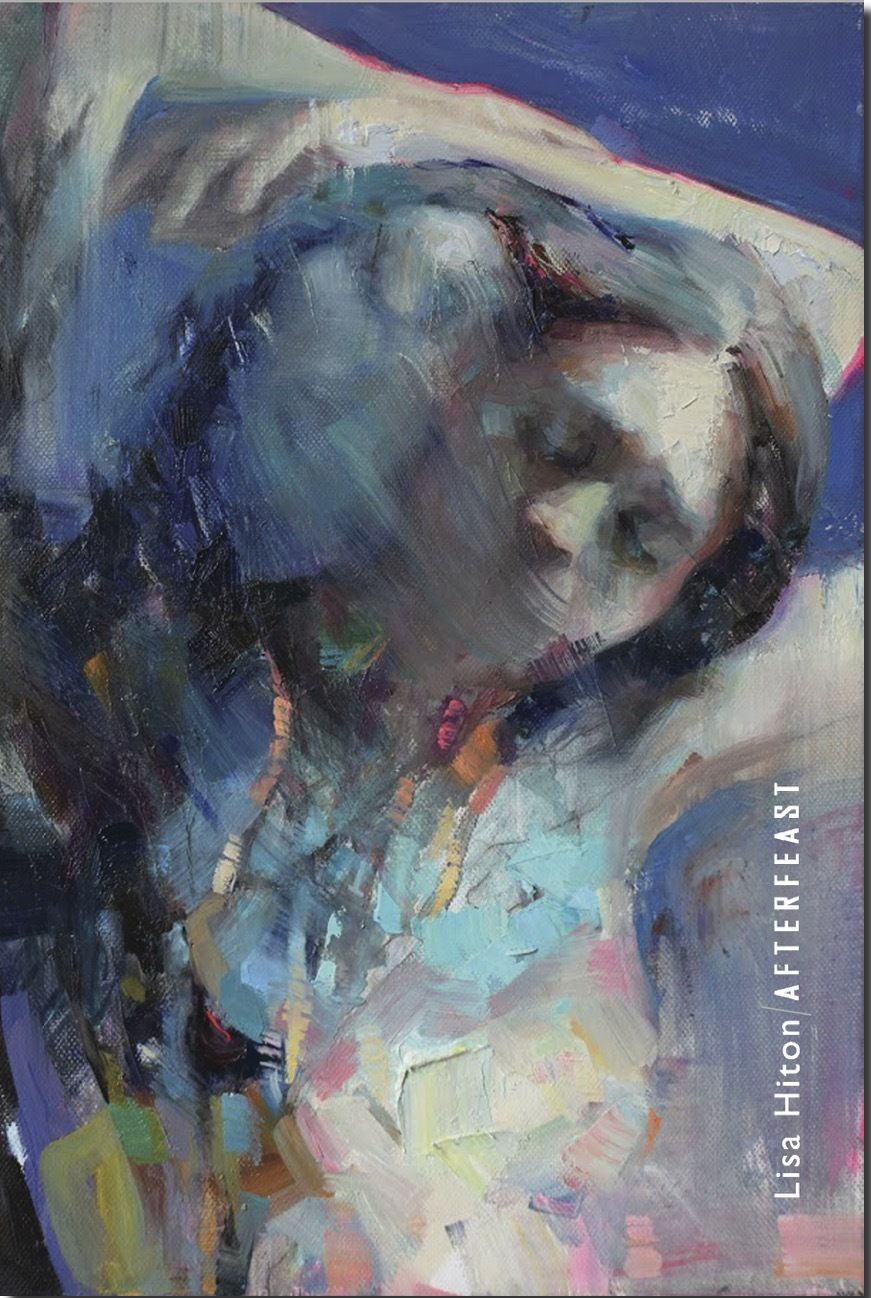
Lisa Hiton’s Afterfeast begins by considering philosophical questions arising from the experience of desire and intimacy: What does love reveal about — and make possible within — the individual? Can we ever truly understand another person’s experience of the world around them? To what extent is the other ultimately inaccessible, a world unto herself? Pillared by massive, ambitious poems in the tradition of Modernism, these lyrics imbue landscapes as varied as Greece and America with new tension, new significance, as the speaker searches for answers to these provocative questions of love and inheritance. Through her graceful curation of imagery and enviable command of narrative, Hiton ultimately transforms our understanding of history and desire.
|
|
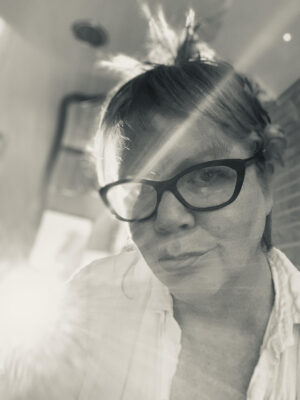
Landon Godfrey is the author of Second-Skin Rhinestone-Spangled Nude Soufflé Chiffon Gown (Cider Press Review), selected by David St. John for the Cider Press Book Award, and two limited-edition letterpress chapbooks, In the Stone (Regional Artist Project Grant-funded) and Spaceship (Somnambulist Tango Press). She has received fellowships from the National Endowment for the Arts and the North Carolina Arts Council. Born and raised in Washington, DC, she now lives in Black Mountain, North Carolina.
|
|
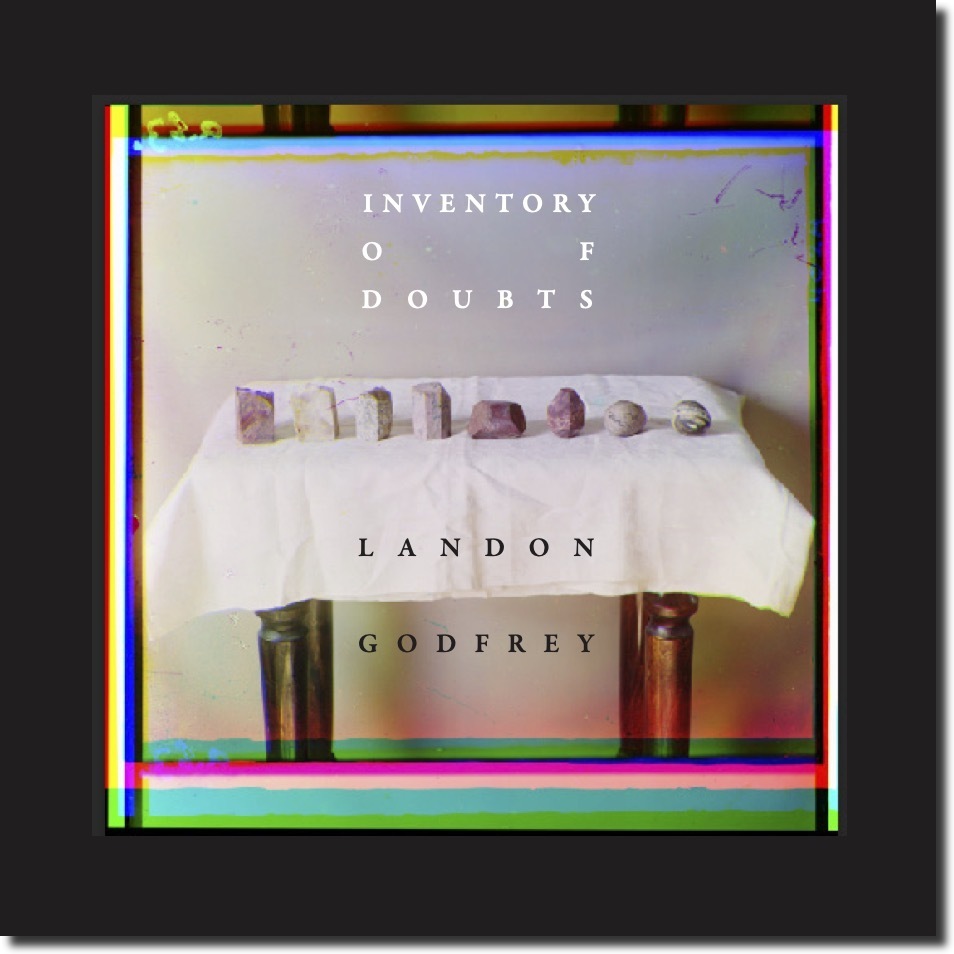
“As we endure the oppressing weight of the Anthropocene Era, its civic and ecological degradations, I found Godfrey’s often funny, sometimes dark, always surprising anthropomorphic swerves a tonic. Inventory of Doubts is a book where a human is just another kind of animal, and a drinking glass is a deeply feeling creature. Godfrey gifts us an intimate world where ‘each time a blanket covers a body, it tries to keep the dusty soul alive through the night.’” —from the Judge’s Citation by Dana Levin
|
|
|
|
|
|
|