https://newyorkpata.org

Lunar New Year Around the World

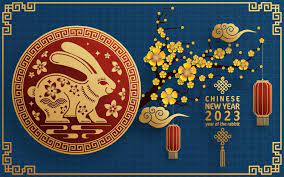
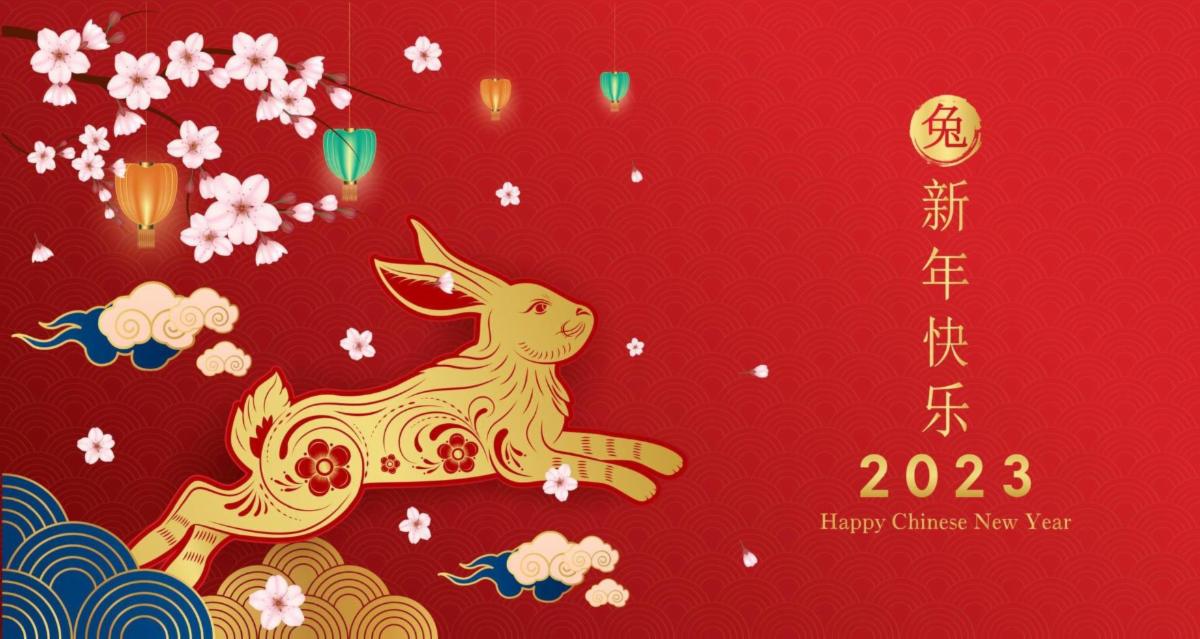
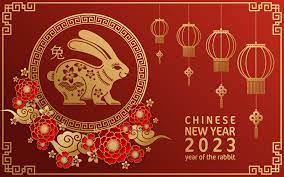
Year of the Rabbit

China


Chinese New Year is celebrated by more than 20% of the world. It’s the most important holiday in China and to people of Chinese ancestry all over the world. It has been celebrated for thousands of years, and the traditions involved are deeply ingrained in Chinese culture. For many, it is also a religious holiday, full of prayers, offerings, and other acts of devotion. The Spring Festival is technically 15 days. But celebrations start on New Year’s Eve (making it 16 days). 


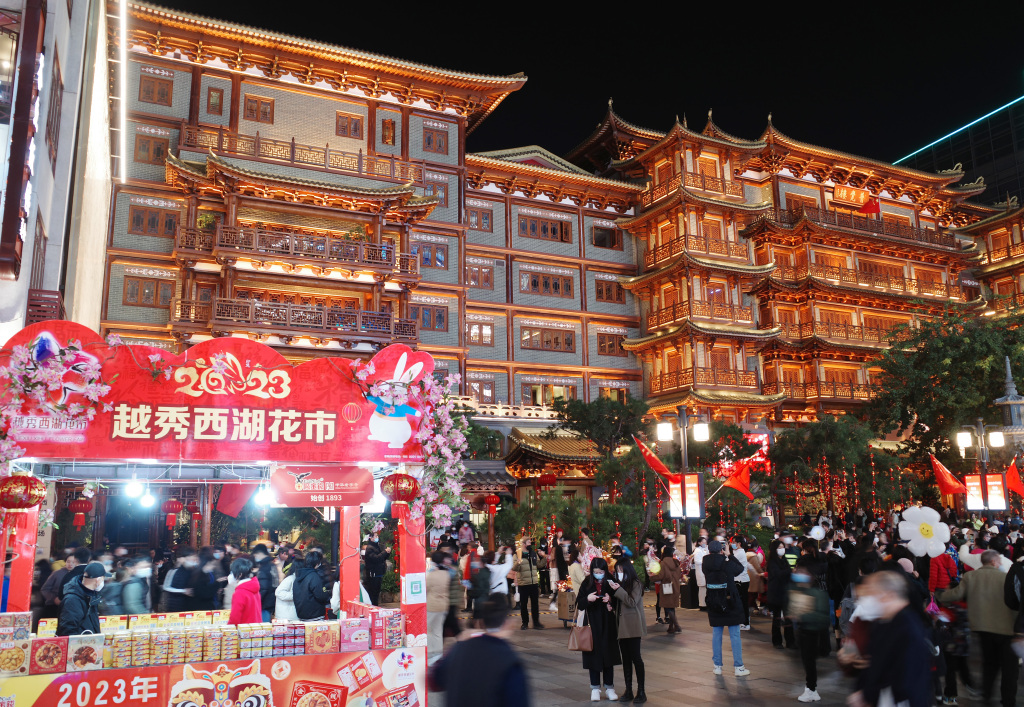
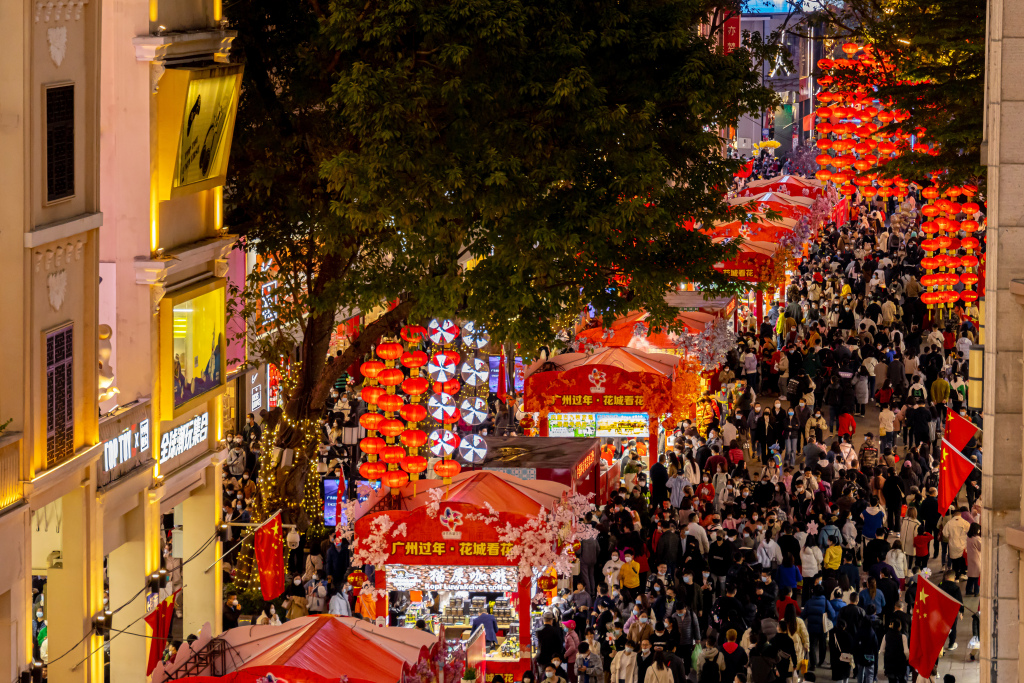
With its profound historical and cultural heritage, the Yuexiu”s West Lake Flower Market known as the “Century-Year Flower Market, is the most representative traditional flower market in Guangzhou. Visitors flock to the West Lake Flower Market as lights brighten up the Yuexiu district. Before the new year, almost every household will go to the flower market to buy all kinds of flowers, and express their blessings for the new year.


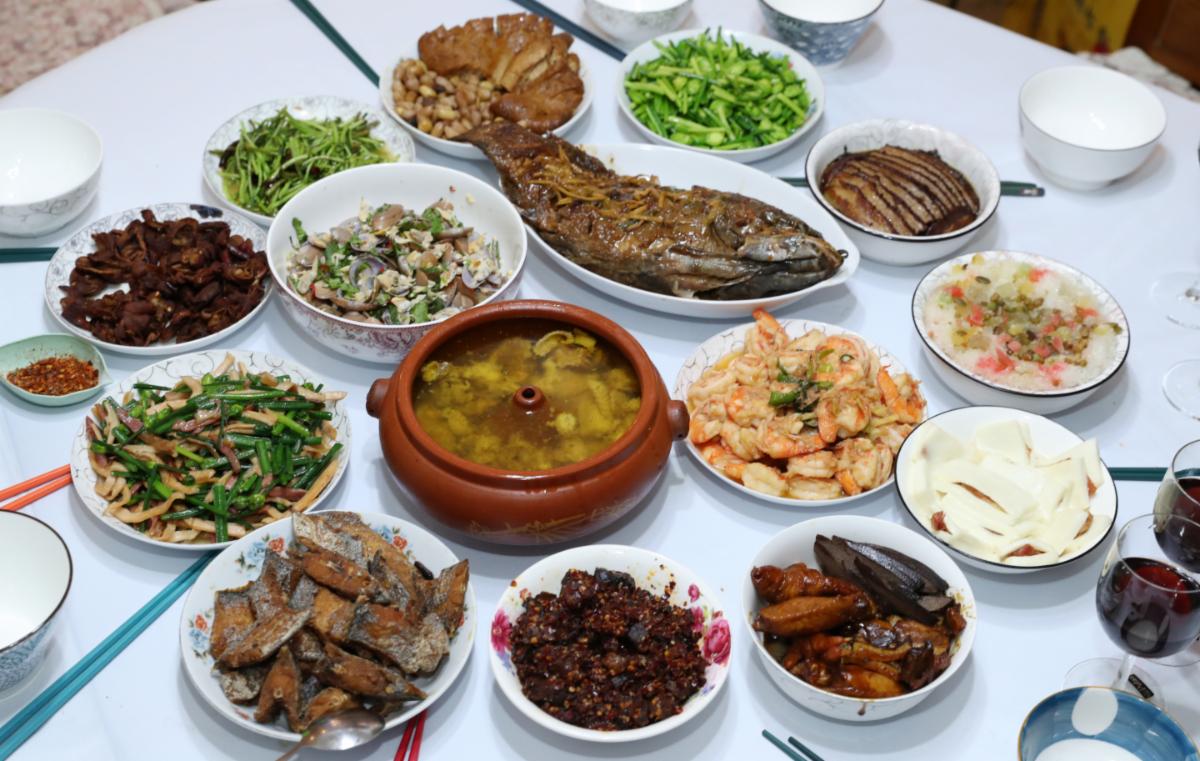
The New Year's Eve dinner or family reunion dinner is the most important meal for Chinese families. A traditional reunion meal consists of at least eight courses (for luck), not including white rice, tea and fresh fruit for dessert. The procession of dishes should include a cold appetizer, soup, three main meat courses, a vegetable dish, noodles, and fried rice.


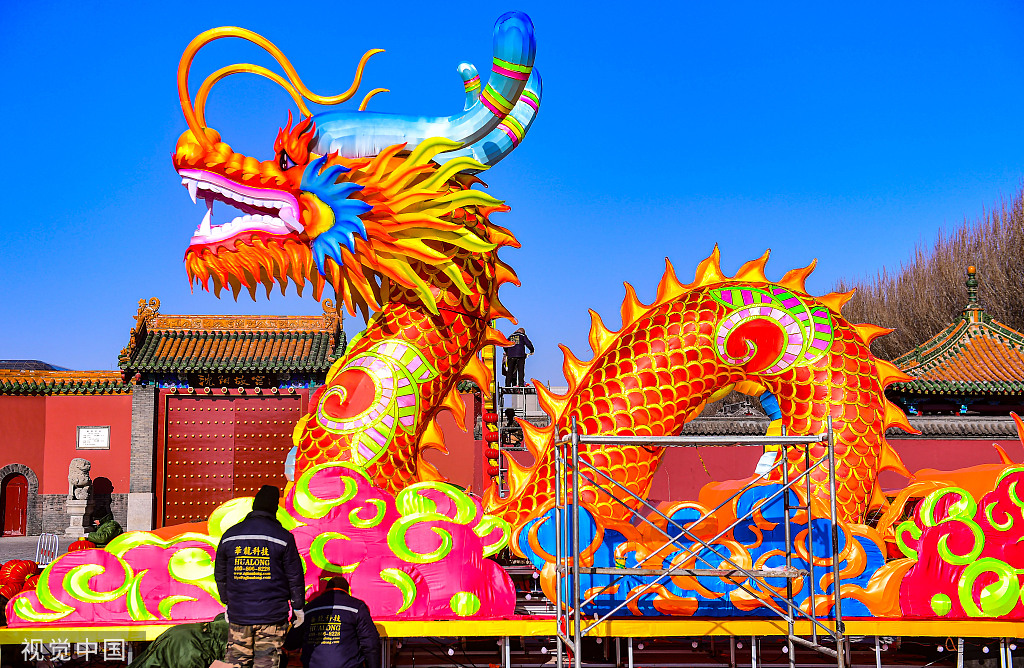
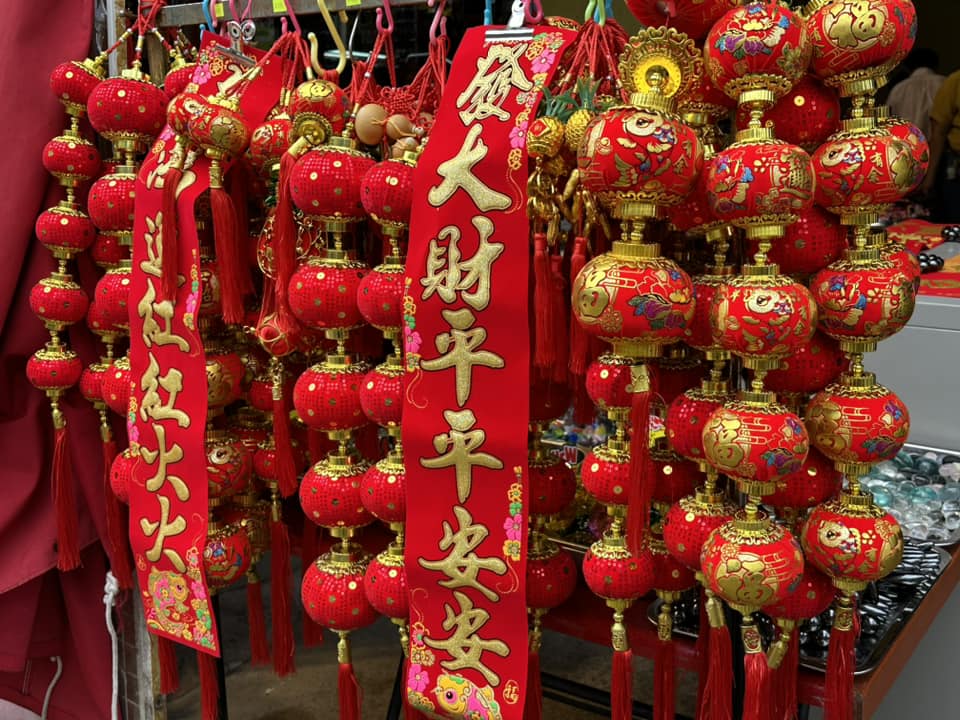
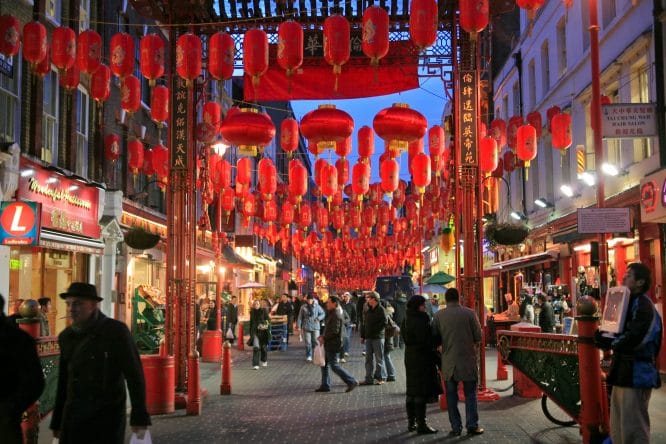
To celebrate the Chinese New Year, people across China prepare for journeys that make up the largest human migration on earth – the Spring Festival travel rush! This year's travel rush is expected to last 40 days, spanning from January 7 to February 15. Festive lanterns of all shapes and sizes are hung in cities across China to welcome the upcoming new year.


Malaysia


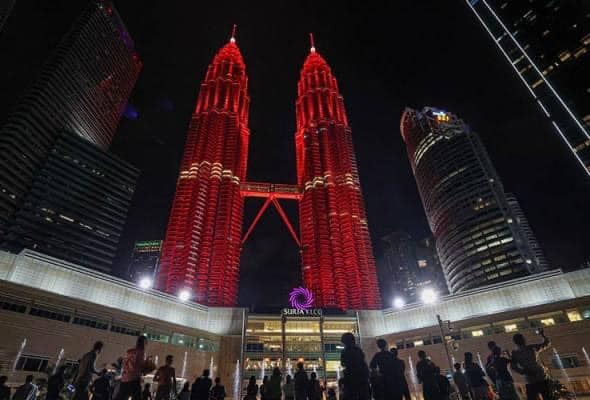
A quarter of the population in Malaysia is of Chinese descent, hence Chinese New Year takes on great importance and is a national holiday. Chinese New Year is also called “Spring Festival” and “Lunar New Year” because it comes in the springtime and is dated based on the Chinese lunar calendar. Malaysia's iconic Thean Hou Temple in Kuala Lumpur lights up some 6,000 red lanterns every night from January 7 to welcome the upcoming Chinese Lunar New Year. Visiting Malaysia is always a fun and interesting experience, but visiting during Chinese New Year makes it even more memorable.

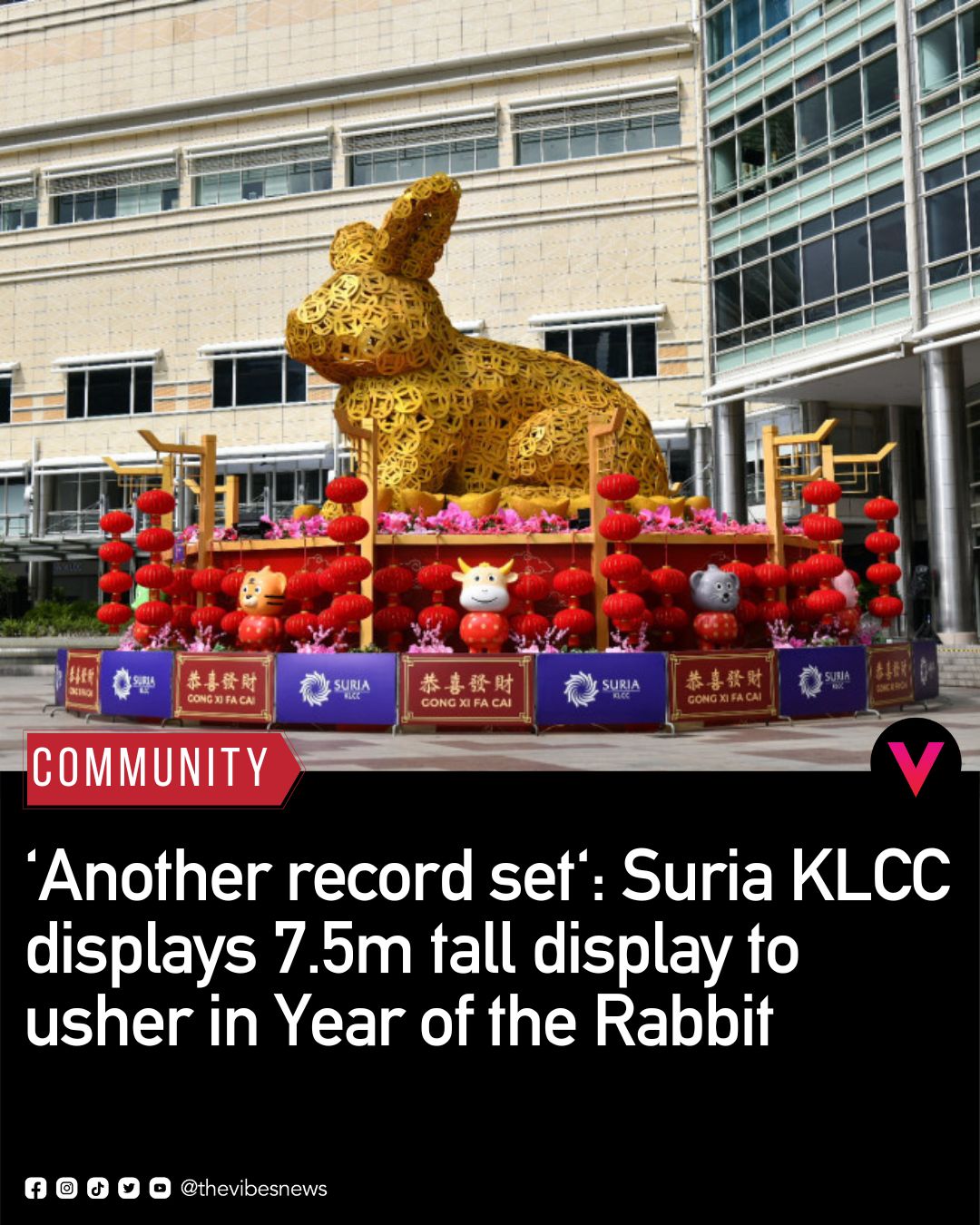
To usher in the Spring Festival, shopping mall Suria KLCC will kick-start the Year of the Water Rabbit in a grand way. The mall will be displaying Malaysia’s Biggest Rabbit Replica made of Gold Coins, as certified by the Malaysia Book of Records 2023.

Read the full story at: http://bit.ly/klcc-ushers-in

Singapore


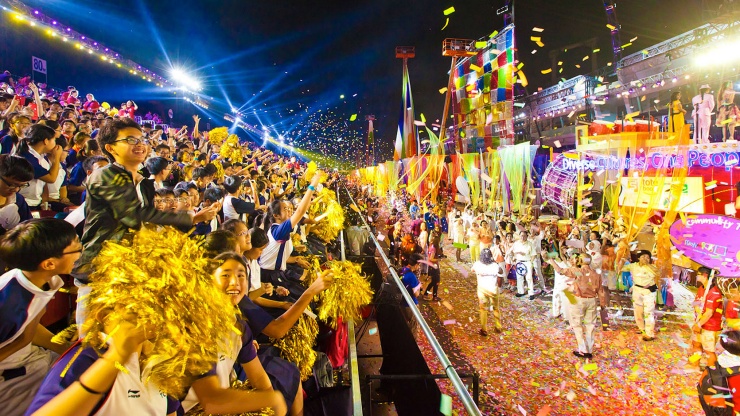
The Chingay Parade is undoubtedly one of the most important events in Singapore especially when its 17-community co-created mini street floats, clowns, dancers, acrobats, jugglers and many other performers can be seen in the celebration of the Chinese New Year.


The origin of the parade is from China, where processions were made in honor of the Lunar New Year for two weeks in preparation for the arrival of spring. Chingay now owns the reputation as one of Asia’s largest street performances and float parade, a colorful epitome of the country’s multicultural society. This wondrous event is celebrated by Chinese, Malays, Indians, and Eurasians alike. Chingay Parade Singapore is back to F1 Pit! 

Vietnam


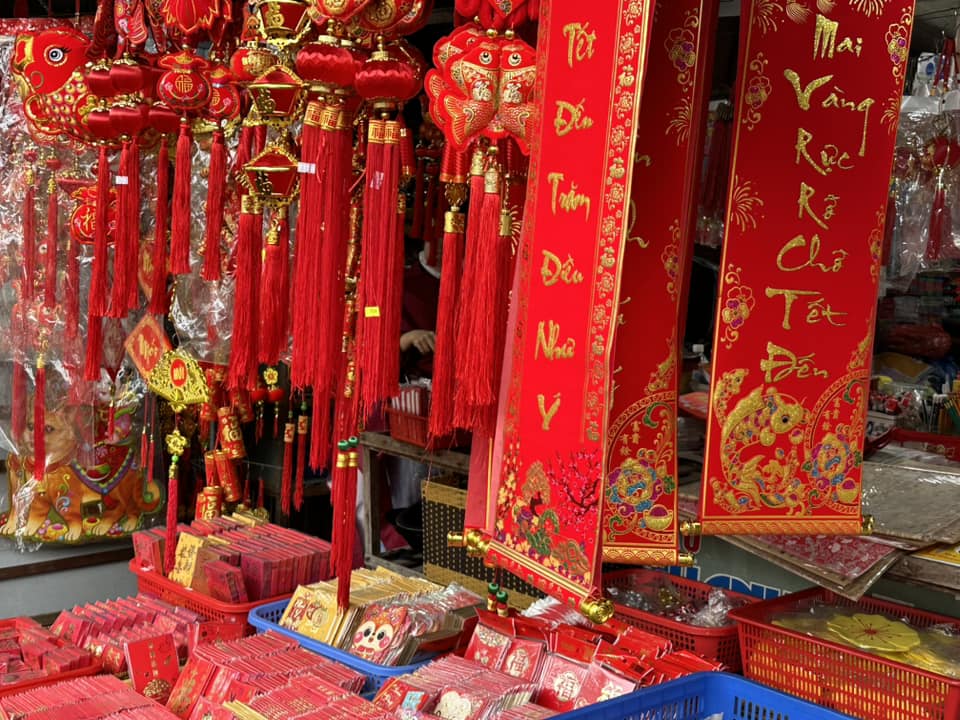
Considered the first day of spring and most important of national holidays in Vietnam, Tet is the annual Vietnamese New Year celebration, coinciding with the Lunar New Year celebrated throughout the world. Like the Chinese celebrations, it’s a time for families to gather together, pay respect to ancestors, and celebrate the start of spring.


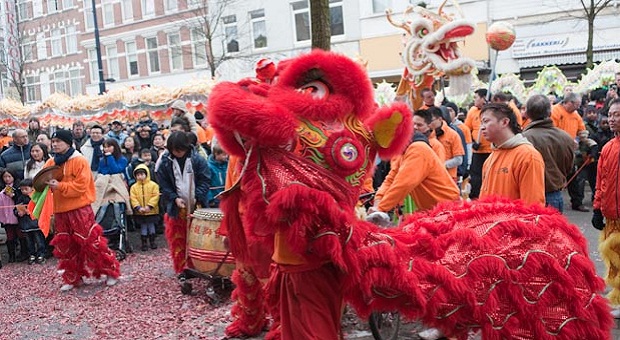
Tet is a great time to see Vietnamese traditions, games, and revelry. Public stages are set up throughout the country with free cultural shows, music, and entertainment. There will be dragon dances and lion dances. Tet can seem incredibly noisy and chaotic as local people like to celebrate in the streets. Firecrackers are thrown and gongs (or other noisy objects) are banged to scare away mischievous spirits that could bring about bad fortune. 


The Philippines


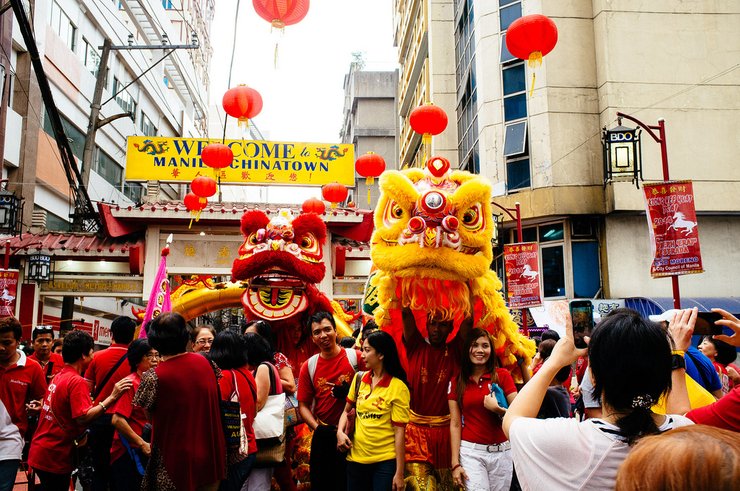
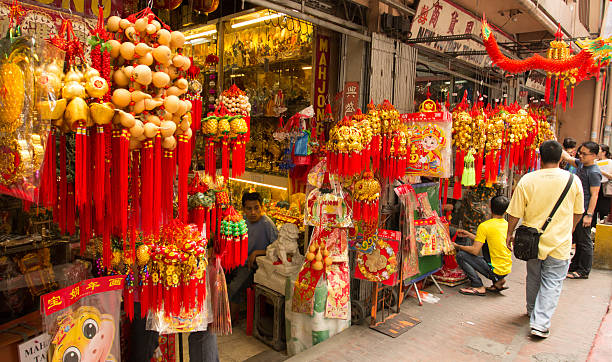
Manila Chinatown Binondo was founded in the 16th century, which makes it one of the oldest Chinatowns in the world. Binondo is the center of all Lunar New year celebrations in the Philippines. The whole area is lined with lanterns and red decorations. Parades of Dragons and Lions are the favorite part of the festivities. Colorful dance with twists and twirls attracts the most massive crowds of spectators on Ongpin Street, the major street of Chinatown. It gets filled with spectators, vendors, and performers. Spectacular fireworks at Shangri-la Mall.


The red color is supposed to bring luck in the new year. People often wear red clothes or give money in red envelopes. Chinese New Year won't be complete without setting off fireworks and firecrackers. Chinese New Year is now a public holiday in the Philippines.

Korea


Korean New Year or Seollal is a festival and national holiday commemorating the first day of the Korean calendar. The holiday takes place in the span of several days. It is marked by the gathering of family members, performing Korean rituals, eating traditional foods, playing folk games, and other traditional activities.


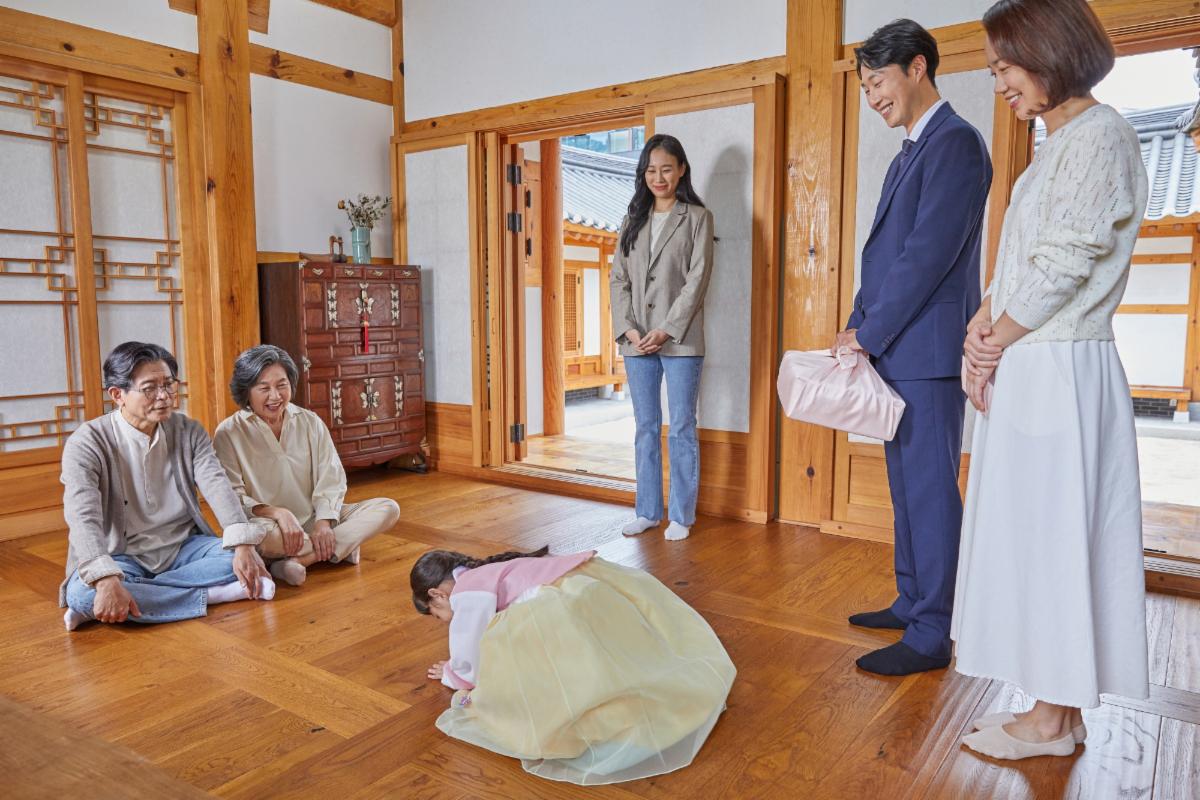
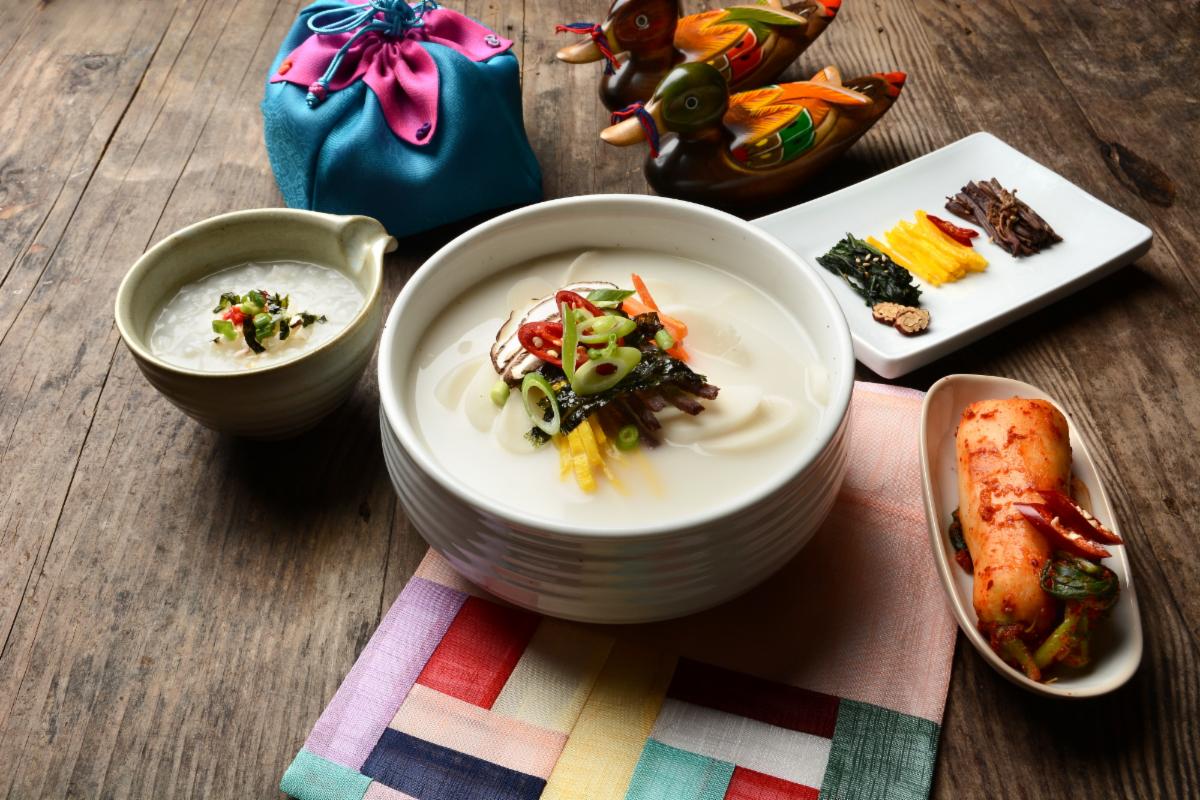
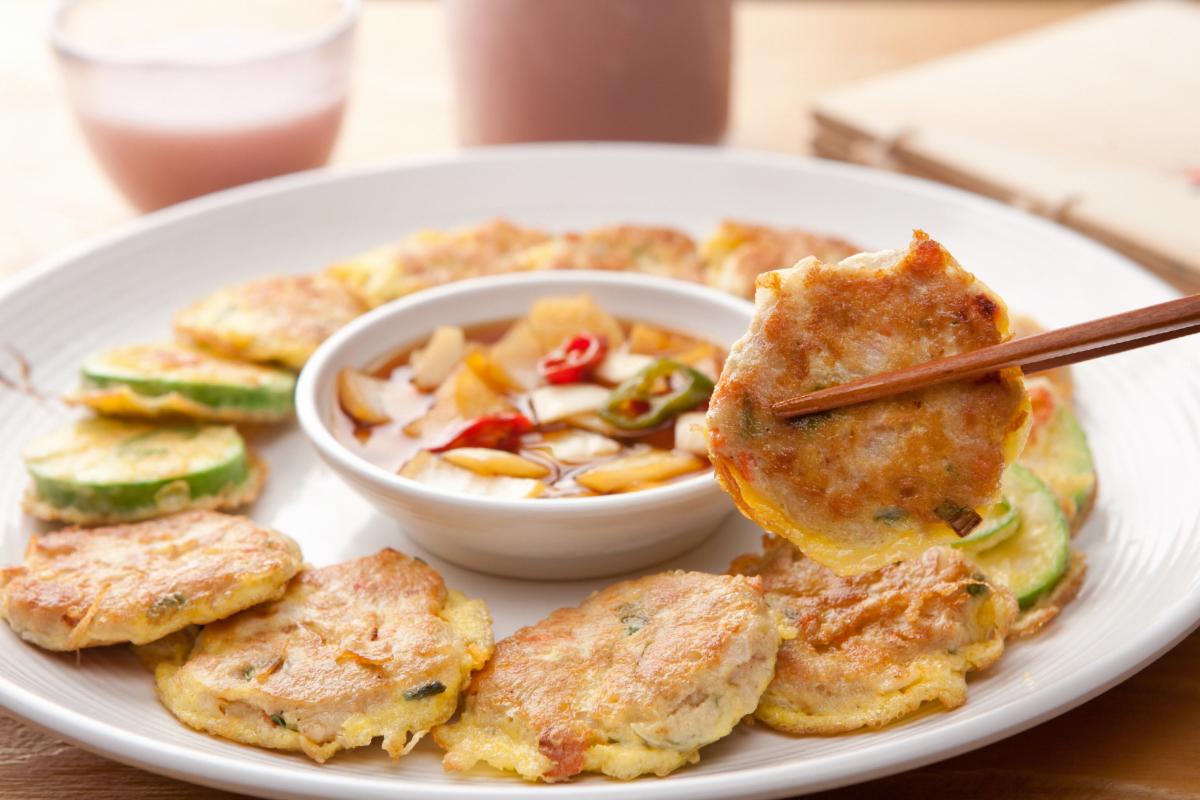
A key part of Seollal is wearing hanbok, Korea’s traditional clothing. Families gather on the day of Seollal, and all members will give a New Year’s bow to the elders of the family after completing the ancestral memorial rites. The bow is different for men and women, but both must pay important attention to their gongsu (hand position). An important Seollal tradition is eating a tasty bowl of tteokguk (rice cake soup). Tteokguk is one of Korea’s original dishes, and is traditionally eaten for the New Year. Another main Seoallal food is jeon (savory pancakes) to go with the tteokguk.

KTO Korea Tourism Organization

Italy


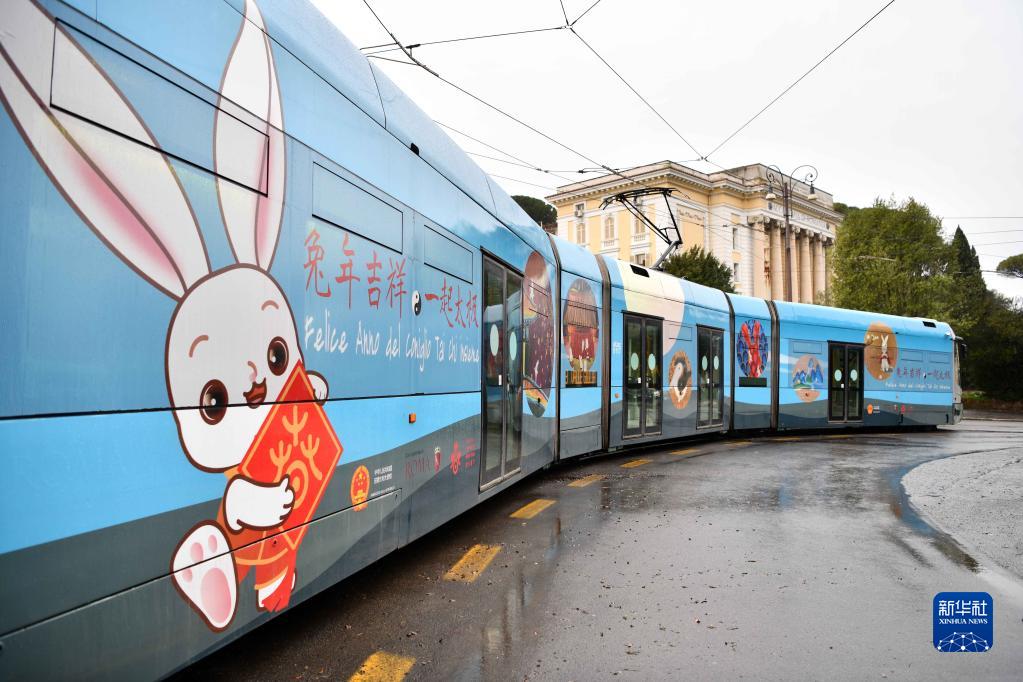
Just like any other capital city, Rome welcomes Chinese New Year in the most energetic way. With Italian dancers, Kung Fu artists, fireworks, dragons festoons and lion dances; fun is guaranteed in Vatican City of Rome.

People gather in Via dei ForiImperiali to celebrate Chinese New Year’s Eve and to welcome upcoming year. The city celebrates Chinese New Year with a traditional Chinese parade along Via dei Fori Imperiali. Starting at the Forum end of Via Cavour from Largo Corrado Ricci, the parade takes its route to the area around the Vittoriano museum. The parade wends its way through the main streets of Little Italy and Chinatown. Beijing and Rome have been twinned since 1998.

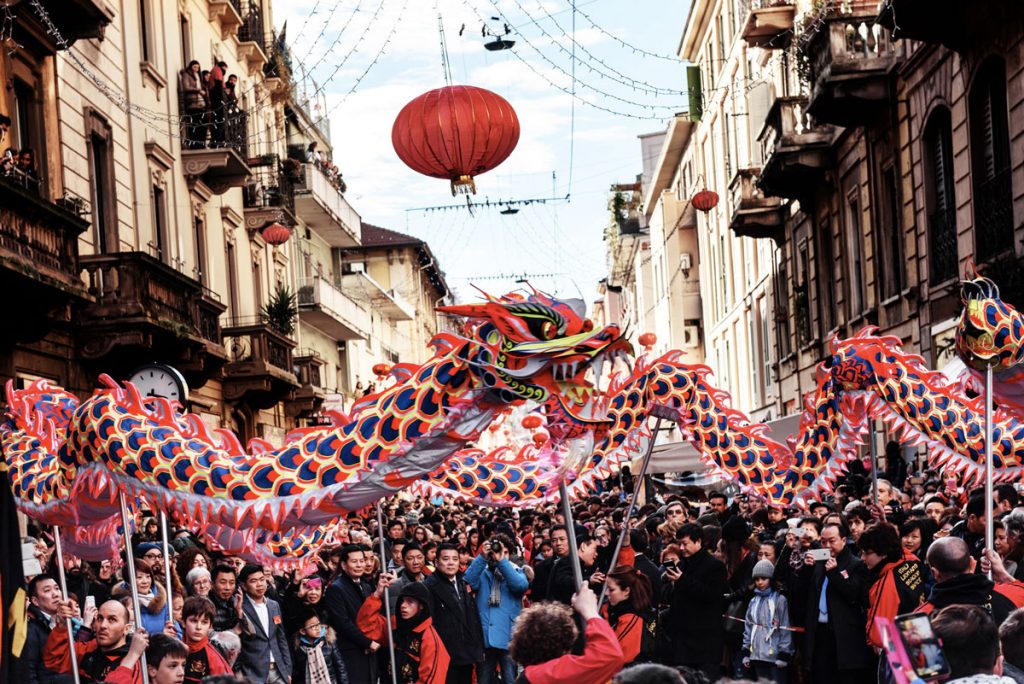
Milan is home to Italy's largest Chinese community, and it is here that New Year's Eve is at its most spectacular and atmospheric. In the famous Paolo Sarpi Street, the heart of Milan's Chinatown, the red lanterns are rekindled. The dragon parade will take place at Arch of Peace, and not in Via Paolo Sarpi like all the other years.


London


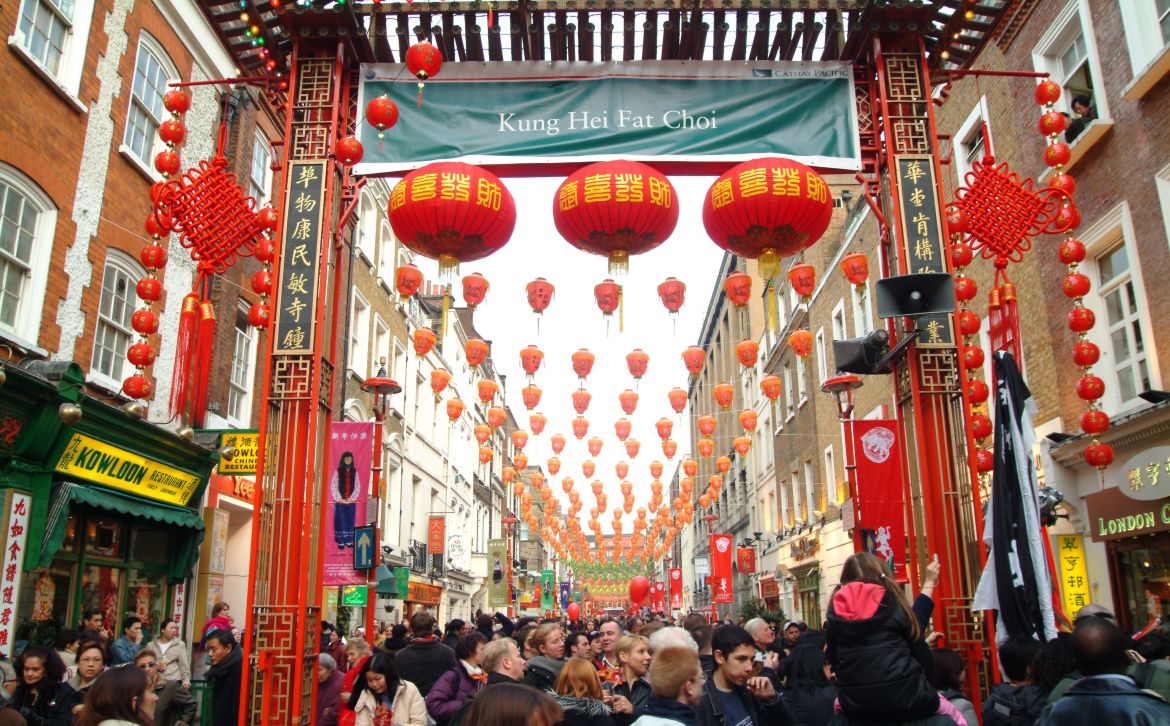
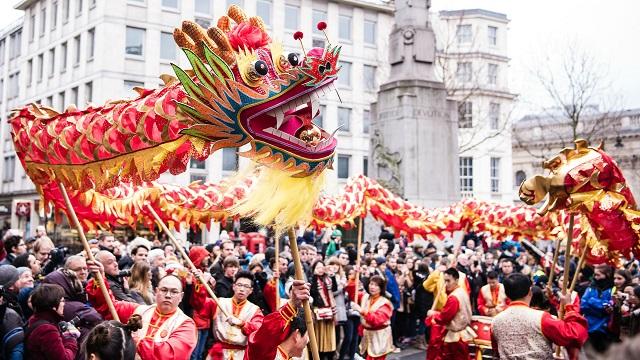
The Chinese New Year Parade will take place on January 22, The parade will kick off in Charing Cross Road, before snaking its way through Shaftesbury Avenue in Chinatown. There will also be stage performances in Trafalgar Square, Charing Cross and Shaftesbury Avenue. Visitors can expect to enjoy traditional dragon and flying lion dances and stage performances, including Chinese dance and music shows, martial arts display, Chinese pop hits and a lineup of artists from China.


Joyful sentiment echoed through Shaw Theatre in Central London on Tuesday night as hundreds celebrated the upcoming Chinese Lunar New Year with a gala featuring Chinese traditional culture, mainly performed by Chinese overseas students and by other scholars in the UK. Greenwich’s National Maritime Museum and The Museum of London Docklands are also hosting Lunar New Year celebrations.


New York City


The Empire State Building held an in-person lighting ceremony to celebrate Chinese New Year and the Spring Festival alongside the Chinese Consul General of New York.


On January 20th, the celebrations for Lunar New Year kicked off with a tower lighting ceremony and music performance; festive pop-up with NYC food vendor Sheng Mary Bakery; a corner display on the building’s iconic 86th Floor Observatory; and reveal of the iconic Fifth Avenue Lobby window installation of colorful landscapes of Chinese lanterns, flowers, and trees on display until February 15 to honor the Chinese zodiac’s Year of the Rabbit. The ceremony concluded with a traditional performance in the Observatory lobby.


The events across New York City that celebrate the Lunar New Year are the Chinatown’s annual parade and firecracker celebration to live performances by the New York Philharmonic (01/31/2023), the Nai-Ni Chen Dance Company, and many other cultural and social events.


Lunar New Year Festival at The Met:

The Year of the Rabbit

1000 Fifth Avenue

January 21 from 11 a.m. to 5 p.m.

Celebrate the Year of the Rabbit with a Lunar New Year festival at the Metropolitan Museum of Art. Enjoy live performances, interactive activities, and artist-led workshops for guests of all ages. Performers include the Chinese Center on Long Island’s Dance Troup and Chinese Theatre Works. Admission is free.


MOCA Fest

Museum of Chinese in America, 215 Centre St.

January 21 from 2:30 p.m. to 5:30 p.m.

The Museum of Chinese in America is hosting a month-long celebration of the Lunar New Year. The main event of MOCA Fest will take place on January 21, kicking off in MOCA’s lobby with a captivating lion dance by the United East Athletics Association lion dance troupe. The rest of the day is filled with a variety of events, including live music, arts and crafts, noodle pulling, and more. You can check out MOCA fest’s full schedule here. Admission is free and you can RSVP here.


Lunar New Year at the Staten Island Zoo

Staten Island Zoo, 614 Broadway

January 22 from 11 a.m. to 2 p.m.

The Staten Island Zoo has a hop in its step for the Lunar New Year and is starting off the Year of the Rabbit with arts and crafts, meet-and-greets featuring animals of the zodiac, and talks with zoo keepers. The celebratory events are free with zoo admission.


Chinese New Year Firecracker Ceremony and Cultural Festival

Sara D. Roosevelt Park, Chrystie Street and Forsyth Street

January 23 from 11 a.m. to 3:30 p.m.

The Chinese New Year Firecracker Ceremony and Cultural Festival is returning to Chinatown’s Sara D. Roosevelt Park for its 25th year. Thousands of firecrackers will be set ablaze to ward off evil spirits and welcome in the Year of the Rabbit. There will also be a lion dance, decoration giveaways, craft vendors, and food booths.

This year’s Parade Route: Mott & Canal to Chatham Square to East Broadway towards the Manhattan Bridge, completing on Eldridge and Forsyth Streets towards Grand Street next to Sara D. Roosevelt Park.


Lunar New Year at Hudson Yards

January 17 to February 6

In 2023, the Shops at Hudson Yards will celebrate the Chinese Lunar New Year. In addition to great deals at participating retailers like Pandora and Ray-ban, there will also be free cultural performances in collaboration with the New York Chinese Cultural Center on three Saturdays (Jan. 21 & 28 and Feb. 4) at 1 p.m., 3 p.m. and 5 p.m. in the Great Hall on Level 1.


Chinese New Year Parade

February 12

The Chinese New York Parade will go down Mott and Canal Street. It will then make its way down East Broadway and head towards Manhattan Bridge, and it will ultimately end at Sara D. Roosevelt Park. During the parade, there will also be smaller activities going on in Chinatown NYC. It will have all sorts of street vendors and festivities.

Best wishes for the Year of the Rabbit and a

Happy, Healthy, and Prosperous New Year!


NY PATA Board of Directors


Elizabeth Chin

Executive Director/Editor

NY PATA

newyorkpata@gmail.com

https://newyorkpata.org