|
The Power of Advocacy:
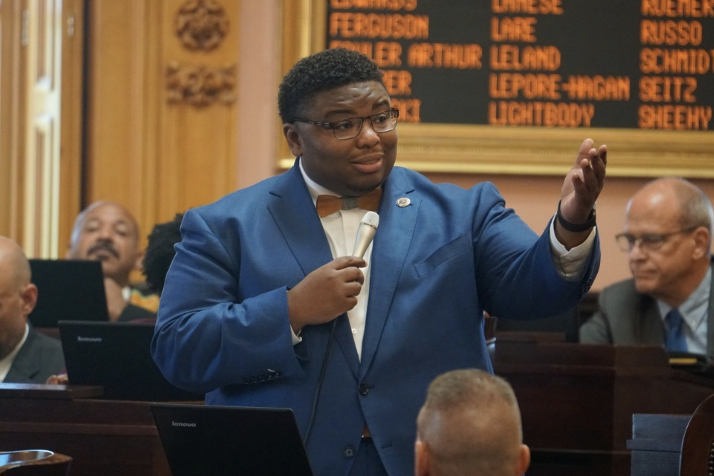
A Message from Rep. Jarrells
| | |
We are grateful to Ohio Representative Dontavius Jarrells from District 1 for joining our January MHFA Advocacy Team meeting. As a former MHFA instructor, he shared a story about a pastor he once trained whose congregant had died by suicide. The pastor told him, “If I had taken this class earlier, I might have recognized the signs and been able to step in.” Rep. Jarrells said that moment has stayed with him ever since.
During our discussion, he encouraged all of us to keep fighting for funding. He reminded us that legislators need to hear directly from the people doing the work and from the communities who rely on it. His message was simple and powerful: fight for funding, reach out and educate your legislators, and help them understand the cost of doing nothing.
In response to his guidance, here’s what we’ve done so far:
- We launched a targeted outreach campaign to Ohio’s freshman legislators.
-
Our AmeriCorps member and Columbus resident, Monica Sparks, has begun scheduling in‑person meetings with key lawmakers in Columbus.
- We sent emails to instructors and petition-signers asking them to contact their representatives.
Now it’s your turn. If you want to join the effort, visit our advocacy page and follow the steps to educate your state representative about why MHFA matters to you and your community and how you’d like to see it funded.
We are so appreciative of all the efforts people have been making to have MHFA continue to thrive in Ohio. If we stand together and advocate for the resources our communities depend on, we can’t help but be successful!
| |
After School Programs Can Help Prepare Teens for Life Beyond High School
One in 3 high school students reported feeling "so sad or hopeless almost every day for two or more weeks in a row" that they stopped their usual activities. For teen girls, this number is a staggering 43%.
So, it’s more important than ever to strengthen protective relationships, coping skills,
and supportive environments for our teens.
| | |
This recent article identified that After‑School and out‑of‑school time programs can be an essential buffer in:
- Resilience: Youth in after-school programs demonstrate stronger coping and stress-management skills than those not involved (Durlak et al., 2010).
- Passion Learning: “Spark development” research highlighted in Peter Benson’s 2008 book, How Parents Can Help Ignite the Hidden Strengths of Teenagers, shows that discovering passions in non-school settings builds purpose and shields against depression.
- Relationships: Longitudinal studies from PEAR find that programs emphasizing peer belonging and adult trust foster optimism and reduce social withdrawal.
- Mental Health Mediation: Structured summer programs yield measurable gains in perseverance, optimism, and emotion regulation compared to unstructured environments (National Summer Learning Association, 2022).
In response, we’re excited to offer “Level Up: Preparing Teens for Life Beyond High School”, a new after‑school initiative focused on Teen Mental Health First Aid, resilience skill‑building, and youth advocacy development. Our aim is to give students practical tools to recognize warning signs, support friends, manage stress, and speak up for themselves and their peers.
If your organization is interested in participating or partnering, we’d love to talk with you so please reach out.
| | | | Mental Health First Aid's Impact on Organizational Culture: What We Learned | | |
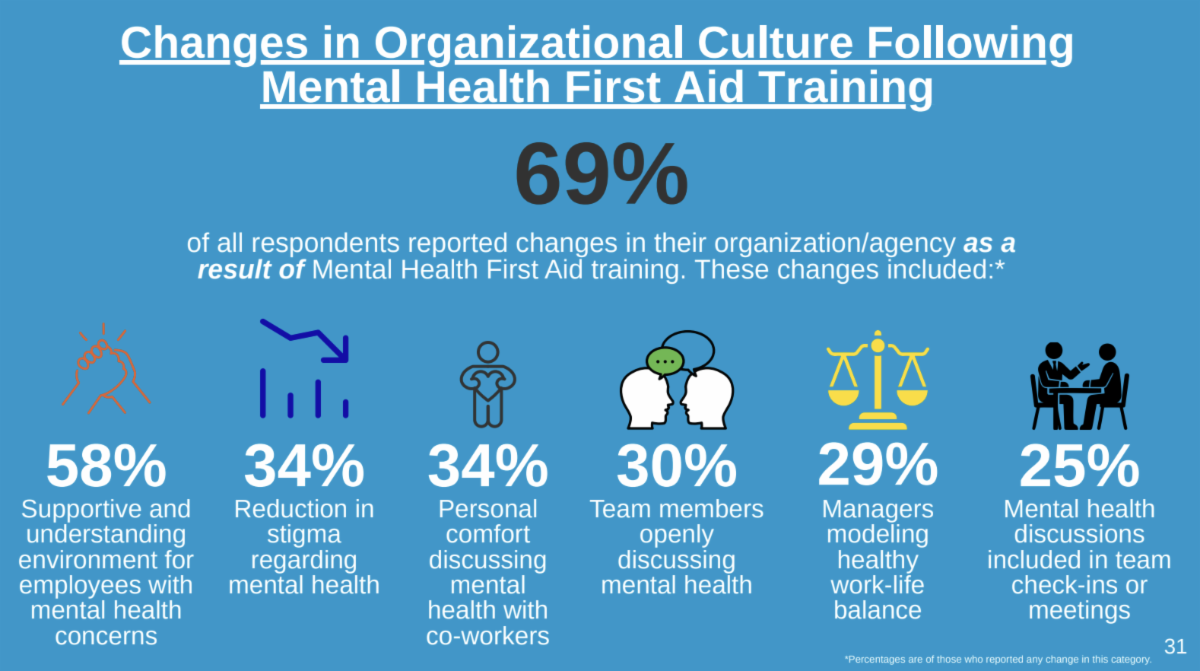
Epiphany Community Services released its final report showing that MHFA is driving meaningful improvements in both personal well‑being and workplace culture. Nearly 1000 participants across 48 training courses showed how MHFA influences organizational culture:
1. One of the most striking findings was the rise in participants’ confidence and behavior around mental health. Surveys showed major increases in seeking help for themselves, supporting others, engaging in self‑care, and recognizing signs and symptoms. These improvements were in the ninetieth percentile for many groups, showing that people are using the skills in their daily lives.
2. The human stories behind the numbers were just as powerful. Participants described workplaces where people check in on one another more often. Several noted that stress feels easier to manage because coworkers are kinder and more aware. In some organizations, staff even created support funds for colleagues facing personal challenges, a sign that MHFA helped build stronger relationships.
3. Another surprising finding was how deeply organizations changed. Sixty‑nine percent reported a shift in mental health culture. Many saw more open conversations, reduced stigma, and leadership modeling better work‑life balance. A large share also made structural changes, including improvements to benefits, Employee Assistance Programs, and workplace policies. Some introduced quiet rooms, encouraged real lunch breaks, or reduced after‑hours expectations.
4. The impact extended to those they serve. Over half of the organizations improved how they support clients, from recognizing crises earlier to sharing more resources. A few even added mental health assessments for every client who walked in the door. Participants said these changes made interactions more compassionate and effective.
5. The scope of the change was wide. Nine of fourteen host sites made at least one major organizational improvement, and the project touched more than 7,800 employees.
This report shows that MHFAiders are creating real change. It confirms that MHFA improves personal well‑being, strengthens relationships at work, and helps organizations build healthier, more supportive cultures. It also gives you compelling evidence to share with funders and partners about why continued investment in MHFA matters and how it leads to meaningful, measurable impact.
| |
|
Building Capacity: MHFA Training Continues Despite Funding Cuts | |
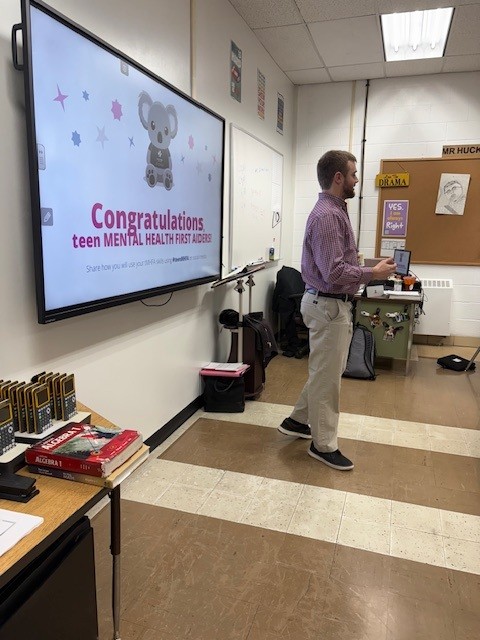
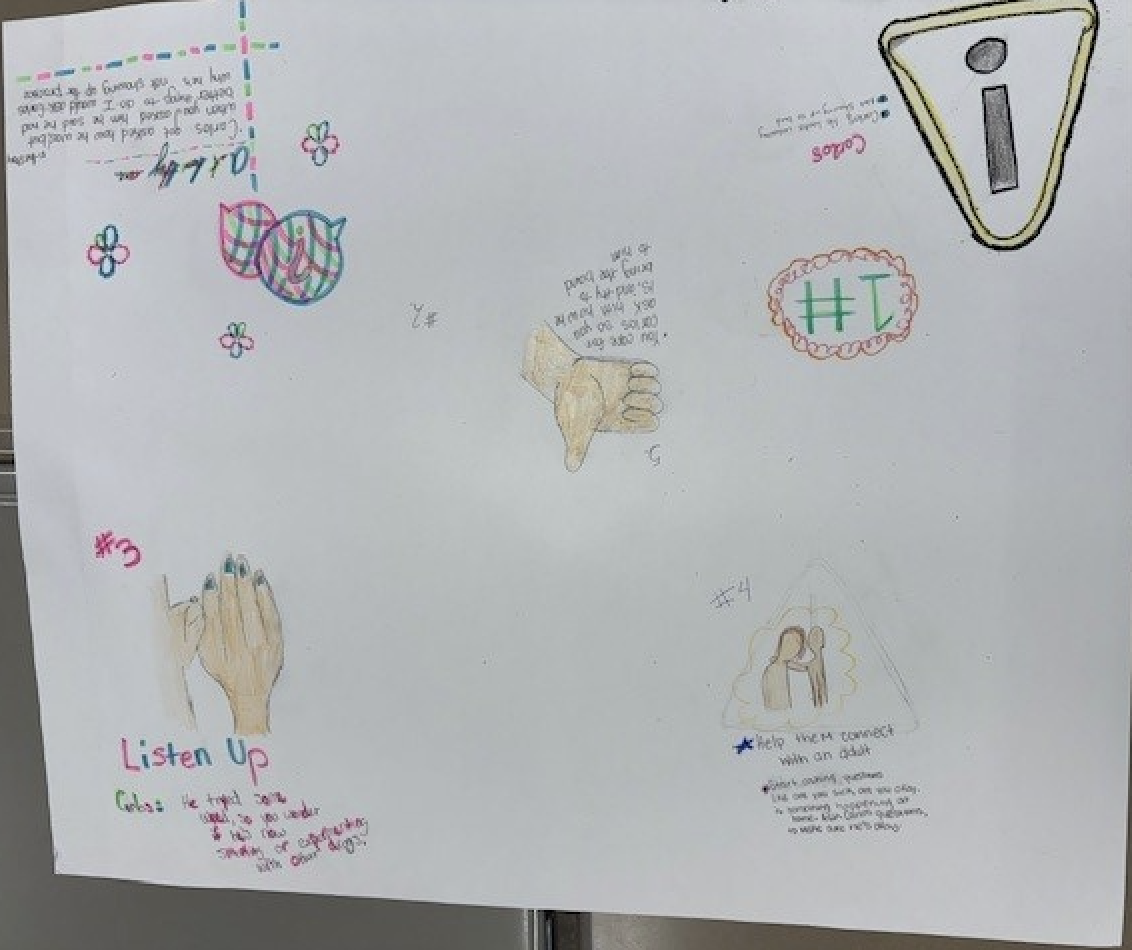
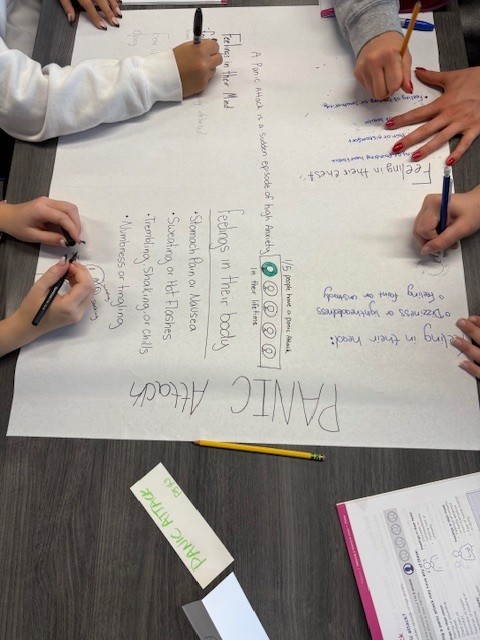
Even with the MHFA Collaboratives’ youth and adult MHFA classes dropping from an average of twenty‑two per month to four because of funding cuts, (our Teen MHFA program is going strong until the grant ends May 1st training over 2000 students this semester!) we are still offering youth and adult training in:
Ohio counties: Athens, Adams, Brown, Butler, Champaign, Clark, Clermont, Clinton, Greene, Hamilton, Highland, Logan, Montgomery, Preble, and Warren
Kentucky counties: Boone, Campbell, Carroll, Gallatin, Grant, Kenton, Owen, Pendleton, Mason, Lewis, Fleming, Rowan, Robertson, Carter, and Greenup
We are also offering more paid classes in any area if your organization needs to train staff and can’t wait until new funding is secured. (The cost of a youth or adult class of 30 is $2100 if scheduled before March 1 and $2400 after March 1 due to the increase in cost from the National Council. Teen MHFA is $1700 per class of 30 students before March 1 and $1850 after.)
| | |
If you live or work in one of these counties and would like to discuss any of these time limited opportunities, we’d love to connect with you.
If you don’t qualify for grant-covered classes, like the eighty organizations on our waiting list, please know that we are doing everything we can to secure resources for your region:
- We are submitting a sizable number of grant applications this year. This month alone, we applied for One Ohio Foundation funding to support teen, youth, and adult MHFA in ten of the nineteen regions. Thank you to everyone who shared personal stories gathered from the article in last month’s newsletter; your voices strengthened our applications and helped demonstrate the impact MHFA has had on real lives.
- We also plan to pursue upcoming SAMHSA grant opportunities as they open.
-
We are actively seeking local foundations interested in supporting their own schools, colleges, and organizations. These partnerships create a win‑win by bringing MHFA directly into the communities they care about.
| | | | Black History Month: Progress in Mental Health | |
Black History Month is a time to celebrate resilience, leadership, and progress—while also acknowledging the work still ahead. Mental health is one area where progress has been hard-earned and deeply meaningful for Black communities.
For generations, mental health in Black communities has been shaped by historical trauma, racism, economic inequity, and limited access to care. These realities often led to silence, stigma, and untreated mental health conditions. Despite these challenges, Black communities have long relied on strength, faith, family, and collective care to survive and heal.
One of the most visible signs of progress today is the breaking of silence around mental health. Conversations about anxiety, depression, trauma, and burnout are becoming more common and more accepted. Younger generations, in particular, are redefining what strength looks like. Public figures, athletes, artists, and community leaders have played an important role by openly sharing their mental health journeys. Their voices help normalize mental health struggles and encourage others to seek support without shame.
Progress is also evident in the growing presence of Black mental health professionals and culturally responsive services. Representation matters. When individuals see providers who understand their lived experiences, trust increases, and care becomes more effective. Community-based programs, peer support networks, and mental health education initiatives are helping close gaps where traditional systems have fallen short.
While progress is real, disparities remain. Black Americans are still less likely to receive adequate mental health treatment and more likely to face barriers related to cost, access, and stigma. Acknowledging progress does not mean ignoring these challenges, it means using momentum to continue pushing for equity.
| |
Family Mental Health Education Day
at the Cincinnati Zoo
| |
Families can attend the 4th Annual Family Mental Health Education Day on Saturday, February 28 from 9:30 a.m. to 2:30 p.m. at the Cincinnati Zoo. Parents, caregivers, and youth ages 12 and older are invited to take part in separate learning tracks designed to build practical skills, reduce stigma, and strengthen support at home for young people with anxiety or depression. Registration is $15 and includes breakfast, lunch, parking, and all‑day zoo admission. Scholarships are available by emailing info@1N5.org.
Find the agenda and register here: https://1n5.org/events/
| | | | Resource of the Month: Health in her Hue | |
In a world where only about 5% of physicians are Black, this directory and app is a game changer for Black women seeking medical providers who look like them and understand their lived experiences. You will find Health in Her Hue on our “Resources for Mental Health First Aiders” app. It offers culturally relevant content tailored to Black women’s health needs while fostering a supportive community where users can connect around health and wellness.
The platform also features a blog covering timely and essential topics such as obstetrical complications, mental health, and self-care during the pandemic. Its extensive wellness library addresses a wide range of women’s health issues, including breast health, reproductive health, and mental health. In addition, Health in Her Hue hosts events and virtual workshops that further empower Black women with knowledge, resources, and connection.
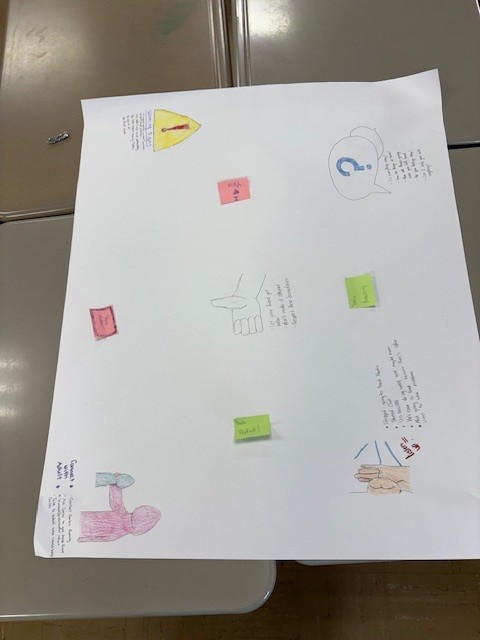
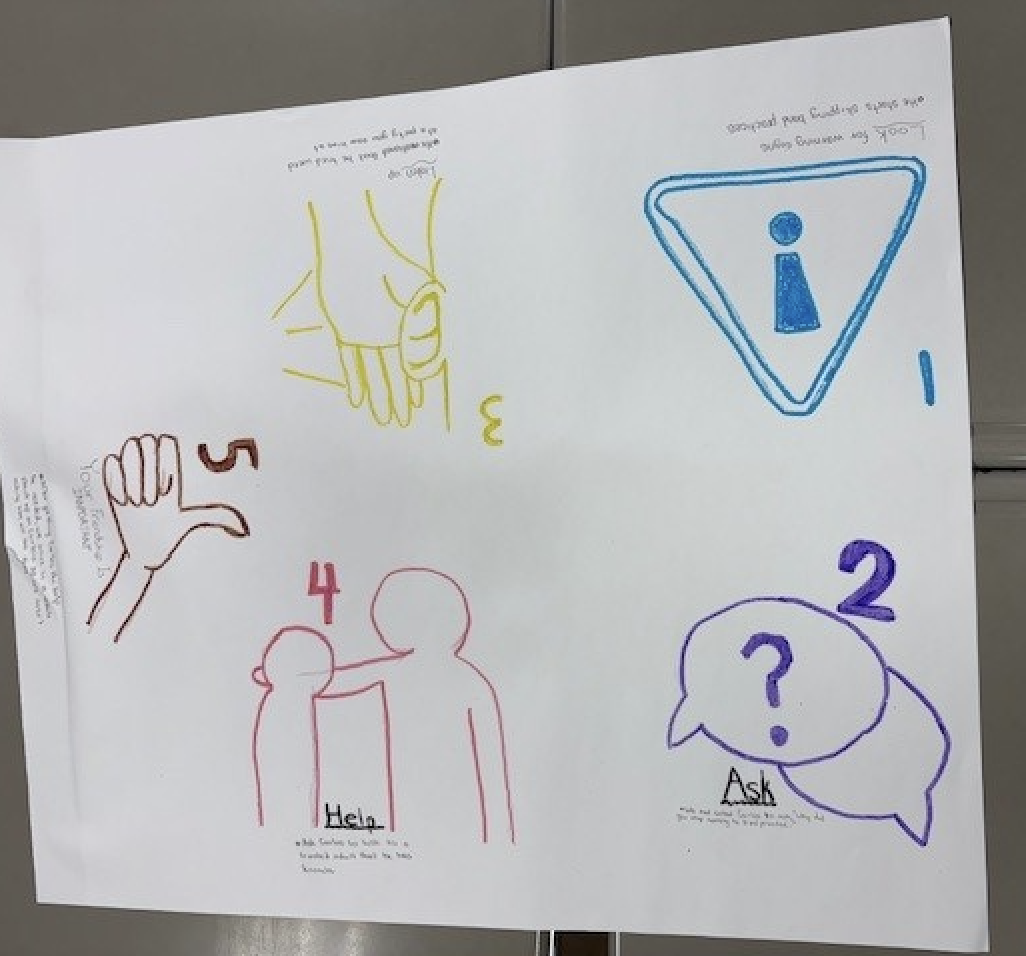
| | | | Teens Hard at Work in tMHFA Classes | | | | | |