|
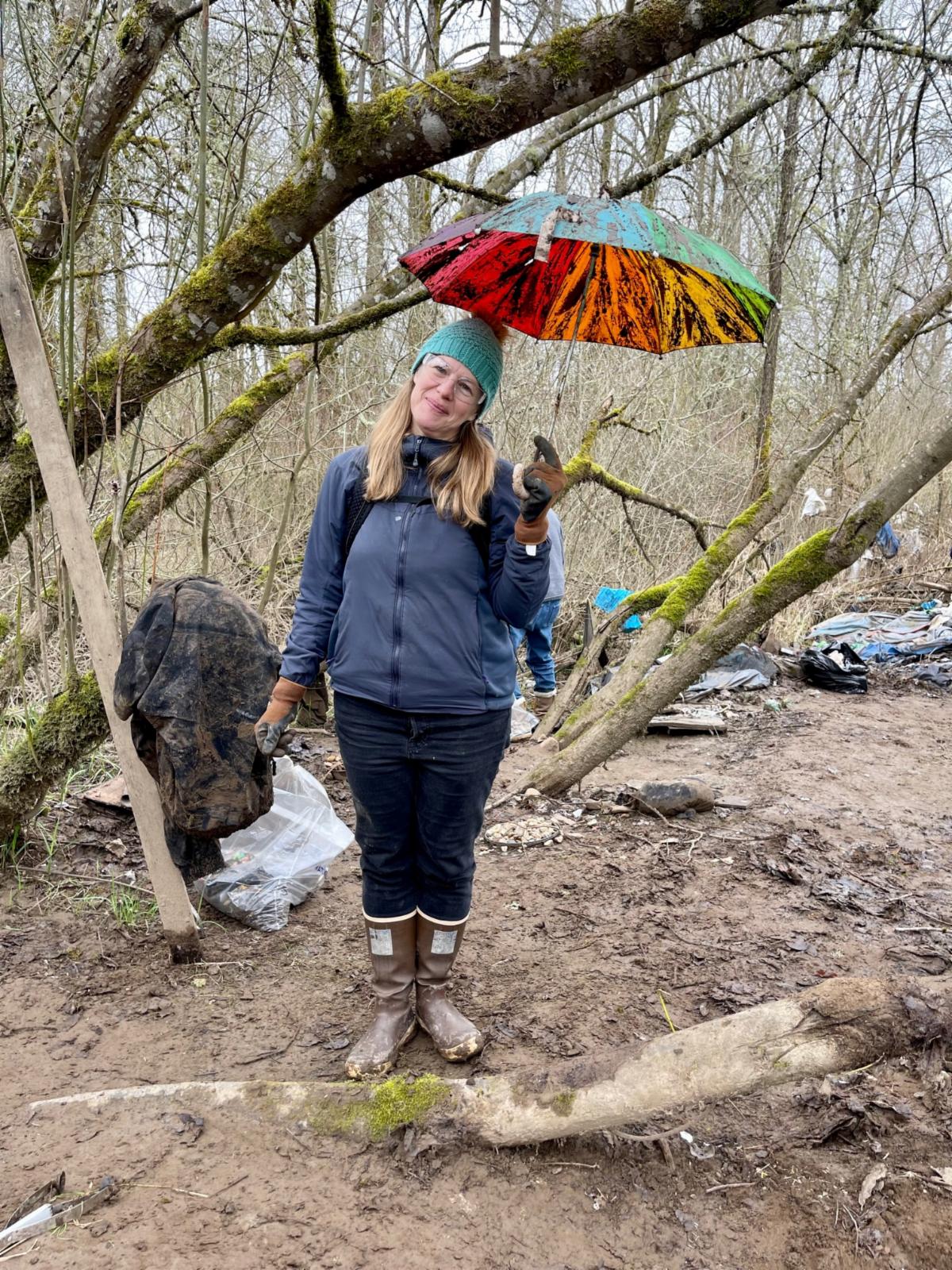
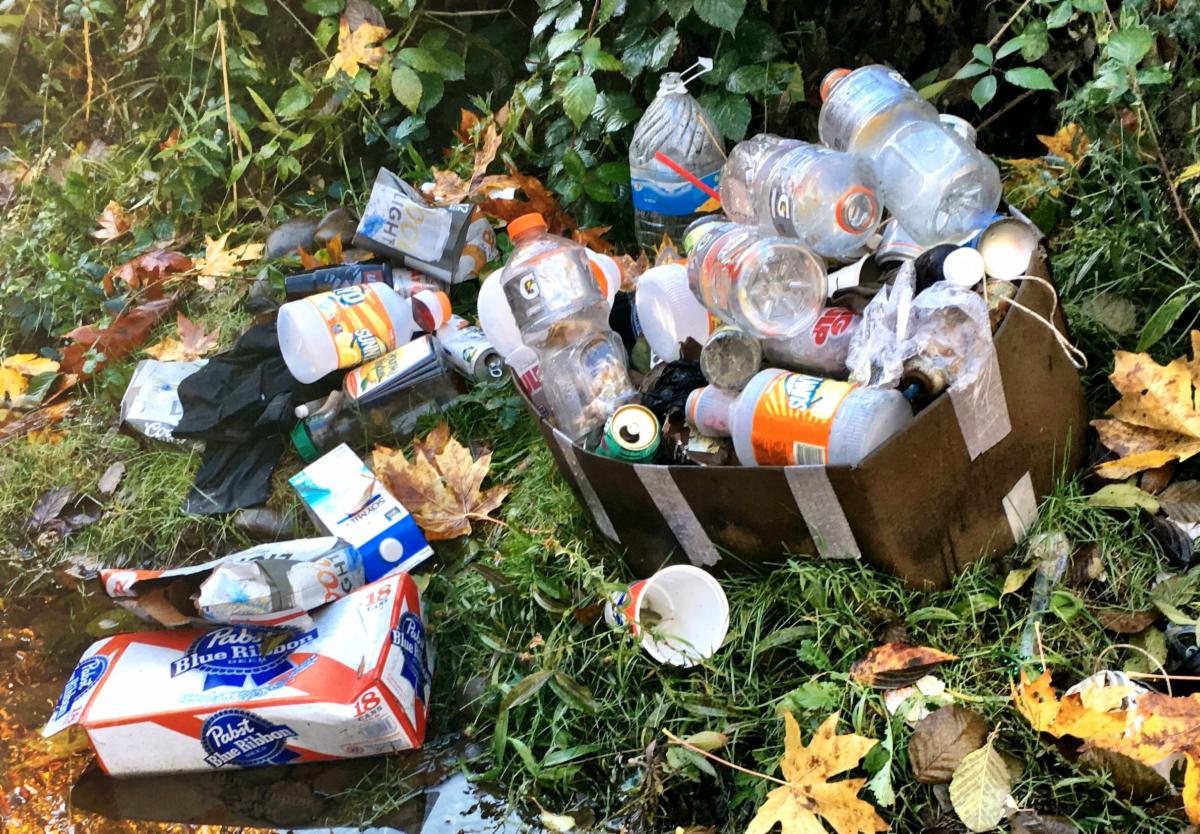
When we think of the global problem of single-use plastics, we think of the Great Pacific Garbage Patch. But in the Willamette River, our volunteers clean up countless volumes of plastic trash each year. There are many long-term, damaging, and far-reaching health and ecological effects of these misplaced plastics, including ingestion by birds and fish and absorption of plastic chemicals by wildlife and humans alike. Our use of plastics needs to be reduced.
To this end, Willamette Riverkeeper has submitted testimony in support of three consumer packaging bills: SB 543, SB 544, and SB 545 - bills which will:
a) phase out polystyrene,
b) reduce single-use plastics, and
c) revise our health code to allow reusable consumer packaging to reduce the use of consumer plastics.
Please click on each bill number above and consider writing to your local lawmaker(s) to support these bills – here’s why:
Polystyrene is one of the worst pollutants in our environment because it breaks down into several smaller pieces and is very difficult to separate from other organic and inorganic waste in our waterways. Made with ‘forever chemicals,’ polystyrene particles are ingested by aquatic life and work their way through the food chain, with trace elements being found in the human bloodstream. There are other less harmful alternatives to the use of polystyrene, providing better alternatives for consumer food packaging and other uses. A ban on polystyrene is warranted by good science and wise from an environmental stewardship perspective.
As a practical alternative to plastic and Styrofoam, many of us have already transitioned to reusable stainless steel coffee cups and water bottles, serviceware made of non-plastic materials, and reusable coolers and containers for food storage.
This trio of bills will help incentivize conscientious personal choices while helping to remove numerous single-use plastics and polystyrene in our watershed.
|