December 15, 2020
Top stories
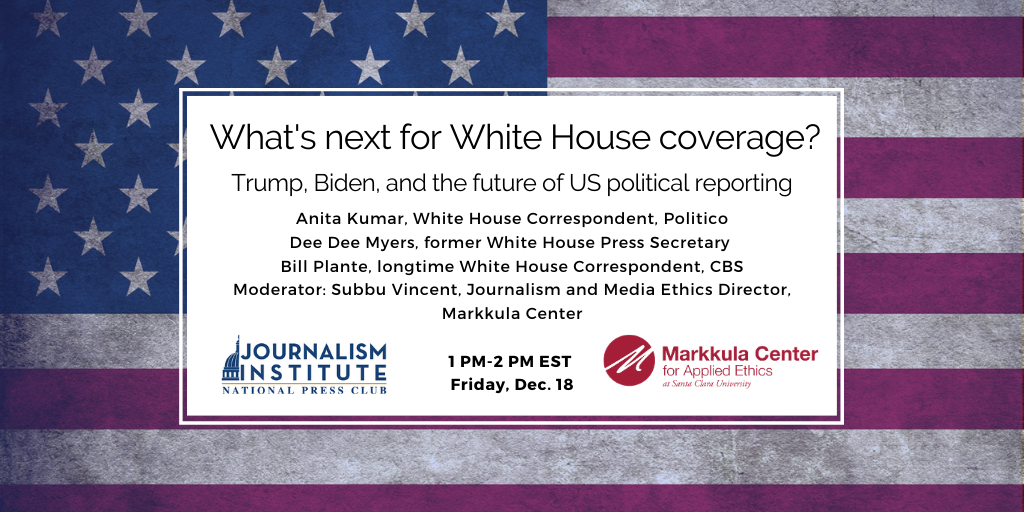
As president-elect Joe Biden prepares to lead a deeply divided country, what’s next for White House coverage? What can past coverage and recent experiences teach us about envisioning a better future for how journalists cover the president, and how Americans understand the United States?

Register now for this program, a partnership between the National Press Club Journalism Institute and the Markkula Center for Applied Ethics at Santa Clara University, which will address these topics.

Date: Friday, December 18, 2020
Time: 1-2 p.m. EST / 10-11 a.m. PST

Joining us with lessons from their firsthand experiences with the White House press corps are current Politico White House Correspondent Anita Kumar, former White House Press Secretary Dee Dee Myers, and longtime CBS White House Correspondent Bill Plante. The program will be moderated by Subbu Vincent, director of Journalism and Media Ethics at the Markkula Center for Applied Ethics.
Throughout 2020, journalists across the country have shared their best practices for working through the pandemic. As we approach 2021, we’re asking what they learned this year and what they hope to learn in the year to come. 

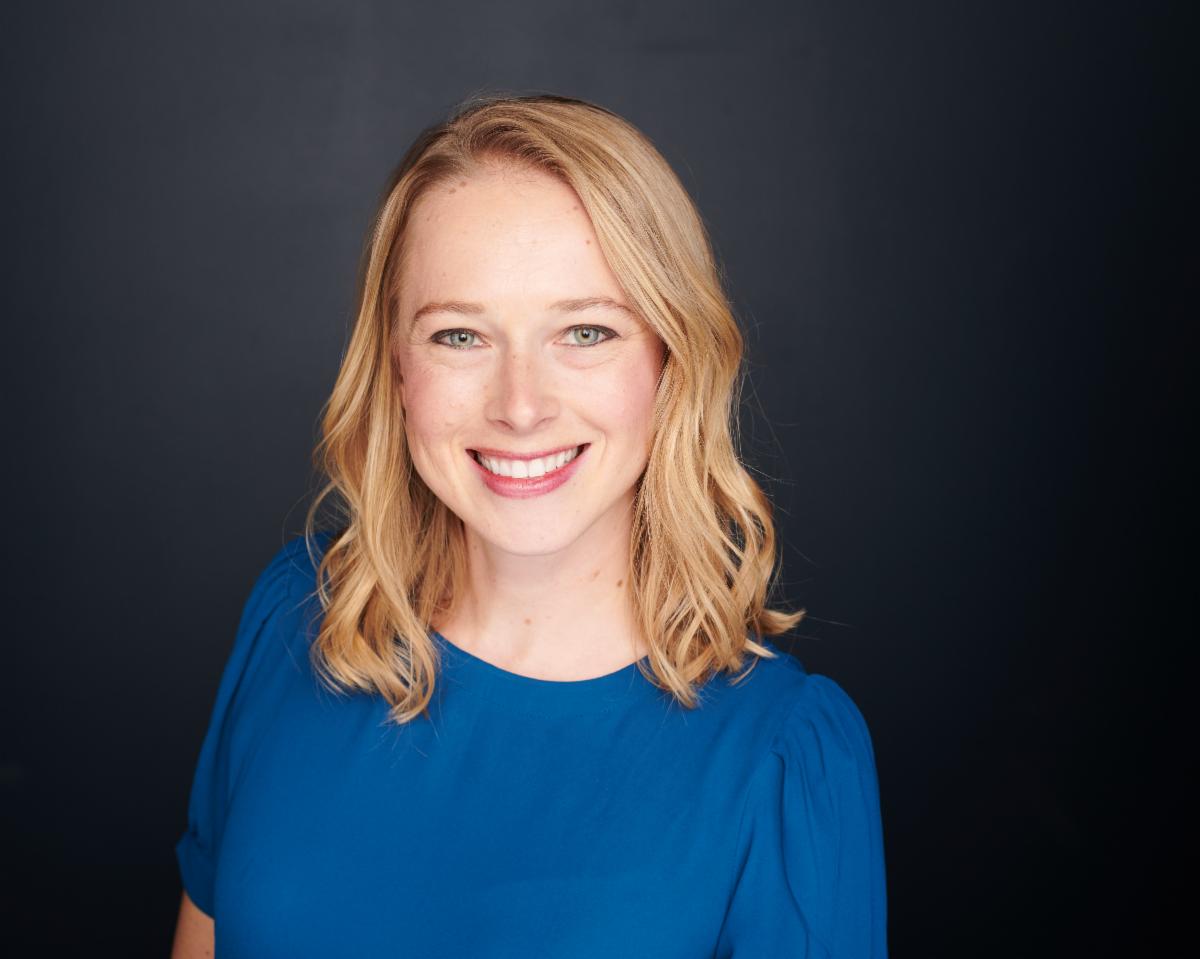
Name: Olga Khazan
Current job: Staff writer, The Atlantic

What are the main lessons you learned this year from your reporting that you’ll use next year?

Khazan: Coronavirus science that seems certain today might change next week, so keep that in mind when you’re writing stories. It’s still okay (more than okay!) to call out bad policies when you see them, but be sure to caveat what we know now and how that might change in the future. The flip side of this is that what might seem so controversial as to get you “cancelled” one minute will be common knowledge and totally accepted the next. So when you’re sure, be brave.

How did your work change during the pandemic? 

Khazan: I took way fewer reporting trips. I’d like to think I got better at phone reporting as a result? But it was also my main way of connecting with people, so perhaps I was just so happy to be reporting by phone that I enjoyed it way more than I normally do.

What do you hope to learn or cover in the coming year? 

Khazan: How we define “essential” when it comes to essential workers getting the vaccine. 

How are you taking care of yourself now that you weren’t at the beginning of the pandemic? 

Khazan: I’m trying to spend more time outside, taking walks. I’ve realized that while walks don’t burn as many calories as runs, I enjoy them more and find them more replenishing. No one is looking at me anyway so it doesn’t matter how much weight I’ve gained.
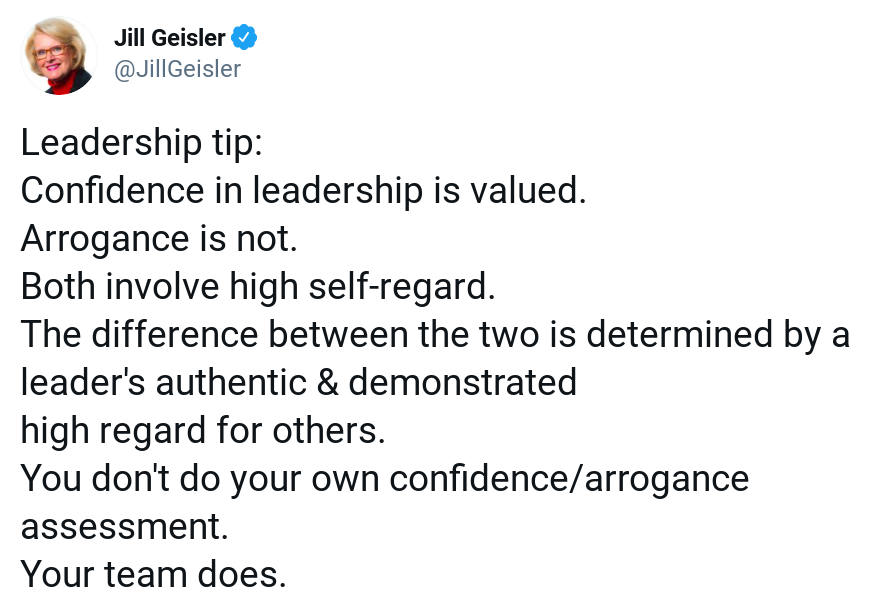
Confidence is excited by someone else’s success; arrogance is threatened by it. Confidence seeks collaborators; arrogance alienates colleagues. Confidence breeds curiosity; arrogance slams doors. Instead of being the smartest person in the room, be the most empathetic. 

Advice from Jill Geisler, Bill Plante Chair in Leadership & Media Integrity, Loyola University Chicago, Freedom Forum Fellow in Women’s Leadership

Click here to read Jill’s previous posts.
The next generation of journalists graduated in 2020 into a challenging job market unlike any other. We spotlighted them this summer, shared advice from their role models, and are checking in with them this month to see where they are now and what they’re learning about journalism. 

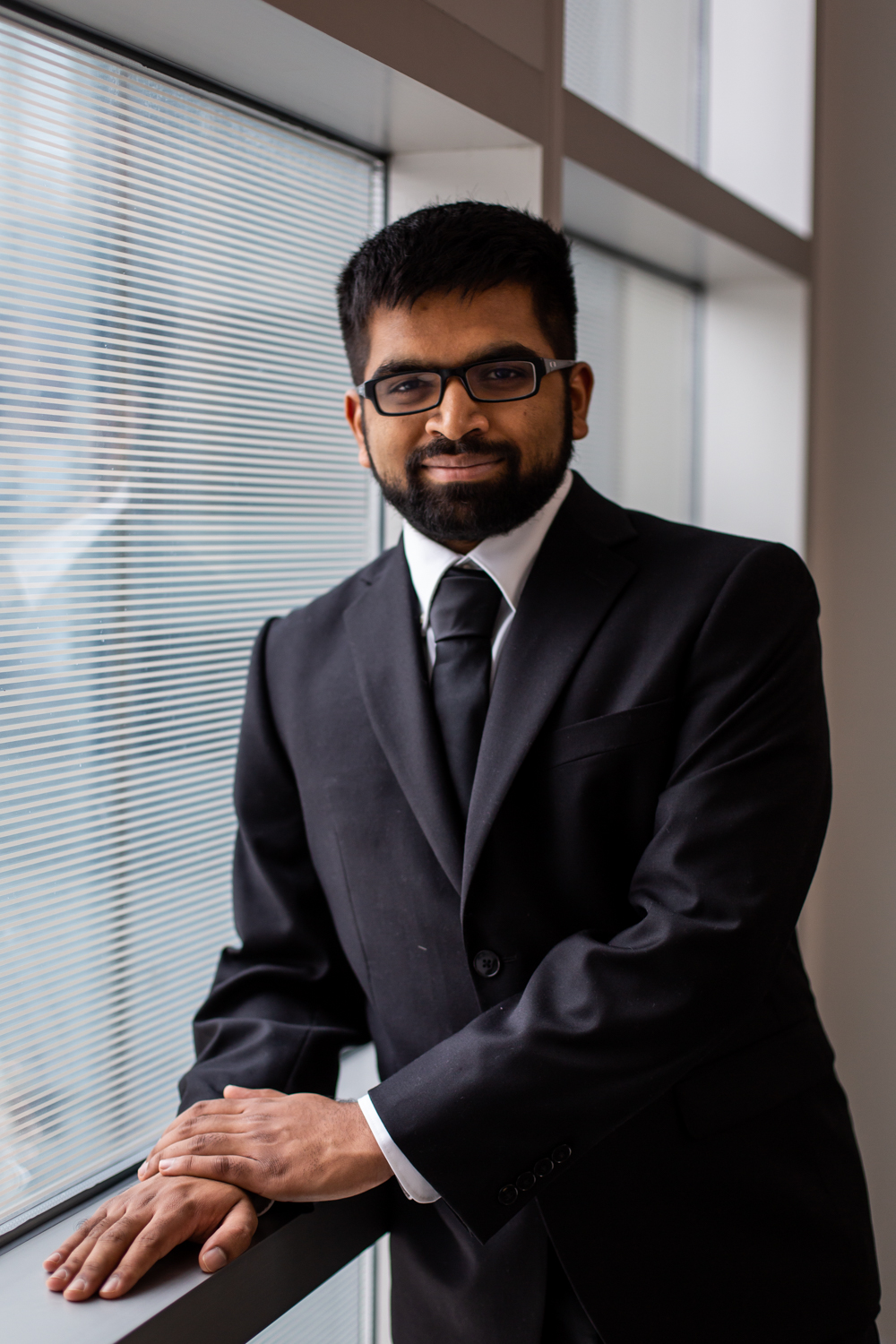
Name: Jishnu Nair
School: Syracuse University
Current job: Digital content producer, CBS21 News
Journalism goals: Break into a specialized beat

Where are you working right now? Is the position full-time, part-time or an internship?

Nair: I am working full-time as a digital content producer for CBS21 News, based in Harrisburg, PA. My main responsibilities are writing web stories, keeping us up to date on social media and our app, and serving as the weekend assignment editor.

What’s the biggest lesson you’ve learned on the job search?

Nair: The biggest lesson I learned is how much the little things matter — things like reaching out with an email, even if there wasn’t an opening, to keep in touch. That’s how I landed this job, by keeping in touch with the assistant news director even though the station didn’t have openings.

What’s been your best moment in journalism since graduation?

Nair: Undoubtedly, working before the election. I consider myself lucky to have started before Election Day, and even though I was technically in training on the night of, it was an awesome experience to be in a professional environment for the first time during election coverage.

What do you wish you had learned as a student that you’re learning on the job?

Nair: I think the most important things you can learn on the job, like integrating into a community, aren’t really things you can teach in class — that’s something everyone has to figure out how to do on their own. The biggest thing I have learned, however, is reading court documents — it’s important to figure out how your area makes these documents accessible (i.e. through PACER or their own sites) and then also figure out which documents are notable updates and which ones are just regular court proceedings, among other things.

Have your journalism goals changed since graduation, and if so how?

Nair: Slightly, for now — I want to use the experience with breaking news situations and clips I gain here at CBS21 to hopefully move into a breaking news/general assignment reporting role at a local newspaper, and then from there progress into a more specialized beat such as an investigative or courts reporter. But I’m only one month in, so I’m keeping all options open!

What’s the NEW wackiest story you’ve ever worked on?

Nair: It would have to be the post-election lawsuits on behalf of the Trump campaign — at both the state and federal level so many cases are directly related to Pennsylvania elections.

How are you taking care of yourself and staying motivated right now?

Nair: This is something I’m still working on, especially when relocating to an entirely new city — for example, I’ll admit my diet is definitely far from where I want it to be right now. But as I continue to adapt and learn I’m confident that I can improve on that and other areas of my physical and mental health.

As for motivation, at the end of each week I like to have a little book where I put down something new I learned at work and something I can improve on in the short-term, and having those little notes for myself gives me something to work towards that’s pretty achievable.

This newsletter is written & edited by the National Press Club Journalism Institute staff: Beth Francesco, Holly Butcher Grant, and Julie Moos. Send us your questions and suggestions for topics to cover.

Get this from a friend? Subscribe, and view the archives.